

Compare Facial Moisturizers: Best Picks for Your Skin in 2026
Choose Vanicream Daily Facial Moisturizer if you have dry, sensitive skin and want a fragrance-free face moisturizer with ceramides and squalane. For very dry patches, CeraVe Moisturizing Cream gives you a richer option; for oily or combination skin, a lightweight fragrance-free gel cream is a more practical starting point.
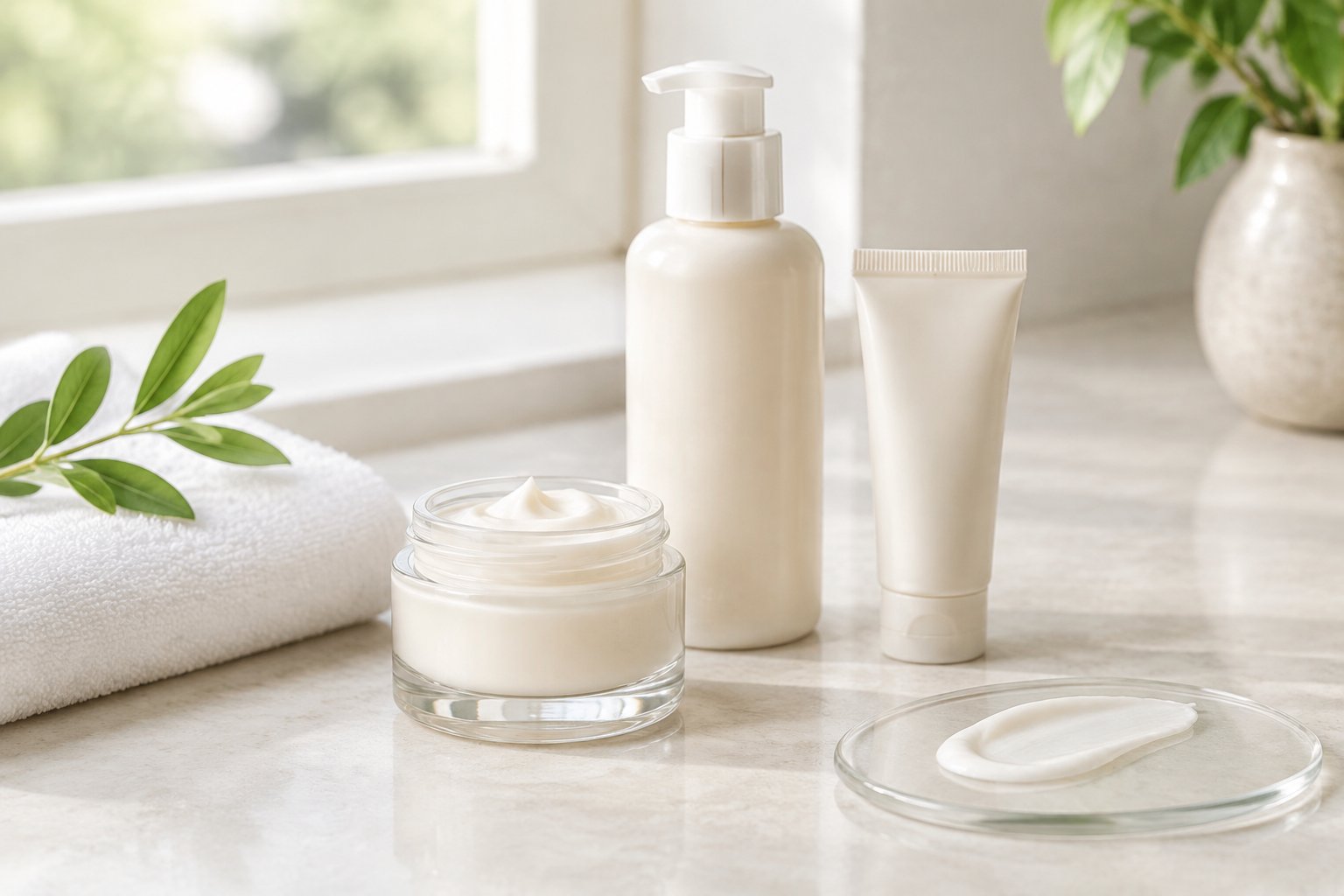
You get more from a Moisturizers Review when you compare the exact formula, its finish, and how comfortably it fits beneath your sunscreen. Among the best face moisturizers, you will find substantial differences in richness and fragrance, even between similarly named products.
Your skincare budget also deserves a clear boundary. Paying more buys you a particular texture, packaging, or ingredient blend; your skin’s response determines whether that purchase earns a place in your routine.
Which Everyday Creams Suit Dry and Sensitive Skin?
For dry skin and sensitive skin, start with a fragrance-free moisturizer that supplies both water-binding ingredients and barrier-supporting fats. Choose a lighter lotion for daytime layering or a richer cream when tightness returns between applications.
La Roche-Posay Toleriane Double Repair: An Everyday Drugstore Option
You get a practical everyday drugstore moisturizer with La Roche-Posay Toleriane Double Repair, particularly if you want a cream that feels less heavy than a dense face-and-body formula. Its combination of glycerin, ceramide, and niacinamide suits a routine focused on moisture and barrier support.
Choose the standard non-SPF version when you want the same moisturizer morning and evening. Check the full product name before purchasing because the UV version has a different formula. If niacinamide products have previously caused stinging, introduce this one cautiously.
Vanicream Daily Facial Moisturizer: A Simple Fragrance-Free Choice
You have a useful starting point in Vanicream Daily Facial Moisturizer when fragrance is a known trigger. Its ceramides, squalane, and hyaluronic acid provide a balance of softening and water-binding ingredients in a relatively light facial formula.
Choose it when you want a moisturizer for sensitive skin that fits beneath sunscreen without the weight of a thick cream. For persistent flaking, you may need a richer layer on affected areas. Read the name carefully: Vanicream Daily Facial Moisturizer and Vanicream Moisturizing Cream are different products.
CeraVe Moisturizing Cream vs. First Aid Beauty Ultra Repair Cream
Choose CeraVe Moisturizing Cream when your priority is a rich, fragrance-free formula with ceramides and petrolatum. First Aid Beauty Ultra Repair Cream gives you colloidal oatmeal, an ingredient used to relieve dry, itchy skin.
| Criterion | CeraVe Moisturizing Cream | First Aid Beauty Ultra Repair Cream |
|---|---|---|
| Texture | Dense cream | Rich, whipped cream |
| Notable ingredients | Ceramides, petrolatum | Colloidal oatmeal, shea butter |
| Fragrance consideration | Fragrance-free | Check exact version |
| Intended application | Face and body | Face and body |
With First Aid Beauty, inspect the exact version because scented editions and ingredient differences complicate comparisons. If you react to aromatic plant ingredients, check for eucalyptus oil as well. For either cream, begin with a thin facial layer and assess how it sits around your nose and hairline.
Kiehl’s Ultra Facial Cream vs. Rhode Barrier Restore Cream
Choose Kiehl’s Ultra Facial Cream if you prefer a soft cream built around familiar moisturizing ingredients such as glycerin and squalane.
Rhode Barrier Restore Cream offers a richer-feeling alternative with squalane, shea butter, and peptides.
Your choice comes down to the finish you enjoy and the layers already in your routine. If you use a rich sunscreen, start with a small amount of either cream underneath. Judge long-lasting hydration by whether your skin stays comfortable through the day, while treating persistent tightness as a reason to adjust the amount or richness.
Which Lightweight Formulas Suit Oily and Acne-Prone Skin?
For oily skin or acne-prone skin, choose a lightweight gel moisturizer or lotion that leaves your face comfortable without a heavy coating. Use acne-treatment moisturizers selectively when you also need their active ingredient.
Neutrogena Hydro Boost Water Gel: Lightweight Hydration With Formula Caveats
You might prefer Neutrogena Hydro Boost Water Gel if you enjoy a slippery gel texture and a light finish. Its hyaluronic-acid-focused positioning makes it an accessible option when you want hydration without a dense cream.
Check the ingredient list on the exact US package: Water Gel has been sold in fragranced formulas, and Hydro Boost names and formulas have changed over time. Treat “Water Gel” and “fragrance-free Gel Cream” as separate purchases. If fragrance triggers irritation, choose a package explicitly labeled fragrance-free and confirm its ingredients.
Hydro Boost Fragrance-Free Gel Cream: An Option for Combination Skin
Choose the Hydro Boost fragrance-free Gel Cream when you want a hyaluronic acid moisturizer with a lightweight feel and fewer fragrance concerns. For combination skin, you can apply a light layer across your face and add extra cream only to dry cheeks.
An oil-free moisturizer still needs to leave your skin comfortable after it dries. If a gel feels tacky, use less and allow it to settle before sunscreen. When comparing a moisturizer for oily skin with a moisturizer for combination skin, prioritize your driest area’s comfort alongside shine control.
Cetaphil Gentle Clear Mattifying Acne Moisturizer: When Salicylic Acid Makes Sense
Consider Cetaphil Gentle Clear Mattifying Acne Moisturizer when you want moisturizing support alongside salicylic acid for clogged pores and acne. Its treatment role deserves attention if you already use an exfoliating acid or prescription acne medication.
Check the Drug Facts panel and follow the directions for your exact package. A noncomedogenic moisturizer label gives you useful screening information, but it does not guarantee breakout-free results. If your acne routine already causes peeling, choose a plain moisturizer; even ingredients such as urea, which binds water, can sting irritated skin.
Are Luxury and Mature-Skin Moisturizers Worth the Premium?
A luxury moisturizer is worth considering when you value its particular texture and tolerate its formula comfortably. For mature skin, give richness and irritation risk close attention before paying extra for anti-aging language.
SkinCeuticals Triple Lipid Restore: Rich Lipid Support With Sensitivity Caveats
Consider SkinCeuticals Triple Lipid Restore when your skin feels dry and you want a rich cream containing ceramides, cholesterol, and fatty acids. That lipid combination is relevant when choosing a moisturizer for mature skin with increased dryness.
Check the aromatic ingredients carefully if your skin reacts to essential oils. A rich formula still requires a tolerance check, especially alongside retinol. Start with a modest amount, then assess whether you need that richness across your whole face or only in drier areas.
Tatcha The Dewy Skin Cream: A Rich, Dewy Finish
Choose Tatcha The Dewy Skin Cream if you want a cushioned cream and a visibly dewy finish. You will get the most practical value from that texture when your skin feels dry and you enjoy some surface sheen.
Its fragrance deserves consideration if you have reactive skin. Under makeup, begin with a thin layer so you can assess slip and shine before adding more. If your sunscreen already leaves a glossy finish, the combination may feel too rich for your daytime preference.
Caudalie Premier Cru: A Refillable Option for Rich Overnight Moisture
Consider Caudalie Premier Cru The Cream if you want rich overnight moisture and prefer packaging with a refill option. Match the refill to the exact jar and product generation before buying, especially when shopping across retailers carrying different packaging.
Compare the refill price per ounce with the complete jar using current checkout prices. You still need to assess the formula’s fragrance and finish against your preferences. For overnight use, choose an amount that leaves your skin comfortable without an unnecessarily thick coating against your pillow.
What Can Anti-Aging and Collagen Creams Realistically Do?
You should expect an anti-aging moisturizer to soften dry texture and temporarily make dehydration-related lines less noticeable. A collagen cream adds moisturizing or film-forming benefits at the surface; topical collagen does not replace collagen or elastin deeper in your skin.
Peptides have formula-specific evidence, while retinol offers a better-established route to improving the appearance of fine lines and wrinkles over time. Vitamin E contributes antioxidant and conditioning benefits, but its presence alone tells you little about wrinkle results. Keep daily sun protection central when your goals include preventing further visible aging.
How Should You Compare Ingredients and Review Claims?
Compare a facial moisturizer by its complete formula, your tolerance, and the evidence behind its specific promises. Give measurable hydration claims more weight when the testing conditions and time frame are clearly explained.
Humectants, Emollients, and Occlusives: What Does Each Do?
Look for complementary moisturizing functions when choosing a hydrating moisturizer. Humectants such as glycerin and hyaluronic acid attract and hold water; emollients such as squalane smooth roughness; occlusives such as petrolatum reduce moisture loss.
You get a fuller picture by checking how those ingredients work together in the finished cream. A high-profile ingredient near the front of the packaging gives you little information about the product’s texture or staying power. For a compromised skin barrier, choose a comfortable blend that supports skin hydration without causing stinging.
Which Ingredients Help With Dullness and Uneven Tone?
If dull skin accompanies dryness, improved hydration helps your surface look smoother and more reflective. Niacinamide is useful when your goals also include barrier support and a more even-looking tone, while panthenol contributes moisturizing and soothing benefits.
Treat brightening claims cautiously when your concern is persistent hyperpigmentation. A basic moisturizer supports comfort, but targeted pigment care and sunscreen require separate attention. Introduce one active formula at a time so you can identify irritation before adding another product.
How Do Texture, Irritation Risk, and Cost per Ounce Compare?
Compare current US prices using the same size unit: divide the purchase price by the labeled net ounces. Use the refill price for a refill purchase and the full-jar price when you also need the container.
Include how much you apply and whether you enjoy using it. A large face-and-body tub offers limited value if its texture feels too heavy for your face. Fragrance-free formulas are a sensible starting point for fragrance-sensitive skin, while your own allergy history should guide checks for specific preservatives or botanical ingredients.
What Do Published Tests Actually Tell Us?
Use published testing to answer a narrow question about a particular formula under stated conditions. Instrument-measured hydration, reduced water loss, and a tester’s preference describe different outcomes.
Before accepting a percentage improvement, check the number of participants and the comparison product. Also check whether the result reflects a single application or continued use, and whether “improvement” describes an instrument reading or a questionnaire response.
Your label-reading should include the limits of regulatory oversight: the FDA does not approve cosmetic claims before products reach the market. Give “clinically tested” little weight unless the brand explains what was tested and what changed.
How Do You Fit Moisturizer Into Your Routine?
Apply moisturizer after cleansing, then finish your morning skincare with broad-spectrum SPF 30 or higher. Adjust the richness around your treatments and sunscreen so your routine stays comfortable enough for regular use.
When Should You Apply Moisturizer?
Apply your moisturizer while your skin is slightly damp after cleansing, unless your treatment directions require dry skin first. Pat away excess water so you get an even layer without excessive dilution or dripping.
Spread it gently across your face and neck, paying attention to areas that feel tight. If you use a hydrating serum, apply it before your cream. Allow the moisturizer to settle before sunscreen or makeup, particularly when you notice pilling during layering.
Do You Need Different Daytime and Nighttime Formulas?
You can use the same moisturizer morning and evening when its texture suits both routines. Choose a daytime moisturizer that layers comfortably beneath sunscreen and a richer nighttime moisturizer if you wake with dry or tight skin.
A night cream or sleeping mask serves as an optional richer layer. With a moisturizer with SPF, check for broad-spectrum SPF 30 or higher and follow the sunscreen application and reapplication directions. Applying only a small dab for moisture gives you less protection than the labeled amount.
Can You Use Moisturizer With Retinol and Acne Treatments?
Use a plain moisturizer alongside retinol or drying acne treatments to support comfort and reduce treatment-related dryness. Follow your prescription instructions when they specify application order or timing.
If your treatment directions allow it, applying moisturizer before retinol helps buffer the application on sensitive skin. Keep exfoliating acids out of the same session when your skin is already irritated. For persistent burning or cracking, pause irritating products and ask your clinician how to adjust the routine.
How Should You Patch Test a New Formula?
Test a small amount on a limited area before applying a new moisturizer across your face. Choose a discreet area near your jaw or behind your ear and repeat the application over several days, following the product’s intended frequency.
Stop if you develop itching, swelling, or a persistent rash. A clear small-area test still leaves uncertainty about breakouts during full-face use, so introduce the moisturizer without changing other products at the same time. If you have a history of contact allergy, ask a dermatologist about formal patch testing.
Choose the Formula Your Skin Tolerates and Your Budget Supports
Choose your best face moisturizer by matching richness and fragrance preferences to your skin’s needs. Vanicream Daily Facial Moisturizer offers a straightforward starting point for dry, sensitive skin; CeraVe Moisturizing Cream suits a preference for greater richness, while a fragrance-free Hydro Boost Gel Cream suits lighter layering.
Keep your skin barrier and skin hydration goals practical. Check the exact package, compare its current cost per ounce, and introduce the formula gradually. Continue with the product that keeps your skin comfortable alongside your treatments and daily sunscreen.
Related: