

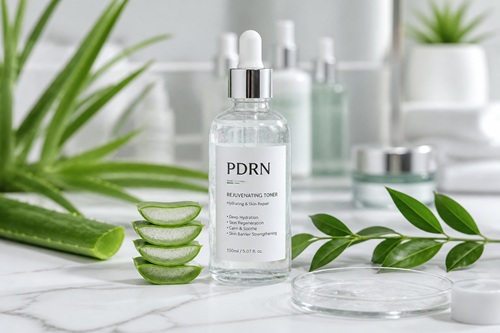
PDRN Toner Review: The Definitive Guide to Salmon DNA Skincare
PDRN toners have become one of the most talked-about products in Korean skincare, promising to repair, hydrate, and rejuvenate skin with a unique ingredient derived from salmon DNA.
PDRN (polydeoxyribonucleotide) toners work by delivering regenerative compounds that help strengthen the skin barrier, improve texture, and boost radiance through daily use.
These products range from lightweight watery formulas to milky textures, each designed to address specific concerns like dullness, sensitivity, or dehydration.
The best PDRN toners of 2026 include options for various skin types and needs, from calming irritated skin to targeting early signs of aging. Understanding what PDRN is, how different formulations work, and which products deliver real results can help determine whether these toners deserve a place in a skincare routine. The ingredient has gained attention not just for marketing hype but for its scientifically backed regenerative properties.
This review examines leading PDRN products, their key ingredients, how they compare to each other, and who benefits most from using them. It also covers proper application methods, safety considerations, and what current research says about effectiveness.
Key Takeaways
- PDRN toners contain polydeoxyribonucleotide from salmon DNA that helps repair and regenerate skin while improving texture and hydration
- Different formulations target specific concerns like aging, sensitivity, dryness, and acne-prone skin with varying concentrations and complementary ingredients
- These Korean skincare products work best when integrated properly into a routine and selected based on individual skin needs and goals
What Is PDRN and How Does It Benefit Skin?
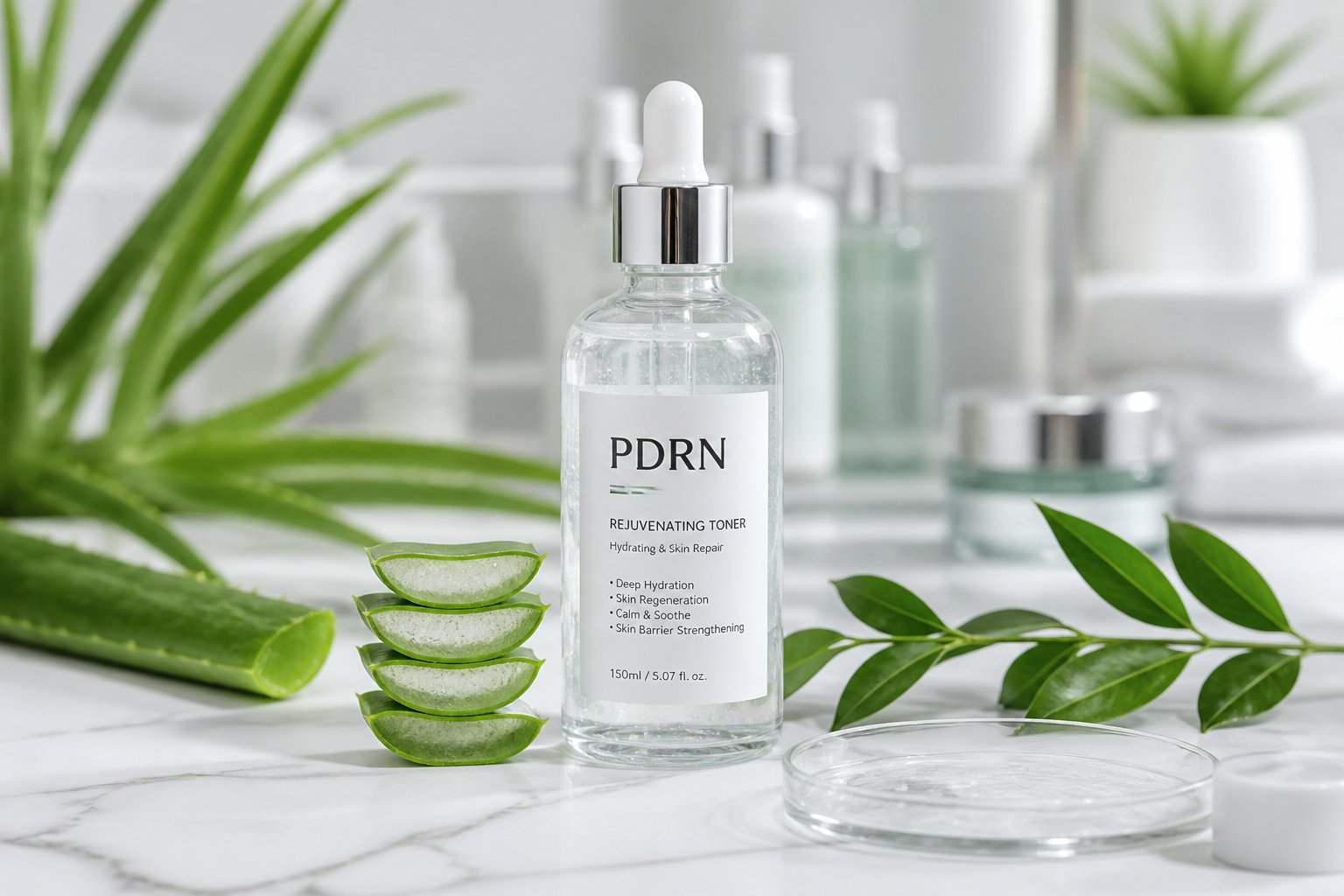
PDRN works through adenosine A2A receptor activation to support wound healing and barrier repair while providing building blocks for cellular regeneration. The ingredient comes from salmon sperm, ginseng, or plant sources, each offering similar polydeoxyribonucleotide fragments that interact with skin cells.
Origins and Science of Polydeoxyribonucleotide
PDRN started as a medical treatment for chronic wounds and diabetic ulcers before Korean dermatologists adapted it for aesthetic use in the early 2000s. Polydeoxyribonucleotide refers to DNA fragments extracted and purified at high temperatures to remove proteins that could trigger allergic reactions.
The molecular structure closely resembles human DNA, which makes it biocompatible with most skin types. These fragments range from 50,000 to 1,500,000 daltons in size.
Medical research initially focused on PDRN’s ability to accelerate wound healing in clinical settings. The ingredient showed promise in supporting tissue repair and reducing inflammation in controlled medical studies. Korean clinics then began using concentrated PDRN injections for skin rejuvenation before brands incorporated it into topical products.
Sources: Salmon DNA, Ginseng, and Vegan Alternatives
Salmon-derived PDRN comes from salmon or trout sperm and remains the most common source in skincare products. Brands also label this ingredient as sodium DNA or salmon DNA on ingredient lists.
Ginseng-derived PDRN extracts polydeoxyribonucleotides from ginseng plants rather than fish. This option appeals to those seeking plant-based alternatives while maintaining similar molecular structures.
Vegan PDRN uses plant sources beyond ginseng, including rose-derived options that offer moisturizing benefits. These alternatives provide comparable hydration support without animal-derived ingredients.
All three sources undergo purification processes to isolate the polydeoxyribonucleotide fragments. The molecular function remains similar across sources, though concentration and formulation affect how effectively the ingredient performs in topical products.
Mechanisms for Skin Regeneration and Repair
PDRN activates adenosine A2A receptors in skin cells, which control inflammation and tissue repair processes. This activation signals fibroblasts to increase activity, potentially supporting collagen production.
The ingredient also supplies nucleotides directly to cells as ready-made building blocks for DNA repair. This differs from other ingredients that simply hydrate or exfoliate the surface.
Primary skin benefits include:
- Hydration through water attraction at the skin surface
- Reduced inflammation and redness from anti-inflammatory properties
- Barrier repair support after procedures like chemical peels or microneedling
- Enhanced wound healing in medical contexts
The evidence for collagen stimulation and anti-aging effects comes primarily from injectable studies rather than topical application. Surface application faces absorption challenges due to the large molecular size, which limits penetration past the skin barrier. Most topical benefits center on hydration and soothing rather than deep structural changes.
Understanding PDRN Toners: Types, Formulations, and Key Ingredients

PDRN toners come in different textures and formulations, each designed to deliver salmon-derived or plant-based nucleotides alongside complementary active ingredients. The concentration of PDRN, the texture of the product, and the supporting ingredients determine how well a toner performs for specific skin concerns.
Milky vs. Watery: Texture and Application Preferences
PDRN toners typically fall into two texture categories: watery and milky. Watery toners have a liquid consistency that absorbs quickly and layers easily in multi-step routines. They work well for oily or combination skin types that prefer lightweight hydration.
Milky toners contain additional emollients and lipids that create a slightly thicker, more nourishing texture. These formulations often include ceramides or fatty acids that support barrier repair while delivering PDRN. Milky versions suit dry or compromised skin that needs both regeneration and moisture retention.
Application methods differ between textures. Watery toners can be patted directly onto the skin with hands or applied generously with cotton pads. Some users layer watery formulas multiple times using the seven-skin method. Milky toners are best applied with hands using gentle pressing motions to help the richer formula absorb fully without pilling under subsequent products.
Core Actives: Hyaluronic Acid, Peptides, Ceramides, and More
The best PDRN toners pair salmon DNA with ingredients that enhance absorption, hydration, or repair. Hyaluronic acid appears in most formulations because it draws moisture into skin and helps PDRN penetrate more effectively. Products like the hyaluronic acid booster toner use multiple molecular weights of HA to hydrate at different skin depths.
Peptides such as tripeptide-1 and hydrolyzed collagen work alongside PDRN to stimulate collagen production. These signaling molecules tell skin cells to increase protein synthesis, amplifying the regenerative effects of PDRN. Some formulas include 50 or more peptide types for comprehensive anti-aging benefits.
Ceramides strengthen the skin barrier by filling gaps between skin cells. When combined with PDRN, ceramides help repair damaged barriers while nucleotides work on deeper tissue regeneration.
Panthenol (vitamin B5) is a soothing and hydrating ingredient that reduces irritation. It appears frequently in PDRN toners designed for sensitive skin.
Niacinamide supports barrier function and helps even skin tone. Adenosine provides clinically recognized anti-wrinkle benefits. Cica (centella asiatica), madecassoside, and allantoin calm inflammation and support healing in soothing toner formulations.
Concentration Matters: Decoding PDRN Levels
PDRN concentration determines how much active ingredient the skin receives per application. Products listing 1,000 ppm PDRN provide a meaningful therapeutic dose. This concentration appears in several leading toners made in South Korea, including clinical-grade formulations designed for post-procedure care.
Some brands list “salmon DNA” or “PDRN” without specifying concentration in parts per million. Without transparency about ppm levels, users cannot compare potency between products accurately. Lower concentrations may still provide benefits, but they deliver fewer nucleotide fragments per application.
Higher concentration does not always mean better results. The formula must also support PDRN absorption and stability. A well-designed 1,000 ppm toner with complementary actives often outperforms a poorly formulated product with higher PDRN levels.
Users building layered routines may prefer moderate PDRN concentrations in their toner, reserving higher doses for serums and sheet masks applied later in the routine.
Formulation Innovation in K-Beauty
Korean brands continue developing new PDRN delivery systems that improve stability and absorption. Some companies now combine PDRN with beta-glucan, a polysaccharide that enhances immune response in skin and provides additional soothing benefits.
Others pair PDRN with NAD+, a coenzyme that supports cellular energy production. This combination addresses both the building blocks of repair (PDRN) and the energy needed to carry out that repair.
New formulations include plant-based PDRN alternatives extracted from seaweed and banana, broadening appeal for those seeking vegan options. These plant-derived versions offer similar nucleotide structures without animal sources.
Brands like Anua have developed essence-toner hybrids that blur the line between hydrating toner and treatment product. These formulations deliver PDRN in formats that feel more substantial than water but lighter than traditional serums.
The evolution from basic PDRN toners to sophisticated multi-active formulas reflects K-beauty’s approach to layered skincare. Each product addresses multiple skin concerns simultaneously while maintaining compatibility with the gentle cleanser and subsequent treatment steps in a complete routine.
In-Depth Reviews: Leading PDRN Toners Compared
Each brand approaches PDRN toner formulation differently, combining salmon-derived nucleotides with distinct supporting ingredients that target specific skin concerns. The following reviews examine texture, key actives, absorption, and real-world performance to help identify which formula aligns best with different skin types and goals.
Anua PDRN 100 Hyaluronic Acid Booster Toner
The Anua PDRN 100 Hyaluronic Acid Booster Toner combines PDRN with 11 types of hyaluronic acid at varying molecular weights. This multi-weight system allows smaller HA molecules to penetrate deeper layers while larger molecules form a moisture barrier on the surface.
The 250mL bottle delivers a lightweight, non-sticky texture that absorbs quickly without leaving residue. Users can apply it with hands or saturate cotton pads for a five to ten minute soak-off mask treatment.
Key ingredients:
- PDRN complex
- 11 molecular weights of hyaluronic acid
- Adenosine for anti-wrinkle benefits
The formula works particularly well for dehydrated skin that needs intensive moisture alongside regenerative benefits. Skin feels immediately plumper after application. The brand does not specify exact PDRN concentration in ppm, which makes direct potency comparisons more difficult than formulas that list precise amounts.
Medicube PDRN Pink Cica Soothing Toner
Medicube pairs salmon PDRN with centella asiatica in their 250mL Pink Cica Soothing Toner. This combination addresses both tissue repair and inflammation simultaneously, making it suitable for sensitive or reactive skin types.
The water-light consistency layers easily under serums and moisturizers without pilling. Panthenol enhances the calming profile while supporting barrier repair.
Formula highlights:
- Salmon PDRN DNA
- Centella asiatica (cica) extract
- Panthenol
- Hyaluronic acid
The toner prioritizes comfort and soothing over maximum anti-aging potency. Users with redness, stinging, or post-procedure skin benefit most from this gentler approach. The generous 250mL volume supports daily liberal application for several months. Price typically ranges from $22 to $30, offering competitive value from an established Korean skincare brand.
Numbuzin No.9 NAD+ PDRN Glow Boosting Toner
The Numbuzin No.9 NAD+ PDRN Glow Boosting Toner stands out with its dual-active approach combining 1,000 ppm pure salmon PDRN with NAD+ (nicotinamide adenine dinucleotide). NAD+ functions as a coenzyme for cellular energy production, complementing PDRN’s nucleotide building blocks for tissue repair.
The 200mL bottle includes an exceptional 50-peptide complex. These signaling molecules stimulate additional collagen and elastin production beyond what PDRN alone provides.
Active ingredients:
- 1,000 ppm salmon PDRN
- NAD+ coenzyme
- 50 types of peptides
- Hyaluronic acid
The essence-like texture feels slightly more substantial than water but absorbs rapidly without stickiness. This makes it ideal for Korean multi-layer toner methods. The comprehensive ingredient complexity comes at a higher price point of approximately $22 to $30, but delivers visible improvements in dull, fatigued skin lacking luminosity.
VT Cosmetics PDRN Toner
VT Cosmetics offers a PDRN toner formulation that focuses on balanced hydration and regeneration. The brand, known for other PDRN products in their lineup, maintains consistency in sourcing salmon-derived nucleotides.
The toner provides a straightforward approach without excessive additional actives. This allows the PDRN to perform its regenerative function without competing ingredients.
Best for:
- Normal to combination skin
- Users building multi-step routines
- Those seeking reliable PDRN delivery
VT Cosmetics products are widely available through Olive Young Global and other Korean beauty retailers. The brand’s reputation in the PDRN skincare category extends across multiple product formats including serums and ampoules. The toner layers well with other VT Cosmetics PDRN products for users who prefer keeping their routine within a single brand ecosystem.
COSRX 5 PDRN B5 Vital Soothing Toner
COSRX combines 5 PDRN with vitamin B5 (panthenol) in their Vital Soothing Toner. The brand’s approach emphasizes barrier support and calming properties alongside regeneration.
Vitamin B5 enhances moisture retention and helps repair compromised skin barriers. This pairing makes sense for users who experience sensitivity or irritation from other actives in their routine.
Formula focus:
- 5 PDRN formulation
- Vitamin B5 (panthenol)
- Barrier-supporting ingredients
- Soothing agents
The texture absorbs cleanly without heavy residue. COSRX’s established reputation for gentle yet effective formulas carries over to this PDRN offering. The brand does not market this as a high-concentration PDRN product, instead positioning it as a daily maintenance toner that builds results gradually over consistent use.
Genabelle PDRN Rejuvenating Toner
The Genabelle PDRN Rejuvenating Toner provides the largest volume at 300mL, designed for users who practice multi-layer application methods. The formula combines PDRN with glutathione, an antioxidant that supports skin brightening.
Ingredient profile:
- PDRN complex
- Glutathione for brightening
- Panthenol for soothing
- Hyaluronic acid for hydration
The lightweight, water-like consistency makes
Targeted Benefits: Who Should Use PDRN Toners?
PDRN toners work best for people dealing with barrier damage, inflammation, or visible signs of aging. The nucleotide fragments in these formulas support cellular repair and collagen production across multiple skin concerns.
Sensitive and Irritated Skin
People with sensitive skin often struggle to find products that calm redness without causing new reactions. PDRN toners address inflammation through adenosine A2A receptor activation, which reduces inflammatory markers in the skin. This makes them effective as a soothing toner for reactive skin types.
The barrier repair properties help strengthen compromised skin that reacts to environmental triggers. Unlike harsh actives that can worsen sensitivity, PDRN supports the skin’s natural healing process. These toners typically contain minimal ingredients to reduce irritation risk.
Users with conditions like rosacea or contact dermatitis may find PDRN formulas helpful for barrier recovery. The anti-inflammatory effects work without photosensitivity, allowing morning and evening use. Most formulations pair well with other gentle ingredients like ceramides and centella.
Acne-Prone and Barrier-Compromised Types
Acne-prone skin often suffers from a damaged skin barrier due to harsh treatments or chronic inflammation. PDRN toners help repair this damage while supporting skin regeneration at the cellular level. The ingredient does not clog pores or increase oil production.
Barrier-compromised skin loses moisture easily and becomes vulnerable to bacteria and irritants. PDRN supplies nucleotides that cells use to rebuild damaged DNA through the salvage pathway. This accelerates barrier repair without the irritation that retinoids or acids can cause.
People who have over-exfoliated or damaged their moisture barrier with aggressive routines benefit from PDRN’s regenerative properties. The formulas work to restore balance rather than strip or dry out the skin. They can be used alongside acne treatments once active breakouts have calmed.
Anti-Aging and Skin Elasticity
PDRN stimulates Types I and III collagen synthesis, which directly impacts skin firmness and elasticity. As skin ages, collagen production slows and existing collagen breaks down faster than it rebuilds. PDRN anti-aging benefits come from activating the pathways that trigger new collagen formation.
Loss of elasticity shows up as sagging, fine lines, and loss of bounce when skin is pressed. The nucleotide fragments in PDRN toners promote new blood vessel formation through VEGF activation. This improves nutrient delivery to aging skin cells.
Research on PDRN’s regenerative mechanisms shows it works differently than retinol or vitamin C. The ingredient can be layered with other anti-aging actives without competition. Users typically see improvements in texture and firmness with consistent use over several weeks.
Achieving the ‘Glass Skin’ Effect
Glass skin refers to a smooth, luminous complexion with minimal texture and even tone. PDRN toners contribute to this effect through hydration and skin repair at multiple levels. The ingredient plumps the skin by improving moisture retention and cellular function.
Surface texture improves as PDRN stimulates cell turnover and collagen production. Pores appear smaller when the surrounding skin structure strengthens. The regenerative properties work on deeper layers while providing surface hydration.
Consistent use helps create the translucent quality associated with glass skin. PDRN works best when combined with proper hydration through humectants and occlusives. The toner step prepares skin to absorb subsequent products more effectively, maximizing the brightening and smoothing effects across the entire routine.
How to Integrate PDRN Toners Into Your Routine
PDRN toners work best when applied to slightly damp skin after cleansing and before heavier products. The key is getting the toner as close to clean skin as possible while following the thinnest-to-thickest layering rule.
Application Order and 7-Skin Method
After washing with a gentle cleanser, users should apply PDRN toner to damp skin rather than completely dry skin. Applying PDRN on slightly damp skin helps improve absorption of water-soluble actives by temporarily swelling the outer layer of skin.
The 7-skin method works well with PDRN toners for those who want extra hydration. This technique involves patting thin layers of toner onto the face seven times in a row. Each layer should absorb before applying the next. Users press the toner into skin using their palms instead of rubbing or dragging it across the surface.
PDRN toners can be used morning and evening—especially after exfoliating or procedures. The toner should be applied within 5-10 minutes of cleansing while skin still holds some moisture. Unlike retinoids, PDRN is not photosensitizing, so morning use requires no special precautions beyond regular SPF.
Layering With Serums, Creams, and Masks
After PDRN toner absorbs, users can apply PDRN serum or other water-based serums next. The order follows product texture from thinnest to thickest. A watery PDRN toner goes before a PDRN essence, which goes before thicker products like PDRN cream.
Compatible pairings include:
- Hyaluronic acid serums for multi-level hydration
- Niacinamide and vitamin C for brightening
- Peptides for collagen support through different pathways
- Ceramides for barrier reinforcement
Sheet masks or PDRN masks can be applied after toner and before serums. When using spicule products like VT Reedle Shot, apply them before PDRN toner to create micro-channels first, then follow with the toner while paths stay clear.
Users should wait 5-10 minutes after applying PDRN toner before moving to the next step. This gives the active ingredients time to penetrate properly.
Tips for Maximizing Efficacy
Start with one pump or 2-3 drops when introducing PDRN toner for the first time. Higher concentrations do not automatically produce better results. Users with sensitive skin may find PDRN toners easier to tolerate than more concentrated serums.
Consistency matters more than time of day. Using PDRN toner regularly over 6-12 weeks produces better outcomes than sporadic use. Evening application makes sense for repair goals since skin regenerates most during sleep, but morning use is equally valid.
Avoid applying very low pH products like strong AHA toners immediately before PDRN toners without waiting. PDRN stays most stable at pH 5.5-7.0. Either wait a few minutes between steps or use acids in a separate routine. Products with high alcohol content in the first half of ingredients can denature nucleotide compounds and should be avoided in the same step.
Extend PDRN toner down to the neck and chest area. Thinner skin in these zones absorbs topical PDRN more easily, often showing more visible results than facial application alone.
Current Research, Efficacy, and Safety Considerations
While injectable PDRN has demonstrated regenerative effects in clinical settings, topical PDRN formulations face significant questions about skin penetration and actual delivery of active molecules. Research on topical PDRN efficacy remains limited compared to the injectable trial record, and the concentration levels in toners differ substantially from medical-grade treatments.
Clinical Evidence for Topical PDRN
The clinical evidence for polynucleotides in aesthetic medicine highlights a gap between injectable efficacy and topical application results. Injectable PDRN has proven regenerative and anti-inflammatory effects through adenosine A2A receptor activation, but topical formulations struggle with skin barrier penetration.
Most toners contain PDRN concentrations between 0.1% and 3%, significantly lower than injectable formulations. Studies on PDRN’s therapeutic applications focus primarily on injections for wound healing, anti-aging, and skin regeneration.
The molecular weight of PDRN molecules presents a delivery challenge. Standard PDRN ranges from 50 to 1,500 kilodaltons, which exceeds the typical 500-dalton threshold for effective skin penetration. Some manufacturers combine PDRN with sodium DNA or exosomes to improve absorption, though independent verification of these claims remains limited.
Safety for Sensitive and Compromised Skin
PDRN from salmon-derived sources generally shows a favorable safety profile in dermatological applications. Research indicates PDRN exhibits anti-inflammatory properties that may benefit sensitive skin types.
Most topical PDRN toners are formulated as non-comedogenic and silicone-free products. Plant-derived alternatives, including ginseng-derived PDRN, have emerged for users with concerns about animal-derived ingredients.
Patch testing remains advisable for individuals with compromised skin barriers or allergies to fish proteins. The purification process typically removes allergenic proteins, but trace amounts may remain in some formulations.
Controversies: Source, Efficacy, and Long-Term Results
Current debates surrounding PDRN skincare center on whether topical applications can deliver meaningful results compared to injectables. The mechanism requires either penetration through the stratum corneum or activation of surface receptors, neither of which has been conclusively demonstrated for toner formulations.
Source variation between salmon-derived PDRN and plant-derived alternatives creates questions about molecular structure and bioactivity. Ginseng-derived PDRN contains different nucleotide profiles than fish-derived versions, though comparative efficacy studies are scarce.
Long-term safety data for daily topical use remains limited. While short-term application appears safe, the effects of sustained exposure to DNA fragments on skin microbiome and cellular signaling require further investigation. Users should approach marketing claims about regeneration and repair with appropriate skepticism given the current evidence base.
Frequently Asked Questions
PDRN toners address specific concerns about texture improvement, compatibility with different skin types, and how individual products perform in real routines. Understanding ingredient functions and proper application helps users get the most from these regenerative formulas.
What benefits can a PDRN-based toner provide for skin texture, hydration, and barrier support?
PDRN toners deliver barrier repair and hydration benefits through polydeoxyribonucleotide, a fragmented DNA polymer derived from salmon. The molecule supports skin barrier function by engaging the adenosine A2A receptor on skin cells and supplying nucleotides for cellular repair pathways.
For texture improvement, PDRN helps skin look smoother by supporting the epidermis and strengthening the barrier layer. This makes it particularly effective for compromised skin from over-exfoliation or environmental stress.
The hydration benefits come from improved barrier resilience rather than direct moisturization. When the barrier functions better, the skin retains moisture more effectively. PDRN toners also prepare skin to absorb subsequent products more efficiently.
Is a PDRN toner suitable for oily or acne-prone skin, and will it feel greasy?
PDRN toners work well for oily and acne-prone skin types because the active ingredient itself is water-soluble and non-comedogenic. The molecule does not clog pores or add oil to the skin surface.
The texture depends on the specific formulation rather than the PDRN itself. Most PDRN toners have lightweight, watery textures that absorb quickly without leaving a greasy film. Some formulas include additional hydrating agents that may feel slightly more substantial.
For acne-prone users, PDRN’s anti-inflammatory properties can help calm redness and support healing after breakouts. The barrier-strengthening effect may also help skin recover from acne treatments that compromise the protective layer.
How does the Medicube Pink Cica Soothing Toner compare to other soothing toners for redness and sensitivity?
The Medicube Pink Cica Soothing Toner combines PDRN with centella asiatica extracts to address both barrier repair and immediate calming. This dual approach targets redness through multiple pathways rather than relying on a single soothing ingredient.
Compared to toners that use only centella or niacinamide for calming, the PDRN addition provides a regenerative component that works over time. The formula helps skin become more resilient to future irritation rather than just masking current redness.
The pink color comes from calamine and other pink-tinted ingredients known for their soothing properties. Users with persistent sensitivity or reactive skin may see better results than with basic hydrating toners that lack anti-inflammatory actives.
What are the key ingredients to look for in Genabelle’s Rejuvenating Toner, and what do they do?
Genabelle’s Rejuvenating Toner typically features PDRN as the primary active, working to support cellular repair and barrier function. The concentration and molecular weight of the PDRN determine how effectively it penetrates the upper skin layers.
Supporting ingredients often include hyaluronic acid for immediate hydration and peptides that complement PDRN’s regenerative effects. These combinations help the toner address multiple aging concerns in one step.
Barrier-supporting ingredients like ceramides or beta-glucan may also appear in the formula. These work alongside PDRN to strengthen the skin’s protective layer and improve moisture retention over time.
How does Anua’s toner perform for calming irritation and improving overall glow with regular use?
Anua’s PDRN toner formulations focus on gentle hydration combined with barrier support, making them effective for calming mild irritation. The watery texture allows for layering multiple applications without heaviness, which supports the Korean skincare approach of building hydration gradually.
For glow improvement, the toner works by optimizing skin barrier health rather than adding shimmer or light-reflecting particles. Better barrier function leads to improved texture and a more even surface that naturally reflects light better.
Regular use over several weeks shows the most noticeable results. The regenerative properties of PDRN require consistent application to build cumulative benefits in skin resilience and appearance.
What is the best way to incorporate a PDRN toner into a skincare routine, including frequency and layering?
PDRN toner fits into the routine immediately after cleansing, before serums and moisturizers. This placement allows the active ingredients to penetrate clean skin and prepares the barrier to receive subsequent products.
For frequency, daily use morning and evening works well for most skin types. Users can apply the toner with clean hands, a cotton pad, or by using pre-soaked toner pads for convenience.
Layering works best when users apply the PDRN toner first, wait 30-60 seconds for absorption, then follow with targeted serums and moisturizer. The toner should not be used to dilute or mix with other actives, as this may reduce effectiveness.
Related: