

Benefits of Moringa: Nutritional Power and Uses
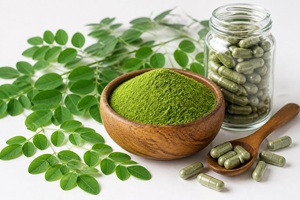
Moringa oleifera, commonly known as the drumstick tree, miracle tree, or horseradish tree, has been used in traditional medicine for thousands of years across India, Africa, and Asia. This plant stands out because nearly every part can be consumed, from its leaves and pods to its seeds and bark.
Moringa provides numerous health benefits, including lowering blood sugar levels, reducing inflammation, supporting heart health, and delivering essential vitamins and minerals.
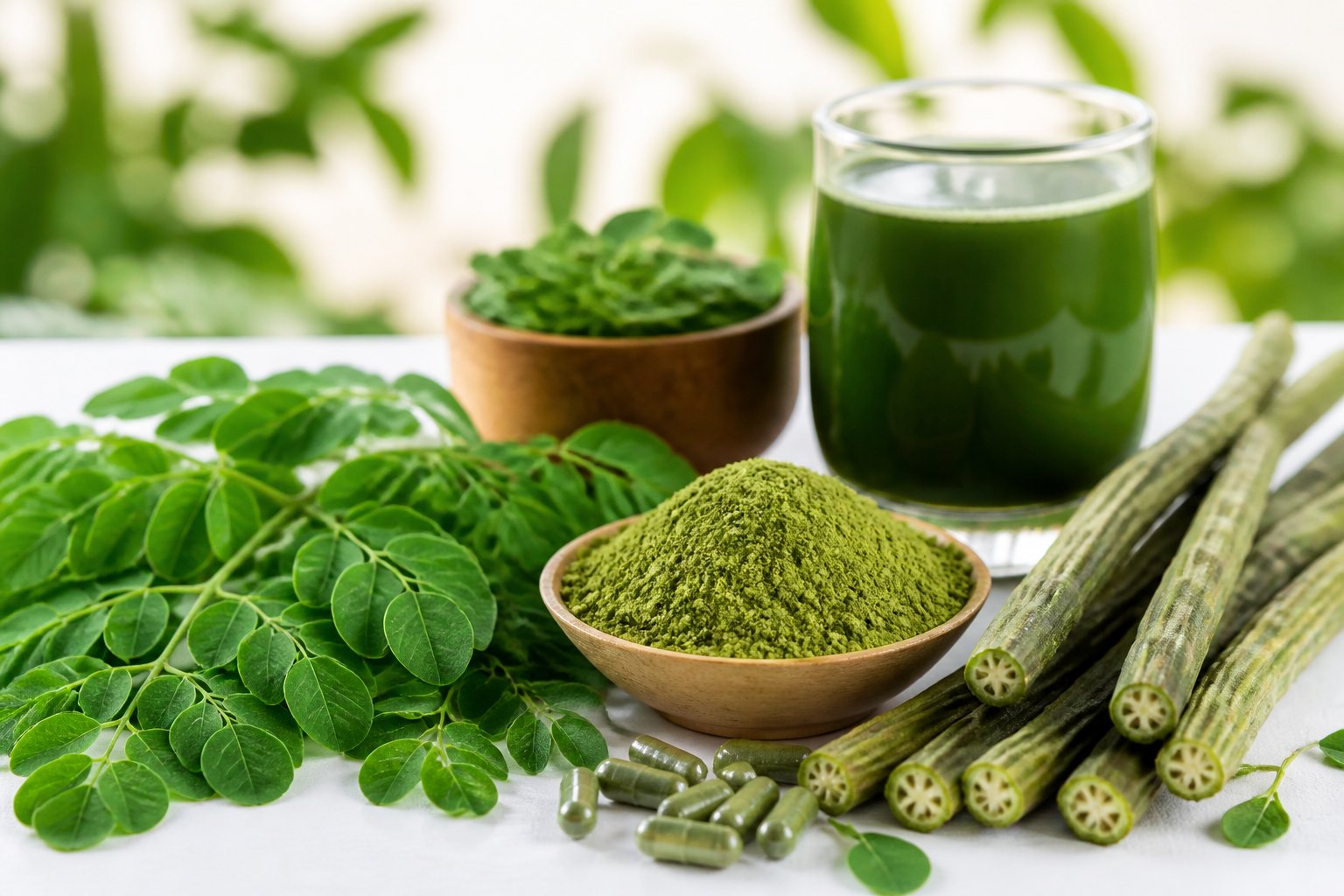
The leaves of this ben oil tree contain significant amounts of protein, vitamins, and minerals while staying low in calories. Research shows that moringa has over 90 bioactive plant compounds that may protect against oxidative stress and support overall wellness. People in developing nations have long relied on this plant as a vital source of nutrients.
Modern science continues to explore what traditional practitioners have known for generations about this remarkable plant. From metabolic support to skin health, moringa oleifera offers a wide range of potential advantages backed by both historical use and emerging research.
Key Takeaways
- Moringa delivers essential nutrients while potentially helping manage blood sugar, cholesterol, and inflammation based on scientific studies
- The plant contains powerful antioxidant and anti-inflammatory compounds that support heart, liver, skin, and immune system health
- While generally safe for most people, those who are pregnant or taking certain medications should consult a healthcare professional before use
Nutrition Profile and Key Compounds
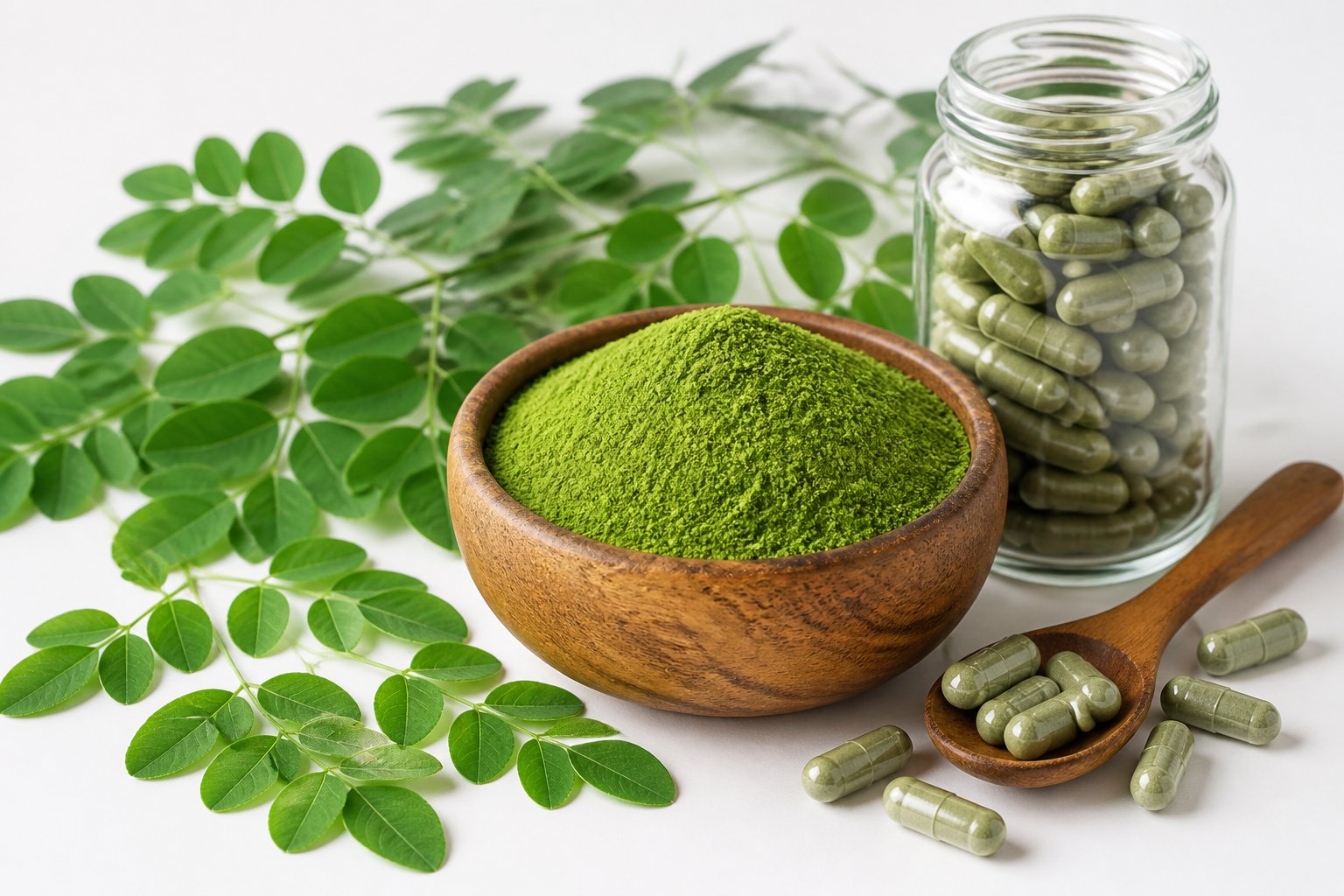
Moringa oleifera delivers an impressive range of vitamins, minerals, antioxidants, and protein in its leaves, pods, and seeds. The plant stands out for containing all nine essential amino acids and multiple protective compounds that support overall health.
Essential Vitamins and Minerals
Moringa leaves contain high levels of vitamin A, vitamin C, calcium, iron, and potassium. Fresh moringa leaves provide significant amounts of these nutrients, while moringa leaf powder concentrates these vitamins and minerals into a smaller serving size.
The vitamin C content supports immune function and acts as an antioxidant. Vitamin A promotes eye health and immune response. Calcium strengthens bones and teeth, while iron helps carry oxygen throughout the body.
Moringa also provides magnesium, zinc, and niacin. The leaves and pods both offer these minerals in meaningful amounts. Potassium helps regulate blood pressure and supports heart function.
Antioxidants and Bioactive Compounds
Moringa contains powerful antioxidants including quercetin and kaempferol, which are types of flavonoids. These compounds help protect cells from damage caused by free radicals.
Chlorogenic acid appears in moringa leaves and helps regulate blood sugar levels. Isothiocyanates provide anti-inflammatory benefits and may support the body’s detoxification processes.
The plant also contains niazimicin, a compound unique to moringa that has been studied for its potential health effects. These bioactive compounds work together with vitamins and minerals to provide protective benefits.
Complete Protein Source
Moringa stands out as a complete protein containing all essential amino acids. The body cannot produce these amino acids on its own, so they must come from food.
Moringa powder provides a concentrated protein source suitable for vegetarians and vegans. The drumstick pods and seeds also contain protein, though the dried leaves offer the highest concentration per serving.
The amino acid profile makes moringa valuable for muscle repair, enzyme production, and hormone synthesis. This complete protein status is rare among plant sources.
Health Advantages for Metabolism and Chronic Conditions
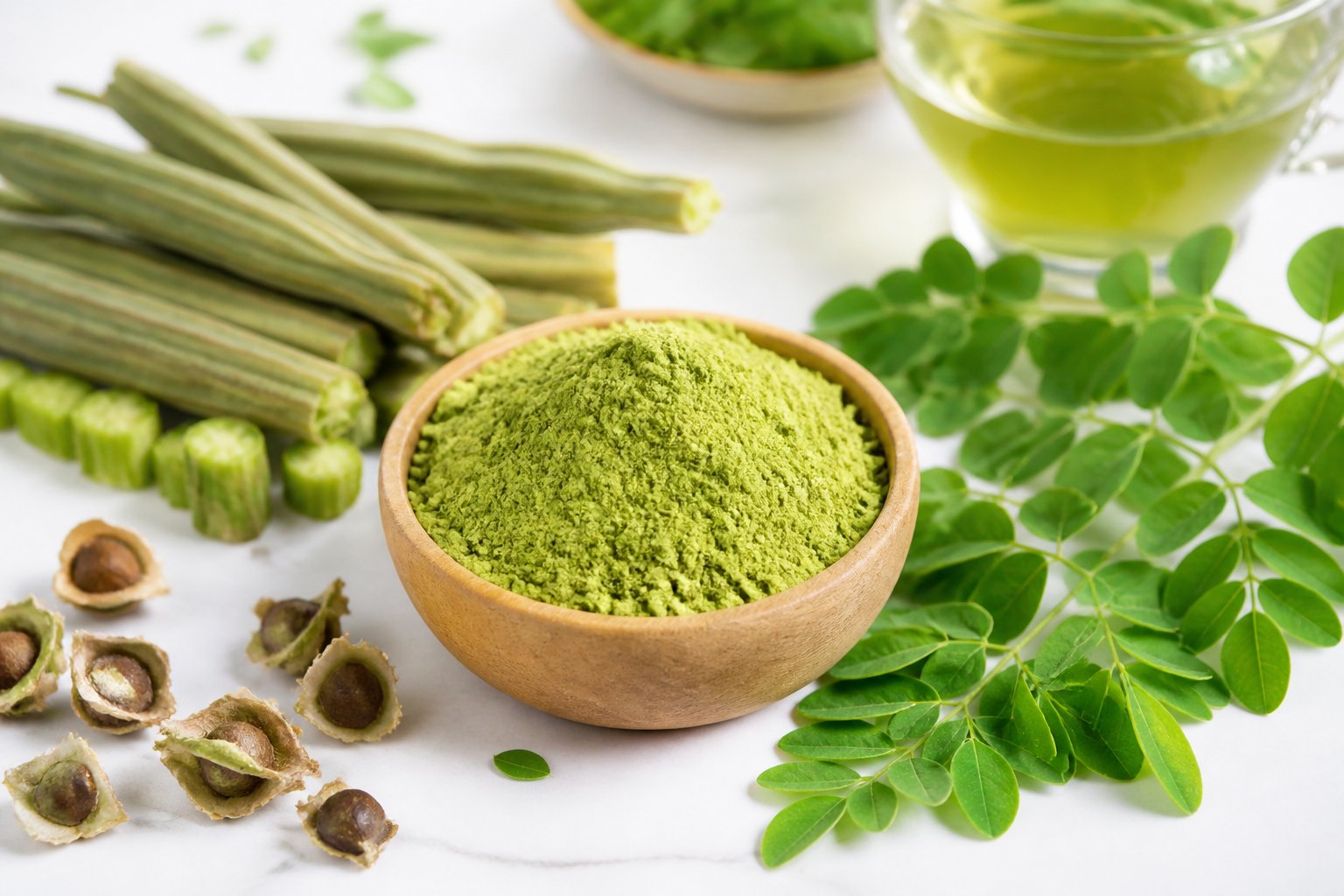
Moringa provides specific support for metabolic health through compounds that help regulate blood sugar, reduce cholesterol levels, and maintain healthy blood pressure. The plant contains active substances like quercetin, chlorogenic acid, and isothiocyanates that work together to protect the heart and balance key health markers.
Blood Sugar and Diabetes Support
Moringa shows promise in helping to lower blood sugar levels in people with diabetes. The isothiocyanates in moringa leaves work to improve how the body processes glucose and responds to insulin.
Studies have found that moringa leaf powder can reduce fasting blood sugar when taken regularly. People who took moringa supplements showed better blood sugar control compared to those who didn’t use the plant.
Moringa may help manage blood glucose through multiple pathways in the body. The chlorogenic acid in moringa slows down how quickly the body absorbs sugar after meals. This helps prevent the sharp spikes in blood sugar that can stress the body’s insulin system.
Moringa extract appears to work best when combined with other diabetes management strategies. The typical dose studied ranges from 1.5 to 3 grams of moringa leaf powder per day, though people should consult healthcare providers before starting any supplement.
Cholesterol and Heart Health
The hypocholesterolemic properties of moringa help reduce harmful cholesterol in the blood. This cardioprotective effect comes from several plant compounds working together to support heart health.
Research shows moringa can lower LDL cholesterol while maintaining or improving HDL cholesterol levels. The anti-inflammatory compounds in moringa also protect blood vessels from damage that leads to heart disease.
Moringa leaf powder contains beta-sitosterol, which blocks cholesterol absorption in the intestines. Studies in both animals and humans have shown that regular moringa consumption reduces total cholesterol by 10 to 15 percent.
Key compounds for heart health:
- Quercetin reduces oxidative stress in blood vessels
- Chlorogenic acid prevents fat buildup in arteries
- Isothiocyanates protect against inflammation
Moringa capsules provide a convenient way to get these cardioprotective benefits without the strong taste of raw leaves.
Blood Pressure Regulation
Moringa helps maintain healthy blood pressure through its content of isothiocyanates and other bioactive compounds. These substances relax blood vessels and reduce the strain on the cardiovascular system.
The quercetin in moringa acts as a natural vasodilator. It helps blood vessels expand, which lowers the pressure needed to pump blood through the body.
Studies indicate that moringa extract can reduce both systolic and diastolic blood pressure in people with elevated readings. The effect appears within 3 to 8 weeks of regular use at therapeutic doses.
Moringa supplements work best for blood pressure when taken consistently over time rather than as a quick fix. The anti-inflammatory properties also reduce arterial stiffness, which commonly contributes to high blood pressure as people age.
Digestive Health and Gut Support
Moringa provides several compounds that support digestive function, from soothing stomach inflammation to promoting regular bowel movements. The plant’s antimicrobial properties and nutrient density make it particularly valuable for addressing common digestive concerns.
Relief for Stomach Disorders
Moringa leaves contain compounds that help protect the stomach lining and reduce inflammation. The plant has demonstrated effectiveness against various stomach disorders including gastritis and ulcerative colitis in research settings.
Studies show that moringa possesses antimicrobial and antibacterial properties that help combat harmful bacteria in the digestive tract. The compound niaziridin found in moringa contributes to these protective effects. These properties make moringa useful for addressing digestive discomfort and inflammation.
The anti-inflammatory compounds in moringa, particularly flavonoids and polyphenols, help reduce gut inflammation. This reduction in inflammation supports overall digestive health and may ease symptoms associated with various digestive conditions.
Moringa also supports wound healing in the digestive tract. This benefit extends to protecting against stomach ulcers by potentially reducing stomach acid secretion.
Constipation and Gut Function
The fiber content in moringa leaves and moringa pods plays a key role in promoting regular bowel movements. Both soluble and insoluble fiber work together to improve digestive function.
Insoluble fiber adds bulk to stool and helps it move smoothly through the intestines. This action provides relief for occasional constipation and promotes regularity.
Soluble fiber acts as a prebiotic, feeding beneficial gut bacteria. This supports a balanced gut microbiome, which is essential for proper digestion and nutrient absorption.
Some traditional uses suggest moringa may have mild laxative effects that help ease constipation. The plant’s combination of fiber and bioactive compounds contributes to smoother digestive function.
Liver and Bile Function Support
The liver plays a central role in digestion by producing bile, which breaks down fats. Moringa contains antioxidants that help protect liver cells from damage caused by toxins and oxidative stress.
Research indicates that moringa may help restore normal liver enzyme levels. This restoration supports the liver’s ability to process nutrients and eliminate waste products effectively.
The plant’s high vitamin and mineral content addresses malnutrition that can impair liver function. Vitamins A, C, and E found in moringa protect liver tissue while supporting its regenerative capacity.
Moringa’s anti-inflammatory properties also benefit the liver by reducing inflammation that can interfere with bile production. Healthy bile flow is essential for proper fat digestion and absorption of fat-soluble vitamins.
Anti-Inflammatory, Immune, and Antioxidant Effects
Moringa contains powerful plant compounds that work together to reduce inflammation, fight harmful organisms, and protect cells from damage. The leaves are packed with flavonoids, isothiocyanates, and other bioactive substances that support the body’s natural defense systems.
Reducing Inflammation
Moringa demonstrates strong anti-inflammatory properties through multiple active compounds. The plant contains isothiocyanates, which are sulfur-containing molecules that help calm inflammation in the body. Research shows moringa also provides quercetin, a flavonoid known for its ability to reduce inflammatory responses.
Studies indicate that moringa exhibits anti-inflammatory compounds that may help manage chronic conditions. The leaves contain chlorogenic acid, the same antioxidant found in coffee, which works to lower inflammation markers.
People who suffer from arthritis may find relief through moringa’s anti-inflammatory effects. The plant’s compounds target the pathways that cause swelling and discomfort in joints and tissues.
Antimicrobial and Antibacterial Actions
Moringa extract shows antimicrobial and antibacterial activity against various harmful organisms. The seeds, leaves, and bark contain compounds that can fight bacteria, fungi, and viruses. These properties make moringa useful for protecting against infections.
Laboratory tests reveal that moringa can inhibit the growth of certain disease-causing bacteria. The antimicrobial effects come from the plant’s unique chemical makeup, which disrupts the cell walls of harmful microorganisms.
Traditional medicine has long used moringa for treating infections. Modern research supports these uses by confirming the plant’s ability to combat pathogens naturally.
Immune System Reinforcement
The antioxidant content of moringa, which includes beta-carotene and vitamin C, strengthens the immune system. These nutrients help white blood cells function properly and protect the body from foreign invaders.
Moringa tea and other forms of the plant provide vitamins A, C, and E, which are essential for immune health. These vitamins work as antioxidants that neutralize free radicals and reduce oxidative stress on cells.
The combination of antioxidants and anti-inflammatory compounds in this “miracle tree” supports overall immune resilience. Regular consumption may help the body respond better to threats and maintain stronger defenses against illness.
Skin, Hair, and Bone Wellness
Moringa provides essential nutrients that support external appearance and internal structure. The plant contains vitamins and minerals that contribute to tissue repair, protein synthesis, and skeletal strength.
Wound and Skin Healing
Moringa seed oil contains compounds that may accelerate the healing of skin wounds. Laboratory studies show the oil reduces oxidative stress, which can slow down tissue repair. The antioxidant properties in moringa work to protect skin cells from damage during the healing process.
Ben oil, another name for moringa seed oil, appears in various skin care products and cosmetics. The oil contains fatty acids that moisturize the skin without leaving a greasy residue. It also has anti-inflammatory properties that reduced skin inflammation in animal studies, particularly in cases of ear edema caused by infection.
People apply moringa oil directly to minor cuts, scrapes, and dry patches. The vitamin A content in moringa supports skin cell regeneration. However, most research on wound healing has been conducted in laboratory settings, and more human studies are needed to confirm these effects.
Hair and Nail Strength
Moringa seed oil may improve hair health by delivering nutrients to the scalp and hair follicles. The protein content in moringa leaves supports keratin production, which forms the structure of hair and nails. Zinc and vitamin A in moringa contribute to cell growth and repair of these tissues.
The oil helps seal moisture into hair shafts, reducing breakage and split ends. Regular application of moringa oil to the scalp can address dryness and flaking. Some people mix moringa powder into hair masks for added nutrition.
Nails require similar nutrients as hair for optimal strength. The calcium and magnesium in moringa support nail bed health. Brittle nails may improve with consistent moringa consumption, though individual results vary.
Bone Health and Density
Moringa contains several minerals that contribute to skeletal structure and maintenance. Calcium forms the primary mineral component of bones. Magnesium helps the body absorb and use calcium effectively. Potassium reduces calcium loss through urine.
The vitamin A in moringa plays a role in bone remodeling, the process where old bone tissue is replaced with new tissue. This continuous renewal keeps bones strong throughout life. Phosphorus, also present in moringa, works alongside calcium to build bone density.
People at risk for bone weakness may benefit from adding moringa to their diet as part of a comprehensive nutrition plan. The combination of minerals in moringa leaves provides multiple nutrients in one source. However, moringa should complement, not replace, other calcium-rich foods and medical treatments for bone conditions.
Diverse Uses and Safety Considerations
Moringa comes in multiple forms for different uses, from fresh leaves to concentrated extracts, and each requires specific dosing and safety awareness. Understanding the available forms and potential side effects helps people use this plant safely and effectively.
Forms of Moringa: Leaves, Powder, Oil, Seeds, and Tea
Fresh moringa leaves can be eaten raw in salads or cooked like spinach. The leaves contain the highest concentration of nutrients compared to other parts of the plant.
Moringa leaf powder is made from dried and ground leaves. This powder is one of the most common forms because it stores well and mixes easily into foods and drinks.
Moringa oil, also called ben oil, comes from pressing the seeds. People use it for cooking and as a skin moisturizer. The seeds themselves serve as a natural water purifier and can be eaten roasted.
Moringa tea is made by steeping dried leaves in hot water. This provides a gentler way to consume moringa compared to concentrated powders or extracts.
The long green pods, often called drumsticks, are used in cooking across South and Southeast Asia. Moringa capsules and moringa supplements contain concentrated moringa extract or powder in convenient doses.
How to Use Moringa and Moringa Powder
Moringa powder typically comes in doses of 1-2 teaspoons per day. People mix it into smoothies, yogurt, oatmeal, or juice to mask its slightly bitter taste.
For moringa tea, steeping 1 teaspoon of dried leaves in hot water for 5-10 minutes creates a mild beverage. Some people drink 1-3 cups daily.
Moringa capsules usually contain 500-1000 mg of moringa extract per pill. Standard dosing involves taking 1-2 capsules once or twice daily with meals.
Fresh moringa leaves can be added to soups, stir-fries, or eaten raw in small amounts. Start with small quantities to assess individual tolerance. The moringa root has traditional medicinal uses but requires more caution due to higher alkaloid content.
People should start with lower doses and gradually increase to avoid digestive discomfort. Consistency matters more than large doses when incorporating moringa into a daily routine.
Precautions and Side Effects
Moringa should be used carefully for medicinal purposes despite its nutritional benefits. Large doses may cause liver toxicity in some individuals, particularly with concentrated extracts.
The plant has antiplatelet effects that may increase bleeding risk. People scheduled for surgery should stop taking moringa supplements at least two weeks before their procedure.
Common side effects include:
- Nausea or upset stomach
- Diarrhea or digestive discomfort
- Heartburn
Pregnant women should avoid moringa root and bark because they may cause uterine contractions. Moringa leaves in food amounts appear safer, but pregnant and breastfeeding women should consult healthcare providers before using moringa supplements.
People taking medications for diabetes, blood pressure, or thyroid conditions need medical supervision. Moringa can interact with these medications and change their effectiveness. Anyone with existing liver conditions should exercise extra caution or avoid moringa entirely.
Emerging Research and Traditional Applications
Scientists continue to explore moringa’s potential in treating serious health conditions, while communities across Africa and Asia have relied on this plant for centuries. Current studies focus on brain health, blood disorders, and combating hunger in developing regions.
Potential in Neurodegenerative Diseases
Research indicates moringa may offer neuroprotective benefits against conditions like Alzheimer’s and Parkinson’s disease. The plant’s high antioxidant content appears to protect brain cells from oxidative stress and inflammation, two key factors in neurodegeneration.
Laboratory studies show that compounds in moringa leaves can reduce the formation of harmful proteins that accumulate in the brains of patients with these conditions. The plant’s ability to cross the blood-brain barrier makes it particularly interesting for researchers developing treatments for cognitive decline.
Early research also suggests moringa may help with sickle cell disease by reducing oxidative damage to red blood cells. However, these findings remain preliminary and require extensive clinical trials before doctors can recommend moringa as a medical treatment for neurodegenerative diseases or blood disorders.
Traditional Medicine and Cultural Use
Communities in India, Africa, and Southeast Asia have used moringa in traditional medicine for thousands of years. Practitioners apply the leaves to wounds, use the seeds to purify water, and prepare teas from various plant parts to treat digestive issues and infections.
The term “miracle tree” reflects moringa’s diverse applications in folk medicine. Traditional healers recommend it for more than 300 different ailments, from joint pain to respiratory problems. Ancient Ayurvedic texts document its use as far back as 2000 BCE.
Modern research now validates many of these traditional uses. Studies confirm moringa’s antimicrobial properties, anti-inflammatory effects, and ability to support wound healing, bridging the gap between ancestral knowledge and scientific evidence.
Addressing Malnutrition Globally
Moringa serves as a critical nutritional intervention in regions facing food insecurity. Organizations distribute moringa supplements to combat malnutrition in sub-Saharan Africa and South Asia, where the tree grows easily in poor soil conditions.
The plant provides essential vitamins and minerals to children and pregnant women at risk of deficiency. Just 100 grams of fresh moringa leaves contain more vitamin A than carrots, more calcium than milk, and more iron than spinach. This makes it particularly valuable in areas where access to diverse foods remains limited.
Several humanitarian programs teach communities to grow and prepare moringa as a sustainable food source. The tree’s rapid growth, drought resistance, and year-round leaf production make it an ideal crop for addressing chronic hunger without requiring expensive agricultural inputs.
Frequently Asked Questions
Moringa raises common questions about its nutritional content, practical uses, and safety considerations. Understanding proper dosing, potential interactions, and specific benefits for different groups helps people make informed decisions about adding this supplement to their routines.
What nutrients in moringa contribute most to its health effects?
Moringa leaves contain high levels of vitamins A, C, and E, which act as antioxidants in the body. The plant also provides significant amounts of calcium, potassium, and iron compared to many other plant foods.
Moringa contains all nine essential amino acids, making it a complete protein source. This is unusual for a plant-based food. The leaves also have compounds called isothiocyanates and flavonoids that researchers believe contribute to anti-inflammatory effects.
One tablespoon of dried moringa leaf powder typically provides about 2 grams of protein. It also contains fiber, magnesium, and B vitamins in smaller amounts.
How can moringa support energy, stamina, and overall wellness in men?
Moringa may help boost energy levels through its iron content and B vitamins, which support healthy metabolism. The plant’s amino acid profile provides building blocks for muscle maintenance and recovery.
Some research suggests moringa might support healthy testosterone levels in men. The antioxidants in moringa could help protect cells from oxidative stress that affects physical performance.
The iron in moringa helps carry oxygen throughout the body. This can reduce fatigue and support stamina during physical activities.
What are the potential benefits of moringa for women’s health and hormonal balance?
Moringa provides iron and calcium, two nutrients that women often need in higher amounts. The iron content may be particularly helpful for women who experience monthly blood loss.
The plant contains compounds that may help regulate blood sugar levels. Stable blood sugar can support more consistent energy and mood throughout the day.
Some traditional medicine practices use moringa to support lactation in nursing mothers. However, more clinical research is needed to confirm these effects and establish safe dosing for pregnant or breastfeeding women.
How should moringa powder be used for best results, and what is a typical daily amount?
Most people start with 1 to 2 teaspoons of moringa powder per day. This amount can be mixed into smoothies, water, juice, or sprinkled on food.
The powder has a mild, slightly earthy taste that blends well with fruits and vegetables. Some people prefer to take it in the morning for an energy boost.
It’s best to start with a smaller amount and gradually increase to assess tolerance. Experts recommend not exceeding the amount listed on product labels unless directed by a healthcare provider.
What benefits can moringa offer for hair health and scalp condition?
Moringa contains vitamins A and E, which support healthy skin and hair follicles. The plant’s amino acids provide protein that hair needs for strength and growth.
The iron and zinc in moringa may help prevent hair thinning related to nutrient deficiencies. These minerals support the hair growth cycle and follicle health.
Some people apply moringa oil directly to the scalp and hair. The oil contains behenic acid, which may help condition hair and reduce breakage.
What side effects, drug interactions, or safety concerns should be considered before using moringa?
Moringa is generally well-erated when consumed in food amounts. However, some people experience digestive upset, including nausea or diarrhea, especially when first starting or taking large amounts.
The plant may lower blood sugar levels, so people taking diabetes medications should monitor their levels carefully. Moringa might also affect blood pressure, which could interact with blood pressure medications.
Pregnant women should avoid moringa root, bark, and flowers, as these parts may cause uterine contractions. The leaves are likely safer, but consultation with a healthcare provider is recommended. People taking thyroid medications should also consult their doctor, as moringa may affect thyroid function.
Top Moringa Herbal Products
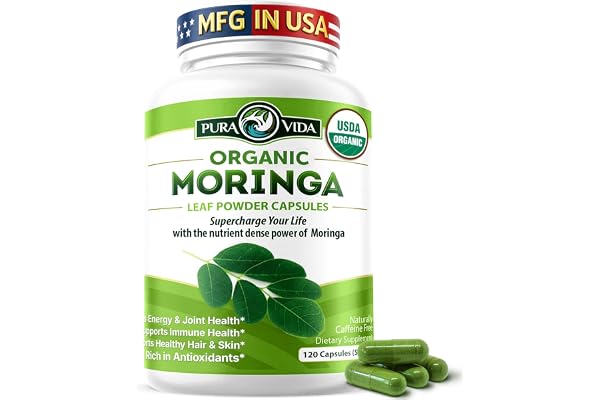
PURA VIDA MORINGA Organic Moringa Capsules, Pure Moringa Leaf Powder Single Origin for Energy, Metabolism & Immune Support, 120ct, 500mg Caps
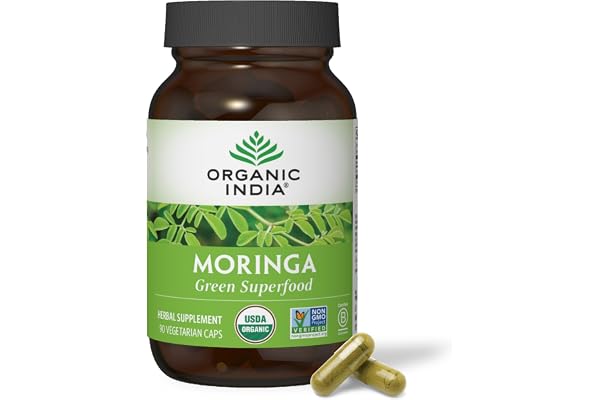
ORGANIC INDIA Moringa Herbal Supplement – Green Superfood, Nutrient Dense, Pure Plant Protein, Vitamin A, E, K, Iron, Calcium, Fiber, Vegan, Gluten-Free, USDA Certified Organic – 90 Capsules
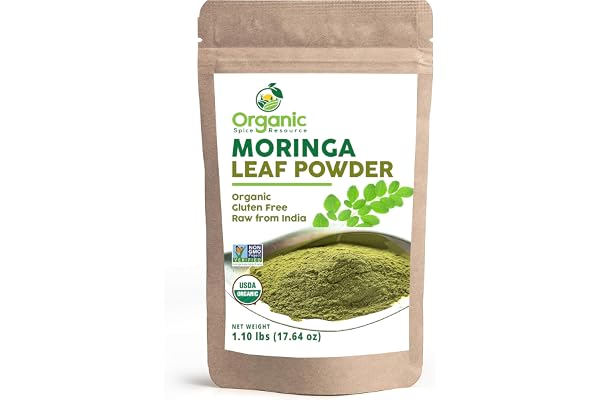
Organic Moringa Powder – 1.10 lbs (17.64 oz) – USDA Organics, Non-GMO, Kosher, Halal, Moringa Oleifera Leaf Powder – 100% Raw and Natural, Gluten-Free
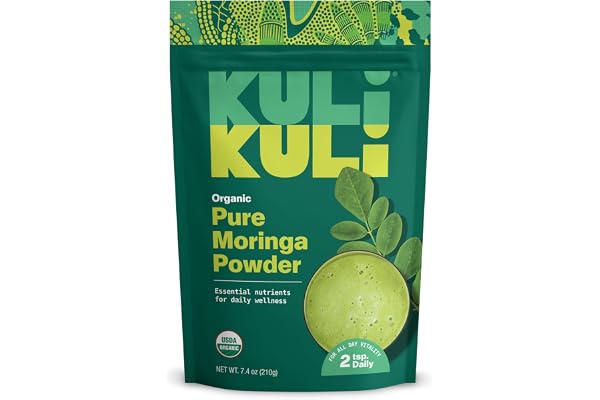
Kuli Kuli Moringa Oleifera Organic Leaf Powder & Green Smoothie, 100% Pure USDA Certified & Non-GMO Moringa Powder, Great with Smoothies, Tea, and Food, 1 Pack
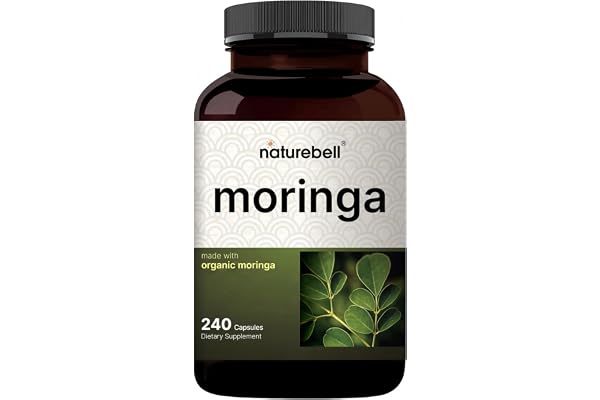
NatureBell Moringa 800mg Per Serving – 240 Capsules – Organic Moringa for Daily Immune, Energy & Skin Health Support* – Green Superfood – 3rd Party Tested, Non-GMO & Gluten-Free
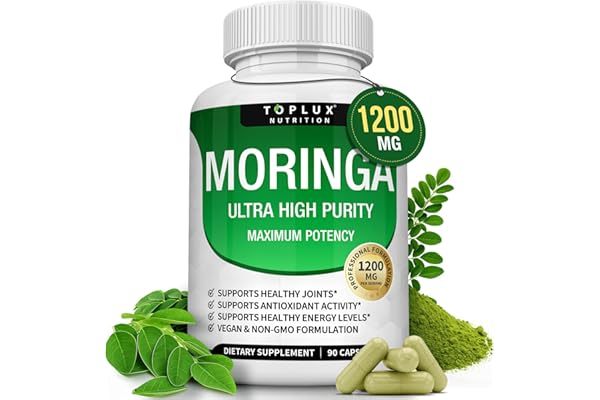
Toplux Moringa Capsules 1200mg – Pure Moringa Powder High Potency Leaf Extract Green Superfood Rich in Antioxidant, for Energy & Immune Support, Vegan Non-GMO 90 Capsules