

Benefits of Muira Puama: Uses, Effects, and Precautions
Muira puama, scientifically known as Ptychopetalum olacoides, is an Amazonian plant that has been used for centuries in traditional herbal medicine. Also called potency wood, this herbal supplement comes from trees native to the Brazilian Amazon rainforest, where indigenous peoples have long valued it for various health purposes.
The wood and root of this plant are the parts most commonly used in supplements today.
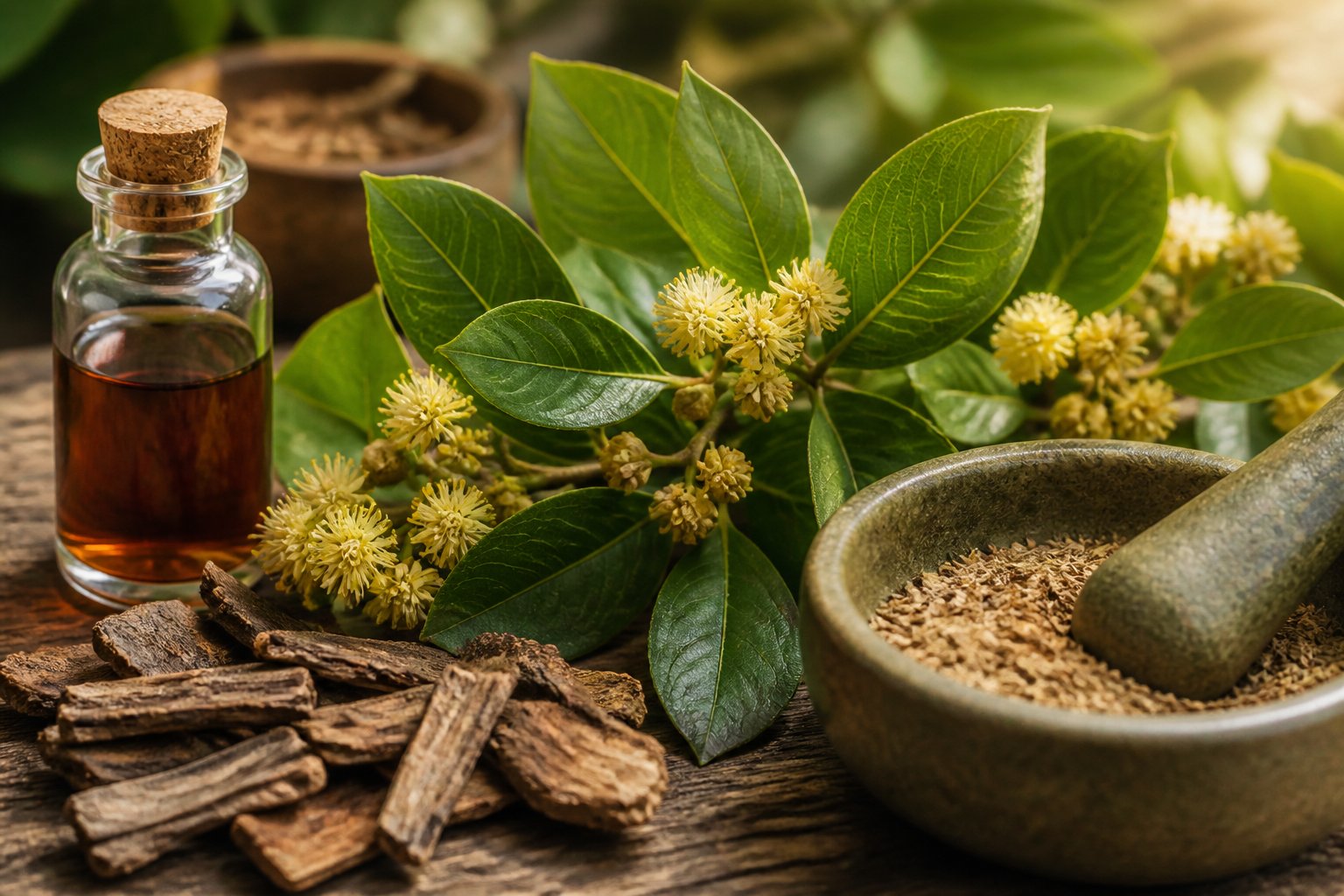
While muira puama is often marketed for sexual health and performance, research on this herbal supplement remains limited, and its claimed benefits are not well-established by scientific evidence.
Very little research has been done to understand how this Amazonian plant works in the body. Some studies suggest muira puama may have adaptogen-like properties and potential effects on stress response, but more research is needed to confirm these findings.
Understanding what muira puama is, how it’s used, and what the current evidence says about its benefits can help people make informed decisions about whether this herbal supplement might be right for them. The plant contains various natural compounds that may affect the body, though the specific mechanisms remain unclear.
Key Takeaways
- Muira puama is an Amazonian herbal supplement traditionally used for sexual health, though scientific evidence supporting its benefits is limited
- The plant may offer potential cognitive and stress-related benefits, but more research is needed to confirm its effectiveness and safety
- People should consult healthcare providers before using muira puama and be aware that the FDA has not reviewed it for safety or effectiveness
Origin, Botany, and Traditional Uses
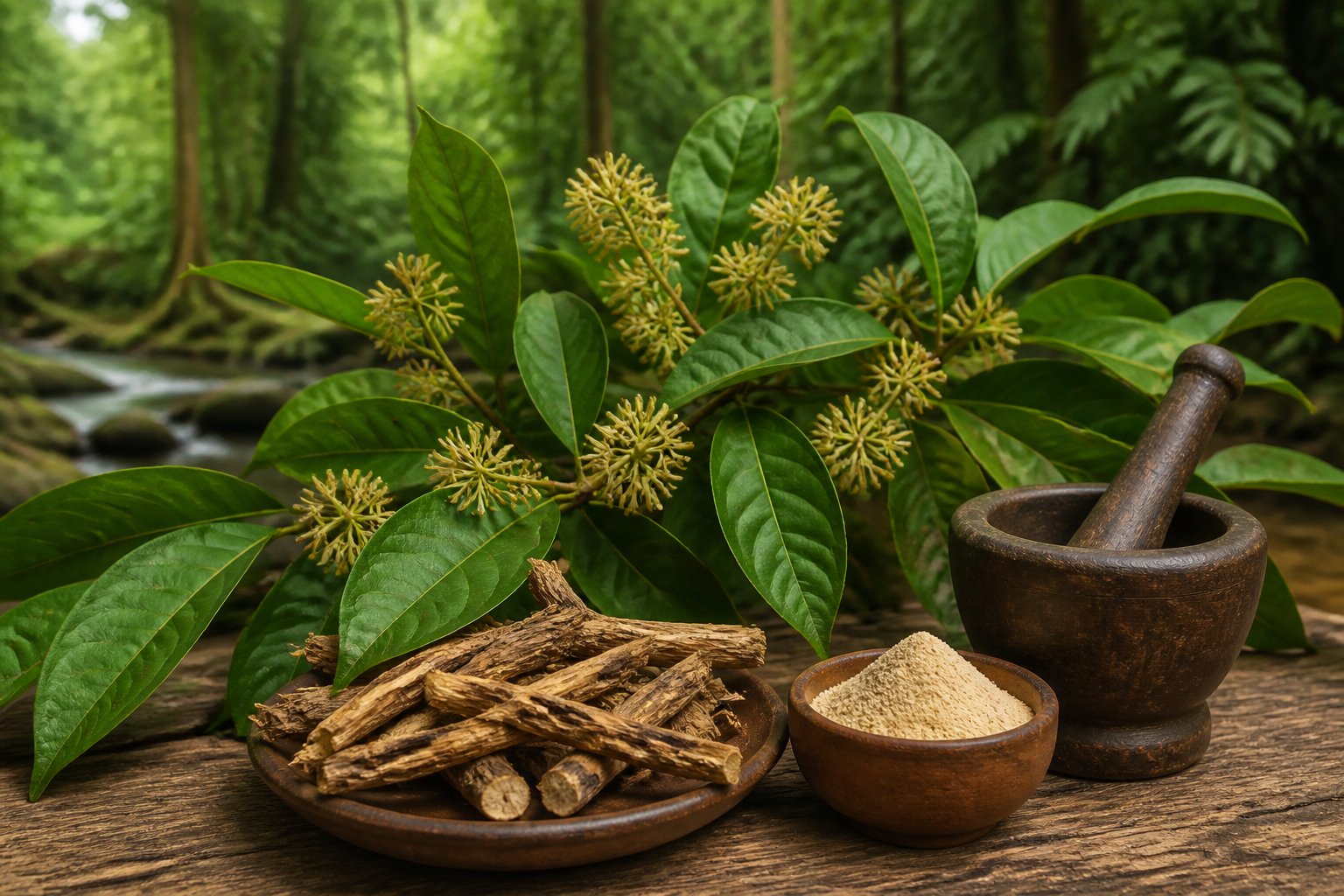
Muira puama originates from the Amazon rainforest, where indigenous communities have utilized its bark and roots for centuries. The plant belongs to the Olacaceae family and grows primarily in Brazil, where it earned the nickname “potency wood” for its traditional medicinal applications.
History in Amazonian Ethnopharmacology
Indigenous tribes of the Amazon Basin have incorporated muira puama into their healing practices for generations. The herb served multiple purposes in traditional medicine, functioning as a nerve tonic and remedy for digestive problems.
Amazonian communities also used the plant to address menstrual disorders and nervous exhaustion. European practitioners discovered muira puama in the 19th century and began incorporating it into their own herbal medicine systems.
The herb gained recognition in European pharmacology for treating sexual dysfunction, neurasthenia, and rheumatism. Traditional healers referred to the plant by various names including marapuama and miratã, reflecting its widespread use across different indigenous groups.
Plant Description and Classification
Ptychopetalum olacoides is a small shrubby tree native to the Brazilian Amazon. The plant also appears in botanical literature as Ptychopetalum uncinatum, though P. olacoides remains the most commonly referenced species.
The tree produces small flowers and grows in the dense rainforest environment. Herbalists primarily harvest the bark and roots, which contain the plant’s medicinal compounds.
The Olacaceae family includes several tropical and subtropical species, but muira puama stands out for its ethnopharmacological significance. The tree’s wood and root material have a distinctive appearance that traditional gatherers recognize easily.
Traditional Remedies and Ceremonial Significance
Local communities prepared muira puama as decoctions and tinctures from the bark and roots. The remedies targeted what indigenous healers called “nerve weaknesses” and general fatigue.
Traditional applications extended beyond physical ailments to include mental and emotional support. Practitioners administered the herb to individuals experiencing stress, poor concentration, and low energy levels.
The plant held particular importance as an Amazonian plant used to address various central nervous system problems. Healers also prescribed it for rheumatic conditions and as a general tonic to promote overall wellness and vitality in aging individuals.
Active Compounds and Mechanisms of Action

Muira puama contains several bioactive compounds that work through multiple pathways in the body. The herb’s alkaloids, terpenoids, and lignans interact with neurological, hormonal, and circulatory systems to produce its reported effects.
Key Alkaloids, Terpenoids, and Flavonoids
The plant contains muirapuamine, an alkaloid believed to support neurological function. This compound may influence neurotransmitter activity in the brain.
Terpenoids present in the herb include lupeol, a compound found in the bark and roots. These molecules contribute to the plant’s biological activity. Lignans, which are sometimes grouped with flavonoids in herbal literature, provide additional phytochemical diversity.
The fatty acid content supports nervous system function. These compounds work together rather than in isolation. The specific concentrations of each compound vary depending on which part of the plant is used and how it is processed.
Psychoactive, Neuroprotective, and Adaptogen Effects
Muira puama functions as a nerve tonic in traditional medicine systems. The herb appears to act on the central nervous system to reduce stress and improve focus.
Research suggests neuroprotective properties that may guard against age-related cognitive decline. The compounds exhibit anticholinesterase activity, which means they may slow the breakdown of acetylcholine, a neurotransmitter important for memory and learning.
The herb demonstrates adaptogen qualities by helping the body manage stress. Limited trials show improved memory and focus in aging populations. The plant may also enhance blood flow and nitric oxide activity, supporting both brain function and circulation.
Antioxidant and Anti-Inflammatory Properties
The terpenoids and lignans in muira puama possess antioxidant capabilities. These compounds help neutralize free radicals that damage cells and contribute to aging.
Anti-inflammatory effects come from the same phytochemical groups. Inflammation plays a role in many chronic conditions, so reducing it may provide broad health benefits.
The combination of antioxidant and anti-inflammatory properties protects tissues throughout the body. These effects support the herb’s traditional use for various health conditions. The compounds work at the cellular level to reduce oxidative stress and inflammatory responses.
Impact on Sexual Health and Performance
Muira puama has gained attention primarily for its traditional use in addressing sexual concerns, particularly in supporting desire and function. The bark and roots of this Amazonian plant have been used to help with low libido, erectile difficulties, and overall sexual wellness in both men and women.
Support for Libido and Sex Drive
Muira puama has been traditionally used to increase interest in sexual activity and boost sex drive in both men and women. The plant’s compounds may influence hormonal balance and neurotransmitter activity related to sexual desire.
A study involving postmenopausal women found that a muira puama-containing supplement increased sexual thoughts and orgasmic ability, though the research used a multi-ingredient formula. This makes it difficult to determine how much benefit came specifically from muira puama versus other components.
The herb is sometimes marketed as a natural aphrodisiac to address loss of libido. While traditional use supports these claims, scientific evidence remains limited. More research is needed to understand exactly how muira puama affects sex drive and desire.
Potential in Addressing Erectile Dysfunction
The plant has been used traditionally for sexual impotence and erectile dysfunction. Muira puama may support erectile function through effects on blood flow and nerve signaling, though the exact mechanisms remain unclear.
Very little research has been done to understand how this plant works in the body for erectile difficulties. There is currently no strong scientific evidence proving it can improve erectile dysfunction. The lack of clinical trials means the effectiveness for this specific use has not been well established.
Some practitioners include muira puama in herbal formulas designed to support erectile function. However, anyone experiencing persistent erectile dysfunction should consult a healthcare provider rather than relying solely on herbal supplements.
Enhancing Sexual Function and Activity
The wood and root of muira puama have been used to help prevent sexual disorders and improve overall sexual function. The plant may support sexual activity through multiple pathways, including nervous system support and improved circulation.
Traditional use suggests benefits for both male and female sexual function. The bark contains various natural compounds that may work together to support sexual wellness. Different preparations, including those made from bark versus roots, may contain varying amounts of active components.
Muira puama is sometimes combined with other herbs in products like catuama or herbal vx formulas. These combination products aim to provide broader support for sexual activity and performance.
Role as a Natural Aphrodisiac
Muira puama is often marketed as an aphrodisiac thought to increase sex drive and improve sexual performance. As a natural aphrodisiac, it has been used in traditional medicine for generations. The plant’s reputation comes primarily from its long history of use rather than extensive modern research.
The mechanisms behind any aphrodisiac effects remain poorly understood. Herbal products like muira puama naturally contain many different chemicals, and the amounts can vary between products. This variability makes it challenging to predict consistent effects.
Despite its traditional reputation as a natural aphrodisiac, the FDA has not reviewed muira puama for safety or effectiveness. Anyone considering it for sexual concerns should discuss it with their healthcare provider first.
Cognitive, Mood, and Neurological Benefits
Muira puama offers several brain-related benefits through its active compounds, particularly beta-carboline alkaloids that influence neurotransmitter systems. The herb supports mental performance, protects neural tissue, and helps the body manage stress responses.
Effects on Memory and Cognitive Function
Muira puama enhances focus and concentration by inhibiting monoamine oxidase, an enzyme that breaks down key neurotransmitters. This action increases dopamine, acetylcholine, and serotonin levels in the brain. Higher acetylcholine levels particularly support memory retrieval and learning processes.
The plant demonstrates anticholinesterase activity, which preserves acetylcholine availability in neural pathways. Research shows muira puama improves cerebral blood flow, delivering essential nutrients and oxygen to brain regions responsible for mental tasks. This increased circulation reduces mental fatigue during extended periods of concentration.
Traditional medicine practitioners have long valued the herb for its stimulating effects on cognitive function. The alkaloid compounds work together to support mental clarity and alertness without causing the jitters associated with other stimulants.
Neuroprotective and Nerve Tonic Properties
Muira puama functions as a nerve tonic through its antioxidant and anti-inflammatory actions. The plant contains flavonoids and terpenes that protect brain cells from oxidative stress, a key factor in age-related cognitive decline.
Studies indicate neuroprotective effects from muira puama extract on neural tissues. These compounds shield neurons from damage that occurs during normal aging and environmental stressors. The antioxidants neutralize free radicals before they harm delicate brain structures.
The herb’s neuroprotective properties may help slow the progression of neurodegenerative conditions. Its protective compounds support long-term brain health when used consistently as part of a wellness routine.
Adaptogen, Stress Relief, and Anxiolytic Potential
Muira puama works as an adaptogen, helping the body maintain balance during stressful situations. The herb demonstrates anxiolytic effects by modulating serotonin and dopamine levels, which regulate mood and emotional responses.
Research shows the plant extract reduces anxiety symptoms and promotes relaxation without sedation. Users typically experience improved mood and reduced tension within several days to a few weeks of regular supplementation. The calming properties do not impair daytime function or alertness.
Some individuals report relief from insomnia when taking muira puama, though effects vary based on individual physiology. The stress-reducing mechanisms support better sleep quality by addressing underlying tension and mental restlessness that interfere with rest.
Forms, Dosage, and How to Use Muira Puama
Muira puama is available in several different forms, each offering varying concentrations and methods of consumption. The appropriate dosage depends on individual factors like age and health status, though general guidelines exist for safe use.
Capsules, Tinctures, and Liquid Extracts
Capsules represent the most common form of muira puama supplements available on the market. These typically contain dried ground powder from the plant’s bark or roots in standardized doses. Capsules offer convenience and ease of use since they eliminate the need for measuring.
Tinctures provide a concentrated alcohol-based extraction of the herb. Users typically add drops to water or juice for consumption. This form allows for flexible dosing adjustments.
Liquid extracts offer another concentrated option, often using alcohol or glycerin as a base. These extracts can be taken directly under the tongue or mixed into beverages. The liquid forms tend to absorb faster than capsules.
Each form contains different amounts of the plant’s active compounds. The specific part of the plant used and the extraction method both affect potency and effectiveness.
Recommended Dosage Guidelines
The most common dosage recommendation ranges from 500 to 1000 mg per day. However, no official standardized dosage exists due to limited research on optimal amounts.
The appropriate dose depends on several factors including age, health status, and other medical conditions. People with kidney or liver problems should exercise particular caution when determining their dose.
Users should always start with the lower end of the dosage range to assess tolerance. Reading and following the specific product label remains essential since concentration varies between brands and formulations. Different forms of the supplement may require different dosing approaches based on their concentration levels.
Best Practices for Incorporating into Routines
Taking muira puama consistently at the same time each day helps establish a routine. Many users prefer taking it with meals to potentially reduce any digestive discomfort.
Before starting this herbal supplement, individuals should consult with a healthcare provider. This step becomes especially important for those taking prescription medications or managing chronic health conditions. The interactions between muira puama and various medicines are not fully understood.
Users should keep the dietary supplement stored in a cool, dry location away from direct sunlight. Keeping it out of reach of children and pets ensures safety. When switching brands or bottles, effects may vary due to natural differences in plant chemistry and processing methods.
Safety, Side Effects, and Precautions
Very little research exists on muira puama’s safety profile, making it difficult to fully understand potential risks. The FDA has not reviewed muira puama for safety and effectiveness, and most side effects remain poorly documented.
Common and Serious Side Effects
Research on muira puama side effects is limited, but the supplement appears generally well-tolerated for short-term use. A small number of users have reported minor issues including sleeplessness, headaches, and heartburn.
Because herbal products naturally contain many different chemicals, the specific side effects may vary between products and brands. The amount of each chemical can change based on where the plant was grown, harvest timing, and processing methods.
Serious allergic reactions represent the most concerning potential risk. People should stop using muira puama immediately if they experience breathing problems, wheezing, racing heart, swelling of the face or throat, trouble swallowing, skin rash, hives, severe dizziness, or joint pain. These symptoms require immediate medical attention.
Anyone experiencing bothersome side effects should contact their healthcare provider, even if the symptoms seem minor.
Potential Drug Interactions
The interactions between muira puama and medicines are not fully understood. As with most dietary supplements, research on drug interactions remains incomplete.
People taking prescription or over-the-counter medications should always consult their healthcare provider before using muira puama. This applies to all medications, vitamins, minerals, and other herbal products.
No specific drug interactions have been well-documented in clinical studies. However, the lack of research does not mean interactions cannot occur. The variable chemical composition of different muira puama products adds another layer of uncertainty regarding potential interactions.
Contraindications for Pregnancy and Breastfeeding
Safety during pregnancy and lactation has not been established through research. It remains unknown whether muira puama could affect pregnancy or harm a developing fetus.
Pregnant women and those planning to become pregnant should inform their healthcare provider before using this supplement. The same precaution applies to breastfeeding mothers, as researchers do not know if muira puama passes into breast milk.
Without adequate safety data, healthcare providers generally recommend avoiding muira puama during pregnancy and while breastfeeding.
Allergy Risks and Special Considerations
People with allergies to muira puama, Ptychopetalum olacoides, potency wood, or any ingredients in specific products should avoid using this supplement. Reading product labels carefully helps identify all ingredients.
Individuals with kidney problems or liver problems should discuss muira puama use with their healthcare provider before starting supplementation. The supplement should be stored in a cool, dry location away from children and pets, not in direct sunlight.
Different forms of muira puama—including liquid extracts, dried powders, and capsules—may contain varying amounts of active compounds. Products made from bark versus roots contain different chemical profiles that may produce different effects.
Frequently Asked Questions
Muira puama raises many questions about its effects on sexual health, energy levels, and safety. The research on this Amazonian plant remains limited, but traditional uses and some studies provide insight into its potential applications and precautions.
How does muira puama support male sexual health and libido?
Muira puama is often marketed as an aphrodisiac and used for preventing sexual disorders in men. Some people take it to increase interest in sexual activity and improve sexual performance.
However, there is currently no strong scientific evidence that it can help improve sex drive or sexual performance. The FDA has not reviewed muira puama for safety and effectiveness.
The plant contains various natural chemicals that may have effects on the body. But very little research has been done to understand how this plant actually works for sexual health concerns.
What potential benefits does muira puama offer for women’s sexual wellness?
Muira puama is traditionally used by both men and women to support libido. For women, muira puama can be a valuable addition to a healthy lifestyle aimed at maintaining a healthy libido.
The plant is also used for menstrual disorders in some traditional practices. Some women use it to increase interest in sexual activity.
The research on muira puama’s effects specifically for women remains very limited. Its safety and benefits for women’s sexual wellness are not well defined.
Can muira puama help with energy, mood, and cognitive performance?
Muira puama contains beta-carboline alkaloids that may affect neurotransmitter levels in the brain. These compounds inhibit monoamine oxidase, which could increase levels of dopamine, acetylcholine, and serotonin.
The plant is frequently used to support physical vitality and is traditionally used as a tonic that contributes to energy levels. Some people use it to reduce tiredness and fatigue.
Muira puama may have cognitive-enhancing properties based on its chemical makeup. However, well-designed clinical studies are needed to confirm these potential mental and physical benefits.
Does muira puama influence testosterone levels or other hormones?
There is not enough research to determine how muira puama affects testosterone or other hormone levels. The mechanisms by which this plant might work in the body are not well understood.
While muira puama is marketed for sexual health benefits, this does not necessarily mean it works through hormonal pathways. The plant contains many different chemicals that may have various effects.
People with hormonal concerns should talk to their healthcare provider before using muira puama. Its effects on the endocrine system have not been thoroughly studied.
What is the recommended muira puama dosage, and how should it be taken (capsules, tincture, or tea)?
Muira puama is available in many different forms including liquid extract, dried ground powder, and capsules. Each form may contain different amounts of the chemicals naturally found in the plant.
There is no established standard dosage for muira puama. People should read and follow the directions on the specific product they are using or use it as recommended by their healthcare provider.
The supplement may be made from different parts of the plant including the bark and roots. Each plant part contains different chemicals that may have different effects on the body.
The amount of each chemical in a specific muira puama product can change for many reasons. These include where the plant was grown, weather conditions, harvest time, and processing methods.
What are the possible side effects, interactions, and safety concerns of muira puama?
There is not enough research to know what side effects may be caused by muira puama. People should tell their healthcare provider if they experience any side effects that bother them.
Muira puama may cause allergic reactions which can be serious. Symptoms include breathing problems, swelling of the face or throat, itching, skin rash, and dizziness.
The interactions between muira puama and medicines are not fully understood. People should always check with their healthcare provider before taking muira puama with any medicines.
It is not known if muira puama could affect pregnancy, harm a fetus, or pass into breast milk. People who are pregnant or breastfeeding should tell their healthcare provider before using this supplement.
Top Muira Puama Herbal Products
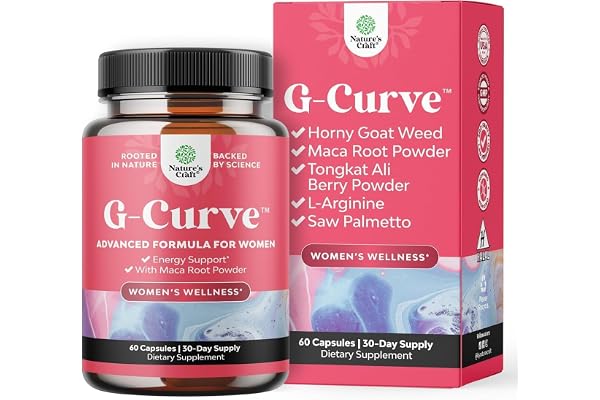
G-Curve Butt and Breast Growth Capsules – Horny Goat Weed Muira Puama & Maca Root for Butt Growth Support – Advanced Herbal Formula – Supports Bigger Butt & Bigger Breast – Easy to Swallow – 60 Count

Secret Element Sea Moss Capsules with Burdock Root, Bladderwrack & Muira Puama, for Women and Men, Vegan, Sugar Free, Non-GMO, 120 Capsules

WINYEL Spicy Gummies Cubes – Hot Peach Flavor – Chili Pepper, Maca Root & Muira Puama – Herbal Supplement for Energy, Mood & Vitality – Romantic Mood Enhancer for Couples
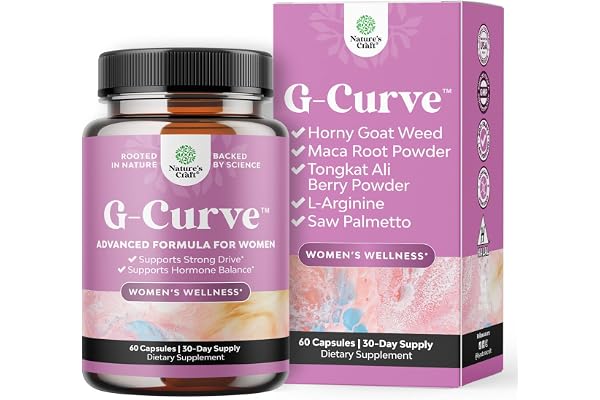
G-Curve Butt and Breast Growth Capsules – Horny Goat Weed for Butt Growth Support – Advanced Herbal Formula with Muira Puama & Maca Root – Supports Bigger Butt, Bigger Breast – Easy to Swallow – 60Ct

Horbäach Muira Puama Root Extract – 90 Capsules – Non GMO, Gluten Free Supplement
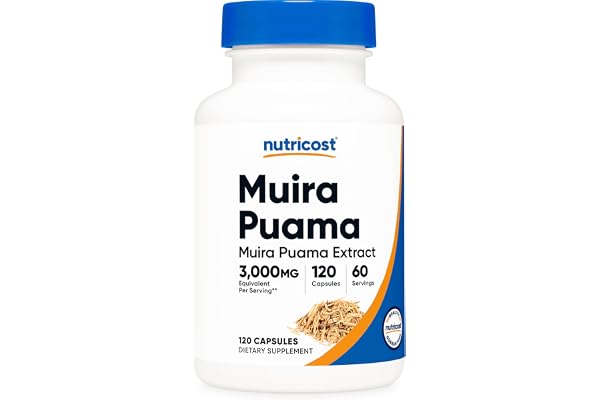
Nutricost Muira Puama Extract 120 Capsules for 60 Servings Per Bottle – Muira Puama for Men & Women, Vegan, GMO-Free, Gluten-Free