

Benefits of Mucuna Pruriens: Uses, Effects, and Safety
Mucuna pruriens, also known as velvet bean or kapikacchu in Ayurveda, is a tropical legume from the Fabaceae family that has been used in traditional medicine for centuries.
This plant contains levodopa (L-dopa), a natural compound that increases dopamine levels in the brain, which may help with conditions like Parkinson’s disease, anxiety, male fertility, and cognitive function.
The plant’s bioactive compounds have attracted scientific attention for their potential therapeutic effects on the nervous system and overall health.
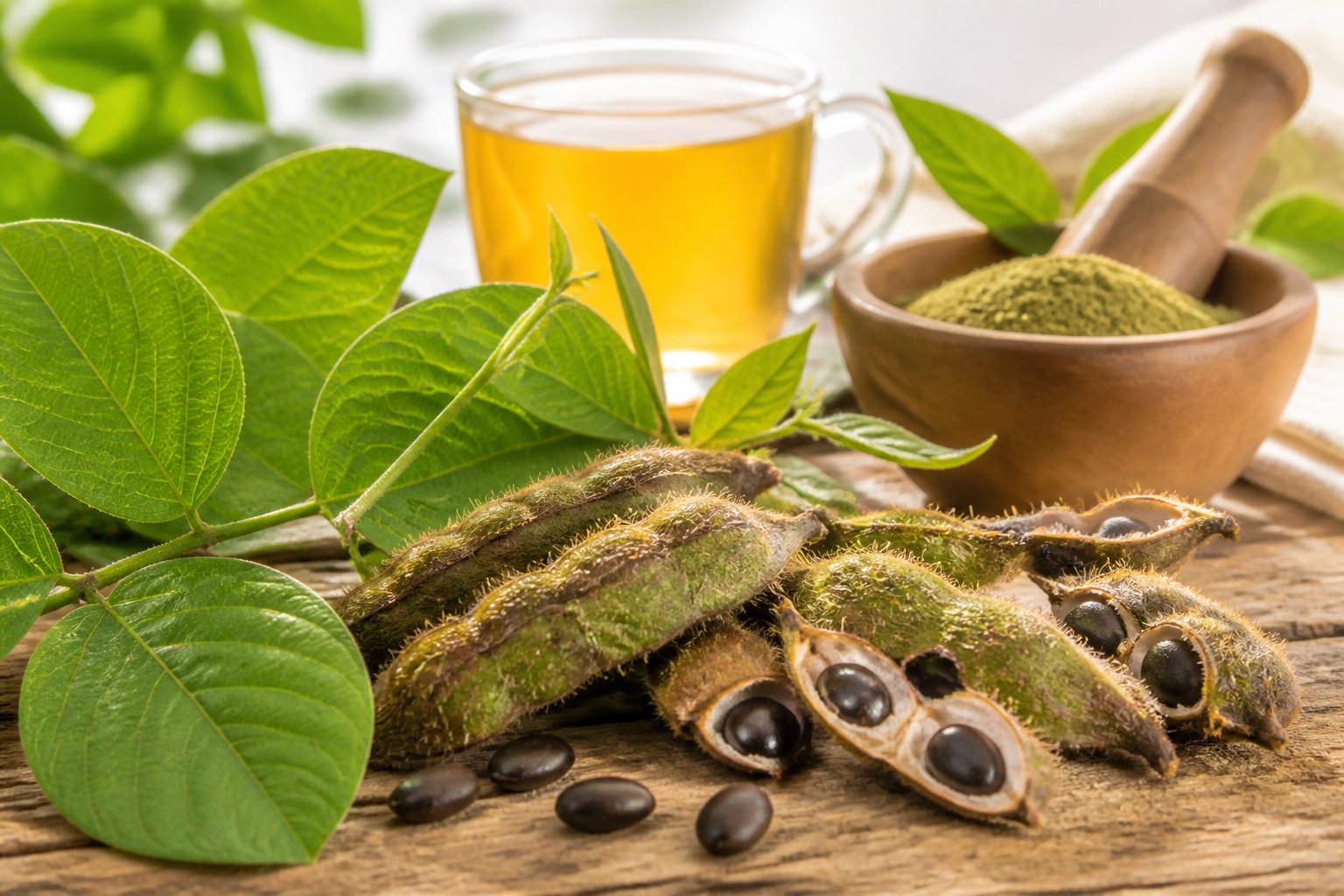
While mucuna has a long history in Ayurvedic practice, modern research is beginning to explore its clinical applications. The velvet bean contains not only L-dopa but also amino acids, polyphenols, and other beneficial compounds that contribute to its health effects. Understanding both the potential benefits and possible side effects helps people make informed decisions about using this supplement.
The growing interest in natural dopamine support has made mucuna pruriens a popular supplement choice. However, proper dosage, quality products, and awareness of potential risks are important for safe use.
Key Takeaways
- Mucuna pruriens naturally contains L-dopa, which increases dopamine levels and may help with Parkinson’s symptoms, mood, and male fertility
- The supplement can cause side effects like nausea, vomiting, and dizziness, especially when taken in high doses or for long periods
- Consulting a healthcare provider before use is essential, particularly for people taking medications or with existing health conditions
Botanical Origins and Key Bioactive Compounds
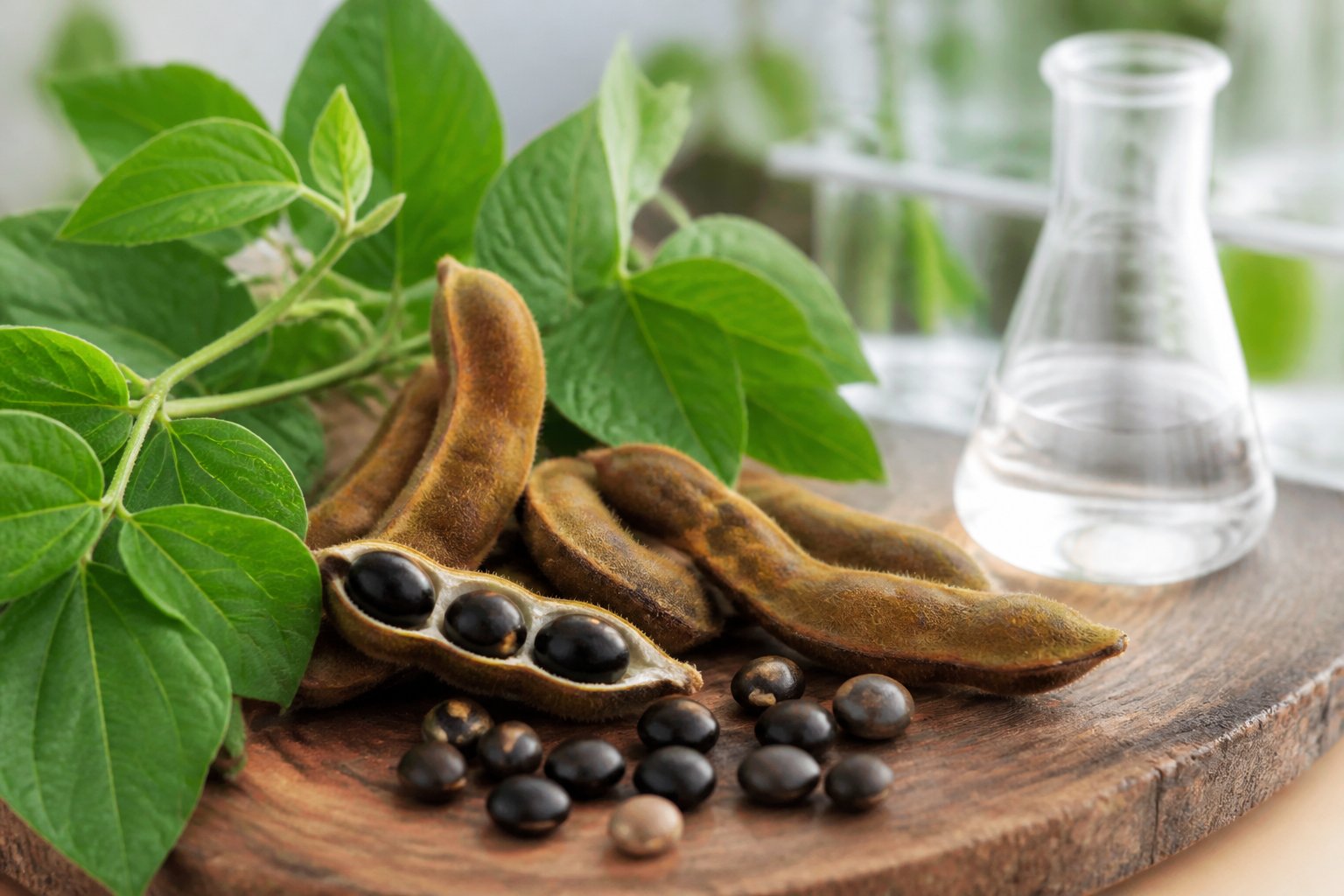
Mucuna pruriens is a tropical legume that contains several important chemical compounds, particularly L-DOPA, along with proteins, minerals, and various plant-based nutrients. The plant’s seeds serve as the primary source for supplements and extracts used in traditional and modern applications.
Plant Family and Habitat
Mucuna pruriens belongs to the Fabaceae family. The plant is commonly known as velvet bean in English and grows primarily in tropical and subtropical regions.
The plant thrives in warm climates across Africa, Asia, and Central America. It grows as a climbing vine that can reach significant heights when supported by other vegetation.
Mucuna pruriens serves multiple agricultural purposes beyond its medicinal uses. The plant fixes atmospheric nitrogen and improves soil fertility, making it valuable as green manure and cover crop. Farmers in various regions also use it as animal feed and forage.
Active Constituents and Nutritional Profile
Mucuna seeds contain L-DOPA at concentrations of 4-7%, which is the most studied compound in the plant. L-DOPA (levodopa) is a precursor to dopamine, a brain chemical that affects mood and movement.
Beyond L-DOPA, the seeds contain multiple bioactive compounds including alkaloids, flavonoids, tannins, and phenolic compounds. These phytochemicals contribute to the plant’s overall properties.
The nutritional profile includes:
- Protein: High protein content makes it suitable for food applications
- Amino acids: Various essential and non-essential amino acids
- Minerals: Zinc and selenium
- Carbohydrates: Starch and other carbohydrate forms
The seeds also contain trypsin inhibitors and other compounds that may need processing before consumption in certain forms.
Mucuna Pruriens Seeds and Extract Types
The seeds are the primary source for Mucuna pruriens supplements and extracts. Raw mucuna seeds require processing to make them suitable for human consumption due to naturally occurring compounds.
Standardized extracts provide consistent amounts of active compounds. Many commercial products use standardized extracts with 20% L-DOPA content, though percentages vary by manufacturer. These extracts concentrate the bioactive compounds while removing unwanted components.
Mucuna extract comes in several forms including powder, capsules, and liquid preparations. Processing methods affect which compounds remain in the final product and their concentrations.
Mechanism of Action: L-Dopa, Dopamine, and the Nervous System
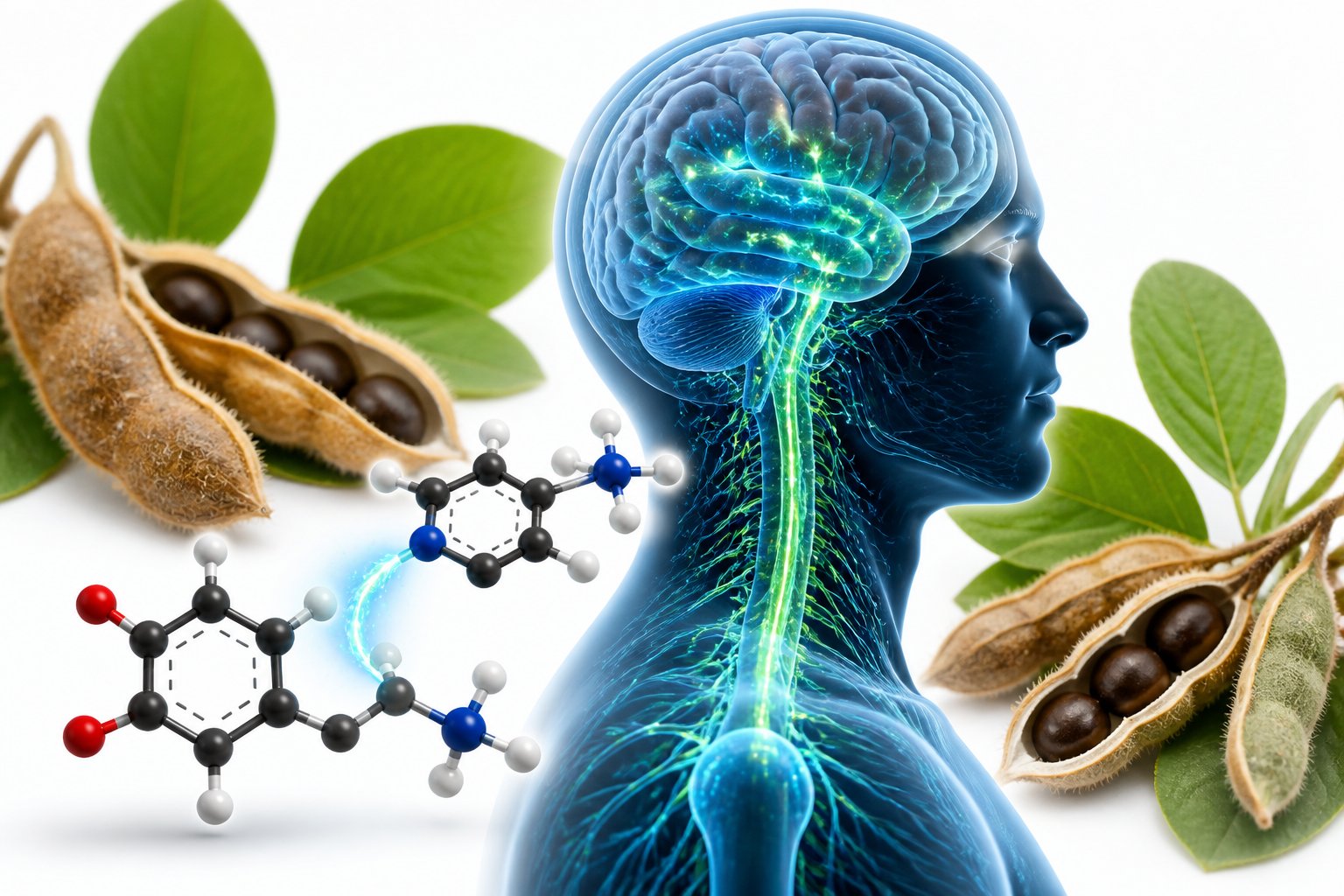
Mucuna pruriens contains high concentrations of L-DOPA, a compound that serves as the immediate building block for dopamine production in the brain. This natural levodopa crosses into the central nervous system and influences multiple neurotransmitter pathways that regulate mood, movement, and cognitive function.
L-Dopa as a Dopamine Precursor
L-DOPA functions as the direct chemical precursor to dopamine in the body’s natural synthesis pathway. The conversion process begins when the enzyme tyrosine hydroxylase transforms the amino acid tyrosine into L-DOPA. Another enzyme called aromatic L-amino acid decarboxylase then converts L-DOPA into dopamine.
This two-step process represents the primary route for dopamine production in the nervous system. Mucuna pruriens provides a natural source of L-DOPA that bypasses the first step of this synthesis pathway.
The plant contains one of the highest natural concentrations of this dopamine precursor found in any botanical source. When consumed, the levodopa from mucuna pruriens enters the bloodstream and becomes available for conversion to dopamine throughout the body.
Crossing the Blood-Brain Barrier
The blood-brain barrier presents a significant challenge for dopamine supplementation because dopamine itself cannot pass through this protective membrane. L-DOPA crosses the blood-brain barrier while dopamine does not, making it the only viable option for increasing brain dopamine levels through supplementation.
Once L-DOPA enters the brain, enzymes convert it to dopamine within neural tissue. This conversion happens in both the central nervous system and peripheral nervous system.
The challenge is that L-DOPA metabolism outside the central nervous system can reduce the amount that reaches the brain. Much of the conversion to dopamine occurs in peripheral tissues before the compound reaches its target destination. This peripheral conversion explains why dosing can vary in effectiveness and why pharmaceutical preparations often include compounds to prevent premature breakdown.
Influence on Neurotransmitters and Brain Function
Dopamine plays essential roles in movement control, motivation, reward processing, and cognitive function. The role of L-DOPA in neurological health extends beyond simple dopamine replacement to influence multiple aspects of brain chemistry.
Once converted to dopamine, the neurotransmitter is transported into synaptic vesicles where it remains stored until needed for neural signaling. The release of dopamine into synaptic spaces allows for communication between neurons that control motor function, emotional responses, and executive thinking.
The neuroprotective properties of mucuna pruriens may extend beyond its L-DOPA content. Research suggests the plant contains additional compounds that support neurological function, though L-DOPA remains the primary active component responsible for its effects as a dopamine booster.
Traditional and Modern Uses
Mucuna pruriens has served multiple roles across different healing traditions for thousands of years. The plant addresses nervous system health, reproductive function, and stress response through compounds like L-DOPA that directly influence brain chemistry.
Ayurvedic Medicine and Adaptogenic Role
In Ayurvedic medicine, mucuna pruriens goes by the name Kapikacchu. Ancient texts describe it as a rejuvenating herb for the nervous system.
Traditional medicine practitioners used the seeds as a tonic to restore balance in the body. The Ayurvedic uses focused on supporting motor control, balance, and overall vitality.
Modern science recognizes mucuna as an adaptogen. This means it helps the body adapt to various stressors rather than targeting just one specific issue.
The herb works differently than vague stress remedies. It provides L-DOPA, which the brain converts directly into dopamine for improved mood regulation and focus.
Use as an Aphrodisiac and Sexual Health Support
Mucuna pruriens has a long history as an aphrodisiac in traditional medicine systems. Multiple human studies show it improves sperm quality and testosterone levels in men with fertility issues.
The seeds contain compounds that support reproductive health through hormonal pathways. Research demonstrates improvements in both libido and sexual function.
Men dealing with sexual dysfunction may benefit from the herb’s effects on dopamine production. Higher dopamine levels correlate with increased sexual desire and performance.
The reproductive health benefits extend beyond just libido to include overall hormonal balance. Clinical trials support these traditional claims with measurable results in fertility markers.
Stress Management and Mood Enhancement
Studies suggest mucuna pruriens can lower cortisol levels in people experiencing chronic stress. The herb’s ability to replenish dopamine makes it effective for stress reduction.
Dopamine depletion from modern life contributes to low motivation and poor mood. Mucuna addresses this by providing the raw materials the brain needs to produce this neurotransmitter.
Users typically report feeling calm, focused alertness within 45 to 90 minutes. This differs from caffeine’s jittery effects because it works through dopamine rather than adrenaline.
The stress management benefits appear strongest when the herb is taken consistently but with periodic breaks. This cycling approach helps maintain the body’s natural sensitivity to dopamine.
Clinical Benefits and Health Applications
Mucuna pruriens has shown promise in treating several neurological and mental health conditions, primarily due to its natural L-DOPA content. Research indicates potential benefits for movement disorders, mood regulation, and brain function.
Neurological Health and Parkinson’s Disease
Mucuna pruriens contains natural L-DOPA, the same compound used in conventional Parkinson’s disease medications. This makes it valuable for managing motor symptoms in patients with this condition.
The plant provides a natural source of levodopa that the brain converts into dopamine. Parkinson’s disease occurs when dopamine-producing cells die, leading to tremors, stiffness, and movement problems.
Studies show that mucuna pruriens may work as effectively as synthetic L-DOPA for controlling motor symptoms. Some research suggests it may cause less dyskinesia, the involuntary movements that often develop as a side effect of long-term Parkinson’s medications.
The herb appears to have a faster onset of action compared to standard medications. Patients report improved mobility and reduced rigidity within shorter time frames.
However, people with Parkinson’s disease should work closely with healthcare providers before using mucuna pruriens. It can interact with conventional medications and requires careful dosing.
Mood, Depression, and Anxiety Support
The dopamine-boosting properties of mucuna pruriens extend beyond movement disorders to affect mood and emotional well-being. Dopamine plays a key role in motivation, pleasure, and emotional regulation.
Research indicates the plant may have antidepressant effects through its influence on brain chemistry. Low dopamine levels often contribute to depression symptoms like lack of motivation and reduced interest in activities.
The herb may also provide anxiolytic benefits for people experiencing anxiety. Some users report feeling both relaxed and mentally alert after taking mucuna pruriens.
These mood-supporting effects stem from the plant’s ability to increase dopamine and other neurotransmitters in the brain. This can help restore chemical balance in people with mood disorders.
Clinical evidence remains limited, and more research is needed to confirm these benefits. People taking antidepressant medications should consult healthcare professionals before adding mucuna pruriens to their regimen.
Cognitive Function and Antidepressant Potential
Mucuna pruriens may support various aspects of cognitive function through its effects on brain chemistry. Dopamine influences memory, focus, and mental processing speed.
The herb’s potential to improve brain health extends to neuroprotective properties. Its antioxidant compounds may protect brain cells from oxidative stress and damage.
Some research suggests mucuna pruriens could enhance learning and memory formation. The increased dopamine availability may improve neural communication and cognitive performance.
The plant contains additional compounds beyond L-DOPA that contribute to brain health. These include various antioxidants and neuroprotective substances found throughout the plant.
Fertility and Reproductive Health
Mucuna pruriens has shown promising effects on male reproductive function, particularly through its impact on sperm parameters and hormone levels. The herb contains L-dopa and other compounds that influence the reproductive system in multiple ways.
Male Fertility and Sperm Quality
Research indicates that Mucuna pruriens may improve sperm count and motility, making it a potential option for addressing male infertility. Studies have examined men with fertility issues who took the herb and found improvements in several sperm parameters.
The seed powder affects spermatogenesis, which is the process of sperm cell development. Men who used moderate doses experienced better sperm production compared to baseline measurements. This improvement in sperm quality appears to be linked to the herb’s antioxidant properties and its ability to reduce oxidative stress in reproductive tissues.
Clinical observations suggest that the effects become noticeable after consistent use over several weeks. The herb works by supporting the body’s natural reproductive processes rather than forcing immediate changes.
Testosterone Production and Hormonal Effects
Mucuna pruriens supports hormonal balance and natural energy levels in the body. The L-dopa content plays a role in stimulating the release of hormones that regulate testosterone production.
Men with low testosterone levels may see improvements after taking the herb regularly. The compound influences the hypothalamic-pituitary-gonadal axis, which controls hormone production in the reproductive system. This effect helps maintain healthy testosterone levels without the need for synthetic hormone replacement.
The herb also appears to reduce prolactin levels in some men. High prolactin can interfere with testosterone production and sexual function, so this balancing effect contributes to overall reproductive health.
Semen Quality and Sperm Motility
Sperm motility refers to how well sperm cells move and swim. This characteristic is essential for fertilization to occur. Mucuna pruriens has been used in Ayurvedic medicine for enhancing reproductive health in both men and women.
The herb improves semen quality through multiple mechanisms. It increases the percentage of motile sperm and enhances their forward progression. These changes make it more likely for sperm to reach and fertilize an egg.
Studies have also shown improvements in semen volume and sperm concentration. Men taking the supplement experienced higher total sperm counts per ejaculation. The antioxidant properties protect sperm cells from damage during their development and storage.
Antioxidant, Metabolic, and Cardiovascular Effects
Mucuna pruriens contains compounds that protect cells from damage, reduce inflammation throughout the body, and may help regulate blood sugar and blood pressure levels.
Antioxidant Properties and Oxidative Stress
Mucuna pruriens is abundant in antioxidants like flavonoids and phenolic compounds. These substances neutralize free radicals and reactive oxygen species in the body.
Oxidative stress occurs when free radicals damage cells faster than antioxidants can protect them. The phytochemical composition of Mucuna pruriens includes alkaloids, saponins, flavonoids, coumarin, and alkylamines that work together to reduce this cellular damage.
Research shows different Mucuna varieties have varying antioxidant levels. Studies indicate M. pruriens and M. cochinchinensis demonstrate stronger antioxidant potential compared to other varieties.
The antioxidants in this plant may also support skin health. Oxidative stress damages skin cells and contributes to aging and cellular changes in the skin.
Anti-Inflammatory Effects
Mucuna pruriens has demonstrated anti-inflammatory properties in traditional medicine applications. These effects work alongside its antioxidant capabilities to protect tissues from damage.
The plant’s bioactive compounds help reduce inflammatory responses in the body. This anti-inflammatory action makes it relevant for people dealing with chronic inflammation conditions.
Traditional medicine systems have used Mucuna pruriens to address inflammation-related issues. The plant’s compounds appear to work through multiple pathways to decrease inflammatory markers.
Blood Sugar and Hypertension Support
Traditional medicine practitioners have used Mucuna pruriens to treat diabetes and cardiovascular conditions. The plant contains compounds that may influence metabolic processes.
Some evidence suggests Mucuna pruriens could help regulate blood sugar levels. The mechanisms behind these effects relate to its bioactive compounds and their influence on glucose metabolism.
The plant has also been studied for potential effects on blood pressure and hypertension. However, more clinical research is needed to confirm these cardiovascular benefits in humans.
Supplement Forms, Dosage Guidelines, and Usage
Mucuna pruriens supplements come in multiple forms with varying L-DOPA concentrations, and proper dosing depends on the specific product type and intended use.
Mucuna Pruriens Supplements and Powders
Mucuna pruriens supplements are available as raw seed powder, standardized extracts, and capsules. Raw mucuna pruriens powder typically contains 3-7% L-DOPA by weight and requires larger serving sizes. Standardized extracts concentrate the active compounds, with common preparations containing 15-20% L-DOPA.
Standardized extracts are superior to raw powders because they provide consistent L-DOPA content in each dose. Capsules offer convenience and precise measurements, while powder forms allow flexible dosing but may have inconsistent potency between batches.
The mucuna pruriens supplement format someone chooses should match their specific needs and tolerance levels.
Standardized Extracts and Quality Considerations
Quality varies significantly across mucuna pruriens supplements. Products tested by third-party organizations provide verified L-DOPA content and purity standards. Look for supplements that clearly state the L-DOPA percentage on the label.
Key quality indicators include:
- Third-party testing certifications (USP, NSF, or similar)
- Clearly labeled L-DOPA content
- Proper seed preparation methods
- Heavy metal testing results
- Manufacturing location and practices
Preparations containing L-DOPA may be 2 to 3 times more potent than equivalent doses of isolated L-DOPA when not combined with carbidopa. This increased potency makes accurate labeling critical for safe use.
Recommended Dosage and Cycling Practices
Daily doses ranging between 5 and 45 grams of seed powder have been used in trials, corresponding to approximately 200-1,500 mg of L-DOPA. Starting with lower doses helps assess individual tolerance.
For standardized extracts with 15% L-DOPA, common dosages range from 500-1,000 mg per day. Higher L-DOPA concentrations require proportionally smaller doses.
Cycling mucuna pruriens may help prevent tolerance buildup. Some users take the supplement for 5 days followed by 2 days off, though research has not established optimal cycling protocols. Long-term use or excessive doses may increase the risk of side effects.
People should not combine mucuna pruriens dosage with L-DOPA medications, as this combination could create dangerously high dopamine levels.
Side Effects, Risks, and Contraindications
Mucuna pruriens contains L-dopa, which can cause various side effects and interact with certain medications. People with specific health conditions and pregnant or breastfeeding women need to exercise particular caution before using this supplement.
Potential Side Effects and Allergic Reactions
Common side effects include diarrhea and gas, particularly when taking powdered forms of the seed. Some users experience nausea, bloating, and stomach discomfort during supplementation.
The L-dopa content can trigger more serious reactions in certain individuals. These include low blood pressure, dizziness, and fainting. Some people develop irregular or pounding heartbeat when taking mucuna pruriens.
The hair from the cowhage bean pod causes severe allergic reactions. When it contacts skin, it produces intense itching, burning, and swelling. People should avoid handling the raw pods without protection.
Gastrointestinal symptoms, involuntary movements called dyskinesia, and psychological symptoms can occur similar to prescription L-dopa medications. Long-term use or high doses may increase the risk of these adverse effects.
Drug Interactions and Contraindications
Mucuna pruriens interacts with multiple medication categories. Taking it with MAOIs used for depression can cause serious side effects including fast heartbeat, high blood pressure, seizures, and nervousness. Common MAOIs include phenelzine, selegiline, and tranylcypromine.
The supplement can lower blood sugar levels, so people taking diabetes medications need to monitor their blood sugar closely to prevent it from dropping too low. It also interacts with blood pressure medications like guanethidine and methyldopa, potentially causing blood pressure to fall excessively.
People taking antipsychotic medications should avoid mucuna pruriens. The supplement increases dopamine while antipsychotics work to decrease it, reducing medication effectiveness.
Using mucuna pruriens with prescription levodopa increases the risk of adverse effects since both contain L-dopa. Anesthesia used during surgery can cause heart problems when combined with the L-dopa in mucuna pruriens.
Individuals with certain health conditions should not use this supplement. Those with liver disease, melanoma skin cancer, peptic ulcers, mental illness, or heart disease face increased risks.
Pregnancy, Breastfeeding, and Special Populations
There is not enough reliable information to determine if mucuna pruriens is safe during pregnancy or breastfeeding. Women who are pregnant or nursing should avoid using this supplement.
People scheduled for surgery need to stop taking mucuna pruriens at least two weeks beforehand. The supplement can interfere with blood sugar control and interact with anesthesia medications during surgical procedures.
Individuals with peptic ulcers face particular risk because the L-dopa content may cause stomach bleeding. Those with melanoma should completely avoid mucuna pruriens as L-dopa might worsen this type of skin cancer.
People with mental health conditions need to exercise caution. The supplement can potentially make mental illness symptoms worse due to its effects on brain chemistry and dopamine levels.
Summary and Considerations for Safe Use
Mucuna pruriens offers several potential benefits, primarily through its natural L-DOPA content. The supplement may help with Parkinsonian symptoms, male fertility, mood, and energy levels. However, users should approach it carefully.
Key safety points to remember:
- Dosing matters: Most commercial products contain 250-500 mg of extract per serving, but L-DOPA content varies widely between products. Some provide 15-150 mg of L-DOPA per dose depending on standardization.
- Timing is important: Taking mucuna pruriens 30-60 minutes before meals or more than 2 hours after protein-rich foods improves absorption. High-protein meals compete with L-DOPA at the same absorption sites in the intestines.
- Medical supervision recommended: Anyone with Parkinson’s disease or taking medications should consult a healthcare professional before use. The supplement can interact with various drugs.
People using mucuna pruriens should verify the certificate of analysis for their specific product. Extract quality varies significantly between manufacturers. Those seeking therapeutic effects should choose standardized extracts with confirmed L-DOPA percentages.
Special considerations:
- Avoid high-dose vitamin B6 supplements at the same time
- Separate from iron supplements by 2-4 hours
- Store in cool, dark conditions to prevent oxidation
- Start with lower doses to assess tolerance
Long-term safety data remains limited. More research is needed to fully understand extended use effects.
Frequently Asked Questions
People often ask about specific benefits, dosing guidelines, and safety considerations when using Mucuna pruriens. The questions range from general health effects to targeted concerns about sexual health and how long it takes to see results.
What are the main health benefits associated with Mucuna pruriens?
Mucuna pruriens provides several notable health benefits primarily related to its L-DOPA content. L-DOPA is a direct precursor to dopamine, which plays a key role in mood regulation and movement control.
Research shows that Mucuna pruriens may help reduce symptoms of Parkinson’s disease. Studies have found improvements in motor function and movement in people with this condition.
The supplement may also support mood and mental well-being. People report benefits for anxiety and depression symptoms, though more research is needed to confirm these effects.
Male fertility is another area where Mucuna pruriens shows promise. Some studies indicate it may improve sperm quality and count in men with fertility issues.
Is Mucuna pruriens beneficial for women, and what effects are commonly reported?
Women can take Mucuna pruriens and may experience benefits related to mood and stress. The dopamine-boosting properties work similarly in both men and women.
Some women report improvements in energy levels and overall sense of well-being. The herb may help with motivation and focus through its effects on brain chemistry.
However, most research has focused on male subjects, particularly for fertility-related benefits. Women should note that less scientific data exists specifically about female-specific effects.
Pregnant or breastfeeding women should avoid Mucuna pruriens due to lack of safety data. Anyone with hormonal concerns should consult a healthcare provider before use.
What benefits does Mucuna pruriens offer for men, including sexual health support?
Men may experience several benefits from Mucuna pruriens supplementation. The most well-studied effects relate to fertility and reproductive health.
Studies show that Mucuna pruriens can improve sperm quality in men with fertility problems. It may increase sperm count, motility, and overall semen quality.
The supplement may also support testosterone levels. Some research indicates modest improvements in testosterone in infertile men, though results vary.
Sexual function benefits include potential improvements in libido and erectile function. The dopamine-boosting effects may enhance desire and sexual satisfaction.
Men report better mood and reduced stress when taking Mucuna pruriens. These psychological benefits can indirectly support sexual health and performance.
What dosage of Mucuna pruriens is commonly used for erectile dysfunction support?
Studies on Parkinson’s disease and male fertility have used daily doses between 5 and 45 grams of seed powder. This amount provides approximately 200 mg to 1,500 mg of L-DOPA.
For erectile dysfunction specifically, no standard dosage has been established through clinical trials. Most practitioners suggest starting with lower doses around 5 grams of seed powder daily.
Standardized extracts require lower doses than raw powder. An extract standardized to 15-20% L-DOPA content typically calls for 500-1,000 mg per day.
Starting with the lowest effective dose makes sense to assess individual tolerance. Users can gradually increase if needed while monitoring for side effects.
Preparations containing L-DOPA may be 2 to 3 times more potent than isolated L-DOPA. This means the herb could produce stronger effects at equivalent doses.
Can Mucuna pruriens be taken every day, and what safety considerations matter most?
Daily use of Mucuna pruriens appears safe for most people when taken at recommended doses. Many studies have used daily supplementation for several weeks to months.
People should not combine Mucuna pruriens with medications containing L-DOPA. This combination could lead to excessively high dopamine levels and cause unwanted effects.
Those taking diabetes medications need to exercise caution. The supplement may lower blood sugar, which could interact with diabetes drugs.
Common side effects include nausea and vomiting. These effects typically occur at higher doses or when starting supplementation.
People with mental health conditions should consult a doctor before use. The dopamine-affecting properties could potentially interfere with certain psychiatric medications.
How long does it typically take to notice effects after taking Mucuna pruriens?
Effects from Mucuna pruriens can vary based on the intended benefit and individual factors. Some people notice changes within hours while others need weeks of consistent use.
Acute effects on mood and energy may appear within 30 minutes to 2 hours. This quick response relates to the rapid conversion of L-DOPA to dopamine in the brain.
Benefits for Parkinson’s symptoms can occur relatively quickly. Some studies show motor improvements within a few hours of taking a dose.
Fertility and testosterone benefits require longer supplementation periods. Most studies showing improvements in sperm quality used protocols lasting 12 weeks or more.
Sexual health benefits may take several weeks of daily use to become noticeable. These effects often improve gradually rather than appearing suddenly.
Top Mucuna Pruriens Products
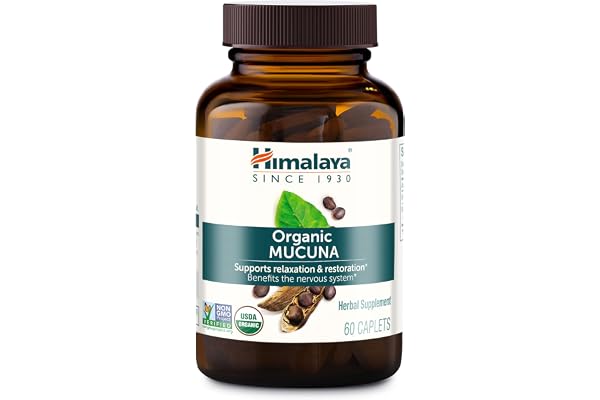
Himalaya USDA Organic Mucuna Pruriens Supplements, 600mg, Mucuna Pruriens Extract for Calming Relaxation from Tension and Promoting Brain Function – Vegan, Non-GMO, Gluten Free, 60 Caplets
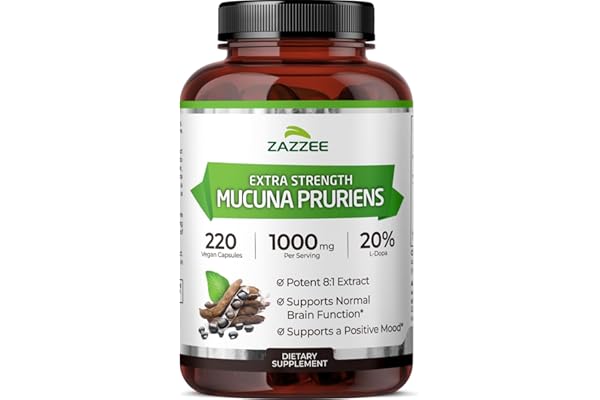
Zazzee Extra Strength Mucuna Pruriens 8:1 Extract, Minimum 20% L-Dopa, 1000 mg, 220 Vegan Capsules, 110 Day Supply, Concentrated and Standardized 8X Extract, 100% Vegetarian, All-Natural and Non-GMO
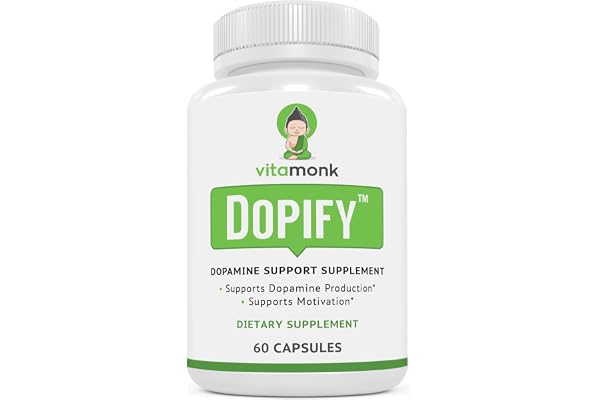
VitaMonk Dopify Dopamine Supplement Dopamine Booster with Uridine Monophosphate, Mucuna Pruriens, L-Theanine, Tyrosine and More – No Artificial Fillers, Just Brain Food – 60 Capsules
BIOTICS RESEARCH DopaTropic Powder Dopamine, Easy-to-Mix Powder, Neurotransmitter Health, Cognitive Health, Memory & Learning, Mucuna pruriens 5 Ounces
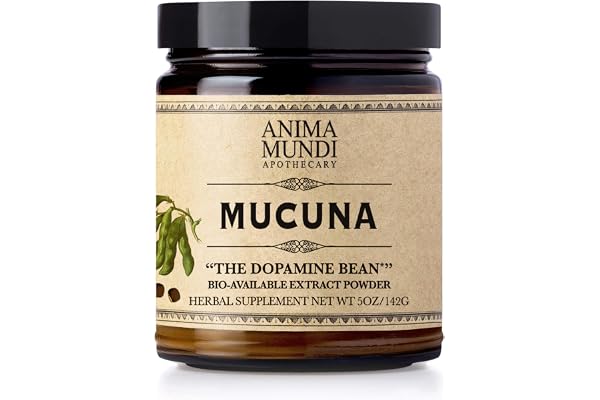
Anima Mundi Apothecary Mucuna Powder – Adaptogenic Mood Support Supplement Powder – Mucuna Mood Booster Powder – Add to Coffee, Tea & More to Promote Positive Mood (5oz / 142g)
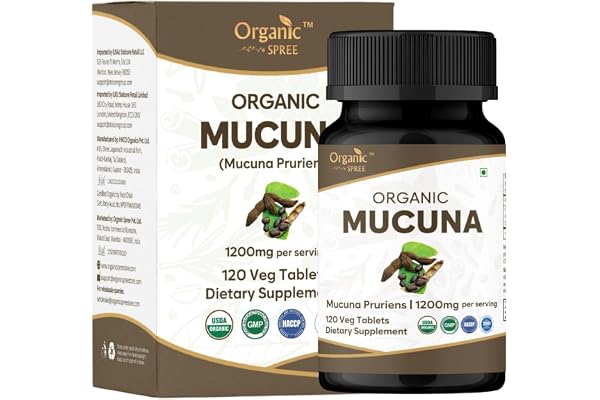
ORGANIC SPREE Mucuna Tablets – USDA Organic Mucuna Supplement, Supports Energy, Stamina & Overall Wellness*, 120 Tablets