

Benefits of Nagarmotha: Ayurvedic Insights and Uses
Nagarmotha, scientifically known as Cyperus rotundus and also called nutgrass or mustaka in Ayurvedic texts, is a perennial herb that has been used in traditional medicine for thousands of years. While many people consider it a common weed found in rice fields and water-logged areas, this plant contains powerful compounds that offer real health benefits.
Nagarmotha provides digestive support, promotes healthy skin and hair, supports weight management, reduces inflammation, and acts as a natural diuretic to improve urinary health.
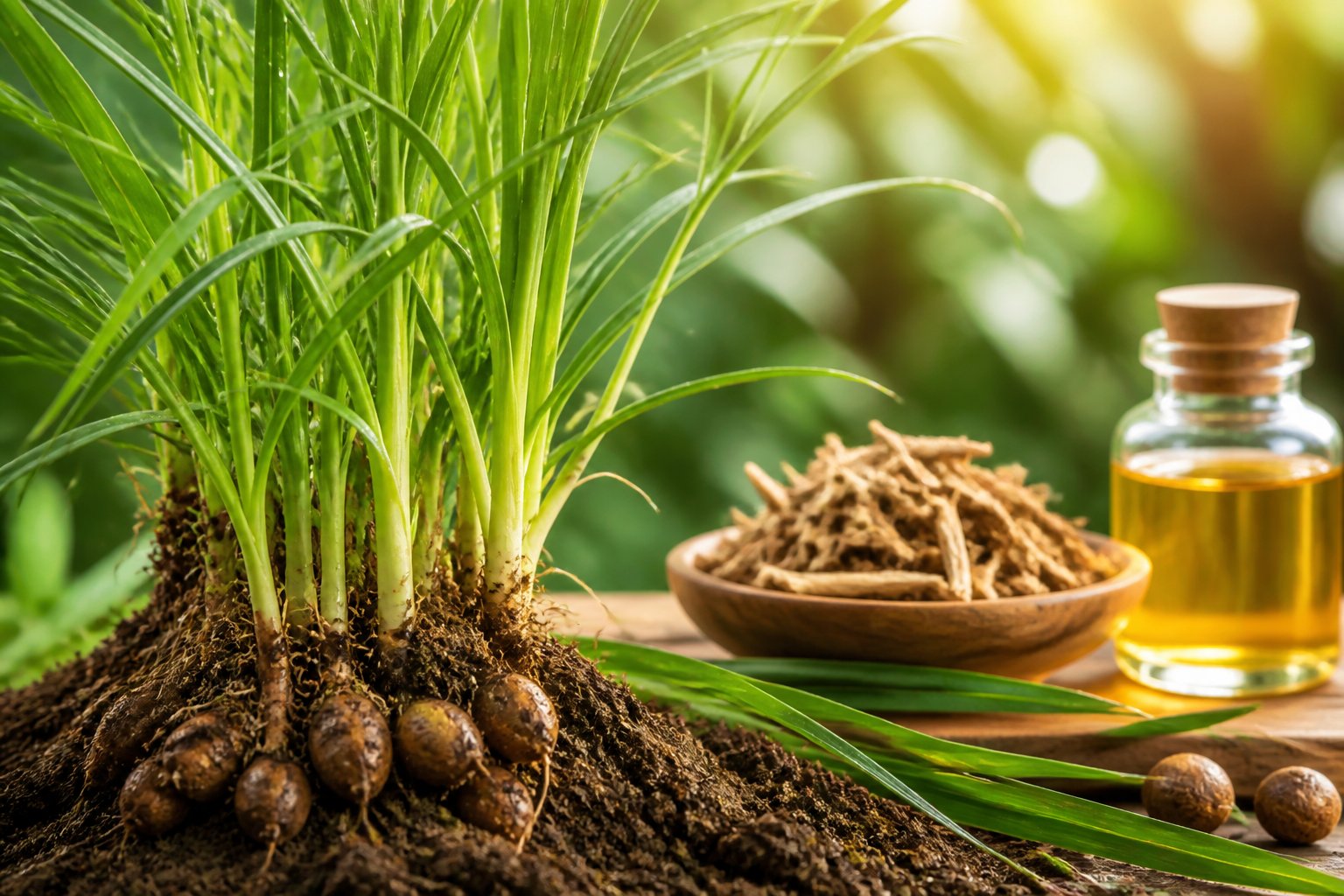
This Ayurvedic herb balances all three doshas and contains active compounds that explain its therapeutic effects. The herb works through multiple mechanisms in the body, from stimulating digestive enzymes to providing antimicrobial protection. Nagarmotha appears in many traditional formulations and can be used as a powder, decoction, oil, or paste depending on the specific health concern being addressed.
Understanding how to properly use nagarmotha and its evidence-based benefits helps people make informed decisions about incorporating this herb into their wellness routines. The following information covers the traditional significance, active compounds, specific health applications, and practical usage methods for this versatile plant.
Key Takeaways
- Nagarmotha is an Ayurvedic herb with digestive, antimicrobial, and anti-inflammatory properties that supports multiple body systems
- The herb can be used in various forms including powder, oil, and decoction, for both internal consumption and external application
- Nagarmotha supports digestion, weight management, skin health, hair care, and urinary function when used appropriately
Traditional Significance in Ayurveda
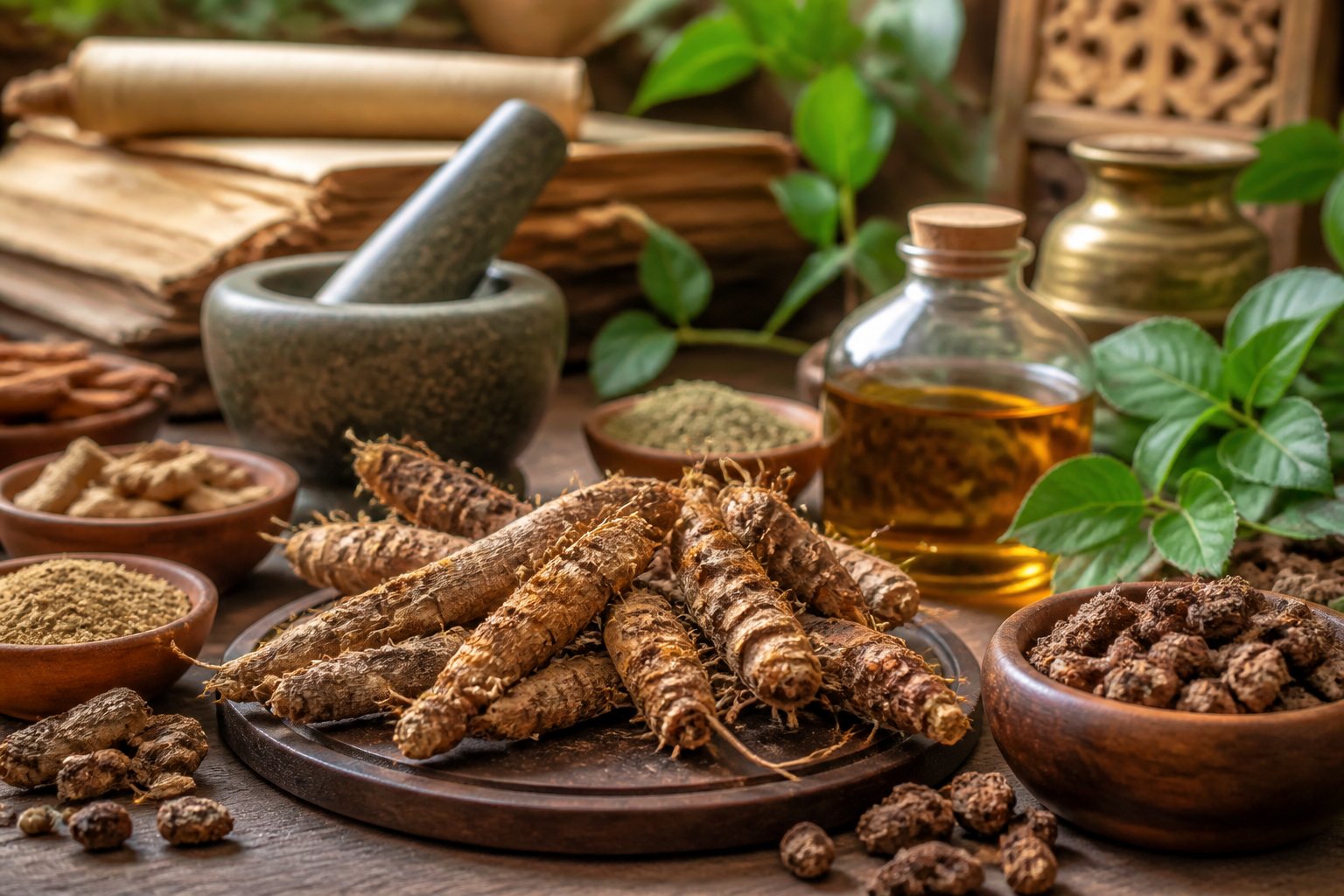
Nagarmotha holds a distinguished position in Ayurvedic medicine under its Sanskrit name Mustaka, appearing in foundational texts for its ability to balance all three doshas and strengthen digestive fire. Classical practitioners valued this herb for its dual action as both a digestive stimulant and an astringent remedy.
Historical Mentions and Sanskrit Names
The herb appears in Ayurvedic literature under several Sanskrit names including Mustaka, Mustak, and Bhadra. Ancient physicians recognized Cyperus rotundus as a versatile medicinal plant despite its appearance as a common weed.
The Charaka Samhita, one of the primary texts of Ayurvedic medicine, lists Mustaka in multiple treatment categories. It appears in formulations for digestive disorders, fever management, and purification protocols. The Ashtanga Hridayam classifies it as both a digestive stimulant and an antidiarrheal agent, demonstrating its balanced therapeutic properties.
Classical texts describe the rhizome rather than the root as the medicinal part. This underground stem contains the concentrated compounds that Ayurvedic physicians have relied on for centuries.
Role in Balancing Dosha and Agni
Nagarmotha balances Vata, Pitta, and Kapha doshas, making it valuable in constitutional treatment approaches. Its bitter, pungent, and astringent tastes work together with its cooling energy to pacify excess Pitta and Kapha.
The herb strengthens Agni, the digestive fire responsible for transforming food into nutrients. It clears Ama, the undigested metabolic waste that accumulates when Agni becomes weak. This dual action of clearing toxins while strengthening digestion makes Mustaka essential in many Ayurvedic formulations.
Practitioners use it cautiously in Vata-dominant conditions because its dry and light qualities can aggravate this dosha when used in high doses. Combining it with ghee or buttermilk helps counteract this drying effect.
References in Classical Texts
The Charaka Samhita places Mustaka in the Dipaniya group for digestive stimulation and the Stambhana category for its astringent antidiarrheal properties. This classification in opposing categories shows its ability to address different digestive imbalances.
Traditional formulations like Shadanga Paniya include Mustaka as a primary ingredient for maintaining digestive function during fever. The herb appears in classical preparations for skin conditions when poor digestion contributes to the problem. Ayurvedic physicians also included it in remedies for urinary complaints and inflammatory conditions affecting multiple body systems.
Phytochemistry and Key Active Compounds
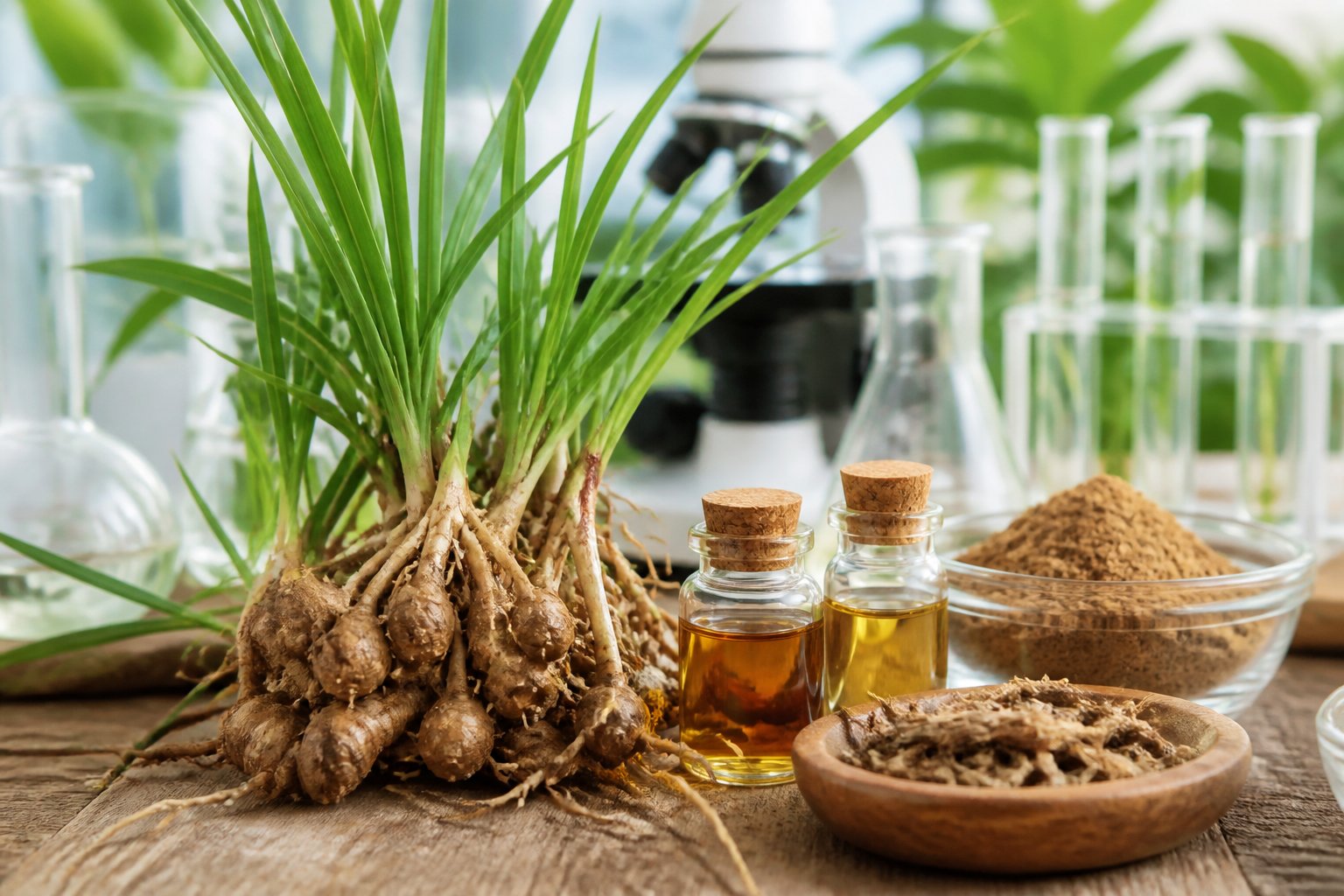
Nagarmotha contains a rich array of chemical compounds concentrated primarily in its rhizome and root structures. The plant’s therapeutic properties stem from diverse bioactive compounds including terpenoids, flavonoids, and polyphenols that work together to produce medicinal effects.
Essential Oils and Volatile Components
The nagarmotha rhizome produces essential oils that contain several key volatile compounds responsible for its distinctive aroma and therapeutic properties. Cyperene serves as one of the primary components found in these oils. The essential oil also contains cyperol, mustakone, and rotundone, which contribute to the plant’s medicinal value.
Research shows these volatile compounds make up a significant portion of the oil extracted from nagarmotha root. The concentration of these components varies based on growing conditions and extraction methods. These terpenoids provide the foundation for the plant’s use in traditional medicine and modern applications.
Antioxidant and Bioactive Constituents
Cyperus rotundus contains powerful antioxidant compounds that protect cells from damage. Flavonoids isolated from the aerial parts demonstrate strong antioxidant properties that help neutralize harmful free radicals in the body.
The plant contains polyphenols that contribute to its overall antioxidant activity. These compounds work by preventing oxidative stress and supporting cellular health. Studies have identified specific flavonoid compounds that show measurable antioxidant effects in laboratory testing.
Notable Alkaloids and Phytochemicals
Beyond terpenoids and flavonoids, nagarmotha contains phenolic compounds and iridoid glycosides that add to its chemical complexity. The rhizomes also contain sesquiterpenoids, which are compounds with documented biological activity.
Researchers have identified benzodihydrofurans and furochromones in the plant tissue. These phytochemicals represent secondary metabolites that the plant produces for protection against environmental stress. The combination of alkaloids and other bioactive constituents creates the synergistic effects observed in traditional preparations of nagarmotha.
Digestive Health and Metabolic Regulation
Nagarmotha addresses multiple digestive concerns through its ability to strengthen digestive fire, clear metabolic waste, and balance excess moisture in the gut. The herb works on both acute symptoms like bloating and chronic issues related to sluggish metabolism and toxin accumulation.
Support for Digestion and Gut Health
Nagarmotha functions as a digestive stimulant that enhances agni, the digestive fire responsible for breaking down food. The herb’s bitter and pungent compounds trigger bile secretion and gastric enzyme activity. This makes it effective for people who experience heaviness after meals or incomplete digestion.
The rhizome specifically targets ama, the sticky metabolic residue that forms when digestion is weak. By clearing ama while simultaneously strengthening agni, nagarmotha creates conditions for better nutrient absorption. It balances both kapha and pitta doshas, making it suitable for various digestive patterns.
The astringent properties help normalize intestinal function. Research has identified flavonoids and sesquiterpenes with antidiarrheal effects that bind to the intestinal lining and reduce excessive secretions.
Relief in Bloating and Indigestion
The volatile essential oils in nagarmotha provide carminative action that relieves gas and bloating. These oils relax intestinal smooth muscle spasms and allow trapped gas to pass naturally. The herb reduces fermentation in the gut that creates uncomfortable pressure.
For acute indigestion, nagarmotha powder or churna can be taken 30 minutes before heavy meals. The bitter taste stimulates digestive secretions before food arrives in the stomach. This preventive approach works better than waiting until symptoms appear.
People with kapha-type digestion, characterized by slow, heavy, and sluggish processing, respond particularly well. The herb’s light and sharp qualities counter the dense, wet nature of excess kapha. It also addresses pitta-type nausea associated with heat and inflammation.
Weight Management and Detoxification
Nagarmotha supports metabolic regulation and weight management by improving how the body processes and eliminates waste. The herb acts as a detoxifier by enhancing liver function and promoting urinary flow. This dual action helps remove accumulated toxins through multiple channels.
The metabolism-boosting effects come from improved agni rather than stimulation. When digestive fire burns cleanly, the body converts food to energy more efficiently instead of storing it as fat. This makes nagarmotha useful for kapha-dominant weight concerns where sluggish metabolism is the root issue.
Key metabolic benefits:
- Enhances fat burning through improved agni
- Reduces water retention with mild diuretic properties
- Supports liver detoxification pathways
- Clears ama that interferes with cellular metabolism
Nagarmotha powder works best when combined with dietary modifications that reduce heavy, oily, and cold foods. The herb complements rather than replaces healthy eating patterns.
Therapeutic Applications and Health Benefits
Nagarmotha demonstrates significant antimicrobial and antifungal activities, supports urinary and reproductive system health, provides pain relief through analgesic properties, and offers protective effects for the liver and kidneys through its diuretic action.
Antimicrobial and Antifungal Effects
The nagarmotha rhizome contains compounds that fight against various bacterial and fungal infections. Research shows that extracts from the plant inhibit the growth of common pathogens that cause skin infections, respiratory issues, and digestive problems.
Nagarmotha oil exhibits particularly strong antifungal properties. Studies indicate it works effectively against Candida species and other fungal organisms that affect human health. The essential oil extracted from the roots contains active compounds like cyperol and alpha-cyperone that disrupt microbial cell walls.
Traditional practitioners use nagarmotha preparations to treat minor wounds and skin infections. The herb’s antimicrobial action helps prevent infection while promoting faster healing of cuts and abrasions.
Support for Urinary and Reproductive Health
Nagarmotha root has been used traditionally to address urinary tract infections (UTI) and related conditions. The herb’s antimicrobial properties help eliminate bacteria in the urinary system while reducing inflammation in the urinary tract.
The plant supports kidney function and helps maintain healthy urine flow. Its mild diuretic effect assists in flushing out toxins and preventing the formation of urinary stones.
For reproductive health, nagarmotha helps regulate menstrual cycles and reduces menstrual discomfort. Women use it to address irregular periods and cramping. The herb also supports overall reproductive system function in both men and women through its anti-inflammatory and balancing effects.
Pain, Inflammation, and Analgesic Use
Nagarmotha provides significant anti-inflammatory support, with research showing extracts reduced paw edema in rats by over 40% within 3 hours. The analgesic properties help relieve various types of pain, including headaches, joint pain, and muscle soreness.
The herb works particularly well for arthritis and other inflammatory conditions. Its active compounds inhibit inflammatory pathways in the body, reducing swelling and discomfort in affected joints.
Navaka guggulu, a traditional Ayurvedic formulation, often includes nagarmotha as a key ingredient for treating inflammatory disorders. The combination enhances the pain-relieving effects while addressing the root causes of inflammation.
Diuretic and Hepatoprotective Properties
The hepatoprotective activities of nagarmotha help protect liver cells from damage caused by toxins and oxidative stress. The herb supports liver detoxification processes and promotes healthy liver enzyme levels.
As a natural diuretic, nagarmotha increases urine production without depleting essential minerals. This gentle action helps reduce water retention and supports kidney health. The increased urine flow aids in eliminating waste products and excess fluids from the body.
The herb’s dual action on both liver and kidney function makes it valuable for overall detoxification. It supports the body’s natural cleansing processes while protecting these vital organs from damage.
Benefits for Skin and Hair
Nagarmotha powder and oil offer multiple applications for both skin and hair care. The herb works as a natural detoxifier for the skin while addressing common scalp concerns like dandruff and infections through its antibacterial properties.
Skin Health and Detoxifying Face Packs
Nagarmotha acts as a powerful detoxifier that draws out impurities and excess oil from the skin. The herb contains natural antioxidants and antibacterial compounds that help reduce acne, blemishes, and pigmentation when applied topically.
For a simple face pack, users can mix 1-2 teaspoons of nagarmotha powder with rose water to create a paste. This combination helps balance skin pH and provides a cooling effect. The paste should be applied to clean skin for 10-15 minutes before rinsing with lukewarm water.
People with oily or acne-prone skin benefit most from regular use. The herb’s astringent properties help tighten pores and control sebum production. Many users notice improved skin clarity within 3-4 weeks of consistent application.
Reducing Dandruff and Scalp Infections
Nagarmotha oil and powder help reduce dandruff through antimicrobial action that targets the fungi and bacteria causing scalp issues. The herb maintains scalp pH balance while removing buildup that clogs hair follicles.
A hair treatment can be made by combining nagarmotha powder with shikakai powder and amla powder. Adding yogurt or coconut milk creates a conditioning paste that cleanses without stripping natural oils. This mixture should sit on the scalp and hair for 20 minutes before rinsing.
The herb also soothes itchy scalp conditions. Its cooling properties calm inflammation while strengthening hair roots and preventing excessive hair loss. Regular scalp treatments help maintain healthy follicles and promote stronger hair growth.
Synergy with Herbal Powders and Essential Oils
Nagarmotha combines well with other Ayurvedic herbs to enhance results. Mixing it with shikakai and reetha creates a natural shampoo alternative that cleanses hair gently. Adding brahmi to this blend provides extra nourishment for the scalp.
For skin applications, blending nagarmotha with multani mitti powder helps absorb excess oil while maintaining moisture balance. Rose powder can be added for its soothing and aromatic properties.
Nagarmotha oil works as a carrier or can be mixed with other essential oils for targeted treatments. A few drops added to regular moisturizer help heal minor cuts and even out skin tone. The oil’s strong astringent qualities make it effective for reducing dark spots and pigmentation when used consistently.
How to Use Nagarmotha in Modern Practice
Nagarmotha can be incorporated into daily wellness routines through powder applications, liquid preparations, and topical remedies. The herb works effectively when taken internally for digestive support or applied externally for skin and hair health.
Nagarmotha Powder and Churna Applications
Nagarmotha powder offers versatile options for internal consumption. Adults can take ¼ to ½ teaspoon of the powder with lukewarm water after meals twice daily for digestive health and metabolism support. The standard dose ranges from ½ to 1 teaspoon depending on the specific health concern being addressed.
For weight management, users should consume ¼ to ½ teaspoon with warm water following meals. This dosage helps boost metabolism and reduce fat accumulation. Children require smaller amounts mixed with honey for better palatability and easier administration.
Nagarmotha churna applications also include mixing the powder with milk for lactation support in nursing mothers. Women can take this combination once or twice daily. The powder dissolves well in various liquids, making it adaptable to individual preferences.
Preparing Decoctions, Infusions, and Oils
A nagarmotha decoction requires boiling ½ teaspoon of powder in 1-2 cups of water until the liquid reduces by half. Users should drink this preparation 2-3 times daily for fever reduction and infection recovery. The concentrated form delivers stronger therapeutic effects than powder alone.
Nagarmotha oil preparation involves mixing 1-2 teaspoons of powder with coconut oil as a carrier base. This blend works effectively when massaged onto the scalp for 2-4 hours before washing. The oil combination penetrates hair follicles and nourishes the scalp while treating dandruff and scalp infections.
Essential oil extracts from nagarmotha root provide concentrated benefits for aromatherapy and topical applications. Some practitioners dilute these extracts with carrier oils for enhanced absorption.
Home Remedies and Practical Tips
For skin conditions, users can mix ½ to 1 teaspoon of nagarmotha powder with rose water to create a paste. This mixture should be applied to affected areas and left for 2-4 hours before rinsing. The paste helps reduce acne, eczema, and inflammation when used consistently.
Joint pain relief involves combining nagarmotha powder with mustard oil and applying it directly to swollen or stiff joints. The anti-inflammatory properties work through external application to reduce discomfort.
Hair and scalp care routines benefit from regular nagarmotha treatments using the oil-based preparation method. Users should apply the mixture at least twice weekly for optimal results. The herb also functions as a natural lice treatment when applied thoroughly to the scalp and hair shafts.
Frequently Asked Questions
People often want to know how to use Nagarmotha in different forms and what to expect from this traditional herb. Questions range from basic dosing guidelines to specific applications for hair, skin, and oral health.
What are the common uses of Nagarmotha powder and how is it typically taken?
Nagarmotha powder is commonly used to support digestive health and reduce bloating. People typically take 1 to 3 grams of the powder twice daily with warm water.
The powder can also be mixed with honey after meals to help with digestion. Some people prefer taking it on an empty stomach in the early morning for detoxification purposes.
For digestive support and metabolism balance, the powder form allows for flexible dosing. Beginners usually start with smaller amounts like 500 milligrams to see how their body responds.
The powder has a bitter and astringent taste. Mixing it with ghee can help reduce dryness for those who experience it.
How is Nagarmotha used for hair care, and what results do people commonly look for?
Nagarmotha is applied to the scalp and hair as an oil infusion or paste. People use it to promote healthier-looking hair and address scalp concerns.
The herb is often combined with coconut oil or sesame oil for massage. Users apply the mixture to the scalp and leave it for 30 minutes to an hour before washing.
People commonly look for improvements in hair texture and scalp health. Some traditional practices suggest it helps with dandruff and itchiness.
The oil can be warmed slightly before application for better absorption. Regular use over several weeks is typically recommended to see noticeable changes.
What are the most discussed benefits and uses of Nagarmotha oil?
Nagarmotha oil is discussed for its external applications on skin and muscles. It’s used as a massage oil for muscular discomfort and cramps.
The oil contains compounds like cyperene and cineole that have anti-inflammatory effects. People apply 5 to 10 milliliters of warmed oil to affected areas.
For skin applications, the oil is valued for its potential antimicrobial properties. Some use it diluted with a carrier oil for minor skin irritations.
The oil form allows for targeted external use. It’s different from internal consumption of powder or decoction forms.
Are there any known side effects, precautions, or interactions associated with Nagarmotha?
Nagarmotha can cause mild acidity or heartburn when taken in excessive amounts. People with sensitive stomachs should start with lower doses.
Pregnant women should avoid high doses as the herb may stimulate uterine activity. Those with peptic ulcers should use it cautiously due to its heating properties.
The herb may interact with blood sugar medications and diuretics. Anyone taking pharmaceutical drugs should consult a healthcare provider before use.
Overuse can lead to dryness of mucous membranes, especially in people prone to dryness. Professional guidance ensures safe use and proper dosing for individual needs.
How do people use Nagarmotha for oral care, including teeth and gum hygiene?
People use Nagarmotha powder mixed with water or oil as a mouth rinse. The herb’s astringent properties are valued for gum health.
Some create a paste by mixing the powder with a small amount of water. They apply this paste directly to gums for a few minutes before rinsing.
The antimicrobial compounds in Nagarmotha may help freshen breath. Traditional practices include using a decoction as a gargle for oral hygiene.
A pinch of powder can be mixed with regular tooth powder. Users typically rinse thoroughly after application to avoid the bitter taste.
How is Nagarmotha applied in skincare routines for brightening or an even-looking complexion?
Nagarmotha is applied to skin as a paste made from powder mixed with water or rose water. People use it as a face mask for 15 to 20 minutes.
The herb is often combined with other ingredients like turmeric or sandalwood. This combination is applied to areas where people want a more even appearance.
For external application, the paste is gently massaged onto clean skin. Users rinse with lukewarm water after the paste dries.
Some mix Nagarmotha powder with yogurt or milk for added moisture. Consistent application over time is needed to see results, typically a few times per week.
Top Nagarmotha Products
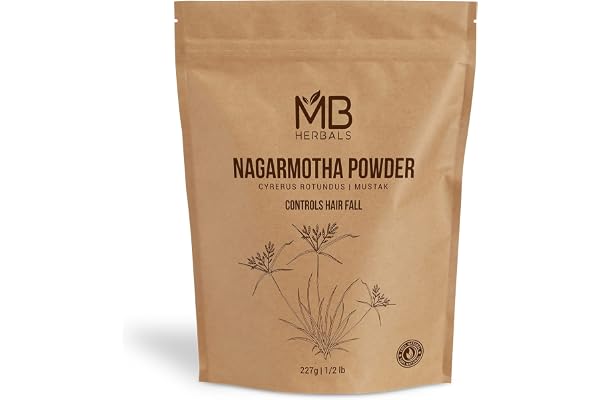
MB Herbals Nagarmotha Powder 227 Gram – Half Pound – Cyperus rotundus – Nut Grass – Mustha – Shacao – Hair Care, Hair Growth
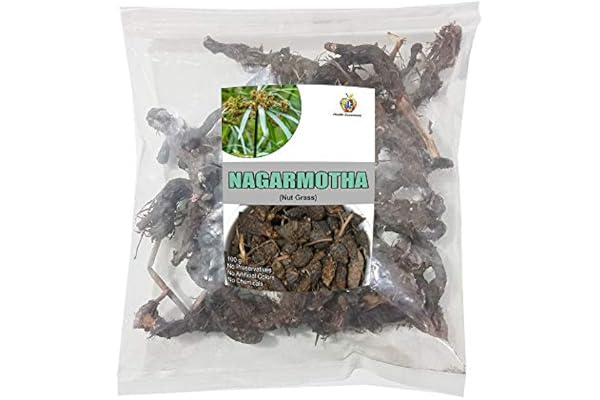
Jioo Organics Nagarmotha, Nut Grass, Mustak, Cyperus Rotundus, Tunga Gaddalu, Nagarmoth, Cyperus Rotundus, 100g
Nagarjuna Shiva Gulika 50 Nos
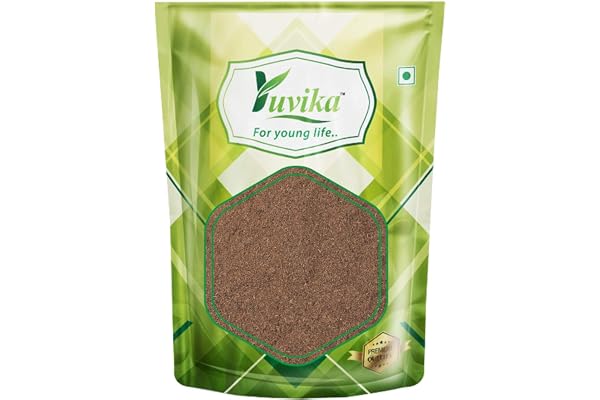
YUVIKA Nagarmotha Powder – Cyperus Rotundus Rhizome (100 GM)
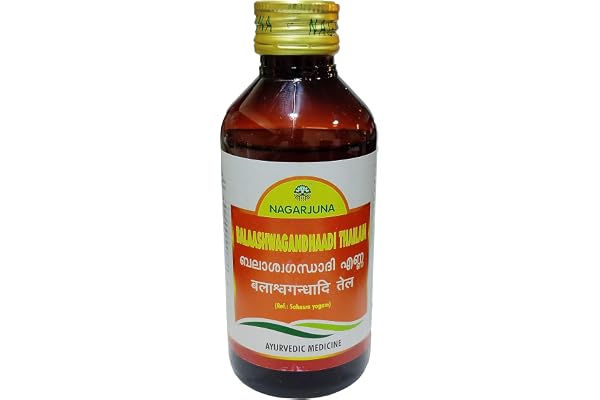
Nagarjuna Kerala Balaashwagandhaadi Thaila 200 ml x Pack of 6