

Benefits of Mushrooms: Nutrition, Types, and Uses
Mushrooms have become a popular food choice for people looking to improve their health and add flavor to their meals. These fungi grow in many varieties and can be found in grocery stores, farmers markets, and restaurants around the world.
Mushrooms provide protein, fiber, vitamins, and minerals while being low in calories, fat, and sugar, and they offer health benefits that include fighting inflammation, supporting gut health, reducing cholesterol, and lowering cancer risk.
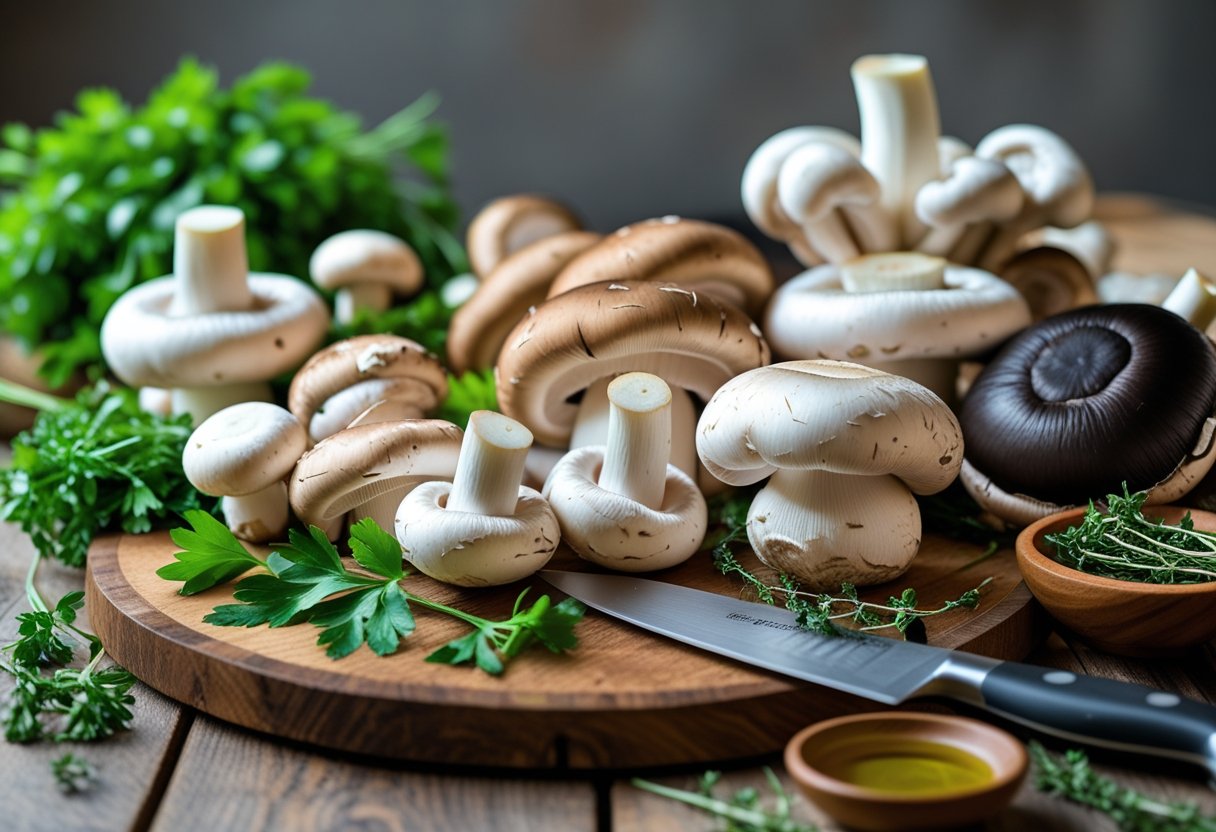
Research shows that mushrooms contain antioxidants, selenium, and vitamin D that support the body in multiple ways. Five medium-sized mushrooms contain about 20 calories, 3 grams of protein, and 1 gram of fiber with almost no fat or sugar. They also provide potassium and small amounts of vitamin C and iron.
Many people use mushrooms as a meat substitute because of their hearty texture and protein content. Beyond their nutritional value, mushrooms have been studied for their potential to help with blood pressure, blood sugar control, and immune system function. Understanding what mushrooms can do for health helps people make better food choices.
Key Takeaways
- Mushrooms are nutrient-rich foods that fight inflammation, support digestion, and may reduce the risk of several diseases
- Different mushroom varieties offer unique health compounds including antioxidants, fiber, and complete proteins with all essential amino acids
- Store-bought mushrooms are safe for most people, but wild mushrooms can be poisonous and should only be collected by experts
Key Health Benefits of Mushrooms
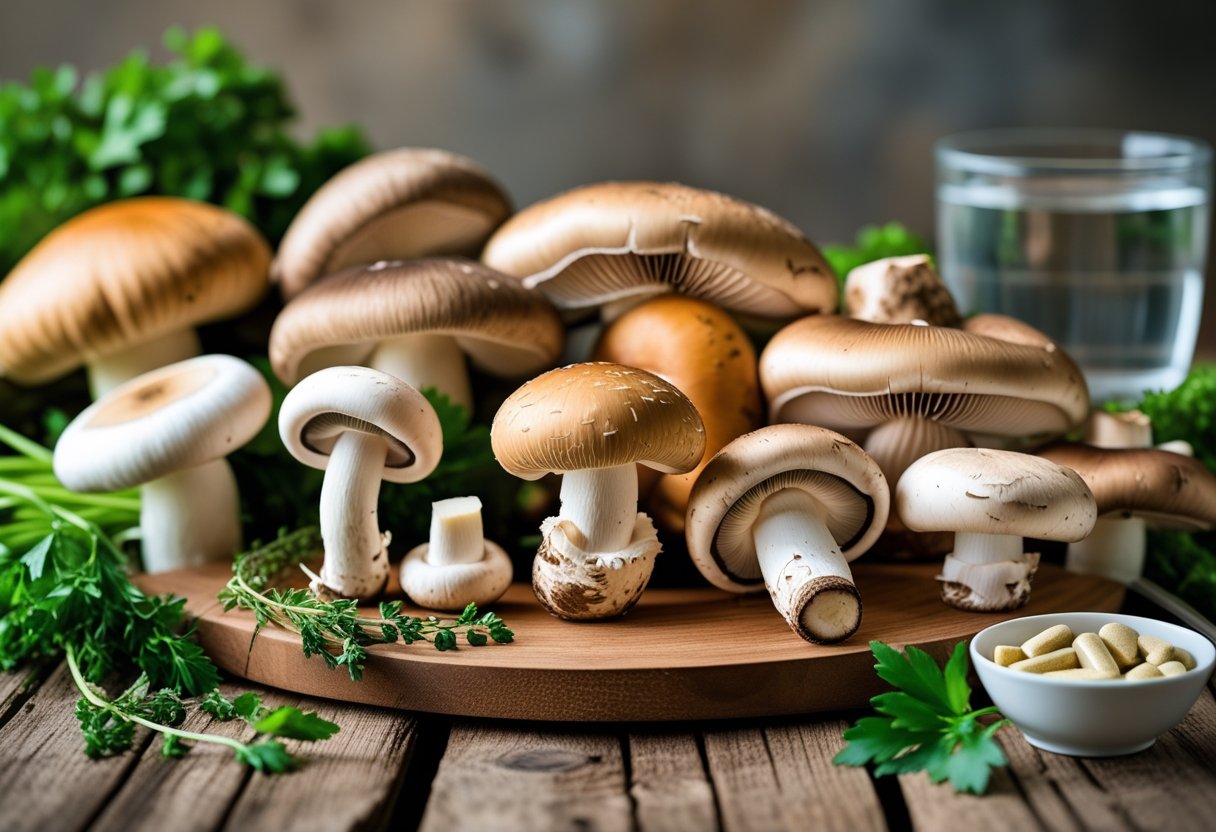
Mushrooms provide multiple health benefits backed by scientific research. These fungi contain unique compounds like beta-glucans, ergothioneine, and polysaccharides that support immune function, reduce inflammation, protect heart health, and improve digestive wellness.
Immune Support and Disease Prevention
Mushrooms contain beta-glucans and polysaccharides that activate immune cells and strengthen the body’s defense system. These compounds help train immune cells called macrophages and natural killer cells to identify and respond to threats more effectively.
People who eat mushrooms regularly show stronger immune responses and get sick less often. Research shows that eating 18 grams of mushrooms daily leads to 34% fewer upper respiratory infections. The selenium in mushrooms also supports immune function by helping make protective enzymes.
Shiitake mushrooms contain lentinan, a compound so effective at boosting immunity that it is used as an approved cancer treatment in Japan. Maitake mushrooms offer similar benefits through their D-fraction compounds. Studies found that people eating shiitake mushrooms daily for four weeks had 60% higher T-cell activity and 23% lower inflammatory markers.
The antimicrobial properties in mushrooms help fight harmful bacteria. These fungi contain compounds that work against E. coli and Salmonella while supporting beneficial bacteria in the gut.
Heart and Cardiometabolic Health
Mushrooms protect heart health by lowering cholesterol, reducing blood pressure, and fighting inflammation in blood vessels. Oyster mushrooms contain natural compounds that block cholesterol production in the liver, similar to statin medications.
Studies show eating 30 grams of oyster mushroom powder daily lowers total cholesterol by 10% and LDL cholesterol by 15% in just three weeks. Shiitake mushrooms contain eritadenine, which helps the liver process cholesterol more efficiently. Eating 5-10 grams of dried shiitake daily can lower cholesterol by 7-12%.
The potassium in mushrooms helps balance sodium levels and reduces pressure on blood vessel walls. Portobello mushrooms provide 12% of daily potassium needs without any added sodium.
Research on 24,000 people found that those eating the most potassium-rich foods had 20% lower stroke risk. The dietary fiber in mushrooms also improves blood flow and reduces arterial stiffness.
Antioxidant and Anti-Inflammatory Effects
Mushrooms contain powerful antioxidants that protect cells from damage and slow aging. Ergothioneine is a unique antioxidant found mainly in mushrooms that accumulates in brain and liver tissue. The body cannot make ergothioneine, so people must get it from food sources.
People with higher ergothioneine levels have lower rates of heart disease and cognitive decline. Glutathione is another key antioxidant in mushrooms. Mushrooms contain 3-12 times more glutathione than most other foods.
These antioxidants work together to neutralize free radicals that damage DNA and contribute to chronic diseases. The anti-inflammatory compounds in mushrooms calm inflammation throughout the body.
A 2016 study found that people eating mushrooms three or more times weekly had 34% lower levels of C-reactive protein, a key marker of inflammation. This reduction in inflammation helps protect against heart disease, diabetes, and other chronic conditions.
Gut and Digestive Health
Mushrooms support digestive health through prebiotic fibers that feed beneficial gut bacteria. The beta-glucans and chitin in mushroom cell walls act like fertilizer for good bacteria while helping maintain the protective gut barrier.
People eating mushrooms regularly show more diverse gut bacteria populations. Higher bacterial diversity links to better overall health, stronger immunity, and improved nutrient absorption. The dietary fiber in mushrooms slows digestion and helps people feel full longer.
One cup of mushrooms provides 8-15% of daily fiber needs depending on the variety. Oyster and maitake mushrooms contain the most fiber at 2 grams per cup.
The compounds in mushrooms also help maintain the gut barrier that keeps toxins out of the bloodstream. A healthy gut barrier reduces inflammation and supports immune function throughout the body.
Nutrient Content and Unique Compounds
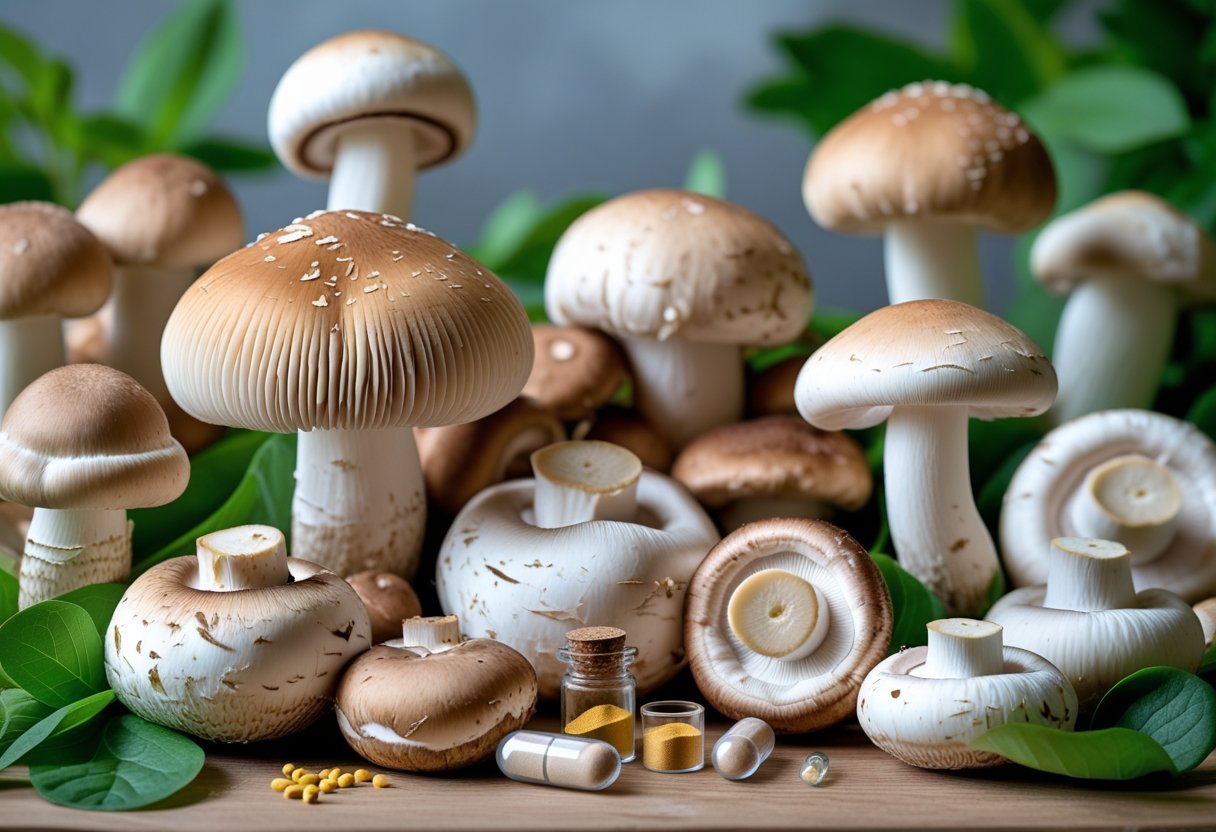
Mushrooms deliver essential vitamins and minerals alongside special compounds not commonly found in other foods. These fungi contain B vitamins, vitamin D2, and bioactive substances like beta-glucans that support various body functions.
Essential Vitamins and Minerals
Mushrooms provide several B vitamins that the body needs for daily functions. Riboflavin helps convert food into energy and supports healthy skin and eyes. Folate assists in making new cells and is especially important during pregnancy.
These fungi contain modest amounts of minerals including selenium, potassium, and copper. Selenium acts as an antioxidant and supports immune function. Potassium helps regulate blood pressure and fluid balance.
Mushrooms are low in calories and fat while offering fiber and protein. A typical serving contains around 15 to 20 calories with 2 to 3 grams of protein. The fiber content ranges from 1 to 3 grams per serving, supporting digestive health.
Bioactive Compounds and Their Roles
Mushrooms contain polysaccharides including beta-glucans that offer health benefits beyond basic nutrition. Beta-glucan, particularly the form with bonds at β (1,3) and β (1,6), supports immune system function and may help lower cholesterol levels.
Other bioactive compounds include ergosterol, polyphenols, and terpenoids. These substances show antioxidant and anti-inflammatory properties in research studies. Ergothioneine, a unique compound found in mushrooms, acts as a powerful antioxidant.
Non-digestible oligosaccharides in mushrooms support gut health by feeding beneficial bacteria. These compounds resist digestion in the upper intestinal tract and reach the colon intact. The cell walls of mushrooms contain chitin, a type of fiber that contributes to their total fiber content.
Vitamin D2 and Bone Health
Mushrooms are a natural source of vitamin D2, one of the few plant-based foods to contain this nutrient. When mushrooms grow or are exposed to UV light, they convert ergosterol into vitamin D2. This makes them valuable for people following plant-based diets.
Vitamin D2 helps the body absorb calcium and phosphorus, two minerals critical for bone strength. Without adequate vitamin D, bones can become thin or brittle. Adults need 600 to 800 IU of vitamin D daily.
The amount of vitamin D2 in mushrooms varies based on growing conditions and light exposure. Some commercially grown mushrooms are treated with UV light to increase their vitamin D2 content to over 400 IU per serving.
Popular Types of Edible Mushrooms
Many mushroom varieties available in grocery stores come from just a few species that offer different flavors and textures. Button mushrooms, cremini mushrooms, and portobello are actually the same species harvested at different growth stages, while oyster and shiitake mushrooms provide distinct tastes for various dishes.
White Button, Cremini, and Portobello
White button mushrooms are the most common type sold in stores. They have a mild flavor and smooth texture that works well in salads, soups, and pasta dishes. These mushrooms belong to the species Agaricus bisporus.
Cremini mushrooms are simply mature white button mushrooms with a tan or brown color. The cremini mushroom has a deeper, earthier taste than its white counterpart. Many cooks prefer cremini for their richer flavor in sauces and stir-fries.
Portobello mushrooms are fully grown Agaricus bisporus with large, flat caps that can reach 6 inches wide. Their meaty texture makes them popular as a burger substitute or grilled side dish. The gills on the underside are usually dark brown or black.
All three types are low in calories and provide protein, fiber, and B vitamins. They can be eaten raw or cooked using various methods like sautéing, roasting, or grilling.
Oyster and Enoki
Oyster mushrooms (Pleurotus ostreatus) have fan-shaped caps with a delicate texture. They grow in clusters and come in white, gray, or pink colors. The oyster mushroom offers a mild, slightly sweet flavor that pairs well with seafood and Asian cuisine.
These mushrooms cook quickly and become tender in just a few minutes. They contain protein, vitamins, and minerals while staying low in calories.
Enoki mushrooms (Flammulina velutipes) look different from most other types. The enoki mushroom grows in tight bunches with long, thin white stems and tiny caps. They have a crisp texture and mild, slightly fruity taste.
Enoki work well in soups, salads, and hot pot dishes. They should be added near the end of cooking to maintain their crunchy texture. These mushrooms are popular in Japanese and Korean cooking.
Shiitake and Maitake
Shiitake mushrooms (Lentinula edodes) are among the most popular edible mushroom types in Asian cooking. The shiitake mushroom has a brown cap with white gills underneath and a rich, smoky flavor. They are sold fresh or dried, with dried versions offering a more concentrated taste.
These mushrooms contain compounds that may support immune health. They work well in stir-fries, ramen, and vegetable dishes. The stems are tough and should be removed before cooking.
Maitake mushrooms (Grifola frondosa) grow in large, frilly clusters that look like flower petals. They are also called “hen of the woods” because their shape resembles a bird’s feathers. Maitake has a woodsy, earthy flavor and firm texture.
This variety can be sautéed, roasted, or added to soups. Maitake is sometimes found growing wild on oak trees but is also cultivated commercially.
Medicinal and Functional Mushrooms
Certain mushroom species contain bioactive compounds that support specific body functions beyond basic nutrition. Reishi promotes relaxation and immune health, cordyceps enhances physical performance, and lion’s mane supports brain function and nerve health.
Reishi and Ganoderma Lucidum
Reishi mushroom, scientifically known as ganoderma lucidum, has been used in traditional Asian medicine for thousands of years. This functional mushroom contains high levels of triterpenoids and polysaccharides that interact with immune cells.
Research shows that ganoderma compounds can modulate immune responses and reduce inflammation in the body. The triterpenoids in reishi work by stimulating genes that code for immune response proteins.
People typically take reishi to support better sleep quality and reduce stress. The mushroom appears to have calming effects on the nervous system. It may also help maintain healthy cholesterol levels and support liver function.
Reishi is available as dried slices, powders, capsules, and liquid extracts. The bioactive compounds are better extracted through hot water or alcohol preparation methods.
Cordyceps for Energy and Stamina
Cordyceps mushrooms grow in high-altitude regions and have become popular among athletes and active individuals. These medicinal mushrooms contain compounds that may enhance oxygen utilization in cells.
Studies suggest cordyceps can improve exercise performance and reduce fatigue. The mushroom appears to increase ATP production, which provides energy to muscles during physical activity.
Cordyceps may also support respiratory health and lung capacity. Athletes often use it to improve endurance and recovery time after workouts. The mushroom contains adenosine and cordycepin, which contribute to its energy-supporting properties.
People can find cordyceps in supplement form as capsules, powders, or tinctures. The cultivated varieties (Cordyceps militaris) contain similar beneficial compounds to wild cordyceps.
Lion’s Mane and Cognitive Health
Lion’s mane mushroom, or hericium erinaceus, stands out for its potential effects on brain and nerve health. This functional mushroom contains unique compounds called hericenones and erinacines that may stimulate nerve growth factor production.
Research indicates lion’s mane may support memory, focus, and overall cognitive function. The compounds in this mushroom can cross the blood-brain barrier and potentially promote the growth and repair of nerve cells.
People use lion’s mane to support mental clarity and concentration. Some studies suggest it may help with mild cognitive decline and support mood regulation. The mushroom may also benefit digestive health and immune function.
Lion’s mane has a mild, seafood-like flavor when cooked fresh. It is also available as supplements in powder, capsule, or liquid extract forms for those seeking cognitive support.
Culinary Uses and Cooking Tips
Mushrooms bring a savory depth to dishes while offering versatile cooking options that work across many cuisines. Their unique texture and flavor make them valuable for both traditional recipes and plant-based alternatives.
Umami Flavor and Meat Substitute
Mushrooms provide a fifth taste sense called umami, which adds a savory and satisfying quality to meals. This natural flavor makes dishes taste richer without adding extra salt or fat.
The hearty texture of cooked mushrooms creates a meaty quality that many people find appealing. Varieties like portobello and shiitake offer substantial bite and substance when prepared properly. This characteristic makes them effective as a meat substitute in burgers, tacos, and stir-fries.
Mushrooms contain all essential amino acids, making them a complete protein source. They add protein to meals without the calories and saturated fat found in red meat. Five medium mushrooms provide 3 grams of protein with only 20 calories.
Best Methods for Cooking Mushrooms
Sautéing mushrooms in a hot pan allows moisture to evaporate and concentrates their flavor. A small amount of oil or butter helps them brown and develop a deeper taste. Cooking them at medium-high heat for 5-7 minutes produces the best results.
Roasting whole mushrooms in the oven at 400°F creates a crispy exterior while keeping the inside tender. This method works well for larger varieties like portobello caps. Grilling mushrooms adds a smoky flavor that complements their earthy taste.
Avoid washing mushrooms under running water, as they absorb liquid and become soggy. Instead, wipe them clean with a damp cloth or paper towel. Adding mushrooms to a crowded pan prevents proper browning, so cook them in batches when preparing large quantities.
Incorporating Mushrooms into Meals
Sliced mushrooms work well in pasta dishes, soups, and omelets. They blend seamlessly with other ingredients while adding nutritional value. Diced mushrooms can be mixed into ground meat for burgers and meatballs to reduce fat content and increase fiber.
Mushroom-based sauces pair nicely with chicken, steak, or rice dishes. A simple pan sauce made with cooked mushrooms, garlic, and herbs takes only minutes to prepare. Stuffed mushroom caps serve as appetizers or side dishes when filled with cheese, breadcrumbs, or vegetables.
Raw mushrooms can be sliced thin and added to salads for a fresh, mild flavor. Marinated mushrooms make a tangy addition to cheese boards and antipasto platters.
Safety Considerations and Who Should Avoid Mushrooms
While mushrooms offer numerous health benefits, certain people need to exercise caution. Allergic reactions, medication conflicts, and the danger of toxic varieties all require careful attention before consuming mushrooms regularly.
Allergies and Drug Interactions
Some individuals experience allergic reactions to mushrooms, particularly those with existing mold sensitivities. Symptoms can include skin rashes, itching, swelling, breathing difficulties, or digestive problems.
People taking certain medications should consult their doctor before eating mushrooms regularly. Reishi and other medicinal varieties may interact with blood thinners, increasing bleeding risk. Mushrooms can also affect blood sugar medications, potentially causing dangerous drops in glucose levels.
Those with autoimmune conditions need special consideration. Mushrooms that boost immune function may overstimulate immune responses in people with disorders like lupus or rheumatoid arthritis. Additionally, individuals taking immunosuppressants after organ transplants should avoid immune-boosting mushroom supplements.
Risks of Wild Mushroom Consumption
Wild mushrooms pose serious dangers without proper identification skills. Toxic varieties like death cap and destroying angel mushrooms can cause liver failure and death. These poisonous species often look similar to edible types, making identification extremely risky for untrained foragers.
Even experienced mushroom hunters can make fatal mistakes. A single misidentified mushroom in a foraged batch can lead to severe poisoning. Symptoms may not appear for 6-24 hours after consumption, delaying critical medical treatment.
Wild mushrooms also absorb heavy metals and pollutants from contaminated soil. This includes arsenic, cadmium, and lead, which accumulate in the mushroom tissue and can harm human health over time.
Best Practices for Safe Consumption
Purchasing mushrooms from grocery stores or certified growers ensures safety. These sources provide properly identified, cultivated varieties free from toxic lookalikes.
Cook mushrooms thoroughly before eating them. Raw mushrooms contain compounds that can cause digestive upset in some people. Heat breaks down these substances and improves nutrient absorption.
Store fresh mushrooms in a paper bag in the refrigerator and use them within a week. Discard any that develop slime, dark spots, or unpleasant odors. Starting with 2-3 servings per week allows people to monitor their individual tolerance before increasing intake.
Other Notable Uses and Emerging Applications
Mushrooms and their root-like structures are now being used in nutritional supplements and cosmetic products while mycelium is being transformed into sustainable alternatives to leather and packaging materials.
Mushrooms in Supplements and Skincare
Mushroom extracts have become popular ingredients in dietary supplements. These products typically contain concentrated amounts of bioactive compounds like polysaccharides and beta-glucans. The supplements come in various forms including powders, capsules, and tinctures.
In the cosmetics industry, mushrooms offer unique benefits for skin health. They contain compounds with anti-tyrosinase effects that can help with skin brightening. Mushroom extracts also provide antioxidant properties that protect skin from environmental damage.
Common mushroom species used in skincare include reishi, chaga, and tremella. These mushrooms help with hydration and may reduce visible signs of aging. The natural compounds in mushrooms support skin barrier function and promote a healthy appearance.
Mycelium-Based Sustainable Products
Mycelium serves as the foundation for innovative eco-friendly materials. This network of fungal threads can be grown into specific shapes and densities. Manufacturers use mycelium to create sustainable alternatives across multiple industries.
Mycelium leather offers a plant-based alternative to animal leather. The material has a similar texture and durability to traditional leather while requiring fewer resources to produce. Fashion and furniture companies are adopting this material for their products.
Packaging made from mycelium provides a biodegradable option for shipping and protection. The material grows around molds in just a few days and breaks down naturally after use. This reduces waste compared to plastic foam packaging.
Frequently Asked Questions
Mushrooms boost immunity through beta-glucans, support brain function with nerve growth factors, and provide heart-protective compounds like potassium and fiber. They deliver essential vitamins and minerals while staying low in calories, making them valuable for weight control and overall health.
How do mushrooms contribute to improved immune system function?
Mushrooms contain beta-glucans, which are special compounds that activate immune cells in the body. These compounds strengthen the immune system and help the body fight off infections more effectively.
Shiitake and maitake mushrooms are particularly rich in these immune-boosting compounds. They stimulate white blood cells and enhance the body’s natural defense mechanisms. Some medicinal varieties like turkey tail and reishi are used specifically for their immune-supporting properties.
What are the potential effects of mushrooms on brain health?
Lion’s mane mushroom produces compounds that stimulate Nerve Growth Factor, which is essential for brain cell health. This protein helps with learning, memory formation, and mood regulation.
Regular consumption of certain mushrooms may help protect against cognitive decline. The antioxidants in mushrooms combat oxidative stress in brain tissue. Research suggests these fungi can support focus, concentration, and overall mental performance.
Can incorporating mushrooms into a diet lead to better heart health?
Mushrooms contain potassium, which helps regulate blood pressure and reduces strain on the cardiovascular system. Dietary fiber and antioxidants in mushrooms work together to lower LDL cholesterol levels.
The low sodium content combined with heart-protective nutrients makes mushrooms a smart choice for cardiovascular health. They provide essential minerals without adding harmful fats or excess calories. Regular mushroom consumption has been linked to reduced risk of heart disease.
What are the nutritional benefits of adding mushrooms to meals?
Mushrooms provide protein and dietary fiber while remaining very low in calories. A 100-gram serving contains only 22 calories but delivers significant amounts of B vitamins, including riboflavin, niacin, and pantothenic acid.
These fungi offer selenium, copper, and potassium in meaningful quantities. When exposed to sunlight, mushrooms produce vitamin D2, making them one of the few non-animal food sources of this essential vitamin. They contain zero cholesterol and almost no fat.
How might mushrooms play a role in weight management and satiety?
The high protein and fiber content in mushrooms helps people feel full longer after eating. This increased satiety can lead to reduced calorie intake throughout the day.
Mushrooms have a meaty texture that makes them satisfying as a meal component or meat substitute. Their low calorie density means people can eat larger portions without consuming excess calories. The combination of nutrients supports metabolism while keeping overall energy intake in check.
What types of antioxidants are found in mushrooms and how do they impact health?
Mushrooms contain two powerful antioxidants called ergothioneine and glutathione. These compounds protect cells from oxidative damage caused by free radicals in the body.
Selenium acts as another important antioxidant in mushrooms, supporting cellular protection and reducing inflammation. These antioxidants help slow aging processes and may lower the risk of chronic diseases. The antioxidant profile varies by mushroom type, with some varieties offering higher concentrations than others.
Top Mushroom Products
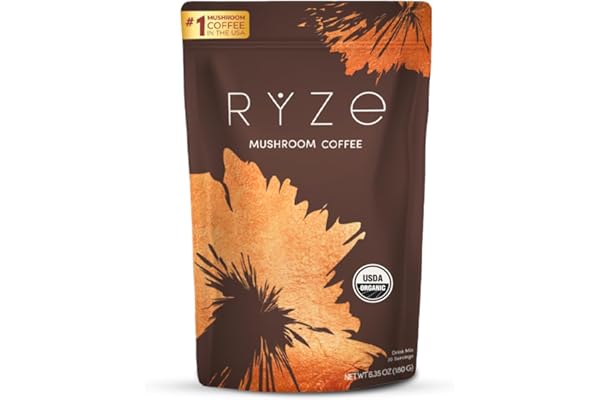
RYZE SUPERFOODS Mushroom Coffee USDA Organic with 6 Adaptogenic Mushrooms and MCT Oil, USA Grown Instant Coffee for Better Energy, Focus, Digestion, Immunity with Lions Mane & Turkey Tail, 30 servings
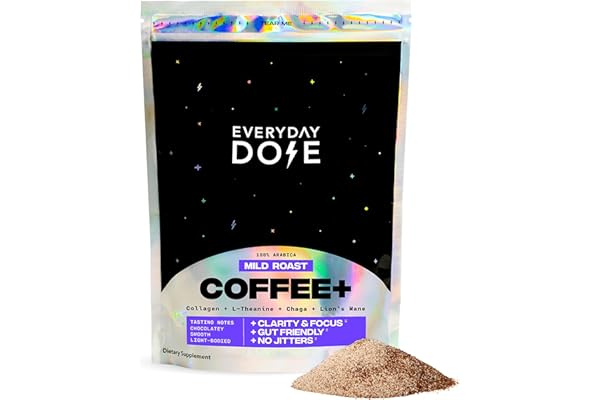
Everyday Dose Premium Adaptogenic Mushroom Coffee with Grass-Fed Collagen, Chaga, Lions Mane & L-Theanine for Better Focus, Energy, Digestion, Skin, and Immunity 30 Servings
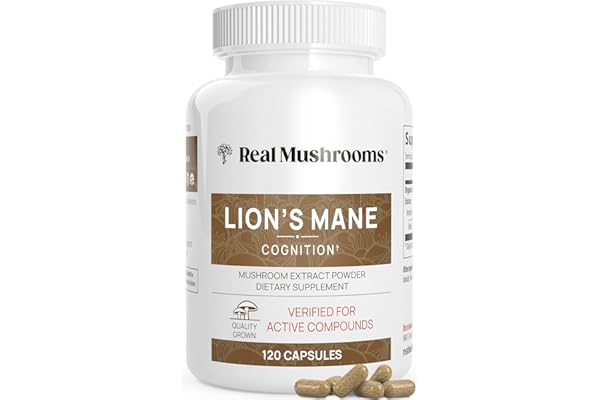
Lions Mane Mushroom Cognition (120 Capsules) Lions Mane Mushroom Powder Extract Capsules | Brain Supplement, Brain Vitamins, Focus Supplement
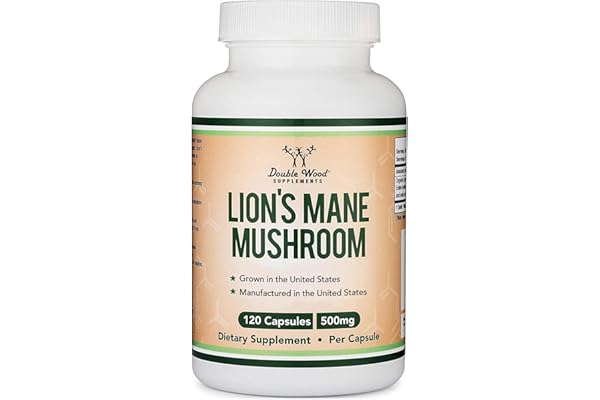
Organic Lions Mane Mushroom Capsules (120 Count), for Focus Support and Immune Health, Third Party Tested and Grown in The USA – by Double Wood
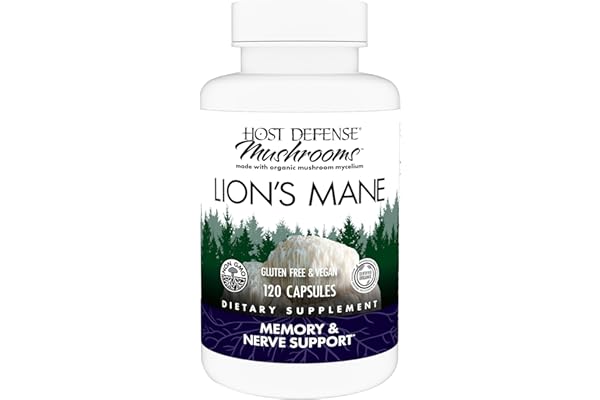
Host Defense Mushrooms Lion’s Mane – Supplement Capsules for Brain Health Support – Mushroom Support for Focus & Memory Function – Immune & Nervous System Supplement – 120 Capsules
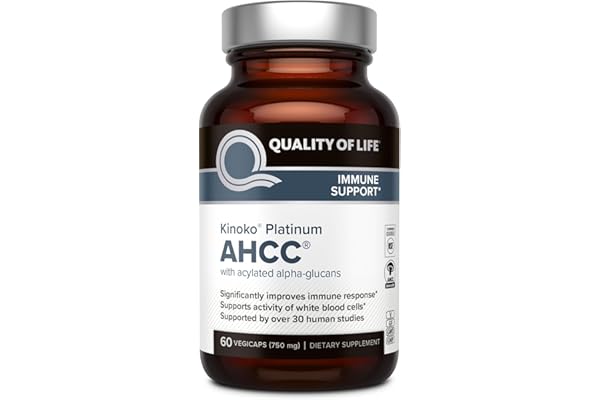
Quality of Life Premium Kinoko Platinum AHCC Herbal Supplement, 750mg per Capsule, for Immune Support, Liver Function, Maintains Natural Killer Cell Activity, Pack of 1, 60 Veggie Capsules