

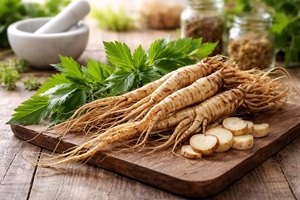
Benefits of Dong Quai: Comprehensive Guide to Uses and Effects
Dong quai, also known as Angelica sinensis or dang gui, is a root herb from traditional Chinese medicine that has been used for thousands of years to support women’s health and overall wellness.
This herb may help with menstrual discomfort, menopausal symptoms, blood circulation, bone health, and immune function, though more research is needed to confirm many of these effects. Practitioners often call it female ginseng because of its long history in addressing women’s health concerns.
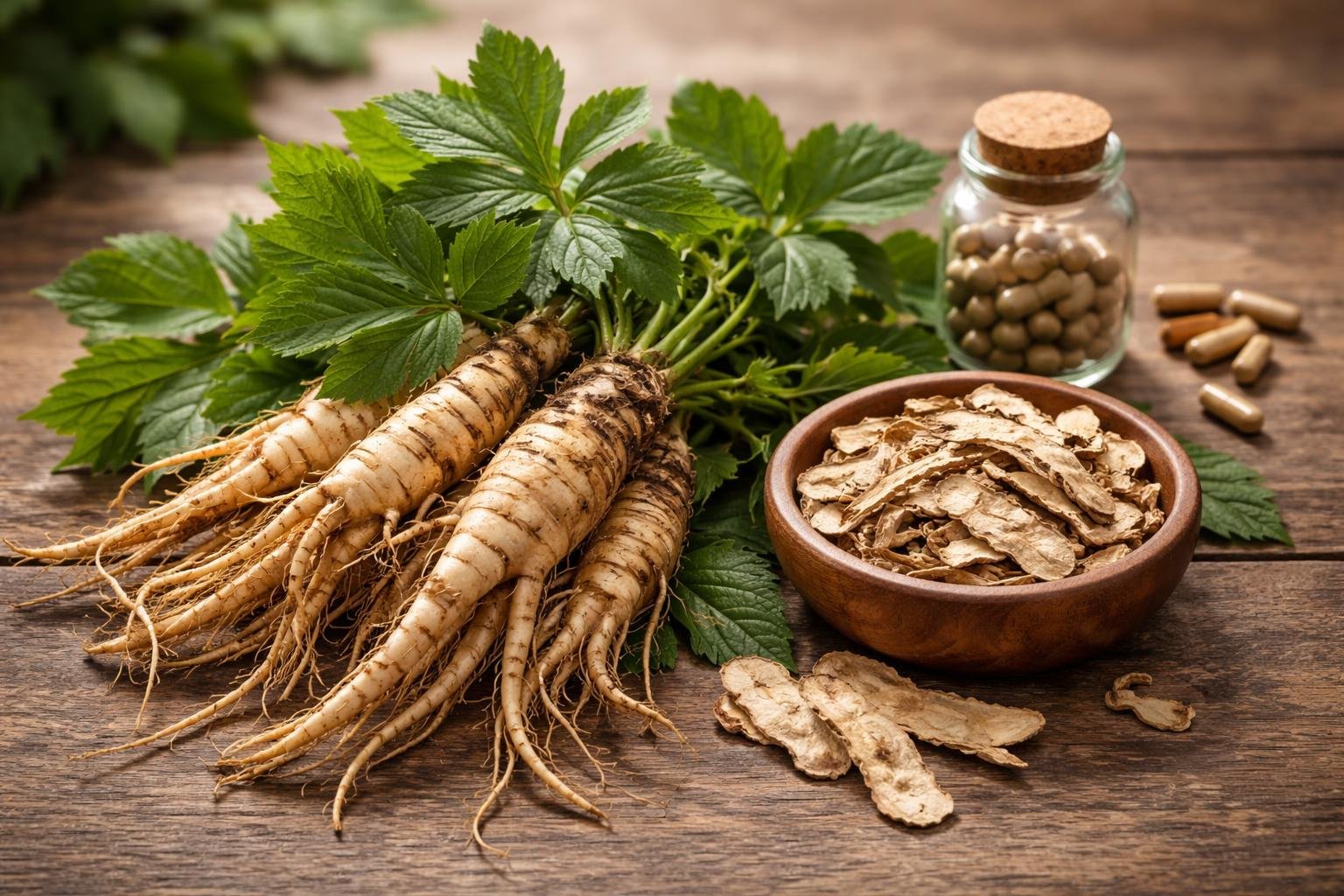
The dong quai root contains compounds that can act like estrogen in the body. These plant-based compounds may help balance hormones and ease symptoms related to the menstrual cycle and menopause. Traditional Chinese medicine practitioners use dong quai to nourish blood, reduce pain, and support healing in both women and men.
People can take dong quai in several forms including capsules, tinctures, teas, and powders. While many users report benefits, it’s important to know that dong quai can interact with blood-thinning medications and may not be safe for people with certain health conditions. Anyone considering this herb should talk with a qualified practitioner first.
Key Takeaways
- Dong quai is a traditional Chinese herb that may help with menstrual pain, menopausal symptoms, and blood circulation
- The root contains plant compounds that mimic estrogen and have been used for thousands of years in women’s health
- People should avoid dong quai if they take blood thinners, are pregnant, or have hormone-sensitive conditions
Dong Quai Overview
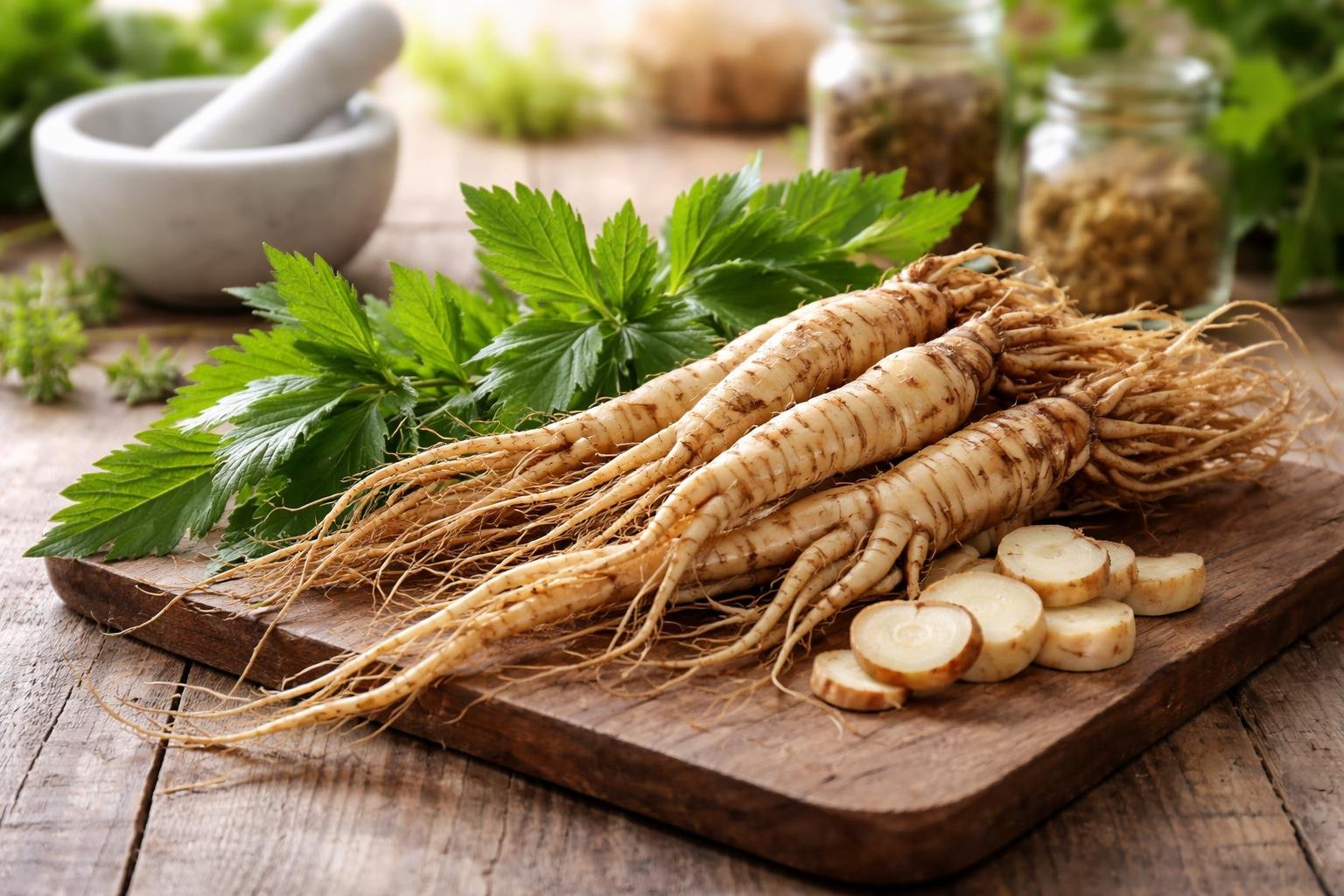
Dong quai (Angelica sinensis) belongs to the Apiaceae family and contains several bioactive compounds that contribute to its use in herbal medicine. The root of this plant has been a staple in traditional Chinese medicine for centuries.
Botanical Description and Traditional Uses
Dong quai is a perennial herb native to China that features delicate, clustered heads of small, fragrant flowers blooming from May through August. The plant has stringy, brownish roots with a bittersweet taste. These roots contain the highest concentration of therapeutic compounds.
Traditional Chinese medicine practitioners call it “dang gui” or refer to it as “female ginseng” due to its historical use in women’s health. TCM practitioners have used dong quai for thousands of years to address various health concerns. The herb is also known as Chinese angelica or tang kuei in different regions.
Practitioners typically combine dong quai root with other herbs rather than using it alone. This approach allows them to create tailored formulas that address specific health patterns while reducing potential side effects from larger doses of single herbs.
Active Compounds in Dong Quai
The angelica root contains several bioactive compounds responsible for its effects. Ligustilide is one of the primary active components found in dong quai preparations. Ferulic acid provides antioxidant properties within the plant.
The herb also contains phytoestrogens, which are plant-based compounds that can mimic estrogen’s effects in the body to some extent. Polysaccharides present in the root may contribute to immune-supporting properties. Furanocoumarins and coumarin compounds are additional constituents that can affect blood clotting.
Phytosterols represent another group of compounds found in angelica sinensis. These various active ingredients work together to produce the herb’s traditional therapeutic effects, though the exact mechanisms require more research to fully understand.
Menstrual Health and PMS Support
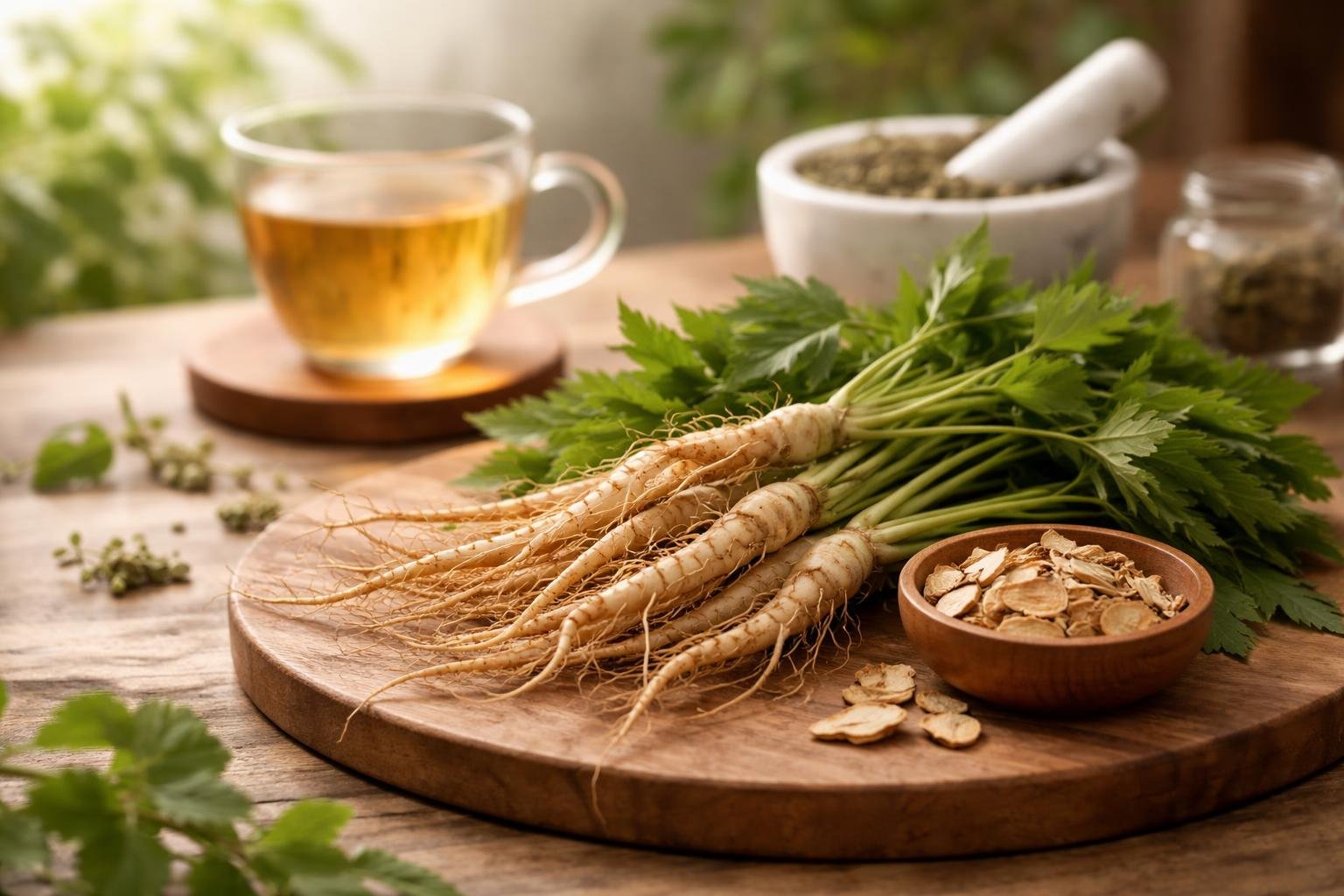
Dong quai has been used in traditional Chinese medicine for centuries to address menstrual disorders, with practitioners prescribing it for painful periods, irregular cycles, and symptoms tied to blood deficiency patterns. The herb contains compounds that may relax uterine muscles and support healthy blood flow during menstruation.
Menstrual Cramps and Irregular Cycles
Dong quai’s ability to ease menstrual cramps comes from its antispasmodic properties. The root contains ferulic acid and ligustilide, compounds that appear to relax smooth muscle tissue in laboratory studies. This muscle-relaxing action may reduce the intensity of uterine contractions that cause cramping pain.
Women who respond to dong quai often describe their cramps as less gripping and their periods as flowing more smoothly. The herb’s traditional use for “moving blood” aligns with its potential to improve circulation in the pelvic area, which may help reduce the congestion that contributes to menstrual pain.
For irregular cycles, dong quai extract is frequently combined with other herbs rather than used alone. The evidence for cycle regulation remains limited, but some practitioners use it for women whose periods arrive unpredictably or whose flow varies significantly from month to month.
Premenstrual Syndrome Relief
PMS symptoms that dong quai may address include:
- Mood swings and irritability
- Fatigue and low energy
- Bloating and breast tenderness
- Sleep disruptions
Traditional Chinese medicine practitioners sometimes prescribe dong quai for women who feel especially drained or emotionally flat before their periods. Animal research has suggested possible effects on neurotransmitters, though human data remains sparse.
Many herbal supplements for premenstrual syndrome combine dong quai with B vitamins, magnesium, and other botanicals. Women taking these multi-ingredient formulas often report better mood stability across their cycle. The herb alone may not provide dramatic relief, but it can support other nutritional and lifestyle strategies for managing PMS.
Amenorrhea and Blood Deficiency
In traditional practice, dong quai is used for certain types of amenorrhea, particularly those linked to “blood deficiency” patterns. These patterns typically include pale complexion, fatigue, dizziness, and scanty or absent periods.
Blood deficiency in traditional terms does not necessarily mean anemia. It refers to a specific pattern where the body lacks adequate nourishment for healthy menstrual function. Dong quai’s traditional role is to “nourish the blood” and restore regular cycles.
Women with amenorrhea should work with a healthcare provider to identify the underlying cause before using dong quai. Absent periods can result from pregnancy, hormonal imbalances, excessive exercise, stress, or medical conditions. Dong quai should never be used during pregnancy due to potential uterine-stimulating effects.
Menopausal and Hormonal Benefits
Dong quai has been used for thousands of years to address hormone-related changes in women, particularly during menopause. The herb contains compounds that may help regulate hormonal fluctuations and reduce common menopausal symptoms like hot flashes and mood changes.
Easing Menopausal Symptoms
Menopause brings a natural decline in hormones produced by the ovaries, typically affecting women in their late 40s and early 50s. This hormonal shift can cause multiple uncomfortable symptoms.
Dong quai contains coumarin and other plant compounds that may have an estrogenic effect on the body. Research suggests the herb could help regulate hormone levels and relieve menopausal symptoms without synthetic chemicals.
Women experiencing menopause often deal with night sweats, hair loss, and changes in bone density. The herb’s ability to potentially balance hormones makes it a popular alternative to hormone replacement therapy for some women.
It’s important to note that those taking hormonal medications like birth control pills or hormone replacement therapy should avoid dong quai. The herb may interact with these medications.
Hot Flashes and Mood Swings
Hot flashes rank among the most bothersome menopausal symptoms women face. These sudden waves of heat can disrupt daily activities and sleep patterns.
One study found that a mixture of dong quai and German chamomile reduced the frequency and intensity of hot flashes by up to 96 percent. This significant reduction demonstrates the herb’s potential effectiveness for this specific symptom.
Beyond physical symptoms, dong quai may help stabilize mood during menopause. Animal research shows the herb could have anti-depressant properties by affecting brain proteins linked to depression.
The herb’s anti-inflammatory properties may also contribute to overall symptom relief during menopause. Reducing inflammation can help ease various discomforts associated with hormonal changes.
Fertility and Reproductive Health
Dong quai supports reproductive wellness through multiple pathways that affect both conception and recovery after childbirth. The herb works by regulating menstrual cycles, improving blood circulation to reproductive organs, and supporting the uterus during healing.
Boosting Fertility and Libido
Dong quai has earned recognition as a fertility-enhancing herb through its effects on reproductive function. The plant contains high levels of biotin, folic acid, and vitamin B12, which nourish the blood and address fertility issues related to anemia or iron deficiency.
Regular menstruation and ovulation are essential for conception. Dong Quai helps dilate blood vessels, which stimulates blood flow to the uterus and can regulate irregular cycles. This makes it particularly useful for women who recently stopped birth control and want to resume a normal cycle.
The herb promotes thickness of the uterine lining, which is critical for maintaining pregnancy. Research in rats has shown promising results for uterine wall development.
For men, dong quai contains ferulic acid, an antioxidant that maintains healthy sperm quality. Studies indicate that applying herbal cream containing Dong Quai to penile skin may help delay ejaculation, addressing issues that affect conception.
Both men and women may experience increased sex drive when using this herb due to its hormone-balancing and invigorating properties.
Postpartum Recovery and Uterine Health
Dong quai supports uterine health by relaxing and stimulating smooth muscle tissue in the vascular, uterine, and intestinal systems. This action helps relieve pelvic congestion by promoting better circulation throughout the reproductive organs.
The herb addresses painful menstruation by improving blood flow and reducing tension in uterine muscles. Women dealing with conditions like uterine fibroids and endometriosis may find relief from associated discomfort, though they should consult healthcare providers before use.
Important safety note: Pregnant women should not use Dong Quai because it stimulates uterine muscles, which could affect pregnancy. The herb is appropriate for postpartum recovery only after delivery is complete.
The blood-nourishing properties help replenish iron stores depleted during childbirth. This supports faster recovery and helps combat postpartum anemia that many new mothers experience.
Cardiovascular and Circulatory Support
Dong quai acts as a blood-building herb while also affecting heart function and blood vessel activity. The herb contains compounds that influence blood pressure regulation and circulation throughout the body.
Blood Tonic and Blood Circulation
Dong quai has been shown to increase red blood cell production, making it useful for addressing anemia. The root contains vitamin B12, vitamin E, biotin, folic acid, and folinic acid, which support blood health.
The herb works as a natural stimulant-relaxant through its pungent and aromatic properties. Its pungency stimulates the heart while its aromatic nature opens blood vessels, allowing smoother blood flow.
Compounds in dong quai, especially ferulic acid, improve circulation and reduce the risk of blood clots. The herb dilates peripheral blood vessels, which enhances blood flow to tissues throughout the body.
People taking blood thinners, anticoagulants, or antiplatelet medications should avoid dong quai. The herb has been shown to increase the effects of Coumadin and other blood-thinning agents, which could lead to excessive bleeding.
Heart Health and Blood Pressure
Dong quai affects cardiovascular health through multiple mechanisms. The herb strengthens heart contractility while decreasing the rate of contractions, which helps the heart work more efficiently.
The root acts as an anti-arrhythmic, helping to regulate irregular heartbeats. It dilates coronary blood vessels and increases coronary blood flow, delivering more oxygen to heart tissue.
For blood pressure regulation, dong quai initially raises blood pressure before causing a decline. The vasodilating effect helps calm hypertension and reduces migraine headaches linked to poor circulation.
These cardiovascular effects may help reduce the risk of heart disease and stroke. The herb’s anti-inflammatory and antioxidant properties also protect against diseases associated with inflammation and oxidative stress.
Bone, Immune, and General Wellness Benefits
Dong quai supports skeletal strength by improving bone mineral density and offers protective effects through its antioxidant and anti-inflammatory compounds. The herb also aids digestive comfort and helps the body fight infections more effectively.
Bone Health and Osteoporosis Prevention
Dong quai helps strengthen bones and increase bone density in both men and women. This becomes particularly important for women after menopause, when bone loss accelerates and the risk of fractures increases.
The herb contains compounds that help the body maintain bone mineral density over time. Regular use may help prevent osteoporosis, a condition where bones become weak and brittle. Studies show that dong quai works by supporting the body’s natural bone-building processes.
People dealing with arthritis may also benefit from the herb’s effects on joint health. The active compounds in dong quai work alongside calcium-rich foods and vitamin D to maintain strong bones. Physical activity combined with dong quai supplementation provides the best results for skeletal health.
Anti-Inflammatory and Antioxidant Properties
The root contains more than 70 chemical compounds that work to reduce inflammation throughout the body. Ferulic acid and coumarin serve as two of the most powerful active ingredients in dong quai.
These antioxidants fight free radicals before they damage cells and organs. The herb’s anti-inflammatory effects help with conditions like osteoarthritis by reducing joint swelling and discomfort. Research shows dong quai reduces several inflammatory markers that the body produces in response to injury or illness.
The antioxidant capacity of dong quai extends beyond joint health. It protects against cellular damage that contributes to chronic diseases. This makes it valuable as part of a broader wellness routine focused on long-term health.
Bloating, Bowel Function, and Digestion
Dong quai helps ease digestive discomfort including bloating and irregular bowel movements. The herb’s antispasmodic properties relax the smooth muscles in the digestive tract, which can relieve cramping and gas.
People experiencing constipation or diarrhea may find relief with dong quai supplementation. The herb helps regulate digestive function without causing dependence. It works gently to promote regular bowel movements and reduce abdominal discomfort.
The root also supports overall digestive wellness by reducing inflammation in the gut. This helps the body absorb nutrients more effectively from food. Many people combine dong quai with other natural remedies or drink it as an herbal tea to support digestive health.
Immune System and Wound Healing
Dong quai boosts the immune system and helps the body defend itself against infections. The herb contains vitamins and antioxidants that strengthen immune response and protect cells from damage.
The high levels of folic acid, biotin, and vitamin B12 in dong quai support white blood cell production. These nutrients help the body fight off foreign organisms more effectively. The herb also works as a blood purifier, removing toxins that can weaken immunity.
Wound healing improves with dong quai use due to increased blood circulation and reduced inflammation. The herb’s antibacterial properties help prevent infections at injury sites. Better circulation means more oxygen and nutrients reach damaged tissues, speeding up the healing process.
Usage, Forms, and Considerations
Dong quai comes in several supplement forms with specific dosing guidelines, but it carries important safety warnings for certain groups. People taking blood thinners or those with hormone-sensitive conditions need to exercise particular caution.
Supplement Types and Dosage Recommendations
Dong quai is available in multiple forms to suit different preferences. Capsules and tablets offer standardized doses and convenient administration. Tinctures provide liquid extracts mixed with alcohol or glycerin that people dilute in water or beverages before consuming.
Powdered dong quai root can be mixed into smoothies and juices. People can also brew the herb as tea, which practitioners of traditional Chinese medicine often recommend.
The appropriate dosage varies based on the specific product and the condition being addressed. Different manufacturers provide dosing instructions on product labels, which users should follow carefully.
Traditional Chinese medicine practitioners typically combine dong quai with other herbs rather than prescribing it alone. This approach helps create tailored formulas while reducing potential side effects from taking large amounts of single herbs.
Anyone considering dong quai should consult a qualified practitioner who can evaluate their health status and current medications before recommending an appropriate dose.
Precautions, Interactions, and Safety
Dong quai poses serious risks for specific groups. Pregnant women should avoid this herb entirely because it may affect the uterus and potentially cause birth defects during the first trimester.
People with bleeding disorders face increased risks since dong quai may slow blood clotting. The herb should not be combined with blood-thinning medications like Warfarin, as both substances slow clotting and create dangerous interactions.
Those with estrogen-sensitive conditions including breast cancer, ovarian cancer, endometriosis, or uterine fibroids must avoid dong quai. The herb contains phytoestrogens that mimic estrogen and may worsen these conditions.
Common side effects include sensitivity to light, skin reactions, bloating, diarrhea, and gas. People scheduled for surgery should stop taking dong quai at least two weeks beforehand to reduce bleeding risk.
The herb also interacts with supplements like ginger, garlic, ginkgo, and Panax ginseng. Nursing mothers should avoid dong quai since safety data remains unclear.
Frequently Asked Questions
Dong quai raises many questions about its effects on hormones, heart health, and traditional uses. People want to know how scientific research supports its claimed benefits and whether it can help with specific health concerns.
How does dong quai influence women’s health and hormonal balance?
Dong quai contains phytoestrogens, which are plant compounds that can mimic estrogen’s effects in the body. These compounds may help regulate hormonal imbalances in women, though more research is needed to confirm this effect.
Practitioners often recommend dong quai for menstrual disorders, including painful periods, heavy bleeding, and irregular cycles. The herb may also help with premenstrual syndrome symptoms like breast tenderness and mood changes. Some people use it to support fertility, though scientific evidence for this use remains limited.
Women with hormone-sensitive conditions like breast cancer, ovarian cancer, or endometriosis should avoid dong quai. Since it acts similarly to estrogen, it may worsen these conditions.
What are the cardiovascular benefits of taking dong quai?
Some older studies suggest dong quai may improve blood circulation and support cardiovascular health. However, other research has found no significant effects on heart health.
The evidence for cardiovascular benefits remains inconsistent. More rigorous clinical trials are needed to determine whether dong quai actually helps the heart and circulatory system.
Can dong quai aid in managing menopausal symptoms?
Some women use dong quai to manage menopausal symptoms like hot flashes and mood changes. Traditional Chinese medicine practitioners have recommended it for these purposes for centuries.
Despite its traditional use, there is little scientific evidence to support dong quai’s effectiveness for menopause relief. Women considering it for menopausal symptoms should consult with a qualified practitioner first.
What role does dong quai play in traditional Chinese medicine?
Traditional Chinese medicine practitioners refer to dong quai as “female ginseng” or “women’s tonic” because of its historical use in women’s health. Practitioners primarily use it for “tonifying” or nourishing blood in the body.
TCM experts often combine dong quai with other herbs in customized formulas. These combinations help address conditions like anemia, dizziness, limb numbness, and palpitations during the menstrual cycle. Practitioners may also use dong quai for men when they show a “blood deficient” pattern.
The herb can be added to formulas for wound healing because it both nourishes and moves blood while reducing swelling. TCM practitioners tailor these formulas to each person’s specific needs.
How is dong quai used to support immune system function?
Dong quai may have immune-boosting properties according to traditional use. The herb contains compounds with potential anti-inflammatory effects that could support overall immune function.
Scientific research on dong quai’s immune benefits remains limited. More studies are needed to confirm whether it actually strengthens the immune system.
Are there any scientific studies supporting the efficacy of dong quai for health improvement?
Current scientific evidence for dong quai’s health benefits is limited and inconsistent. While the herb has thousands of years of use in traditional medicine, modern clinical trials have not yet provided strong proof of its effectiveness.
The FDA does not regulate dong quai as a supplement, which means less research into its effects exists. Most available evidence comes from traditional use and small studies rather than large clinical trials.
Until human studies can confirm these benefits and define proper dosages, it remains premature to recommend dong quai for specific medical purposes. People considering dong quai should consult qualified practitioners who can evaluate their individual health needs.
Top Dong Quai Products
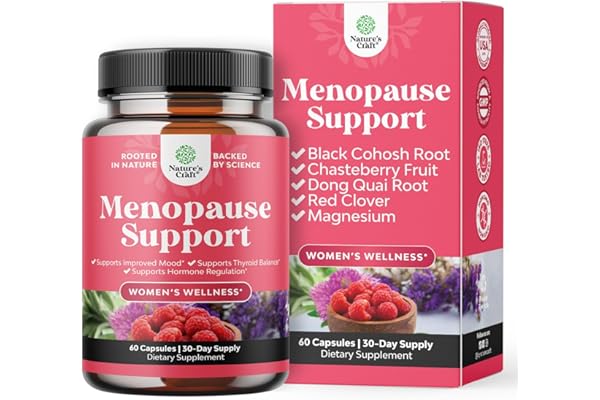
Natures Craft Complete Herbal Menopause Supplement for Women – Female Hormone Balance Capsules for Night Sweats Hot Flashes & Mood Swings with Dong Quai, Chaste Berry & Black Cohosh Root – 60 Count
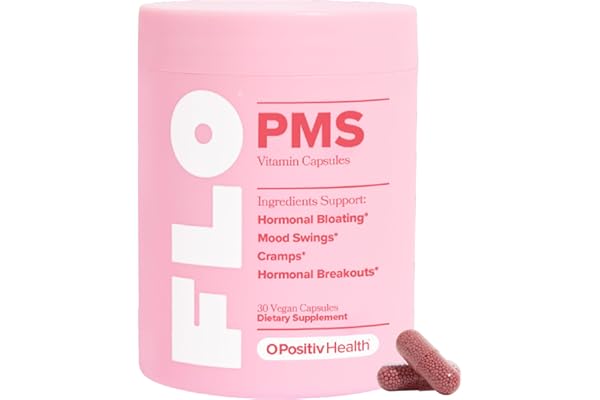
O Positiv FLO PMS Vitamins for Women, 30 Servings (Pack of 1) – Proactive PMS Relief – Targets Hormonal Breakouts, Bloating, Cramps, & Mood Swings with Chasteberry, Vitamin B6, & Lemon Balm
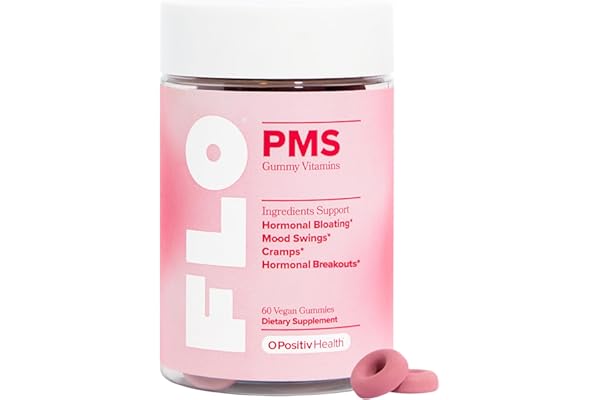
O Positiv FLO PMS Gummies for Women – Proactive PMS Relief – Targets Hormonal Breakouts, Bloating, Cramps, & Mood Swings with Chasteberry, Vitamin B6, & Lemon Balm – PMS Gummies (Pack of 1)
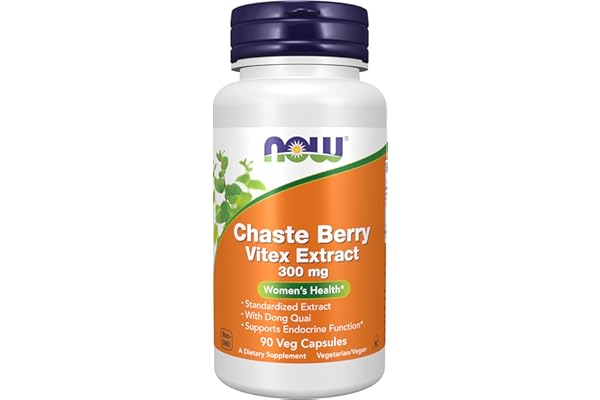
NOW Supplements, Chaste Berry Vitex Extract 300 mg with Dong Quai, Women’s Health*, 90 Veg Capsules
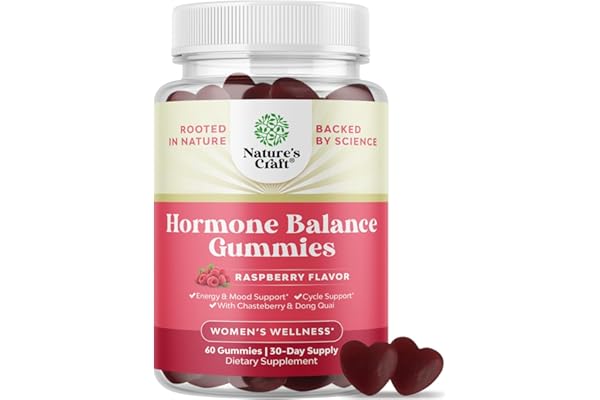
Hormone Balance for Women Gummies of All Ages – PMS Support Supplement for Women to Regulate Menstrual Cycle & Hormonal Balance Menopause & Mood Swings with Vitamin B6 & Dong Quai – 60 Chews
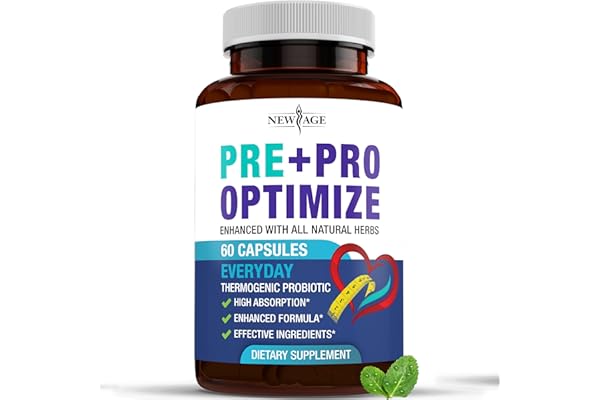
NEW AGE Pro Optimize Probiotics for Women, Menopause, Digestive Health – Support for Bloating, Hot Flashes, Joint Support, Night Sweats – Gut Health & Metabolism – Dong Quai (60 (Pack of 1)