

Benefits of Curcumin – Key Health Advantages Explained
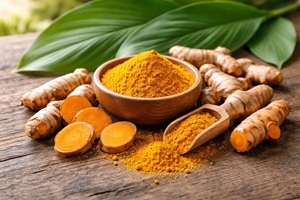
Curcumin is the main active compound found in turmeric, a golden spice that has been used in traditional medicine for thousands of years. This bright yellow chemical gives turmeric its distinctive color and provides most of its health effects.
Curcumin offers multiple health benefits including reducing inflammation, supporting joint health, protecting heart health, boosting brain function, and helping manage blood sugar levels.
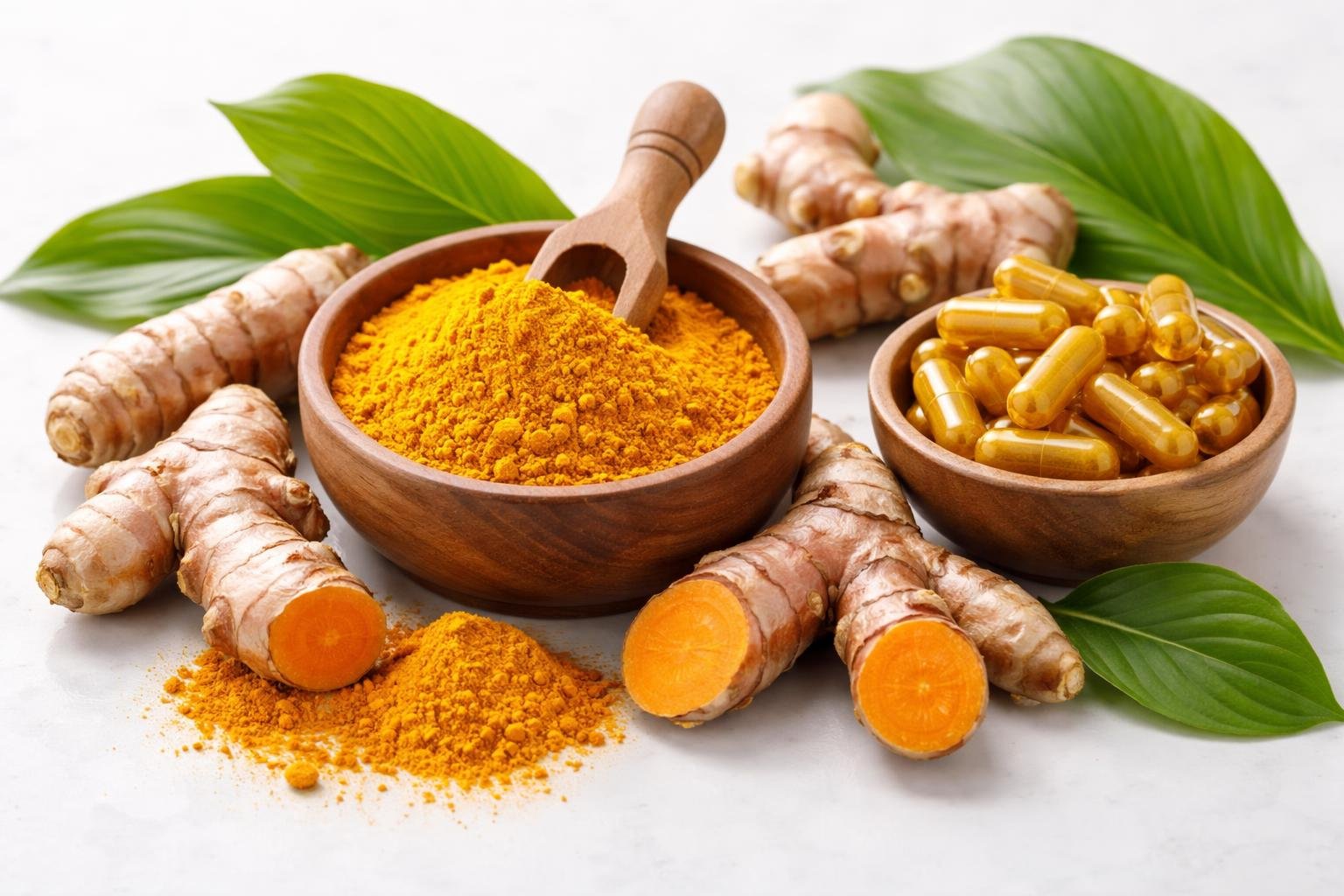
The compound works as both an anti-inflammatory and antioxidant, which means it fights harmful processes in the body that lead to disease. Research shows that curcumin can help manage inflammatory conditions, metabolic syndrome, arthritis, anxiety, and high cholesterol.
Understanding how curcumin works and how to take it properly can help people get the most from this powerful natural compound.
Key Takeaways
- Curcumin is the active ingredient in turmeric that provides anti-inflammatory and antioxidant effects throughout the body
- The compound supports joint health, brain function, heart health, and helps regulate blood sugar and cholesterol levels
- Taking curcumin with black pepper or other absorption enhancers improves its effectiveness since the body has difficulty absorbing it on its own
Understanding Curcumin and Its Source
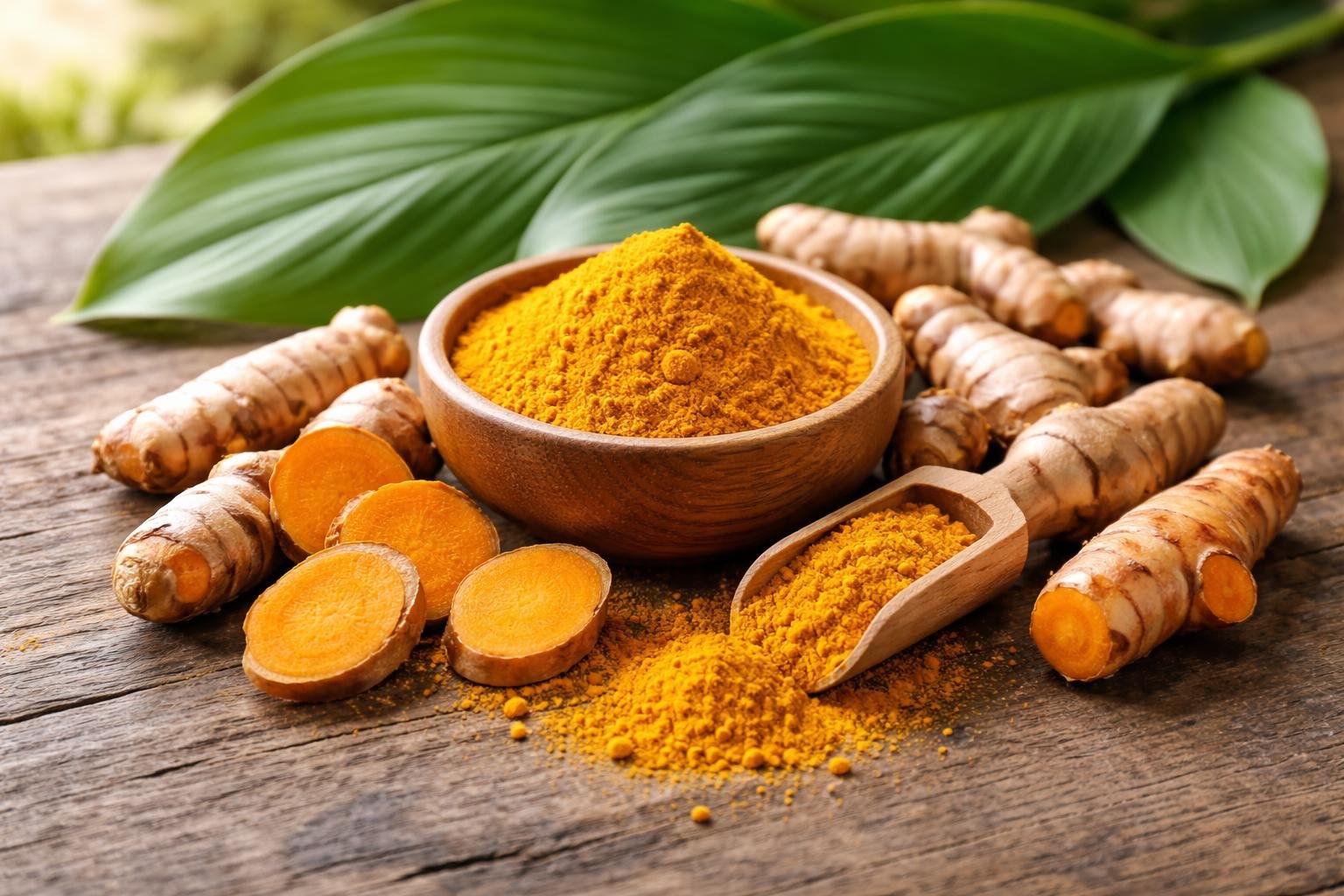
Curcumin is the main active compound found in turmeric, a bright yellow spice. This natural substance comes from the root of the Curcuma longa plant and belongs to a group of compounds called curcuminoids.
What Is Curcumin?
Curcumin is the biologically active compound in turmeric. It has the chemical formula C21H20O6 and a molecular weight of 368.38 g/mol.
The compound gets its biological properties from specific parts of its structure. These include phenolic hydroxyl groups, a central bis-α, β-unsaturated β-diketone, double conjugated bonds, and methoxy groups. These chemical features give curcumin its effects in the body.
Curcumin has anti-inflammatory properties and can help with symptoms of depression. It also improves pain and function in people with osteoarthritis. The compound works by interacting with many proteins in cells and can affect how genes are expressed.
Relationship Between Turmeric and Curcumin
Turmeric comes from the rhizome or root of the Curcuma longa plant. This plant grows in tropical and subtropical climates, with India being the world’s largest producer.
People can use turmeric in several forms:
- Ground spice for cooking
- Fresh turmeric root
- Turmeric powder
- Turmeric extract
- Dietary supplements
Turmeric has been used for centuries in traditional Indian Ayurvedic and Chinese medicine. Healers used it for respiratory and liver disorders, infections, allergies, and rheumatisms. The spice arrived in Europe in the 14th century as a culinary ingredient.
Curcumin makes up only a portion of turmeric’s total weight. The whole turmeric root contains curcumin along with other beneficial compounds and nutrients like vitamin C.
Types of Curcuminoids
Curcuminoids are a group of related compounds found in turmeric. Curcumin is the most abundant and well-studied curcuminoid, but it is not the only one present in the turmeric plant.
The three main curcuminoids found in turmeric are:
- Curcumin (diferuloylmethane) – the primary curcuminoid
- Demethoxycurcumin – a similar compound with one less methoxy group
- Bisdemethoxycurcumin – lacks both methoxy groups
These three compounds work together in turmeric extract and may have complementary effects. Commercial curcumin supplements often contain a mixture of all three curcuminoids rather than pure curcumin alone. The combination of these compounds contributes to the overall biological activity of turmeric-based products.
Curcumin’s Anti-Inflammatory and Antioxidant Properties
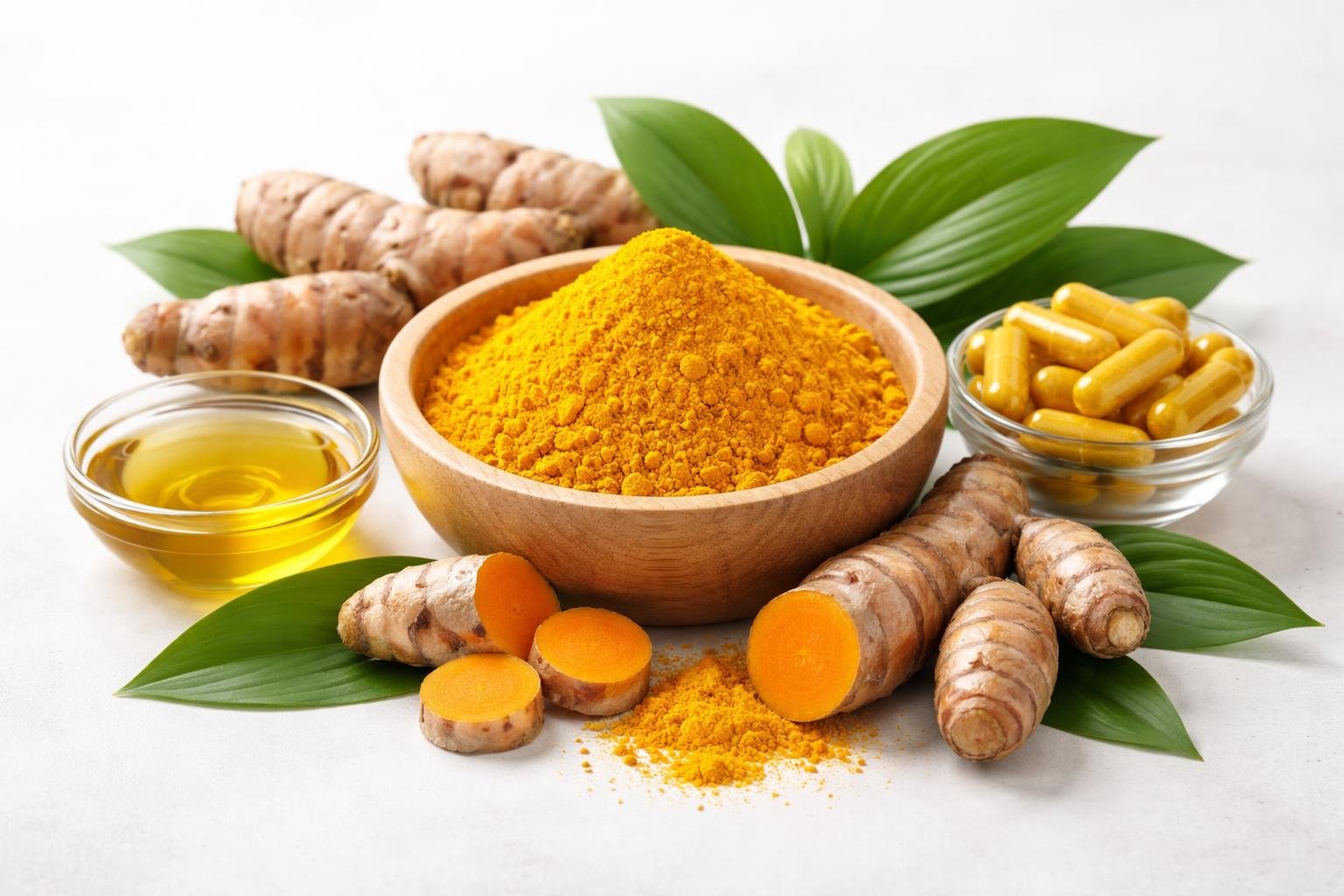
Curcumin works as both an anti-inflammatory and antioxidant compound in the body. It blocks specific molecules that cause inflammation while also neutralizing harmful free radicals that damage cells.
Mechanisms of Anti-Inflammatory Action
Curcumin reduces inflammation by targeting multiple pathways in the body. The bioactive compound blocks inflammatory molecules and prevents them from triggering the body’s inflammatory response.
The compound works at the molecular level to stop inflammation before it starts. It inhibits enzymes and proteins that signal the body to produce inflammatory responses. This makes curcumin different from many other anti-inflammatory substances that only treat symptoms.
Research shows that curcumin’s anti-inflammatory properties form the basis of its various biological activities. The compound affects multiple systems in the body at once. This broad action helps explain why it may benefit several different health conditions related to inflammation.
Antioxidant Effects Against Oxidative Stress
Curcumin protects cells from oxidative stress by neutralizing harmful molecules. The compound acts as a potent scavenger of reactive oxygen species and reactive nitrogen species, which are unstable molecules that damage healthy cells.
Oxidative stress occurs when the body has too many free radicals and not enough antioxidants to balance them. This imbalance leads to oxidative damage in tissues and organs. Curcumin helps restore this balance by providing strong antioxidant activity.
The antioxidant and anti-inflammatory effects of curcumin boost overall immune health. These properties work together to support the body’s natural defense systems.
Protection Against Free Radicals
Free radicals are unstable molecules that steal electrons from healthy cells. This process causes oxidative damage throughout the body. Curcumin stops this chain reaction by donating electrons to free radicals without becoming unstable itself.
The compound provides direct protection by neutralizing free radicals on contact. It also offers indirect protection by boosting the body’s own antioxidant enzymes. This dual action gives cells multiple layers of defense against oxidative damage.
Curcumin’s antioxidant properties help prevent free-radical damage in cells and tissues. The compound protects proteins, DNA, and cell membranes from the harmful effects of oxidation.
Curcumin for Joint and Arthritis Support
Curcumin targets joint inflammation through multiple pathways, offering measurable relief for people with various forms of arthritis. Studies show doses ranging from 120 mg to 1500 mg daily can reduce joint pain and improve mobility in conditions like osteoarthritis and rheumatoid arthritis.
Relief of Arthritis Symptoms
Curcumin works by blocking inflammatory enzymes called COX-2 and LOX, which are responsible for joint pain and swelling. These enzymes play a major role in arthritis pain.
The compound also protects cartilage from breaking down. This is important because cartilage damage leads to increased pain and reduced joint function.
Research on arthritis treatment shows curcumin has anti-inflammatory, antioxidant, and pain-relieving properties. It addresses multiple symptoms at once rather than just masking pain.
Clinical trials tested curcumin on people with ankylosing spondylitis, rheumatoid arthritis, osteoarthritis, juvenile idiopathic arthritis, and gout. Treatment periods lasted from 4 to 36 weeks with positive results.
Support for Osteoarthritis and Rheumatoid Arthritis
Curcumin shows efficacy for both osteoarthritis and rheumatoid arthritis, though these conditions have different causes. Osteoarthritis results from wear and tear on joints, while rheumatoid arthritis is an autoimmune disease.
For knee osteoarthritis, curcumin reduces the inflammation that causes cartilage breakdown. It helps slow joint deterioration while easing current symptoms.
People with rheumatoid arthritis experience benefits because curcumin dampens the overactive immune response. This reduces the inflammation that damages joint tissue. The compound works on the underlying disease process, not just the pain.
Reduction of Joint Pain and Stiffness
Curcumin decreases joint stiffness by lowering inflammation in the joint space. Less inflammation means easier movement and better range of motion.
Studies indicate curcumin can reduce oxidative stress, which contributes to both pain and tissue damage. By acting as an antioxidant, it protects joint tissues from further harm.
The bioavailability of curcumin presents challenges, as the body absorbs it poorly on its own. Taking it with black pepper or choosing enhanced formulations increases absorption significantly. This makes a real difference in effectiveness for joint pain relief.
Cognitive and Mood Benefits of Curcumin
Curcumin shows promise for supporting brain function through effects on memory, mood regulation, and protective mechanisms that may slow cognitive decline. Research indicates benefits for specific cognitive domains and mood-related conditions, though results vary based on dosage, duration, and individual factors.
Enhancing Memory and Cognitive Function
A recent meta-analysis of randomized controlled trials found that curcumin supplementation significantly improved global cognitive function compared to placebo. The optimal dose was 0.8 grams daily, taken for at least 24 weeks.
The benefits appear strongest in certain groups. People aged 60 and older showed more significant improvements than younger participants. Studies examining curcumin’s effects found greater benefits for working memory and cognitive speed, though effects on other cognitive domains were less consistent.
One UCLA study reported improvements in people with mild, age-related memory loss who took a specific form of curcumin daily. The compound’s ability to reduce oxidative stress and inflammation may explain these effects, as both processes contribute to memory and learning difficulties.
Bioavailability remains a key consideration. Standard curcumin absorbs poorly, but formulations with piperine from black pepper or lipid-based preparations enhance absorption and effectiveness.
Mood Support and Impact on Depression
Curcumin may influence mood through multiple pathways in the brain. The compound appears to affect neurotransmitter systems, potentially modulating serotonin and dopamine levels that play crucial roles in mood regulation.
Research suggests curcumin can increase brain-derived neurotrophic factor (BDNF), a protein essential for neuron growth and survival. Low BDNF levels are linked to mood disorders and major depression. By boosting BDNF, curcumin may help address underlying biological factors in depression.
Clinical evidence indicates that curcumin’s antioxidant and anti-inflammatory properties contribute to mood benefits. These properties may reduce the effects of free radicals associated with mood disorders.
The compound shows potential as a complementary approach for mood support, though it should not replace conventional treatments for major depression without medical guidance.
Brain Health and Neuroprotection
Curcumin’s protective effects on the brain extend beyond immediate cognitive function. The compound combats neuroinflammation and oxidative stress, two major contributors to cognitive decline and age-related brain diseases.
Studies indicate curcumin may help protect against conditions like Alzheimer’s disease. The compound’s anti-inflammatory properties target processes involved in brain aging and neurodegeneration.
Long-term supplementation appears more effective than short-term use. Research shows that taking curcumin for 24 weeks or longer produces stronger neuroprotective effects than shorter durations.
The compound supports overall brain health by reducing damage from free radicals and supporting cellular function. These mechanisms work together to maintain cognitive abilities and potentially slow age-related decline.
Curcumin and Heart Health
Curcumin shows potential benefits for cardiovascular wellness by affecting cholesterol levels, blood pressure regulation, and the health of blood vessel linings. Research indicates it may help reduce inflammation and oxidative stress that contribute to heart disease.
Influence on Cholesterol and Lipid Profile
Curcumin may help improve cholesterol levels and overall lipid profile in people at risk for heart disease. Studies suggest it can lower LDL cholesterol, which is often called “bad” cholesterol because high levels contribute to plaque buildup in arteries.
Research also indicates curcumin might reduce triglycerides, a type of fat in the blood that increases cardiovascular risk when elevated. Some clinical trials have shown improvements in vascular health in at-risk groups taking curcumin supplements.
The compound appears to work by modulating lipid metabolism at the cellular level. It may influence how the body processes and stores fats. However, results vary across studies, and more research is needed to establish standard dosing recommendations for lipid management.
Support for Blood Pressure and Blood Flow
Curcumin may contribute to healthier blood pressure levels through its anti-inflammatory properties. Chronic inflammation damages blood vessels and can lead to hypertension over time.
The compound supports better blood flow by helping blood vessels relax and widen. This process, called vasodilation, reduces the resistance blood encounters as it moves through arteries. Enhanced circulation means organs and tissues receive oxygen and nutrients more efficiently.
Some research suggests curcumin helps reduce c-reactive protein, a marker of inflammation linked to cardiovascular problems. Lower inflammation levels throughout the vascular system can translate to improved blood pressure readings. People with metabolic syndrome, which often includes high blood pressure, may particularly benefit from curcumin’s effects on circulation and inflammation.
Endothelial Function and Cardiovascular Risk Factors
The endothelium is a thin layer of cells lining blood vessels that plays a critical role in vascular health. Curcumin may improve endothelial function by increasing nitric oxide availability, a molecule that helps blood vessels stay flexible and responsive.
Better vascular endothelial function reduces the risk of atherosclerosis, where plaque builds up inside arteries. Curcumin works by inhibiting inflammatory signaling pathways and reducing oxidative stress that damages vessel walls.
Clinical studies show curcumin may help people with existing cardiovascular risk factors. Its antioxidant properties protect cells from damage caused by free radicals. However, curcumin has low bioavailability, meaning the body doesn’t absorb it easily, which has prompted research into improved formulations that enhance absorption.
Metabolic and Blood Sugar Benefits
Curcumin shows notable effects on blood sugar control and insulin function. Research indicates it may help people with type 2 diabetes and metabolic disorders manage their condition more effectively.
Blood Sugar Regulation and Insulin Sensitivity
Curcumin helps the body respond better to insulin, which is essential for maintaining healthy blood sugar levels. Studies have shown that curcumin can lower elevated blood sugar in people with diabetes or prediabetes.
The compound works by improving how cells absorb glucose from the bloodstream. This happens because curcumin reduces inflammation and oxidative stress, two factors that interfere with normal insulin function. When insulin sensitivity improves, the body needs less insulin to move sugar from blood into cells.
People with insulin resistance may see particularly strong benefits. Curcumin’s anti-inflammatory and antioxidant properties help restore the body’s natural ability to regulate glucose. This can lead to more stable blood sugar readings throughout the day.
Role in Diabetes Management
Curcumin serves as supportive therapy for type 2 diabetes when used alongside standard diabetes medications like metformin. Clinical trials have measured its effects using glycated hemoglobin (HbA1C) and blood sugar levels as markers.
A year-long study found that curcumin improved multiple aspects of type 2 diabetes care. Participants experienced better blood sugar control, improved insulin function, and easier weight management. These benefits occurred while patients continued their regular diabetes medications.
The compound does not replace prescribed treatments. Instead, it works with existing diabetes management strategies to enhance results. Patients should discuss curcumin supplementation with their healthcare provider before adding it to their treatment plan.
Effects on Metabolic Syndrome
Metabolic syndrome involves a cluster of conditions that increase disease risk. Curcumin affects multiple metabolic parameters in people with these disorders.
The compound helps reduce body weight, lower cholesterol levels, and improve blood sugar readings. These changes address three key components of metabolic syndrome simultaneously. Curcumin’s ability to reduce inflammation plays a central role in these improvements.
People with metabolic syndrome often experience chronic low-grade inflammation. This inflammation disrupts normal metabolic processes and contributes to insulin resistance. By targeting inflammation, curcumin helps restore healthier metabolic function across multiple body systems.
Digestive and Gut Health Effects
Curcumin provides targeted benefits throughout the digestive system, where it naturally accumulates in higher concentrations. The compound addresses both functional digestive complaints and inflammatory bowel conditions through multiple mechanisms.
Support for Gut Health and Digestion
Curcumin actively reduces gut inflammation, making it beneficial for long-term digestive health. The compound helps repair and maintain tight junctions in the intestinal lining, which prevents a leaky gut condition that can trigger widespread inflammation throughout the body.
Research shows that curcumin preferentially accumulates in the intestine, colon, and liver after oral consumption. This natural concentration in digestive tissues enhances its local effects before systemic absorption occurs.
The compound also modulates the gut microbiome by encouraging beneficial bacteria growth while suppressing harmful strains. Studies have found that curcumin supplements help reduce symptoms of functional dyspepsia, which includes recurring stomach pain, bloating, and early feelings of fullness. These effects occur even at lower doses when using enhanced absorption formulations.
Benefits for IBS, IBD, and Ulcerative Colitis
Curcumin shows promise for managing inflammatory bowel diseases due to its anti-inflammatory and antioxidant properties. Clinical studies have examined its therapeutic potential in both IBS and IBD conditions, though most research has involved small trials.
For IBS patients, curcumin provides stronger, long-lasting benefits compared to short-term symptom relief options. The compound addresses chronic digestive issues through its ability to reduce intestinal inflammation and modulate gut bacteria populations.
In ulcerative colitis and other IBD conditions, curcumin’s anti-proliferative and wound-healing activities may help manage disease progression. The compound targets multiple inflammatory pathways simultaneously, which makes it particularly suitable for complex inflammatory conditions.
However, patients should discuss curcumin supplementation with their healthcare provider as part of a comprehensive treatment plan rather than using it as a replacement for prescribed medications.
Additional Health Advantages of Curcumin
Curcumin provides benefits for skin conditions and fights harmful microbes while also supporting kidney and eye function. The compound may help with muscle recovery after exercise and could play a role in promoting longer, healthier lives.
Skin Health and Antimicrobial Actions
Curcumin offers several advantages for maintaining healthy skin. Research shows it was traditionally used to treat skin disorders among other conditions. The compound’s antimicrobial properties help fight bacteria, viruses, and fungi that can affect skin health.
People dealing with acne may benefit from curcumin’s ability to reduce inflammation and target bacteria that contribute to breakouts. The antimicrobial actions work against various pathogens on the skin’s surface.
Those with psoriasis might find relief through curcumin’s anti-inflammatory effects. The compound helps calm the overactive immune response that leads to the red, scaly patches characteristic of this condition.
Curcumin can be applied topically or taken as a supplement to support skin health. Its antioxidant properties protect skin cells from damage caused by free radicals and environmental stressors.
Kidney and Eye Health
Curcumin supports kidney function through its anti-inflammatory and antioxidant actions. The kidneys filter waste from blood, and inflammation can impair this critical process. Studies suggest curcumin may protect kidney tissue from damage and help maintain proper filtration.
People with chronic kidney conditions may experience reduced inflammation when taking curcumin supplements. The compound helps protect the delicate filtering structures inside the kidneys.
Eye health also benefits from curcumin supplementation. The compound’s antioxidant properties protect eye tissues from oxidative stress, which can lead to age-related vision problems. Curcumin may help reduce inflammation in various eye conditions.
The compound crosses into eye tissues where it can directly protect cells in the retina and other structures. This protection becomes increasingly important as people age and face higher risks of eye diseases.
Longevity and Healthy Aging
Curcumin may contribute to longevity by addressing multiple factors associated with aging. The compound fights chronic inflammation, which drives many age-related diseases. Its antioxidant properties protect cells from accumulated damage over time.
Studies on aging suggest curcumin influences cellular pathways related to lifespan. The compound activates proteins that help cells resist stress and maintain function longer.
Brain health represents a critical component of healthy aging. Curcumin supports brain health and may help prevent age-related cognitive decline. The compound crosses into brain tissue where it reduces inflammation and clears harmful protein deposits.
Heart function also improves with curcumin supplementation. The compound helps maintain healthy blood vessels and supports proper circulation, both essential for longevity.
Muscle Recovery and Physical Performance
Athletes and active individuals benefit from curcumin’s effects on muscle damage and recovery. Exercise creates inflammation and small tears in muscle fibers, leading to soreness and reduced performance.
Curcumin reduces exercise-induced inflammation and speeds recovery time. People taking curcumin supplements report less muscle soreness after intense workouts. The compound helps muscles repair faster between training sessions.
Key benefits for physical performance include:
- Reduced muscle pain and soreness
- Faster recovery between workouts
- Less inflammation in muscle tissue
- Improved muscle function after exercise
Studies show people taking curcumin experience better muscle performance and less damage markers in their blood after strenuous activity. The typical dose ranges from 500 to 2,000 mg per day for exercise recovery, though individual needs vary.
Bioavailability and Effective Use
Curcumin faces significant challenges in the body due to poor absorption and rapid metabolism. Studies show that curcumin’s low solubility and fast breakdown limit how much reaches the bloodstream and tissues.
Improving Curcumin Absorption
The body struggles to absorb standard curcumin effectively. Research indicates that curcumin is almost insoluble in water and undergoes rapid metabolism once consumed. This means most curcumin passes through the digestive system without providing benefits.
Several formulation techniques address these absorption problems. Liposomal curcumin uses tiny fat bubbles to protect curcumin molecules during digestion. Phytosome technology, found in products like Meriva, binds curcumin to phospholipids from soy. This creates a structure that cells absorb more easily.
Nanoparticle formulations break curcumin into extremely small particles. These advanced delivery systems can increase bioavailability significantly compared to regular curcumin powder. Some studies show improvements of 20 times or more with specific formulations.
Lipidated curcumin represents another approach where curcumin attaches to fatty acids. This modification helps the compound dissolve better and survive the digestive process intact.
Role of Piperine and Black Pepper
Piperine, the active compound in black pepper, blocks enzymes that break down curcumin. A study found that combining 2 grams of curcumin with 20 milligrams of piperine increased absorption by 20 times in healthy adults.
Black pepper extract works by inhibiting specific liver enzymes. These enzymes normally convert curcumin into inactive forms before it reaches the bloodstream. By slowing this process, piperine extends how long curcumin remains active in the body.
Many curcumin supplements include black pepper extract for this reason. The typical dose ranges from 5 to 20 milligrams of piperine per serving. This combination allows people to take lower doses of curcumin while achieving similar blood levels.
However, piperine can affect how the body processes other medications. People taking prescription drugs should consult healthcare providers before using curcumin supplements with black pepper extract.
Curcumin Supplement Formats
Dietary supplements containing curcumin come in multiple formats. Capsules and tablets represent the most common options, offering precise dosing and convenience.
Available formats include:
- Standard powder capsules
- Liquid softgels with oils
- Sublingual tablets
- Topical creams and patches
- Liposomal liquid formulations
Turmeric supplements differ from isolated curcumin products. Whole turmeric contains only 2-5% curcumin by weight, along with other compounds called curcuminoids. Pure curcumin extracts provide higher concentrations, typically 95% curcuminoids.
Some people prefer traditional preparations like golden milk or turmeric tea. These beverages combine turmeric powder with warm milk or water and spices. While culturally significant, these drinks provide much lower curcumin amounts than concentrated supplements.
Curry dishes containing turmeric also deliver small amounts of curcumin. The heating process and presence of other spices may influence absorption, though the exact effects remain unclear.
Importance of Healthy Fats for Absorption
Curcumin dissolves in fats rather than water. Taking curcumin supplements with meals containing healthy fats improves absorption significantly.
Coconut oil provides medium-chain triglycerides that help transport curcumin across the intestinal wall. Studies suggest that just one tablespoon of coconut oil with a curcumin dose enhances uptake.
Olive oil offers similar benefits due to its fat content. The monounsaturated fats in olive oil create an environment where curcumin molecules dissolve more readily. Adding a drizzle of olive oil to turmeric and curcumin preparations increases their effectiveness.
Avocado contains both healthy fats and fiber. These components slow digestion, giving curcumin more time to absorb. Eating half an avocado with a curcumin supplement can boost bioavailability.
Other effective fat sources include nuts, seeds, fatty fish, and full-fat dairy products. The key is consuming 5-10 grams of fat alongside curcumin supplements for optimal absorption.
Recommended Dosage and Safety Considerations
Curcumin dosages typically range from 500 mg to 2,000 mg daily, though some studies have used higher amounts for specific conditions. While curcumin is generally safe for most people, some individuals may experience digestive issues or interactions with certain medications.
Common Dosage Guidelines
Studies have used daily doses ranging from 300 mg to 4,000 mg depending on the specific health condition being addressed. For general health benefits, most people take between 500 mg and 2,000 mg of curcumin per day.
The body absorbs curcumin poorly when taken alone. Pairing it with piperine, a compound found in black pepper, significantly increases absorption. Many supplements combine these ingredients for better results.
People can also get curcumin by adding turmeric to their meals. However, the curcumin content in turmeric powder is relatively low, typically around 3% by weight. This means dietary turmeric alone may not provide therapeutic amounts of curcumin.
No official dosage standards exist because curcumin is considered an unproven treatment. Anyone considering curcumin supplements should talk to their healthcare provider first to determine an appropriate amount for their individual needs.
Potential Side Effects and Contraindications
Curcumin causes very few side effects in most people. When problems do occur, they typically happen with extremely high doses.
In studies using very high amounts, some participants reported diarrhea, headache, nausea, and yellow stool. These effects are generally mild and temporary.
People with gallbladder problems should avoid curcumin supplements because they may worsen these conditions. Those with iron deficiency should also use caution, as curcumin can interfere with iron absorption.
Individuals scheduled for surgery should stop taking curcumin at least two weeks before the procedure. It may slow blood clotting and increase bleeding risk during and after surgery.
Interactions with Medications
Curcumin can interact with several types of medications. Blood thinners like warfarin are of particular concern because curcumin also has blood-thinning properties. Taking both together may increase bleeding risk.
Diabetes medications may interact with curcumin as well. Curcumin can lower blood sugar levels, which combined with diabetes drugs might cause blood sugar to drop too low.
Curcumin may also reduce the effectiveness of certain chemotherapy drugs or interact with medications that reduce stomach acid. People taking any prescription medications should consult their doctor before starting curcumin supplements.
The compound can affect how the liver processes certain drugs. This means it could increase or decrease the effectiveness of various medications metabolized through the liver.
Precautions for Pregnancy and Breastfeeding
Pregnant women should avoid curcumin supplements because high doses may stimulate the uterus or promote menstrual flow. This could potentially increase the risk of complications during pregnancy.
Small amounts of turmeric used as a cooking spice are generally considered safe during pregnancy. However, the concentrated amounts found in supplements pose greater concerns.
There is limited research on curcumin’s safety during breastfeeding. The compound may pass into breast milk, but its effects on nursing infants remain unknown. Women who are breastfeeding should consult their healthcare provider before taking curcumin supplements to weigh potential risks and benefits.
Frequently Asked Questions
Curcumin offers anti-inflammatory effects by blocking specific molecules, supports brain function through increased growth factors, and may protect against various chronic diseases affecting the joints, heart, digestive system, and cellular health.
How does curcumin influence inflammation in the body?
Curcumin blocks the activity of inflammatory molecules in the body at a molecular level. It stops the production of enzymes called COX-2 and cytokines that trigger inflammation responses. This blocking action happens in cells throughout the body.
The compound also reduces the activity of a protein complex called NF-kB. This protein moves into cell nuclei and turns on genes related to inflammation. By keeping NF-kB from activating, curcumin prevents the inflammatory cascade from starting.
Research shows that curcumin’s anti-inflammatory benefits work similarly to some anti-inflammatory medications. The effects take time to build up in the body with regular use.
What are the potential cognitive benefits associated with curcumin intake?
Curcumin increases levels of Brain-Derived Neurotrophic Factor (BDNF) in the brain. BDNF is a growth hormone that helps neurons form new connections and multiply. Low BDNF levels link to depression and Alzheimer’s disease.
The compound crosses the blood-brain barrier and may clear amyloid plaques. These plaques build up between nerve cells and contribute to Alzheimer’s disease. Curcumin also reduces oxidative damage in brain cells.
Studies suggest that curcumin improves memory in older adults. It may delay or reverse brain diseases and age-related decreases in brain function. The cognitive benefits of curcumin appear most promising when taken consistently over time.
Can curcumin supplementation improve joint health, and if so, how?
Curcumin reduces joint inflammation that causes pain and stiffness. It blocks inflammatory pathways that damage cartilage and joint tissue. This action helps slow the progression of joint deterioration.
People with arthritis report less pain when taking curcumin supplements. The compound works on the same inflammatory markers that cause joint swelling and discomfort. It may be as effective as some anti-inflammatory drugs for managing symptoms.
Curcumin’s benefits for joint health include improved mobility and reduced morning stiffness. Regular supplementation helps maintain joint function over time. The effects build gradually with consistent daily intake.
What are the cardiovascular health benefits of taking curcumin?
Curcumin improves the function of the endothelium, which is the lining of blood vessels. A healthy endothelium regulates blood pressure and blood clotting. Poor endothelial function leads to heart disease.
The compound reduces oxidation and inflammation in the cardiovascular system. It lowers LDL cholesterol oxidation, which contributes to plaque buildup in arteries. Curcumin also helps prevent blood clots from forming.
Studies show curcumin may reduce the risk of heart attacks. It supports heart function by protecting blood vessels from damage. The protective effects work best when combined with a healthy diet and exercise.
In what ways does curcumin contribute to cancer prevention or treatment?
Curcumin affects cancer development at the molecular level. It reduces the growth of new blood vessels in tumors, which cuts off their nutrient supply. The compound also promotes cancer cell death through a process called apoptosis.
Research shows curcumin may prevent cancer cells from spreading to other parts of the body. It changes the expression of genes involved in cancer growth and survival. The compound works on multiple cancer-related pathways simultaneously.
Laboratory studies demonstrate effects on various cancer types. Curcumin shows the most promise for cancers of the digestive system. However, more human trials are needed to confirm its role in cancer treatment and prevention.
How does curcumin affect digestive health?
Curcumin helps reduce inflammation in the digestive tract. It benefits people with inflammatory bowel conditions like ulcerative colitis and Crohn’s disease. The compound protects the gut lining from damage.
The substance stimulates bile production in the gallbladder. Bile helps break down fats during digestion. This action improves overall digestive function and nutrient absorption.
Curcumin treats digestive problems by reducing gas, bloating, and stomach discomfort. It may help heal stomach ulcers and prevent their formation. Regular use supports a healthy balance of gut bacteria.
Top Curcumin Products
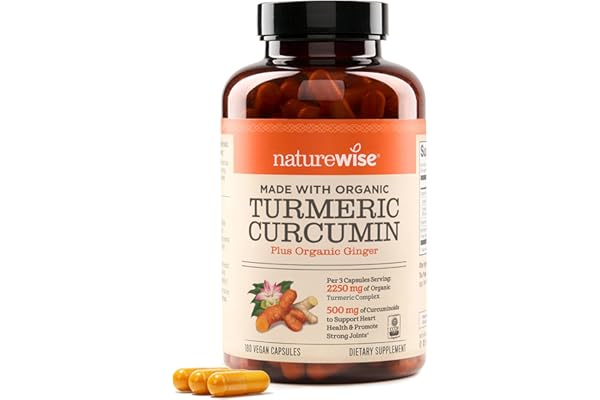
NatureWise Curcumin Turmeric 2250mg – 95% Curcuminoids & BioPerine Black Pepper Extract for Advanced Absorption – Daily Joint and Immune Health Support – Vegan, Non-GMO, 180 Count[60-Day Supply]
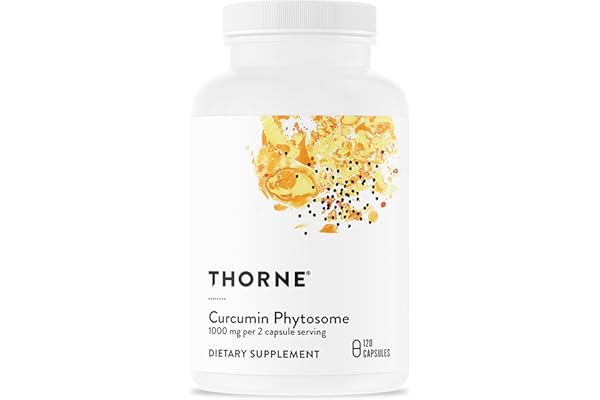
THORNE – Curcumin Phytosome 1000 mg (Meriva) – Clinically Studied, High Absorption – Supports Healthy Inflammatory Response in Joints, Muscles, GI Tract, Liver, Brain & Nerves* – 60 Servings
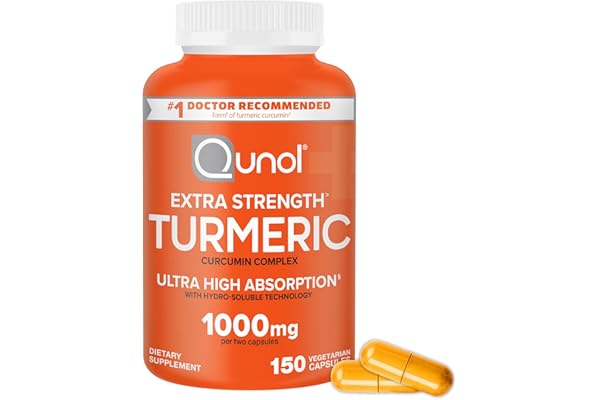
Qunol Turmeric Curcumin Supplement, 1000mg with Ultra High Absorption, for Joint Support, Extra Strength Capsules, 150 Count
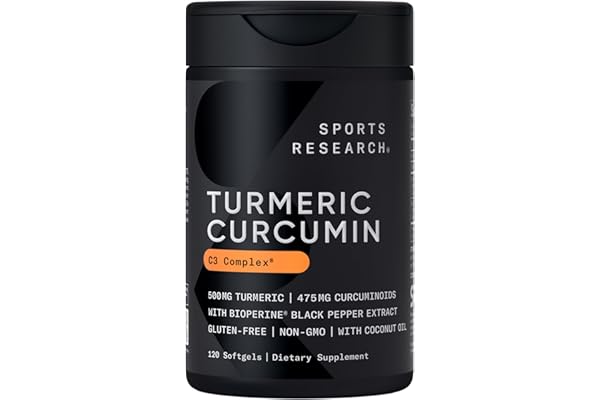
Sports Research® Turmeric Curcumin C3 Complex® w/BioPerine Black Pepper Extract & Organic Coconut Oil – Standardized 95% Curcuminoids · Non-GMO · Gluten Free – 120
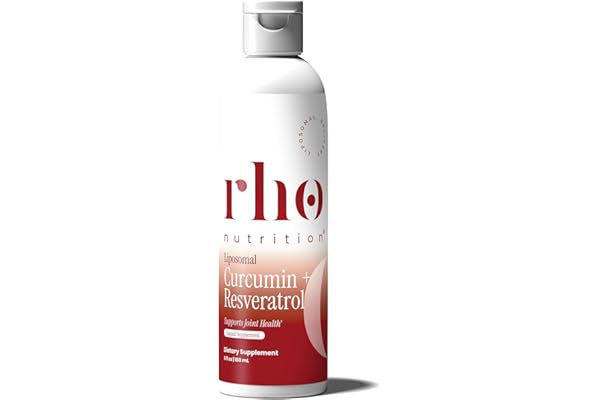
Rho Nutrition Liposomal Curcumin + Resveratrol (1 Pack) – Ultra High Absorption Liquid Curcumin Supplement – Promotes Joint Comfort, Mobility, Cellular Health and Overall Well-Being
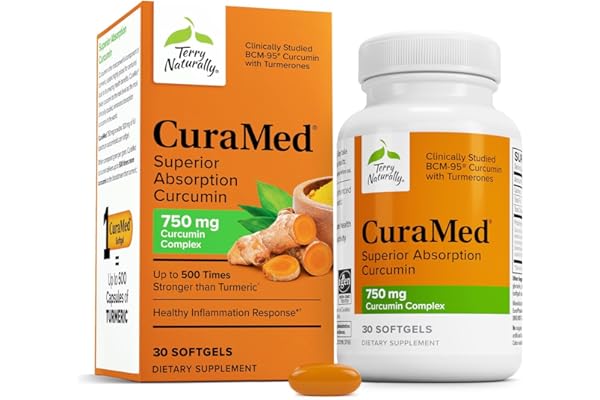
Terry Naturally CuraMed 750mg – Antioxidant Supplement for Brain & Heart Health Support – Dietary Supplement with High-Potency Curcumin Complex – Kidney, Liver & Immune Health Support – 30 Softgels