

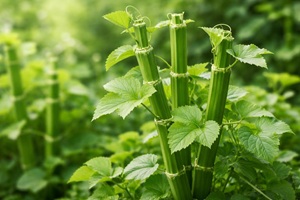
Benefits of Cissus Quadrangularis – Science-Backed Overview
Cissus quadrangularis, also known as veldt grape, devil’s backbone, or hadjod, is a plant from the Vitaceae family that has been used in traditional medicine for thousands of years. This climbing vine grows in parts of Asia, Africa, and the Arabian Peninsula, where practitioners have long called it “bone setter” for its role in treating fractures and injuries.
Research shows that Cissus quadrangularis may promote bone health, reduce joint pain, support weight management, and help protect against metabolic disorders.
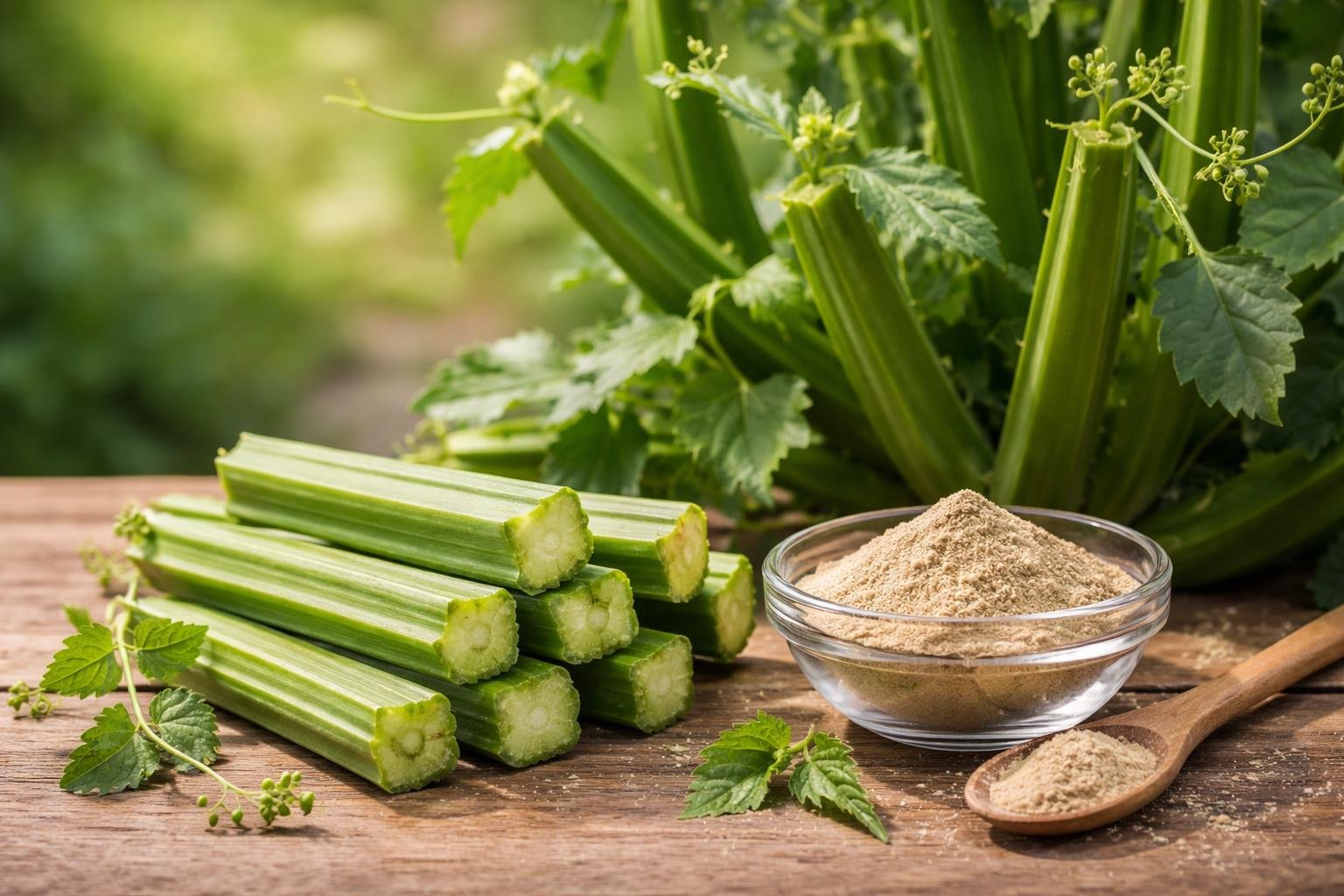
The plant contains high levels of vitamin C and antioxidant compounds including carotenoids, tannins, and phenols. These active components work together to support various body systems. While traditional healers have used Cissus quadrangularis to treat conditions ranging from hemorrhoids to asthma, modern science has focused on validating its effects on bones, joints, and metabolism.
Today, extracts from the leaves, roots, and stems of this medicinal plant are available as supplements in powder, capsule, and syrup forms. Understanding what Cissus quadrangularis can do for health helps people make informed decisions about incorporating it into their wellness routines.
Key Takeaways
- Cissus quadrangularis may strengthen bones, speed fracture healing, and reduce joint pain based on research studies
- The plant shows promise for supporting weight loss and improving metabolic health markers when combined with lifestyle changes
- Most people can safely take doses between 300-3,200 mg daily with minimal side effects like headaches or digestive issues
What Is Cissus Quadrangularis?
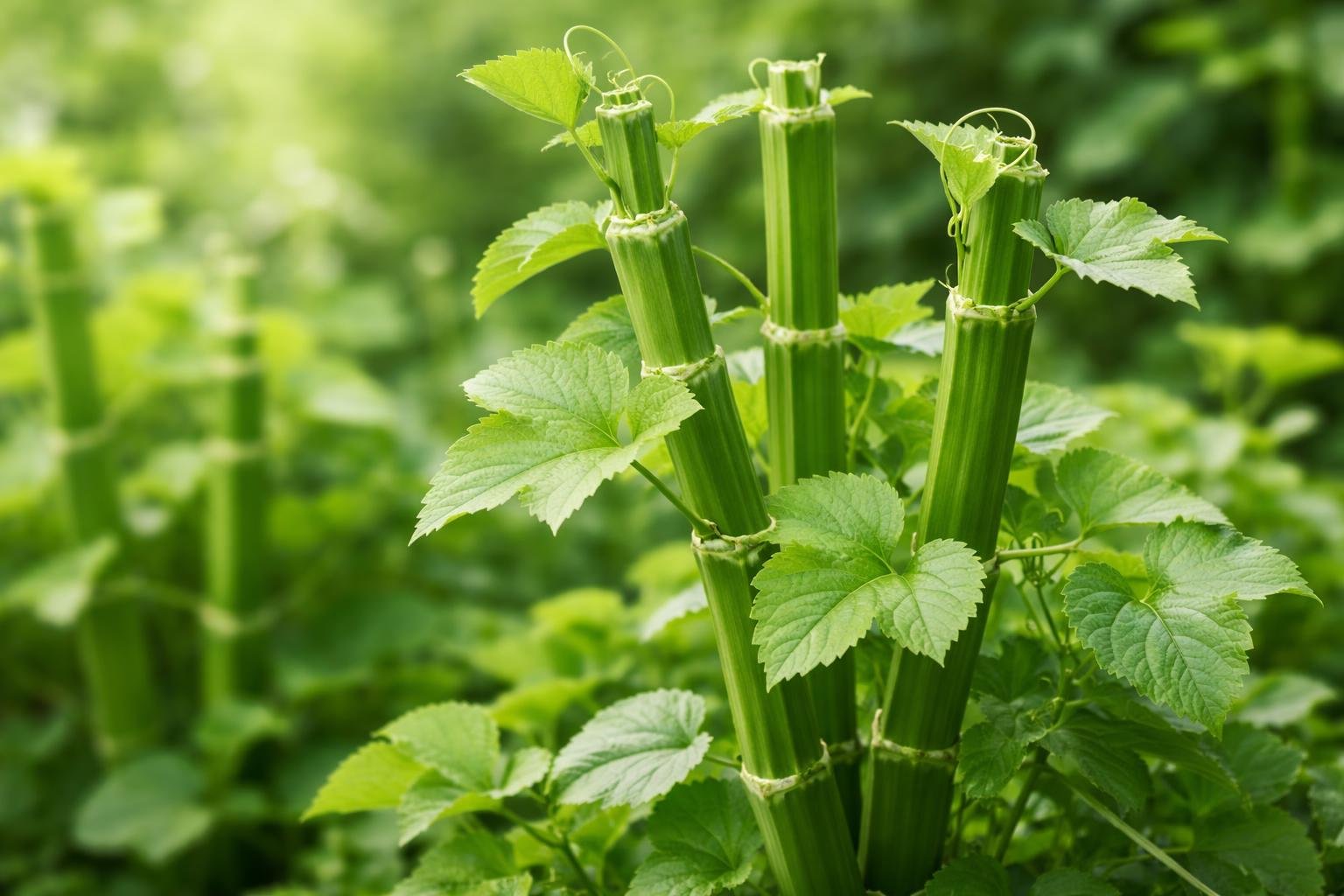
Cissus quadrangularis is a succulent vine from the Vitaceae family that grows in parts of Asia, Africa, and the Arabian Peninsula. The plant contains high levels of vitamin C and antioxidant compounds like carotenoids, tannins, and phenols that give it medicinal properties.
Plant Description and Origin
Cissus quadrangularis L. is a perennial climbing plant that belongs to the grape family. The vine has distinctive four-angled stems that give it a unique appearance compared to other plants in its family.
It grows naturally in tropical and subtropical regions. The plant thrives in India, Sri Lanka, Thailand, and various parts of Africa and the Arabian Peninsula.
Cissus develops small flowers and produces red berries when mature. The entire plant can be used for medicinal purposes, including the stems, leaves, and roots. Each part contains different concentrations of active compounds.
The succulent nature of the plant allows it to store water in its thick stems. This adaptation helps it survive in dry climates where it commonly grows wild.
Common Names and Traditional Uses
The plant goes by many names across different cultures. Common names include veldt grape, adamant creeper, and devil’s backbone in English-speaking regions.
In traditional Indian medicine systems, it is called hadjod or asthisamharaka. The Sanskrit name asthisamharaka translates to “that which prevents the destruction of bones,” which reflects its traditional use.
People have used cissus quadrangularis as a bone setter for thousands of years. Traditional healers applied it to help repair bone fractures and speed healing.
The plant has appeared in Ayurvedic, Unani, and Siddha medicine practices. Practitioners also used it historically to regulate menstruation, treat pain, and address conditions like hemorrhoids and gout.
Supplement Forms and Standardization
Cissus quadrangularis supplements come in three main forms:
- Powder – Ground plant material
- Capsules – Concentrated extract in pill form
- Syrup – Liquid extract preparation
Cissus quadrangularis extract supplements are widely available at natural health shops, pharmacies, and online retailers. Manufacturers produce extracts from the leaf, root, and stem of the plant.
Most products contain standardized extracts to ensure consistent levels of active compounds. Common dosages range from 500 to 1,000 mg per day on product labels.
The standardization process helps maintain quality across different batches. This allows people to get predictable amounts of the plant’s beneficial compounds in each dose.
Active Compounds and Mechanisms
Cissus quadrangularis contains multiple bioactive compounds that work through different pathways to produce therapeutic effects. The plant’s phytochemicals demonstrate antioxidant properties and influence cellular processes involved in healing and regeneration.
Key Phytochemicals
The stem of Cissus quadrangularis contains diverse bioactive constituents including flavonoids, triterpenoids, ketosteroids, and ascorbic acid. Two important ketosteroids identified in the plant are onocer-7-ene-3α,21β-diol and onocer-7-ene-3β-diol. Plant sterols like beta-sitosterol appear in significant amounts throughout the stem tissue.
Flavonoids represent a major category of compounds in this plant. The leaves contain quercetin, kaempferol 3-O-rhamnoside, quercetin 3-O-rhamnoside, and vitexin. The stem also provides substantial amounts of triterpenoids such as taraxerol, taraxeryl acetate, and friedelan-3-one.
Mineral content includes notable levels of calcium and phosphorus. The plant demonstrates high concentrations of ascorbic acid, which contributes to its overall nutritional profile.
Antioxidant and Anti-Inflammatory Activity
Cissus extract demonstrates the ability to protect cells from oxidative stress-related damage. The polyphenols and flavonoids present in the plant contribute to its antioxidant activity by neutralizing free radicals that damage cellular structures.
These compounds reduce inflammatory responses in tissues. The anti-inflammatory effects stem from the combined action of multiple phytochemicals rather than a single active ingredient. Standardized extract preparations typically concentrate these bioactive compounds to enhance therapeutic potential.
The flavonoid quercetin specifically exhibits strong antioxidant properties. Beta-sitosterol and other plant sterols also contribute to reducing inflammation through multiple cellular pathways.
Impact on Tissue Regeneration
The ketosteroids and flavonoids in Cissus quadrangularis enhance osteoblast activity and accelerate fracture healing. These compounds stimulate the cells responsible for building new bone tissue. The plant’s bioactive substances promote collagen synthesis and mineral deposition at injury sites.
Tissue regeneration extends beyond bone healing. The combination of triterpenoids, ascorbic acid, and plant sterols supports repair processes in various tissue types. These compounds influence cellular proliferation and differentiation during the healing phase.
The calcium and phosphorus content provides essential minerals needed for structural tissue formation. Beta-sitosterol and other phytochemicals work together to create an environment that supports faster recovery from tissue damage.
Bone Health and Healing Benefits
Cissus quadrangularis earns its nickname “bone setter” through its ability to accelerate fracture recovery and support bone mineral density. The plant contains compounds that work on multiple aspects of skeletal health, from healing breaks to maintaining bone strength over time.
Fracture Recovery and Bone Healing
Cissus quadrangularis has been used to treat joint pain and promote bone health for centuries, particularly in treating broken bones. In traditional Ayurvedic medicine, the herb goes by the name asthisamharaka, which translates to “bone protector.”
The plant provides connective tissue support during the healing process. Research shows it may help speed up bone healing by supporting the natural repair mechanisms in the body. Athletes and active individuals sometimes use it to aid training recovery after bone-related injuries.
Studies indicate the herb works by influencing how the body repairs damaged bone tissue. It helps create an environment where new bone can form more efficiently. This makes it particularly valuable for people recovering from fractures who want to return to normal activities faster.
Bone Density and Osteoporosis Prevention
A recent meta-analysis found that Cissus quadrangularis significantly elevated serum parathyroid hormone levels, which plays a role in bone metabolism. This hormone helps regulate calcium and phosphorus levels in the body, both essential for maintaining strong bones.
The plant shows promise for osteoporosis prevention in aging populations. By supporting bone mineral density, it may help reduce the risk of fractures that commonly occur in older adults. The herb’s ability to influence bone-related biomarkers suggests it works at a cellular level to maintain skeletal strength.
However, researchers note that more studies are needed to fully understand its effects on long-term bone density. Current evidence shows potential benefits, but the certainty of this evidence remains limited.
Joint and Connective Tissue Support
Cissus quadrangularis has earned the nickname “bone setter” partly because of its effects on joints and the tissues that surround them. Research shows the plant can reduce joint pain through multiple pathways and may offer protection against arthritic changes in cartilage and surrounding structures.
Reduction of Joint Pain
The plant demonstrates analgesic properties that help ease joint pain in people dealing with various types of discomfort. Studies indicate that cissus works by reducing inflammation in joint tissues rather than simply masking pain signals.
Athletes and active individuals often use cissus for training recovery when dealing with tendon irritation or repetitive strain. The plant contains compounds that appear to support the body’s natural repair processes in tendons and ligaments.
People report noticeable improvements in knee pain, shoulder discomfort, and general joint stiffness after several weeks of consistent use. The relief tends to build gradually rather than appearing immediately. Many users combine cissus with other anti-inflammatory herbs like boswellia for additional support, though taking cissus alone for a few weeks first helps determine its individual effect.
Anti-Arthritic Effects
Research shows cissus has anti-arthritic properties that may slow certain degenerative processes in joints. The plant’s flavonoids and plant sterols appear to protect cartilage from breakdown while supporting its regeneration.
Studies examining arthritis markers found that cissus supplementation reduced inflammatory compounds in joint fluid. This suggests the herb works at the tissue level rather than just providing temporary symptom relief.
The enhancement of cartilage and tendon regeneration makes cissus particularly relevant for people with early-stage joint wear. However, cissus should not replace medical treatment for diagnosed arthritis. It functions best as a complementary approach alongside appropriate physical therapy, weight management, and any prescribed medications.
Weight Management and Metabolic Effects
Cissus quadrangularis shows promise for people trying to lose weight and improve their metabolic health. Research indicates this plant may help reduce body weight and support better blood sugar control.
Support for Weight Loss
Studies suggest that cissus quadrangularis supplement formulations may help people lose weight more effectively than diet and exercise alone. One clinical trial found participants taking Cissus experienced significantly more weight loss compared to those receiving a placebo.
The plant appears to work through multiple mechanisms. Research on weight management benefits shows that Cissus may influence the GLP-1 hormone, which plays a role in appetite regulation and blood sugar control.
People taking Cissus supplements reported reduced appetite and less frequent snacking between meals. Some formulations combine Cissus with other ingredients like chromium and green tea to enhance metabolic support. The most noticeable effects on obesity appear when individuals use the supplement consistently while maintaining healthy lifestyle habits.
Influence on Metabolic Syndrome and Diabetes
Cissus quadrangularis has been studied for its effects on metabolic syndrome, a cluster of conditions that increase the risk of heart disease and diabetes. Research examines how Cissus affects metabolic syndrome and central obesity.
The plant may help improve several markers associated with poor metabolic health. These include elevated blood sugar levels, excess abdominal fat, and abnormal cholesterol readings.
Some studies indicate Cissus might support better glucose metabolism. This effect could be particularly relevant for people with prediabetes or those at risk of developing type 2 diabetes. The supplement appears to work alongside the body’s natural metabolic processes rather than forcing dramatic changes.
Other Health Benefits and Applications
Cissus quadrangularis offers antimicrobial properties and immune support alongside its well-known bone health benefits. The plant has been used across multiple traditional medicine systems to address respiratory conditions, digestive disorders, and infections.
Antimicrobial and Immune Effects
Cissus quadrangularis demonstrates antimicrobial activity against various pathogens due to its bioactive compounds. The plant contains flavonoids, triterpenoids, and other secondary metabolites that contribute to these effects.
Research indicates that extracts from the plant possess antifungal properties. These antimicrobial effects make it potentially useful for managing certain infections, though more human studies are needed to confirm clinical applications.
The plant may also support immune system function. Its vitamin C content and antioxidant compounds help protect cells from oxidative stress. Traditional practitioners have used the shoots and leaves specifically for bowel infections, recognizing its ability to combat harmful microorganisms in the digestive tract.
Potential for Respiratory and Gastrointestinal Health
The plant has traditional applications for respiratory conditions and digestive disorders. People have used the stem to address asthma symptoms and other breathing problems in folk medicine practices.
For gastrointestinal health, Cissus quadrangularis treats multiple conditions. The stem helps with hemorrhoids, gastritis, and constipation. It also addresses ulcers and provides relief from digestive discomfort like colic and flatulence.
The anti-inflammatory properties of the plant contribute to its effectiveness for stomach and intestinal issues. Its hepatoprotective effects suggest it may help protect liver function. The anti-ulcer properties make it particularly valuable for people dealing with stomach lining damage.
Ethnomedicinal Uses Across Cultures
Cissus quadrangularis appears in multiple traditional medicine systems including Ayurveda, Unani, and Siddha. In Sanskrit, it goes by the name Asthisamharaka, which reflects its reputation as a bone healer. Different cultures know it by various names like Hadjod in Hindi and Perandai in Tamil.
Traditional practitioners across India, Sri Lanka, Southeast Asia, and parts of Africa have used the plant for centuries. Applications extend beyond bone healing to include treatments for skin diseases, menstrual disorders, and venereal diseases. Some communities give it to cattle to increase milk production.
The stem juice serves multiple purposes in traditional practice. People use it as nasal drops for nosebleeds and mix it with other herbs for worm infestations. Fresh paste from the leaves gets applied to wounds to stop bleeding.
Safety, Side Effects, and Dosage Guidelines
Cissus quadrangularis is generally well-tolerated when used properly, but users should understand potential side effects and appropriate dosing. Most clinical trials have tested the supplement for up to 10 weeks with few safety concerns reported.
Potential Side Effects of Cissus
Most people tolerate cissus quadrangularis supplements well, but some individuals may experience mild reactions. The most common side effects of cissus include headache, diarrhea, and insomnia.
These effects typically remain mild when they occur. Clinical studies lasting up to 2 months have not revealed serious safety concerns in participants.
Some users report dry mouth or gas when taking the supplement. These reactions usually subside as the body adjusts to the supplement or when the dosage is reduced.
Precautions and Interactions
Pregnant and breastfeeding women should avoid cissus quadrangularis due to insufficient safety data. The plant may lower blood sugar levels, which creates important considerations for certain groups.
People with diabetes need to monitor their blood glucose carefully because cissus can interact with diabetes medications and cause blood sugar to drop too low. This interaction requires close medical supervision.
Anyone scheduled for surgery should stop using cissus quadrangularis at least 2 weeks beforehand. The supplement could interfere with blood sugar control during and after surgical procedures.
Recommended Dosage and Supplement Forms
The most common dose in clinical studies is 300 mg of cissus quadrangularis extract taken daily by mouth. This standardized extract has been used safely for up to 10 weeks in research settings.
Supplements come in several forms:
- Capsules or tablets containing standardized extract
- Powdered whole herb preparations
- Dried stem products
Some weight loss studies have used higher doses or combined cissus with other ingredients. The appropriate dose depends on the specific health condition being addressed and the type of product used.
Healthcare providers can help determine the best dosage and supplement form for individual needs.
Frequently Asked Questions
Cissus Quadrangularis has been studied for its effects on joint pain, weight loss, bone repair, antioxidant activity, inflammation reduction, and exercise recovery. Research shows varying levels of evidence for these potential benefits.
How can Cissus Quadrangularis support joint health?
Cissus Quadrangularis has demonstrated the ability to reduce joint pain and relieve arthritis symptoms in several studies. An 8-week study found that men taking 3,200 mg daily experienced significantly reduced exercise-induced joint pain.
Animal research shows the plant extract can decrease joint swelling and lower markers of inflammation. In some rat studies, Cissus Quadrangularis proved more effective at reducing swelling than common arthritis medications.
The plant’s antioxidant compounds, including tannins and phenols, may contribute to its joint-protective effects. However, more human studies are needed to fully understand how it works for joint health.
What are the weight management implications of taking Cissus Quadrangularis?
Studies on Cissus Quadrangularis and weight management show mixed results. A 10-week study found that 300 mg taken daily reduced body weight, body fat, and waist size in 72 participants.
An analysis of nine studies revealed that Cissus Quadrangularis only increased weight loss when combined with other supplements, not when taken alone. One 8-week trial used it alongside green tea, selenium, and chromium, which decreased body weight and belly fat.
The plant may also improve metabolic markers like blood sugar and cholesterol levels. These effects could support weight management goals when combined with proper diet and exercise.
In what ways does Cissus Quadrangularis contribute to bone healing?
Cissus Quadrangularis has earned the nickname “bone setter” due to its traditional use for bone support. A study of 9 people showed that taking 500 mg three times daily for 6 weeks sped up healing of fractured jaw bones and reduced pain and swelling.
Research on 60 people demonstrated that 1,200 mg taken daily for 3 months promoted fracture healing. The supplement also increased levels of a specific protein required for bone formation.
An 11-week animal study found that Cissus Quadrangularis helped prevent bone loss in mice with osteoporosis. The plant appears to work by altering proteins involved in bone metabolism.
Are there any antioxidant effects associated with Cissus Quadrangularis supplementation?
The healing properties of Cissus Quadrangularis come from its high vitamin C content and various antioxidant compounds. The plant contains carotenoids, tannins, and phenols that provide antioxidant protection.
These antioxidants may help protect cells from damage caused by free radicals. The vitamin C in the plant supports immune function and tissue repair throughout the body.
The combination of multiple antioxidant compounds may work together to provide broader health benefits. This antioxidant profile likely contributes to many of the plant’s therapeutic effects.
How does Cissus Quadrangularis aid in the reduction of inflammation?
Animal studies show that Cissus Quadrangularis extract can decrease several markers of inflammation in the body. Rats given the extract experienced reduced joint swelling and lower inflammation levels compared to control groups.
The plant’s anti-inflammatory effects may explain its benefits for joint pain and arthritis. Some research suggests it works as effectively as conventional anti-inflammatory medications in reducing swelling.
The antioxidant compounds in Cissus Quadrangularis likely contribute to its anti-inflammatory properties. By reducing inflammation, the plant may help with various conditions linked to chronic inflammation.
What potential benefits does Cissus Quadrangularis offer for athletic performance and recovery?
Athletes may benefit from Cissus Quadrangularis due to its effects on joint pain and bone health. The plant can help reduce exercise-induced joint discomfort, which may allow for more consistent training.
Its bone-strengthening properties could support recovery from stress fractures or bone injuries. People recovering from fractures may find Cissus Quadrangularis helpful as an evidence-informed herbal add-on.
The anti-inflammatory effects may speed up recovery between workouts. However, specific studies on athletic performance improvements are limited and more research is needed.
Top Cissus Quadrangularis Products
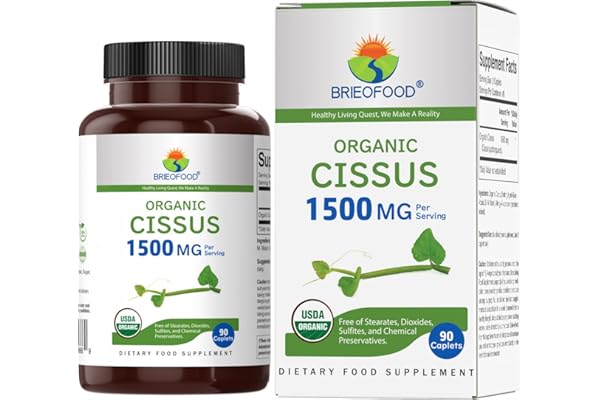
Brieofood Organic Cissus Quadrangularis 1500mg, 45 Servings, Vegetarian, Gluten Free, 90 Vegetarian Tablets
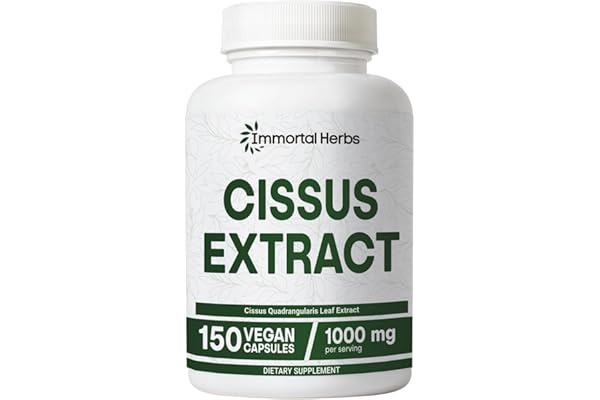
Immortal Herbs Cissus Quadrangularis Supplement 1000mg, 150 Pills, Pure Extract Powder with 40% Ketosterones, Non-GMO and Gluten-Free Cissus Extract Capsules for Men and Women
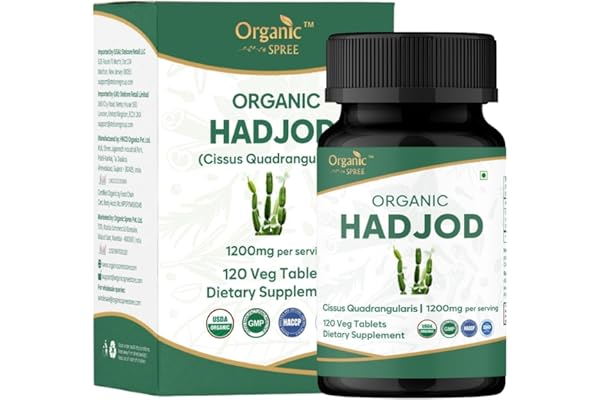
ORGANIC SPREE Hadjod 120 Tablets – USDA Organic Cissus Quadrangularis – Supports Joint Strength & Mobility
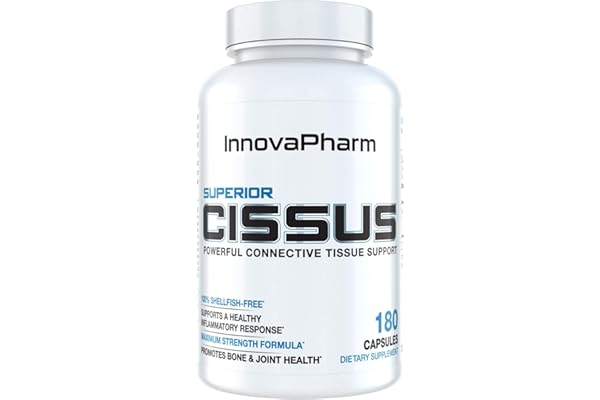
InnovaPharm Superior Cissus – QuadraFlex 4800mg -180 caps
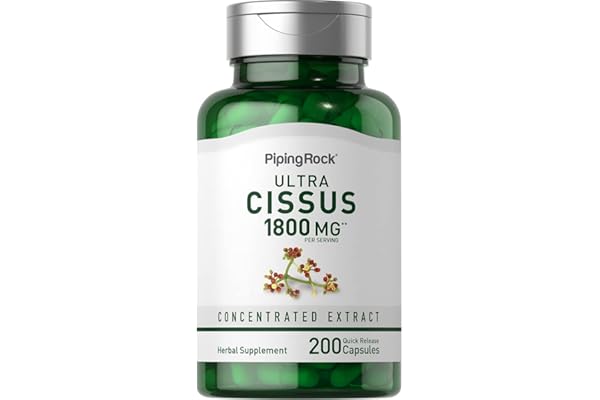
Piping Rock Cissus Quadrangularis Supplement | 200 Capsules | Ultra Concentrated Herbal Extract | Non-GMO, Gluten Free
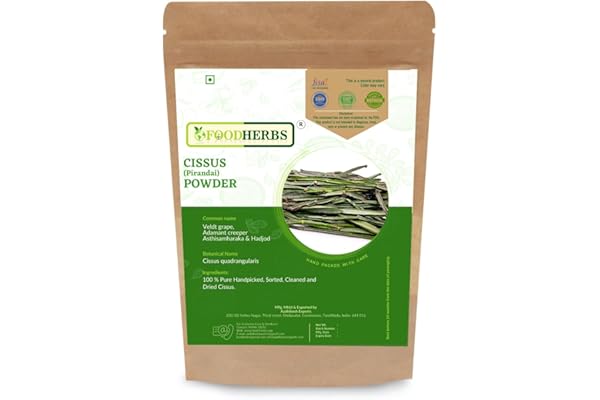
Foodherbs Cissus Quadrangularis Powder – 200 GMS / 0.44 Lbs – for Bone Wellness – Hadjod – Pirandai – Veldt Grape – Adamant Creeper