


Benefits of Chlorophyll – Health Effects, Sources & Safety
Chlorophyll is the green pigment that gives plants their color and helps them convert sunlight into energy. People have started taking chlorophyll as a supplement, claiming it offers various health benefits. But what does the science actually say about this plant compound?
Chlorophyll functions as an antioxidant and may help reduce inflammation, support blood health, improve skin conditions, and fight body odor, though more human research is needed to confirm many of these effects.
The compound shares a similar structure to hemoglobin in human blood, which has led researchers to explore its potential role in treating anemia and other health conditions.
Understanding the actual benefits, limitations, and proper use of chlorophyll can help people make informed decisions about whether to add it to their diet through food or supplements. This article examines the scientific evidence behind chlorophyll’s claimed benefits and explains what people need to know about using it safely.
Key Takeaways
- Chlorophyll acts as an antioxidant that may help reduce inflammation and oxidative stress in the body
- Green vegetables like spinach and parsley naturally contain chlorophyll and provide the safest way to consume it
- Chlorophyll supplements are generally safe in small amounts but may interact with certain medications like blood thinners
What Is Chlorophyll and How Does It Work?

Chlorophyll is the green pigment found in plants that enables them to convert sunlight into energy. While plants use chlorophyll for survival, people can consume it through green vegetables or take it as a supplement in the form of chlorophyllin.
Chlorophyll’s Role in Plants and Photosynthesis
Chlorophyll is a key component in photosynthesis, the process that sustains plant life and produces oxygen. When sunlight hits a plant’s leaves, chlorophyll molecules absorb light energy and use it to convert carbon dioxide and water into glucose and oxygen. This process happens inside tiny structures called chloroplasts, which are found in plant cells.
The green pigment reflects green light wavelengths while absorbing red and blue light. This is why plants appear green to the human eye. Without chlorophyll, plants could not make their own food or release the oxygen that animals and humans need to breathe.
Phytol is a compound that forms part of chlorophyll’s chemical structure. It helps anchor chlorophyll molecules within the plant cell membranes, allowing them to capture light energy efficiently.
Types of Chlorophyll: A, B, C, and D
Plants and algae contain different types of chlorophyll that work together to capture light energy. Chlorophyll a appears as a bluish-black solid and is the primary pigment in all plants. Chlorophyll b is a dark green solid that assists chlorophyll a in absorbing light.
Natural plants containing chlorophyll have a ratio of 3:1 chlorophyll a to chlorophyll b, which work together to reflect the dark green pigment visible to humans. Chlorophyll c and chlorophyll d are found in certain algae and photosynthetic bacteria. These variations help different organisms thrive in various light conditions, from shallow water to deep ocean environments.
Chlorophyll vs. Chlorophyllin: Key Differences
Chlorophyll and chlorophyllin are not the same substance. Chlorophyll is the natural pigment found in green plants and vegetables. Chlorophyllin is a semi-synthetic compound created when chlorophyll is processed with copper and sodium salts.
Most chlorophyll supplements contain chlorophyllin rather than pure chlorophyll. Chlorophyllin is water-soluble, which makes it easier for the body to absorb than natural chlorophyll. It also remains stable longer on store shelves.
People can get chlorophyll naturally by eating green vegetables like spinach, parsley, and collard greens. Chlorophyll derivatives, which are modified forms of the original compound, appear in various supplements and topical products designed for health benefits.
Health Benefits of Chlorophyll
Chlorophyll offers several health benefits through its antioxidant properties, ability to help remove toxins from the body, and potential to fight cancer cells. These benefits come from chlorophyll’s unique chemical structure and its interaction with harmful substances in the body.
Antioxidant and Anti-Inflammatory Properties
Chlorophyll works as an antioxidant that helps fight oxidative stress in the body. Oxidative stress happens when free radicals damage cells, which can lead to aging and disease. By preventing or delaying this cell damage, chlorophyll may lower the risk for conditions like Alzheimer’s disease, diabetes, and cancer.
The compound also contains anti-inflammatory substances like phytol. These compounds can reduce swelling and pain in the body. Taking chlorophyll supplements may lower swelling and pain in people with inflammatory conditions like rheumatoid arthritis, though more research is needed to confirm these effects.
Chlorophyll’s antioxidant effects work by neutralizing free radicals before they can harm healthy cells. This protective action supports overall health and may slow down processes that contribute to chronic diseases.
Detoxification and Protection Against Toxins
Chlorophyll binds to certain harmful chemicals in the body and helps remove them. Research shows it can form tight bonds with toxins like aflatoxin, which is a dangerous substance found in contaminated foods. This binding action prevents these toxins from being absorbed and causing damage to organs like the liver.
The pigment may also support the body’s natural detoxification processes. While the liver naturally removes toxins, chlorophyll appears to help by grabbing onto harmful substances and carrying them out of the body. This protective effect is particularly notable with environmental toxins and certain cancer-causing chemicals.
Potential Anticancer Effects
Studies suggest that chlorophyll may protect against or treat some types of cancer. The compound has a similar structure to other pigments with antioxidant effects that stop cancer cells from spreading. One study showed that chlorophyll decreased the size of pancreatic tumors in mice with human pancreatic cancer cells.
Chlorophyllin, a semi-synthetic form of chlorophyll, has also shown promise in cancer research. It appears to work by blocking the actions of substances that damage DNA and trigger cancer development. However, most studies have been done with animals or in test tubes, so more human research is needed to confirm these anticancer effects.
Chlorophyll and Blood Health
Chlorophyll shares a similar chemical structure to hemoglobin and may help people with blood disorders. Research suggests it could support red blood cell function and address certain types of anemia.
Anemia and Hemoglobin Support
Chlorophyll has a molecular structure that closely resembles hemoglobin, the protein in red blood cells that carries oxygen throughout the body. The main difference is that chlorophyll contains magnesium at its center while hemoglobin contains iron.
Researchers have suggested that wheatgrass juice, which is rich in chlorophyll, may help treat hemoglobin deficiency disorders like anemia and thalassemia. The similar structure allows chlorophyll to potentially support the body’s blood-building processes.
Sodium copper chlorophyllin, a semi-synthetic form of chlorophyll, is water-soluble and commonly used in supplements. This form may be easier for the body to absorb than natural chlorophyll from plants. However, most studies on chlorophyll’s blood-building properties have been conducted on animals, so more human research is needed to confirm these effects.
Red Blood Cell Benefits
The connection between chlorophyll and red blood cells lies in their structural similarity. This relationship has led scientists to explore whether chlorophyll supplements could help with blood health.
People with mild anemia might benefit from adding chlorophyll-rich foods to their diet. Green vegetables like spinach, collard greens, and parsley contain high amounts of natural chlorophyll along with iron and other nutrients that support red blood cell production.
The potential benefits for red blood cells remain under investigation. While the theory appears promising based on the chemical similarities, clinical studies in humans are limited. Anyone considering chlorophyll supplements for blood-related conditions should consult with a doctor first.
Chlorophyll for Skin and Body Odor
Chlorophyll shows potential benefits for skin health when applied topically and may help reduce body odor when taken internally. Research on these uses remains limited, but early studies suggest chlorophyllin could improve wound healing, reduce acne, and neutralize unpleasant smells.
Skin Health and Topical Uses
Topical chlorophyll applications may support various aspects of skin health. A small 2015 study found that chlorophyllin helped prevent acne and reduced the appearance of large pores after three weeks of use.
Chlorophyllin gel has shown promise for multiple skin concerns:
- Wound healing: Older research suggests ointments containing chlorophyllin may heal wounds more effectively than saline solutions
- Anti-aging effects: Four women who applied chlorophyllin gel experienced improved skin texture similar to tretinoin results
- Sun damage: A 2015 study showed positive results for women with facial sun damage
The compound appears to work as an antioxidant on the skin. People can find topical chlorophyllin in gel form, ointments, and various skin care products. However, most studies involve very small sample sizes, so more research is needed to confirm these benefits work for everyone.
Odor Control and Deodorant Effects
Chlorophyll acts as an internal deodorant in the digestive tract, potentially reducing body odor from the inside out. While scientific evidence remains limited, many people report improvements in their body odor after taking chlorophyll supplements.
The compound has been tested for specific odor-related issues. Chlorophyllin has been used to reduce unpleasant bathroom odors from urine and feces. A 2004 study found it helped reduce the fishy odor caused by trimethylaminuria, a metabolic disorder.
Some people also claim chlorophyll helps control bad breath, though this evidence is purely anecdotal. The exact mechanism behind these deodorizing effects is not fully understood. People interested in trying chlorophyll for body odor can find it in liquid drops, tablets, or by eating chlorophyll-rich green vegetables.
Food Sources of Chlorophyll
Green plants contain varying amounts of chlorophyll depending on their type, growing conditions, and maturity stage. The richest sources include leafy vegetables, certain algae, and specific green vegetables that can provide significant amounts of this plant pigment when consumed regularly.
Top Leafy Greens Rich in Chlorophyll
Spinach ranks among the highest chlorophyll-containing vegetables available in most grocery stores. It provides substantial amounts of both chlorophyll a and chlorophyll b, the two main forms found in plants.
Parsley contains exceptionally high levels of chlorophyll per gram compared to other common herbs. Kale offers another excellent source, particularly when consumed fresh. Arugula provides a peppery-flavored option rich in this green pigment.
Other leafy greens with notable chlorophyll content include:
- Collard greens – Dense leaves packed with chlorophyll
- Chinese cabbage – Mild flavor with good chlorophyll levels
- Endive – Crisp texture and moderate chlorophyll content
- Cress – Small leaves with concentrated chlorophyll
- Leeks – Green portions contain chlorophyll in the outer layers
Alfalfa sprouts and mature alfalfa also deliver chlorophyll, though in different concentrations depending on plant maturity.
Other Vegetables and Algae Sources
Green beans, broccoli, and asparagus serve as vegetables containing chlorophyll beyond traditional leafy greens. These vegetables provide chlorophyll along with fiber and other nutrients.
Algae represents some of the most chlorophyll-rich foods available. Chlorella and spirulina contain concentrated amounts of chlorophyll and can be consumed as supplements or added to smoothies and other foods.
Wheatgrass and wheatgrass juice deliver high chlorophyll concentrations in small servings. Many people consume wheatgrass specifically for its chlorophyll content.
Green fruits and vegetables generally contain chlorophyll, though amounts vary. The greener and darker the food, the more chlorophyll it typically contains.
Maximizing Chlorophyll Intake From Diet
Cooking decreases chlorophyll content in vegetables, so eating them raw or lightly cooked preserves more of the pigment. Steaming or quick sautéing maintains higher chlorophyll levels than boiling or prolonged cooking.
Fresh vegetables contain more chlorophyll than stored ones. The chlorophyll content begins declining after harvest, so consuming recently picked produce maximizes intake.
Eating a variety of chlorophyll-containing foods ensures exposure to different forms and derivatives of the pigment. Combining leafy greens with other green vegetables throughout the day provides consistent chlorophyll consumption.
Storage conditions affect chlorophyll retention. Keeping leafy vegetables refrigerated and protected from light helps maintain their chlorophyll content until consumption.
Chlorophyll Supplements: Forms, Dosage, and Safety
Chlorophyll supplements come in multiple forms, with most containing a lab-made derivative rather than natural plant chlorophyll. The typical daily dose ranges from 100 to 300 mg, though more research is needed to confirm the most effective amount.
Types of Chlorophyll Supplements
Most dietary supplements contain sodium copper chlorophyllin rather than natural chlorophyll due to its increased stability. This semi-synthetic version is more resistant to breaking down and easier to manufacture.
Chlorophyll supplements are available in several forms:
- Liquid chlorophyll – Mixed with water or juice for drinking
- Capsules – Pre-measured doses in pill form
- Tablets – Compressed powder supplements
- Chlorophyll water – Pre-mixed beverages with added chlorophyll
Liquid chlorophyll may be absorbed more quickly by the body compared to pills. This faster absorption means any effects or side effects may appear sooner and last longer.
Natural chlorophyll from plants differs chemically from the chlorophyllin found in most supplements. The copper in sodium copper chlorophyllin replaces the magnesium found in plant chlorophyll, making it more stable for storage.
Dosage Recommendations and Bioavailability
Typical dosages range from 100 to 300 mg daily in either liquid or capsule form. However, researchers have not determined the exact effective dose for humans.
The bioavailability of chlorophyll supplements varies by form. Liquid versions may enter the bloodstream faster than capsules or tablets. The specific chlorophyll derivative used also affects how well the body absorbs it.
Most studies have not established clear dosing guidelines. People taking chlorophyll supplements typically follow manufacturer instructions on the product label. Starting with lower doses helps identify any potential side effects before increasing intake.
How to Choose Quality Supplements
Look for products that clearly list the type of chlorophyll they contain. Most will specify sodium copper chlorophyllin as the active ingredient. Check for third-party testing certifications like NSF or USP on the label.
Quality indicators include:
- Clear ingredient lists
- Expiration dates
- Manufacturing location
- Third-party verification seals
- No unnecessary fillers or additives
Read customer reviews to learn about taste, mixability, and reported effects. Compare prices across brands, but remember the cheapest option may not offer the best quality. Store supplements according to package directions to maintain potency.
Potential Side Effects and Precautions
Chlorophyll supplements appear safe for most people when taken in moderation, but they can cause digestive issues and increase sun sensitivity. Pregnant and breastfeeding women should avoid these supplements due to insufficient safety research.
Common Side Effects: Digestive and Skin Reactions
The most frequently reported side effects involve the digestive system. Nausea, vomiting, and diarrhea can occur, especially when supplements are taken on an empty stomach. These symptoms tend to be mild but can be uncomfortable.
Chlorophyll may also cause noticeable changes in body waste. Users often experience green-colored stool and urine, which is harmless but can be startling. Some people develop a discolored tongue that appears yellow or black.
Stomach cramps and loose stools are additional gastrointestinal reactions to watch for. The severity of these side effects can vary based on the form taken. Liquid chlorophyll may cause faster onset of symptoms since the body absorbs it more quickly than pills.
Taking chlorophyll with food rather than on an empty stomach can help reduce digestive discomfort.
Photosensitivity and Special Populations
Chlorophyll supplements can make skin more sensitive to sunlight, which increases the risk of sunburn. People taking these supplements should use extra sun protection when spending time outdoors.
Pregnant and breastfeeding women should not take chlorophyll supplements. Researchers have not conducted enough studies to confirm safety during pregnancy or nursing. Medical experts strongly advise these groups to avoid chlorophyll supplementation.
There is no standard recommended dosage for chlorophyll supplements. The lack of regulation by the U.S. FDA means potency can vary significantly between batches and brands. This inconsistency makes it difficult to predict how much active ingredient each dose contains.
Potential Drug Interactions
Chlorophyll can interfere with several common medications. People taking the following drugs should avoid chlorophyll supplements:
- Certain antibiotics
- Some acne medications
- Specific antidepressants
- Diuretics (water pills)
- NSAIDs (nonsteroidal anti-inflammatory drugs)
Methotrexate poses a particular concern, as chlorophyll may cause this medication to stay in the body longer than intended. Methotrexate treats conditions like rheumatoid arthritis, psoriasis, and some cancers.
Anyone taking prescription medications should consult their doctor before starting chlorophyll supplements. Even natural supplements can create serious interactions with pharmaceutical drugs.
Frequently Asked Questions
Chlorophyll’s effects on the body range from supporting detoxification pathways to potentially improving skin conditions and digestive function. Research shows mixed results on energy levels, while immune system benefits need more scientific study.
How does chlorophyll contribute to overall wellness?
Chlorophyll acts as an antioxidant in the body, which helps protect cells from damage caused by harmful molecules. The compound’s chemical structure closely resembles hemoglobin, the protein in red blood cells that carries oxygen throughout the body.
Studies have suggested chlorophyll may help with skin conditions, body odors, and fighting certain kinds of cancer. However, most research has been conducted on animals rather than humans.
People who include more green vegetables in their diet naturally consume higher amounts of chlorophyll. These foods also provide vitamins and minerals that support overall health.
What role does chlorophyll play in detoxification processes?
Chlorophyll may help the body’s natural detoxification systems by limiting the bioavailability of mutagens, which are substances that can damage DNA. Researchers believe this ability helps regulate oxidative stress in cells.
The compound binds to certain toxins and heavy metals, which may reduce their absorption in the digestive tract. This process could support the liver and kidneys in their natural cleansing functions.
Most evidence for detoxification benefits comes from animal studies. Human research remains limited in this area.
Can chlorophyll intake impact energy levels, and if so, how?
Claims about increased energy from chlorophyll require more research to confirm whether this effect occurs in humans. The relationship between chlorophyll and hemoglobin suggests a potential connection to oxygen transport, which affects energy production.
Some people report feeling more energized after taking chlorophyll supplements. These effects might stem from improved nutrient absorption or better overall nutrition from eating more green vegetables.
Scientific studies have not yet proven a direct link between chlorophyll consumption and increased energy levels. Individual experiences vary widely.
What are the potential skin health benefits associated with chlorophyll consumption?
Topical chlorophyll may work as an anti-aging remedy by reducing signs of photoaging caused by sun exposure. A study found that skin treated with chlorophyllin improved similarly to skin treated with tretinoin, a prescription anti-aging cream.
Chlorophyll-containing gels have shown promise for treating acne. Research found that people who used a chlorophyllin gel for three weeks experienced reduced facial acne and smaller visible pores.
Combining topical chlorophyll with light therapy produced better results than light therapy alone for acne treatment. The participants had fewer acne lesions and less oily skin after the combined treatment.
How does chlorophyll support the digestive system?
Chlorophyll supplements may help reduce body odor and support gut health through its interaction with digestive bacteria. The compound’s antioxidant properties can help protect the digestive tract lining from oxidative damage.
Some people experience digestive side effects from chlorophyll supplements, including stomach cramps and loose stools. These gastrointestinal effects may occur more quickly with liquid chlorophyll compared to capsules.
Green vegetables rich in chlorophyll provide fiber that supports regular bowel movements. The combination of chlorophyll and fiber may promote healthy digestion.
Are there any immune-boosting properties of chlorophyll?
Research on chlorophyll’s direct effects on immune function remains limited. The compound’s antioxidant properties may support immune health by reducing inflammation and protecting immune cells from damage.
Chlorophyll’s potential blood-building properties could indirectly support immune function, as healthy red blood cells are important for overall immunity. Studies on wheatgrass juice, which contains high levels of chlorophyll, suggest possible benefits for blood health.
Scientists need to conduct more human studies to determine whether chlorophyll directly strengthens immune system responses. Current evidence does not strongly support specific immune-boosting claims.
Top Chlorophyll Herbal Products

Her Fantasy Box – Body Magic – Chlorophyll Capsules – 30 Vegan Capsules for Detox, Digestion, Gut Health, Skin Support, and Oily Skin – Natural Energy Booster
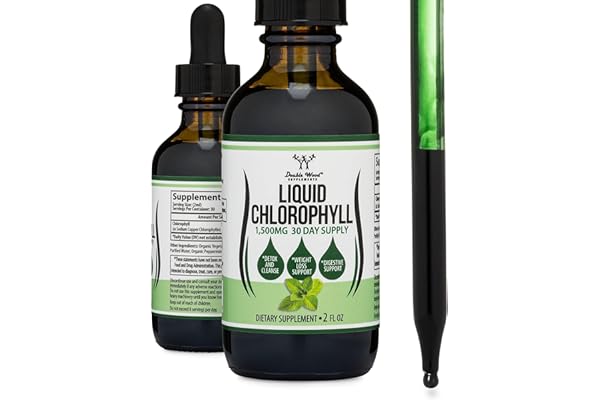
Chlorophyll Liquid Drops – for Digestion, Gut Health, Energy and Detox – Vegan Safe (Rich, Full Texture and Taste, Not Watered Down), 2oz Peppermint Flavored, by Double Wood
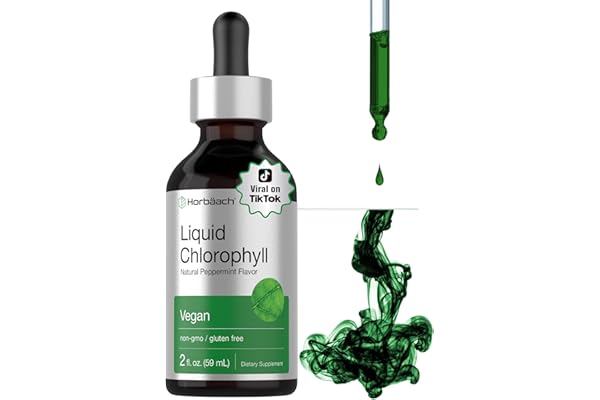
Horbäach Liquid Chlorophyll Drops – 2 oz – Vegan, Non-GMO, and Gluten Free Formula – Natural Peppermint Flavor
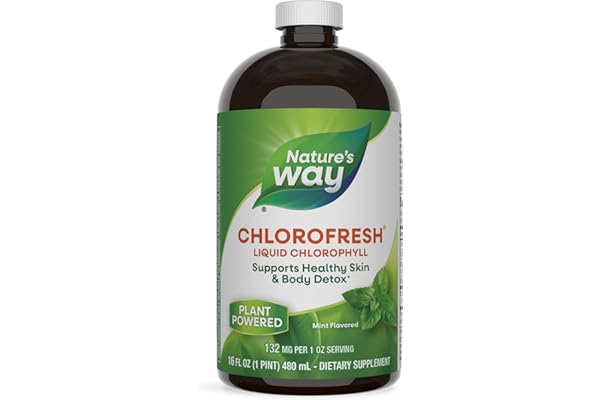
Nature’s Way Chlorofresh Liquid Chlorophyll, Chlorophyllin Copper Complex, Internal Deodorant Supplement, Supports Healthy Skin and Detox Pathways*, Mint Flavored, 16 fl oz
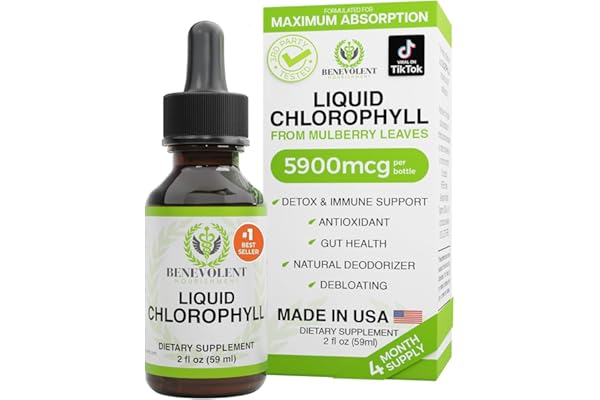
Benevolent Nourishment Chlorophyll Supplement, Detox & Immune Support, Internal Deodorizer, Liquid Drops
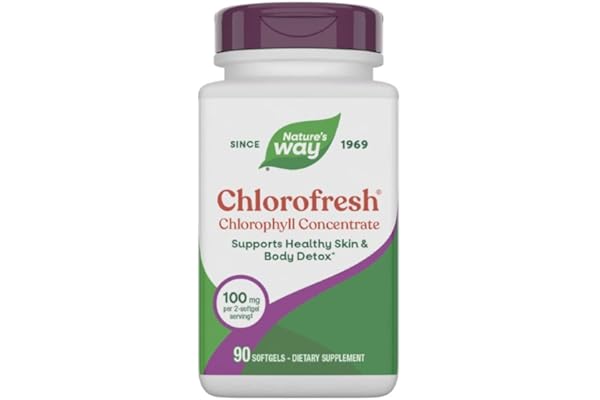
Nature’s Way Chlorofresh Chlorophyll Concentrate Softgels, Chlorophyllin Copper Complex, Internal Deodorant Supplement, Supports Healthy Skin and Detox Pathways*, 90 Softgels