


Benefits of Licorice Root? Uses, Effects & Safety
Licorice root comes from a plant that has been used in traditional medicine for thousands of years across many cultures. People have turned to this sweet-tasting root to address digestive problems, skin conditions, and respiratory issues. The plant grows mainly in Europe and Asia, where it develops long roots that contain powerful natural compounds.
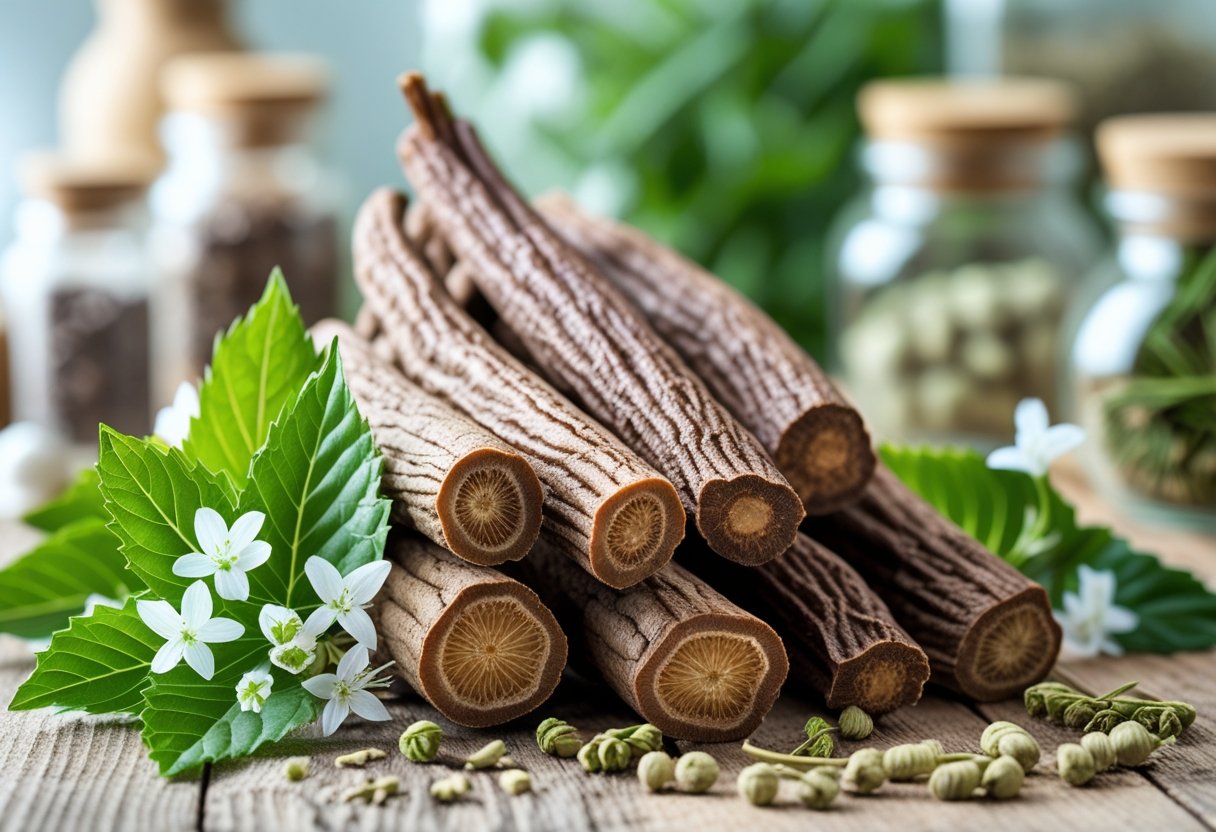
Licorice root offers multiple health benefits, including relief from stomach disorders, support for respiratory health, treatment of canker sores, and help with hormonal balance in women. The root contains a compound called glycyrrhizin, which gives it a sweet taste and provides many of its healing properties. Research has shown that licorice root may also help protect the liver, reduce inflammation, and support immune system function.
While licorice root provides many potential benefits, it’s important to understand both its uses and safety considerations. The root can be consumed as tea, taken as a supplement, or applied to the skin. Different forms of licorice work better for different health goals, and some people need to avoid it due to certain health conditions.
Key Takeaways
- Licorice root helps with digestive issues, respiratory problems, and can provide relief from canker sores and menstrual discomfort
- The root contains glycyrrhizin and other compounds that offer anti-inflammatory, antiviral, and liver-protective effects
- People with high blood pressure, heart conditions, or those taking certain medications should talk to a doctor before using licorice root
Understanding Licorice Root and Its Key Compounds
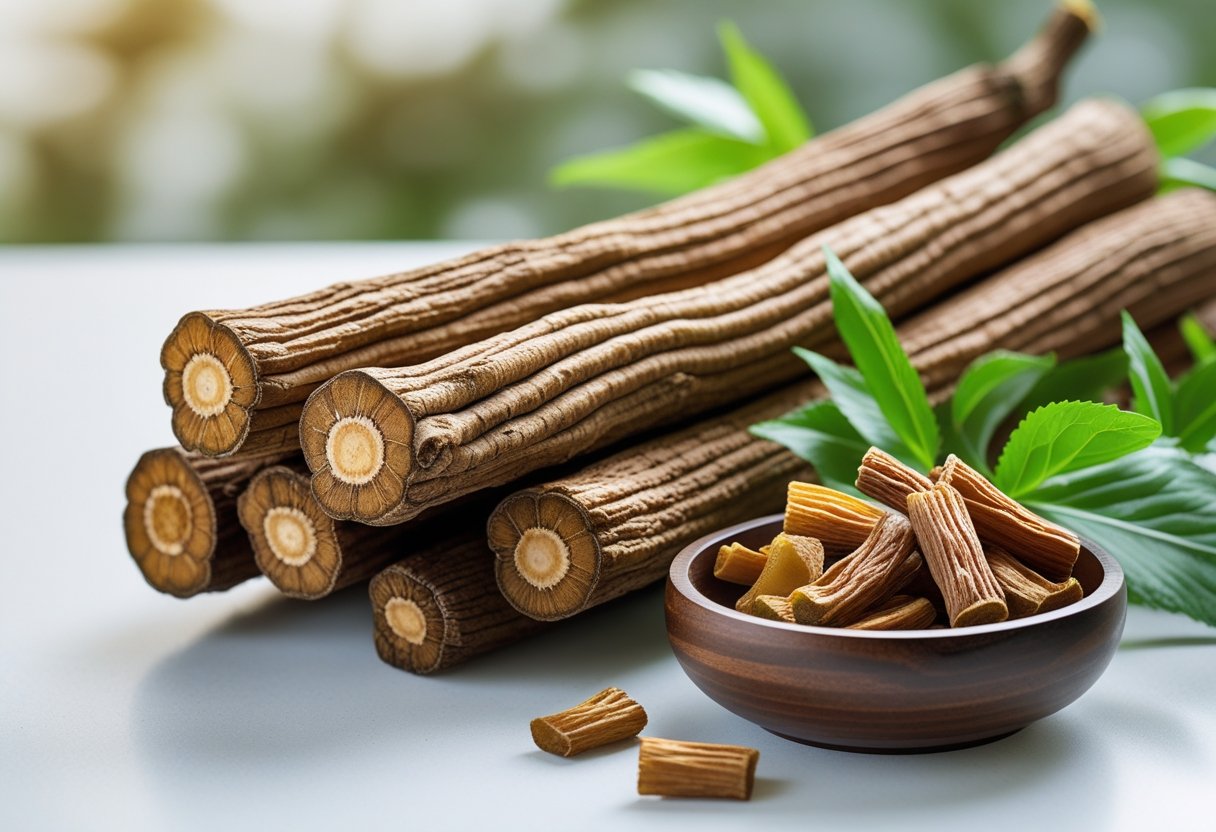
Licorice root comes from the Glycyrrhiza glabra plant and contains over 300 active compounds that give it medicinal properties. The main bioactive compound is glycyrrhizin, though flavonoids, coumarins, and polysaccharides also contribute to its health effects.
What Is Licorice Root?
Licorice root is the underground stem and root system of the Glycyrrhiza glabra plant, a perennial herb native to southern Europe and parts of Asia. The plant grows up to three feet tall with purple to pale blue flowers.
People have used this root in traditional medicine systems for thousands of years, including Traditional Chinese Medicine, Ayurveda, and European herbalism. The root has a naturally sweet taste that is 50 times sweeter than sugar due to its glycyrrhizin content.
The plant belongs to the legume family and grows best in deep, fertile, well-drained soil. Harvesting typically occurs when the plant is three to four years old, as this is when the root contains the highest concentration of beneficial compounds.
Important Bioactive Compounds
Licorice root contains over 300 chemical compounds that work together to produce various health effects. The most significant categories of bioactive compounds include:
Triterpenoid Saponins
- Glycyrrhizin (also called glycyrrhizic acid) makes up 2-15% of the root’s dry weight
- Provides the characteristic sweet taste
- Responsible for many anti-inflammatory effects
Flavonoids
- Liquiritin and isoliquiritigenin are the most abundant
- Contribute to antioxidant and antimicrobial properties
- Provide yellow pigmentation to the root
Other Compounds
- Coumarins offer additional antimicrobial benefits
- Polysaccharides support immune function
- Phytosterols contribute to hormonal effects
These compounds work synergistically, meaning they produce stronger effects together than they would individually.
Glycyrrhizin and Deglycyrrhizinated Licorice (DGL)
Glycyrrhizin is the primary active compound in licorice extract and accounts for most of its therapeutic effects. It inhibits enzymes involved in inflammation and provides the root’s distinctive sweet flavor.
However, glycyrrhizin can cause side effects when consumed in large amounts or over extended periods. It can lead to increased blood pressure, decreased potassium levels, and fluid retention by mimicking the hormone aldosterone.
Deglycyrrhizinated licorice (DGL) is a processed form of licorice that has had 97% or more of the glycyrrhizin removed. This form retains many beneficial compounds like flavonoids while eliminating the risk of blood pressure and electrolyte problems.
DGL is particularly useful for digestive health applications where long-term use is needed. People can take it safely for extended periods without monitoring blood pressure or potassium levels.
Forms and Preparations
Licorice is available in multiple forms to suit different needs and preferences:
Dried Root
- Used in herbal teas and decoctions
- Typically steeped for 5-10 minutes
- Contains all natural compounds
Liquid Extracts and Tinctures
- Concentrated alcohol or glycerin-based preparations
- Allow for precise dosing
- Absorbed quickly
Capsules and Tablets
- Standardized to specific glycyrrhizin content
- DGL available in chewable tablets
- Convenient for daily use
Powders
- Can be added to smoothies or water
- Allow flexible dosing
- May be standardized or whole root
Topical Preparations
- Creams and gels for skin conditions
- Direct application to affected areas
The choice of form depends on the intended use and whether someone needs to avoid glycyrrhizin.
Health Benefits of Licorice Root
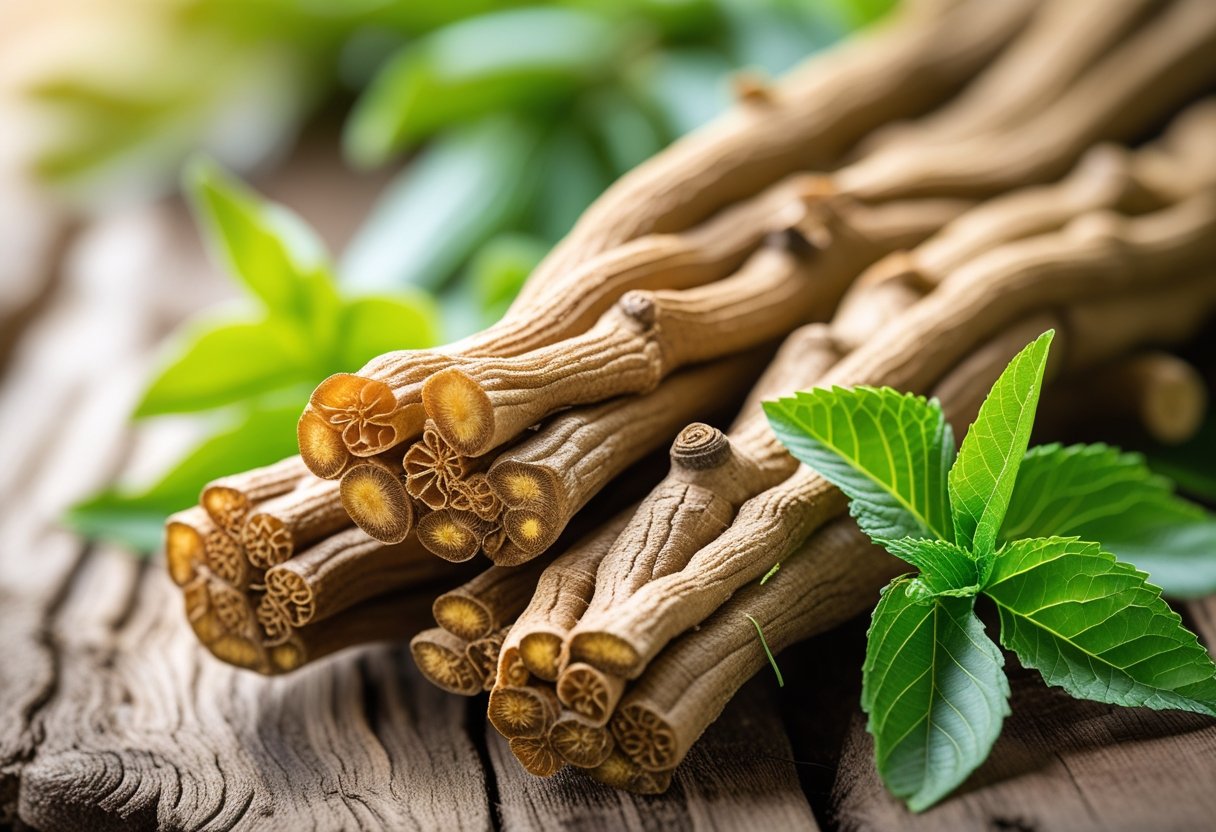
Licorice root offers several documented health benefits, particularly for digestive issues like acid reflux and peptic ulcers, respiratory conditions including sore throat and cough, and reducing inflammation through its antioxidant compounds.
Digestive Health and Stomach Ulcers
Licorice root has been used for centuries to treat various digestive problems. The root acts as a demulcent, coating the stomach and esophagus to provide relief from heartburn and acid reflux.
Research shows that licorice root extract may help treat peptic ulcers caused by Helicobacter pylori bacteria. A 2023 animal study found that licorice flavonoid helped relieve peptic ulcers by increasing mucus production and reducing inflammation in the digestive tract. A 2016 study involving 120 adults demonstrated that taking licorice extract alongside standard treatment significantly reduced H. pylori presence after just two weeks.
For people with GERD, licorice root shows promise as well. A 2017 study found that taking licorice root daily was more effective at reducing symptoms over a two-year period than commonly used antacids. The compounds in licorice help protect the stomach lining and may reduce the damage caused by stomach ulcers.
Respiratory Health and Sore Throat Relief
Licorice root has long been valued for treating respiratory conditions. The root works as an expectorant, helping to loosen mucus and make coughs more productive.
People often use licorice root to help relieve asthma symptoms due to its anti-inflammatory properties. A 2019 review suggested that glycyrrhizin extract from licorice root may be the asthma treatment with the fewest potential side effects, though more research is needed.
The soothing properties of licorice root make it effective for sore throat relief. It coats the throat and reduces irritation while supporting the immune system’s response to respiratory infections. Many throat lozenges and herbal teas contain licorice root for this reason.
Anti-Inflammatory and Antioxidant Properties
The anti-inflammatory properties of licorice root come from its primary active compound, glycyrrhizin, along with nearly 300 other plant compounds. These substances help reduce inflammation throughout the body and combat oxidative stress.
Licorice root contains powerful antioxidants that protect cells from damage. Research suggests these antioxidants may benefit skin conditions like acne and eczema. A 2019 study found that a cream containing licorice root was as effective as a 1% hydrocortisone cream for treating eczema symptoms.
The anti-inflammatory effects extend beyond the skin. Animal studies have shown that licorice root compounds may help slow cell growth in certain types of cancer, though human research is still limited. The root’s ability to reduce inflammation makes it useful for various health conditions throughout the body.
Licorice Root and Skin Health
Licorice root contains active compounds that address multiple skin conditions through anti-inflammatory and melanin-regulating properties. The root’s components work to calm irritated skin while helping to even out skin tone and manage chronic inflammatory conditions.
Eczema and Dermatitis Management
Licorice root contains glycyrrhizin, a compound that provides anti-inflammatory benefits for skin conditions like eczema and dermatitis. This component reduces redness, swelling, and irritation that characterize these inflammatory responses.
When applied topically, licorice extract helps manage dermatitis symptoms by calming the immune response that triggers skin inflammation. The root’s natural properties make it gentler than many synthetic treatments while still providing relief from itching and discomfort.
People with eczema often experience dry, inflamed patches that benefit from licorice’s soothing effects. The extract can be mixed with carrier ingredients like aloe vera gel to enhance its anti-inflammatory action on affected areas.
Hyperpigmentation and Melanin Regulation
Licorice root addresses hyperpigmentation through multiple active compounds that control melanin production. Glabridin blocks UV radiation and prevents sun-induced skin damage that leads to dark spots and uneven skin tone.
Another component called liquiritin works to disintegrate excess melanin that causes dark patches on the skin. This makes licorice extract effective for fading scars, reducing age spots, and evening out discoloration.
The root also contains tyrosinase inhibitors that slow down the enzyme responsible for melanin production. This action helps prevent new hyperpigmentation from forming while existing dark spots gradually fade with continued use.
Support for Psoriasis and Atopic Dermatitis
Licorice root benefits extend to chronic inflammatory conditions like psoriasis and atopic dermatitis. The glycyrrhizin in licorice helps modulate the immune system’s overactive response that drives these persistent skin conditions.
For atopic dermatitis, licorice extract reduces the inflammation and irritation that make this condition difficult to manage. Its anti-inflammatory compounds work on the underlying immune triggers rather than just masking surface symptoms.
Psoriasis patients may find relief through licorice’s ability to calm inflamed skin cells and reduce the rapid cell turnover that creates scaly patches. The extract can be incorporated into topical skin care products designed for sensitive or compromised skin barriers.
Hormonal Balance and Women’s Health
Licorice root contains compounds that may influence estrogen and progesterone levels, offering potential relief for women experiencing menstrual discomfort and menopausal changes. The plant’s active ingredients interact with hormone receptors in ways that could ease common reproductive health concerns.
Menopausal Symptoms and Hot Flashes
Research suggests that licorice root may help women manage uncomfortable menopausal symptoms through its estrogen-like properties. Studies have shown that flavonoids and isoflavonoids in licorice can bind to estrogen receptors, potentially mimicking some effects of natural estrogen in the body.
Hot flashes represent one of the most challenging aspects of menopause for many women. The phytoestrogens in licorice root may provide relief by compensating for declining estrogen levels during this transition.
Clinical trials have examined licorice extracts for their ability to reduce the frequency and intensity of menopausal discomfort. However, results vary depending on the type of licorice used and the dosage administered. Women considering licorice for menopausal symptoms should understand that individual responses differ significantly.
Hormonal Support and PMS Relief
Licorice root has been used in traditional medicine to address menstrual irregularities and promote hormonal balance throughout the menstrual cycle. The plant contains compounds that may help regulate both estrogen and progesterone levels.
Women dealing with premenstrual syndrome often experience mood changes, bloating, and cramping. Licorice root supports hormonal balance in these situations, though it can have complex interactions with existing hormone levels.
The root’s anti-inflammatory properties may also contribute to reduced menstrual discomfort. Some practitioners recommend licorice as part of a broader approach to managing PMS symptoms, particularly when combined with other supportive herbs and lifestyle modifications.
Heart, Liver, and Weight Management Benefits
Licorice root contains compounds that may support cardiovascular function, protect liver cells from damage, and assist with maintaining a healthy weight. These effects stem primarily from glycyrrhizin and flavonoids found in the plant.
Heart Health and Blood Pressure
Licorice root’s impact on heart health is complex and requires careful consideration. The plant contains flavonoids that provide antioxidant and anti-inflammatory properties, which may support heart health in moderate amounts. Some research suggests these compounds could help reduce cholesterol levels.
However, licorice also affects blood pressure in ways that can be problematic. The glycyrrhizin compound can cause the body to retain sodium and lose potassium. This mineral imbalance may lead to increased blood pressure in some people.
Those with existing high blood pressure, heart disease, or kidney problems should avoid licorice products. The dose and duration of use matter significantly. Short-term use of small amounts is generally safer than chronic consumption of large doses.
Liver Health and Detoxification
Licorice root has been studied for its potential to protect liver cells and reduce liver damage. The herb contains glycyrrhizin, a compound that may alleviate liver toxicity and reduce the risk of liver cancer in people with chronic hepatitis C.
Research indicates that licorice may help lower elevated ALT and AST levels. These are enzymes that increase when the liver is damaged or inflamed. The anti-inflammatory properties of the plant’s flavonoids appear to play a role in this protective effect.
Traditional medicine systems have used licorice for liver support and detoxification for thousands of years. The herb may help the liver process toxins more efficiently, though more human studies are needed to confirm optimal dosing for liver protection.
Support for Weight Loss
Licorice root may offer modest benefits for weight management through several mechanisms. The flavonoids in the plant show potential for supporting metabolic function and reducing inflammation associated with excess weight.
Some studies suggest that licorice extracts might help reduce body fat and support healthy weight maintenance. The compounds may influence how the body stores and uses fat. However, these effects are not dramatic enough to replace diet and exercise.
Weight loss from licorice should not be expected as a primary benefit. Any support for weight management appears to be secondary to the herb’s other properties.
Traditional and Modern Uses of Licorice Root
Licorice root has served multiple purposes across different cultures for thousands of years. People have used it as both a medicinal herb and a flavoring agent in food and beverages.
Role in Traditional Medicine Systems
Licorice root holds a prominent place in several traditional medicine systems around the world. In Traditional Chinese Medicine (TCM), practitioners have incorporated this herb into formulas for millennia to treat chronic coughs, moisten the lungs, and expel phlegm. TCM considers licorice one of the most important herbs because it harmonizes other ingredients in herbal formulas.
Ayurvedic medicine has also relied on licorice root for thousands of years to address digestive complaints and soothe inflamed tissues. Ancient Egyptian pharaohs consumed licorice root as a sweet drink dating back to ancient times, demonstrating its long history in healing practices.
Western herbalism classifies licorice as a demulcent herb, which means it soothes and moisturizes body tissues through its soluble fiber content. These traditional uses continue to influence how modern practitioners recommend the herb today.
Culinary Uses and Licorice Candy
Beyond its medicinal applications, licorice root serves as a natural sweetener in various foods and beverages. The root’s sweet taste comes from glycyrrhizin, a compound that is 50 times sweeter than sugar.
Licorice candy represents one of the most popular culinary uses of this plant. However, many commercial licorice candies contain anise flavoring instead of actual licorice extract. True licorice candy incorporates the root extract for its distinctive flavor.
Food and beverage manufacturers add licorice to flavor candies, drinks, and medicines. The herb appears in teas, liqueurs, and various confections across different cultures. Some cultures also use the root as a chewing stick for oral health and breath freshening.
Herbal Remedies and Synergistic Effects
Modern herbal medicine often combines licorice root with other herbs to enhance effectiveness. This practice builds on traditional knowledge that certain herbs work better together than alone.
Common herbal pairings include:
- Ginger and licorice for digestive support and nausea relief
- Marshmallow and licorice for respiratory conditions and throat irritation
- Chamomile and licorice for calming digestive upset and reducing inflammation
The synergistic effect occurs when licorice enhances the absorption and effectiveness of companion herbs. A 2019 study found that a cream containing licorice root, gentian root, and willow bark extract performed as well as hydrocortisone cream for eczema treatment. This demonstrates how combining multiple plant extracts can create effective natural remedies.
Herbalists typically recommend licorice in small amounts within formulas because it amplifies the action of other ingredients while providing its own anti-inflammatory benefits.
Potential Side Effects and Safety Considerations
Licorice root can cause serious health problems when consumed in large amounts or for extended periods, particularly affecting potassium levels and blood pressure. People with certain medical conditions and those taking specific medications need to exercise caution or avoid licorice entirely.
Common Side Effects and Risks
Licorice contains glycyrrhizin, a compound that causes most of its side effects when consumed in excess. Eating 5 grams or more daily for several weeks can lead to severe complications including heart attack.
Fluid retention is one of the primary concerns with licorice consumption. The herb causes the body to store excess water, which can strain the cardiovascular system.
Potassium depletion ranks among the most dangerous effects. Licorice lowers potassium levels in the blood, potentially leading to hypokalemia. This condition can cause muscle weakness, fatigue, and irregular heart rhythms.
Large amounts of licorice also raise blood pressure. This effect occurs because glycyrrhizin mimics hormones that control salt and water balance.
Additional side effects include reduced sexual interest and worsening erectile dysfunction in men due to lower testosterone levels. Licorice that has had glycyrrhizin removed, called deglycyrrhizinated licorice (DGL), may be safer for long-term use.
Precautions for Specific Health Conditions
Several medical conditions require complete avoidance of licorice root. People with heart conditions face increased risk because fluid retention can worsen heart failure and trigger irregular heartbeat.
Those with high blood pressure should not consume large amounts of licorice, as it can raise blood pressure significantly. The herb directly counteracts efforts to control hypertension.
Kidney disease patients must avoid licorice because it can make their condition worse. The kidneys already struggle to maintain proper fluid and electrolyte balance.
People with hormone-sensitive conditions such as breast cancer, uterine cancer, ovarian cancer, endometriosis, or uterine fibroids should stay away from licorice. The herb acts like estrogen in the body and may worsen these conditions.
Pregnant women face serious risks. Licorice consumption during pregnancy is unsafe and may cause miscarriage or early delivery. Eating about 250 grams weekly increases the risk of premature birth. Those who are breastfeeding should also avoid licorice due to insufficient safety data.
Patients scheduled for surgery must stop taking licorice at least 2 weeks beforehand, as it can interfere with blood pressure control during and after procedures.
Drug Interactions and Contraindications
Licorice interacts with numerous medications, potentially reducing their effectiveness or causing dangerous side effects. Blood pressure medications lose effectiveness when combined with licorice, as the herb raises blood pressure and opposes the drugs’ intended action.
Corticosteroids pose a significant interaction risk. Licorice slows down how quickly the body breaks down these anti-inflammatory drugs, leading to increased effects and side effects.
Diuretics, also called water pills, become particularly dangerous when combined with licorice. Both substances lower potassium levels, and taking them together can cause potassium to drop to dangerously low levels. This applies to both loop diuretics and other types of diuretic drugs.
Digoxin users face heightened side effects when their potassium drops due to licorice consumption. Warfarin may become less effective at preventing blood clots when taken with licorice.
The herb also affects how the liver processes many medications through various enzyme pathways. This includes certain cancer treatments like cisplatin and paclitaxel, potentially reducing their effectiveness. Methotrexate breaks down more slowly when combined with licorice, which can increase its side effects.
Frequently Asked Questions
Licorice root raises common questions about its effects on digestion, inflammation, breathing problems, skin health, stress levels, and hormone balance. Research provides answers to these key areas of interest.
How does licorice root support digestive health?
Licorice root helps reduce acid reflux and indigestion symptoms. A 2017 study found that taking licorice root daily was more effective at reducing GERD symptoms over a two-year period than commonly used antacids.
The root extract may also help treat peptic ulcers. These painful sores develop in the stomach, lower esophagus, or small intestine because of H. pylori bacteria.
Research shows that licorice increases mucus production in the digestive tract. This protective layer helps shield the stomach lining from acid damage.
A 2016 study found that consuming licorice extract alongside standard treatment reduced H. pylori bacteria presence after two weeks. For GERD relief, two 380-milligram DGL tablets before eating are recommended.
What are the potential anti-inflammatory effects of licorice root?
The primary active compound in licorice root is glycyrrhizin. This substance provides antioxidant and anti-inflammatory properties.
Animal studies show that licorice root may help relieve peptic ulcers by reducing inflammation in the digestive tract. The anti-inflammatory effects also extend to skin conditions and respiratory issues.
Research indicates these properties come from the nearly 300 compounds found in licorice root. The plant compounds work together to reduce inflammation throughout the body.
Can licorice root usage have an impact on respiratory conditions?
Licorice root extract shows promise for easing upper respiratory conditions. The glycyrrhizin in licorice may help relieve asthma symptoms due to its anti-inflammatory properties.
A 2019 review suggested it could be an asthma treatment with fewer potential side effects than other options. However, more research is needed to confirm these benefits.
For asthma treatment, three options exist: 1 to 5 grams of dried licorice root powder three times daily, 2 to 5 milliliters of licorice tincture three times daily, or 250 to 300 milligrams of licorice extract three times daily. People should speak with a healthcare professional before starting any licorice regimen.
What are the skin benefits associated with applying licorice root topically?
Licorice root extract may help treat various skin conditions including acne and eczema. A 2019 study found that a cream containing licorice root was as effective as a 1% hydrocortisone cream in treating eczema symptoms.
The antimicrobial properties in licorice help fight bacteria that cause skin problems. The anti-inflammatory effects also reduce redness and irritation.
Topical licorice products come in gels and creams. These formulations deliver the beneficial compounds directly to affected skin areas.
How might licorice root influence the body’s stress response mechanisms?
Licorice root contains compounds that interact with the body’s cortisol production. Cortisol is the main stress hormone that affects many body functions.
The root may help regulate cortisol levels in the body. This regulation could potentially support the adrenal glands during periods of stress.
Research on licorice root’s stress-related benefits continues to develop. More human studies are needed to fully understand how it affects stress response systems.
Is there evidence to support the use of licorice root in managing hormonal imbalances?
Licorice root has been used to reduce menopause symptoms. The plant compounds may help balance hormone levels during this transition period.
Research on hormonal benefits remains limited. Some studies suggest potential effects on hormone-related conditions, but more comprehensive human studies are needed.
People considering licorice root for hormonal issues should consult healthcare professionals first. The appropriate dosage and form depend on individual health conditions and needs.
Top Licorice Root Products
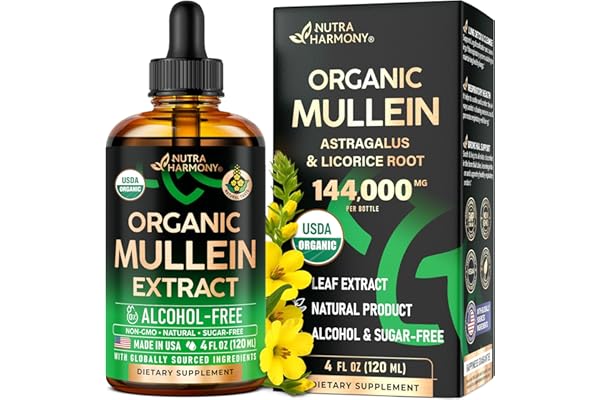
Mullein Drops for Lungs – USDA Organic Liquid – Mullein Leaf Extract Supplement – Made in USA – Lung & Bronchial Cleanse for Smokers – Respiratory Health Support – As Tincture, Tea, Pills – 4 fl oz
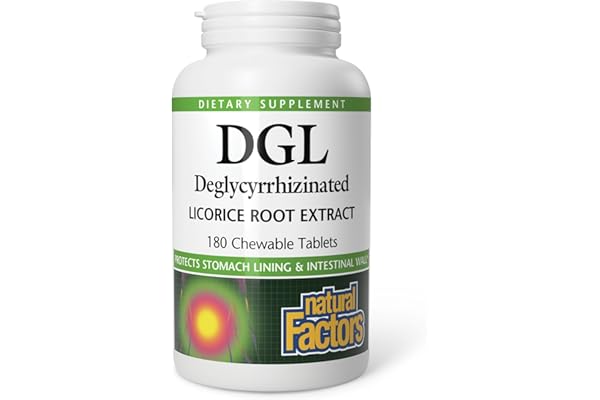
Natural Factors DGL Chewable – Digestive Support Supplement with Licorice Root Extract – Chewable Tablets Support Stomach Lining & Health – Non-GMO & Gluten-Free – 180 Chewable Tablets (180 Servings)
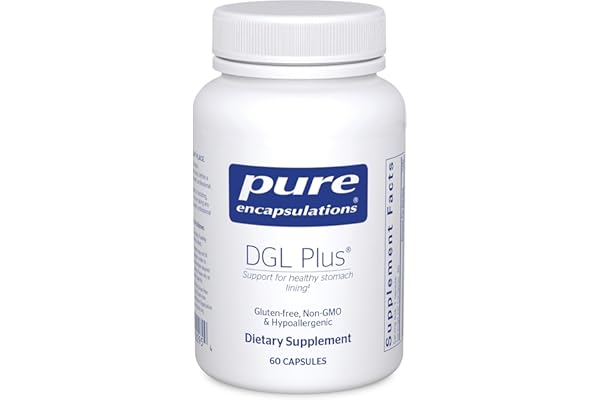
Pure Encapsulations DGL Plus – Gut Health Supplements for Men & Women – with Marshmallow Root, Aloe Vera Extract & Slippery Elm Bark – Non-GMO & Vegan – 60 Capsules
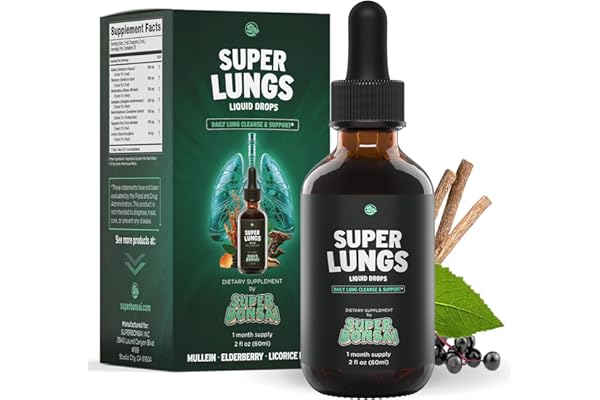
SuperBonsai Super Lungs Mullein Drops – Herbal Lung Support Tincture with Mullein Leaf Extract Elderberry Reishi Marshmallow Root – Supports Clear Breathing & Wellness – 2 oz
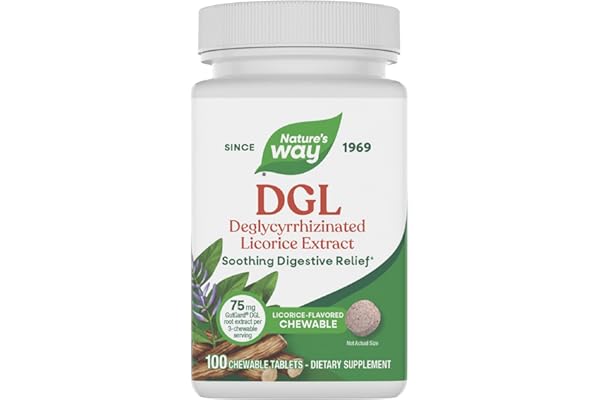
Nature’s Way DGL Chewable Tablets, Soothing Digestive Relief*, For Occasional Stomach Upset*, Deglycyrrhizinated Licorice Extract, Gluten Free, Licorice Flavored, 100 Tablets
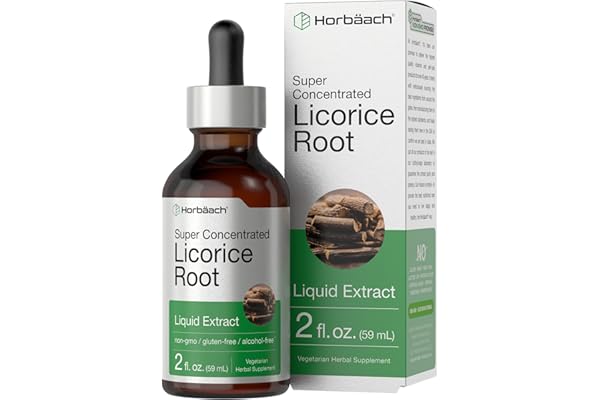
Horbäach Licorice Root Extract | 2 fl oz | Alcohol Free Tincture | Vegetarian Liquid Supplement | Non-GMO & Gluten Free