


Benefits of Marshmallow Root? Complete Health Guide
Marshmallow root is a plant-based remedy that has been used for thousands of years to treat various health problems. The fluffy marshmallows people roast over campfires were originally made from this plant, though modern versions rarely contain it. Today, the root is valued for its healing properties rather than as a sweet treat.
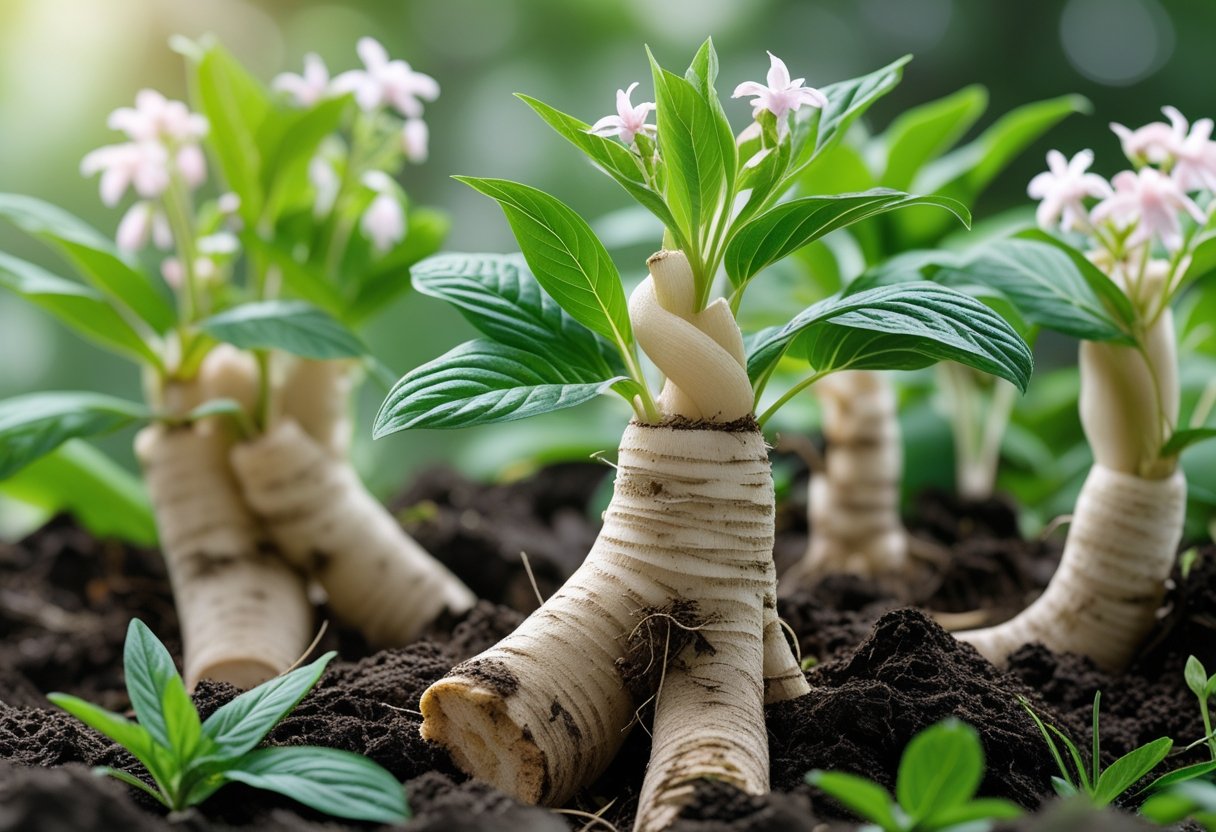
Marshmallow root helps soothe digestive issues, calm respiratory problems, heal skin conditions, and reduce inflammation throughout the body. The root contains a gel-like substance called mucilage that coats and protects irritated tissues. This natural coating action makes it useful for treating conditions from sore throats to stomach ulcers.
The plant grows naturally in Africa and parts of Europe and has been part of traditional medicine for over 2,800 years. Ancient Greeks and Egyptians used it to treat coughs and congestion. Modern research now supports many of these traditional uses and has discovered additional benefits for gut health, skin care, and immune system support.
Key Takeaways
- Marshmallow root contains mucilage that forms a protective coating to soothe irritated tissues in the digestive and respiratory systems
- The herb can help treat digestive problems, respiratory infections, skin conditions, and reduce inflammation naturally
- Most people can use marshmallow root safely, though it may interact with certain medications and should be discussed with a doctor first
What Is Marshmallow Root?
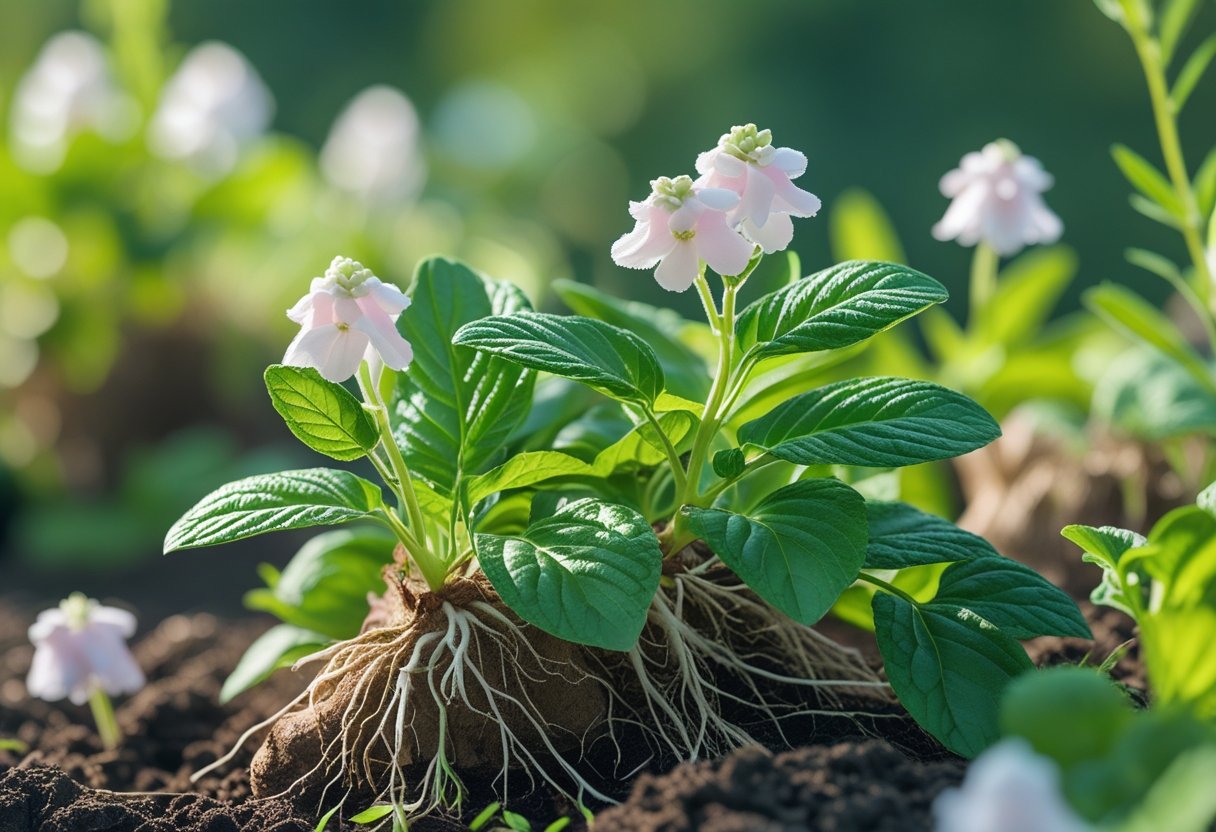
Marshmallow root comes from the Althaea officinalis plant, a perennial herb that grows in wet areas across Europe, North America, and Asia. The root contains a sticky substance called mucilage that gives it medicinal properties used in herbal remedies for thousands of years.
Origin and Historical Uses
The marshmallow plant belongs to the Malvaceae family and has been valued as both food and medicine throughout history. Ancient Egyptians used the plant to treat sore throats and skin problems.
Traditional medicine systems in Europe, the Middle East, and India have relied on marshmallow root and leaves for centuries. The plant grows naturally in moist environments near marshes and wetlands, which is how it got its name.
People originally made candy marshmallows from the root of this plant. Modern marshmallows no longer contain actual marshmallow root and are made with gelatin instead.
Active Compounds and Chemistry
The medicinal properties of marshmallow root come from mucilage, a gel-like sap that the plant produces. This mucilage creates a protective coating when it comes into contact with tissues.
Marshmallow root contains beneficial plant compounds including:
- L-rhamnose
- D-galactose
- D-galacturonic acid
- D-glucuronic acid
The root also provides vitamins, antioxidants, and tannins that contribute to its healing effects. These components work together to protect cells from damage and support healthy tissue function.
Forms and Preparations
Marshmallow root is available in several forms at health food stores, grocery stores, and online retailers. People can buy it as tea bags, capsules, tinctures, or liquid extracts for internal use.
For skin applications, the root appears in creams, salves, and balms. Tea sachets typically require steeping in boiling water for 5 to 10 minutes.
Capsules and tinctures vary in dosing instructions depending on the product. Some contain only marshmallow root while others blend it with additional herbs. General guidelines suggest doses of 0.5 to 5 grams in water taken three times daily, or 2 to 8 milliliters of liquid extract per day.
How Marshmallow Root Works in the Body
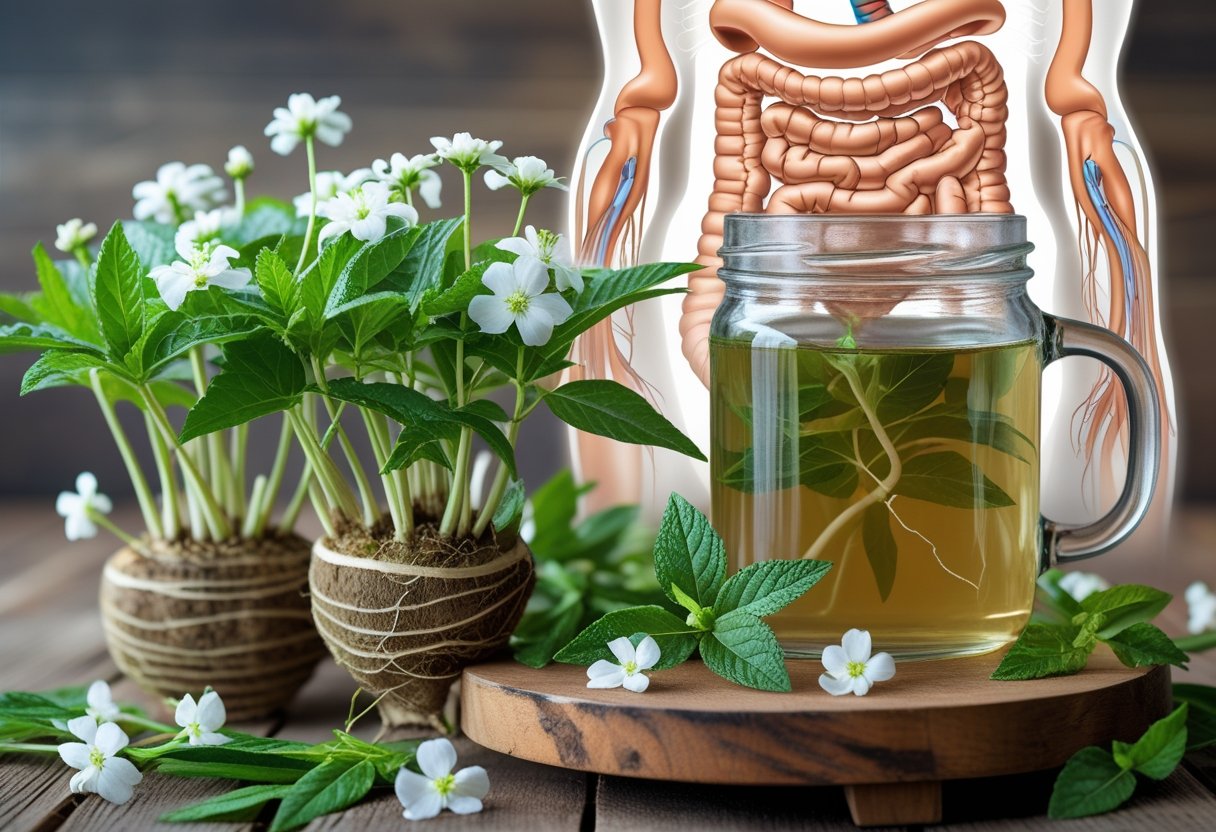
Marshmallow root contains a gel-like substance called mucilage that coats and protects tissues. This sticky compound works with antioxidants and plant chemicals to reduce inflammation and support healing throughout the body.
Role of Mucilage
Mucilage is the main active component in marshmallow root. When mixed with water, this substance swells and forms a thick, slippery gel. The gel creates a protective coating over inflamed tissues in the digestive tract, throat, and respiratory system.
This coating action shields irritated areas from further damage. The mucilage layer helps trap moisture against tissues, which keeps them from drying out. It also contains beneficial plant compounds like L-rhamnose, D-galactose, D-galacturonic acid, and D-glucuronic acid.
These compounds work together to promote tissue repair. The gel creates a physical barrier that protects the mucosal lining within the digestive tract and respiratory passages. This protective film forms quickly after consumption and can provide immediate relief to irritated areas.
Anti-Inflammatory and Antioxidant Actions
Marshmallow root contains antioxidants that fight free radicals in the body. Free radicals are unstable molecules that damage cells and cause inflammation. The plant’s antioxidants neutralize these harmful molecules before they can cause tissue damage.
The root also contains flavonoids and other plant compounds that reduce inflammation. These substances help calm overactive immune cells that contribute to swelling and pain. Studies show marshmallow root can prevent cell damage and support healthy functioning in various body systems.
The combination of vitamins, antioxidants, and tannins works on multiple levels. These components support the immune system while reducing inflammatory responses throughout the body.
Soothing Properties
The soothing effects of marshmallow root provide relief for irritated tissues. The mucilage coating reduces pain signals from inflamed areas in the throat, stomach, and skin. This protective layer allows damaged tissues to heal without constant irritation.
The plant’s antibacterial properties add another level of protection. These compounds can kill certain types of bacteria that cause infections in the respiratory and urinary systems. The combination of coating action and germ-fighting abilities makes marshmallow root effective for multiple conditions.
The herb also helps reduce skin irritation when applied topically. The same mucilage that soothes internal tissues can calm inflamed skin conditions like eczema and contact dermatitis.
Health Benefits of Marshmallow Root
Marshmallow root provides therapeutic effects for multiple body systems through its mucilage content and anti-inflammatory compounds. The herb targets digestive issues, respiratory conditions, and skin problems with specific mechanisms that reduce irritation and promote healing.
Digestive System Support
The marshmallow plant creates a protective coating along the digestive tract that shields inflamed tissues from stomach acid and irritants. Marshmallow root contains vitamins, antioxidants, and tannins that work together to prevent cell damage and maintain healthy mucosal linings throughout the digestive system.
Studies show marshmallow root extract may help with acid reflux, GERD, and gastritis by forming a barrier between stomach contents and sensitive tissue. The herb also demonstrates potential benefits for mouth ulcers and digestive ulcers through its soothing properties.
Marshmallow root tea offers an easy way to consume the herb for digestive health. People typically steep the root in hot water for 10-15 minutes to release the beneficial compounds. The dosing generally ranges from 0.5 to 5 grams in water taken three times daily.
Respiratory System Relief
Marshmallow root treats coughs and throat pain by coating the respiratory system with an antioxidant-rich film. This protective layer covers inflamed mucosa in the nose, throat, and lungs to reduce irritation immediately.
The herb works as a natural expectorant for bronchitis and helps clear mucus from airways. Its antibacterial properties also fight infections that cause respiratory symptoms. People with dry cough or sore throat find relief from herbal teas containing marshmallow root.
The effects happen quickly after consumption. The mucilage creates a smooth coating that calms irritated respiratory tissues and speeds up healing time.
Skin Healing and Protection
Marshmallow root reduces skin irritation and skin inflammation through its antioxidant and protective properties. The herb contains antibacterial compounds that kill certain bacteria and enhance immune system function for faster wound healing.
Research shows marshmallow root helps with eczema and wound healing when applied topically. One study found that 1% marshmallow root ointment improved skin irritation in children when applied twice daily for one week, then three times weekly for three weeks.
The plant compounds in marshmallow root support healthy cell function in both skin and hair. This makes it a common ingredient in natural skincare products and topical creams designed to treat irritated or damaged skin.
Digestive System Support
Marshmallow root contains mucilage that forms a protective coating along the digestive tract, which helps calm inflammation and shield sensitive tissues from irritation. This natural barrier supports healing for several common digestive conditions.
Relief for Acid Reflux and GERD
The mucilage in marshmallow root creates a slippery coating that protects the esophagus from stomach acid. When someone experiences acid reflux or GERD, stomach acid flows back into the esophagus and causes burning sensations. This protective layer covers the esophageal lining and reduces direct contact with harsh acids.
People who drink marshmallow root tea for digestive support often notice reduced heartburn symptoms. The herb works by soothing inflamed tissues rather than neutralizing stomach acid like antacids do. This makes it a gentler option for ongoing digestive health maintenance.
The coating effect happens quickly after consumption. It travels down the entire digestive tract and provides relief at multiple points along the way.
Support for Gastritis and Ulcers
Gastritis involves inflammation of the stomach lining that causes pain and discomfort. Marshmallow root helps soothe this inflamed tissue through its anti-inflammatory properties and protective mucilage coating.
The herb offers particular benefits for ulcers related to NSAID use. These medications can damage the stomach lining over time. Marshmallow root forms a barrier over the stomach’s inner surface that reduces direct contact between harsh substances and vulnerable tissue.
This protective mechanism gives damaged areas time to heal. The mucilage stays intact as it moves through the digestive system, which means it continues providing benefits throughout its journey.
Gut Lining Protection
The gut lining acts as a barrier between the digestive system and bloodstream. When this barrier becomes permeable, undigested food particles and toxins can leak through and trigger inflammation. Marshmallow root strengthens the mucus layer that forms part of the gut’s natural defense system.
This mucus layer sits between the gut microbiome and the intestinal wall. By reinforcing this protective coating, marshmallow root helps maintain proper gut barrier function. This support proves especially valuable for people dealing with food sensitivities or chronic digestive issues.
The polysaccharides in marshmallow root also promote cell regeneration. This combination of protection and healing support makes it useful for long-term gut health maintenance rather than just symptom relief.
Respiratory Benefits
Marshmallow root contains mucilage, a thick substance that coats and soothes irritated tissues in the respiratory system. This natural coating helps reduce inflammation and supports the body’s healing process for common respiratory complaints.
Soothe Sore Throat and Dry Cough
The mucilage in marshmallow root forms a protective layer over throat tissues when consumed as a tea or lozenge. This coating action helps reduce irritation and discomfort in people experiencing a sore throat.
Research from 2018 found that marshmallow root extract in lozenges or syrups helped reduce dry cough irritation, often within 10 minutes of use. The herb appears to work by loosening mucous while also blocking bacterial activity.
People often use marshmallow root in teas and lozenges for quick symptom relief. The thick mucilage coats the throat and reduces the cough reflex, which promotes more comfortable breathing during respiratory infections.
Easing Bronchitis and Breathing Symptoms
Marshmallow root may help people dealing with bronchitis and other breathing difficulties. The herb acts as a natural expectorant, helping the respiratory system remove excess mucus more efficiently.
The mucilaginous compounds coat throat and lung tissues, which reduces cough frequency and calms respiratory irritation. This soothing action can be particularly helpful for people with inflamed airways.
The most-studied benefits of marshmallow root have focused on treating respiratory tract symptoms. The herb decreases coughs and speeds up mucus removal while helping damaged tissues heal. However, more research is needed to fully understand how effective marshmallow root extract is for specific bronchitis symptoms.
Skin and Wound Healing Uses
Marshmallow root contains natural compounds that help calm irritated skin and speed up the healing process. The plant’s anti-inflammatory properties make it effective for treating various skin conditions and minor wounds.
Management of Eczema and Skin Irritation
Marshmallow root helps soothe skin irritations through its combination of mucilage and anti-inflammatory compounds. These natural substances create a protective layer on the skin that reduces redness and discomfort.
A clinical study found that 1% marshmallow root ointment effectively treated skin irritation in children when applied twice daily for one week, then three times weekly for three weeks. The treatment of eczema and contact dermatitis benefits from marshmallow root’s ability to reduce inflammation and protect damaged skin.
The herb works by coating irritated areas with a soothing film. This protective barrier helps lock in moisture while allowing the skin to heal naturally. People with dry, sensitive skin often find relief from marshmallow root products because the plant’s mucilage content hydrates without causing further irritation.
Wound Healing and Inflammation Reduction
Marshmallow root accelerates wound healing through its antibacterial and immune-enhancing properties. Research shows it can kill certain bacteria types and promote faster recovery from minor cuts, burns, and abrasions.
The plant contains beneficial compounds including L-rhamnose, D-galactose, D-galacturonic acid, and D-glucuronic acid. These substances work together to repair damaged tissue and reduce swelling. Antioxidants in the root prevent cell damage during the healing process.
When applied topically, marshmallow extract creates conditions that support tissue repair. The anti-inflammatory effects help minimize swelling around wounds while the antibacterial properties protect against infection. This dual action makes it useful for treating minor burns, insect bites, and small cuts that need gentle care.
Additional Benefits and Uses
Marshmallow root offers several lesser-known health advantages beyond its primary uses for digestive and respiratory support. The herb shows promise for oral health conditions, immune function, nursing mothers, and metabolic balance.
Oral Health and Mouth Ulcers
The protective film that marshmallow root creates can help with oral health issues. When consumed as a tea or applied topically, it coats the tissues inside the mouth. This coating may reduce irritation from mouth ulcers and canker sores.
The anti-inflammatory properties in marshmallow root work to calm swollen or damaged areas in the mouth. People often use marshmallow root tea as a gentle mouth rinse for these conditions. The mucilage content creates a barrier over sensitive spots.
This same coating action that soothes the throat can protect raw or inflamed areas in the mouth. The herb’s natural antibacterial properties may also help prevent infection in mouth wounds.
Hydration and Immune System Support
Marshmallow root contains compounds that may support healthy immune function. Research indicates the herb has immune-enhancing properties that can help the body fight certain types of bacteria. The antioxidants present in the root protect immune cells from damage.
The mucilage in marshmallow root holds water, which helps keep mucous membranes moist throughout the body. This hydration effect supports the body’s first line of defense against germs. Well-hydrated tissues function better at trapping and removing harmful particles.
The root’s ability to reduce water retention also supports healthy fluid balance in the body. This occurs through its mild diuretic properties without depleting essential minerals.
Breastfeeding Comfort
Marshmallow root contains specific plant compounds that can treat sore and cracked nipples during breastfeeding. These include L-rhamnose, D-galactose, D-galacturonic acid, and D-glucuronic acid. The soothing properties help reduce pain and promote healing of damaged skin.
Nursing mothers can apply marshmallow root salves or creams to affected areas. The anti-inflammatory effects reduce swelling and discomfort. However, no research exists on whether marshmallow root passes into breast milk or its safety for infants.
Women who are breastfeeding should talk to their healthcare provider before using marshmallow root products. While likely safe, professional guidance ensures proper use.
Potential for Blood Sugar Balance
Some research suggests marshmallow root may affect hormone levels related to metabolism. A 2014 animal study found that marshmallow root extract impacted thyroid-stimulating hormone and metabolic processes. These hormonal effects could influence how the body processes sugar.
The potential impact on blood sugar means people with diabetes need to exercise caution. Taking marshmallow root alongside diabetes medications could lead to hypoglycemia or dangerously low blood sugar levels. Anyone using blood sugar-lowering drugs should avoid marshmallow root or consult their doctor first.
More human studies are needed to understand how marshmallow root affects glucose metabolism. The current evidence remains limited to animal research.
How to Use Marshmallow Root Safely
Marshmallow root comes in several forms, each with specific dosage guidelines and safety considerations. Understanding proper preparation methods and potential herb interactions helps users get the most benefit while avoiding unwanted effects.
Tea, Extracts, and Topical Applications
Marshmallow root tea is one of the most popular ways to use this herb. Users can steep commercial tea bags in boiling water for 5 to 10 minutes following package directions. Making a cold infusion preserves beneficial compounds that heat can destroy, which is important for getting the full demulcent effects.
Marshmallow root extract is available in capsules and tinctures at natural food stores and online retailers. These concentrated forms offer convenience for people who don’t enjoy herbal teas. Topical applications include creams and salves that can be applied directly to skin irritations or wounds.
For skin conditions, one study used a 1% marshmallow root ointment applied twice daily for one week, then three times weekly for three more weeks. People should always patch test new topical products on a small area first to check for allergic reactions.
Recommended Dosage Guidelines
Standard dosage ranges from 0.5 to 5 grams in 150 milliliters of water taken three times daily. Root syrup or liquid marshmallow root is commonly dosed at 2 to 8 milliliters per day. These guidelines come from the European Scientific Cooperative on Phytotherapy.
Capsule and tincture directions vary by product and manufacturer. Some products contain only marshmallow root while others blend it with additional herbal ingredients. Users should follow the specific instructions on their product label.
The FDA does not regulate herbal supplements the same way it regulates prescription drugs. People should look for independently tested products and talk to a healthcare provider before starting any new supplement.
Combining with Other Herbs
Marshmallow root is often combined with other herbs in commercial herbal teas and remedies. Common pairings include chamomile for digestive support and licorice root for respiratory relief. Slippery elm shares similar mucilage properties and is frequently paired with marshmallow root in throat lozenges.
Marshmallow root should not be taken with lithium, diabetes medications, or diuretics like blood pressure medication. It may affect how the body absorbs other oral medications. Users should take marshmallow root at least one hour before or two hours after taking other medications to avoid interactions.
People who are pregnant, breastfeeding, or taking prescription medications should consult their healthcare provider before combining marshmallow root with other herbs or supplements.
Side Effects and Precautions
Marshmallow root is generally safe for most people when used short-term, but it can cause allergic reactions in some individuals and may interact with certain medications. Pregnant women, nursing mothers, and people taking specific drugs should exercise caution before using this herb.
Possible Allergic Reactions
Some people experience allergic reactions to marshmallow root, though these cases are relatively rare. Symptoms may include skin rashes, itching, or swelling after contact with the herb.
When applied directly to the skin, marshmallow root ointments or creams can cause irritation in sensitive individuals. Anyone who notices redness, burning, or discomfort should stop using the product immediately.
People with known allergies to plants in the mallow family should avoid marshmallow root entirely. Testing a small amount on the skin before full use helps identify potential reactions early.
Drug Interactions and Safety Considerations
Marshmallow root can interfere with how the body absorbs certain medications. The mucilage in the plant forms a coating in the digestive tract that may block or slow down drug absorption.
Drug interactions are a concern with lithium, diabetes medications, and blood pressure drugs. People taking lithium should be particularly careful, as marshmallow root may affect lithium levels in the body. Those on diabetes medications might experience changes in blood sugar control.
The herb may also interact with diuretics and other blood pressure medications. Anyone taking prescription drugs should talk to a doctor before adding marshmallow root to their routine. Taking medications at least one hour before or two hours after marshmallow root can help reduce interaction risks.
Usage for Sensitive Groups
Pregnant women should avoid marshmallow root due to limited safety data. The herb may not be safe during pregnancy, and experts recommend steering clear until more research confirms its safety.
Breastfeeding mothers should also exercise caution. There is not enough reliable information about whether marshmallow root passes into breast milk or affects nursing infants.
Children can be more sensitive to herbal supplements than adults. Parents should consult a pediatrician before giving marshmallow root to children in any form, whether as tea, capsules, or topical treatments.
Frequently Asked Questions
Marshmallow root has been used for centuries to address various health concerns, from digestive problems to respiratory symptoms. Research shows it contains beneficial compounds like mucilage that may help protect tissues and reduce irritation.
How can marshmallow root support digestive health?
Marshmallow root contains a sticky substance called mucilage that forms a gel when mixed with water. This gel may coat and soothe the lining of the digestive tract.
Studies on marshmallow root show it has protective properties for treating gastrointestinal ulcers. The plant compounds in marshmallow root, including tannins, may help promote a healthy mucosal lining in the mouth, throat, and stomach.
The vitamins and antioxidants in marshmallow root can prevent cell damage in the digestive system. However, more human studies are needed to confirm these effects.
What are the potential skin benefits of using marshmallow root?
Marshmallow root can reduce skin irritation and inflammation associated with wounds or conditions like contact dermatitis and eczema. The antioxidant properties support healthy cell functioning, which promotes better skin health.
Research indicates marshmallow root has immune-enhancing and antibacterial properties. These properties can kill certain types of bacteria and speed up wound healing.
One study found that 1% marshmallow root ointment applied twice daily was effective in treating skin irritation in children. The plant is sometimes used as an ingredient in natural shampoos and conditioners to support healthy hair.
Is marshmallow root effective in soothing respiratory issues?
Marshmallow root is used to relieve coughs and throat pain. The mucilage in the root creates a protective film that coats the inflamed inner lining of the nose, throat, and lungs.
This coating soothes irritation and helps relieve coughs quickly. The antibacterial properties in marshmallow root can also treat coughs caused by bacterial infections like bronchitis or pneumonia.
People often use marshmallow root in teas and lozenges for quick symptom relief. The effects appear to be immediate and offer antioxidant-rich protection to the respiratory tract.
What role does marshmallow root play in holistic medicine?
Marshmallow root has been used as a natural remedy for centuries due to its antibacterial and antioxidant properties. Holistic practitioners use it to address respiratory, digestive, and skin health concerns.
The plant is available in several forms including teas, capsules, tinctures, and topical creams. Dosing guidelines suggest 0.5 to 5 grams in 150 milliliters of water taken three times daily.
Marshmallow root has anti-inflammatory and diuretic properties that may reduce water retention. It may also help cleanse the bladder and inhibit bacteria growth in the urinary tract.
How does marshmallow root contribute to overall immune system function?
Marshmallow root contains compounds that have immune-enhancing properties. These compounds may help the body fight off bacterial infections more effectively.
One animal study found that marshmallow root extract affected thyroid-stimulating hormone, which plays a role in metabolism. Proper metabolism helps the body convert food and drink into energy needed for immune function.
The plant contains beneficial compounds including L-rhamnose, D-galactose, D-galacturonic acid, and D-glucuronic acid. These compounds support various body functions that contribute to overall health.
Are there any studies indicating marshmallow root’s efficacy in addressing inflammation?
Research shows marshmallow root has anti-inflammatory effects due to its mucilage content and other plant compounds. The antioxidants in the root help prevent cell damage that can lead to inflammation.
Studies demonstrate the root can reduce inflammation in the digestive tract, respiratory system, and skin. The protective coating it forms helps calm irritated tissues and reduces swelling.
The anti-inflammatory properties also help with water retention and may ease discomfort from conditions like sore throats and digestive ulcers. More human studies are needed to fully understand the extent of these anti-inflammatory benefits.
Best Marshmallow Root Products
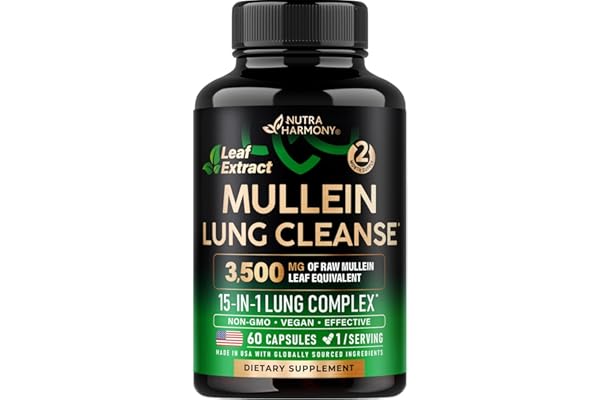
Mullein Leaf Extract for Lung Detox – Marshmallow Root – Echinacea | Oregano – Quercetin – NAC – 15-in-1 Lung Support & Cleanse for Smokers Supplement – Made in USA – As Drops, Tincture – 60 Capsules
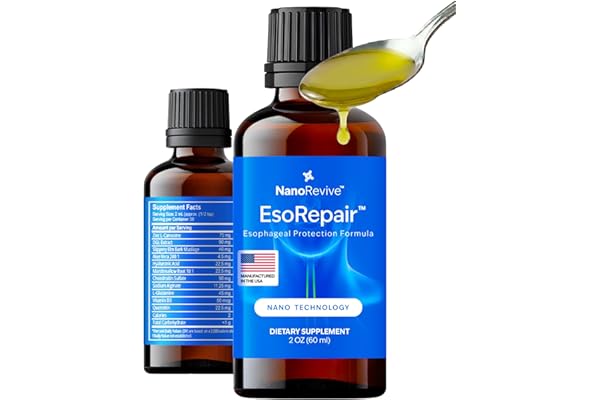
EsoRepair Nano Esophageal Health Supplements for Men & Women – Digestive Comfort, Heartburn Relief & Tissue Healing – Slippery Elm Bark, Zinc L-Carnosine & Aloe Vera Extract – Non-GMO & Dairy Free
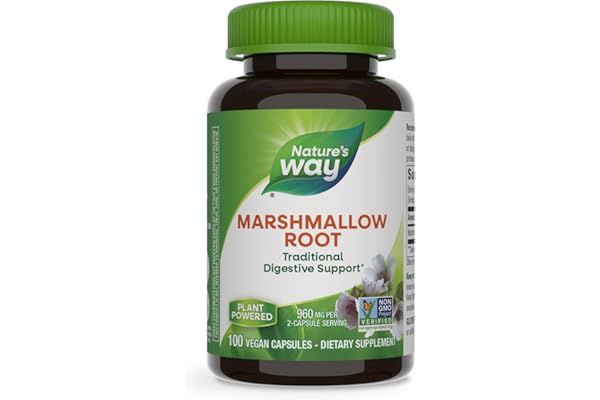
Nature’s Way Marshmallow Root – Plant-Based Herbal Supplement for Traditional Digestive Support* – Daily Wellness Supplement – Vegan, Gluten-Free & Dairy-Free – 100 Count (50 Servings)
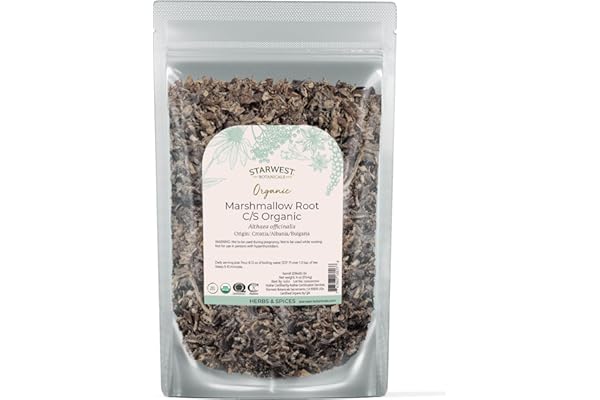
Starwest Botanicals Organic Marshmallow Root – Dried Herb for Tea, Loose Leaf Root Herb, Cut & Sifted, Certified Kosher, Non-GMO – 4 oz Pouch
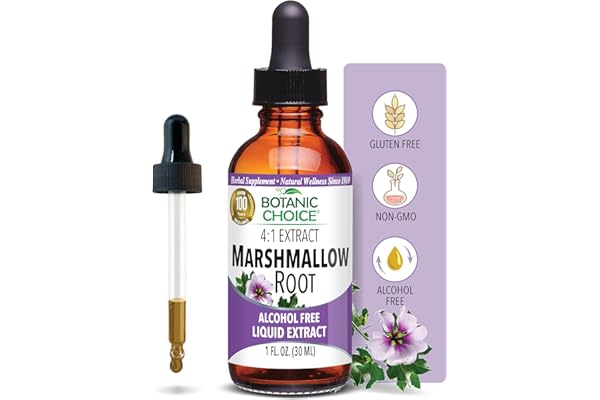
Botanic Choice Marshmallow Root Liquid Extract – Alcohol Free, Gluten Free, Traditional Throat and Respiratory Support 1 fl. oz.
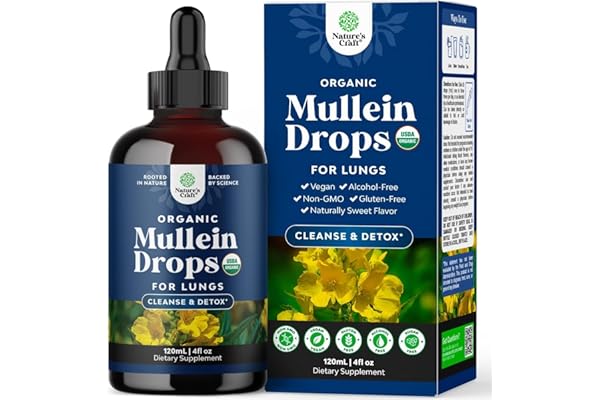
USDA Organic Mullein Drops for Lungs – Herbal Lung Detox & Cleanse with Marshmallow Root Extract & Plantain Leaf for Respiratory Lung Health – Mullein Leaf Tincture Drops for Breathing Support – 120ml