


Benefits of Neem: Health, Skin, Hair, and More
Neem is a tree native to the Indian subcontinent that has been used in traditional medicine for thousands of years. Every part of this tree offers potential health benefits, from its leaves and bark to its seeds and oil.
Neem contains over 140 active compounds that provide antibacterial, anti-inflammatory, antioxidant, and antimicrobial properties, making it useful for treating conditions ranging from skin problems and dental issues to blood sugar management and wound healing.

The tree has earned names like “the village pharmacy” because all of its parts can be used medicinally. Ancient texts describe how different parts treated various ailments. The flowers addressed bile duct problems, the leaves helped with ulcers, and the bark treated brain conditions.
Modern research is now examining these traditional uses to understand how neem works in the body. While many studies show promise, most research involves test tubes and animals rather than humans. People interested in neem should understand both its potential benefits and safety concerns before using any neem products.
Key Takeaways
- Neem offers antibacterial and anti-inflammatory benefits for skin, dental health, and wound healing
- The plant contains active compounds that may help manage blood sugar levels and support liver and kidney function
- Oral intake of neem products requires extreme caution due to potential toxicity and lack of standardized dosing
What Is Neem and Its Traditional Uses
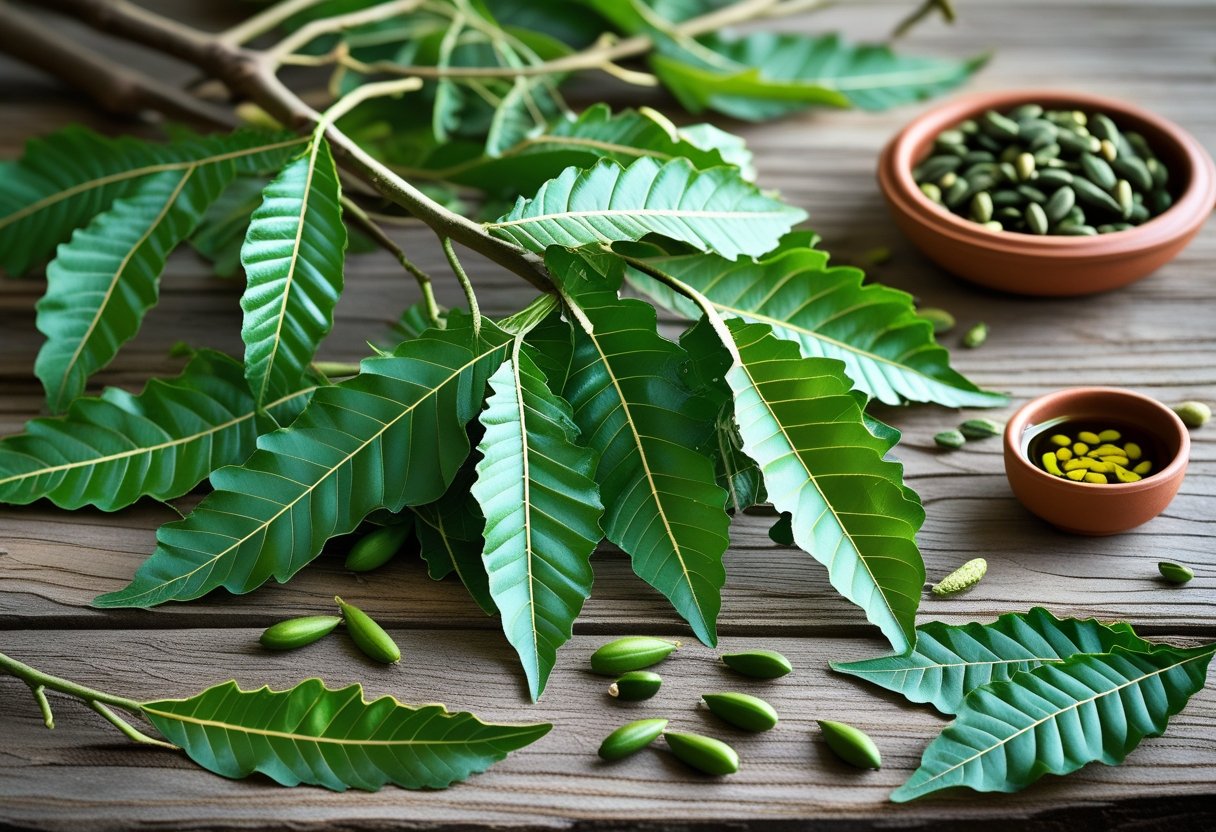
The neem tree has served as a cornerstone of traditional healing systems for thousands of years, particularly in South Asia where practitioners have utilized every part of the plant. This remarkable tree contains over 140 bioactive compounds that give it powerful antimicrobial, anti-inflammatory, and antioxidant properties.
Origins and Botanical Profile
Neem, scientifically known as Azadirachta indica, is a tree native to the Indian subcontinent. The tree can grow up to 20 meters tall and thrives in tropical and subtropical climates. It features evergreen leaves that remain green throughout the year.
Every part of the neem tree serves a purpose. The leaves, bark, flowers, seeds, fruit, and roots all contain medicinal properties. This versatility has earned neem the nickname “the village pharmacy” in traditional communities.
The tree belongs to the mahogany family and can live for up to 200 years. Its adaptability to harsh conditions and drought resistance make it valuable not just for medicine but also for environmental purposes.
Neem in Ayurveda and Traditional Medicine
Ancient manuscripts document neem’s use in Ayurveda and traditional medicine dating back centuries. Practitioners used the flowers to treat bile duct disorders, the leaves for ulcers, and the bark for brain illnesses.
Traditional healers have long relied on neem to treat pain, fever, and infections. In India, people commonly chew neem bark to promote oral hygiene and clean their teeth with neem twigs.
The plant’s role in traditional Asian medicine extends beyond India to other regions where it grows naturally. Healers valued neem for its ability to address multiple health concerns, from skin conditions to digestive problems.
Major Bioactive Compounds
Neem contains more than 140 diverse active compounds isolated from various parts of the plant. These compounds work together to create the tree’s therapeutic effects.
Key compounds include:
- Azadirachtin – fights parasites and disrupts their growth cycles
- Nimbidin – provides anti-inflammatory and antimicrobial effects
- Quercetin – acts as a powerful antioxidant
- Nimbin – contributes to anti-inflammatory properties
The seed oil contains essential fatty acids including oleic, stearic, palmitic, and linoleic acids. These fatty acids have demonstrated antibacterial and antifungal properties that support healthy skin and overall wellness.
Skin Health and Dermatological Benefits
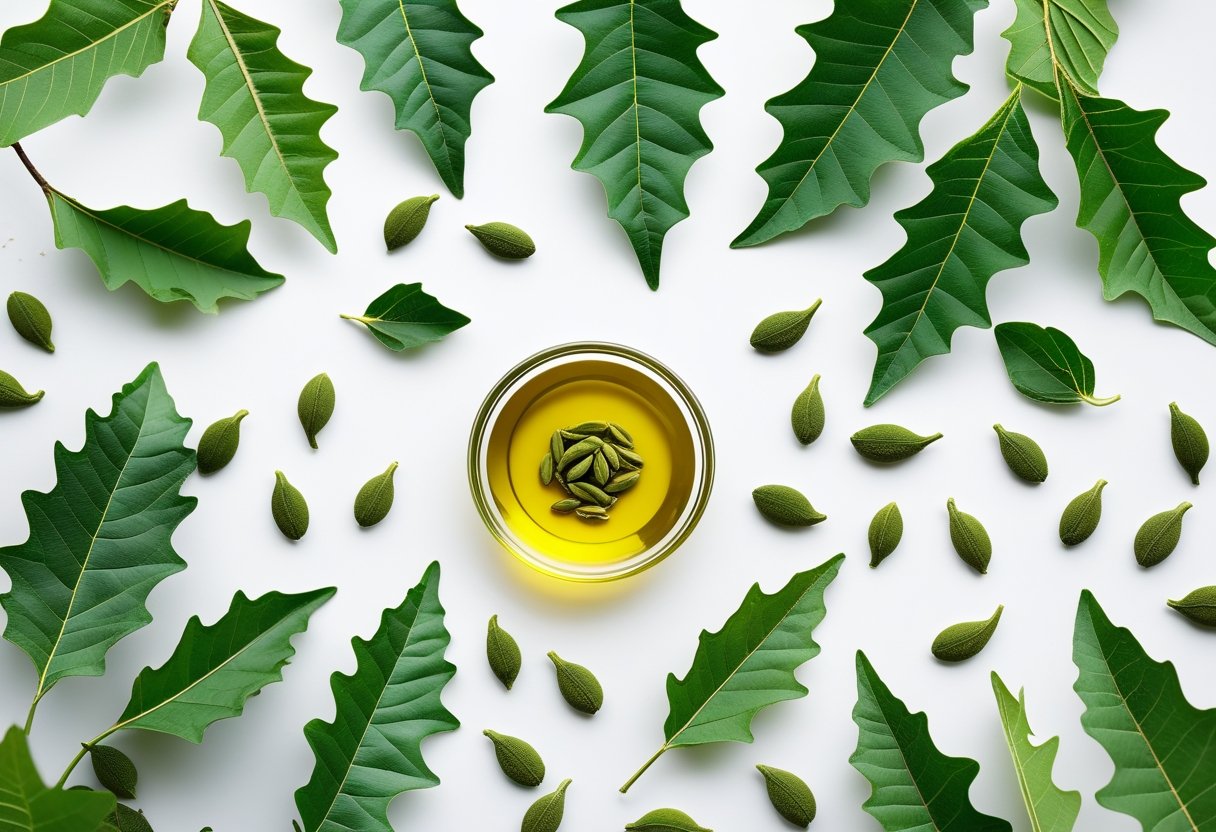
Neem provides multiple benefits for skin health through its antibacterial, antifungal, and anti-inflammatory compounds. The plant’s leaves, oil, and powder forms work to address common skin conditions while supporting overall skin vitality.
Treatment for Acne and Blemishes
Neem’s antibacterial properties make it effective against acne-causing bacteria that lead to inflammation and breakouts. The compounds in neem leaves and oil help reduce bacterial growth on the skin’s surface while calming existing inflammation.
Neem oil contains antioxidants that combat free radical damage and support clearer skin. These antioxidants work alongside neem’s natural antiseptic properties to prevent infection in active blemishes. The oil penetrates pores to remove impurities and excess sebum that contribute to acne formation.
Neem products come in various forms for acne treatment:
- Neem oil: Applied directly to affected areas or mixed with carrier oils
- Neem powder: Combined with water or other ingredients to create face masks
- Neem leaf paste: Made from fresh or dried leaves for spot treatment
The antiseptic properties of neem help prevent future breakouts while treating current blemishes. Regular use can reduce the frequency and severity of acne flare-ups without the harsh side effects associated with some synthetic treatments.
Soothing Eczema and Psoriasis
Neem provides relief for inflammatory skin conditions like eczema and psoriasis through its anti-inflammatory compounds. The plant’s moisturizing properties help address the dryness and itching that characterize these conditions.
Research on neem for psoriasis treatment showed promising results when oral neem capsules were combined with topical treatments. Patients experienced significant reduction in symptoms without reported adverse effects. The anti-inflammatory effects help calm the overactive immune response that triggers these skin conditions.
Neem oil hydrates irritated skin while its antifungal properties address secondary infections that can complicate eczema and psoriasis. The oil creates a protective barrier that locks in moisture and shields damaged skin from environmental irritants.
Benefits of neem leaves for inflammatory skin conditions include:
- Reduced redness and swelling
- Relief from persistent itching
- Improved skin barrier function
- Prevention of infection in broken skin
Anti-Aging and Skin Nourishment
Neem supports skin health through its rich content of antioxidants that protect against premature aging. These compounds neutralize free radicals that damage skin cells and accelerate the appearance of wrinkles and fine lines.
The vitamin E present in neem oil nourishes skin and supports cellular repair. This essential nutrient works with other antioxidants to maintain skin elasticity and firmness. Regular application of neem products helps maintain a more youthful appearance by supporting the skin’s natural renewal processes.
Neem’s moisturizing properties keep skin hydrated and supple. The oil absorbs into deeper skin layers without leaving a greasy residue, making it suitable for various skin types. Its fatty acid content strengthens the skin barrier and prevents moisture loss.
The combination of nutrients in neem products supports overall skin vitality. These benefits extend beyond surface improvements to promote healthier skin at the cellular level. Users may notice improved skin texture, tone, and radiance with consistent use of neem-based skincare products.
Oral and Dental Health Advantages
Neem offers powerful benefits for maintaining healthy teeth and gums through its natural antibacterial compounds. The plant helps fight cavity-causing bacteria while providing relief from common dental problems.
Prevention of Gum Disease and Cavities
Neem targets harmful bacteria like Streptococcus mutans, which causes tooth decay and cavities. Its antibacterial properties work by preventing bacteria from forming plaque and biofilms on tooth surfaces.
The plant contains two key compounds that support oral health:
- Nimbidin – reduces inflammation in gum tissue
- Azadirachtin – fights bacteria and protects against infection
Studies show that neem helps reduce plaque buildup and prevents gum inflammation. People who use neem products regularly experience less bleeding from their gums. The anti-inflammatory effects calm swollen gum tissue and may lower the risk of gingivitis and periodontitis.
Neem also reduces acid production in the mouth. This protects tooth enamel from erosion and keeps teeth stronger over time. Daily use of neem toothpaste or mouthwash helps maintain healthier gum tissues and prevents serious gum disease from developing.
Natural Toothbrush and Bad Breath Relief
Traditional neem twigs serve as effective natural toothbrushes that have been used for centuries. A person can chew the end of a fresh neem twig until it forms bristles, then use it to clean teeth without any toothpaste.
Neem leaves eliminate odor-causing bacteria in the mouth. Chewing fresh neem leaves or using neem-based mouthwash provides fresh breath throughout the day. The natural astringent properties also remove surface stains from tooth enamel.
For bad breath relief, people can:
- Chew fresh neem leaves after meals
- Rinse with neem mouthwash twice daily
- Add neem oil drops to regular toothpaste
The plant’s antifungal properties fight Candida albicans, which can cause mouth infections and contribute to bad breath. This helps maintain a healthy balance of bacteria in the mouth naturally.
Benefits for Hair and Scalp
Neem provides multiple advantages for maintaining healthy hair and treating common scalp problems. The plant’s natural compounds work to nourish hair follicles while fighting the microorganisms that cause infections and irritation.
Strengthening Hair and Stimulating Growth
Neem oil contains fatty acids that nourish the scalp and create favorable conditions for hair growth. These nutrients help strengthen hair follicles from the root, which can reduce breakage and improve overall hair health.
Massaging the scalp with diluted neem oil boosts blood circulation to hair follicles. This increased blood flow delivers more oxygen and nutrients to the roots, potentially stimulating dormant follicles and encouraging new growth.
The antioxidants in neem oil protect hair from environmental damage and oxidative stress. Regular application may help prevent premature graying of hair by maintaining scalp health and reducing damage to hair pigment cells.
Neem leaves and oil should be diluted with carrier oils like coconut or jojoba before application. Users can apply the mixture to their scalp and hair, leaving it on for an hour or overnight before washing.
Managing Scalp Infections and Dandruff
The antifungal properties of neem make it effective against various scalp infections. Studies show that neem preparations can eliminate head lice infestations and fight fungal conditions like ringworm.
Neem contains nimbidin, a compound with anti-inflammatory effects that helps treat dandruff. The plant’s antimicrobial action targets the fungi responsible for flaking and itching, providing relief from scalp irritation.
People dealing with dandruff can mix a few drops of neem oil with their regular shampoo. For more intensive treatment, applying diluted neem oil directly to the scalp two to three times per week addresses persistent infections and reduces inflammation.
The antiseptic qualities in neem oil help maintain a clean, balanced scalp environment. This prevents the buildup of dead skin cells and excess oils that contribute to dandruff and other scalp conditions.
Immune Support and Anti-Inflammatory Actions
Neem provides dual benefits through its ability to strengthen the body’s natural defenses while reducing harmful inflammation. The plant contains compounds that work to enhance immune function and ease pain associated with inflammatory conditions.
Boosting Immune System Defenses
Neem boosts the immune system by helping the body fight off infections and diseases more effectively. The leaves contain high levels of antioxidants that protect cells from oxidative stress and damage caused by free radicals.
These antioxidants work alongside other active compounds to support immune system function. Research shows that neem’s immunomodulatory action helps regulate immune responses in the body. This means the plant doesn’t just stimulate the immune system blindly but helps it respond appropriately to threats.
The antibacterial and antifungal properties found in neem extracts provide additional protection against pathogens. When combined with its detoxification support, neem offers a comprehensive approach to maintaining strong immune defenses. Regular use of quality neem supplements may help the body resist common infections and recover more quickly when illness occurs.
Alleviating Joint Pain and Swelling
Neem’s anti-inflammatory compounds help reduce symptoms of arthritis, rheumatism, and other inflammatory conditions. These properties make neem a valuable option among medicinal herbs for managing chronic pain.
Applying neem oil or extract to affected areas can reduce pain and discomfort associated with joint issues. The anti-inflammatory properties help calm swelling and provide relief to those dealing with arthritis symptoms. Regular application may enhance mobility and improve overall joint function.
Inflammation plays a role in many diseases beyond joint conditions. Neem extracts work as anti-inflammatory agents that support the body’s natural response to inflammation throughout various systems. This makes neem useful for managing lymphatic congestion and other inflammation-related health concerns.
Role in Blood Sugar and Metabolic Health
Neem contains compounds that help control blood glucose levels and improve how the body responds to insulin. Studies show neem can reduce high blood sugar through multiple biological pathways while supporting overall metabolic function.
Diabetes Management and Blood Sugar Regulation
Neem leaves contain active compounds that help regulate blood glucose levels in people with diabetes. Research demonstrates that neem works by slowing down carbohydrate absorption in the digestive system and helping maintain stable blood sugar levels throughout the day.
The plant achieves this through up-regulation of glucose transporter 4 (GLUT4) and inhibition of key intestinal enzymes such as glucosidases. These mechanisms prevent rapid spikes in blood glucose after meals.
Neem also activates the transcription factor nuclear factor erythroid 2-related factor 2 (Nrf2), which reduces oxidative stress. This is important because oxidative stress accelerates the development of diabetes complications.
While neem leaves are not a cure for diabetes, they offer potential benefits when combined with proper medical care, a balanced diet, and regular exercise. People using neem for diabetes management typically consume it as fresh leaves, neem powder, or extracts.
Improving Insulin Sensitivity
Neem enhances how cells respond to insulin in the body. This effect is particularly valuable for people with metabolic syndrome or type 2 diabetes, where insulin resistance is a primary concern.
The plant’s bioactive compounds work to increase insulin sensitivity while also enhancing insulin secretion from the pancreas. This dual action helps the body use glucose more efficiently and maintain better blood sugar control.
Studies on metabolic syndrome show neem’s protective effects extend beyond blood sugar regulation. The plant helps address multiple metabolic issues including obesity, high blood pressure, and dyslipidemia that often occur together.
Anti-oxidant effects play an important role in how neem protects against metabolic dysfunction. The plant restores activity of protective enzymes and reduces markers of cellular damage that interfere with normal insulin function.
Digestive, Liver, and Detoxification Benefits
Neem supports the body’s natural cleansing processes through multiple pathways. It helps maintain digestive balance, removes toxins from the blood, and protects liver cells from damage.
Promoting Gut and Digestive Health
Neem acts as a natural antimicrobial agent in the digestive system. It helps eliminate harmful bacteria from the stomach and intestines while supporting the growth of beneficial gut bacteria. This selective action makes it valuable for maintaining a healthy gut environment.
People who struggle with indigestion may find relief through neem consumption. The herb stimulates digestive enzymes and promotes proper breakdown of food. It also helps address constipation by supporting regular bowel movements and cleansing the colon.
Neem has traditionally been used to combat intestinal worms and parasites. Its compounds work to expel these organisms from the digestive tract. Regular use keeps the intestines clean and free from infection.
Both neem seeds and neem fruit contain compounds that benefit digestive health. These parts of the plant help reduce inflammation in the gut lining and support overall intestinal function.
Detoxification and Blood Purification
Neem functions as a blood purifier by helping the body eliminate waste products and toxins. Its antioxidants neutralize harmful substances that circulate through the bloodstream. This cleansing action supports the body’s natural detoxification processes.
The herb works by facilitating the elimination of impurities from the blood. It helps filter out unwanted chemicals and metabolic waste. Clean blood means better oxygen delivery to tissues and improved overall health.
Neem’s detoxification properties extend beyond just blood cleansing. It supports the kidneys in removing waste products and helps maintain proper fluid balance. The herb also assists the lymphatic system in clearing cellular debris.
Supporting Liver Function
The liver performs hundreds of essential tasks including filtering toxins and producing bile. Neem protects the liver and enhances its ability to process unwanted chemicals while strengthening overall liver function. This protective effect is called hepatoprotection.
Research shows that neem leaves contain antioxidants that shield liver cells from damage caused by free radicals. These compounds help the liver regenerate and maintain its normal structure. A healthy liver processes nutrients more efficiently and removes toxins more effectively.
Neem supports liver health by improving bile production and flow. Proper bile function is necessary for fat digestion and the elimination of certain waste products. The herb also helps reduce inflammation in liver tissue that can occur from various stressors.
Antimicrobial, Antiseptic, and Insecticidal Properties
Neem provides powerful protection against harmful microorganisms and pests through its unique chemical compounds. The plant’s natural ability to repel insects and prevent infections makes it valuable for both agricultural and medical applications.
Natural Insect Repellent Benefits
Neem works as a broad-spectrum pesticide and fertilizer in agricultural settings worldwide. The compound azadirachtin serves as the primary active ingredient responsible for its insect-repelling effects.
This chemical disrupts insect feeding patterns and interferes with their growth cycles. Farmers apply neem products at approximately 600 pounds per acre to protect crops from pest damage.
Key insecticidal properties include:
- Antifeedant effects that discourage insects from eating treated plants
- Toxic compounds that harm insect development
- Safe application for beneficial organisms and mammals
Neem oil extracted from seeds contains concentrated amounts of these protective compounds. People use neem oil topically for conditions like lice without experiencing major side effects. Studies showed 156 adults and 110 children tolerated external exposure to 1% neem oil for one year without adverse reactions.
Wound Healing and Infection Prevention
Neem demonstrates strong antibacterial and antifungal properties that support wound recovery and prevent infections. The plant’s antiseptic qualities come from multiple phytochemicals working together to fight harmful microorganisms.
These compounds attack bacteria by disrupting cell membranes and inhibiting essential enzymes. They also interfere with DNA replication in microbes, which stops their growth and spread.
Neem oil applications help treat various skin conditions including acne, eczema, and psoriasis. The antimicrobial effects reduce bacterial populations on the skin surface while the antiseptic properties clean and protect damaged tissue.
Research shows neem extracts work against drug-resistant bacterial strains that standard antibiotics cannot eliminate. This makes neem particularly valuable as antibiotic resistance becomes more common in healthcare settings.
Frequently Asked Questions
Neem offers antibacterial properties for skin conditions, supports oral hygiene through natural compounds, and contains nutrients that benefit hair and digestive health. The plant also shows potential in blood sugar management and serves as a natural solution for garden pest control.
How does neem contribute to skin health?
Neem contains antibacterial and anti-inflammatory compounds that help reduce acne by clearing bacteria and excess oil from the skin. The plant’s antioxidants work to minimize scarring and maintain a clearer complexion over time.
Neem paste addresses various skin conditions including psoriasis, eczema, and warts. Neem seed oil contains fatty acids like oleic, stearic, palmitic, and linoleic acids that provide anti-inflammatory and antimicrobial benefits.
The antifungal properties in neem powder and oil treat infections like athlete’s foot when applied to affected areas. These compounds eliminate the infection while keeping the surrounding skin and immune system safe from harm.
What are the dental benefits associated with using neem?
Neem serves as a popular ingredient in oral health products due to its antiseptic and anti-inflammatory properties. These qualities help address dental concerns like gingivitis, periodontitis, and tooth decay.
The plant prevents bacteria from settling on tooth surfaces, which reduces plaque buildup. A 21-day study found that neem-based mouthwash performed as well as chlorhexidine in reducing gum bleeding and plaque in people with gingivitis.
Neem’s immune-boosting and antioxidant attributes support overall oral health maintenance. The antiseptic nature of neem helps alleviate pain associated with various dental issues.
Can neem be used to support plant growth and pest management?
Neem seed extract contains azadirachtin, a compound that disrupts the growth and reproductive cycles of various pests. This makes it effective as a natural insecticide for gardens and agricultural applications.
The oil extracted from neem leaves works as a pest repellent without toxic effects on plants or beneficial insects. Neem products provide an eco-friendly alternative to chemical pesticides for organic pest control.
Neem also functions as a biodegradable fertilizer that enriches soil health. The plant’s versatility extends to creating sustainable solutions for maintaining healthy gardens and crops.
What are the advantages of neem in hair care?
Neem seed extract eliminates head lice effectively through its rich azadirachtin content, which disrupts the parasites’ life cycle. A single application of neem seed extract shampoo can treat head lice infestations.
The antifungal and antibacterial properties in neem keep the scalp moisturized and eliminate dandruff. Neem strengthens hair and promotes scalp health through its natural compounds.
Neem-based hair products help maintain a healthy scalp environment. The plant’s active ingredients address both hair and skin parasites while supporting overall hair wellness.
How does neem impact digestive wellness?
Neem reduces inflammation in the digestive tract, which helps address issues like ulcers, constipation, bloating, and cramping. The plant acts as a healing agent for certain gastrointestinal infections while preserving beneficial gut bacteria.
Research shows that 100 mg of neem oil applied twice daily treats persistent skin ulcers effectively. Consuming 30-60 mg of neem extract twice daily for ten weeks led to full recovery of duodenal ulcers in studies.
Neem stimulates liver function, helping the body eliminate toxins more quickly. This detoxification process optimizes metabolic activities and supports digestive system health.
What role does neem play in managing blood sugar levels?
Neem’s chemical components optimize insulin receptor function in the body. This helps ensure appropriate insulin levels and protects against diabetes development.
Animal studies indicate a connection between reduced insulin demand and neem consumption. The plant may help diabetics minimize their dependence on insulin therapy, though more human research is needed.
Neem extract shows promise in managing blood sugar levels for people with diabetes. However, individuals should consult healthcare professionals before using neem as part of diabetes management.
Top Neem Herbal Products
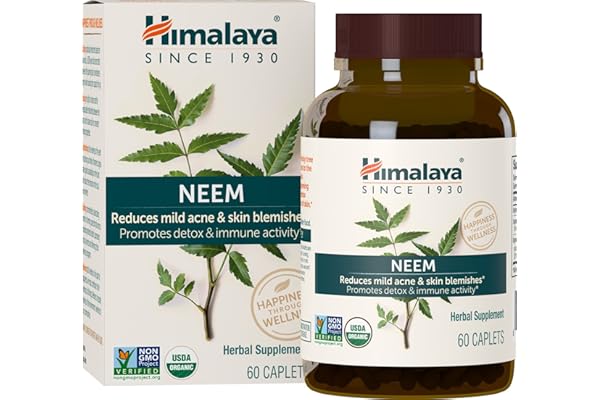
Himalaya Organic Neem, 60 Day Supply – Herbal Acne Supplements Supporting Clear Skin and Detox – USDA Organic, Vegan, Non-GMO, Gluten Free, 600 mg, 60 Caplets
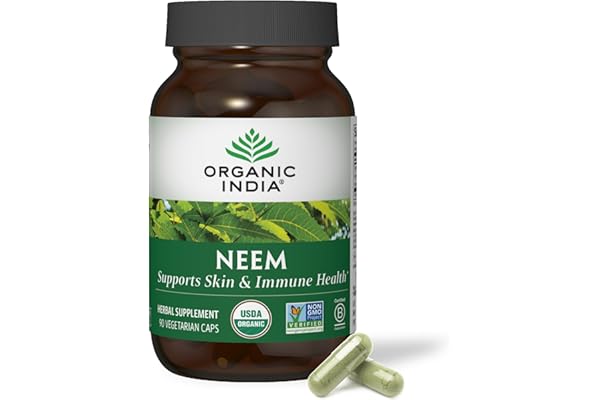
ORGANIC INDIA Neem Leaf Capsules – Herbal Supplement, Supports Skin & Immune Health, Vegan, Gluten Free, USDA Certified Organic – 90 Count
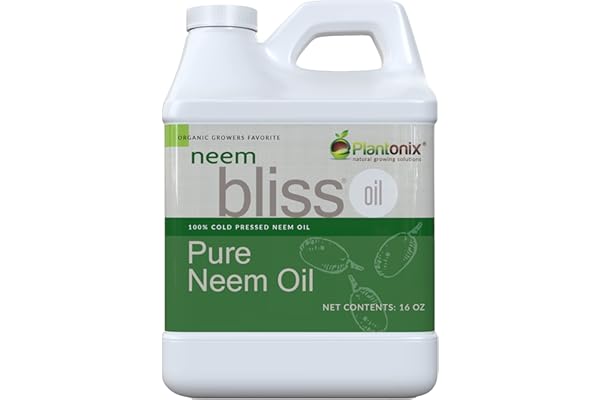
Neem Bliss (16 Fl Oz) – Pure Neem Oil Concentrate – 100% Cold Pressed Neem Oil – All-Natural Neem Oil Concentrate – Pure Neem Oil Extract – Unrefined Neem Oil for Hair – Neem Seed Oil Concentrate
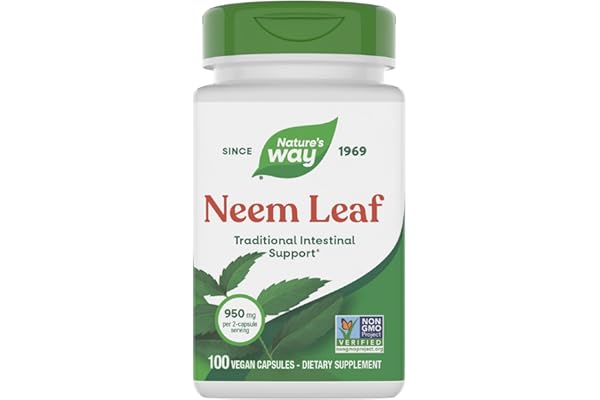
Nature’s Way Neem Leaf Capsules, Traditional Intestinal Support*, Used in Ayurveda, 950 mg per 2-Capsule Serving, Non-GMO Project Verified, Vegan, 100 Count

Carlyle Neem Leaf | 950mg | 150 Powder Capsules | Non-GMO and Gluten Free Formula | Value Size | Traditional Herbal Supplement | Azadirachta Indica
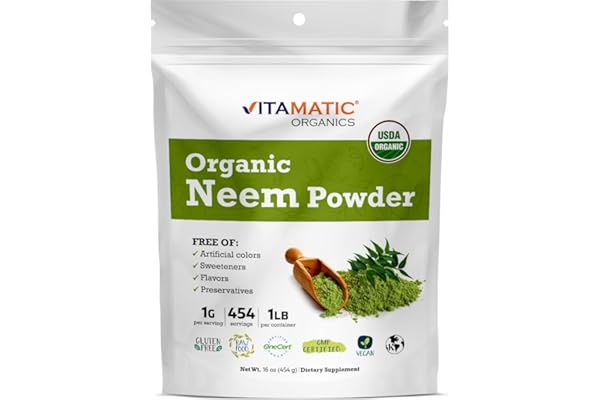
Vitamatic Certified USDA Organic Neem Leaf Powder – 1 lb (16 oz) 100% Pure Azadirachta Indica | Traditional Ayurvedic Herb for Skin, Immune, and Detox Support