


Benefits of Boswellia Serrata? Comprehensive Guide
Boswellia serrata, commonly known as Indian frankincense, comes from a tree native to India and parts of Africa and the Middle East. People have used its resin in traditional medicine for thousands of years to treat various health problems. Today, it’s available as a dietary supplement in many health stores.
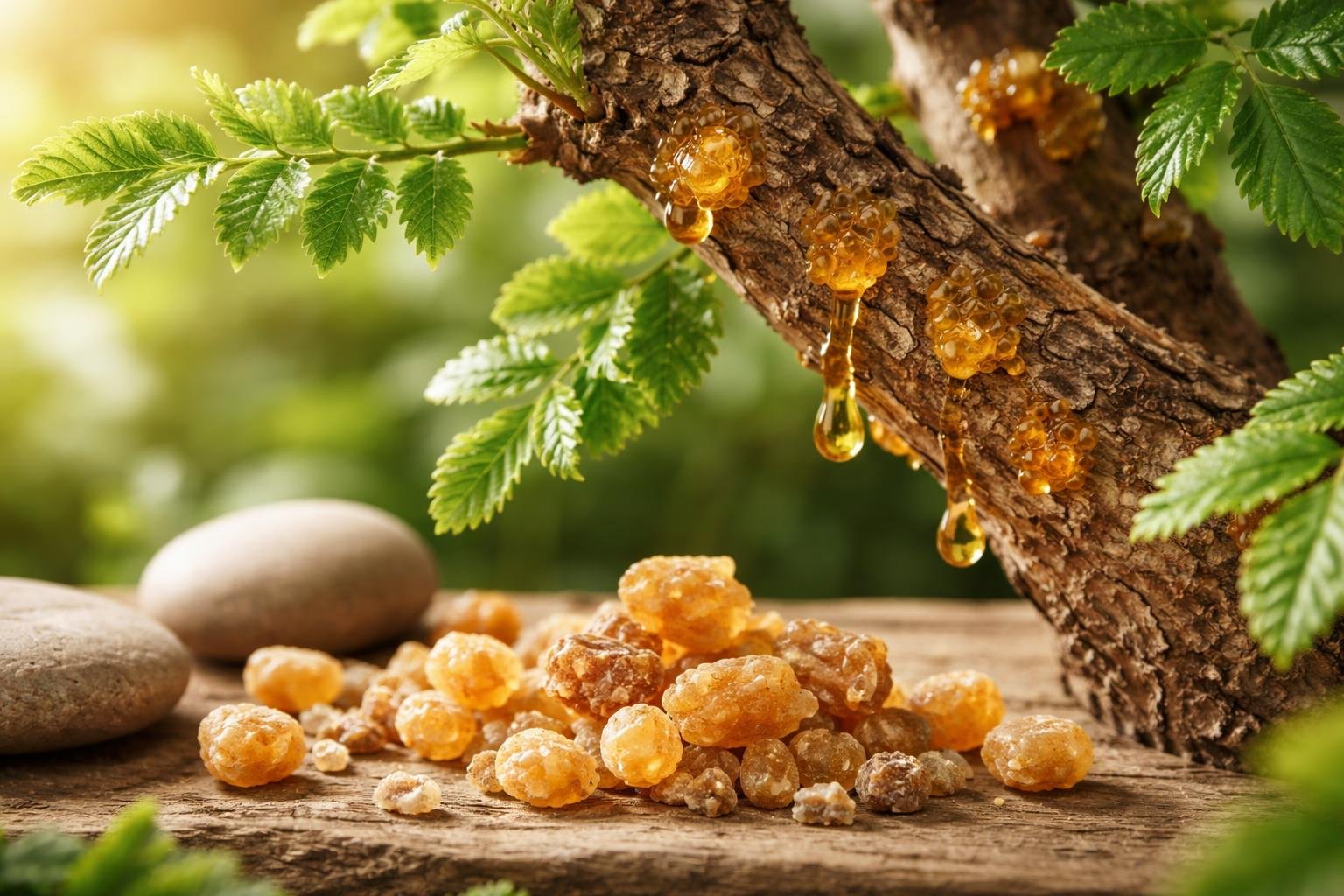
Boswellia serrata helps reduce inflammation, supports joint health, aids digestive problems, and may provide relief for conditions like arthritis and inflammatory bowel disease. The plant contains special compounds called boswellic acids that work to block certain inflammatory processes in the body. These active ingredients make it different from many other herbal supplements.
Research shows that Boswellia serrata benefits extend beyond joint pain to include potential support for respiratory health, wound healing, and immune system function. Understanding how this natural remedy works and how to use it safely can help people make informed decisions about adding it to their health routine.
Key Takeaways
- Boswellia serrata is a natural anti-inflammatory supplement that helps reduce joint pain and swelling
- The active compounds called boswellic acids work by blocking specific inflammatory pathways in the body
- Indian frankincense may support digestive health and help with conditions like inflammatory bowel disease
What Is Boswellia Serrata?
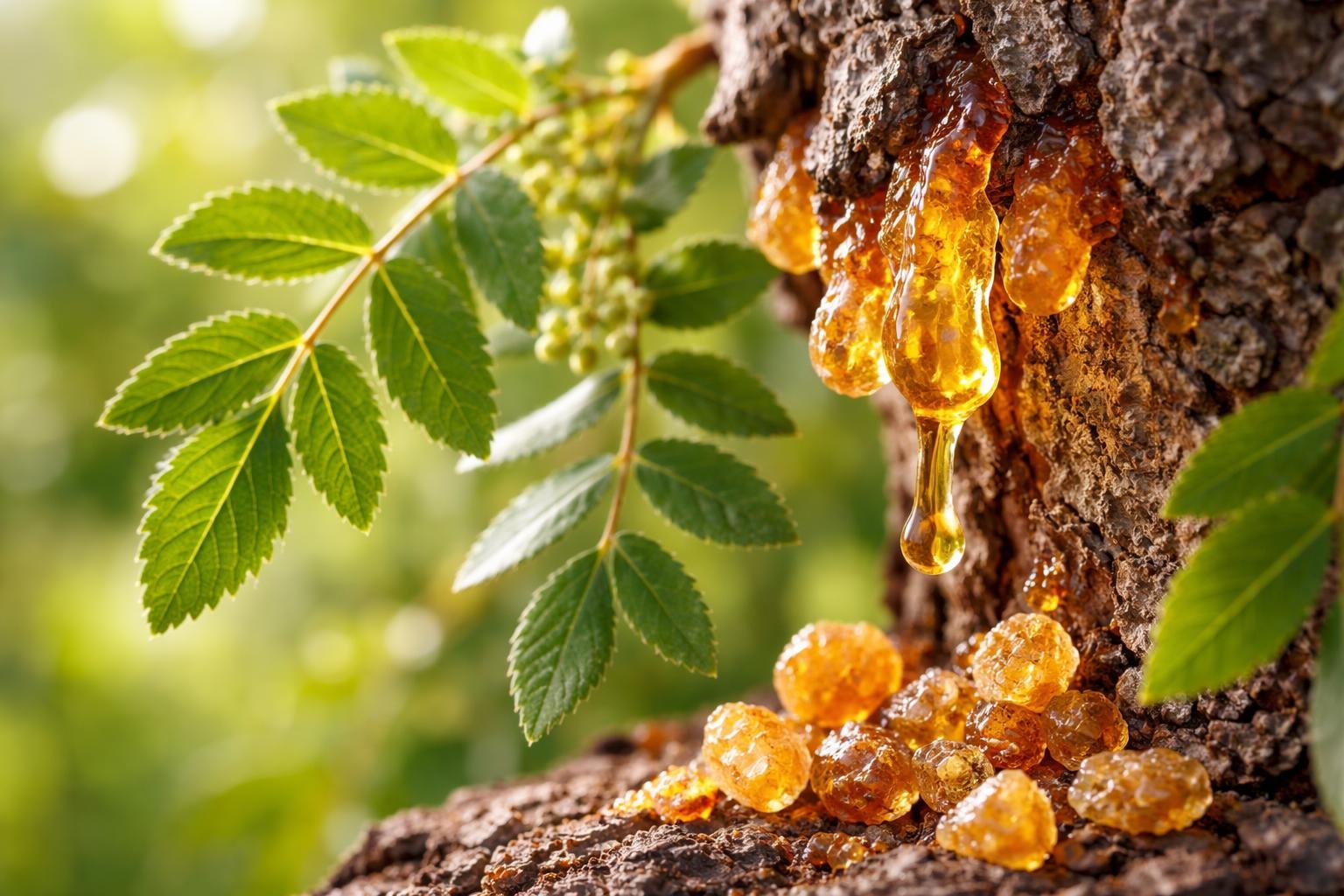
Boswellia serrata is a tree native to India and parts of Pakistan that produces a valuable gum resin known as Indian frankincense. This resin has been used for thousands of years in traditional medicine systems and contains active compounds called boswellic acids.
Origin and Botanical Profile
Boswellia serrata is a branching tree that grows in the mountainous regions of India, Pakistan, and parts of the Middle East. The tree thrives in harsh conditions and can grow at altitudes up to 1,150 meters.
This tree species is drought-resistant and fire-resistant. It typically grows in dry tropical forests with nutrient-poor, shallow soils. The tree produces a sticky gum resin when its bark is cut or damaged.
The entire Boswellia genus belongs to the frankincense family. However, boswellia serrata is particularly valued for the quality of its resin. The tree can be a dominant species in its natural habitat, often growing alongside other plants like Anogeissus latifolia and Acacia catechu.
Traditional Uses in Medicine
Boswellia has been used in Ayurvedic medicine for centuries to treat various health conditions. Practitioners have traditionally prescribed it for inflammatory conditions, joint disorders, and respiratory problems.
In Ayurvedic tradition, the herb is known by several names including salai and shallaki. Ancient healers used the frankincense resin both internally and externally. They applied it topically to wounds and skin conditions while also preparing it as a supplement for internal use.
The resin was valued for its ability to reduce swelling and ease pain. Traditional practitioners also used it to treat digestive complaints and support overall wellness. These historical applications have led to modern scientific interest in the plant’s therapeutic properties.
Frankincense and Boswellia Species
The term frankincense refers to aromatic resins produced by trees in the Boswellia genus. Indian frankincense specifically comes from the boswellia serrata tree. This distinguishes it from other frankincense varieties produced by different Boswellia species.
When the gum resin is extracted from boswellia serrata, it can be processed in several ways. The dried resin is made into supplements, essential oils, and topical creams. Some people burn the resin for aromatic or aromatherapy purposes.
The frankincense resin contains boswellic acid and various terpenes. These are the primary active compounds responsible for the herb’s effects. Modern manufacturers process the hardened resin into capsules, extracts, and cosmetic ingredients that are widely available in health stores.
Active Compounds and How Boswellia Works
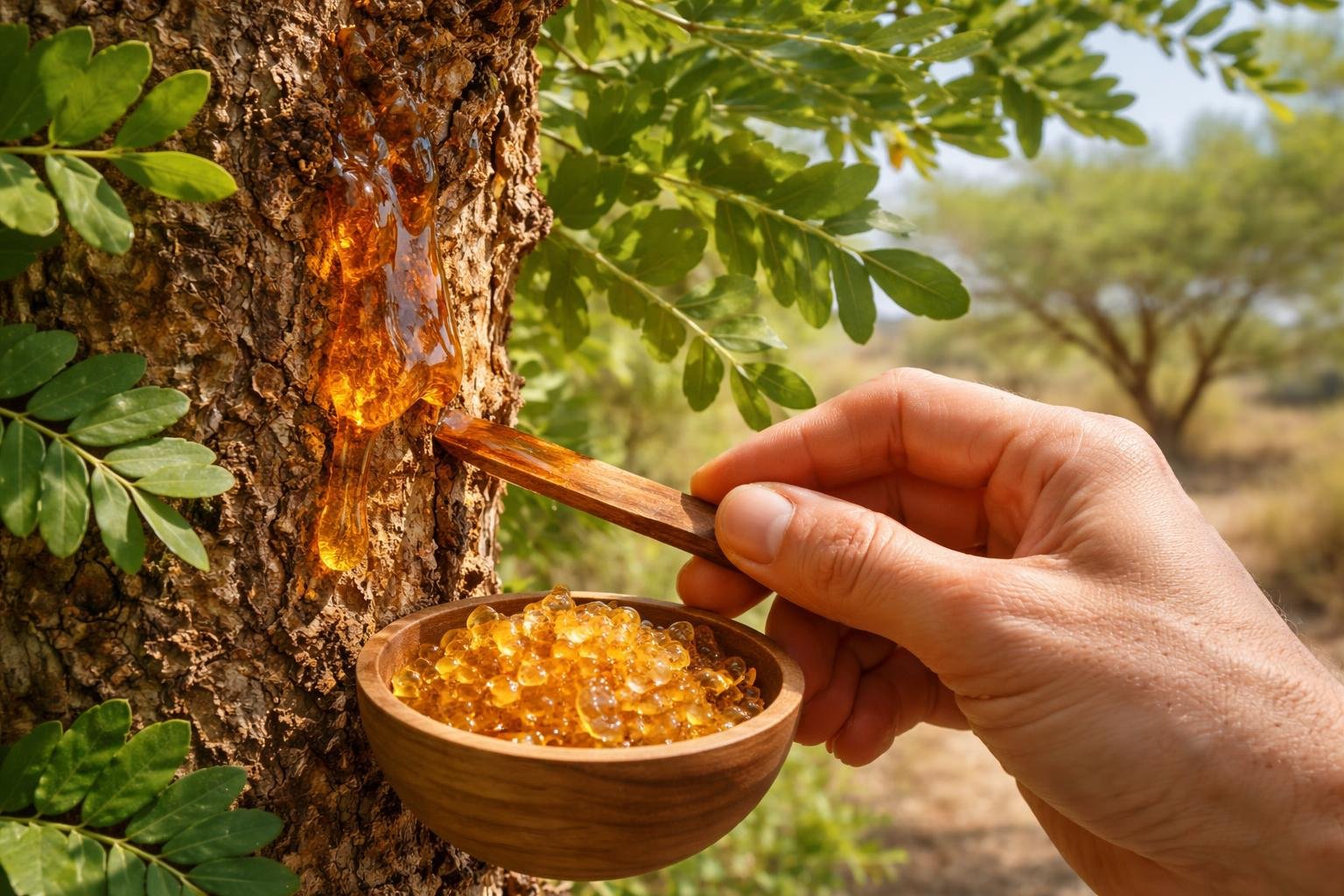
Boswellia serrata contains several bioactive compounds that work through specific pathways in the body to reduce inflammation and provide therapeutic effects. The main active components are boswellic acids, which interact with key enzymes and molecules involved in inflammatory responses.
Boswellic Acids and Their Role
Boswellic acids are the primary therapeutic compounds extracted from Boswellia serrata resin. These natural anti-inflammatory agents include several forms, with acetyl-11-keto-β-boswellic acid (AKBA) being the most potent.
Research shows that AKBA has powerful inhibitory effects on 5-lipoxygenase (5-LOX), an enzyme that triggers inflammatory responses. The active compounds called boswellic acids are primarily responsible for the therapeutic effects of Boswellia supplements.
Studies indicate that AKBA works differently than standard non-steroidal anti-inflammatory drugs. This unique mechanism allows it to provide relief while avoiding many common medication side effects. The concentration and quality of boswellic acids vary between different Boswellia extracts and products.
Anti-Inflammatory Mechanisms
Boswellia’s anti-inflammatory action occurs through multiple pathways in the body. The primary mechanism involves blocking 5-lipoxygenase, which prevents the formation of inflammatory molecules.
The compounds also inhibit the expression of inflammatory factors such as adhesion molecules. This dual action helps control inflammation at different stages of the inflammatory process.
Clinical research demonstrates that Boswellia extracts can reduce pain, stiffness, and improve joint function. The anti-inflammatory effects appear within weeks of regular use, with optimal benefits typically seen after at least four weeks of treatment.
Terpenes and Triterpenes
Beyond boswellic acids, Boswellia contains other bioactive compounds including terpenes and triterpenes. These molecules contribute to the overall therapeutic profile of the resin.
Terpenes provide additional support for the plant’s anti-inflammatory and antioxidant properties. The combination of triterpenes and boswellic acids creates a broader range of biological activity than any single compound alone.
Essential oils present in Boswellia also contain various terpene compounds. These work alongside the primary boswellic acids to enhance the overall effectiveness of the extract.
Leukotriene and Cytokine Modulation
Boswellic acids regulate leukotrienes, which are inflammatory molecules that play a role in conditions like arthritis and asthma. By inhibiting 5-LOX, these compounds prevent leukotriene formation.
The extracts also modulate cytokines, signaling proteins that control inflammation throughout the body. This regulation helps balance the body’s inflammatory response according to its natural rhythm.
The ability to target both leukotrienes and cytokines makes Boswellia effective for various inflammatory conditions. This multi-target approach explains why the compound shows benefits for joint health, digestive concerns, and respiratory issues.
Benefits for Joint Health and Inflammation
Boswellia serrata demonstrates significant effects on joint-related conditions through its active compounds called boswellic acids. Research shows this plant extract can reduce pain, decrease stiffness, and improve physical function in people with various forms of arthritis.
Osteoarthritis Relief
Boswellia serrata has shown strong effectiveness for treating osteoarthritis based on clinical research. A meta-analysis of seven trials involving 545 patients found that boswellia and its extract significantly reduced pain scores and improved joint function.
The research revealed specific improvements in multiple areas. Patients experienced reduced pain on visual analog scales and WOMAC pain assessments. They also reported less stiffness and better physical function in daily activities.
The recommended treatment duration is at least 4 weeks for optimal results. Studies using proprietary extracts like Aflapin and 5-Loxin showed that patients gained improved joint comfort and mobility. These benefits came from the plant’s ability to support a healthy inflammatory response in knee joint cartilage.
Rheumatoid Arthritis Management
Boswellia serrata contains compounds that address inflammation in rheumatoid arthritis. The active ingredient 3-O-Acetyl-11-keto-beta-boswellic acid (AKBA) works by inhibiting 5-lipoxygenase, an enzyme involved in inflammatory processes.
This natural anti-inflammatory extract has been used for centuries in traditional medicine to treat inflammatory joint conditions. The boswellic acids in the plant help suppress the production of inflammatory molecules that damage joints and cause pain.
Clinical studies indicate that boswellia extract reduces swelling and improves joint mobility in people with rheumatoid arthritis. The extract works differently than conventional non-steroidal anti-inflammatory drugs, offering an alternative for those seeking natural remedies.
Reduction of Joint Pain and Swelling
Boswellia serrata provides relief from joint discomfort and stiffness through multiple mechanisms. The plant’s anti-inflammatory properties target the underlying causes of joint pain rather than just masking symptoms.
Research demonstrates that boswellia extract inhibits the expression of inflammatory factors and adhesion molecules in joint tissues. This action helps reduce swelling and allows for better range of motion.
Patients taking boswellia supplements report improvements in their ability to perform daily tasks. The extract helps people with joint problems walk, climb stairs, and engage in physical activities with less discomfort. Studies show these benefits occur without the stomach bleeding risks associated with some conventional medications.
Digestive and Gut Health Benefits
Boswellia serrata contains boswellic acids that reduce inflammation in the digestive tract, which makes it useful for treating chronic gut conditions. The compound AKBA increases beneficial bacteria like Akkermansia muciniphila in the gut, while also addressing symptoms of inflammatory bowel conditions.
Support for Inflammatory Bowel Disease
Boswellia serrata provides relief for inflammatory bowel disease by targeting the inflammation that damages the intestinal lining. The boswellic acids in the extract block specific inflammatory enzymes like 5-LOX and COX-1, which are active during IBD flare-ups.
Research shows that boswellia serrata extract can help manage IBD symptoms by reducing swelling and irritation in the gut. People with IBD often experience pain, diarrhea, and poor nutrient absorption due to chronic inflammation. The anti-inflammatory compounds in boswellia address these issues at their source.
The extract also demonstrates antibacterial and antifungal properties that help balance gut bacteria. This is important because IBD patients often have disrupted microbiome compositions that worsen their symptoms.
Ulcerative Colitis Symptom Relief
Ulcerative colitis causes severe inflammation in the colon and rectum, leading to bleeding, cramping, and frequent bowel movements. Boswellia serrata helps manage ulcerative colitis symptoms through its targeted anti-inflammatory effects.
The boswellic acids work by inhibiting inflammatory pathways that trigger colitis flare-ups. Patients using boswellia serrata extract often report reduced abdominal pain and less frequent diarrhea. Studies indicate that the extract can decrease the number of bloody stools and improve overall bowel function.
Unlike some conventional medications, boswellia offers these benefits with fewer side effects. It works naturally with the body’s systems to calm inflammation rather than suppressing the entire immune response.
Digestive and Gut Health Support
Boswellia serrata reduces gut inflammation, which improves nutrient absorption and relieves common digestive complaints. When inflammation decreases, the digestive system can process food more efficiently and extract vitamins and minerals properly.
The extract helps with bloating, cramping, constipation, and stomach upset by addressing their underlying inflammatory causes. The antioxidant properties in boswellia serrata resin extract neutralize free radicals that create oxidative stress in the digestive system.
Research demonstrates that boswellia can shift gut bacteria composition toward more beneficial species. In studies, AKBA supplementation increased Akkermansia muciniphila, a bacteria associated with improved metabolic health and reduced inflammation. Female mice also showed increases in Bifidobacterium, another beneficial gut bacteria.
Additional Health Benefits of Boswellia Serrata
Beyond joint and inflammatory support, boswellia serrata offers therapeutic effects for skin conditions, cognitive function, and respiratory wellness. The herb’s active compounds work throughout multiple body systems to provide protective and healing benefits.
Skin Health and Wound Healing
Boswellia serrata supports skin health through its anti-inflammatory and antioxidant properties. The herbal extract helps reduce skin inflammation and irritation while improving the appearance of wrinkles, age spots, and blemishes.
Topical applications of boswellia can stimulate circulation to wounds and speed the healing process. The compound also protects wounds from infection during recovery. When taken as a boswellia supplement, it may accelerate recovery time for extended injuries or illness by working internally.
The herb helps boost skin elasticity and reduce visible signs of aging. However, some people may experience skin inflammation when using topical boswellia products. Testing a small amount first can help identify potential allergic reactions before widespread use.
Brain Health and Cognitive Support
The active compounds in boswellia serrata may offer neuroprotective effects that support brain health. The herb’s anti-inflammatory properties extend to reducing inflammation in neural tissues. This action could potentially help protect cognitive function over time.
Boswellia has been used to prevent headaches by reducing inflammation of swollen capillaries near the temples. The herb quickly and consistently soothes headache and migraine pain in many patients. This pain-relieving effect demonstrates how boswellia impacts neurological inflammation.
The presence of triterpenes in boswellia may influence neurotransmitter production and release. These compounds help reduce anxiety and lower chronic stress hormone levels in the body. Regular use might support mental clarity and emotional balance.
Respiratory and Immune Support
Boswellia serrata has been traditionally used to treat respiratory conditions including bronchitis and asthma. The herb’s anti-inflammatory effects help reduce airway inflammation and ease breathing difficulties.
The immune system receives support from boswellia through its effects on lymphocytes and T-cells. These crucial immune components respond more effectively to foreign substances and infectious pathogens when boswellia is regularly consumed. The herb optimizes immune function and improves response time against infections.
Research suggests boswellia strengthens immune defenses against autoimmune diseases. Regular use may reduce the risk of conditions like lupus and rheumatoid arthritis. The herb helps make the immune system more resistant to attacking its own tissues while maintaining proper function against genuine threats.
Using Boswellia Serrata: Forms, Dosage, and Safety
Boswellia supplements come in several forms with different concentration levels, and proper dosing depends on whether someone uses raw resin or concentrated extracts. Most products are standardized to contain specific percentages of boswellic acids, and safety considerations remain minimal for most users.
Types of Boswellia Supplements
Boswellia serrata supplements are available in multiple forms to suit different preferences and needs. The most common options include:
Capsules and tablets contain either raw gum resin or concentrated extracts. These are the most widely used forms for daily supplementation.
Liquid extracts offer faster absorption and can be mixed with water or juice. They typically contain concentrated boswellic acids.
Topical creams are applied directly to joints or areas of discomfort. These products combine boswellia extract with carrier oils for external use.
Frankincense oil comes from the same plant resin and is primarily used for aromatherapy or topical application. This essential oil form differs from oral supplements in its intended use and concentration.
The raw gum resin requires much higher doses than concentrated extracts to achieve similar effects.
Recommended Dosage and Standardized Extracts
Boswellia dosage varies significantly based on the product type and condition being addressed. Raw gum resin requires doses up to 1,800 mg three times daily for arthritis.
Most commercial boswellia supplements use standardized extract containing at least 60% boswellic acids. For these concentrated forms, the typical dosage ranges from 100 to 250 mg once daily with food.
Condition-specific dosing:
- Osteoarthritis: 100-250 mg daily for at least four weeks
- Asthma: 300 mg three times daily
- Inflammatory bowel disease: varies by formulation and severity
- Brain tumor-related edema: 4,200 mg daily during radiation therapy
Starting at the lower end of the dosage range for approximately two months allows users to assess effectiveness before increasing the amount.
Combining Boswellia with Other Natural Remedies
Turmeric and boswellia work well together due to their complementary anti-inflammatory mechanisms. Turmeric inhibits different inflammatory pathways than boswellia, creating a broader effect.
Many commercial supplements combine these two herbs in single formulations. Fish oil represents another popular combination, as omega-3 fatty acids target inflammation through separate biochemical routes.
Ginger, devil’s claw, and willow bark are additional herbs sometimes paired with boswellia extract for joint health. However, combining multiple anti-inflammatory supplements increases the risk of interactions with medications.
Anyone considering multiple supplements should discuss the combination with a healthcare provider. This precaution becomes especially important for those taking blood thinners or immunosuppressant medications.
Potential Side Effects and Precautions
Boswellia serrata side effects are generally mild and occur infrequently. Clinical studies show similar adverse event rates between boswellia and placebo groups.
The most common complaint involves mild gastrointestinal upset, including stomach pain, nausea, or diarrhea. Taking the supplement with food typically reduces these symptoms.
Important safety considerations:
- Limited safety data exists for pregnancy and breastfeeding
- May interact with blood-thinning medications
- Could affect how the liver processes certain drugs
- People with immune system disorders should consult doctors first
Serious adverse events remain rare in clinical research. Most users tolerate boswellia supplements well at recommended doses.
Anyone taking prescription medications should always consult their healthcare provider before starting boswellia. This applies particularly to those on anticoagulants, immunosuppressants, or anti-inflammatory drugs.
Frequently Asked Questions
Boswellia serrata raises many questions about its effectiveness for inflammation, joint pain, and respiratory conditions, as well as concerns about proper dosing and safety compared to standard medications.
How does Boswellia serrata contribute to joint health?
Boswellia serrata contains compounds called boswellic acids that help protect cartilage and reduce joint inflammation. These acids work by blocking certain enzymes that break down connective tissue in the joints.
People with osteoarthritis often experience reduced pain and improved mobility when taking Boswellia extracts. Clinical studies show that Boswellia helps manage rheumatoid arthritis and osteoarthritis symptoms.
The herb may also help increase blood flow to joint tissues, which supports healing and reduces stiffness. Many users report being able to move more easily and experience less discomfort during daily activities.
What are the anti-inflammatory properties of Boswellia serrata?
The primary anti-inflammatory compounds in Boswellia are pentacyclic triterpene acids, particularly acetyl-11-keto-β-boswellic acid. These compounds inhibit the production of leukotrienes, which are molecules that trigger inflammation in the body.
Unlike some anti-inflammatory drugs, Boswellia does not appear to damage the stomach lining or cause ulcers. It works through different biochemical pathways than standard medications.
Boswellia’s anti-inflammatory effects make it useful for various inflammatory conditions beyond joint problems. The resin extract can help calm overactive immune responses without suppressing the entire immune system.
Can Boswellia serrata improve respiratory health?
Boswellia serrata has been used traditionally to treat asthma and other breathing problems. The herb helps reduce inflammation in the airways and may decrease the production of leukotrienes that cause bronchial constriction.
Some people with chronic asthma report fewer symptoms and reduced reliance on inhalers when using Boswellia supplements. The plant has been used for centuries to treat respiratory problems in traditional medicine systems.
Research suggests Boswellia may help people breathe more easily by opening airways and reducing mucus production. However, it should not replace prescribed asthma medications without medical supervision.
What are the potential side effects of taking Boswellia serrata?
Most people tolerate Boswellia well, but some experience digestive upset. Common side effects include stomach pain, nausea, and diarrhea.
A small number of users report acid reflux or heartburn when taking Boswellia on an empty stomach. Taking the supplement with food usually reduces these symptoms.
Skin rashes and allergic reactions can occur but are rare. People with autoimmune conditions or those taking blood thinners should consult a doctor before using Boswellia, as it may interact with certain medications.
How does Boswellia serrata compare to traditional anti-inflammatory medications?
Boswellia works more slowly than NSAIDs like ibuprofen but may cause fewer side effects. While NSAIDs can provide relief within hours, Boswellia typically requires several weeks of consistent use to show full benefits.
Traditional anti-inflammatory drugs often cause stomach problems and increase the risk of ulcers with long-term use. Boswellia appears to be gentler on the digestive system.
Some studies suggest Boswellia provides comparable pain relief to standard medications for certain conditions. However, it may not be strong enough for severe inflammatory conditions that require prescription-strength treatment.
What are the recommended dosages for Boswellia serrata supplements?
The typical dosage for Boswellia extract ranges from 300 to 500 milligrams taken two to three times daily. The extract should be standardized to contain at least 60 percent boswellic acids for optimal effectiveness.
Some conditions may require higher doses, with some protocols using up to 1,200 milligrams per day. Boswellia extracts are sold as dietary supplements in various forms including capsules and topical preparations.
People should start with lower doses and gradually increase to assess tolerance. Taking Boswellia with meals can improve absorption and reduce the risk of stomach upset.
Top Boswellia Serrata Products
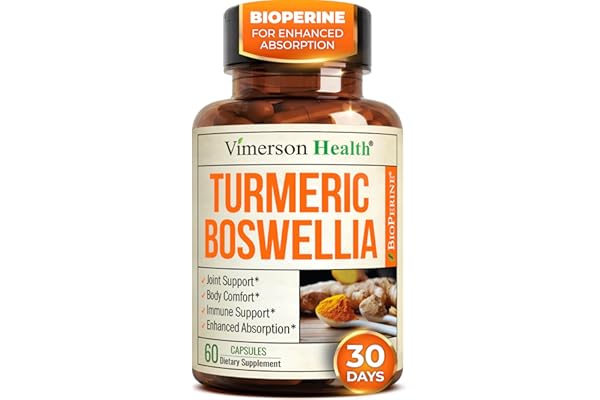
Boswellia Serrata Turmeric Supplement for Joint Support & Inflammation Balance – Turmeric Boswellia Supplement with Ginger & Black Pepper Extract for Enhanced Absorption – Non-GMO – 60 Capsules
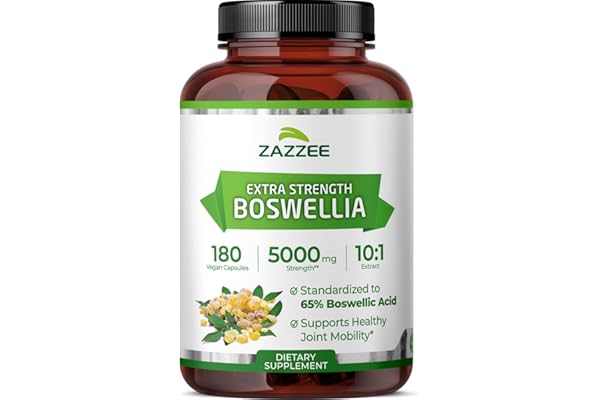
Zazzee Extra Strength Boswellia 10:1 Extract, 65% Boswellic Acid, 180 Vegan Capsules, 6 Month Supply, Boswellia Serrata, Joint Comfort, Mobility & Flexibility Support, Non-GMO, Made in the USA
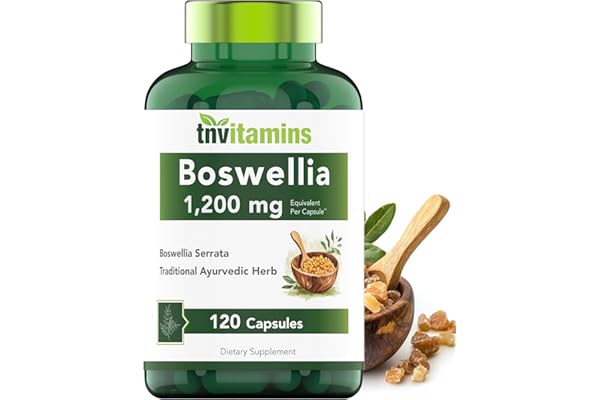
tnvitamins Boswellia Extract Capsules, 120 Count – 1,200 mg Per Capsule – 65% Boswellic Acids + 10:1 Concentrated Extract – Boswellia Serrata – Joint & Mobility Support
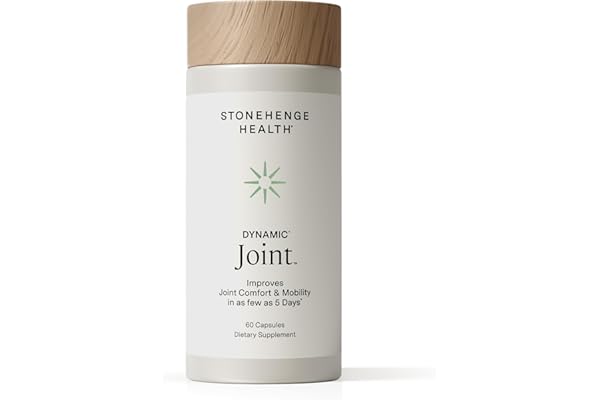
Stonehenge Health Dynamic Joint Health Supplement – Fast-Acting Support with AprèsFlex® Boswellia, MSM, Multi-Type Collagen, Turmeric, Bromelain, Vitamins C & D3 – Supports Joint Comfort – 60 Capsules
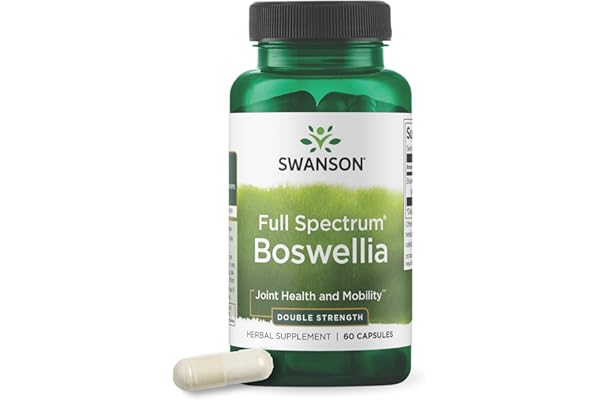
Swanson Double Strength Boswellia Serrata Ayurvedic Joint Supplement for Active Adults Seeking Flexibility and Mobility Support – 800 mg (60 Capsules)
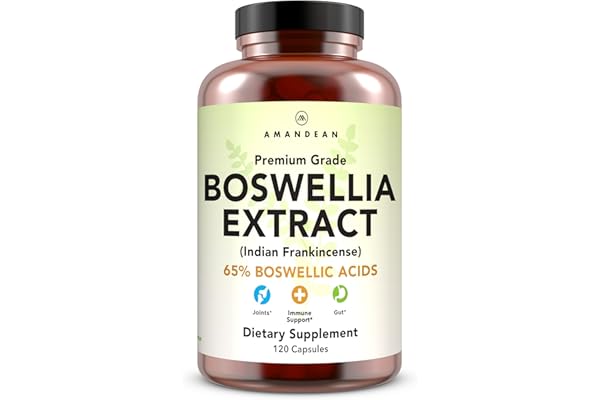
AMANDEAN Boswellia Serrata Extract. 500mg 120 Veggie Capsules. 65% Boswellic Acids with AKBA. Indian Frankincense Inflammation Supplement. Joint Health Support.
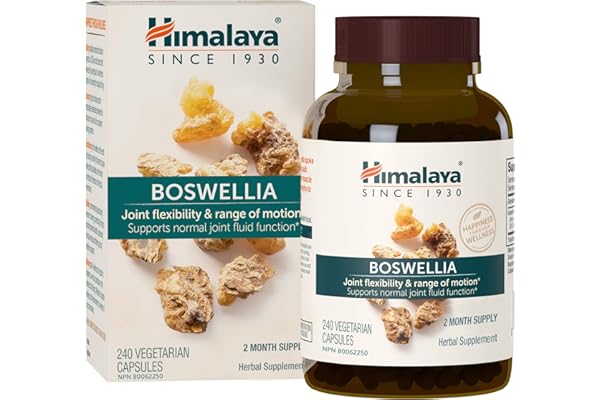
Himalaya Boswellia, Joint Support for Mobility and Flexibility, Promotes Tissue Preservation, 250 mg, 240 Capsules