


Benefits of Black Cohosh? Comprehensive Guide to Uses, Effects, and Safety
Black cohosh is a flowering plant native to North America that has been used for centuries to support women’s health.
The herb is best known for helping reduce menopausal symptoms like hot flashes, night sweats, and mood swings, while also offering benefits for menstrual health, sleep quality, and inflammation.
Many women turn to this natural remedy as an alternative to hormone therapy.
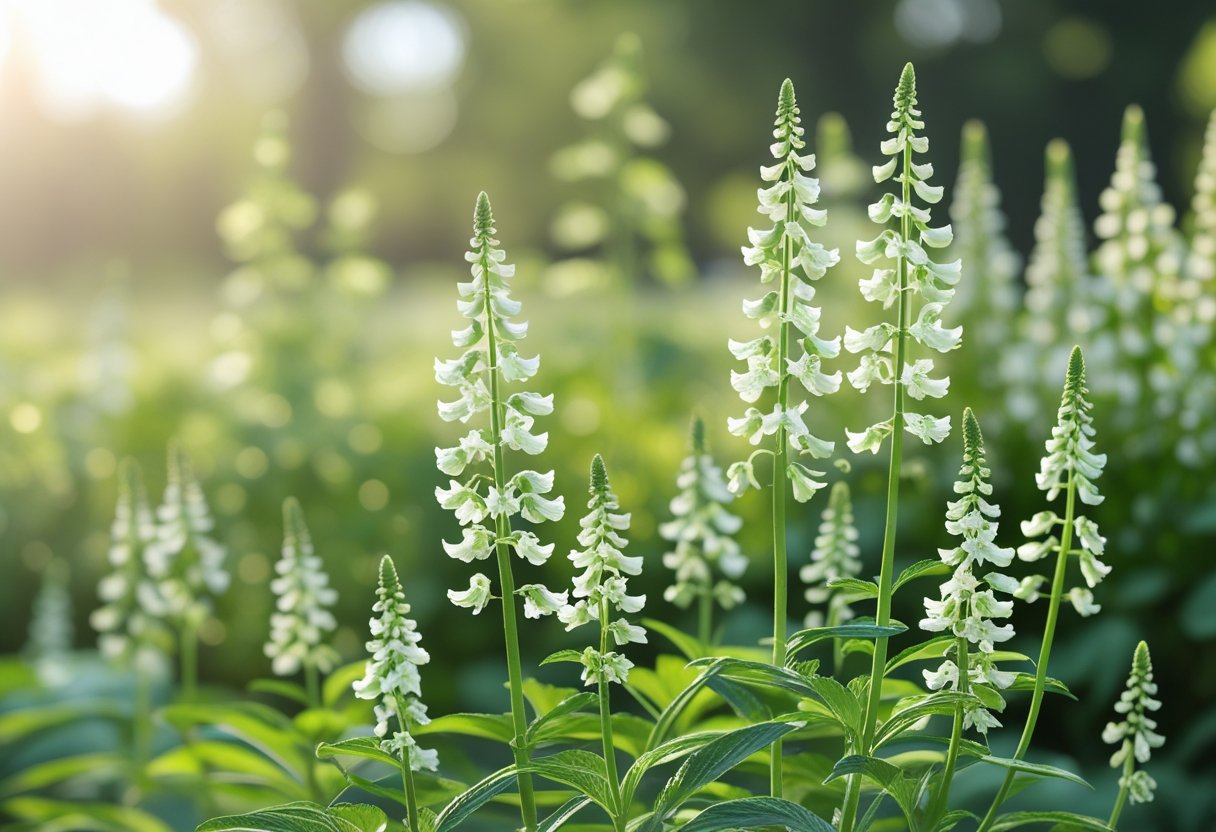
The root of the black cohosh plant contains active compounds that may help balance hormones and ease discomfort during different life stages. Research continues to explore its effects on everything from bone health to anxiety relief. While it shows promise for various conditions, understanding proper dosage and potential side effects is important for safe use.
Whether someone is navigating menopause, dealing with irregular periods, or seeking natural pain relief, black cohosh offers a plant-based option with a long history of traditional use. Learning about its benefits, how it works, and who should avoid it can help people make informed decisions about adding this herb to their wellness routine.
Key Takeaways
- Black cohosh is primarily used to relieve menopausal symptoms such as hot flashes, mood changes, and sleep disturbances
- The herb may also help with menstrual irregularities, inflammation, joint pain, and hormonal balance
- Safe use requires following proper dosage guidelines and avoiding it during pregnancy or with certain medical conditions
Understanding Black Cohosh
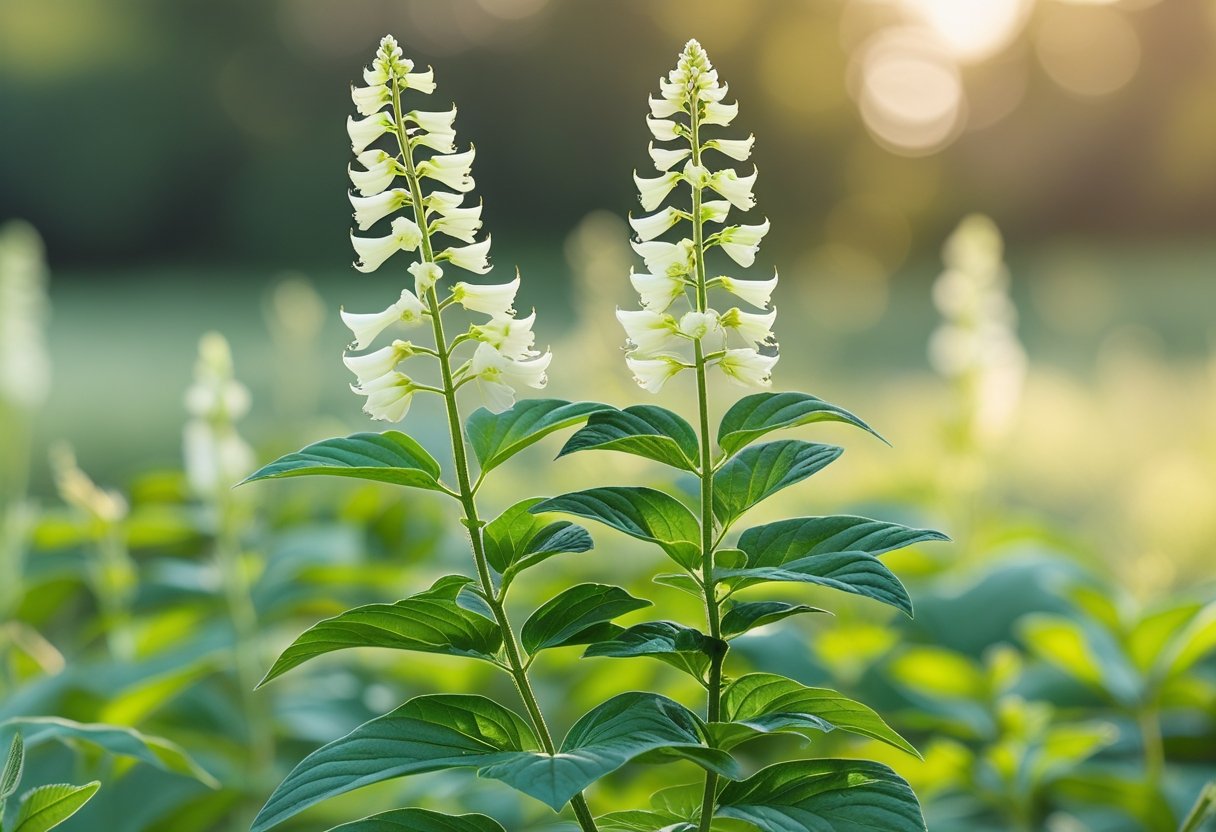
Black cohosh is a perennial flowering plant native to North America that has been used for centuries in traditional medicine and continues to be studied for its potential health applications. The herb contains several active compounds that researchers believe may influence various body systems, particularly those related to hormonal balance.
Origins and Botanical Background
Black cohosh (Actaea racemosa, formerly known as Cimicifuga racemosa) belongs to the buttercup family and grows naturally in the woodlands of eastern North America. The plant can reach heights of up to eight feet and produces tall spikes of white flowers.
The black cohosh root and rhizome are the parts used medicinally. Native American tribes, particularly those in the eastern United States, were the first to use this plant for various health concerns. The herb goes by several traditional names including black snakeroot, bugbane, bugwort, rattleroot, rattleweed, and fairy candle.
European settlers learned about the plant from indigenous peoples and began incorporating it into their own medicinal practices. By the 19th century, it became a popular ingredient in patent medicines marketed for women’s health conditions.
Traditional and Modern Uses
Native Americans traditionally used black cohosh for rheumatism, menstrual irregularities, and labor pain. The plant was also employed to treat sore throats, kidney problems, and general weakness.
Today, black cohosh is primarily sold as a dietary supplement for menopausal symptoms. Many women take the herbal supplement to address hot flashes, night sweats, mood changes, and sleep disturbances associated with menopause. Some also use it for premenstrual syndrome symptoms.
The herbal remedy is available in multiple forms including capsules, tablets, liquid extracts, and teas. Standardized extracts are the most common preparation found in stores.
Active Compounds and Mechanisms
The black cohosh root contains several bioactive compounds that contribute to its effects. The primary active ingredients are triterpene glycosides, particularly actein and related compounds. The plant also contains isoferulic acid, tannins, and small amounts of alkaloids.
Unlike some other herbal supplements used for menopausal symptoms, black cohosh does not contain phytoestrogens. Research suggests it may work by acting on estrogen receptors in the body or by affecting serotonin pathways in the brain. Some studies indicate it may help regulate body temperature and reduce inflammation.
The exact mechanisms remain under investigation. Scientists continue to study how these compounds interact with various body systems to produce the observed effects.
Key Health Benefits of Black Cohosh
Black cohosh has been studied primarily for its effects on women’s health, particularly during menopause and perimenopause. Research shows it may help reduce hot flashes, improve sleep quality, and support mental health during hormonal transitions.
Menopause Symptom Relief
Black cohosh for menopause has become one of the most widely used herbal supplements for women experiencing hormonal changes. Studies indicate it may help reduce the frequency and intensity of menopausal symptoms without the use of hormone replacement therapy.
The herb appears to work by interacting with certain receptors in the body, though it does not contain phytoestrogens. Women taking black cohosh often report improvements in multiple vasomotor symptoms within a few weeks of consistent use.
Black cohosh supplements typically contain 20 to 40 mg of standardized extract per serving. This dosage has been used in clinical trials examining its effectiveness for perimenopause and menopause symptoms.
The herb may also help with vaginal dryness and other physical changes that occur during this life stage. However, more research is needed to fully understand all of its mechanisms and long-term effects.
Managing Hot Flashes and Night Sweats
Hot flashes and night sweats are among the most common and disruptive menopausal symptoms that affect daily life. Black cohosh for hot flashes has been studied in multiple clinical trials with varying results.
Some research suggests that women taking black cohosh experience fewer hot flashes compared to those taking a placebo. The reduction in severity and frequency can be noticeable within four to eight weeks of regular use.
Night sweats, which are essentially hot flashes that occur during sleep, may also improve with black cohosh supplementation. Women report being able to sleep through the night more consistently when these episodes decrease.
The exact way black cohosh reduces these vasomotor symptoms is not fully understood. Researchers believe it may affect neurotransmitters in the brain that regulate body temperature.
Support for Sleep and Fatigue
Sleep disturbances often accompany menopause due to night sweats, anxiety, and hormonal fluctuations. Black cohosh may help improve sleep quality by addressing multiple factors that interfere with rest.
Women using black cohosh supplements for sleep report falling asleep faster and waking up less frequently during the night. The herb’s mild sedative properties contribute to a sense of calm before bedtime.
Fatigue related to poor sleep and hormonal changes may also improve as sleep patterns normalize. Better rest often leads to increased daytime energy and improved overall functioning.
The relationship between reduced night sweats and better sleep creates a positive cycle. When women wake up less often due to temperature changes, they experience more restorative sleep phases.
Impact on Mood and Mental Health
Anxiety and depression frequently increase during perimenopause and menopause as hormone levels fluctuate. Black cohosh appears to have mood-stabilizing effects that may help women manage these mental health challenges.
Studies suggest the herb can reduce feelings of irritability, mood swings, and general anxiety related to hormonal transitions. Some research indicates it may be as effective as certain low-dose antidepressants for mild symptoms.
Black cohosh binds to opioid receptors in the body, which may explain its calming and pain-relieving properties. This mechanism could contribute to both its physical and emotional benefits.
It is important to note that black cohosh is not a replacement for prescribed psychiatric treatment. Women with diagnosed mental health conditions should consult healthcare providers before using it as a supplement.
Additional Benefits for Women’s Health
Black cohosh may help with several reproductive health concerns beyond menopause, including menstrual discomfort and fertility challenges. Research suggests this herb could support hormonal balance and ease symptoms related to various women’s health conditions.
Premenstrual Syndrome and Menstrual Cramps
Black cohosh has been used to address symptoms of premenstrual syndrome. Women who experience PMS symptoms like mood changes, irritability, and physical discomfort may find relief with this herb.
The plant contains compounds that may help reduce inflammation and ease muscle tension. This makes it potentially useful for relieving menstrual cramps and other period-related discomfort. Black cohosh works as a natural muscle relaxant, which could explain why some women report less severe cramping.
Traditional use includes taking black cohosh in the days leading up to menstruation. However, women should note that scientific evidence supporting its effectiveness for PMS remains limited. More research is needed to confirm how well it works for these specific symptoms.
Hormonal Balance and Fertility Support
Black cohosh may play a role in supporting reproductive health and fertility. Some studies have examined its effects when combined with fertility medications.
Research shows that black cohosh might improve pregnancy rates when used alongside Clomid, a common fertility drug. An older study found this combination helped regulate menstrual cycles and potentially increased conception chances. The herb may help balance hormones that affect ovulation and reproductive function.
Women trying to conceive should talk with their healthcare provider before using black cohosh. The herb is not well studied in pregnant women and may carry risks during pregnancy. Some women use black cohosh to induce labor, but this practice lacks sufficient research to confirm safety or effectiveness.
Polycystic Ovary Syndrome and Reproductive Health
Women with polycystic ovary syndrome may benefit from black cohosh supplementation. PCOS causes hormonal imbalances that lead to irregular periods, excess facial hair, and fertility problems.
Black cohosh may offer potential benefits for managing PCOS symptoms through its effects on hormone regulation. The herb might help restore more regular menstrual cycles in women with this condition. Some research suggests it could improve reproductive outcomes when combined with standard PCOS treatments.
However, evidence remains mixed. A newer review indicates there is not enough high-quality research to strongly support black cohosh for polycystic ovarian syndrome. Women with PCOS should view it as a complementary option rather than a primary treatment and consult their doctor before starting supplementation.
Potential Effects on Cancer and Other Conditions
Research on black cohosh and cancer shows mixed results, with some studies suggesting possible benefits while others raise safety questions. The herb’s interaction with hormone-sensitive conditions remains a key area of concern for researchers and patients.
Breast Cancer and Hormone-Related Risks
Black cohosh has been studied as a treatment option for breast cancer patients experiencing menopausal symptoms from their treatments. Studies show potential to reduce hot flashes in women taking tamoxifen for breast cancer.
Some laboratory research found that black cohosh decreased cancer cell growth in certain studies. However, gold-standard clinical trials fail to confirm clear benefits for cancer symptoms compared to placebo treatments.
A retrospective study suggested improved outcomes in breast cancer patients who used black cohosh. But other research showed the herb increased cancer incidence in some animal models. Cancer Research UK states there is no scientific evidence that black cohosh can treat or prevent cancer.
Estrogenic Activity and Contraindications
Early research suggested black cohosh worked like estrogen in the body. Current evidence shows hydroalcoholic extracts do not have estrogenic effects based on modern laboratory and clinical studies.
The type of extract matters significantly. Lipophilic extracts showed estrogen-like activity in lab tests, while hydrophilic extracts found in most commercial products did not. This difference explains why earlier research conclusions differed from recent findings.
Black cohosh appears to work through serotonergic activity rather than estrogen pathways. Women with hormone-sensitive conditions should still discuss use with their healthcare providers before starting black cohosh supplements.
How to Use Black Cohosh Safely
Black cohosh supplements come in several forms with specific dosing guidelines, and quality varies widely between brands. Taking 20 to 40 mg of standardized extract daily is typical for most uses, though choosing products tested by third-party organizations helps ensure safety and effectiveness.
Common Forms and Preparations
Black cohosh is available in several forms, with capsules and tablets being the most common. These products typically contain black cohosh extract that has been standardized to contain 2.5% triterpene glycosides, which are the active compounds. Standardized black cohosh ensures consistent potency from dose to dose.
Liquid extracts and tinctures offer another option. These are diluted in water before taking. However, they can be less convenient to measure accurately compared to capsules.
Tea and infusions made from the dried root are also available but tend to be less potent. These preparations are not recommended when someone needs consistent therapeutic effects. Powdered root can be used in homemade preparations but dosing becomes more difficult to control.
Remifemin is one of the most studied black cohosh products in research. It uses a standardized extract and has been tested in multiple clinical trials for menopause symptoms.
Recommended Dosage and Best Time to Take
The typical black cohosh dosage ranges from 20 to 40 mg daily of standardized extract. This amount applies to managing menopausal symptoms like hot flashes and night sweats. For PMS symptoms, 20 mg daily is commonly used.
The safe upper limit is generally 80 mg per day, though exceeding 40 mg does not necessarily improve results. Taking more than recommended may increase side effect risks.
The best time to take black cohosh depends on symptoms. Morning doses work well for daytime hot flashes and mood changes. Evening doses help with night sweats and sleep problems. Some people split the daily dose between morning and night for balanced relief throughout the day.
Taking black cohosh with food may reduce stomach upset. Consistency matters more than timing, so taking it at the same time each day produces better results.
Quality, Regulations, and Choosing Supplements
Black cohosh supplements are not strictly regulated like prescription drugs. This means quality and potency can vary significantly between brands. Choosing products tested by independent organizations helps ensure safety.
Trusted third-party testing organizations include:
- United States Pharmacopeia (USP): Verifies ingredient accuracy and manufacturing quality
- ConsumerLab: Tests supplements for purity and potency
- NSF International: Certifies products meet quality standards
Products displaying seals from these organizations have been independently tested. They are more likely to contain what the label claims without harmful contaminants.
Standardized extract products are preferable because they guarantee consistent levels of active compounds. Labels should specify the percentage of triterpene glycosides, typically 2.5%. Avoid products that do not clearly state standardization or active ingredient amounts.
Store supplements in a cool, dry place away from direct sunlight. Heat and moisture can degrade the active compounds over time.
Safety, Side Effects, and Interactions
Black cohosh is generally safe for short-term use, but it can cause side effects in some people and may interact with certain medications. People with liver problems should be especially careful, and it’s important not to confuse black cohosh with blue cohosh, which is a different plant.
Possible Adverse Effects and Warnings
Common side effects of black cohosh include nausea, vomiting, stomach upset, headache, and dizziness. Some people experience skin rashes or sweating after taking the supplement. Weight gain and abdominal pain have also been reported.
Breast pain and muscle pain can occur in some users. A few people report joint pain or a slow heart rate while taking black cohosh. Shortness of breath is a less common but possible side effect.
Black cohosh is not the same as blue cohosh (Caulophyllum thalictroides), which is a different plant entirely. Blue cohosh can be toxic and should not be used as a substitute. Pregnant women should avoid black cohosh unless directed by a doctor, as it has been used historically to induce labor.
Liver Health and Toxicity Concerns
Liver toxicity concerns have been raised about black cohosh use. Some reports suggest a possible link between the supplement and liver damage in certain cases. However, scientific evidence on this connection remains unclear.
People with existing liver disease or a history of liver problems should not take black cohosh. Anyone taking the supplement should watch for signs of liver trouble, such as yellowing of the skin or eyes, dark urine, or severe stomach pain. These symptoms require immediate medical attention.
The risk appears to be higher with long-term use. Most experts recommend limiting black cohosh use to six months or less.
Drug and Herbal Interactions
Black cohosh may interact with medications that affect the liver. It could also interact with blood pressure medications, as it may lower blood pressure in some people. Women taking hormone replacement therapy or birth control pills should consult their doctor before using black cohosh.
The supplement may interact with other herbal remedies commonly used for menopause symptoms. These include dong quai, red clover, chasteberry, and evening primrose oil. Taking multiple herbal supplements together can increase the risk of side effects.
Anyone taking prescription medications should talk to their doctor before starting black cohosh. The herb may affect how the body processes certain drugs.
Summary of Scientific Evidence and Considerations
Research on black cohosh shows mixed results for treating menopausal symptoms, and product quality varies significantly across different brands and formulations. Safety concerns exist for certain populations, particularly those with liver conditions or hormone-sensitive cancers.
Overview of Clinical Research
Studies on black cohosh’s effectiveness for menopausal symptoms have produced conflicting results. Some clinical trials show that black cohosh may reduce hot flashes and night sweats, while others find no significant difference compared to placebo.
A review of multiple studies indicates that black cohosh may help with vasomotor symptoms like hot flashes and night sweats in some women. The research suggests it works through serotonergic effects rather than estrogenic activity. Evidence remains incomplete due to variations in dosage, product formulations, and study designs.
Research specifically examining black cohosh in breast cancer patients taking tamoxifen shows more promising results. These studies found reduced frequency and intensity of hot flashes compared to placebo.
The lack of standardized trials makes it difficult to establish clear dosing guidelines or predict who will benefit most from this herbal supplement.
Regulatory and Product Quality Concerns
Black cohosh products are sold as dietary supplements, which means they do not undergo the same rigorous testing as prescription medications. The Food and Drug Administration does not verify the safety or effectiveness of herbal supplements before they reach store shelves.
Product quality varies widely among different brands. Some black cohosh supplements contain different amounts of active ingredients than listed on their labels. Others may be contaminated with other plant species or lack sufficient amounts of the beneficial compounds.
Liver damage has been linked to black cohosh use in some cases. Several countries, including Japan, have issued warnings about potential adverse hepatic reactions from products containing black cohosh.
Consumers should look for products that have been independently tested by third-party organizations to verify their contents and purity.
Who Should Avoid Black Cohosh
Women with hormone-sensitive conditions should consult their healthcare provider before using black cohosh. This includes those with a history of breast cancer, ovarian cancer, endometriosis, or uterine fibroids.
People with liver disease or a history of liver problems should avoid this herbal supplement due to reports of hepatotoxicity. Anyone taking medications that affect the liver should also exercise caution.
Pregnant and breastfeeding women should not use black cohosh, as it has historically been used to induce labor and its effects during pregnancy are not well understood. Those taking medications for heart conditions should be aware that black cohosh has been associated with changes in heart rate in rare cases.
Anyone considering black cohosh should discuss it with their healthcare provider first, especially if they take other medications or have existing health conditions.
Frequently Asked Questions
Black cohosh raises many questions about its effectiveness for menopause relief, hormone regulation, and long-term safety. Research shows mixed results for various uses, with the strongest evidence supporting its role in managing hot flashes and night sweats.
How does black cohosh contribute to menopausal symptom relief?
Black cohosh may help ease several menopause symptoms including hot flashes, night sweats, headaches, mood changes, sleep problems, heart palpitations, and vaginal dryness. The underground part of the plant contains glycosides, isoferulic acids, and phytoestrogens that may work together to reduce these symptoms.
A recent review of 22 studies found that the supplement may help ease general menopause symptoms and hot flashes. However, the evidence remains limited in quality.
People typically need to take the supplement for 2 to 4 weeks before seeing improvements. Some individuals with more severe hormonal imbalances may need up to 8 weeks to notice results.
What are the potential effects of black cohosh on hormonal balance?
Black cohosh does not increase estrogen levels in the body. The herb contains phytoestrogens, which are plant-based substances that may act similar to estrogen in some parts of the body.
These phytoestrogens may help support bones, skin, heart, and reproductive health. However, some experts have worried that black cohosh might affect hormone-related cancers.
A review of 26 studies found no support for the claim that black cohosh helps hormone-related cancers grow. One small study even showed postmenopausal women lowered their breast cancer risk by half after taking it, though more research is needed to confirm this finding.
Can black cohosh help reduce the frequency of hot flashes?
Black cohosh shows promise for reducing hot flashes, though the research results are mixed. A review of supplements approved in Europe showed improved hot flashes and other menopause symptoms in users.
The recommended dose for hot flashes ranges from 20 to 80 milligrams per day. Most studies examining menopause symptoms use doses between 6.5 to 160 milligrams.
Some studies on breast cancer patients found a lower number and intensity of hot flashes after taking the herb. Other studies found no difference between black cohosh and a placebo pill, showing that results can vary between individuals.
Is there scientific evidence to support the use of black cohosh for joint pain and arthritis?
Researchers don’t know if black cohosh helps arthritis pain. The plant was historically called “rheumatism weed” and used in traditional medicine for pain.
Native Americans used black cohosh to treat fever, cough, pain, and menstrual problems for centuries. However, modern scientific studies have not confirmed these traditional uses.
The lack of reliable research means people should not rely on black cohosh as a treatment for joint pain or arthritis. Those seeking relief from these conditions should talk to their doctor about proven treatment options.
What impact does black cohosh have on sleep quality and patterns?
The herb may help people sleep longer during menopause, though research on this benefit is limited. Some users report being less likely to wake up during the night.
Black cohosh might improve sleep by reducing hot flashes that occur at night. In a recent review of 35 studies, the herb improved symptoms related to sleep, concentration, and fatigue in postmenopausal women.
A few studies showed that the plant helped lower anxiety for postmenopausal women, which could also contribute to better sleep. However, one small study didn’t find sleep benefits, so the evidence remains unclear.
Are there any known long-term benefits associated with the use of black cohosh supplements?
Black cohosh is not meant for long-term use. Some experts recommend using it for less than six months at a time.
The long-term effects of black cohosh remain unknown. Use beyond 6 months should be supervised by a healthcare professional to monitor for potential side effects.
Some very serious liver problems have been reported after using this herb, though these cases are rare. People with liver problems or those taking medications affecting their liver should avoid black cohosh entirely. The North American Menopause Society and the American College of Obstetrics and Gynecology don’t recommend black cohosh due to limited evidence about its safety and effectiveness over time.
Top Black Cohosh Products
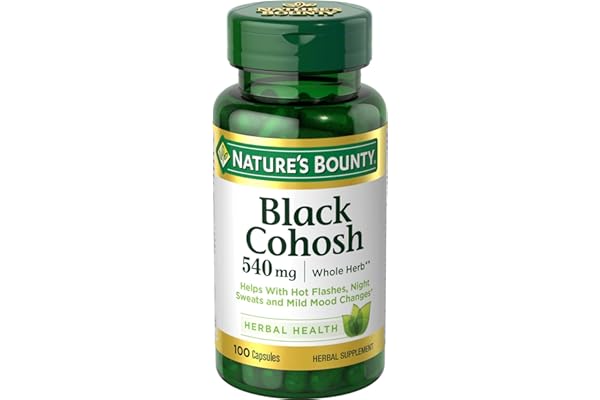
Nature’s Bounty Black Cohosh Root Pills and Herbal Health Supplement, Natural Menopausal Support, 540 mg, 100 Capsules
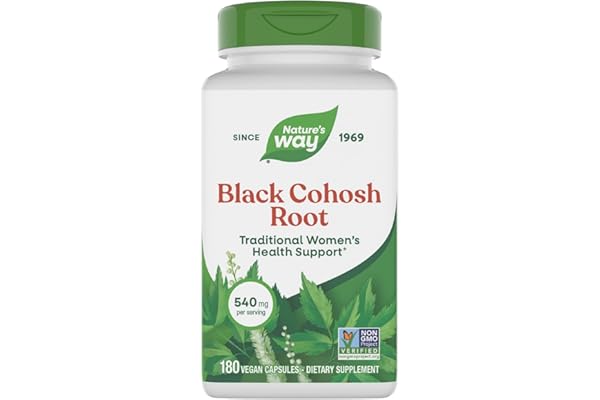
Nature’s Way Black Cohosh Root, Traditional Support for Women’s Health*, 540 mg per Serving, Non-GMO Project Verified, 180 Capsules
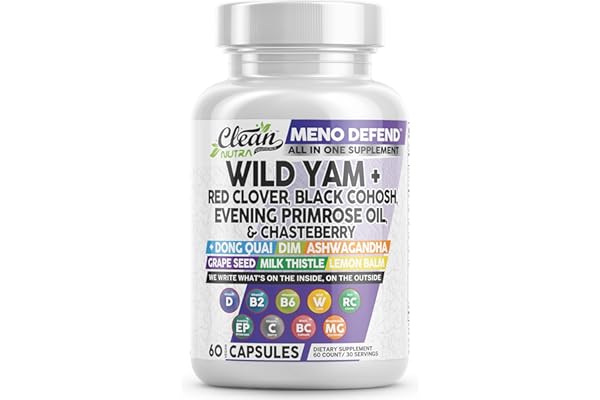
Clean Nutra Wild Yam Root Capsules with Red Clover Black Cohosh Evening Primrose Oil Chasteberry Dong Quai DIM Ashwagandha Grape Seed Extract Milk Thistle Lemon Balm and more Hormone Balance For Women
Rho Nutrition Liposomal Berberine Capsules – Ultra High Absorption Supplement – Supports Immune Function, Gut Health and Metabolic and Cardiovascular Health (60 Capsules)
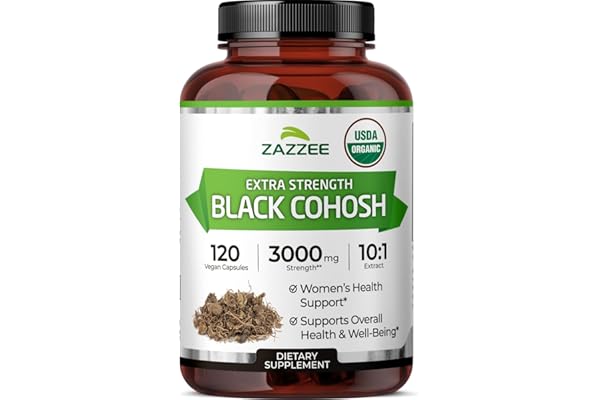
Zazzee USDA Organic Black Cohosh 10:1 Extract, 120 Vegan Capsules, 4 Month Supply, Actaea Racemosa, Women’s Health & Hormonal Balance Support, All-Natural, Non-GMO, Made in the USA
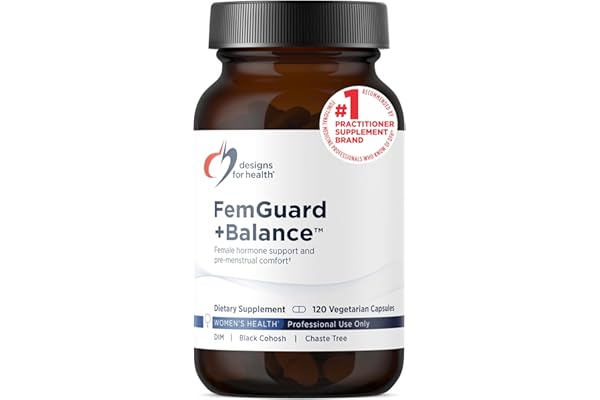
Designs for Health FemGuard + Hormone Balance for Women – DIM, Black Cohosh, Calcium D-Glucarate, EGCg Green Tea Extract & Chaste Tree Supplement for Mood Support & Estrogen Metabolism (120 Capsules)
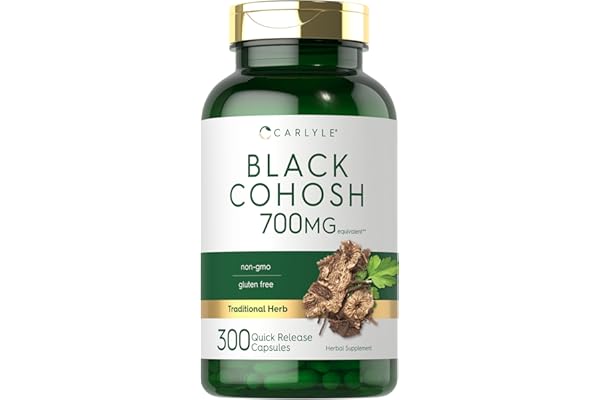
Carlyle Black Cohosh Capsules | 300 Count | Non-GMO, and Gluten Free Formula | Black Cohosh Root Extract Supplement