


Benefits of Bael: Complete Guide to Nutritional & Health Advantages
Bael fruit, also known as wood apple, offers impressive health benefits that have made it a cornerstone of traditional medicine for centuries. This tropical fruit from the Aegle marmelos tree provides natural support for digestive health, immune function, and blood sugar management.
Bael contains essential nutrients including vitamin C, fiber, and potassium while delivering therapeutic compounds that help improve digestion, boost immunity, and regulate blood glucose levels.
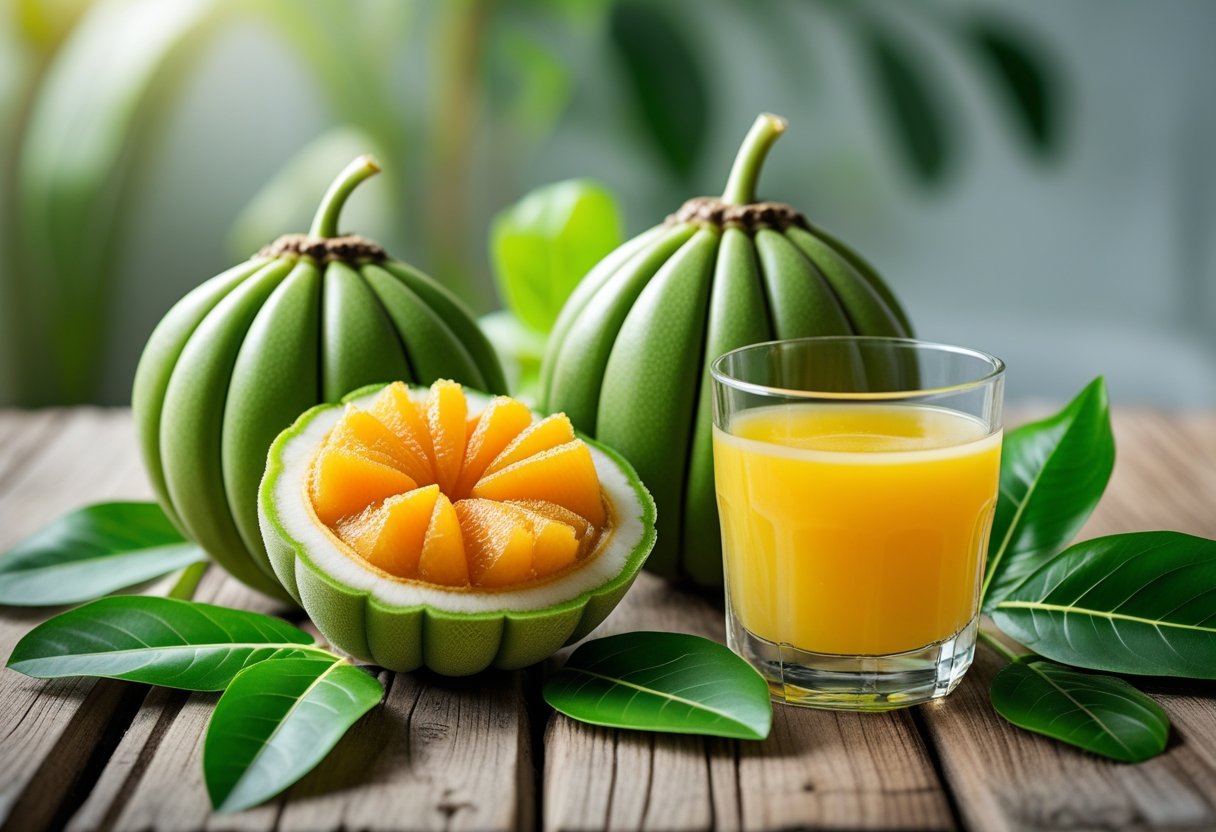
The nutritional profile of bael fruit reveals why this ancient remedy continues to gain recognition in modern wellness practices. With 88 calories per 100-gram serving, bael provides 1.8 grams of protein, 32 grams of carbohydrates, and significant amounts of riboflavin. The fruit’s unique combination of fiber, antioxidants, and bioactive compounds makes it particularly effective for treating digestive issues and supporting overall health.
Scientific research now validates many of the traditional Ayurvedic uses of bael that practitioners have relied on for generations. From relieving constipation and diarrhea to supporting heart health and managing diabetes, bael demonstrates remarkable versatility as a natural healing remedy. Understanding how to properly use this powerful fruit can help people access its full range of therapeutic benefits safely and effectively.
Key Takeaways
- Bael fruit provides essential nutrients and therapeutic compounds that support digestive health, immunity, and blood sugar regulation
- The fruit contains 88 calories per 100 grams along with significant amounts of vitamin C, fiber, potassium, and riboflavin
- Traditional Ayurvedic medicine and modern research both confirm bael’s effectiveness for treating various health conditions naturally
What Is Bael? Botanical Overview and Key Varieties
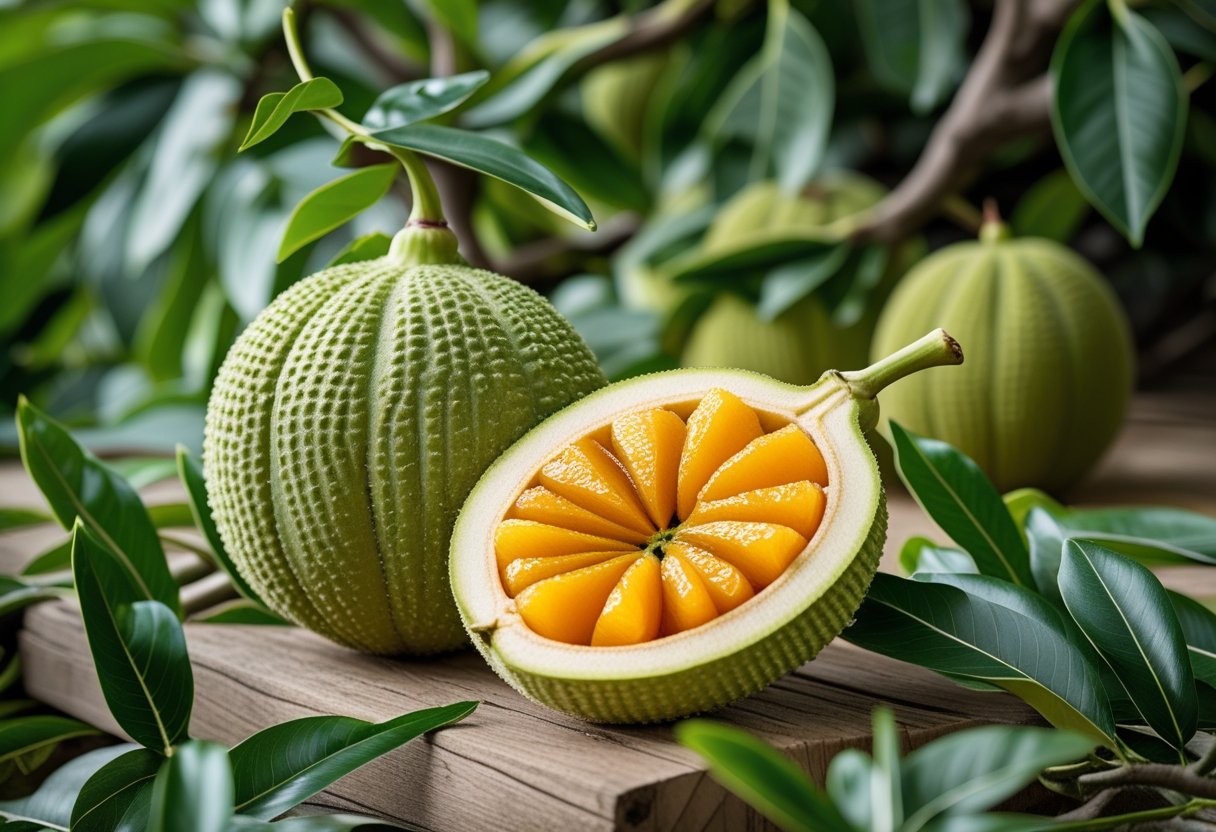
Bael is a medicinal tree species scientifically known as Aegle marmelos that belongs to the citrus family and grows throughout South Asia. The tree produces hard-shelled fruits with aromatic pulp and has distinct physical characteristics that make it easily recognizable in its native habitat.
Scientific Classification and Nomenclature
Aegle marmelos represents the scientific name for bael, which belongs to the Rutaceae family (citrus family). This classification places bael alongside other citrus fruits, though it has unique characteristics that set it apart.
The genus Aegle contains only one species, making Aegle marmelos the sole representative of its kind. Botanists first described and named this species using the binomial nomenclature system developed by Carl Linnaeus.
The species name “marmelos” comes from the Portuguese word for quince, reflecting early European encounters with the fruit. Some botanical references also include the author citation “L. Corrêa” after the scientific name, indicating the botanist who formally described the species.
The botanical description of bael has remained consistent throughout scientific literature, with no major taxonomic changes or reclassifications over time.
Types and Common Names of Bael
Bael goes by numerous regional names across different cultures and languages. The most common names include bilva, bel, Bengal quince, and wood apple.
Regional naming variations:
- Bilva or bilwa – Sanskrit and Hindi names
- Bel – Common in Bengali and other Eastern Indian languages
- Bengal quince – English colonial name
- Wood apple – Reference to the hard wooden shell
Different regions may have additional local names, but these represent the most widely recognized variations. The name bael fruit comes from Aegle marmelos, which has cultural significance in Indian traditions.
While some sources mention different varieties, most botanical literature treats Aegle marmelos as a single species with natural variations rather than distinct cultivars. These variations typically involve differences in fruit size, pulp color, and regional adaptations rather than separate botanical varieties.
Physical Characteristics of Bael Fruit and Tree
The bael tree grows as a thorny deciduous tree that can reach heights of 6 to 20 feet. It has a distinctive appearance with sharp spines along its branches and compound leaves arranged in groups of three leaflets.
Tree characteristics:
- Thorny branches with sharp spines
- Compound leaves with three oval leaflets
- Small, fragrant white or pale green flowers
- Gray-brown bark with a rough texture
The bael fruit has unique physical features that make it instantly recognizable. The fruit develops a hard, woody shell that ranges from green to yellow when ripe. Inside, the aromatic pulp varies from orange to brown in color.
Fruit specifications:
- Size: 2-4 inches in diameter
- Shell: Hard, woody exterior requiring tools to crack open
- Pulp: Soft, fibrous interior with seeds embedded throughout
- Weight: Typically 150-400 grams per fruit
The bael plant indigenous to sub-mountainous regions shows excellent adaptation to various soil conditions. The tree produces fruit seasonally, with peak harvest times varying by geographic location and climate conditions.
Nutritional Profile of Bael Fruit
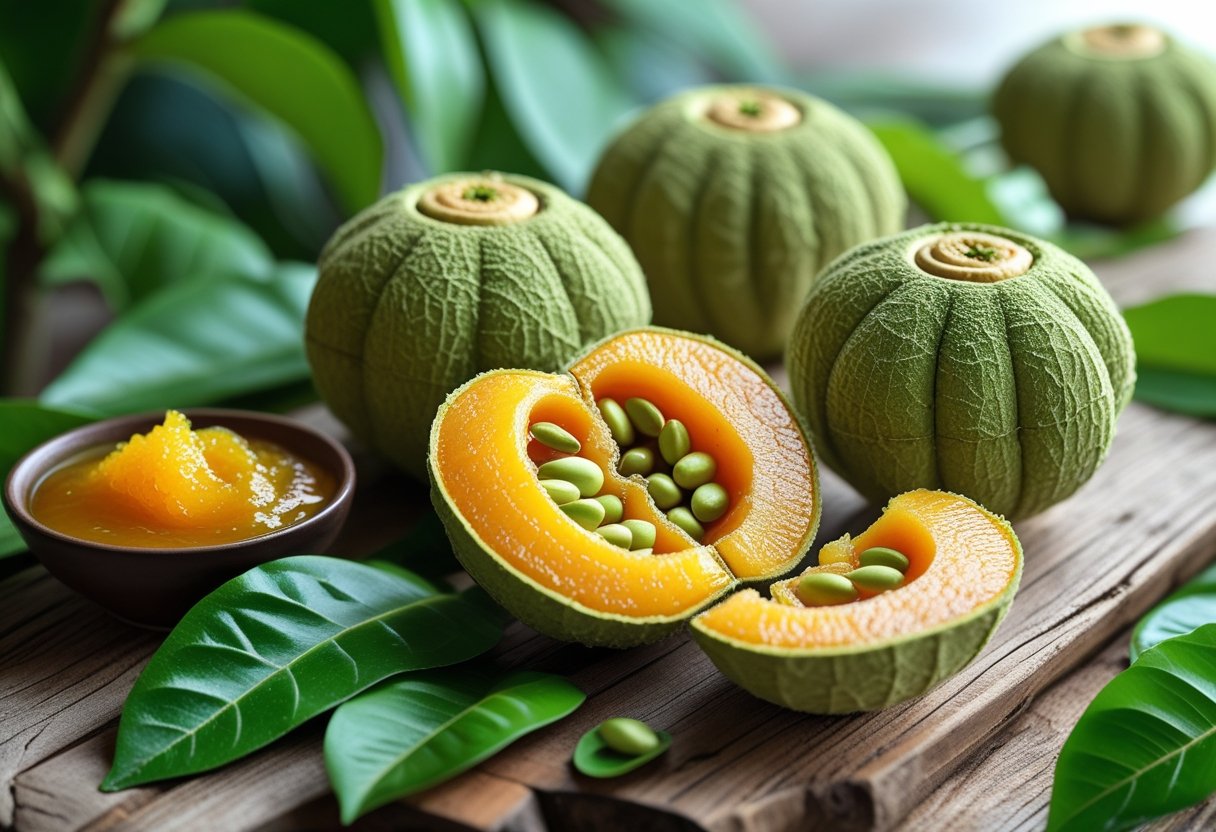
Bael fruit delivers a rich array of essential nutrients, including significant levels of riboflavin, vitamin C, and potassium alongside unique plant compounds. The fruit contains important macronutrients for energy while providing specialized phytochemicals that contribute to its traditional medicinal uses.
Macronutrients and Vitamin Content
A 100-gram serving of bael fruit provides 88 calories, 1.8g of protein, 32g of carbohydrates, and 0.3g of fat. The carbohydrate content makes up the majority of the fruit’s energy value.
Key Vitamins in Bael:
- Riboflavin (Vitamin B2) – Excellent source for energy metabolism
- Vitamin C – Supports immune function and antioxidant activity
- Vitamin A – Important for vision and cellular health
- B-complex vitamins – Aid in various metabolic processes
Bael pulp contains natural sugars that provide quick energy. The fruit’s vitamin content makes it particularly valuable for supporting daily nutritional needs. Fresh bael juice retains most of these water-soluble vitamins when consumed shortly after preparation.
Mineral and Antioxidant Compounds
Bael fruit contains essential minerals like calcium, potassium, and magnesium. The fruit also provides iron, copper, zinc, and phosphorus in smaller amounts.
Mineral Content:
- Potassium – Supports heart function and fluid balance
- Calcium – Essential for bone health
- Magnesium – Important for muscle and nerve function
- Iron – Necessary for oxygen transport
The antioxidant compounds in bael help protect cells from damage. These substances work together with the vitamins to provide protective benefits. Bael leaves also contain similar antioxidant properties, though in different concentrations than the fruit.
Unique Phytochemicals in Bael
Bael contains specialized plant compounds that distinguish it from other fruits. Marmelosin is one of the key phytochemicals found specifically in bael fruit and leaves.
Tannins in bael contribute to its astringent properties and potential health effects. These compounds are present in both the fruit pulp and bael leaf extracts. The concentration varies between different parts of the plant.
Other important phytochemicals include:
- Alkaloids that may support digestive health
- Flavonoids with antioxidant activity
- Coumarins found in various plant parts
Research has identified valuable bioactive compounds throughout the bael tree. These phytochemicals work together to create the fruit’s unique nutritional profile and contribute to its traditional uses in various healing systems.
Core Health Benefits of Bael
Bael fruit delivers powerful health benefits through its unique combination of fiber, antioxidants, and bioactive compounds. The fruit supports digestive balance by treating both constipation and diarrhea, strengthens immune defenses through antimicrobial properties, and promotes cardiovascular wellness by helping regulate cholesterol levels.
Digestive Wellness and Gut Support
Bael fruit stands out for its dual-action digestive benefits, helping both constipation and diarrhea through different mechanisms. The fruit contains soluble fiber and pectins that draw water into the stool, making it softer and easier to pass. At the same time, its tannins provide gentle astringent effects that can firm up loose stools.
Key digestive benefits include:
- Bowel regularity: Fiber content promotes consistent bowel movements
- Gut lining protection: Anti-inflammatory compounds soothe intestinal irritation
- Prebiotic effects: Fiber feeds beneficial gut bacteria
Bael juice daily consumption can help manage symptoms of irritable bowel syndrome. The fruit’s antimicrobial properties also support a balanced gut microbiome by inhibiting harmful bacteria growth. People with chronic digestive issues often find bael powder mixed with water provides gentle, non-habit-forming relief.
Immune System Enhancement
The antioxidant and antimicrobial properties of bael fruit make it valuable for immune system support. Bael contains high levels of vitamin C, polyphenols, and flavonoids that protect cells from oxidative damage and strengthen immune responses.
Bael leaf extracts show particularly strong antimicrobial effects against common pathogens. The fruit’s bioactive compounds help the body resist infections in both the digestive and respiratory systems. Regular consumption provides sustained immune support without overstimulating the immune system.
Immune-supporting nutrients in bael:
| Nutrient | Function |
|---|---|
| Vitamin C | Antioxidant protection, immune cell function |
| Polyphenols | Anti-inflammatory, cellular protection |
| Tannins | Antimicrobial activity |
Bael for Heart and Cardiovascular Health
Bael benefits extend to cardiovascular wellness through multiple pathways. The fruit’s fiber content helps lower LDL cholesterol levels by binding to cholesterol in the digestive system. Bael’s polyphenols and antioxidants also protect blood vessels from oxidative damage that can lead to heart disease.
Potassium in bael juice supports healthy blood pressure by helping balance sodium levels. The fruit’s anti-inflammatory compounds may reduce inflammation in blood vessels, a key risk factor for cardiovascular problems.
Studies suggest regular bael consumption may help improve overall lipid profiles. The fruit’s natural compounds work synergistically to support heart health without the side effects of synthetic alternatives. Bael powder can be easily incorporated into daily routines for ongoing cardiovascular support.
Bael for Specialized Wellness Needs
Bael offers targeted health benefits for diabetes management through blood sugar regulation, skin and hair health via antioxidant compounds, and liver support through detoxification properties. These specialized applications make bael extract and supplements valuable for people with specific health goals.
Bael for Diabetes Management
Bael leaves and extracts support blood sugar control through compounds like aegeline that enhance insulin sensitivity. Research shows bael can reduce fasting blood sugar levels in type 2 diabetes patients.
Key diabetes benefits include:
- Improved glucose uptake by cells
- Enhanced insulin function
- Reduced blood sugar spikes after meals
Bael powder made from leaves contains the highest concentration of anti-diabetic compounds. Users typically take 1,000-2,000 mg daily of standardized bael extract for metabolic support.
People taking diabetes medications should monitor blood sugar closely when using bael supplements. The fruit’s natural compounds can amplify the effects of prescription drugs, potentially causing blood sugar to drop too low.
Skin and Hair Benefits of Bael
Bael extract provides antioxidant protection that supports healthy skin and hair growth. The fruit contains vitamin C and polyphenols that fight free radical damage and reduce inflammation.
Skin benefits include:
- Protection from environmental damage
- Reduced inflammation and redness
- Support for wound healing
- Natural antimicrobial effects against skin infections
For hair health, bael leaves traditionally get used in hair masks and treatments. The nutrients help strengthen hair follicles and may reduce hair loss caused by oxidative stress.
Topical applications of bael extract can soothe minor skin irritations. The antimicrobial properties help with gut and skin infections by inhibiting harmful bacteria and fungi.
Liver and Metabolic Support
Bael supports liver function through its detoxification properties and ability to protect liver cells from damage. Animal studies show bael extract can safeguard liver tissue from toxins and oxidative stress.
The fruit helps with cholesterol regulation by reducing LDL levels and supporting healthy lipid profiles. This dual action benefits both liver health and cardiovascular function.
Metabolic support includes:
- Enhanced liver detoxification
- Improved cholesterol balance
- Better fat metabolism
- Reduced liver inflammation
Bael’s nutritional value includes proteins, minerals, and vitamins that support overall metabolic function. Regular use may help people maintain healthy weight and energy levels when combined with proper diet and exercise.
Traditional and Ayurvedic Uses of Bael
Bael holds deep roots in Ayurvedic medicine as a powerful digestive aid and cooling agent. The fruit serves sacred purposes in Hindu culture while offering proven therapeutic benefits through traditional preparations and modern supplements.
Bael in Ayurveda and Cultural Significance
Bael fruit is highly valued in Ayurveda for treating digestive disorders, particularly constipation and diarrhea. Ayurvedic practitioners classify bael as having cooling properties that balance excess heat in the body.
The bael tree carries immense spiritual importance in Hindu traditions. The leaves are used as sacred offerings to Lord Shiva and other deities during religious ceremonies. This “Bilva” tree grows throughout India and remains adaptable to various climates.
Traditional Ayurvedic Applications:
- Digestive health: Fresh pulp for constipation relief
- Cooling therapy: Juice consumption during hot weather
- Respiratory support: Mixed with honey for cough treatment
- Detoxification: Regular consumption for liver cleansing
Ancient texts describe specific preparation methods for different health conditions. Practitioners often combine bael with other herbs to enhance its therapeutic effects.
Traditional Remedies and Therapies
Traditional medicine systems utilize every part of the bael tree for healing purposes. The fruit, leaves, roots, and bark offer numerous health benefits across various remedies.
Common Traditional Preparations:
| Remedy Type | Preparation | Uses |
|---|---|---|
| Fresh pulp | Direct consumption | Constipation, stomach ulcers |
| Bael sherbet | Pulp mixed with water and jaggery | Body cooling, dehydration |
| Leaf decoction | Boiled leaves in water | Diabetes management, fever |
| Root powder | Dried and ground roots | Diarrhea, dysentery |
Rural communities pass down specific bael recipes through generations. Mothers commonly prepare bael juice for children during summer months to prevent heat-related illnesses.
Traditional healers recommend unripe bael for treating diarrhea due to its astringent properties. Ripe fruit serves opposite purposes by acting as a natural laxative for constipation relief.
Bael in Modern Supplementation
Contemporary wellness practices incorporate bael through standardized supplements and commercial products. Bael supplements provide concentrated benefits with measured dosages for consistent therapeutic effects.
Modern supplement forms include dried powder, capsules, and liquid extracts. These products maintain the fruit’s active compounds while offering convenient consumption methods.
Popular Modern Applications:
- Digestive health supplements
- Blood sugar management formulas
- Antioxidant wellness blends
- Cooling summer beverages
Manufacturers often combine bael with other Ayurvedic herbs to create comprehensive health formulas. Quality supplements preserve the traditional benefits while meeting modern safety standards.
Research validates many traditional uses of bael through scientific studies. This evidence supports the integration of ancient wisdom with contemporary health practices.
How to Incorporate Bael Into Your Routine
Bael can be consumed in multiple forms including fresh fruit pulp, dried powder, and refreshing juices. The key is choosing the right preparation method and following proper dosage guidelines for optimal health benefits.
Forms of Bael: Fresh, Dried, Extracts, and Juice
Fresh bael fruit offers the most direct way to consume this nutritious fruit. People can break open the hard shell and scoop out the aromatic pulp directly. The pulp has a naturally sweet and tangy flavor similar to marmalade.
Dried bael comes in powder form and provides a convenient option for daily use. Users can mix 1-2 tablespoons of bael fruit powder with lukewarm water or milk and consume it daily in the morning. This form has a longer shelf life and can be stored for up to 6 months in an airtight container.
Bael juice represents the most popular preparation method. Fresh juice provides immediate cooling benefits and works well for digestive issues. Many people prefer this form during hot weather because it naturally cools the body and prevents heat strokes.
Bael extracts and supplements offer concentrated benefits in capsule or liquid form. These products provide standardized doses and work well for people who want consistent daily intake without preparing fresh fruit.
Bael-Infused Recipes and Preparations
Bael sherbet stands out as the most beloved preparation in Indian households. This refreshing drink combines bael pulp with cold water, sugar or jaggery, and lemon juice. The mixture creates a cooling summer beverage that helps prevent dehydration.
Traditional bael recipes include:
- Bael juice with honey: Mix fresh pulp with water and add honey for respiratory benefits
- Bael candy: Cook the pulp with sugar to create a sweet preserve
- Bael smoothie: Blend pulp with yogurt and spices for a nutritious drink
- Bael tea: Steep dried bael slices in hot water
People should use wooden spoons when scooping pulp to prevent metallic taste changes. Adding a pinch of black salt to bael juice creates a tangy twist that many enjoy. Fresh preparations work best since bael tends to ferment if stored too long.
Recommended Dosage and Safety
The safe daily amount includes half to one ripe bael fruit or 100-150 ml of bael juice. Overconsumption may lead to digestive issues, so maintaining balance remains important.
Best timing for consumption:
- Morning on empty stomach for digestion and detoxification
- Afternoon during summer as a natural coolant
- Avoid nighttime consumption as it may slow digestion
People with diabetes should consult doctors before regular use since bael can lower blood sugar levels. Pregnant women should avoid large amounts without medical advice. Those taking blood pressure medications need medical guidance due to potential interactions.
Always choose ripe fruit with slightly yellow, fragrant shells. Drink plenty of water after consumption to aid digestion and avoid combining bael with milk as it may cause curdling.
Frequently Asked Questions
Bael fruit offers specific benefits for digestive balance, inflammation reduction, and immune support through its unique compounds like marmelosin and aegeline. This ancient fruit also plays important roles in cardiovascular health, skin wellness, and traditional healing practices.
How does bael fruit support digestive health?
Bael fruit contains high levels of pectin and soluble fiber that form a protective gel in the digestive tract. This gel coating helps soothe irritated intestinal tissue and regulates bowel movements for people with both diarrhea and constipation.
The fruit’s natural tannins work as astringents to control loose stools and reduce inflammation in the gut. Clinical studies show bael fruit extract can shorten the duration and severity of acute infectious diarrhea while protecting the stomach lining from damage.
Bael’s antimicrobial properties help fight harmful bacteria like E. coli and Salmonella in the digestive system. The fruit also supports healthy gut bacteria growth, which improves overall digestive function and nutrient absorption.
What are the potential anti-inflammatory effects of bael?
Bael contains marmelosin and other compounds that block pro-inflammatory pathways in the body. These natural chemicals help reduce swelling and pain in conditions like arthritis and inflammatory bowel disease.
The fruit’s antioxidants neutralize free radicals that cause cellular damage and chronic inflammation. Studies demonstrate bael’s anti-inflammatory actions provide relief for joint pain and mild respiratory inflammation.
Regular consumption may help lower overall inflammation markers in the blood. This reduction supports better recovery from injuries and may protect against long-term inflammatory diseases.
Can consuming bael fruit enhance immune system function?
Bael fruit provides vitamin C and polyphenols that strengthen the body’s natural defense mechanisms. These nutrients help white blood cells function better and respond more quickly to infections.
The fruit’s antimicrobial compounds fight bacteria, viruses, and fungi before they can establish infections. Bael extracts show activity against various pathogens including Candida, helping prevent gut and skin infections.
People who consume bael regularly may experience fewer seasonal illnesses and faster recovery times. The fruit supports immune balance without overstimulating the system, making it suitable for long-term use.
What role does bael play in traditional medicine?
Bael holds sacred status in Hindu culture and has been used in Ayurvedic medicine for thousands of years. Practitioners use different parts of the tree – fruit, leaves, and roots – to treat various health conditions.
Traditional healers prescribe bael fruit for digestive disorders, diabetes management, and fever reduction. The leaves are commonly prepared as teas for early-stage diabetes support and detoxification.
Ancient texts document bael’s use for respiratory problems, skin conditions, and general weakness during illness. Modern research now validates many of these traditional applications through scientific studies of the fruit’s active compounds.
Are there any cardiovascular benefits associated with bael consumption?
Bael fruit may help reduce LDL cholesterol levels and improve overall lipid profiles in the blood. Early studies suggest regular bael supplementation provides protective effects against cardiovascular disease.
The fruit’s antioxidants protect blood vessels from oxidative damage that leads to atherosclerosis. These compounds help maintain healthy blood flow and may reduce the risk of heart attacks and strokes.
Bael also contains compounds that support healthy blood pressure levels. The fruit’s potassium content helps balance sodium and reduce strain on the cardiovascular system.
How might bael fruit contribute to overall skin health?
Bael’s antimicrobial properties help fight bacteria and fungi that cause skin infections and acne. The fruit can be applied topically or consumed to address various skin problems from the inside out.
Traditional uses include applying bael for minor wound healing and skin irritation relief. The fruit’s anti-inflammatory compounds reduce redness and swelling in damaged skin tissue.
The vitamin C and antioxidants in bael support collagen production for healthy skin structure. These nutrients also protect against environmental damage from UV rays and pollution that accelerate skin aging.
Top Bael Products
Herbal Hills Bael Patra Powder Bael Leaf Bilva Powder Aegle Marmelos 16 Oz, Pack Of 1
$6.66
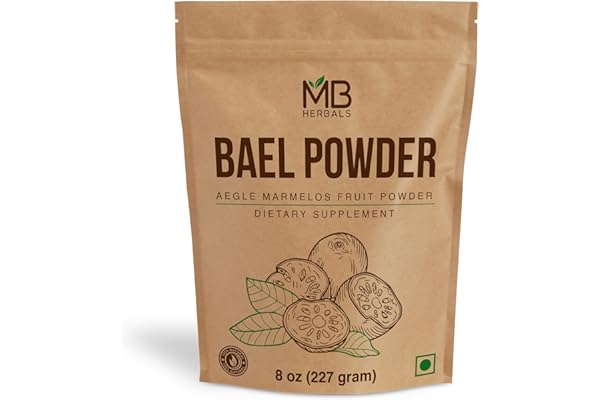
MB Herbals Bael Powder 8 oz (227 Gram / 0.5 LB) | Bael Fruit Powder
$9.99
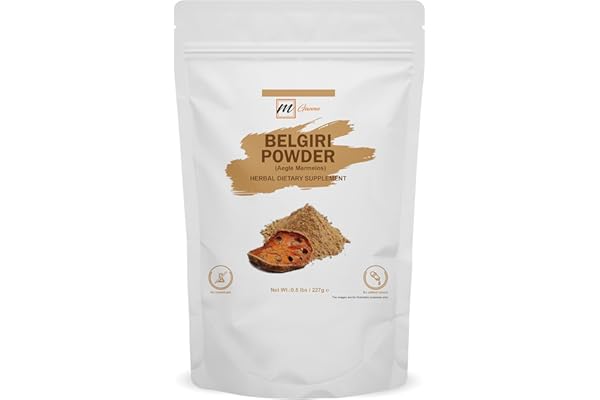
mGanna 100% Natural Belgiri | 227 GMS / 0.5 LBS | Aegle Marmelos | Bael powder | Wood Apple Powder for Health Care and Beauty
$7.99
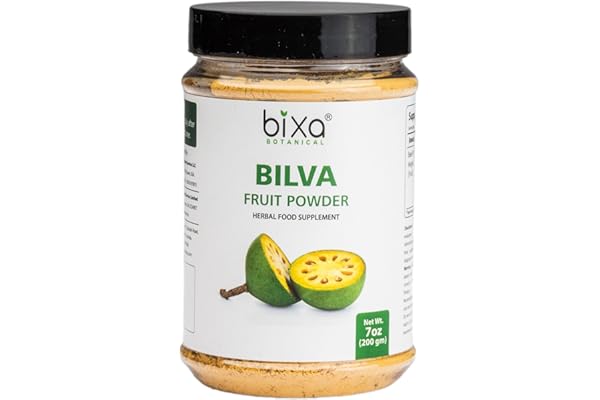
bixa BOTANICAL Bilva Fruit Powder | Gentle Digestive Support and Gut Cleanse | Aegle marmelos | 200 Grams / 7 OZ | Ayurvedic Herbal Supplement | Gluten Free, Non-GMO, Steam Treated, Vegan, 100% Pure
$24.99
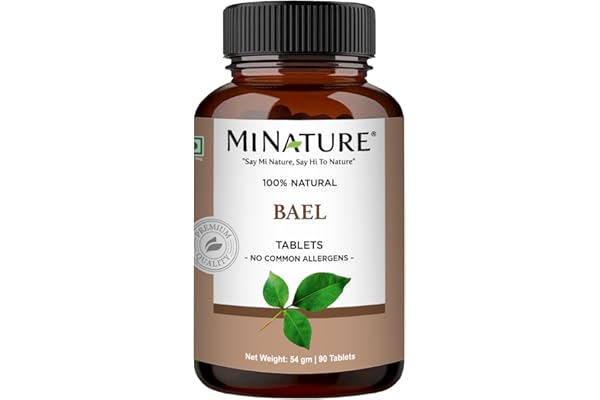
Bael Tablet by mi Nature | Bael Leaf (Aegle marmelos) Tablet | Pure & Natural Herb | Chemical & Free | Supplements | Vegan & Non-GMO |90 Tablets, 45 Days Supply| Made in India
$9.99
YOGIS HERBS Premium Vilvam Leaf Powder (Aegle Marmelos/Bael/Bilva) 1 Lb Fresh & Pure 16.0 Ounce (Pack of 1) Green
$32.50