


What Are the Benefits of Artichoke? Comprehensive Health Insights
Artichokes are edible thistles that pack impressive nutritional value into their unique, layered structure. These Mediterranean vegetables have gained recognition as a superfood due to their exceptional content of fiber, antioxidants, and essential vitamins and minerals.
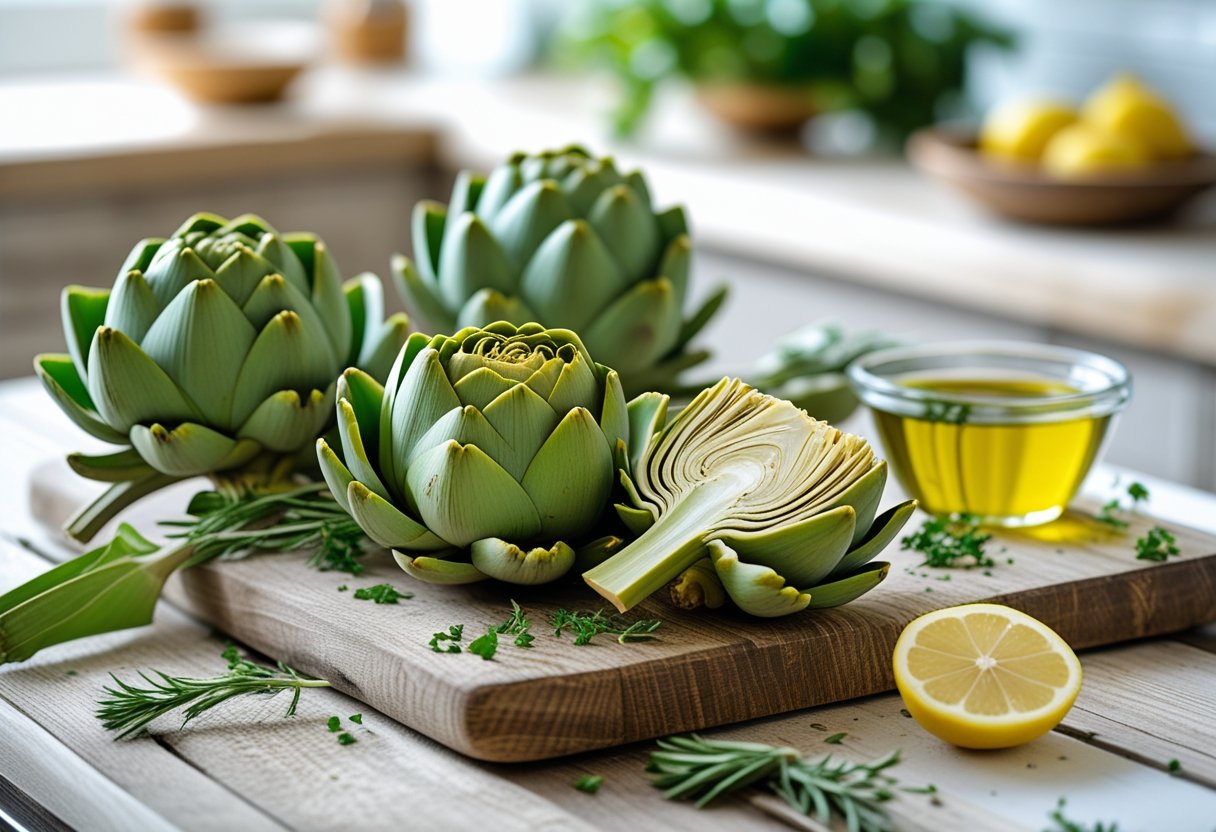
The health benefits of artichokes include supporting cardiovascular health, improving digestive function, promoting liver detoxification, and providing powerful antioxidant protection against chronic diseases. Research shows that artichokes are frequently cited as a superfood because of their high levels of beneficial plant compounds and nutrients.
Beyond their impressive health profile, artichokes offer versatility in the kitchen and can be prepared in numerous ways to suit different tastes and dietary preferences. Whether consumed fresh or as concentrated extracts, artichokes protect against disease, nourish the liver and digestive tract, and reduce inflammation throughout the body.
Key Takeaways
- Artichokes provide exceptional cardiovascular support through their ability to help manage cholesterol levels and promote heart health
- The high fiber content and prebiotic properties of artichokes significantly improve digestive health and support beneficial gut bacteria
- Artichokes contain powerful antioxidants that aid liver detoxification and may help prevent chronic diseases through reduced inflammation
Key Nutritional Components of Artichokes
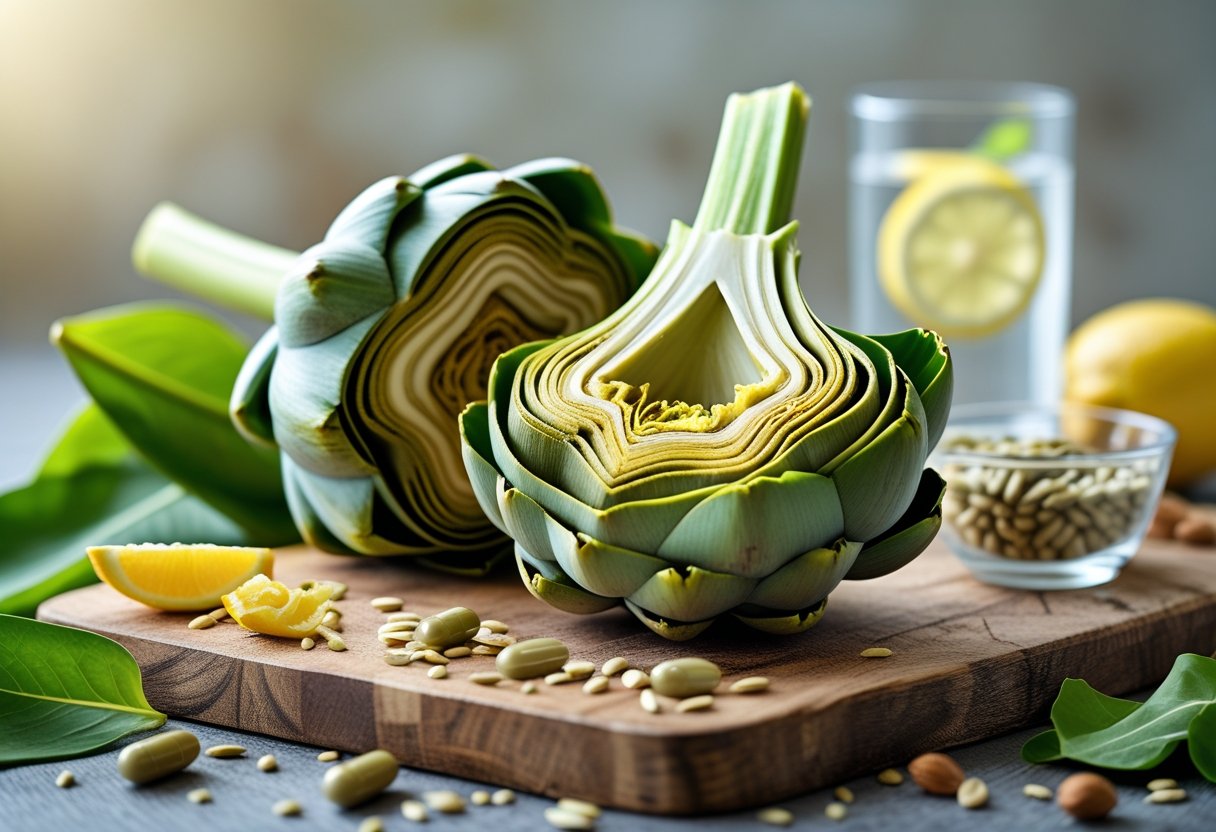
Artichokes deliver an impressive nutritional profile with high fiber content, essential vitamins like folate and vitamin C, key minerals including magnesium and potassium, plus powerful antioxidant compounds. The prebiotic fiber inulin supports digestive health while antioxidants like luteolin provide additional wellness benefits.
Macronutrients and Calories
A single cup of cooked artichoke contains 90 calories with 20 grams of carbohydrates and provides substantial nutritional value. The artichoke delivers 5 grams of protein, which exceeds most plant-based foods in this category.
Fat content remains minimal at just 0.6 grams per cup serving. This makes artichokes an excellent choice for low-calorie meal planning.
Macronutrient Breakdown (per cup cooked):
- Calories: 90
- Carbohydrates: 20g
- Protein: 5g
- Fat: 0.6g
The carbohydrate content consists primarily of complex carbs and fiber rather than simple sugars. This composition supports steady blood sugar levels and sustained energy release.
Vitamins and Minerals
Artichokes provide exceptionally high levels of folate and vitamin C along with essential minerals that support various bodily functions. One cup delivers 151 micrograms of folate, meeting a significant portion of daily requirements.
Vitamin C content reaches 12.6 milligrams per serving. This vitamin supports immune function and collagen synthesis.
Key Vitamins per cup:
- Folate: 151 μg
- Vitamin C: 12.6 mg
- Vitamin K: Present in meaningful amounts
- Niacin: 1.88 mg
Essential Minerals:
- Magnesium: 71.4 mg
- Potassium: 484 mg
- Phosphorus: 124 mg
- Copper: 0.216 mg
Magnesium supports muscle and nerve function while potassium helps regulate blood pressure. The mineral profile makes artichokes particularly valuable for cardiovascular health.
Antioxidant Compounds
Artichokes contain powerful antioxidants including rutin, quercetin, and gallic acid that provide cellular protection. These polyphenols help neutralize harmful free radicals in the body.
Luteolin stands out as a primary antioxidant compound in artichokes. Research shows this flavonoid prevents cholesterol formation and supports heart health.
Major Antioxidants:
- Luteolin – Prevents cholesterol oxidation
- Quercetin – Anti-inflammatory properties
- Rutin – Supports blood vessel health
- Gallic acid – Provides antimicrobial benefits
The artichoke heart contains concentrated levels of these beneficial compounds. Processing and cooking methods can affect antioxidant availability, with steaming preserving the highest levels.
Prebiotic Fiber and Inulin
Artichokes provide 10 grams of fiber per cup, making them one of the highest-fiber vegetables available. This includes both soluble and insoluble fiber types.
Inulin represents the most significant prebiotic component in artichokes. This specialized fiber feeds beneficial gut bacteria and promotes digestive health.
Fiber Benefits:
- Total fiber: 10g per cup
- Inulin content: Significant prebiotic effects
- Soluble fiber: Supports cholesterol management
Research shows consuming 10 grams of inulin from artichokes improves gut microbiome composition within three weeks. The prebiotic fiber also helps regulate bowel movements and may reduce constipation.
The high fiber content contributes to satiety and supports healthy weight management. Soluble fiber specifically helps slow sugar absorption and may improve blood glucose control.
Cardiovascular and Cholesterol Benefits
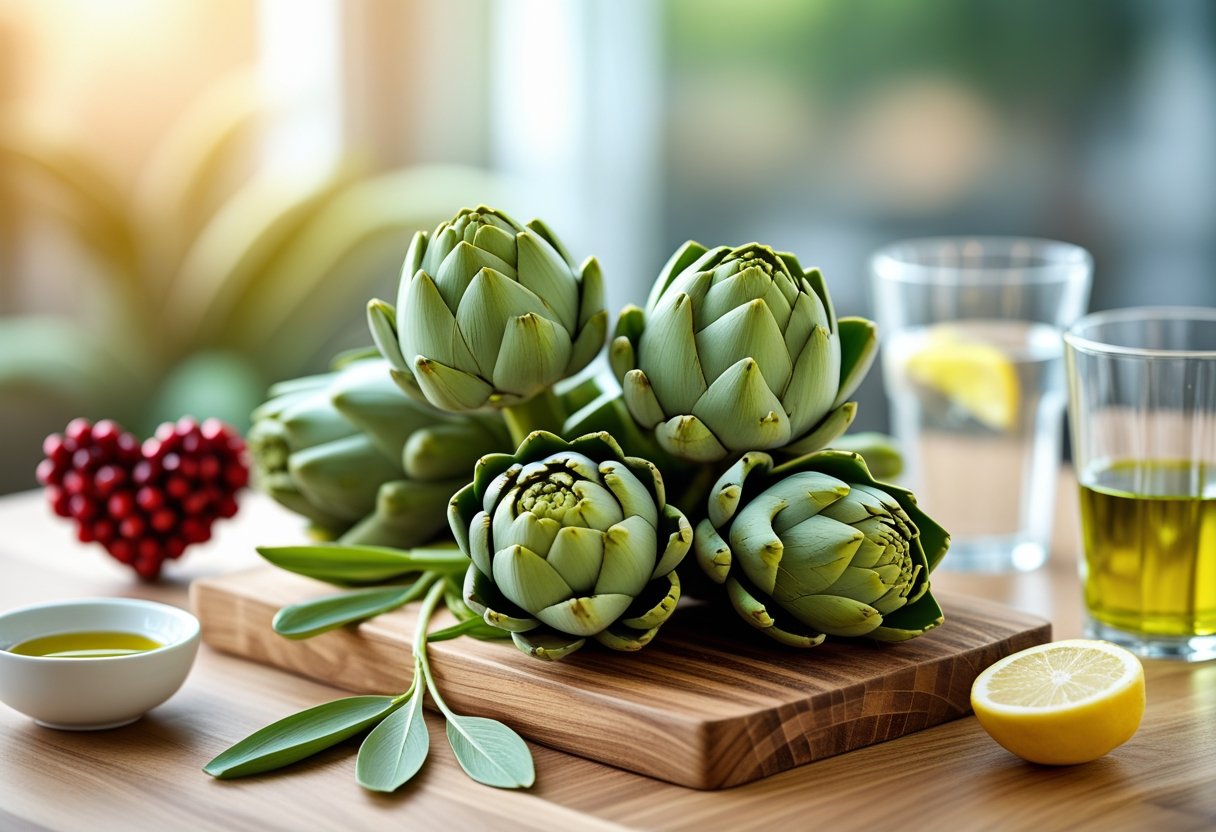
Artichokes provide significant cardiovascular protection through their ability to lower LDL cholesterol levels and reduce blood pressure. Their high potassium content and bioactive compounds like cynarin work together to support optimal heart function and vascular health.
Cholesterol Management
The compound cynarin found in artichokes can lower cholesterol by preventing its accumulation in arteries. This phytochemical specifically targets LDL or “bad” cholesterol while leaving HDL “good” cholesterol levels intact.
Research shows that artichokes contain luteolin, a natural antioxidant that prevents cholesterol formation and aids heart health. The vegetable’s phenolic compounds, including flavonoids and chlorogenic acid, actively inhibit cholesterol synthesis in the liver.
Key cholesterol-lowering mechanisms:
- Blocks cholesterol absorption in the digestive tract
- Reduces LDL production in the liver
- Increases bile acid excretion
- Removes excess triglycerides from blood
Artichokes work as a source of soluble fiber that reduces cholesterol absorption into the bloodstream. This fiber binds to cholesterol molecules and eliminates them through waste before they enter circulation.
Blood Pressure Regulation
Clinical studies demonstrate that artichoke extracts can reduce blood pressure and improve flow-mediated dilation, promoting better vascular health. The bioactive compounds enhance both endothelial-dependent and independent blood vessel relaxation.
Artichokes contain flavonoids and caffeoylquinic acids that help modulate the renin-angiotensin-aldosterone system, which regulates blood pressure. These compounds inhibit angiotensin-converting enzyme activity, reducing vasoconstriction.
The antihypertensive effects occur through multiple pathways. Artichoke compounds promote nitric oxide production, which relaxes smooth muscle in blood vessel walls. They also reduce inflammation in arterial walls that contributes to high blood pressure.
Blood pressure benefits include:
- Systolic pressure reduction of 5-10 mmHg
- Diastolic pressure improvement in hypertensive individuals
- Enhanced endothelial function within 4-6 weeks
- Reduced arterial stiffness over time
Potassium and Heart Function
Artichokes provide substantial amounts of potassium, an essential mineral for maintaining proper heart rhythm and muscle contractions. One medium artichoke contains approximately 345 milligrams of potassium, supporting daily cardiovascular needs.
Potassium works by counteracting sodium’s effects on blood pressure. It helps blood vessels relax and reduces strain on the cardiovascular system. This mineral also supports proper electrical signaling in heart muscle cells.
The vegetable contains magnesium alongside potassium, creating a synergistic effect for heart health. Magnesium helps regulate potassium levels in cells and supports normal heart rhythm patterns.
Cardiovascular minerals in artichokes:
| Mineral | Amount per serving | Heart benefit |
|---|---|---|
| Potassium | 345mg | Blood pressure control |
| Magnesium | 50mg | Heart rhythm regulation |
| Calcium | 25mg | Muscle contraction support |
Regular artichoke consumption helps maintain electrolyte balance necessary for optimal cardiac function. The combination of potassium, magnesium, and fiber creates comprehensive cardiovascular protection against heart disease and stroke risk.
Digestive and Gut Health Advantages
Artichokes provide substantial digestive benefits through their high fiber content and unique prebiotic compounds that support gut bacteria growth. The vegetable’s natural compounds help regulate bowel movements, reduce IBS symptoms, and maintain a balanced microbiome.
Digestive Support and Regularity
Artichokes contain approximately 5.4 grams of dietary fiber per 100 grams, making them an excellent choice for digestive regularity. This high fiber content promotes regular bowel movements and prevents constipation.
The fiber in artichokes adds bulk to stool while softening it. This dual action helps food move through the digestive tract more efficiently.
Key digestive benefits include:
- Reduced constipation
- Improved bowel movement frequency
- Enhanced digestive tract function
- Better nutrient absorption
Artichoke leaf extract has been traditionally used as a digestive bitter, stimulating bile production. This increased bile flow aids in fat digestion and overall digestive efficiency.
The vegetable’s natural compounds also help reduce bloating and digestive discomfort. Regular consumption can lead to more predictable and comfortable digestion patterns.
Benefits for Irritable Bowel Syndrome
Research suggests artichokes may help manage irritable bowel syndrome symptoms. The fiber content helps regulate bowel movements, which can benefit both constipation-predominant and diarrhea-predominant IBS types.
Artichoke extract contains compounds that may reduce intestinal inflammation. This anti-inflammatory effect can help calm the digestive tract in people with IBS.
IBS symptom improvements may include:
- Reduced abdominal pain
- Less bloating
- More regular bowel patterns
- Decreased digestive discomfort
The prebiotic properties of artichokes can help restore gut balance. This is particularly beneficial for IBS sufferers who often have disrupted gut microbiomes.
However, individuals with IBS should introduce artichokes gradually. The high fiber content may initially cause gas or bloating in sensitive individuals.
Role of Prebiotics
Artichokes are rich in inulin, a type of prebiotic that feeds beneficial bacteria in the gut. This prebiotic fiber serves as fuel for healthy gut microorganisms.
Inulin cannot be digested by human enzymes but is readily consumed by beneficial bacteria. This selective feeding promotes the growth of good bacteria while inhibiting harmful ones.
Prebiotic benefits include:
- Enhanced beneficial bacteria growth
- Improved gut barrier function
- Increased short-chain fatty acid production
- Better immune system support
The inulin content in artichokes ranges from 3-10% of their total weight. This makes them one of the richest dietary sources of this important prebiotic compound.
Regular consumption of artichokes can significantly increase prebiotic intake. This consistent supply helps maintain a thriving population of beneficial gut bacteria.
Gut Microbiome Balance
The prebiotic compounds in artichokes act as a VIP pass for beneficial gut bacteria, supporting optimal microbiome balance. This improved bacterial diversity contributes to better overall digestive health.
Artichoke consumption promotes the growth of specific beneficial strains like Bifidobacterium and Lactobacillus. These bacteria produce short-chain fatty acids that nourish the intestinal lining.
A balanced gut microbiome supports multiple bodily functions beyond digestion. These include immune system regulation, mood stability, and nutrient synthesis.
Microbiome improvements include:
- Increased bacterial diversity
- Enhanced protective gut barrier
- Better toxin elimination
- Improved nutrient production
The fiber and prebiotics work together to create an environment where beneficial bacteria thrive. This synergistic effect maximizes the gut health benefits of artichoke consumption.
Liver Health and Detoxification
Artichokes contain powerful compounds that support liver function through enhanced bile production and cellular protection. These vegetables offer significant benefits for preventing fatty liver disease and maintaining optimal hepatic health.
Liver Function Enhancement
Artichoke leaf extract contains active compounds such as cynarin, chlorogenic acid, and flavonoids that demonstrate hepatoprotective effects. These compounds work synergistically to optimize liver performance.
Cynarin stimulates bile production, which improves fat digestion and helps eliminate toxins from the body. This choleretic effect enhances the liver’s natural detoxification processes.
The antioxidant properties of artichoke compounds protect liver cells from oxidative stress and damage. Studies show these flavonoids neutralize harmful free radicals that can impair hepatic function.
Key liver-supporting compounds in artichokes:
- Cynarin (bile production stimulation)
- Chlorogenic acid (antioxidant protection)
- Flavonoids (cellular defense)
- Silymarin (hepatoprotective effects)
Clinical research indicates that artichoke extract supplementation can reduce markers of liver damage, including elevated transaminases in patients with liver disorders.
Protection Against Fatty Liver Disease
Non-alcoholic fatty liver disease (NAFLD) affects millions of people worldwide. Artichoke extract shows promise in addressing this condition through multiple mechanisms.
A randomized controlled trial demonstrated that artichoke extract supplementation significantly reduced liver enzymes and improved lipid profiles in NAFLD patients. These improvements indicate reduced liver inflammation and better metabolic function.
The high fiber content in artichokes supports liver health indirectly by promoting healthy digestion. Better digestive function reduces the metabolic burden on the liver.
Benefits for fatty liver prevention:
- Reduced liver enzyme levels
- Improved lipid metabolism
- Enhanced bile flow
- Decreased inflammation markers
Artichoke’s compounds help prevent fat accumulation in liver cells while promoting the breakdown of existing fatty deposits. This dual action makes it valuable for both prevention and management of fatty liver conditions.
Potential Role in Disease Prevention
Artichokes contain powerful antioxidant compounds that may help protect against various diseases through multiple mechanisms. These bioactive substances work to neutralize harmful free radicals and reduce inflammatory processes throughout the body.
Antioxidants and Cancer Protection
Artichokes contain high levels of antioxidant compounds that may help protect cells from damage linked to cancer development. The primary protective compounds include polyphenols such as quercetin, luteolin, and rutin.
Laboratory studies have shown that artichoke extracts can inhibit the growth of certain cancer cell lines. Luteolin, one of the key flavonoids in artichokes, demonstrates particular promise in research on breast cancer cells.
Key Antioxidant Compounds:
- Quercetin – supports cellular protection
- Luteolin – shows anti-cancer properties in studies
- Rutin – contributes to overall antioxidant activity
- Chlorogenic acid – provides additional protective effects
The antioxidant properties of artichokes work by neutralizing free radicals that can cause DNA damage. This protective mechanism may reduce the risk of cellular mutations that lead to cancer formation.
Research indicates that regular consumption of antioxidant-rich foods like artichokes may contribute to long-term disease prevention strategies.
Anti-Inflammatory Effects
Artichokes possess significant anti-inflammatory properties that may help reduce chronic inflammation in the body. This effect stems from their rich polyphenol content and bioactive compounds.
Chronic inflammation plays a role in many serious health conditions including heart disease, diabetes, and certain cancers. The anti-inflammatory compounds in artichokes may help interrupt these inflammatory pathways.
Studies suggest that artichoke leaf extracts can reduce markers of inflammation in the body. The flavonoids luteolin and quercetin appear particularly effective at modulating inflammatory responses.
Regular consumption may help maintain healthier inflammation levels throughout the body. This anti-inflammatory action works alongside the antioxidant effects to provide comprehensive cellular protection.
Support for Immune Function
The compounds found in artichokes may help strengthen immune system function through several pathways. Antioxidants play a crucial role in maintaining healthy immune responses by protecting immune cells from oxidative stress.
Polyphenols in artichokes, including quercetin and luteolin, have been studied for their immune-supporting properties. These compounds may help regulate immune system activity and improve the body’s ability to fight off infections.
The fiber content in artichokes also supports immune function indirectly by promoting healthy gut bacteria. A healthy gut microbiome is essential for proper immune system development and function.
Immune Support Mechanisms:
- Antioxidant protection of immune cells
- Polyphenol activity that modulates immune responses
- Prebiotic fiber that supports beneficial gut bacteria
Research suggests that the combination of antioxidants, anti-inflammatory compounds, and fiber in artichokes creates a synergistic effect for immune system support.
Artichokes for Weight Management and Metabolic Health
Artichokes contain high levels of fiber and low calories that support weight management, while their natural compounds help regulate blood sugar and insulin response. These nutrient-dense vegetables provide satiety benefits and metabolic improvements that can assist with healthy weight maintenance.
Weight Loss and Satiety
Artichokes are increasingly recognized for their potential role in aiding weight loss due to their impressive nutritional profile. One medium artichoke contains only 90 calories while providing 10 grams of fiber.
The high soluble fiber content creates a feeling of fullness that helps reduce overall calorie intake. Just one medium artichoke delivers nearly seven grams of fiber, aiding in weight management.
Key Weight Management Benefits:
- Low calorie density (90 calories per cup cooked)
- High satiety from fiber content
- 5 grams of protein per artichoke for tissue repair
- May help reduce visceral fat through improved metabolism
Research indicates that artichoke leaf extract may positively impact metabolic health. The inulin fiber acts as a prebiotic, supporting gut bacteria that influence weight regulation.
Effects on Insulin and Blood Sugar
Artichoke compounds demonstrate significant effects on glucose metabolism and insulin sensitivity. Animal studies found that certain compounds in artichoke could reduce blood sugar and improve cholesterol levels.
Clinical research shows promising results for blood sugar control. A review of nine studies concluded that artichoke products could significantly reduce fasting blood sugar levels in humans.
Blood Sugar Benefits:
- Improved fasting glucose levels
- Enhanced insulin sensitivity
- Better glucose tolerance after meals
- Reduced hemoglobin A1C in some studies
Artichoke extract supplementation enhanced blood sugar management and improved several other aspects of metabolic health including cholesterol levels and waist circumference after 8 weeks of use.
The antioxidants in artichokes, particularly chlorogenic acid, help slow glucose absorption. This mechanism prevents rapid spikes in insulin levels after eating.
Other Health and Culinary Aspects
Artichokes provide additional nutrients like vitamin K and manganese that support bone density, while their antioxidants may benefit skin health. Multiple artichoke varieties offer different flavors and textures, from globe artichokes to Jerusalem artichokes, each requiring specific preparation methods.
Bone and Skin Health
Artichokes contain essential nutrients that support bone and skin health beyond their more commonly discussed benefits. One cup of cooked artichoke provides vitamin K, which plays a crucial role in bone mineralization and calcium absorption.
The manganese content in artichokes contributes to bone formation and maintenance. This trace mineral works alongside other nutrients to support skeletal strength and density.
Skin Health Benefits:
- Antioxidant protection: Vitamin C and other antioxidants help protect skin from oxidative damage
- Collagen support: Vitamin C aids in collagen synthesis for skin elasticity
- Anti-inflammatory effects: Compounds in artichokes may reduce skin inflammation
The vitamin A precursors found in artichokes support skin cell regeneration and repair. These nutrients work together to maintain healthy skin tissue and may help protect against environmental damage.
Varieties and Forms of Artichoke
Several distinct artichoke varieties offer different culinary experiences and nutritional profiles. The globe artichoke represents the most common variety found in grocery stores and restaurants.
Main Artichoke Types:
- Globe artichoke: Traditional Mediterranean variety with thick, meaty leaves
- Cardoon: Related plant with edible stems and leaves
- Jerusalem artichoke: Actually a sunflower tuber, not a true artichoke
- Baby artichokes: Smaller, tender versions of globe artichokes
Fresh artichokes provide the highest nutrient content and best flavor. Artichoke hearts, available canned or jarred, offer convenience while maintaining many beneficial compounds.
Frozen artichoke hearts work well in cooked dishes and retain most nutritional value. Each form requires different preparation methods and cooking times to achieve optimal taste and texture.
Preparation and Recipe Ideas
Preparing and cooking artichokes involves several straightforward methods that preserve their nutritional benefits. Boiling artichokes remains the most popular technique, typically requiring 20-40 minutes depending on size.
Basic Preparation Steps:
- Trim stem and remove tough outer leaves
- Cut off top quarter and trim leaf tips
- Remove fuzzy choke from center
- Rinse thoroughly under cold water
Popular Cooking Methods:
- Steaming: Preserves maximum nutrients and flavor
- Grilling: Adds smoky flavor while maintaining texture
- Roasting: Concentrates flavors at 350°F for 40 minutes
- Sautéing: Quick method for artichoke hearts
Artichoke recipes fit perfectly into the Mediterranean diet framework. They pair well with olive oil, lemon, garlic, and herbs like thyme or rosemary.
Recipe Applications:
- Stuffed artichokes with breadcrumbs and herbs
- Artichoke hearts in pasta dishes
- Grilled artichokes with aioli dipping sauce
- Mediterranean salads featuring marinated hearts
Both leaves and hearts provide edible portions with distinct textures and flavors.
Frequently Asked Questions
Artichokes provide specific cardiovascular benefits through cholesterol reduction and blood pressure regulation. They deliver essential nutrients like fiber, folate, and antioxidants while supporting digestive health through prebiotic compounds and liver function enhancement.
How does consuming artichoke affect heart health?
Artichoke consumption significantly reduces total and LDL cholesterol levels according to multiple research studies. A large 2017 review of over 700 people found that daily artichoke leaf extract supplementation for 5-13 weeks decreased both total and bad cholesterol.
The plant contains luteolin, an antioxidant that prevents cholesterol formation in the body. Artichoke leaf extract also encourages more efficient cholesterol processing, leading to lower overall levels.
Research shows that artichoke extract may help reduce both systolic and diastolic blood pressure in people with hypertension. The extract promotes the enzyme eNOS, which helps widen blood vessels and improve circulation.
Artichokes provide potassium, a mineral that helps regulate blood pressure naturally. This combination of mechanisms makes artichokes beneficial for overall cardiovascular health.
What are the nutritional components of artichokes and their benefits?
Each cup of cooked artichoke contains 90 calories, 20 grams of carbohydrates, and 10 grams of fiber. They provide 5 grams of protein and only 0.6 grams of fat per serving.
Artichokes are exceptionally high in folate, delivering 151 micrograms per cup. They also provide significant amounts of vitamin C at 12.6 milligrams per serving.
Essential minerals include magnesium at 71.4 milligrams, potassium at 484 milligrams, and phosphorus at 124 milligrams. Copper content reaches 0.216 milligrams per cup.
The vegetables contain various antioxidants including rutin, quercetin, silymarin, and gallic acid. These compounds contribute to the plant’s anti-inflammatory and protective properties.
In what ways can artichoke consumption support digestive functions?
Artichokes contain inulin, a prebiotic fiber that promotes friendly gut bacteria growth. Research shows that consuming 10 grams of inulin from artichokes improved gut microbiome composition after three weeks.
The high fiber content helps maintain digestive system health by reducing constipation and diarrhea risk. Fiber also supports regular bowel movements and overall intestinal function.
Studies indicate that artichoke extract may relieve indigestion symptoms including bloating, nausea, and heartburn. The compounds help improve food movement through the digestive tract.
Research on people with irritable bowel syndrome found that artichoke leaf extract reduced symptoms by 26% over two months. Participants reported improved quality of life by 20% during the study period.
Can artichokes play a role in weight management and if so, how?
Artichokes are naturally low in calories, containing only 90 calories per cooked cup serving. This makes them a nutrient-dense option for people managing their caloric intake.
The high fiber content of 10 grams per cup promotes satiety and helps people feel full longer. Fiber slows digestion and may reduce overall food consumption throughout the day.
Artichokes provide 5 grams of protein per cup, which is above average for plant-based foods. Protein helps maintain muscle mass during weight loss efforts.
The low fat content of 0.6 grams per serving allows people to enjoy artichokes without significantly increasing their daily fat intake.
What potential advantages do artichokes offer for liver health?
Artichoke leaf extract may protect the liver from damage and promote new tissue growth. Research shows the extract increases bile production, which helps remove harmful toxins from the liver.
Studies in people with non-alcoholic fatty liver disease found that 600 milligrams of artichoke extract daily for two months improved liver function. The extract reduced inflammation and liver cell damage in animal studies.
Research indicates that artichoke supplementation can reduce elevated liver enzyme levels. High liver enzymes typically indicate inflammation or damage to liver tissue.
The antioxidants in artichokes help protect liver cells from oxidative stress and damage. This protective effect may support long-term liver health and function.
How might artichokes contribute to lowering cholesterol levels?
Artichoke extract works through multiple mechanisms to reduce cholesterol levels in the body. The compound luteolin prevents new cholesterol formation while promoting more efficient processing of existing cholesterol.
Clinical studies show that artichoke supplementation significantly reduces triglycerides, total cholesterol, and LDL cholesterol levels. A review of 14 studies confirmed these cholesterol-lowering effects across different populations.
The fiber content in whole artichokes also contributes to cholesterol reduction. Soluble fiber binds to cholesterol in the digestive system and helps remove it from the body.
Regular consumption of artichoke extract for 5-13 weeks produced measurable improvements in cholesterol profiles. The effects appear to be dose-dependent and consistent across different study populations.
Top Artichoke Herbal Products
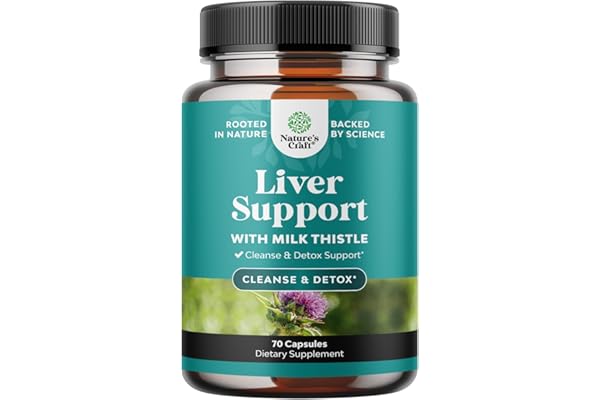
Liver Cleanse Detox & Repair – Milk Thistle Supplement for Digestion & Immune Health – Ginger Root, Choline & Dandelion Root – Herbal Liver Support with Silymarin, Beetroot & Artichoke – 70 Count
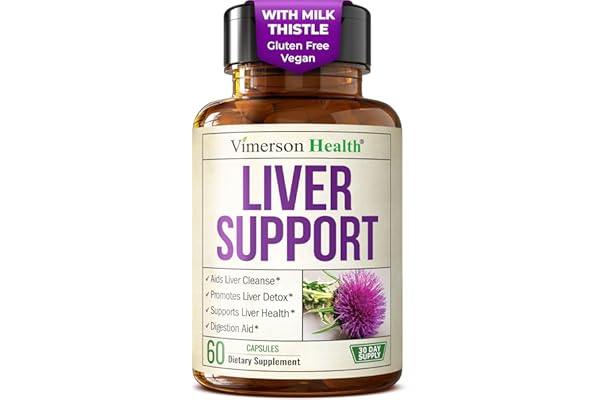
Vegan Liver Cleanse Detox & Repair – Dandelion Root Supplement with Milk Thistle & Artichoke Extract for Enzyme Support, Energy & Healthy Digestion – Herbal Liver Support Supplement. 60 Capsules
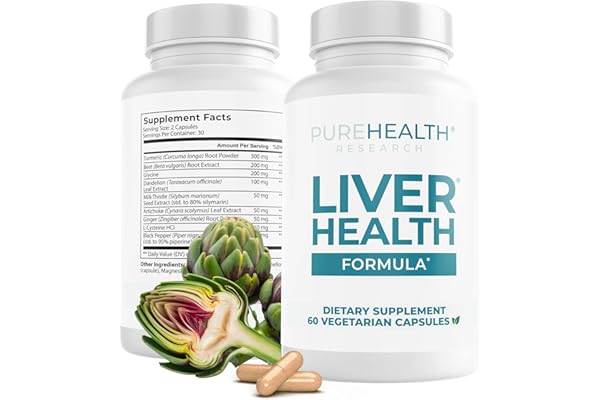
PUREHEALTH RESEARCH Liver Health – Liver Cleanse Detox & Repair with Artichoke Extract, Milk Thistle, Dandelion Root, Turmeric, Beet Root to Healthy Liver Renew with 11 Natural Nutrients, 60 Capsules

THORNE – S.A.T. – Milk Thistle Complex with Silymarin, Artichoke, and Turmeric Extracts for Liver Support* – Soy, Gluten & Dairy Free – 60 Capsules

AMG Naturals Artichoke Extract Capsules | 7 mg Cynarin Herbal Artichoke Leaf | Liver Support Supplement for Bile Flow, Digestion & Estrogen Metabolism | Vegan, Gluten Free Formula | 60 Capsules

Carlyle Artichoke Extract Capsules 8000mg | 200 Count | Non-GMO, Gluten Free Supplement
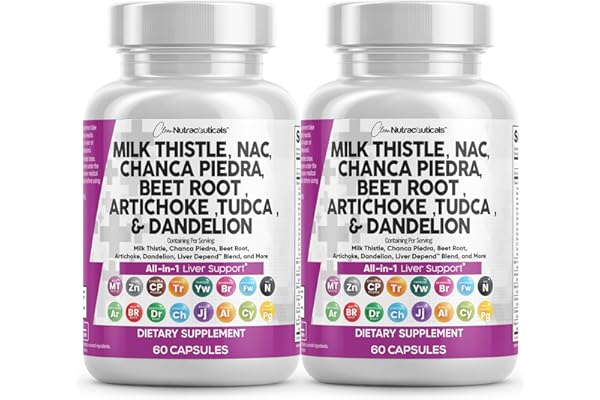
Clean Nutraceuticals Milk Thistle NAC Chanca Piedra Beet Root Artichoke Dandelion Root – Liver Cleanse Supplement Plus TUDCA Choline & Ginger – 2Pack