

What Are the Benefits of Arjuna? Key Health Uses & Effects
Arjuna, scientifically known as Terminalia arjuna, is a powerful medicinal tree bark that has served as a cornerstone of Ayurvedic medicine for thousands of years.
The primary benefits of arjuna include strengthening cardiovascular function, reducing cholesterol levels, regulating blood pressure, protecting liver health, and providing anti-inflammatory effects throughout the body.
This remarkable herb contains potent bioactive compounds like flavonoids, tannins, and arjunolic acid that work together to support multiple organ systems.
Modern scientific research validates what traditional healers have long recognized about this remarkable plant. Clinical studies demonstrate that arjuna’s water extract can enhance left ventricular heart function when taken consistently. The bark’s therapeutic properties extend beyond heart health to include benefits for diabetes management, wound healing, and stress reduction.
Healthcare practitioners and researchers continue to uncover new applications for this versatile herb as more people seek natural alternatives for maintaining optimal health. Understanding how arjuna works in the body and its proper usage can help individuals make informed decisions about incorporating this ancient remedy into modern wellness routines.
Key Takeaways
- Arjuna primarily supports cardiovascular health by strengthening heart muscle function and reducing cholesterol levels
- The herb contains powerful antioxidant compounds that protect multiple organ systems including the liver and circulatory system
- Clinical research confirms traditional uses while revealing additional benefits for diabetes, wound healing, and stress management
Understanding Arjuna and Its Origins
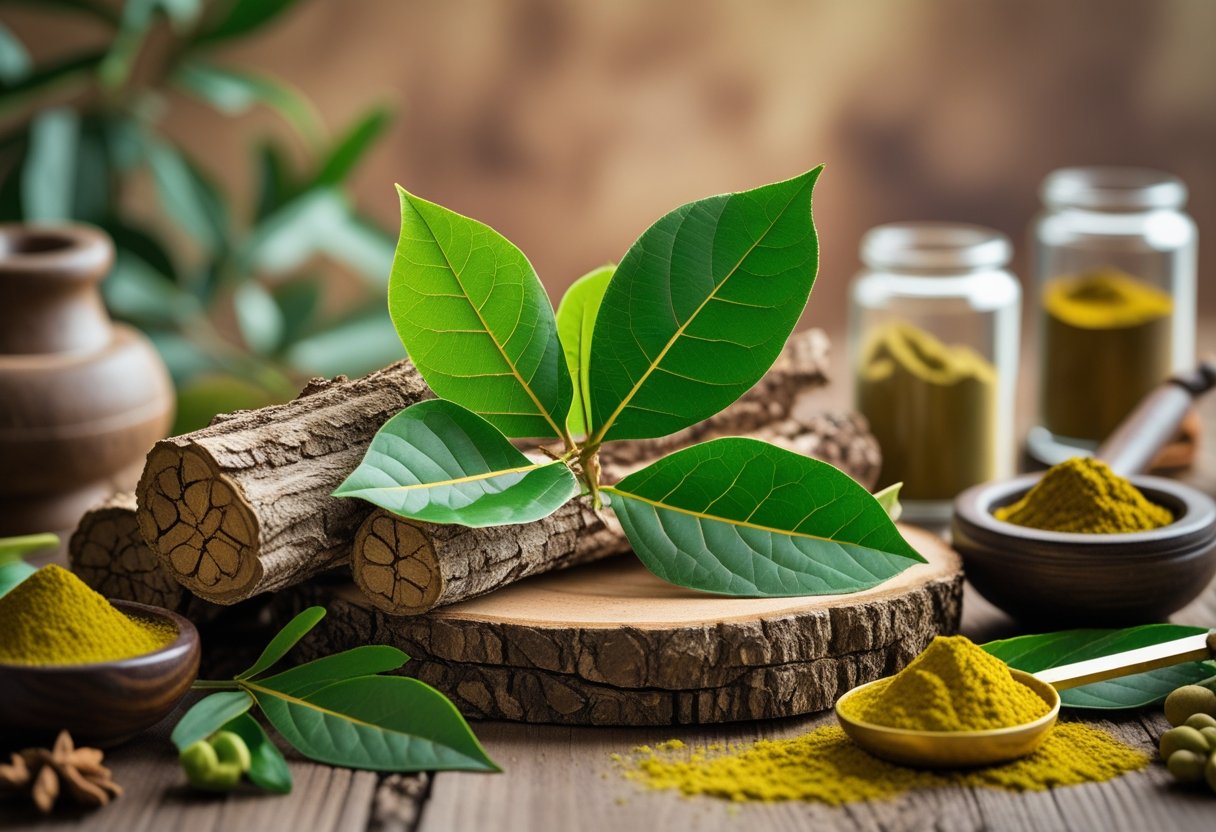
Terminalia arjuna stands as one of India’s most revered medicinal trees, with its bark serving as the primary therapeutic component for over 3,000 years. This deciduous tree contains powerful bioactive compounds including tannins, flavonoids, and triterpenoids that contribute to its extensive health benefits.
What Is Arjuna (Terminalia arjuna)?
Terminalia arjuna is a deciduous tree native to the Indian subcontinent and belongs to the Combretaceae family. The tree goes by several vernacular names including white marudah, arjunam, kakubha, and kahu across different Indian languages.
The health benefits of arjuna come from antioxidant phytochemicals like flavonoids, polyphenols, and tannins found primarily in the bark. The tree also contains essential minerals and proteins that contribute to its therapeutic properties.
Key bioactive compounds in arjuna include:
- Tannins: Provide antioxidant and anti-inflammatory benefits
- Flavonoids: Support cardiovascular health through lipid-lowering effects
- Triterpenoids: Exhibit anticancer and antimicrobial activities
- Glycosides: Offer cardiotonic properties
- Essential minerals: Including calcium, magnesium, and zinc
Botanical Characteristics of the Arjuna Tree
The arjuna tree is an evergreen species that can be found throughout South Asia. New leaves typically emerge between February and April during the hot season before the tree sheds its foliage.
The tree reaches considerable heights and produces distinctive bark that serves as the primary source of medicinal compounds. Different parts of the plant contain varying concentrations of therapeutic substances.
Plant parts and their components:
- Stem bark: Contains triterpenoids, glycosides, flavonoids, and tannins
- Roots: Rich in arjunic acid, arjunolic acid, and various glycosides
- Leaves: Contains β-sitosterol, flavonoids, alkaloids, and tannins
The bark remains the most utilized part due to its concentrated levels of cardioprotective compounds.
Traditional Uses in Ayurveda
Arjuna has been a cornerstone of Ayurvedic medicine for over 2,500 years, dating back to the Vedic period. Ancient Indian medical texts including the Charaka Samhita, Sushruta Samhita, and Astanga Hridayam extensively reference this medicinal tree.
The famous Indian physician Vagbhata was the first to recommend arjuna stem bark powder specifically for treating heart ailments. In Ayurveda, arjuna is classified as a potent rasayana, a rejuvenating herb that promotes overall well-being and longevity.
Traditional practitioners have historically used arjuna bark for cardiovascular support, wound healing, and managing various inflammatory conditions. The herb has earned the title “guardian of the heart” due to its remarkable cardioprotective properties.
Modern research continues to validate many traditional uses while uncovering new therapeutic applications for this ancient remedy.
Core Health Benefits of Arjuna
Arjuna bark delivers targeted cardiovascular support through multiple mechanisms that directly address heart function, blood pressure regulation, and cholesterol management. Clinical research demonstrates measurable improvements in cardiac performance and reduced risks of serious heart conditions.
Promoting Heart Health
Arjuna bark strengthens cardiac muscle function and improves overall cardiovascular health through its rich concentration of bioactive compounds. The herb contains arjunolic acid, flavonoids, and tannins that work synergistically to protect heart tissue from oxidative damage.
Research shows that Arjuna enhances left ventricular function when taken at 500 mg three times daily. The water extract specifically targets cardiac muscle strengthening and improves ejection fraction in patients with heart failure.
Studies demonstrate that Arjuna reduces symptoms of coronary artery disease by improving blood flow to the heart muscle. The herb’s cardioprotective properties help maintain healthy cardiac rhythm and support optimal heart function during physical stress.
Key cardiac benefits include:
- Enhanced cardiac muscle strength
- Improved blood circulation to heart tissue
- Reduced oxidative stress on heart cells
- Better exercise tolerance
Managing Blood Pressure
Arjuna bark acts as a natural ACE inhibitor, helping regulate blood pressure through vasodilation of blood vessels. Clinical studies show the herb can reduce systolic blood pressure by 10-12 mmHg in individuals with hypertension.
The herb’s vasodilatory properties regulate blood pressure by relaxing arterial walls and improving blood flow. This mechanism reduces strain on the cardiovascular system without the side effects commonly associated with synthetic medications.
Patients with high blood pressure benefit from Arjuna’s ability to support healthy circulation while maintaining stable blood pressure readings. The herb works gradually to normalize pressure levels over consistent use periods.
Regular supplementation helps prevent complications associated with uncontrolled hypertension, including reduced risk of stroke and heart attack.
Supporting Healthy Cholesterol Levels
Arjuna demonstrates significant lipid-lowering effects, particularly in reducing LDL cholesterol and triglyceride levels. A double-blind study found 14% reduction in LDL cholesterol after 12 weeks of supplementation in individuals with hyperlipidemia.
The herb helps prevent the oxidation of cholesterol particles, which reduces arterial plaque formation. This protective action supports long-term cardiovascular health and reduces atherosclerosis risk.
Cholesterol management benefits:
| Measurement | Improvement |
|---|---|
| LDL Cholesterol | 14% reduction |
| Triglycerides | Significant decrease |
| Total Cholesterol | Notable improvement |
Individuals with metabolic syndrome often experience improved lipid profiles when incorporating Arjuna into their treatment regimen. The herb addresses multiple cardiovascular risk factors simultaneously.
Reducing Angina and Heart Failure Risks
Arjuna provides substantial relief for individuals experiencing angina symptoms by improving coronary blood flow and reducing chest pain frequency. The herb’s ability to strengthen cardiac function directly addresses underlying causes of angina attacks.
Clinical evidence shows Arjuna reduces severity and frequency of angina episodes while improving exercise capacity. Patients report decreased dependence on conventional angina medications with consistent use.
For heart failure management, Arjuna improves cardiac output and reduces fluid retention symptoms. The herb supports better quality of life for individuals with compromised heart function.
Studies indicate reduced risk of ischaemic mitral regurgitation through improved left ventricular function. The cardioprotective properties help prevent progression of existing heart conditions while supporting overall cardiac health.
Bioactive Compounds and Their Roles
Arjuna’s therapeutic effects stem from its diverse array of bioactive compounds, particularly flavonoids that provide potent antioxidant protection, tannins and saponins that contribute astringent properties, and specialized molecules that combat free radicals and oxidative stress throughout the cardiovascular system.
Flavonoids: Antioxidant and Heart Protection
Arjuna bark contains flavonoids and other active compounds that serve as the primary drivers of its cardiovascular benefits. These flavonoids act as powerful antioxidants, neutralizing harmful molecules before they can damage heart tissue.
The flavonoid compounds in arjuna work by strengthening blood vessel walls and improving their flexibility. This mechanism helps reduce blood pressure and enhances overall circulation throughout the body.
Key Flavonoid Actions:
- Protect heart muscle cells from oxidative damage
- Improve endothelial function in blood vessels
- Reduce inflammation in cardiovascular tissues
- Support healthy cholesterol metabolism
Research demonstrates that these flavonoids help regulate heart rate and rhythm. They accomplish this by influencing calcium channels and other cellular mechanisms that control cardiac function.
The antioxidant properties of arjuna’s flavonoids extend beyond basic protection. They actively repair cellular damage and prevent the formation of arterial plaques that can lead to cardiovascular disease.
Tannins, Saponins, and Astringent Properties
The bark of Arjuna is rich in bioactive compounds including tannins and saponins that contribute significantly to its medicinal properties. Tannins provide the characteristic astringent qualities that help strengthen and tone cardiovascular tissues.
These tannins work by binding to proteins in blood vessel walls, creating a tightening effect that improves vascular integrity. This astringent action helps reduce excessive bleeding and supports wound healing processes.
Tannin Benefits:
- Strengthen capillary walls
- Reduce vascular permeability
- Support tissue repair mechanisms
- Provide antimicrobial protection
Saponins complement the tannins by offering additional cardiovascular support through their ability to influence cholesterol absorption and metabolism. These compounds help maintain healthy lipid profiles in the bloodstream.
The combination of tannins and saponins creates a synergistic effect that enhances the overall therapeutic value of arjuna extracts for heart health applications.
Neutralizing Free Radicals and Oxidative Stress
The scientific validation of bioactive compounds underscores arjuna’s potential in combating oxidative stress, one of the primary contributors to cardiovascular disease. Free radicals constantly attack heart muscle cells and blood vessel linings, causing progressive damage over time.
Arjuna’s bioactive compounds neutralize these free radicals through multiple pathways. The process involves donating electrons to unstable molecules, effectively stopping the chain reaction of cellular damage.
Anti-Oxidative Mechanisms:
- Scavenging hydroxyl and superoxide radicals
- Chelating metal ions that promote oxidation
- Regenerating other antioxidant systems
- Protecting mitochondrial function in heart cells
The oxidative stress reduction occurs at the cellular level, where arjuna’s compounds protect DNA, proteins, and lipids from damage. This protection is particularly important in heart tissue, which has high energy demands and generates significant oxidative byproducts.
Continuous exposure to oxidative stress accelerates aging in cardiovascular tissues. Arjuna’s compounds help slow this process by maintaining the balance between free radical production and antioxidant defense systems.
Digestive and Metabolic Benefits
Arjuna bark provides significant support for liver detoxification and metabolic health through its bioactive compounds. The herb demonstrates measurable effects on blood sugar regulation, liver enzyme protection, and natural diuretic properties that enhance fluid balance.
Detoxification and Liver Support
Arjuna bark contains powerful hepatoprotective compounds that shield liver cells from oxidative damage. Research shows the herb can reduce liver enzyme levels by 40% in cases of toxin-induced liver damage.
The bark’s antioxidant properties help neutralize free radicals that accumulate in liver tissue. This protective action supports the liver’s natural detoxification processes.
Key liver benefits include:
- Reduced ALT and AST enzyme levels
- Enhanced bile production
- Protection against hepatic oxidative stress
- Improved liver cell regeneration
Terminalia arjuna’s flavonoids and tannins work synergistically to maintain hepatic function. These compounds support Phase I and Phase II detoxification pathways that process toxins and metabolic waste products.
Clinical studies indicate consistent liver protection when arjuna extract is used at therapeutic doses. The herb shows particular effectiveness in protecting against alcohol-induced and chemical-induced liver damage.
Blood Sugar and Metabolic Syndrome
Arjuna demonstrates significant anti-diabetic properties through improved insulin sensitivity and glucose metabolism. Studies show an 18% reduction in fasting blood glucose levels in diabetic subjects taking arjuna extract.
The herb helps regulate multiple aspects of metabolic syndrome beyond blood sugar control. It addresses insulin resistance, lipid metabolism, and inflammatory markers associated with diabetes.
Metabolic improvements include:
- Enhanced glucose uptake by cells
- Reduced insulin resistance
- Lower hemoglobin A1c levels
- Improved lipid profiles
Arjuna’s bioactive compounds modulate key enzymes involved in carbohydrate metabolism. The herb inhibits alpha-glucosidase activity, which slows glucose absorption after meals.
Research indicates arjuna works through multiple pathways to support metabolic health. It enhances pancreatic beta-cell function while reducing oxidative stress in metabolic tissues.
Diuretic Actions for Fluid Balance
Arjuna bark exhibits mild diuretic properties that support healthy fluid balance without causing electrolyte depletion. This natural water-balancing effect helps reduce excess fluid retention while maintaining mineral levels.
The herb’s diuretic action occurs through gentle stimulation of kidney function rather than harsh fluid elimination. This mechanism supports cardiovascular health by reducing fluid load on the heart.
Diuretic benefits include:
- Gentle fluid elimination
- Reduced edema and swelling
- Maintained electrolyte balance
- Support for kidney function
The mild diuretic effect complements arjuna’s cardiovascular benefits by reducing blood volume and pressure. This action occurs without the potassium depletion seen with synthetic diuretics.
Traditional Ayurvedic practitioners have long recognized arjuna’s ability to balance fluid retention. Modern research confirms this effect occurs through natural physiological pathways that preserve essential minerals.
Arjuna for Skin and Inflammatory Conditions
Arjuna’s astringent and cooling properties make it particularly effective for treating acne-prone and inflamed skin conditions. The herb’s anti-inflammatory compounds help reduce skin inflammation while supporting natural healing processes.
Managing Acne and Eczema
Arjuna’s astringent properties help contract skin cells and reduce excess oil production that contributes to acne formation. The herb’s anti-inflammatory and astringent qualities help reduce acne breakouts by tightening pores and controlling sebum levels.
For eczema treatment, Arjuna bark paste can be applied topically to alleviate inflammatory skin conditions. The cooling nature of the herb helps soothe irritated skin and reduce redness associated with eczema flare-ups.
Common topical applications include:
- Arjuna powder mixed with rose water for acne-prone skin
- Bark paste combined with aloe vera for eczema relief
- Herbal face masks with neem and multani mitti for oily skin
The herb’s wound-healing properties also help reduce acne scarring and promote faster recovery from inflammatory skin conditions. Regular use can improve overall skin texture and reduce the frequency of breakouts.
Anti-Inflammatory Effects on Skin
Arjuna possesses strong anti-inflammatory properties that help reduce inflammation throughout the body, including skin tissues. These effects stem from the herb’s natural compounds that target inflammatory pathways at the cellular level.
The anti-inflammatory action works by reducing swelling, redness, and irritation in affected skin areas. This makes Arjuna particularly beneficial for people with chronic inflammatory skin conditions that cause persistent discomfort.
Key anti-inflammatory benefits include:
- Reduced skin swelling and puffiness
- Decreased redness from irritation
- Faster healing of minor wounds and cuts
- Improved circulation to affected areas
Arjuna’s antioxidant properties protect skin from free radical damage that can worsen inflammatory conditions. The herb helps maintain skin barrier function while reducing oxidative stress that contributes to chronic inflammation.
For optimal results, people can use Arjuna both internally and topically to address inflammatory skin conditions from multiple angles.
How to Use Arjuna and Supplement Considerations
Arjuna supplements come in several forms with specific dosage recommendations and quality factors to consider. Understanding these practical aspects helps ensure safe and effective use of this traditional Ayurvedic herb.
Common Forms of Arjuna Supplements
Arjuna bark extract represents the most concentrated form available in capsules or tablets. These standardized Arjuna extracts typically contain 500-1000mg per serving and offer convenient daily dosing.
Powder forms of arjuna herb provide flexibility for mixing into drinks or smoothies. Traditional preparations involve boiling arjuna bark in water or milk to create decoctions.
Liquid extracts and tinctures offer faster absorption but may have a bitter taste. Some manufacturers combine terminalia arjuna with other heart-supporting herbs like hawthorn or CoQ10.
Common supplement forms include:
- Standardized bark extract capsules
- Raw arjuna powder
- Liquid tinctures
- Combination formulas
- Traditional decoctions
Tea preparations using dried arjuna bark provide a gentler approach for beginners. However, these contain lower concentrations of active compounds compared to concentrated extracts.
Standard Dosage Guidelines
Most supplements suggest 500-1000 mg per day, typically divided into two doses taken with meals. This range applies to standardized arjuna bark extracts containing active compounds.
For powder forms, traditional dosages range from 1-3 grams daily mixed with water or milk. New users should start with lower amounts to assess tolerance.
Typical dosing schedule:
- Morning: 250-500mg with breakfast
- Evening: 250-500mg with dinner
- Powder: 1-1.5g twice daily
- Liquid extract: Follow manufacturer instructions
Some people begin feeling effects within a couple of weeks, while others require longer periods for noticeable benefits. Consistency matters more than exact timing.
Higher doses may increase risks of side effects like nausea or dizziness. Those taking heart medications should consult healthcare providers before starting any arjuna supplement regimen.
Choosing Quality Arjuna Products
Third-party testing for purity and potency indicates higher quality arjuna supplements. Look for products that specify the concentration of active compounds like arjunolic acid or total phenolic content.
Organic certification ensures the terminalia arjuna bark was grown without pesticides or chemicals. Reputable manufacturers provide certificates of analysis showing test results for heavy metals and contaminants.
Quality indicators to look for:
- Standardized extract percentages
- Third-party lab testing
- Organic certification
- Good Manufacturing Practice (GMP) facilities
- Clear labeling of active compounds
Avoid products with excessive fillers, artificial colors, or unnecessary additives. The ingredient list should primarily contain arjuna bark extract with minimal inactive ingredients.
Choose established brands with transparent sourcing practices and customer reviews. Products that combine multiple herbs may dilute the arjuna content, so check actual amounts per serving.
Side Effects, Interactions, and Safety Precautions
Arjuna bark contains compounds that can significantly affect cardiovascular function and blood clotting mechanisms. The herb may also alter how the liver processes certain medications, creating potential interaction risks.
Potential Side Effects of Arjuna Herb
Terminalia arjuna is possibly safe when used for up to 3 months, but it should not be used without medical supervision due to its effects on the heart.
The most significant concern involves cardiovascular effects. Since arjuna bark contains chemicals that stimulate heart function, individuals may experience changes in heart rhythm or blood pressure.
Bleeding-related effects represent another primary risk. Arjuna may inhibit platelet aggregation, potentially increasing bleeding risk and bruising in susceptible individuals.
Gastrointestinal complications can occur in certain users. Arjuna acts as a potent diuretic that can result in dehydration if not taken with adequate water intake.
Liver-related effects may also emerge, though specific mechanisms remain unclear. Some individuals may experience altered liver enzyme levels during treatment.
Interactions With Medications and Health Conditions
Medications that slow blood clotting interact with Terminalia arjuna, potentially increasing bruising and bleeding risks when used together.
Anticoagulant medications require particular caution. Arjuna’s blood-thinning properties may amplify the effects of warfarin, heparin, and similar medications.
Liver enzyme interactions affect multiple drug categories. Arjuna might change how quickly the liver breaks down medications processed by CYP2C9, CYP2D6, and CYP3A4 enzymes.
Common medications affected include certain antidepressants, blood pressure medications, and cholesterol-lowering drugs.
Existing liver conditions may worsen with arjuna use. Those with liver illness should avoid arjuna because it can make these diseases worse.
Who Should Avoid Arjuna?
Pregnant and breastfeeding women should avoid arjuna completely. There isn’t enough reliable information to know if Terminalia arjuna is safe during pregnancy or breast-feeding.
Individuals with bleeding disorders face elevated risks. Those with hemophilia, thrombocytopenia, or similar conditions should not use arjuna due to its antiplatelet effects.
Surgical patients must discontinue use well in advance. Stop taking Terminalia arjuna at least 2 weeks before scheduled surgery to prevent excessive bleeding complications.
People taking blood-thinning medications should avoid arjuna unless specifically approved by their healthcare provider. The combination significantly increases hemorrhage risk.
Those with active liver disease or gastrointestinal disorders should also avoid arjuna bark due to potential complications.
Frequently Asked Questions
Arjuna demonstrates specific cardiovascular benefits through direct heart muscle strengthening and blood vessel support. The herb influences cholesterol metabolism, blood pressure regulation, exercise capacity, tissue repair mechanisms, and cellular protection against oxidative damage.
How does Arjuna support cardiovascular health?
Arjuna acts as a cardiotonic and heart-supportive herb for conditions like angina, heart failure, and hypertension. The bark extract strengthens heart muscle contractions and improves cardiac output.
The herb enhances blood flow to the heart muscle itself. This increased circulation helps deliver oxygen and nutrients more efficiently to cardiac tissues.
Arjuna directly improves heart function by supporting the electrical conduction system of the heart. Regular use may help maintain steady heart rhythm and rate.
The compounds in arjuna bark protect heart cells from damage caused by reduced oxygen supply. This protective effect proves particularly beneficial during periods of cardiac stress.
What are the potential effects of Arjuna on cholesterol levels?
Arjuna influences lipid metabolism by affecting how the liver processes cholesterol. The herb may help reduce the production of harmful cholesterol compounds.
Studies suggest arjuna can lower total cholesterol levels in the bloodstream. The mechanism involves blocking certain enzymes responsible for cholesterol synthesis.
The herb appears to increase the ratio of good cholesterol to bad cholesterol. This shift creates a more favorable lipid profile for cardiovascular health.
Arjuna may also reduce the oxidation of cholesterol particles. Oxidized cholesterol poses greater risks for arterial plaque formation than non-oxidized forms.
Can Arjuna aid in the management of blood pressure?
Arjuna demonstrates blood pressure reduction benefits through multiple physiological pathways. The herb helps relax smooth muscle in arterial walls.
The bark extract contains compounds that act as natural calcium channel blockers. This action allows blood vessels to dilate and reduces pressure on arterial walls.
Arjuna supports kidney function, which plays a crucial role in blood pressure regulation. Better kidney function helps maintain proper fluid balance in the body.
The herb’s stress-reducing properties may indirectly contribute to lower blood pressure readings. Chronic stress often elevates blood pressure through hormonal mechanisms.
What role does Arjuna play in enhancing athletic performance?
Arjuna improves oxygen utilization in muscle tissues during physical activity. Enhanced oxygen delivery supports better endurance and stamina during exercise.
The herb helps reduce exercise-induced cardiac stress. Athletes may experience less strain on their cardiovascular system during intense training sessions.
Arjuna supports faster recovery between exercise sessions. The improved circulation helps remove metabolic waste products from working muscles more efficiently.
The herb’s adaptogenic properties help the body respond better to physical stress. This adaptation may translate to improved performance capacity over time.
How might Arjuna contribute to wound healing?
Arjuna contains compounds that stimulate collagen production in damaged tissues. Collagen serves as the primary structural protein needed for wound repair.
The herb’s anti-inflammatory properties reduce excessive swelling around injury sites. Less inflammation creates better conditions for healing processes to occur.
Arjuna improves blood flow to wounded areas. Enhanced circulation delivers essential nutrients and immune cells needed for tissue regeneration.
The bark extract demonstrates antimicrobial activity against certain bacteria. This property may help prevent infections that could impair healing processes.
What are the antioxidant properties of Arjuna?
Arjuna contains high concentrations of natural antioxidant compounds called tannins and flavonoids. These molecules neutralize harmful free radicals in body tissues.
The herb’s antioxidant benefits protect cellular membranes from oxidative damage. This protection helps maintain normal cell function and longevity.
Arjuna antioxidants specifically target cardiovascular tissues. The concentrated protection benefits heart muscle cells and blood vessel walls.
The herb helps maintain the body’s own antioxidant enzyme systems. This support enhances the natural cellular defense mechanisms against oxidative stress.
Top Arjuna Products
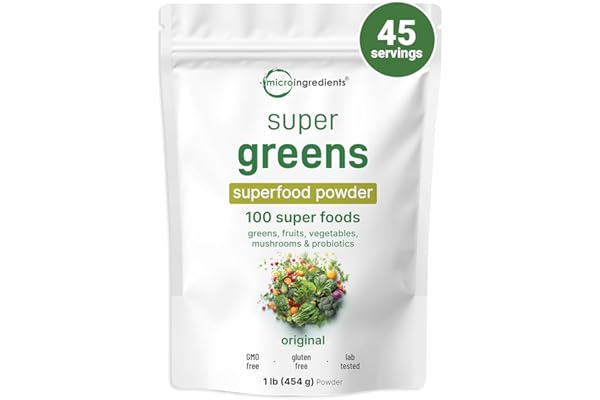
Micro Ingredients Super Greens Powder, 1lb – 100 Superfood Blend with Daily Greens, Fruits, Vegetables, Mushrooms & Probiotics – Source of Vegan Protein & Enzymes – Non-GMO, Gluten-Free, No Additives
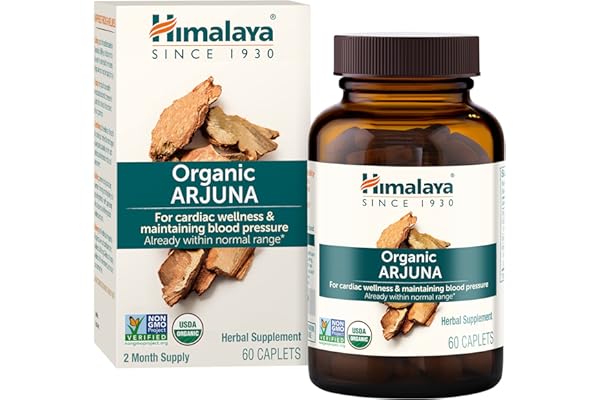
Himalaya Organic Arjuna, 60 Day Supply – Herbal Supplement Supporting Heart Health and Normal Blood Pressure – USDA Organic, Vegan, Non-GMO, Gluten Free, 700 mg, 60 Caplets
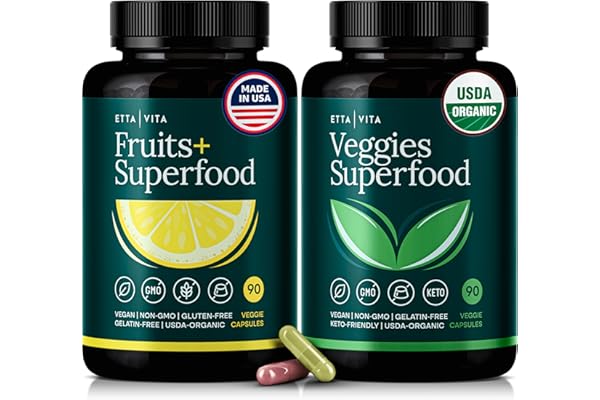
100% Organic Fruits and Veggies Supplement (USDA Organic – Made in USA) 180 Potent Fruits and Vegetable Capsules for Energy Boost & Daily Fruit and Vegetable Vitamins – Vegan, Non-GMO, Gluten-Free
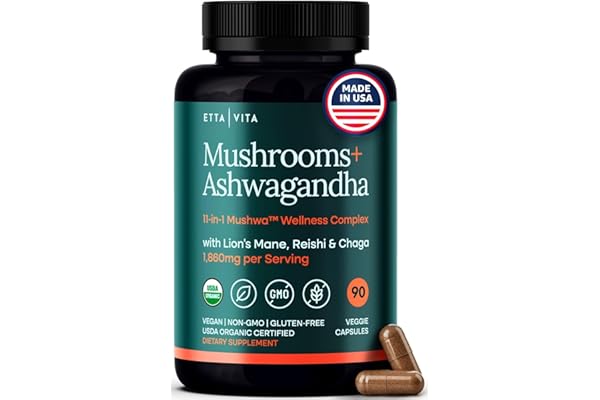
USDA Organic Lions Mane Supplement Capsules with Ashwagandha, Chaga, Reishi, Cordyceps, Turkey Tail (18,600mg/serv) 10x Adaptogenic Mushroom Complex as Focus Supplement – Energy, Immunity & Nootropic

Life Extension Cardio Peak, Cardiovascular Supplement, Heart Health, arjuna, 1-Daily, Gluten Free, Non-GMO, Vegetarian, 30 Capsules
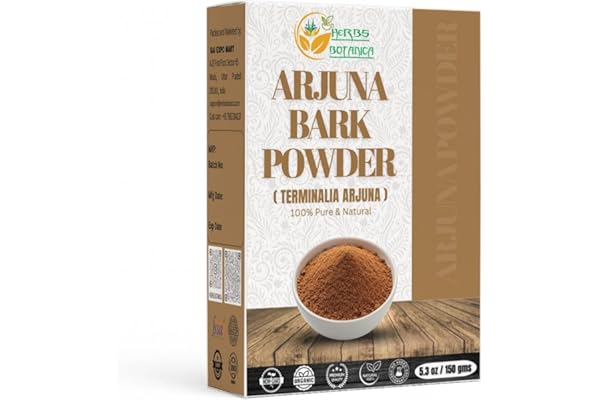
Herbs Botanica Arjuna Powder 100% Pure Arjuna Bark Powder (Arjun Ki Chaal) for Herbal Tea & Wellness – Finely Ground Tree Bark Powder for DIY Use – 5.3 oz Pack