


Benefits of Cinnamon: Health, Nutrition & Uses
Cinnamon has been valued as a spice and medicine for thousands of years, and modern research now supports many of its traditional uses. This common kitchen spice comes from the inner bark of trees in the Cinnamomum genus and contains powerful compounds that affect various aspects of health.
Cinnamon offers multiple health benefits including blood sugar control, reduced inflammation, heart health support, and powerful antioxidant protection.
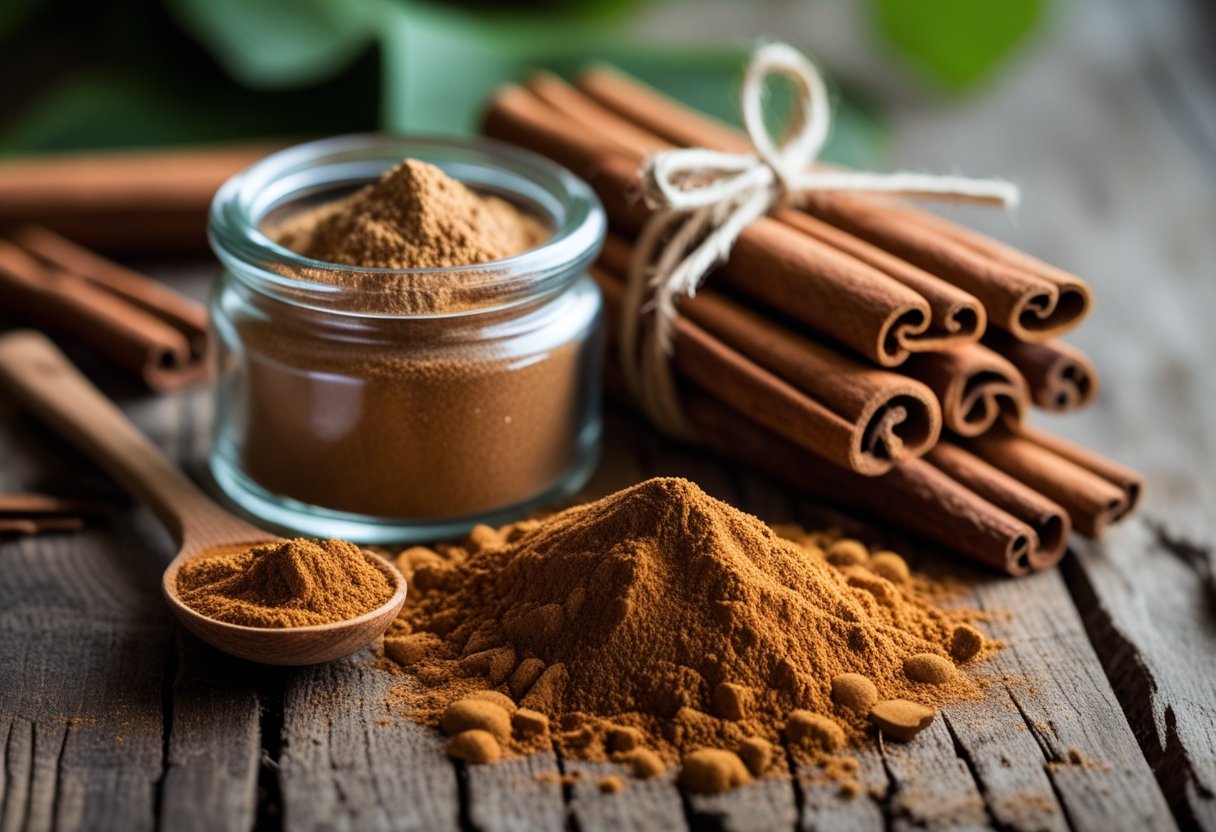
The two main types of cinnamon are Ceylon cinnamon and Cassia cinnamon, which differ in their chemical makeup and safety profiles. Ceylon cinnamon is often called “true” cinnamon and contains lower levels of coumarin, a compound that can cause problems in large amounts.
Understanding these differences helps people make informed choices about which type to use and how much to consume.
Research shows that the active compounds in cinnamon, particularly cinnamaldehyde, are responsible for most of its effects on the body. These compounds may help with conditions ranging from type 2 diabetes to infections, though some benefits need more human studies to confirm what has been observed in laboratory and animal research.
Key Takeaways
- Cinnamon contains antioxidants and anti-inflammatory compounds that support blood sugar control, heart health, and protection against infections
- Ceylon cinnamon is safer for regular use than Cassia cinnamon because it contains much lower levels of coumarin
- Most health benefits appear with daily doses of 1 to 6 grams, which equals about half to two teaspoons of cinnamon powder
How Cinnamon Impacts Health
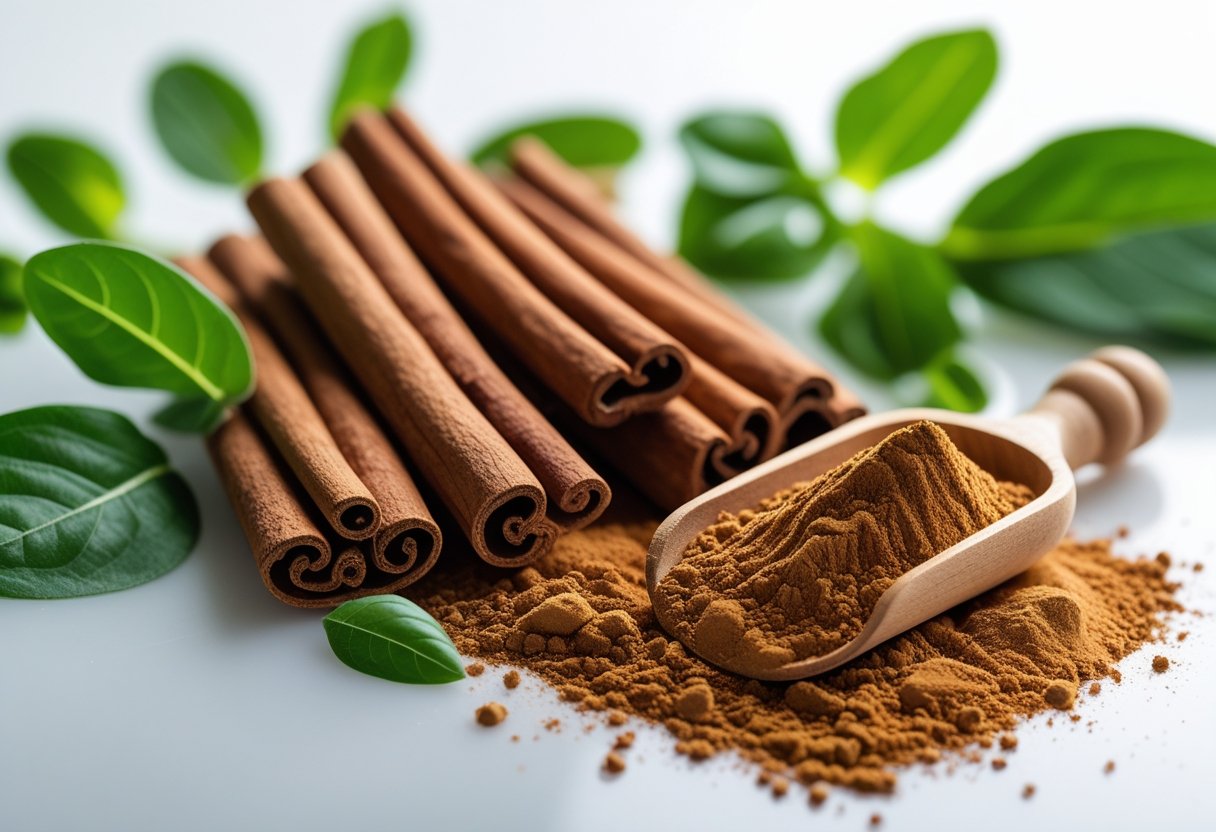
Cinnamon affects multiple body systems through its active compounds, particularly cinnamaldehyde and polyphenols. The spice shows measurable effects on blood sugar control, cardiovascular markers, and cellular protection against damage.
Blood Sugar Regulation
Cinnamon helps lower blood sugar levels through several mechanisms in the body. It slows down the breakdown of carbohydrates in the digestive tract by interfering with digestive enzymes. This means less sugar enters the bloodstream after meals.
The spice also improves insulin sensitivity, which helps cells respond better to insulin signals. People with insulin resistance, a key feature of type 2 diabetes and prediabetes, may benefit from this effect.
Research shows that consuming 1 to 6 grams of cinnamon daily can reduce fasting blood sugar levels. Studies indicate it may also improve A1C levels, which measure average blood sugar control over two to three months.
Compounds in cinnamon can mimic insulin’s effects and help move sugar from the blood into cells. This dual action on both insulin sensitivity and glucose uptake makes cinnamon useful for blood sugar management in people with metabolic concerns.
Heart Health Support
Cinnamon influences several risk factors linked to heart disease. Taking at least 1.5 grams of cinnamon per day can reduce triglycerides, total cholesterol, and LDL cholesterol in people with metabolic conditions.
Research shows the spice can lower blood pressure when consumed consistently for at least eight weeks. Both systolic and diastolic readings may improve with regular use.
Key cardiovascular benefits include:
- Lower triglyceride levels
- Reduced total cholesterol
- Decreased LDL (bad) cholesterol
- Improved blood pressure readings
The combination of these effects on cholesterol levels, triglycerides, and blood pressure creates a protective effect on heart health. These improvements in cardiovascular markers may reduce the overall risk of developing heart disease over time.
Antioxidant Activity
Cinnamon contains high levels of powerful antioxidants called polyphenols. These compounds protect cells from oxidative stress caused by free radicals, which are unstable molecules that damage tissues.
The antioxidants in cinnamon include various phytochemicals such as catechins and other plant compounds. These substances neutralize free radicals before they can harm cell structures.
Studies show that cinnamon supplementation increases antioxidant levels in the blood. At the same time, it reduces inflammation markers like C-reactive protein. The antioxidant effects are strong enough that cinnamon can work as a natural food preservative.
Anti-Inflammatory and Other Protective Properties
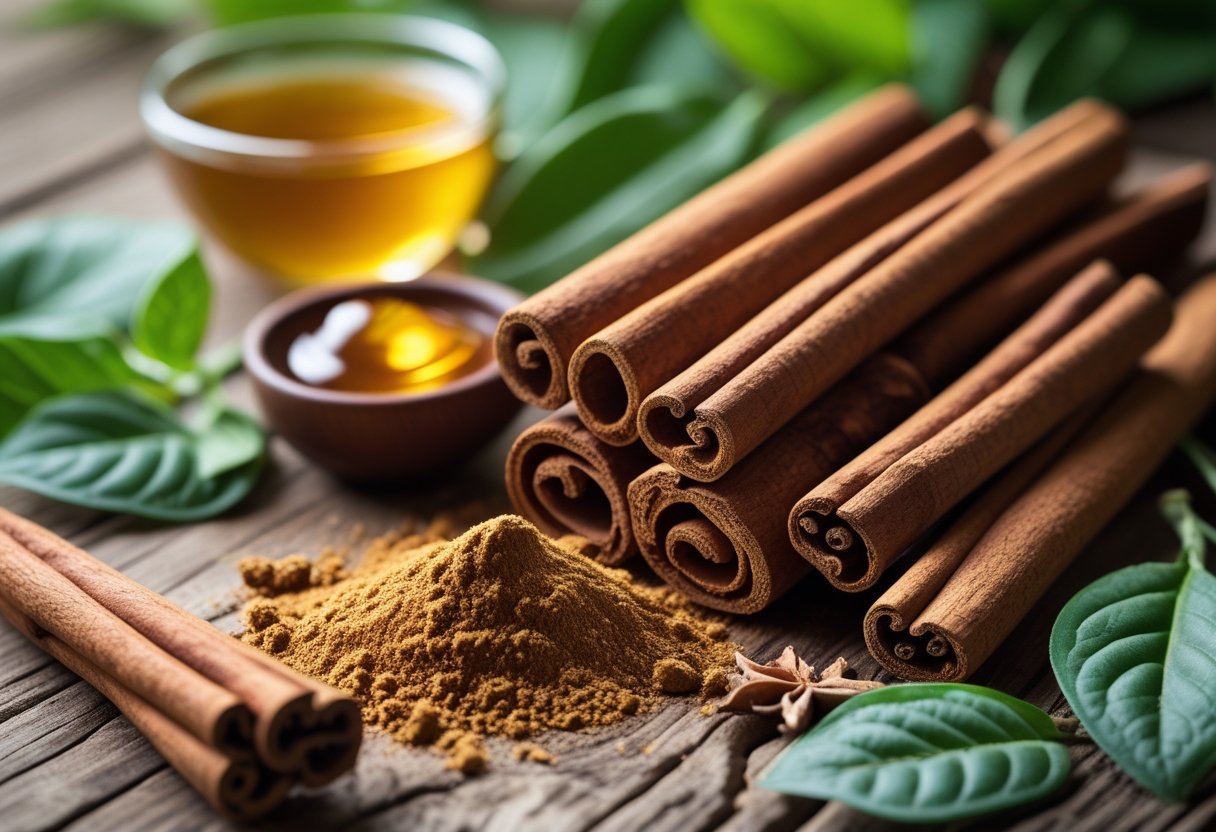
Cinnamon contains compounds that work to reduce inflammation in the body and fight harmful microorganisms. These properties may help protect against various health problems.
Reducing Inflammation
Cinnamon has anti-inflammatory properties that help the body manage inflammation. The spice contains several anti-inflammatory compounds, including polyphenols and other plant-based molecules that can reduce swelling and pain.
Research shows that these compounds may help people dealing with chronic conditions. Studies indicate that cinnamon’s anti-inflammatory effects have been tested in various disease models, including colitis, arthritis, and diabetes. The spice appears to maintain its anti-inflammatory activity even after going through the digestive process.
People with rheumatoid arthritis and other inflammatory conditions may benefit from adding cinnamon to their diet. The anti-inflammatory compounds in cinnamon can help reduce the oxidative stress that leads to chronic inflammation. This chronic inflammation is linked to serious health problems like heart disease, cancer, and neurological conditions.
Potential Antimicrobial Effects
Cinnamon offers antimicrobial benefits that help protect against infections. The compounds in cinnamon can fight bacteria and other harmful organisms.
Research confirms that cinnamon has antibiotic properties along with its other health benefits. The spice contains substances like cinnamaldehyde and cinnamic acid that show activity against various microbes. These compounds may help prevent foodborne illnesses and support the immune system.
The antimicrobial effects work together with cinnamon’s other protective properties. When someone consumes cinnamon regularly, these compounds may help defend the body against harmful bacteria and fungi. The spice has been valued for these protective qualities since ancient times, with uses dating back to at least 2800 BC.
Brain and Cognitive Health
Research shows that cinnamon may improve learning and memory through its effects on brain function. The spice contains compounds that support cognitive performance and protect brain cells from damage.
Cognitive Function and Memory
Studies examining cinnamon and cognitive function have found promising results for brain health. Researchers analyzed 40 studies and discovered that cinnamon consumption significantly improves memory and learning abilities.
The spice works through several active compounds. Cinnamaldehyde, eugenol, and cinnamic acid are the main components that affect brain function. These substances help enhance how the brain processes and stores information.
Laboratory studies show that cinnamon can improve learning performance in various ways. It supports better information retention and faster recall. The compounds in cinnamon also help maintain healthy communication between brain cells.
Research suggests potential benefits for conditions affecting memory. While most studies have been conducted in laboratory settings, the results indicate cinnamon could support cognitive function as people age.
Neuroprotective Effects
Cinnamon provides antioxidant and anti-inflammatory support that protects brain tissue. These properties help shield brain cells from damage caused by harmful molecules and inflammation.
Studies show cinnamon reduces two problematic proteins in the brain. It decreases tau aggregation and amyloid beta buildup, which are linked to cognitive decline. The spice also increases cell viability, helping brain cells survive and function longer.
The anti-inflammatory effects of cinnamon may benefit neurological conditions. Research indicates potential applications for Parkinson’s disease and other brain disorders. However, human studies remain limited in this area.
Cinnamon’s protective compounds work best when combined with healthy lifestyle habits. Regular physical activity, quality sleep, and a balanced diet enhance its cognitive benefits.
Types of Cinnamon and Their Safety
The main types of cinnamon differ significantly in their chemical makeup, which affects both their flavor and safety for regular consumption. Understanding these differences helps people choose the right cinnamon for their needs.
Ceylon vs. Cassia Cinnamon
Ceylon cinnamon, known scientifically as Cinnamomum verum, is often called true cinnamon and grows primarily in Sri Lanka. This variety has a light brown color and offers a mild, slightly sweet taste with floral and citrus notes. People can find it in specialty stores, though it costs more than other types.
Cassia cinnamon, or Cinnamomum cassia, comes from Southeast Asia and represents the most common variety sold in North America. It has a dark red-brown color with thick bark and delivers a spicier, slightly bitter flavor. Most ground cinnamon and cinnamon powder sold in regular grocery stores contains cassia.
Korintje cinnamon from Indonesia is a cassia variety with a milder taste, while Saigon cinnamon from Vietnam contains the highest levels of cinnamaldehyde, giving it the strongest flavor. Both cinnamon sticks and cinnamon powder come from these different Cinnamomum tree species.
Coumarin Content and Safety Concerns
The main safety concern with cinnamon relates to coumarin, a natural compound that can damage the liver in large amounts. Cassia cinnamon contains much higher levels of coumarin compared to Ceylon varieties, which makes daily consumption potentially risky.
Ceylon cinnamon has the lowest coumarin content, making it the safest choice for regular use. People who add cinnamon to their daily coffee, oatmeal, or smoothies should consider switching to Ceylon to reduce their coumarin exposure.
Cassia varieties remain safe when used in small amounts for cooking and baking. However, people with liver disease or those taking blood thinners need to be especially careful with cassia cinnamon due to its effects on blood clotting. The compound can also interact with medications that affect blood sugar and blood pressure.
Nutrition, Dietary Uses, and Everyday Benefits
Cinnamon provides minimal calories and carbohydrates per serving while offering small amounts of minerals like calcium, iron, and manganese. The spice fits easily into most eating patterns, from morning coffee and oatmeal to baked goods and savory dishes.
Nutritional Profile of Cinnamon
One teaspoon of ground cinnamon contains about 6 calories and 2 grams of carbohydrates. The spice provides trace amounts of fiber, calcium, and iron, though these minerals appear in such small quantities that they don’t contribute significantly to daily needs.
Cinnamon contains no protein or fat. Its nutritional value comes mainly from plant compounds called polyphenols rather than traditional nutrients.
The real benefit lies in cinnamon’s concentrated antioxidants. These compounds may help protect cells from damage without adding meaningful calories to meals. A person would need to consume large amounts to get substantial mineral content, but even small doses deliver beneficial plant compounds.
Incorporating Cinnamon Into Your Diet
Adding cinnamon to a balanced diet requires no special preparation. A person can sprinkle it on oatmeal or stir it into greek yogurt for breakfast. The spice blends well with peanut butter on toast or mixed into smoothies.
Cinnamon enhances both sweet and savory dishes. It appears in traditional baked goods like sticky buns and cookies, but it also complements roasted vegetables and meat dishes. Many people add a dash to their morning coffee or brew cinnamon tea for an afternoon drink.
The spice works in cold preparations too. It mixes into pudding, chia seed bowls, and overnight oats. Someone following guidance from a dietitian can easily add cinnamon without disrupting their meal plan since it contains almost no calories. Most people use between 1/2 to 2 teaspoons daily in various recipes and beverages throughout the day.
Risks, Side Effects, and Considerations
While cinnamon is generally safe for most people when used in normal food amounts, certain individuals may experience adverse reactions. Understanding potential allergic responses and the risks of excessive consumption helps people use cinnamon safely.
Possible Allergic Reactions
Some individuals develop allergic reactions to cinnamon, particularly when it comes in contact with skin or mucous membranes. Contact dermatitis is one of the most common issues, causing redness, itching, and irritation where cinnamon touches the body.
People who are sensitive to cinnamon may experience mouth sores or a burning sensation in the mouth after consuming it. These reactions typically occur with concentrated forms rather than small amounts used in cooking.
Symptoms can also include swelling of the lips, tongue, or throat in rare cases. Anyone who experiences difficulty breathing or severe swelling after consuming cinnamon should seek immediate medical attention.
Drug Interactions and Overconsumption
Cinnamon supplements can interact with certain medications, particularly blood thinners and diabetes drugs. People taking blood thinners should consult their doctor before starting cinnamon supplementation, as it may increase bleeding risk.
Consuming excessive amounts of cinnamon can lead to uncomfortable digestive symptoms. Stomach pain and bloating are common complaints when people take high doses of cinnamon supplements.
Studies show no significant toxic effects between cinnamon and placebo groups at typical doses. However, eating too much cinnamon may cause liver problems due to a compound called coumarin, especially in Cassia cinnamon varieties. Individuals with diabetes should monitor their blood sugar levels closely when adding cinnamon supplements to their routine, as it may lower blood glucose levels.
Frequently Asked Questions
Cinnamon offers multiple health benefits ranging from heart protection and blood sugar control to antioxidant effects and digestive support. Research shows it can reduce cholesterol levels, improve insulin sensitivity, and provide anti-inflammatory compounds that benefit various body systems.
How can cinnamon consumption improve heart health?
Cinnamon may help reduce several risk factors associated with heart disease. Studies show that taking at least 1.5 grams of cinnamon daily can lower triglycerides, total cholesterol, and LDL cholesterol in people with metabolic conditions.
Research also indicates that consistent cinnamon consumption for at least 8 weeks can help reduce blood pressure. These combined effects on cholesterol, triglycerides, and blood pressure work together to support cardiovascular health.
The recommended amount for heart health benefits is about 3/4 of a teaspoon per day. This amount has shown measurable improvements in blood markers related to heart disease risk.
What are the potential effects of cinnamon on blood sugar levels?
Cinnamon helps lower blood sugar through multiple mechanisms in the body. It interferes with digestive enzymes that break down carbohydrates, which slows how much sugar enters the bloodstream after meals.
Cinnamon can also improve insulin sensitivity, helping the hormone work more effectively to move sugar from blood into cells. Some compounds in cinnamon may even mimic insulin’s effects directly.
Studies confirm that 1 to 6 grams of cinnamon daily can reduce fasting blood sugar levels. This amount also improves hemoglobin A1c, a marker that shows long-term blood sugar control over several months.
Can cinnamon aid in weight loss or management?
Cinnamon’s effects on blood sugar and insulin may indirectly support weight management efforts. By improving how the body processes carbohydrates and regulates blood sugar, it can help reduce sugar spikes that lead to increased fat storage.
The spice’s ability to slow carbohydrate breakdown means people may feel fuller longer after meals. However, cinnamon alone is not a weight loss solution and works best as part of a balanced diet and healthy lifestyle.
Research specifically focused on cinnamon and weight loss remains limited. Most benefits relate to metabolic improvements rather than direct fat loss.
What are the antioxidant properties of cinnamon and their benefits?
Cinnamon contains powerful antioxidants called polyphenols that protect cells from damage caused by free radicals. These antioxidants are so effective that cinnamon can be used as a natural food preservative.
Studies show cinnamon supplementation significantly increases antioxidant levels in the blood. At the same time, it reduces markers of inflammation like C-reactive protein.
The antioxidant effects help protect against oxidative stress linked to chronic diseases. This cellular protection may contribute to reduced disease risk over time.
Is there evidence to suggest cinnamon supports cognitive function?
Animal studies suggest certain compounds in cinnamon may protect brain cells and slow neurodegenerative disease progression. Research on mice with Parkinson’s disease showed cinnamon helped protect neurons and improved motor function.
Cinnamon compounds appear to inhibit tau protein buildup in the brain, which is associated with Alzheimer’s disease. In animal models, this effect showed promise for slowing cognitive decline.
However, human research on cinnamon’s cognitive benefits remains limited. The promising results from animal studies need confirmation through clinical trials in people before definitive conclusions can be drawn.
How does cinnamon contribute to digestive health?
Cinnamon’s effects on digestive enzymes help slow the breakdown of carbohydrates in the digestive tract. This process creates a more gradual release of sugars, which can reduce digestive discomfort after meals.
The spice contains compounds with antimicrobial properties that may help fight harmful bacteria in the digestive system. Test-tube studies show it can inhibit bacteria like Listeria and Salmonella.
For most people, cinnamon is safe in small amounts typically used for flavoring food. Some individuals may experience stomach upset, so it’s best to start with small amounts and monitor how the body responds.
Top Cinnamon Products
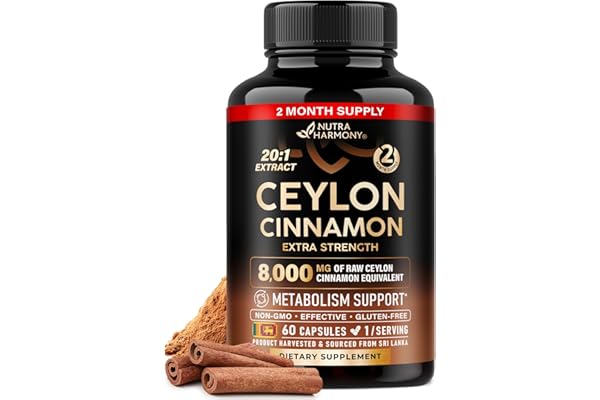
Ceylon Cinnamon Capsules – Extra Strength – Energy Heart & Metabolism Support for Men & Women – Pure Natural Cinnamon 20:1 Extract Supplement – GMO & Gluten Free – Made in USA – 60 Capsules 2 Month
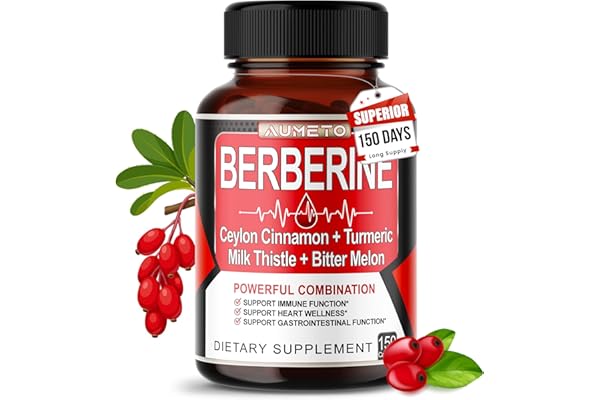
Berberine Supplement – Enhanced with Ceylon Cinnamon, Turmeric, Milk Thistle, Bitter Melon for Digestion, Immunity & Weight Managament
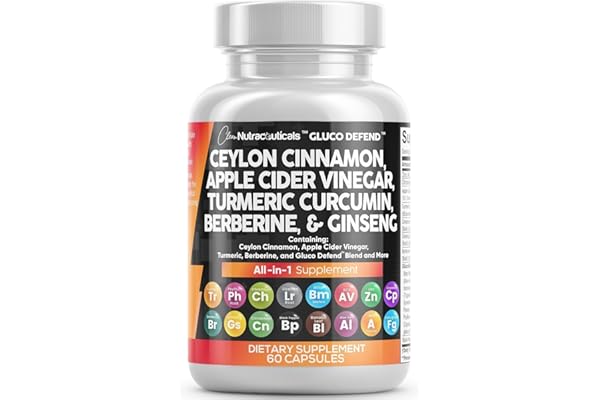
Clean Nutraceuticals Ceylon Cinnamon Capsules + Berberine Turmeric Apple Cider Vinegar Ginseng Bitter Melon Gymnema Milk Thistle Fenugreek Supplement Pills Powder for Men & Women
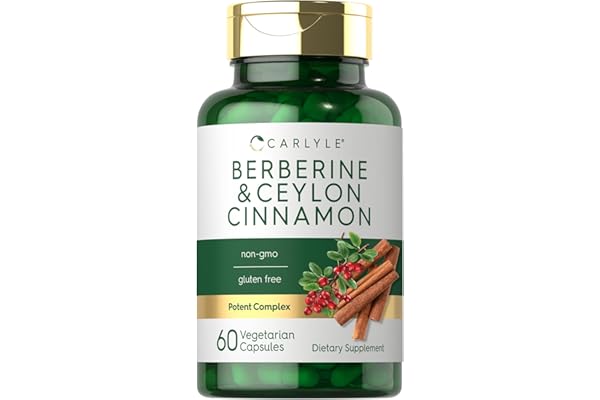
Carlyle Berberine with Ceylon Cinnamon | 2000mg Complex | 60 Capsules | Vegetarian, Non-GMO, Gluten Free
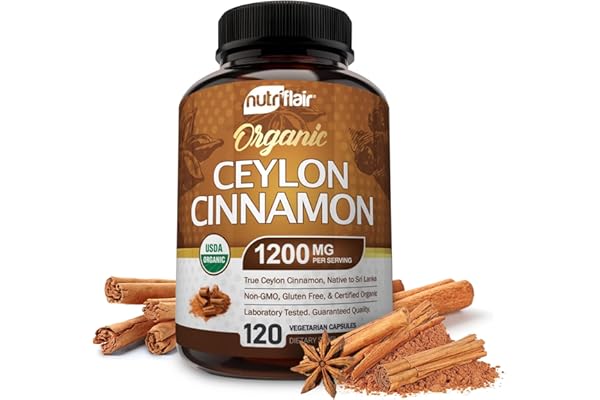
NutriFlair Organic Ceylon Cinnamon Supplement 1200mg, 120 Capsules – USDA Certified – Non-GMO, Gluten Free Powder, Antioxidant Pills
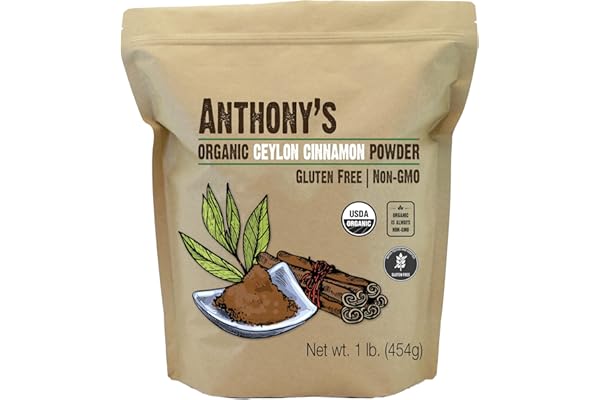
Anthony’s Organic Ceylon Cinnamon Powder, 1 lb, Ground, Gluten Free, Non Irradiated, Non GMO, Keto Friendly