

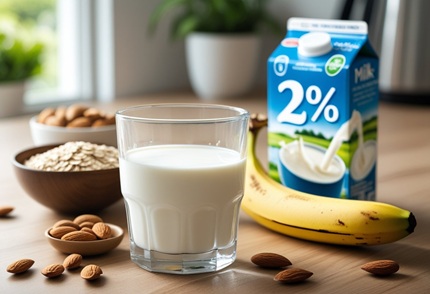
What Are the Benefits of 2% Milk? Nutrition, Taste, and Health Explained
Two percent milk offers a balanced combination of essential nutrients while maintaining a moderate fat content that appeals to health-conscious consumers. This reduced-fat dairy option contains approximately 2% fat by weight, positioning it between whole milk and skim milk in terms of richness and nutritional density.
The primary benefits of 2% milk include supporting bone health through calcium and vitamin D, providing high-quality protein for muscle maintenance, and delivering essential vitamins while managing caloric intake. Research indicates that 2% milk strikes a balance between flavor and health benefits, making it suitable for various dietary preferences and age groups.
The moderate fat content in 2% milk enhances the absorption of fat-soluble vitamins and contributes to satiety, which can support weight management goals. Studies suggest that moderate dairy fat can be satiating and may help manage appetite, while still providing the 18 essential nutrients found in dairy milk.
Key Takeaways
- 2% milk provides essential nutrients like calcium, protein, and vitamin D while maintaining moderate fat content for balanced nutrition
- The protein and moderate fat content support muscle health, bone strength, and appetite control for effective weight management
- This versatile dairy option works well for cooking, baking, and beverages while meeting the nutritional needs of different age groups
Understanding 2% Milk
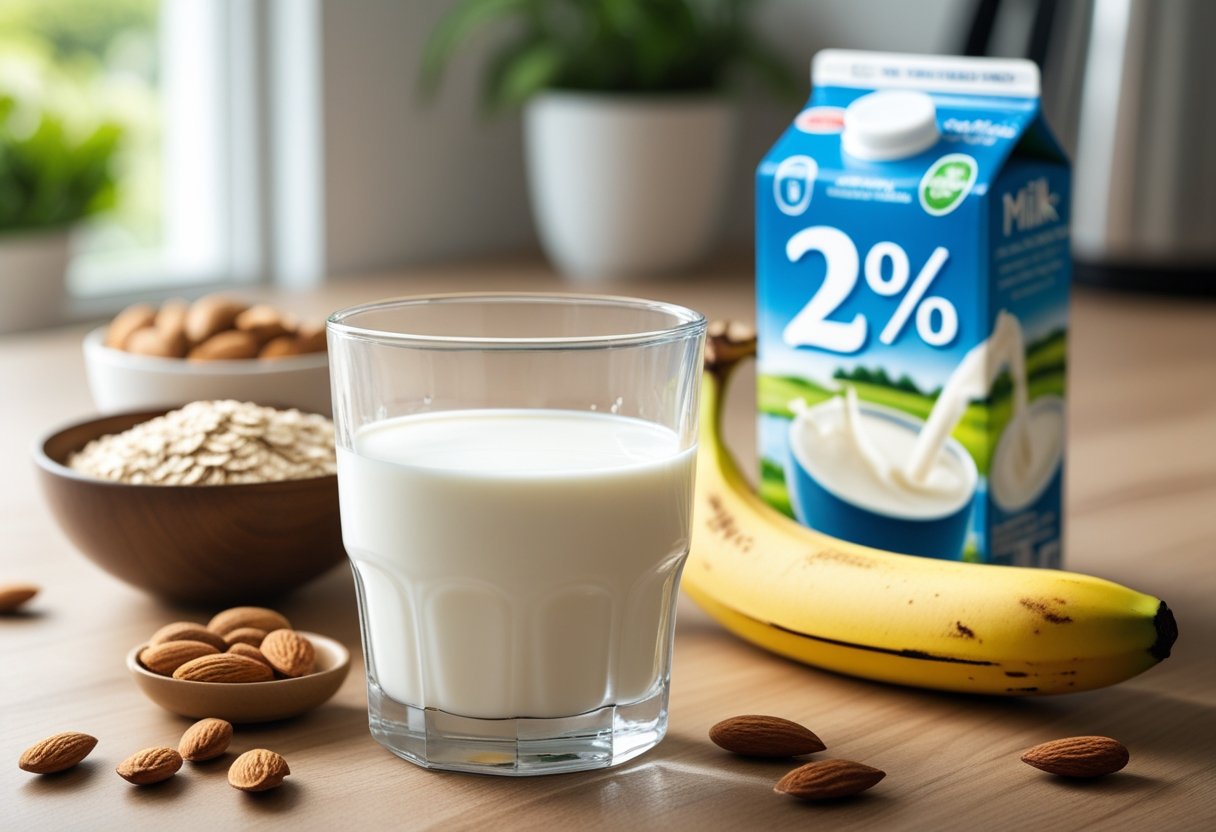
2% milk contains exactly 2% milk fat by weight, positioning it between whole and skim varieties in terms of fat content and nutritional density. This standardized dairy product has gained widespread acceptance due to its balanced approach to flavor retention while reducing overall caloric intake.
Definition and Standardization
2% milk, also known as reduced-fat milk, contains 2% milk fat by weight. The remaining 98% consists of water, proteins, carbohydrates, vitamins, and minerals. This precise fat percentage is maintained through standardization processes in dairy facilities.
The production involves removing a portion of the cream from whole milk. Dairy processors use centrifugal separation to achieve the exact 2% fat content. This method ensures consistency across brands and regions.
Nutritional composition per 8-ounce serving:
- Fat content: 5 grams
- Protein: 8 grams
- Carbohydrates: 12 grams
- Calories: Approximately 120
The fat content allows for better absorption of fat-soluble vitamins A, D, E, and K. This moderate fat level maintains much of the creamy texture that consumers expect from milk while reducing total calories compared to whole milk.
Differences From Whole and Skim Milk
Whole milk contains about 3.25% fat, while skim milk contains less than 0.5% fat. These variations create distinct differences in taste, texture, and nutritional profiles among milk types.
Fat content comparison:
| Milk Type | Fat Percentage | Calories per 8 oz |
|---|---|---|
| Whole milk | 3.25% | 150 |
| 2% milk | 2% | 120 |
| Skim milk | <0.5% | 80 |
The fat reduction affects mouthfeel and flavor intensity. Whole milk provides the richest taste and creamiest texture. 2% milk retains significant creaminess while reducing calories by about 20% compared to whole milk.
Skim milk offers the lowest calorie option but sacrifices much of the natural milk flavor. The fat in 2% milk helps maintain palatability that many consumers find lacking in skim varieties.
Historical Popularity and Consumer Perceptions
2% milk gained popularity during the 1980s health movement when dietary fat became associated with health concerns. Consumers sought alternatives to whole milk without completely eliminating the creamy taste they enjoyed.
The dairy industry responded by marketing 2% milk as a compromise solution. This positioning appealed to health-conscious families who wanted to reduce fat intake while maintaining milk consumption habits.
Consumer research shows 2% milk became the preferred choice for many households. Parents appreciated feeding their families a product perceived as healthier than whole milk. The “reduced-fat” label created positive associations with weight management and heart health.
2% milk strikes a balance between flavor and health benefits, making it suitable for various dietary preferences. Many consumers view it as the optimal middle ground among dairy products.
Market data indicates 2% milk consistently ranks as one of the top-selling milk varieties in grocery stores. This sustained popularity demonstrates consumer acceptance of the fat reduction without complete elimination.
Nutritional Profile of 2% Milk
Two percent milk contains 2% milk fat by weight and provides approximately 130 calories per cup along with high-quality protein, essential vitamins, and minerals. This balanced nutritional profile makes it a popular choice for individuals seeking moderate fat content without sacrificing taste.
Macronutrient Content
A single cup of 2% milk delivers 8 grams of complete protein containing all essential amino acids. This protein consists of 80% casein and 20% whey proteins that support muscle growth and repair.
The milk fat content totals 5 grams per cup, with 3 grams coming from saturated fat. This represents a 40% reduction in total fat compared to whole milk while maintaining creamy texture and flavor.
Carbohydrates contribute 12 grams per serving, primarily from lactose, the natural milk sugar. This provides quick energy and helps with calcium absorption in the digestive system.
Macronutrient Breakdown per Cup:
- Calories: 130
- Protein: 8g (16% DV)
- Total Fat: 5g (6% DV)
- Carbohydrates: 12g (4% DV)
Essential Vitamins and Minerals
Calcium stands as the most prominent mineral in 2% milk, providing 280-300 milligrams per cup. This represents approximately 23% of the daily recommended intake for adults and supports bone density and tooth health.
Vitamin D works synergistically with calcium, offering 2.5 micrograms per serving to enhance calcium absorption. Most commercial 2% milk is fortified with vitamin D to prevent deficiency.
Potassium contributes 366 milligrams per cup, supporting heart function and blood pressure regulation. Phosphorus provides 232 milligrams, working alongside calcium for bone mineralization.
The vitamin profile includes vitamin A at 142 micrograms for immune function and vision health. Vitamin B12 delivers 1.1 micrograms, essential for nerve function and red blood cell formation.
Magnesium content reaches 27 milligrams per cup, supporting muscle and nerve function throughout the body.
Comparison to Other Milk Types
Two percent milk contains significantly less fat than whole milk, which has 3.25% fat content and 150 calories per cup. Whole milk provides more satiety due to higher fat content but also delivers more saturated fat.
Compared to skim milk, 2% milk offers enhanced flavor and texture while adding only 50 additional calories per cup. The fat content helps absorb fat-soluble vitamins A, D, E, and K more effectively.
Fat Content Comparison:
| Milk Type | Fat Content | Calories per Cup |
|---|---|---|
| Skim | 0.1% | 80 |
| 2% | 2% | 130 |
| Whole | 3.25% | 150 |
The protein, calcium, and vitamin content remains nearly identical across all milk types. Both whole and 2% milk offer the same core nutritional benefits, making the choice primarily about fat preferences and calorie goals.
Health Benefits of 2% Milk
Two percent milk delivers substantial nutritional support through its balanced fat and protein content. The moderate fat level enhances calcium absorption for bone strength while providing complete proteins that aid muscle repair and recovery.
Bone Health Support
The calcium content in 2% milk provides approximately 300 milligrams per cup, representing about 30% of the daily recommended intake. This essential mineral works alongside phosphorus to build and maintain bone density throughout life.
Vitamin D fortification enhances calcium absorption significantly. Most commercial 2% milk contains added vitamin D, which increases the body’s ability to utilize calcium effectively.
The combination of calcium and vitamin D helps reduce osteoporosis risk. Studies indicate that regular dairy consumption supports bone mineral density, particularly important for aging adults.
The moderate fat content in 2% milk actually improves the absorption of fat-soluble vitamins like vitamin D. This creates a synergistic effect that maximizes bone-building nutrients.
Muscle Repair and Post-Workout Recovery
Two percent milk contains approximately 8 grams of complete protein per cup. This protein includes all essential amino acids necessary for muscle tissue repair and growth.
Branched-chain amino acids (BCAAs) present in milk protein support muscle recovery after exercise. These amino acids help reduce muscle soreness and accelerate the repair process.
The protein in 2% milk has a high biological value, meaning the body efficiently utilizes these amino acids. This makes it particularly effective for post-workout recovery compared to incomplete protein sources.
Research demonstrates that consuming milk after resistance training enhances muscle protein synthesis. The liquid form allows for quick digestion and nutrient delivery to muscles.
Satiety and Weight Management
The protein and fat combination in 2% milk promotes satiety more effectively than lower-fat alternatives. This increased fullness can help reduce overall calorie intake throughout the day.
CLA (conjugated linoleic acid) naturally occurs in milk fat and may support weight management efforts. While present in small amounts, this fatty acid has been studied for its potential metabolic benefits.
The moderate calorie content of approximately 120 calories per cup fits well into weight management plans. This provides substantial nutrition without excessive calories.
Protein requires more energy to digest than carbohydrates or fats. This thermic effect of protein can slightly boost metabolism and support weight loss goals when part of a balanced diet.
Role of Dietary Fat in 2% Milk
The dietary fat in 2% milk provides 5 grams per 8-ounce serving while enhancing the absorption of essential fat-soluble vitamins. This moderate milk fat content delivers fewer calories than whole milk while maintaining the nutritional benefits that fat provides.
Fat Content and Calorie Considerations
2% milk contains 5 grams of total fat per cup, positioning it between whole milk and skim varieties. This moderate fat level contributes approximately 45 calories from fat in each serving.
The milk fat composition includes saturated, monounsaturated, and polyunsaturated fats. Saturated fats make up the majority but also provide flavor and texture that many consumers prefer over fat-free options.
Calorie comparison per 8 oz serving:
- Whole milk: 150 calories, 8g fat
- 2% milk: 120 calories, 5g fat
- Skim milk: 80-90 calories, 0-0.5g fat
This calorie profile makes 2% milk suitable for those seeking low-fat dairy options without completely eliminating beneficial milk fat. The moderate fat content supports satiety better than skim milk while providing fewer calories than whole milk.
Absorption of Fat-Soluble Vitamins
The dietary fat in 2% milk significantly enhances absorption of vitamin A, vitamin D, vitamin E, and vitamin K. These fat-soluble vitamins require fat molecules for proper absorption in the digestive system.
Vitamin A supports vision and immune function, while vitamin D works with calcium for bone health. Without adequate fat intake, the body cannot efficiently absorb these nutrients even when they are present in foods.
The fat in 2% milk helps with absorption of fat-soluble vitamins, giving it an advantage over skim milk for nutrient utilization. This makes 2% milk more effective at delivering its vitamin content to the body.
A balanced diet that includes moderate amounts of milk fat supports optimal vitamin absorption. The 5 grams of fat per serving provides sufficient fat for vitamin uptake without excessive calories.
Suitability and Special Considerations
2% milk serves different dietary needs across various populations, though some individuals require alternatives due to lactose intolerance or specific health considerations. Understanding these factors helps determine the most appropriate dairy choices for different circumstances.
Low-Fat Dairy Options for Different Groups
Children under two years should consume whole milk rather than 2% milk for proper brain development. The higher fat content supports rapid growth and neurological development during this critical period.
Adults managing weight often benefit from 2% milk’s moderate fat content. The balance between flavor and health benefits makes it more sustainable than skim milk for long-term dietary adherence.
Athletes and active individuals find 2% milk effective for post-workout recovery. The protein content supports muscle repair while the moderate fat helps with satiety and nutrient absorption.
Seniors may prefer 2% milk over skim varieties because the fat content aids absorption of fat-soluble vitamins A, D, E, and K. This becomes increasingly important as nutrient absorption efficiency declines with age.
Heart-conscious consumers can include 2% milk in moderation as part of a balanced diet. The saturated fat content remains manageable when consumed within recommended daily limits.
Lactose Intolerance and Milk Alternatives
Lactose-free 2% milk provides the same nutritional benefits for individuals with lactose intolerance. Manufacturers add lactase enzyme to break down milk sugars while preserving the original nutrient profile.
Soy milk offers comparable protein content to 2% milk, typically containing 6-8 grams per cup. Fortified versions provide similar calcium and vitamin D levels, making it a nutritionally adequate substitute.
Oat milk contains beta-glucan fiber but lower protein levels than 2% milk. Most commercial varieties are fortified with vitamins and minerals to match dairy milk’s nutritional profile.
Almond and other nut milks generally provide fewer calories and protein than 2% milk. These alternatives work well for cooking and baking but may require additional protein sources in the diet.
Practical Uses and Culinary Versatility
2% milk serves as an essential ingredient in countless recipes while providing balanced nutrition that fits seamlessly into daily meal planning. Its moderate fat content delivers superior cooking results compared to skim milk while offering more nutritional benefits than whole milk alternatives.
Cooking and Baking With 2% Milk
2% milk excels in both sweet and savory cooking applications due to its balanced fat content. The moderate fat percentage creates rich, creamy textures without overwhelming dishes with excessive calories.
Baking Applications:
- Pancakes and waffles achieve optimal fluffiness
- Muffins and cakes develop moist, tender crumb structure
- Bread recipes benefit from improved texture and browning
Cooking Uses:
- Cream soups maintain smooth consistency without breaking
- White sauces develop proper thickness and flavor
- Mashed potatoes become creamy without excess heaviness
Culinary versatility extends beyond traditional uses into innovative applications. Coffee drinks like lattes steam perfectly with 2% milk, creating microfoam that enhances both texture and taste.
The protein content in 2% milk helps stabilize batters and doughs. This makes it particularly valuable for delicate recipes where structure matters most.
Incorporating 2% Milk Into a Balanced Diet
2% milk integrates easily into daily nutrition plans across all meal times. Its versatility makes it ideal for beverages like smoothies and lattes while providing essential nutrients.
Daily Integration Strategies:
| Meal Time | Application | Nutritional Benefit |
|---|---|---|
| Breakfast | Cereal, smoothies | Protein and calcium |
| Lunch | Soups, sauces | Sustained energy |
| Dinner | Cooking ingredient | Vitamin D absorption |
| Snacks | Direct consumption | Muscle recovery |
The moderate calorie content allows for regular consumption without compromising weight management goals. One cup provides approximately 122 calories with 8 grams of high-quality protein.
Balanced Diet Integration:
- Combines well with whole grains for complete nutrition
- Enhances calcium absorption when paired with vitamin D-rich foods
- Supports muscle maintenance in active individuals
- Provides satiety between meals without excess calories
Dairy products like 2% milk remain staples in kitchens globally due to their nutritional density and cooking versatility. The balanced fat content makes it suitable for individuals seeking middle-ground options between skim and whole milk varieties.
Frequently Asked Questions
2% milk provides essential nutrients while maintaining moderate fat content, making it suitable for various dietary goals. The reduced-fat option delivers protein for muscle support and calcium for bone health without the higher calorie density of whole milk.
What nutritional advantages does 2% milk offer compared to whole milk?
2% milk is classified as “low-fat” because it contains less than 5% milk fat. One cup contains approximately 122 calories compared to whole milk’s 150 calories per cup.
The protein content remains identical at 8 grams per cup. Both varieties provide the same calcium levels at around 30% of daily recommended intake.
The primary difference lies in fat content. Whole milk contains 3.25% fat while 2% milk provides about 5 grams of total fat per cup, including 3 grams of saturated fat.
Can consuming 2% milk contribute to weight management?
Studies suggest that moderate dairy fat can be satiating, which may help manage appetite and support weight control. The moderate fat content provides satiety without excessive calories.
A cup of 2% milk delivers protein that helps maintain muscle mass during weight loss. The combination of protein and moderate fat helps people feel fuller longer than lower-fat alternatives.
The 122 calories per cup makes it a reasonable choice for those monitoring caloric intake. It provides essential nutrients while fitting into calorie-controlled eating plans.
How does 2% milk impact cholesterol levels?
2% milk contains saturated fat, which can influence cholesterol levels when consumed in large quantities. One cup provides approximately 3 grams of saturated fat.
Whole milk’s fat can support heart health when consumed in moderation. The moderate fat content in 2% milk offers a middle ground for those concerned about saturated fat intake.
Individuals with existing cholesterol concerns should monitor their overall saturated fat intake from all sources. The calcium and potassium in 2% milk may provide some cardiovascular benefits.
Is 2% milk a good source of calcium and vitamin D?
2% milk contains calcium, which is crucial for maintaining strong and healthy bones. One cup provides approximately 30% of the recommended daily calcium intake.
Most commercial 2% milk is fortified with vitamin D. A single cup typically provides about 25% of the daily recommended vitamin D intake.
Vitamin D helps the body absorb and utilize calcium effectively. This combination makes 2% milk particularly beneficial for bone health maintenance.
What are the benefits of including 2% milk in a balanced diet?
2% milk provides 18 essential nutrients in a single serving. It delivers high-quality protein containing all essential amino acids needed for various bodily functions.
The moderate fat content aids in the absorption of fat-soluble vitamins A, D, E, and K. This enhances the nutritional value of meals consumed with 2% milk.
The versatility makes it useful in beverages, baking, and cooking while adding nutritional benefits. It can enhance creamy sauces, smoothies, and baked goods without excessive fat content.
How does the protein content in 2% milk support muscle health?
2% milk contains approximately 8 grams of high-quality protein per cup. This protein includes all essential amino acids required for muscle protein synthesis.
The protein supports muscle repair and growth, particularly beneficial for active individuals. Athletes often use milk as a post-workout recovery option due to its protein profile.
The amino acid composition helps preserve muscle mass, especially important as people age. Regular consumption can contribute to maintaining lean body mass over time.
Popular 2 Milk Products

Serenity Kids 12-36 Months A2 Whole Milk Toddler Formula Powder – Organic Grass-Fed Milk Powder with Prebiotics & DHA & ARA for Brain & Eye Support – Clean Label Purity Award Certified – 21 Oz, 1 Pack
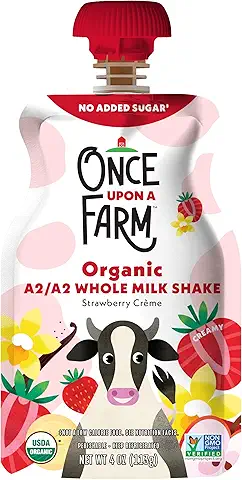
Once Upon a Farm A2/A2 Whole Milk Shake, Strawberry Creme Kids’ Pouch, 4oz
Strawberry 4 Fl Oz (Pack of 1)
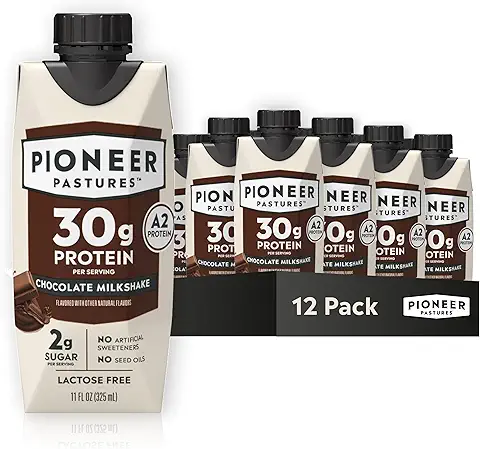
Pioneer Pastures – High Protein A2 Milkshakes – Chocolate – A2 Nutritional Milk, 30g Protein, 2g Sugar, No Artificial Sweeteners, No Seed Oils – All-Natural, Breakfast Shake, Meal Replacement, Workout – 11oz, 12 Pack