

Benefits of Alfalfa? Nutrition, Uses & Health Impact
Alfalfa, scientifically known as Medicago sativa, is a nutrient-dense legume that has been cultivated for thousands of years as both livestock feed and human food.
This purple-flowered plant offers numerous health benefits including cholesterol reduction, improved digestion, enhanced immune function, and anti-inflammatory properties due to its rich content of vitamins, minerals, and bioactive compounds.

The plant contains an impressive array of nutrients that make it valuable for human health. Alfalfa is rich in micronutrients like calcium and iron, along with vitamins A, C, E, and K. It also provides essential amino acids, making it particularly valuable for those following plant-based diets or seeking alternative protein sources.
Modern research has validated many traditional uses of alfalfa, revealing its potential to lower cholesterol levels, improve digestion, detoxify the body, boost immunity, speed healing, and reduce inflammation. Whether consumed as sprouts, supplements, tea, or extracts, alfalfa offers a practical way to enhance nutritional intake and support overall wellness.
Key Takeaways
- Alfalfa provides essential nutrients including vitamins A, C, E, K, calcium, iron, and complete amino acids that support overall health
- The plant offers proven benefits for cholesterol management, immune function, digestion, and inflammation reduction
- Alfalfa can be safely consumed in various forms including sprouts, supplements, and teas, though some individuals should consult healthcare providers before use
Understanding Alfalfa and Its Varieties
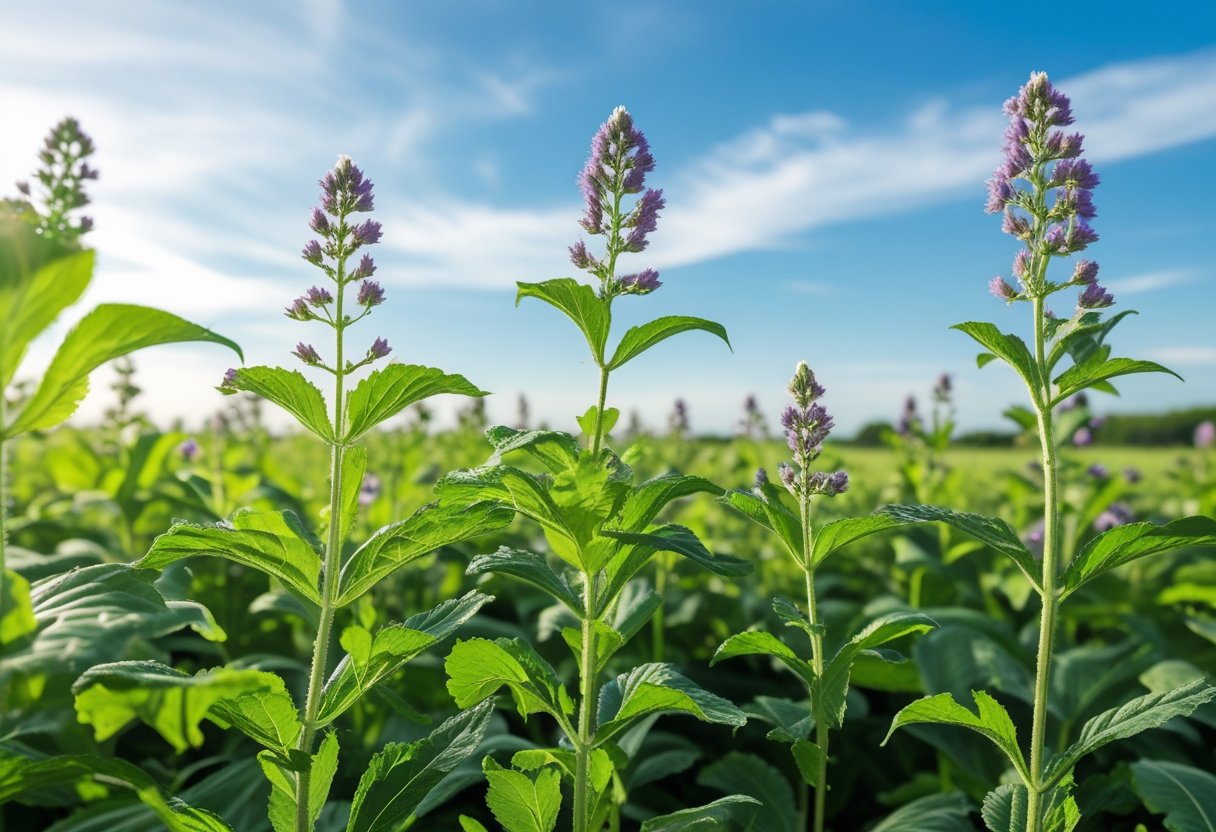
Alfalfa belongs to the legume family and goes by several names worldwide, with Medicago sativa being its scientific classification. The plant offers multiple consumption forms, from fresh sprouts to concentrated supplements, each providing distinct nutritional profiles and applications.
Alfalfa in the Legume Family
Alfalfa is a perennial flowering legume that shares characteristics with other nitrogen-fixing plants like peas, beans, and clover. This family classification means alfalfa develops root nodules containing bacteria that convert atmospheric nitrogen into usable compounds for plant growth.
The legume family connection explains alfalfa’s high protein content compared to other leafy greens. Legumes typically contain more complete amino acid profiles than non-leguminous plants.
Alfalfa’s deep taproot system, extending up to 15 feet underground, allows it to access nutrients and water unavailable to shallow-rooted crops. This root structure contributes to the plant’s drought resistance and nutrient density.
The plant produces small purple or blue flowers that develop into spiral-shaped seed pods. These reproductive structures distinguish alfalfa from other common leafy vegetables and herbs.
Medicago sativa and Common Names
Medicago sativa represents the most widely cultivated alfalfa species globally. Often called “Lucerne” in Europe, this plant maintains consistent botanical characteristics regardless of regional naming conventions.
The name “alfalfa” derives from Arabic terminology meaning “father of all foods.” European countries predominantly use “lucerne,” while North American regions favor “alfalfa.”
Different varieties within Medicago sativa adapt to specific climates and soil conditions. Some varieties tolerate cold temperatures better, while others thrive in arid environments with minimal water requirements.
Common regional names include:
- Lucerne – Europe and Australia
- Alfalfa – North America
- Purple medic – Some agricultural contexts
- Chilean clover – Historical reference
Commercial cultivation focuses on varieties selected for specific traits like disease resistance, yield potential, or nutritional content.
Alfalfa Sprouts and Supplements
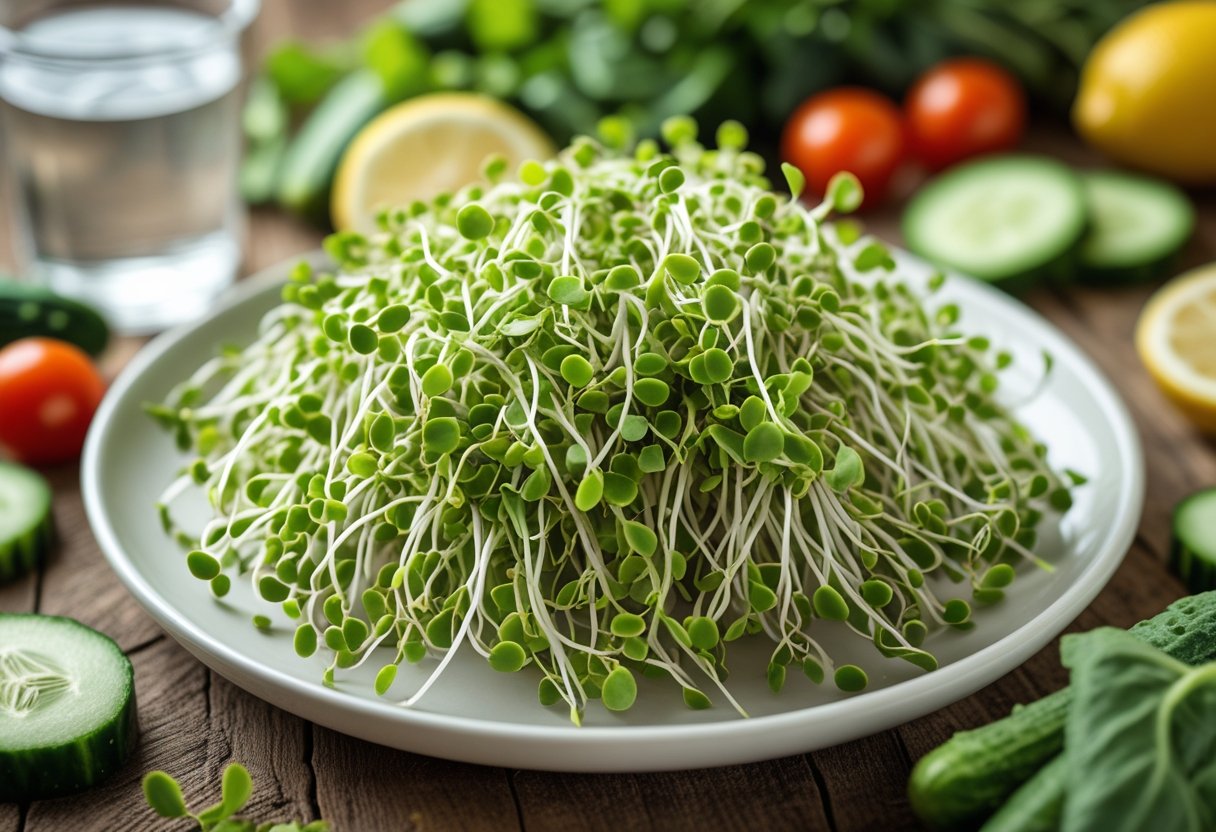
Alfalfa sprouts represent young alfalfa plants harvested within days of germination. These tender shoots contain concentrated nutrients in an easily digestible form, making them popular additions to salads and sandwiches.
Fresh sprouts provide different nutritional benefits compared to mature alfalfa plants. The sprouting process increases certain vitamin levels while reducing fiber content.
Alfalfa supplement forms include powders, capsules, tablets, and liquid extracts. Each processing method affects nutrient retention and bioavailability differently.
Dried alfalfa powder maintains most vitamins and minerals from fresh leaves. Herbal supplement manufacturers often combine alfalfa with other nutritional plants to create comprehensive formulations.
Freeze-dried supplements typically preserve more heat-sensitive compounds than conventional drying methods. Standardized extracts concentrate specific bioactive compounds like saponins and flavonoids.
Quality varies significantly between supplement manufacturers, with organic certification and third-party testing indicating higher standards.
Nutritional Value of Alfalfa
Alfalfa stands out as a nutrient-dense plant that provides exceptional amounts of vitamins, minerals, and protein per serving. The plant contains high levels of vitamin B, vitamin C, vitamin D, vitamin E along with essential amino acids and bioactive compounds like saponins and flavonoids.
Vitamins and Minerals Profile
Alfalfa delivers an impressive array of essential vitamins and minerals that support various bodily functions. The plant contains substantial amounts of vitamin K, which plays a crucial role in blood clotting and bone health.
Vitamin C content in alfalfa supports immune function and collagen synthesis. The plant also provides vitamin B1 (thiamine) and vitamin B2 (riboflavin), which are essential for energy metabolism and nervous system function.
The mineral profile includes significant amounts of copper, magnesium, iron, and manganese. Copper supports connective tissue formation and iron absorption, while magnesium contributes to muscle and nerve function.
Iron content helps prevent anemia and supports oxygen transport throughout the body. Manganese acts as a cofactor for various enzymes involved in metabolism and antioxidant defense.
Alfalfa also contains meaningful amounts of folate, which is particularly important for pregnant women and DNA synthesis. The calcium and magnesium content supports bone density and metabolic processes.
Protein, Fiber, and Amino Acids
Alfalfa provides a complete protein profile that rivals many animal-based sources. The plant contains essential amino acids, making it particularly valuable for vegetarian and vegan diets.
Protein content in alfalfa sprouts ranges from 3-5 grams per cup, while dried alfalfa contains significantly higher concentrations. The amino acid profile includes all nine essential amino acids that the body cannot produce on its own.
Fiber content contributes to digestive health and helps regulate blood sugar levels. The fiber content and nutritional profile provides both soluble and insoluble fiber types.
Soluble fiber helps lower cholesterol levels and slows glucose absorption. Insoluble fiber promotes regular bowel movements and supports gut health by feeding beneficial bacteria.
The protein digestibility of alfalfa is enhanced by its amino acid composition. Lysine, methionine, and tryptophan are present in balanced proportions that support muscle maintenance and growth.
Bioactive Compounds and Phytochemicals
Alfalfa contains numerous bioactive compounds that contribute to its health-promoting properties. Saponins represent one of the most significant compound groups, with documented cholesterol-lowering effects.
Flavonoids in alfalfa provide powerful antioxidant activity that helps neutralize free radicals and reduce oxidative stress. These compounds include quercetin, kaempferol, and various glycosides that support cardiovascular health.
Phytoestrogens in alfalfa may help balance hormone levels, particularly in postmenopausal women. These plant compounds can bind to estrogen receptors and provide mild estrogenic effects.
Coumarins contribute to alfalfa’s anti-inflammatory properties and may support circulation. However, these compounds require careful consideration in individuals taking blood-thinning medications.
Chlorophyll gives alfalfa its characteristic green color and provides additional antioxidant benefits. This compound may support detoxification processes and wound healing.
Alkaloids are present in smaller quantities but contribute to the plant’s overall bioactivity. The saponins, flavonoids, phenolic acids, and antioxidants work synergistically to provide health benefits.
Key Health Benefits of Alfalfa
Alfalfa provides substantial cardiovascular support through cholesterol reduction, helps regulate blood sugar levels in diabetic individuals, and delivers potent antioxidant compounds that combat inflammation and oxidative damage throughout the body.
Cardiovascular and Cholesterol Support
Alfalfa demonstrates significant hypocholesterolemic properties that directly benefit heart health. The plant’s saponin compounds bind to cholesterol in the digestive tract, preventing absorption and lowering total cholesterol levels.
Studies show alfalfa supplementation can reduce LDL cholesterol by 15-20% within 8 weeks. This reduction occurs through multiple mechanisms including enhanced bile acid excretion and improved lipid metabolism.
The cardiovascular benefits extend beyond cholesterol management. Alfalfa contains potassium and magnesium, minerals essential for proper heart rhythm and blood pressure regulation.
Key cardiovascular compounds in alfalfa:
- Saponins for cholesterol binding
- Fiber for lipid management
- Potassium for blood pressure control
- Flavonoids for vessel protection
Regular consumption may reduce heart disease risk factors. The plant’s natural diuretic properties also help maintain healthy blood pressure levels by reducing fluid retention.
Blood Sugar Regulation and Metabolic Health
Alfalfa shows promising effects for blood sugar control and metabolic function. The plant’s high fiber content slows glucose absorption, preventing rapid blood sugar spikes after meals.
Research indicates alfalfa may improve insulin sensitivity in individuals with type 2 diabetes. The mechanism involves enhanced glucose uptake by muscle cells and improved pancreatic beta cell function.
Metabolic benefits include:
- Delayed glucose absorption
- Improved insulin response
- Enhanced cellular glucose uptake
- Reduced glycemic response to meals
The plant-based protein in alfalfa supports stable blood sugar levels. Unlike simple carbohydrates, protein consumption maintains steady glucose levels without dramatic fluctuations.
Alfalfa’s chromium content may enhance insulin effectiveness. This trace mineral plays a crucial role in glucose metabolism and cellular energy production.
Antioxidant and Anti-Inflammatory Effects
Alfalfa contains powerful antioxidants that neutralize free radicals and reduce oxidative stress throughout the body. These compounds include vitamin C, vitamin E, and various flavonoids that protect cellular structures from damage.
The anti-inflammatory properties stem from multiple bioactive compounds. Alfalfa’s flavonoids and phenolic acids inhibit inflammatory pathways, reducing chronic inflammation markers.
Primary antioxidant compounds:
- Vitamin C: 159mg per 100g fresh sprouts
- Beta-carotene: Converts to vitamin A
- Quercetin: Powerful anti-inflammatory flavonoid
- Chlorophyll: Cellular protection and detoxification
These antioxidants protect against cellular aging and chronic disease development. The compounds work synergistically to enhance overall antioxidant capacity in the body.
Regular alfalfa consumption may reduce inflammation-related conditions. The plant’s anti-inflammatory effects extend to joint health, digestive comfort, and immune system function.
Alfalfa and Blood Health
Alfalfa contains high concentrations of vitamin K that directly impact blood clotting mechanisms, while its iron content may help address anemia concerns. However, these same properties create significant interactions with anticoagulant medications that require careful consideration.
Vitamin K and Blood Clotting
Alfalfa stands out as one of the richest natural sources of vitamin K, with a single serving providing about 13% of the recommended daily allowance. This vitamin plays a critical role in the synthesis of clotting factors in the liver.
Vitamin K activates several proteins essential for blood coagulation, including prothrombin and factors VII, IX, and X. Without adequate vitamin K, the body cannot form stable blood clots to stop bleeding from injuries.
The vitamin K in alfalfa exists primarily as phylloquinone (K1), the most bioactive form for clotting function. Regular consumption of alfalfa can help maintain consistent vitamin K levels in individuals with adequate intake.
Key clotting factors dependent on vitamin K:
- Factor II (Prothrombin)
- Factor VII
- Factor IX
- Factor X
Iron for Anemia Prevention
Alfalfa contains bioavailable iron that contributes to healthy red blood cell production. This mineral is essential for hemoglobin synthesis, the protein that carries oxygen throughout the body.
Iron deficiency anemia affects millions worldwide, causing fatigue, weakness, and reduced oxygen delivery to tissues. The iron in alfalfa, while not as concentrated as in meat sources, provides a plant-based option for supporting iron status.
The vitamin C naturally present in alfalfa enhances iron absorption in the digestive tract. This combination makes the iron more readily available for the body to utilize in hemoglobin production.
Women of reproductive age and individuals following plant-based diets may particularly benefit from alfalfa’s iron content. However, those with iron overload conditions should monitor their intake carefully.
Interactions with Blood Thinners
Individuals taking blood-thinning medications like warfarin should be cautious with their alfalfa intake, as the high vitamin K content can interfere with these medications. Warfarin and other coumarins work by blocking vitamin K’s role in clotting factor synthesis.
Consuming large amounts of vitamin K-rich foods like alfalfa can reduce the effectiveness of anticoagulant therapy. This interaction may lead to decreased medication efficacy and increased clotting risk.
Patients on warfarin therapy should maintain consistent vitamin K intake rather than avoiding it completely. Sudden changes in alfalfa consumption can cause dangerous fluctuations in blood clotting times.
Important considerations for blood thinner users:
- Consult healthcare providers before adding alfalfa supplements
- Monitor INR levels more frequently when changing alfalfa intake
- Avoid large quantities of alfalfa sprouts or concentrated supplements
- Maintain consistent dietary patterns
The interaction extends beyond warfarin to other vitamin K antagonists and some newer anticoagulants. Medical supervision is essential when combining alfalfa with any blood-thinning medication.
Alfalfa in Women’s Health
Alfalfa contains phytoestrogens that help balance hormones during menopause and provides essential nutrients like vitamin K and folate that support bone density and overall reproductive health. The plant’s natural compounds offer targeted benefits for women experiencing hormonal transitions and age-related health concerns.
Menopause Symptoms and Hot Flashes
Alfalfa’s phytoestrogens act as mild plant-based estrogens that can help regulate hormonal fluctuations during menopause. These compounds may reduce the intensity and frequency of hot flashes by providing gentle hormonal support when natural estrogen levels decline.
The isoflavones in alfalfa work similarly to those found in soy products. They bind to estrogen receptors in the body and provide a milder estrogenic effect than synthetic hormones.
Women experiencing menopausal symptoms like hot flashes and night sweats may find relief through regular alfalfa consumption. The plant’s natural compounds help smooth hormonal transitions without the side effects associated with hormone replacement therapy.
Common menopausal symptoms that alfalfa may address:
- Hot flashes and night sweats
- Mood swings and irritability
- Sleep disturbances
- Vaginal dryness
Supporting Bone and Hormonal Health
Alfalfa provides vitamin K, calcium, and magnesium – three nutrients essential for maintaining bone density as estrogen levels drop during menopause. Vitamin K specifically helps regulate calcium absorption and bone mineralization processes.
The plant contains significant amounts of folate, which supports cellular function and DNA synthesis. This B-vitamin becomes particularly important for women’s reproductive health and may help regulate menstrual cycles.
Alfalfa’s mineral content supports bone strength and helps prevent osteoporosis in postmenopausal women. The combination of calcium, magnesium, and vitamin K works synergistically to maintain skeletal health.
Key nutrients for women’s health in alfalfa:
- Vitamin K: 30% of daily value per serving
- Folate: Supports reproductive function
- Calcium: Essential for bone maintenance
- Iron: Helps prevent anemia in menstruating women
Potential Risks and Safety Considerations
While alfalfa offers numerous health benefits, certain individuals face specific risks including autoimmune reactions, bacterial infections from contaminated sprouts, and dangerous interactions with blood-thinning medications.
Autoimmune Reactions and Lupus
Alfalfa supplements can trigger serious autoimmune reactions, particularly in people with lupus. The amino acid L-canavanine found in alfalfa seeds and leaves has immune-stimulating effects that can reactivate lupus in individuals with the condition.
People with systemic lupus erythematosus should completely avoid alfalfa products. Even those without a diagnosed autoimmune condition may experience unexpected immune system activation.
High-Risk Groups:
- Individuals with lupus
- People with other autoimmune disorders
- Those with family history of autoimmune conditions
The reactivation of lupus symptoms can occur even in people whose condition was previously well-controlled. Healthcare providers strongly recommend that patients with autoimmune disorders avoid alfalfa entirely.
Bacterial Contamination in Alfalfa Sprouts
Alfalfa sprouts pose significant bacterial contamination risks due to the warm, moist growing conditions that promote harmful bacterial growth. The sprouting environment creates ideal conditions for dangerous pathogens.
Common Bacterial Contaminants:
- E. coli – Can cause severe digestive illness
- Salmonella – Leads to food poisoning symptoms
- Listeria – Particularly dangerous for pregnant women
Multiple bacterial outbreaks have been linked to alfalfa sprouts sold in stores. The FDA specifically warns vulnerable populations to avoid these products completely.
Pregnant women face especially high risks from listeria contamination, which can cause miscarriage or severe illness in newborns. Children, older adults, and immunocompromised individuals should also avoid alfalfa sprouts entirely.
Home sprouting does not eliminate contamination risks since bacteria can be present on the seeds themselves.
Medication Interactions and Precautions
Alfalfa’s high vitamin K content creates dangerous interactions with blood-thinning medications. One cup of alfalfa sprouts contains approximately 8% of the daily value for vitamin K.
Blood Thinner Interactions:
- Warfarin effectiveness decreases significantly
- Dosage adjustments become unpredictable
- Bleeding risk increases or decreases unexpectedly
People taking warfarin or other anticoagulants must avoid significant changes in vitamin K intake to maintain stable medication effectiveness. Even small amounts of alfalfa can disrupt carefully balanced dosing regimens.
Healthcare providers need to monitor patients more closely if they consume alfalfa products while on blood thinners. The interaction can make blood either too thin or too thick, both of which create serious health risks.
Patients should consult their doctor before adding any alfalfa products to their diet, especially if they take prescription medications.
Traditional and Modern Uses of Alfalfa
Alfalfa has served multiple roles throughout history, from ancient Ayurvedic remedies to modern sustainable agriculture. Today, people consume alfalfa as sprouts in smoothies and salads while farmers continue cultivating it as a premium forage crop.
Ayurvedic and Herbal Medicine
Traditional Chinese Medicine, Ayurveda, and early Western herbal traditions recognized alfalfa’s potential to support digestion, cleanse the system, and balance cholesterol. Ancient practitioners valued the plant for its ability to strengthen the body and improve overall vitality.
In Ayurvedic medicine, healers used alfalfa leaves to treat digestive disorders and support liver function. The herb was commonly prepared as teas or ground into powders for medicinal applications.
Traditional Western herbalists employed alfalfa to address arthritis symptoms and kidney problems. They believed the plant’s mineral content could help restore nutritional balance in patients with chronic conditions.
Modern herbal medicine continues to recognize these traditional applications. Practitioners today recommend alfalfa supplements for their high vitamin K content and potential cholesterol-lowering effects.
The plant’s saponins, flavonoids, and other phytochemicals provide the scientific basis for many traditional uses. Research supports several historical claims about alfalfa’s therapeutic properties.
Forage Crop and Sustainable Agriculture
Alfalfa remains one of the most important forage crops globally, earning recognition as the “queen of forages” for livestock feeding. Farmers prize the crop for its exceptional protein content and digestibility.
The plant’s nitrogen-fixing ability makes it valuable for sustainable agriculture practices. Alfalfa roots form partnerships with bacteria that convert atmospheric nitrogen into soil nutrients.
Crop rotation benefits include improved soil fertility and reduced need for synthetic fertilizers. Fields previously grown with alfalfa typically show enhanced productivity for subsequent crops.
Modern farming operations harvest alfalfa multiple times per growing season. The crop’s perennial nature provides consistent forage production for three to five years from a single planting.
Alfalfa stands out as a sustainable, adaptable, and resource-efficient crop in the context of rising food insecurity due to climate change. Its role in soil fertility and protein provision makes it increasingly relevant to agricultural policies worldwide.
Incorporating Alfalfa into the Diet
Alfalfa sprouts represent the most common way people consume alfalfa in modern diets. These tender shoots provide concentrated nutrition in salads, sandwiches, and wraps.
Fresh sprouts offer high levels of vitamins A, C, and K along with folate and protein. Many health-conscious consumers add them to smoothies for an extra nutritional boost.
Dried alfalfa powder serves as a supplement that people mix into beverages or capsules. The powder form concentrates the plant’s nutrients while extending shelf life significantly.
Processing methods include freeze-drying and spray-drying to retain nutritional and functional properties. These techniques allow alfalfa to be incorporated into protein shakes, energy bars, and baked goods.
Alfalfa sprouts are increasingly popular as nutrient-rich additions to various food products. Commercial food manufacturers now include alfalfa extracts in functional foods targeting health-conscious consumers.
Some people brew alfalfa tea from dried leaves, though this preparation is less common than sprouted forms. The tea provides a mild, grassy flavor with potential digestive benefits.
Frequently Asked Questions
Alfalfa provides essential vitamins like K and C, along with minerals including calcium and iron. The plant supports cardiovascular health through cholesterol reduction, enhances digestive function with its fiber content, and strengthens bones through its mineral profile.
What nutritional advantages does alfalfa offer?
Alfalfa delivers a concentrated source of vitamins K, C, and folate, making it particularly valuable for blood clotting and immune function. The plant contains significant amounts of calcium, iron, and magnesium per serving.
A 100-gram serving of alfalfa sprouts provides 38% of the daily value for vitamin K and 14% for vitamin C. The high protein content of 4 grams per 100 grams makes it beneficial for vegetarian diets.
The plant’s deep root system allows it to absorb minerals from soil depths up to 20 feet underground. This process concentrates nutrients that are often lacking in surface-grown crops.
How can including alfalfa in my diet improve my health?
Regular alfalfa consumption may help reduce cholesterol levels through saponins, which bind with cholesterol in the digestive system. The antioxidants in alfalfa protect cells from oxidative damage that contributes to aging and disease.
The plant’s phytoestrogen content can help balance hormones, particularly during menopause. These compounds may reduce hot flashes and other menopausal symptoms.
Alfalfa’s low calorie content of just 23 calories per 100 grams supports weight management goals. The high fiber and protein content promotes satiety without adding excess calories to the diet.
What are the digestive benefits of consuming alfalfa?
The fiber content in alfalfa promotes regular bowel movements and prevents constipation. High fiber aids bowel regularity by adding bulk to stool and supporting healthy gut bacteria.
Alfalfa acts as a prebiotic, feeding beneficial bacteria in the intestinal tract. This supports overall digestive health and may improve nutrient absorption.
The plant’s natural enzymes assist in breaking down food particles during digestion. These enzymes can help reduce bloating and gas when consumed with meals.
Can alfalfa contribute to lowering cholesterol levels?
Alfalfa contains saponins, natural compounds that bind with cholesterol and reduce absorption in the intestinal tract. Studies suggest these compounds can lower both total cholesterol and LDL cholesterol levels.
The soluble fiber in alfalfa also contributes to cholesterol reduction by forming a gel-like substance in the digestive system. This gel traps cholesterol particles and prevents their absorption into the bloodstream.
Regular consumption of alfalfa may support cardiovascular health by improving cholesterol ratios. The plant’s antioxidants provide additional protection against heart disease by reducing inflammation in blood vessels.
What role does alfalfa play in supporting the immune system?
Alfalfa provides vitamins C and A that strengthen immune defenses against pathogens and infections. Vitamin C stimulates white blood cell production and enhances their infection-fighting capabilities.
The antioxidants in alfalfa, including flavonoids and phenolic compounds, neutralize free radicals that can weaken immune function. These compounds help maintain cellular integrity throughout the immune system.
Alfalfa’s mineral content, particularly zinc and iron, supports immune cell development and function. Iron deficiency can impair immune response, making alfalfa’s iron content particularly valuable.
How does alfalfa impact bone health?
The combination of calcium, magnesium, and vitamin K in alfalfa creates an ideal profile for bone formation and maintenance. Vitamin K supports bone density by activating proteins necessary for calcium binding in bone tissue.
Alfalfa provides approximately 32 mg of calcium per 100 grams, contributing to daily calcium requirements. The magnesium content helps convert vitamin D into its active form, which improves calcium absorption.
The plant’s boron content, though present in small amounts, plays a crucial role in bone metabolism. Boron helps the body utilize calcium, magnesium, and vitamin D more effectively for bone building.
Top Alfalfa Products

Legendairy Milk Cash Cow Lactation Supplement, Moringa, Alfalfa, and Goat’s Rue Breastfeeding Supplement for Milk Supply Increase, Fenugreek-Free, Certified Organic, Vegan, Non-GMO, 60 Capsules
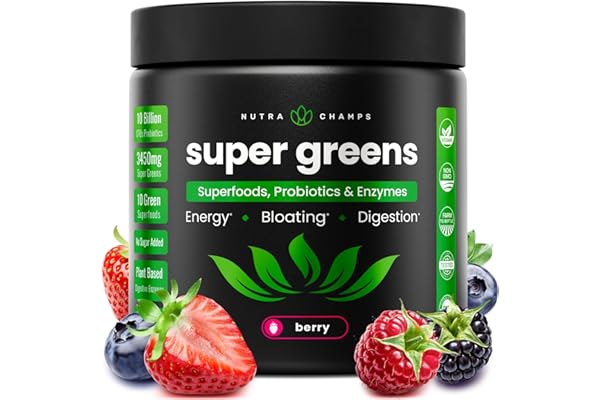
NutraChamps Super Greens Powder Premium Superfood – 20+ Organic Green Veggie Whole Foods – Wheat Grass, Spirulina, Chlorella – Antioxidant, Digestive Enzyme & Probiotic Blends (9.0 Oz, Berry)
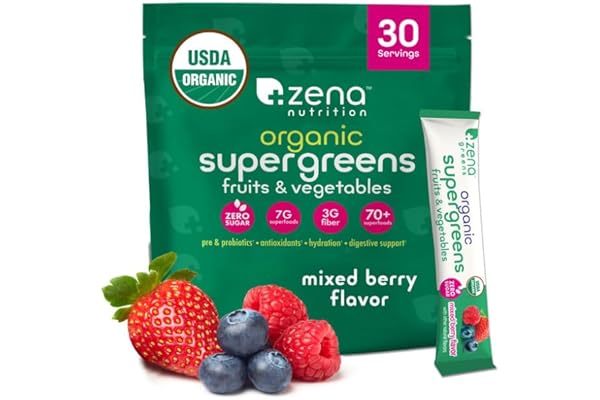
Zena Nutrition Organic Super Greens Powder, 70+ Superfoods, 0 Sugar, 3G Fiber, Spirulina, Chlorella, Antioxidants, Prebiotics/Probiotics, Digestive Enzymes, Mixed Berry, 30 Drink Mix Packets
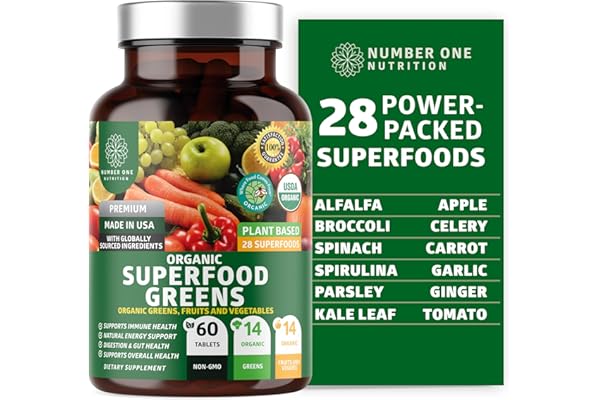
USDA Organic Superfood Greens [28 Powerful Ingredients] Natural Super Greens Capsules, Fruit and Veggie Supplement with Alfalfa, Beet Root and Ginger to Support Energy and Immunity, 60 Tablets

Animal Daily Greens Pill Packs – Kale, Wheat Grass, Alfalfa & More – Convenient Prebiotic and Probiotic Superfood Blend for Superior Digestion, Gut Health, and Immunity For Men & Women – 30 Day Supply
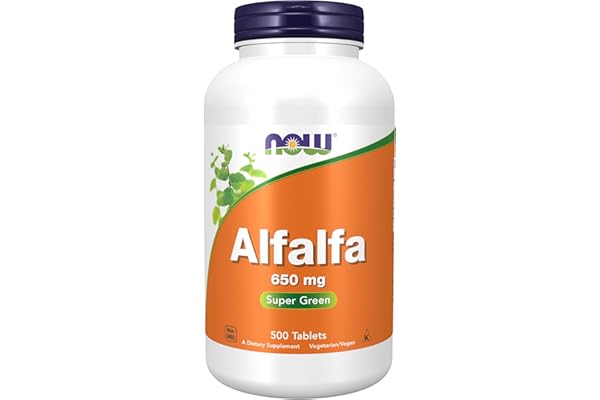
NOW Supplements, Alfalfa 650 mg source of Vitamin K, Green Superfoods, 500 Tablets