

What Are the Benefits of Quinoa: A Nutritional Powerhouse Explained
Benefits of Quinoa: Quinoa has emerged as a popular superfood, celebrated for its impressive nutritional profile and versatility. It is packed with protein, fiber, and essential nutrients like zinc, folate, and antioxidants, making it a powerful addition to any diet. With its rich nutrient content, quinoa not only supports overall health but also offers specific benefits that can enhance one’s well-being.
One of the standout advantages of quinoa is its positive impact on digestive health. The fiber content present in quinoa can aid in preventing constipation and may lower the risk of intestinal cancers. Its ability to help control hunger by keeping you full longer makes it an excellent choice for those looking to maintain or achieve a healthy weight.
Aside from its health benefits, quinoa’s versatility and ease of preparation make it a favorite in the kitchen. This gluten-free grain can be seamlessly incorporated into a variety of dishes, from salads to side dishes, providing a nutritious alternative that aligns with sustainable eating habits.
Key Takeaways
- Quinoa is rich in protein, fiber, and essential nutrients.
- It supports digestive health and helps control hunger.
- Quinoa is versatile and easy to include in meals.
Nutritional Profile of Quinoa
Quinoa is renowned for its impressive nutritional composition. It stands out for being a complete protein source, boasting essential amino acids, high fiber content, and a wealth of vitamins and minerals. These attributes make it a valuable addition to a balanced diet, supporting various aspects of health.
Rich in Proteins and Amino Acids
Quinoa is a standout in the plant kingdom for its high-quality protein content. One cup of cooked quinoa provides about 8 grams of protein. Unlike many plant-based foods, quinoa is a complete protein, meaning it contains all nine essential amino acids needed by the body for optimal growth and repair.
This makes it an excellent dietary choice for vegetarians and vegans seeking to boost their protein intake. Additionally, these amino acids play crucial roles, including aiding in muscle repair and enzyme function. The presence of lysine and methionine further enhances the nutritional appeal of quinoa.
High Fiber Content
Quinoa’s fiber content is noteworthy, with around 5 grams of fiber per cup of cooked seeds. This level of fiber contributes significantly to digestive health, helping to prevent constipation and maintain regular bowel movements.
Moreover, the fiber in quinoa can aid in weight management by promoting a feeling of fullness and reducing overall calorie intake. Its ability to help regulate blood sugar levels also benefits individuals with or at risk of diabetes by preventing spikes in blood sugar. The fiber content supports heart health by potentially lowering cholesterol levels, adding to quinoa’s versatile health benefits.
Vitamins and Minerals Abundance
Quinoa is abundant in a wide range of vitamins and minerals. It supplies vital nutrients such as magnesium, folate, and zinc, essential for numerous bodily functions. Magnesium supports muscle and nerve function, while folate is crucial during periods of rapid growth, such as pregnancy. Zinc contributes to immune function and wound healing.
Additionally, quinoa contains antioxidants that help protect cells from oxidative damage. These nutrients make quinoa a powerhouse food that supports overall health, aids in disease prevention, and enhances nutrition for those who include it in their diets.
Health Benefits of Quinoa
Quinoa offers numerous health benefits, providing essential nutrients like protein, fiber, and antioxidants. Each subsection will explore how quinoa can aid in weight management, improve metabolic health, and serve as a gluten-free alternative for those with dietary restrictions.
Weight Management
Quinoa is rich in protein and fiber, which can help individuals feel full longer and reduce overall calorie intake. Consuming high-protein foods can boost metabolism and increase the number of calories burned during digestion. This quality makes quinoa a valuable food for those aiming to manage their weight or lose excess pounds.
Fiber in quinoa aids in digestion and promotes feelings of fullness, preventing overeating. A higher fiber intake is linked to lower body weight, making it a beneficial component of a weight-loss diet. Eating quinoa regularly can support sustainable weight management efforts.
Improved Metabolic Health
Quinoa has a positive impact on metabolic health by regulating blood sugar levels and reducing inflammation. The grain’s low glycemic index means it causes a gradual rise in blood sugar levels, which is beneficial for individuals with insulin sensitivity or diabetes. Quinoa’s fiber content helps moderate these blood sugar spikes.
Alongside its anti-inflammatory properties, quinoa is packed with essential nutrients like vitamins B2, B6, and folate. These nutrients help improve overall metabolic efficiency, supporting energy production and cellular function. Eating quinoa may contribute to a healthier metabolism over time.
Gluten-Free Alternative
As a naturally gluten-free food, quinoa provides an excellent nutritional option for individuals with celiac disease or gluten intolerance. The grain offers all nine essential amino acids, making it a complete protein and a valuable substitute for gluten-containing grains like wheat and barley.
Quinoa’s versatility in cooking allows it to replace gluten-based ingredients in a variety of dishes, offering dietary variety while maintaining nutritional intake. This makes quinoa a popular choice for those seeking to eliminate or reduce gluten from their diet without compromising on nutrient intake.
Benefits of Quinoa on Digestive Health
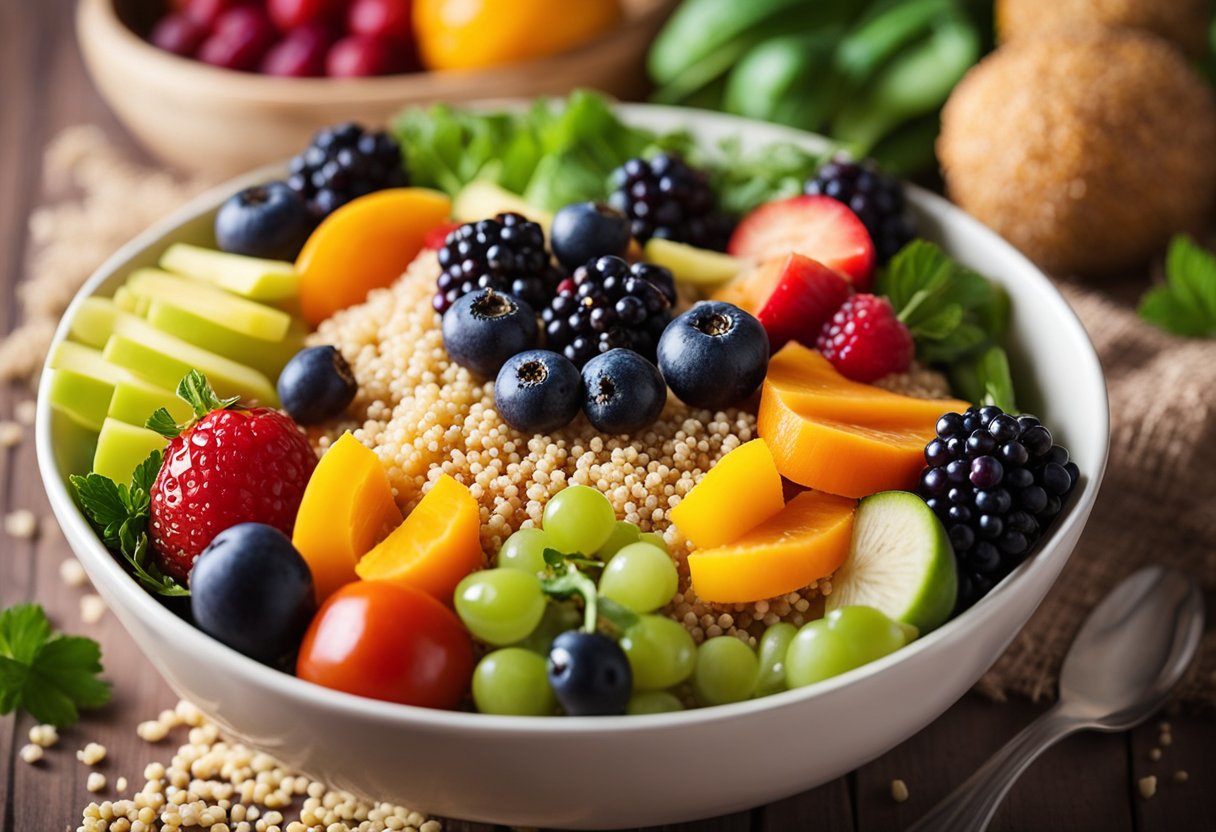
Quinoa is recognized for its positive impact on digestive health, primarily due to its high fiber content. It not only promotes gut health by enhancing the diversity of beneficial bacteria but also aids in making digestion easier.
Gut Health Promotion
The fiber in quinoa is vital for promoting a healthy gut. By increasing the diversity of beneficial gut bacteria, quinoa may improve gut health and help reduce inflammation, which is important for managing conditions like irritable bowel syndrome. Studies have shown that consuming quinoa can enhance the gut microbiome, potentially leading to reduced symptoms of gut-related disorders.
Integrating quinoa into a regular diet can potentially lead to both short-term and long-term benefits for gut health. By feeding the good bacteria in the intestines, quinoa fosters a balanced and thriving gut environment, contributing positively to overall digestive well-being.
Ease of Digestion
Quinoa stands out for its ease of digestion. Despite being rich in fiber, it is gentle on the stomach and does not cause significant bloating or discomfort. This makes it an excellent choice for individuals looking to increase their fiber intake without upsetting their digestive system.
The fiber content in quinoa helps prevent issues like constipation by facilitating smoother bowel movements. Regular consumption could lead to a noticeable improvement in digestive regularity. Additionally, quinoa’s nutrients are well absorbed by the body, ensuring that one gains maximum nutritional benefit without strain on the digestive process.
Versatility in Cooking
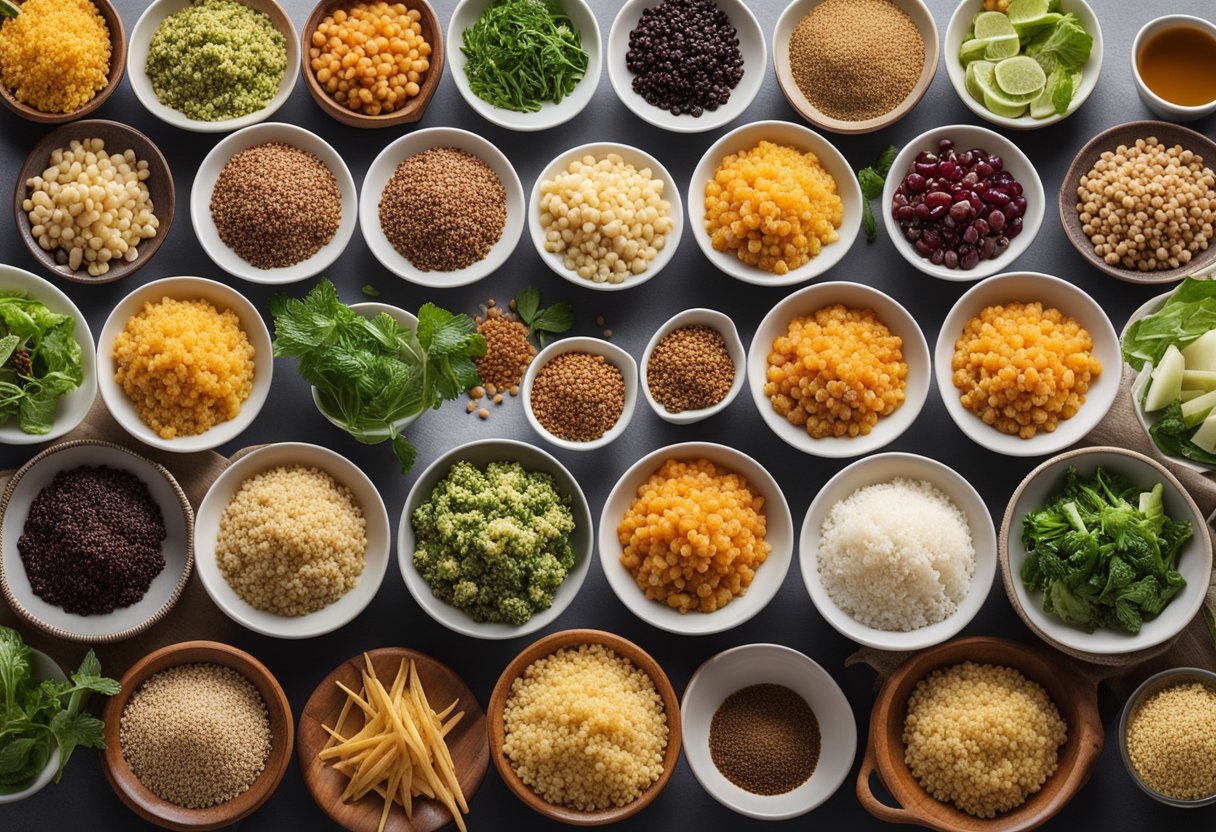
Quinoa’s adaptability makes it a staple in many kitchens. This ancient grain complements a wide range of cuisines and is easily incorporated into diverse recipes. Its unique flavor and texture can be effortlessly adjusted to suit different culinary styles.
A Fit for Various Cuisines
Quinoa integrates seamlessly into a variety of culinary traditions. In South American cuisine, it replaces rice in many dishes due to its rich nutrient profile and suitability for gluten-free diets. Mediterranean recipes often use quinoa in salads, where its slightly nutty taste enhances fresh vegetables and herbs.
Asian cuisines utilize quinoa as a base for stir-fries, absorbing the flavors of savory sauces and spices. In Indian dishes, it can substitute grains like basmati rice, adding nutritional value to traditional curries and dals. This adaptability to diverse culinary backgrounds contributes to its rising global popularity. Quinoa’s flexibility ensures it complements both simple and complex dishes, making it valuable for chefs and home cooks.
Adaptability to Recipes
Quinoa’s unique properties allow it to be used in numerous recipes beyond traditional salads and sides. It serves as an excellent base for breakfast bowls, mixed with fruits and yogurt for a nutritious start to the day. In baking, quinoa flour provides a gluten-free option for breads and pastries, delivering added protein and fiber.
For versatile soups and stews, quinoa thickens and enhances nutritional content without overpowering flavors. Its mild taste allows it to blend harmoniously into varied dishes, making it a perfect ingredient for experimenting in the kitchen. This adaptability showcases quinoa’s usefulness across a broad spectrum of meals, from savory to sweet.
Sustainability of Quinoa

Quinoa’s impact on the environment revolves around its low water usage and adaptability to harsh conditions. Additionally, its cultivation methods contribute to its resilience, benefiting both farmers and the ecosystem.
Environmental Impact
Quinoa is often praised for its low environmental footprint. It requires significantly less water than many staple crops, making it suitable for water-scarce regions. Its adaptability to diverse climatic conditions reduces the need for chemical inputs like fertilizers and pesticides, minimizing potential soil and water contamination.
The crop’s ability to grow in poor soil conditions further enhances its sustainability credentials, allowing cultivation in areas unsuitable for other grains. This characteristic helps preserve biodiversity by not displacing existing natural ecosystems for agricultural purposes.
Cultivation and Resilience
The cultivation of quinoa showcases its resilience to challenging environmental conditions. The plant thrives at high altitudes and in low-nutrient soils, making it an ideal crop for regions with limited agricultural options. It can also withstand fluctuations in temperature, which is advantageous for maintaining crop yields amidst climate change.
Farmers benefit from its short growing cycle, which allows for multiple harvests within a year, ensuring food security and economic viability in rural areas. These traits support sustainable farming practices, fostering food security and resilience against climate irregularities. Additionally, cultivating quinoa can reduce the reliance on monoculture crops, promoting agrobiodiversity and healthier ecosystems.
Considerations for Consumption
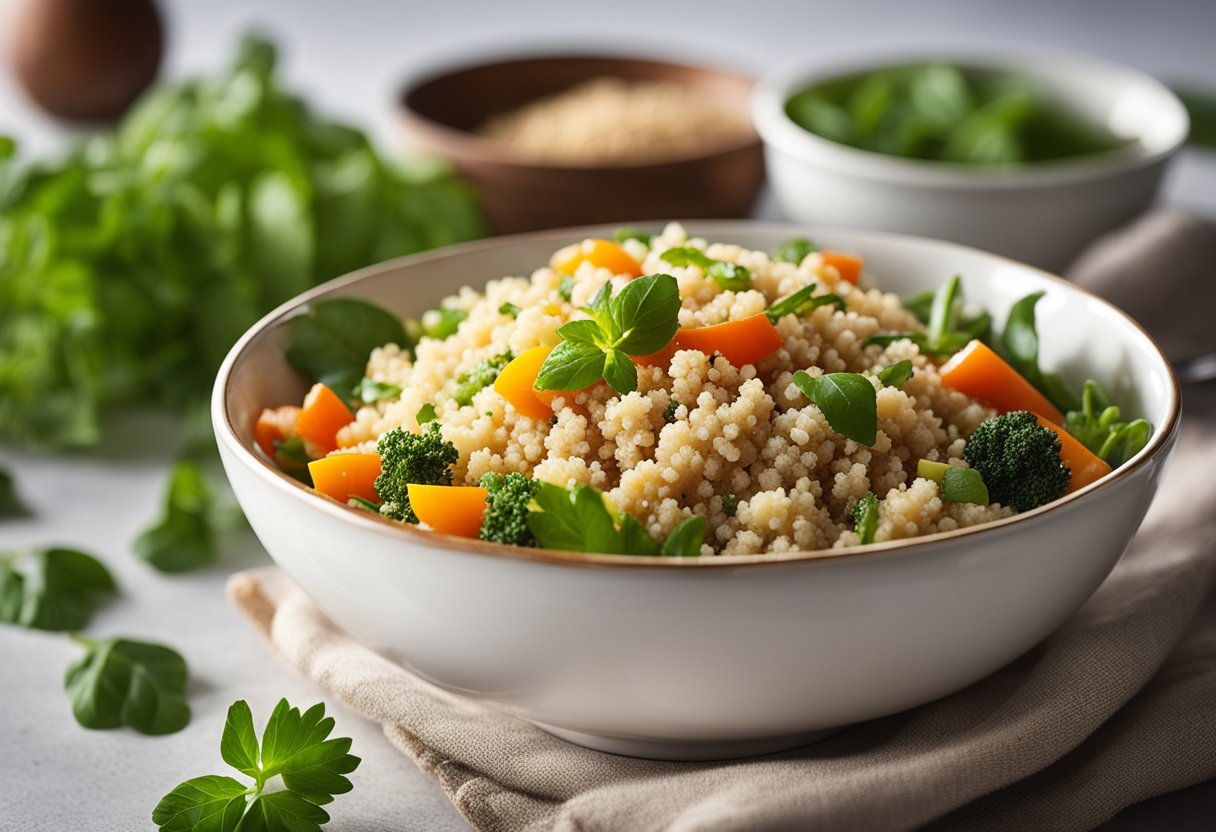
Quinoa offers numerous health benefits, but certain considerations are important for its optimal preparation and consumption. Understanding how to cook it properly and being aware of potential allergic reactions can enhance one’s dietary experience.
Preparation and Cooking
Quinoa must be properly prepared to ensure its best nutritional benefits and texture. Begin by rinsing the seeds thoroughly. This step removes saponins, natural compounds that can impart a bitter taste and may cause digestive discomfort.
Cooking quinoa is straightforward: use a 2:1 water-to-quinoa ratio, bring to a boil, then simmer for about 15 minutes. When cooked, the grains should appear translucent with a small, white spiral, indicating they are ready to eat.
Optional flavoring: Enhance taste by swapping water for broth or adding spices before simmering. Implementing these techniques can improve texture and flavor, making quinoa a more enjoyable addition to meals.
Possible Allergic Reactions
While quinoa is generally well-tolerated, some individuals may experience allergic reactions. These can manifest as itching, swelling, stomach pain, or hives. It’s essential to be mindful when introducing quinoa into one’s diet, especially for those with known food allergies.
People with pollen-food syndrome might be more prone to adverse reactions. Consulting a healthcare provider before consumption can help mitigate risks.
In cases of mild reactions, discontinue use and observe symptoms. If symptoms persist or are severe, seek medical advice promptly. This caution ensures that nutritional benefits are not overshadowed by allergic complications.
Benefits of Quinoa: Frequently Asked Questions
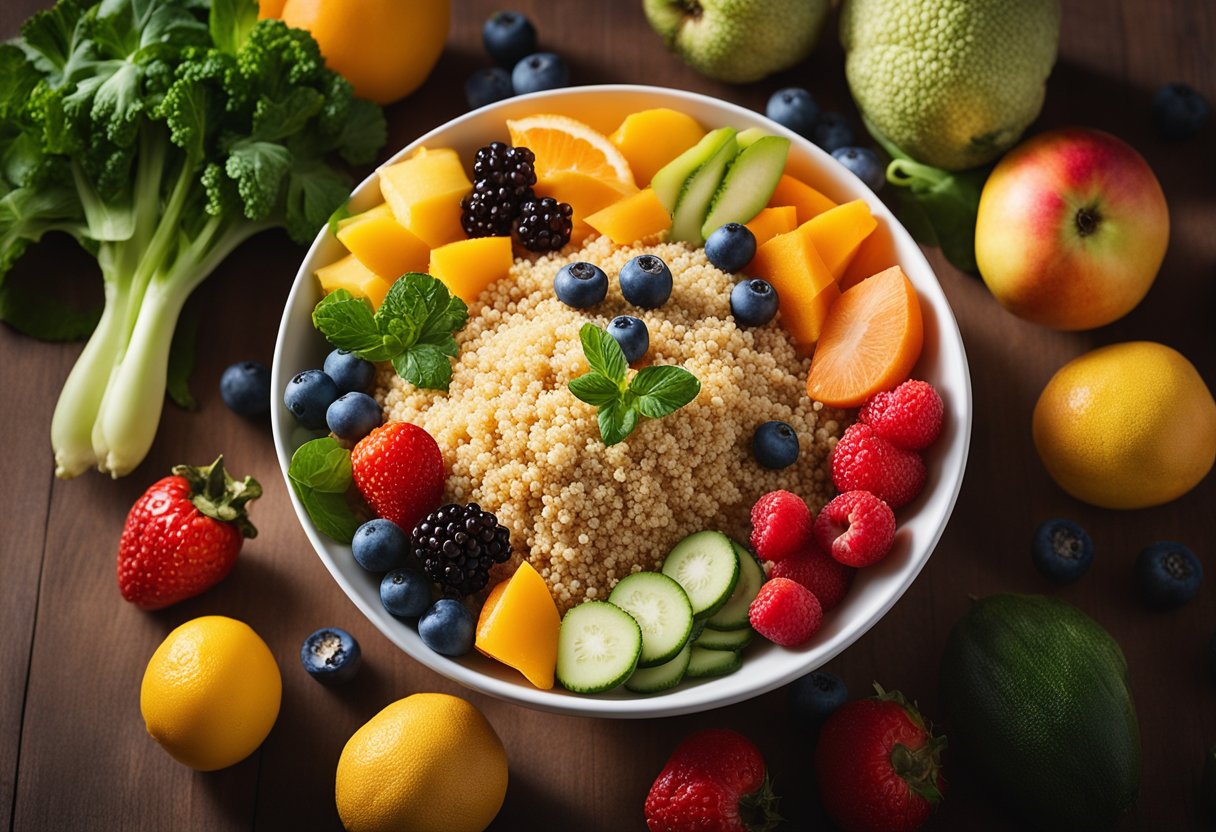
Quinoa offers a wide range of benefits that can enhance health and wellness for both men and women. Consuming quinoa in the morning provides distinct advantages, and understanding the nutritional value compared to traditional grains can aid in making informed dietary choices.
How does quinoa contribute to men’s health and wellness?
Quinoa is rich in protein, fiber, and essential minerals, supporting muscle growth and overall physical performance. Its anti-inflammatory properties may reduce the risk of chronic diseases, offering long-term health benefits for men.
In what ways can women benefit from incorporating quinoa into their diets?
For women, quinoa provides iron and folate, crucial for maintaining healthy blood levels and supporting pregnancy. The high fiber content aids digestion and can help manage weight, making it a valuable addition to a balanced diet.
What health advantages does consuming quinoa in the morning offer?
Starting the day with quinoa can improve energy levels due to its complex carbohydrates and protein. The sustained release of energy reduces the likelihood of mid-morning fatigue, supporting focus and productivity.
Can you list the potential benefits and side effects associated with eating quinoa?
Benefits include improved digestion, blood sugar control, and reduced inflammation. Although generally safe, some may experience digestive discomfort or allergic reactions. It’s advisable to rinse quinoa thoroughly to remove saponins, which can cause gastrointestinal issues in some individuals.
What are the implications of including quinoa in my skincare regime?
Quinoa’s antioxidant properties help protect the skin from damage, potentially slowing the aging process. Its vitamins and minerals support skin health, promoting a radiant and youthful appearance when consumed regularly.
What are the nutritional comparisons between quinoa and traditional grains like rice?
Quinoa surpasses many traditional grains in protein and fiber content, offering more substantial nutritional benefits. Unlike rice, quinoa is a complete protein, providing all essential amino acids, making it a superior choice for those seeking enhanced dietary nutrition.
Quinoa Products

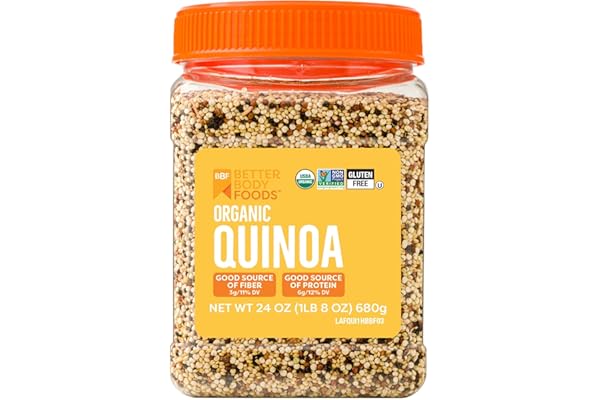
BetterBody Foods Organic Quinoa, Vegan, Gluten Free, Low Glycemic Rice Replacement, 24 ounce

Earthborn Elements Quinoa Flour 1 Gallon, Vegan, Baking & Cooking

Wondermill Grain Mill – Electric Grain Mill Grinder for Healthy Gluten-Free Flours