

Benefits of Nettle: Key Health Effects & Uses
Nettle is a plant that has been used in traditional medicine for centuries to treat various health conditions. Nettle offers numerous health benefits, including support for urinary tract health, blood sugar control, allergy relief, and reducing inflammation in conditions like arthritis. The plant contains vitamins A, C, D, E, and K, along with minerals like iron, calcium, and potassium that support overall wellness.
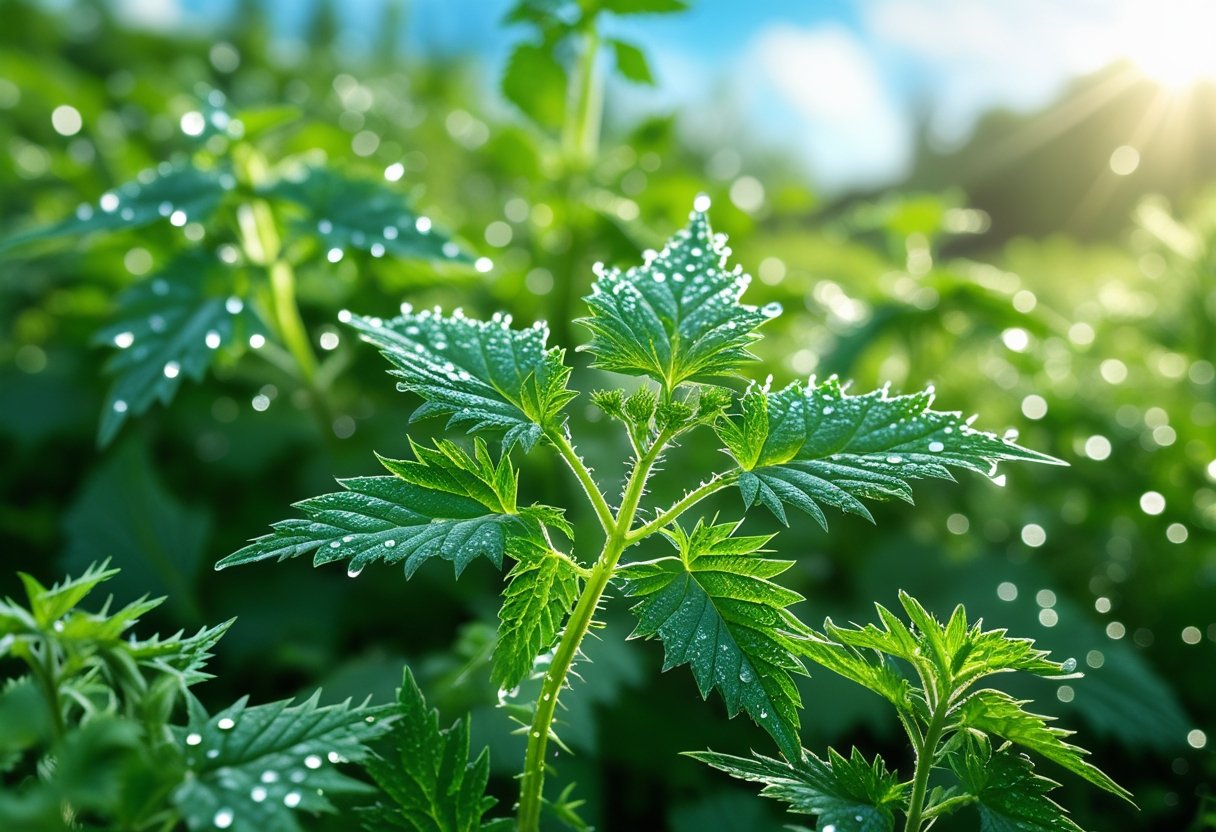
Despite its reputation for causing skin irritation when touched fresh, nettle becomes a safe and beneficial herb once dried or cooked. People consume it as tea, supplements, or cooked greens to take advantage of its nutritional value. Research shows nettle may help with conditions ranging from seasonal allergies to enlarged prostate, making it a versatile addition to natural health practices.
Understanding how nettle works in the body and the proper ways to use it can help people make informed decisions about adding this herb to their wellness routine. This guide covers the science-backed benefits, practical uses, and safety information needed to use nettle effectively.
Key Takeaways
- Nettle provides essential vitamins and minerals while offering anti-inflammatory and antioxidant properties that support multiple body systems
- The herb shows promise for managing allergies, urinary tract infections, prostate health, and blood sugar levels based on research studies
- Nettle is generally safe when properly prepared, but people taking certain medications should consult their doctor before regular use
Nutritional Profile of Nettle
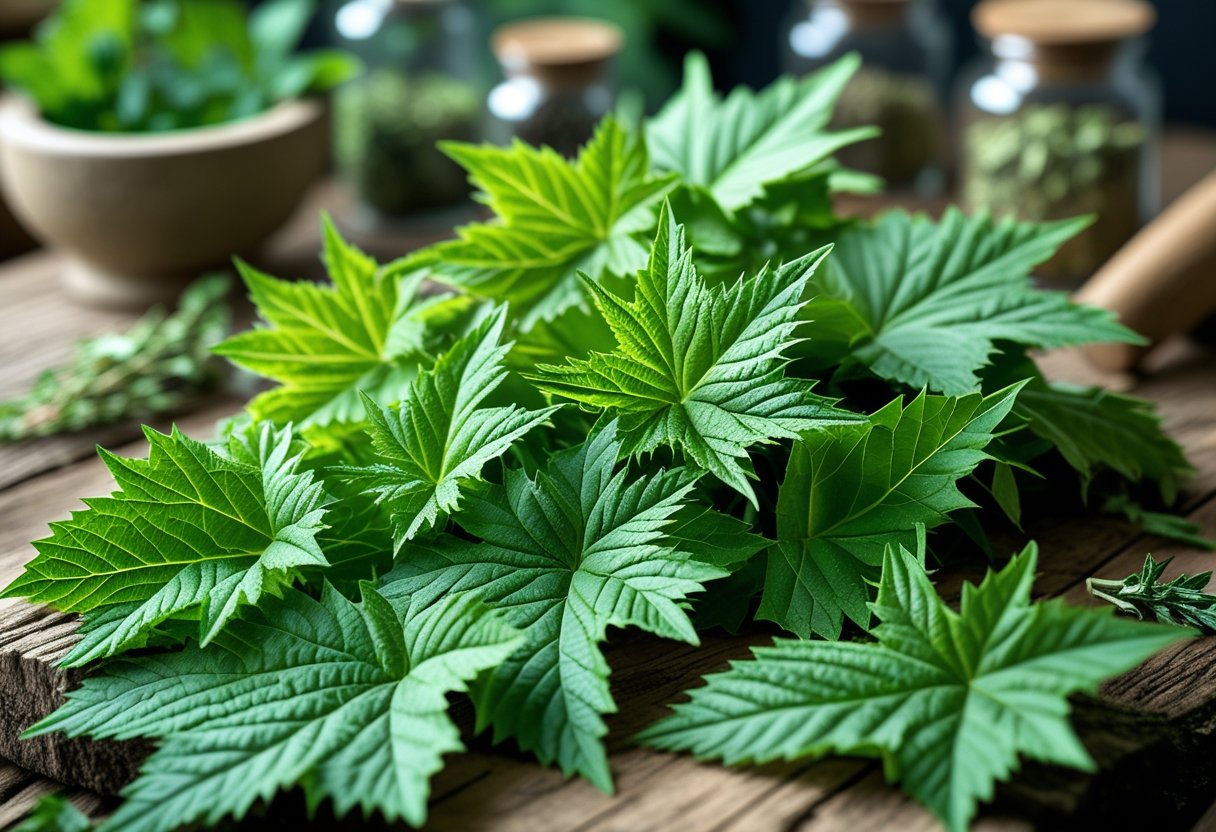
Nettle leaves pack a dense array of vitamins, minerals, and plant compounds that support various body functions. The plant contains significant levels of essential minerals like calcium, iron, and magnesium, along with vitamins A, C, and K that contribute to immune health and bone strength.
Vitamins and Minerals in Nettle
Nettle provides an impressive range of vitamins that support daily health needs. The leaves contain high amounts of vitamin K at 498.6 micrograms per serving, which equals 416% of the daily value. Vitamin A reaches 2011 IU per serving, providing 67% of daily requirements.
The plant also delivers B vitamins including riboflavin at 12% daily value and vitamin B6 at 8% daily value. Vitamin C content helps with immune function and iron absorption.
Mineral content stands out as particularly strong. Calcium reaches 481 milligrams per serving, providing 37% of daily needs. Manganese offers 34% of daily requirements at 0.8 milligrams. Iron content sits at 1.6 milligrams, giving 9% of daily value.
Other key minerals include magnesium at 57 milligrams (14% daily value), potassium at 334 milligrams (9% daily value), and smaller amounts of zinc, copper, phosphorus, and selenium.
Antioxidants and Polyphenols
Nettle contains polyphenols and carotenoids that protect cells from damage caused by free radicals. These compounds help reduce inflammation throughout the body.
The leaves contain flavonoids, which are powerful antioxidant compounds. Quercetin appears as one of the primary flavonoids in nettle, along with kaempferol and isorhamnetin. These flavonoids work to neutralize harmful molecules in the body.
Carotenoids give nettle its green color and provide additional antioxidant benefits. The plant also contains chlorophyll, which acts as a natural antioxidant and helps support detoxification processes.
Plant Compounds Beneficial for Health
Beyond vitamins and minerals, nettle contains unique plant compounds that offer health benefits. The leaves have lignans, which are plant compounds that may support hormone balance and overall wellness.
Tannins appear in both the leaves and roots of the plant. These compounds give nettle astringent properties that may help with various health concerns.
The plant also contains lectins, particularly in the roots. Protein makes up about 30% of the dry mass of nettle leaves, providing amino acids the body needs. Fiber content reaches 7 grams per serving, supporting digestive health at 24% of daily value.
Primary Health Benefits of Nettle
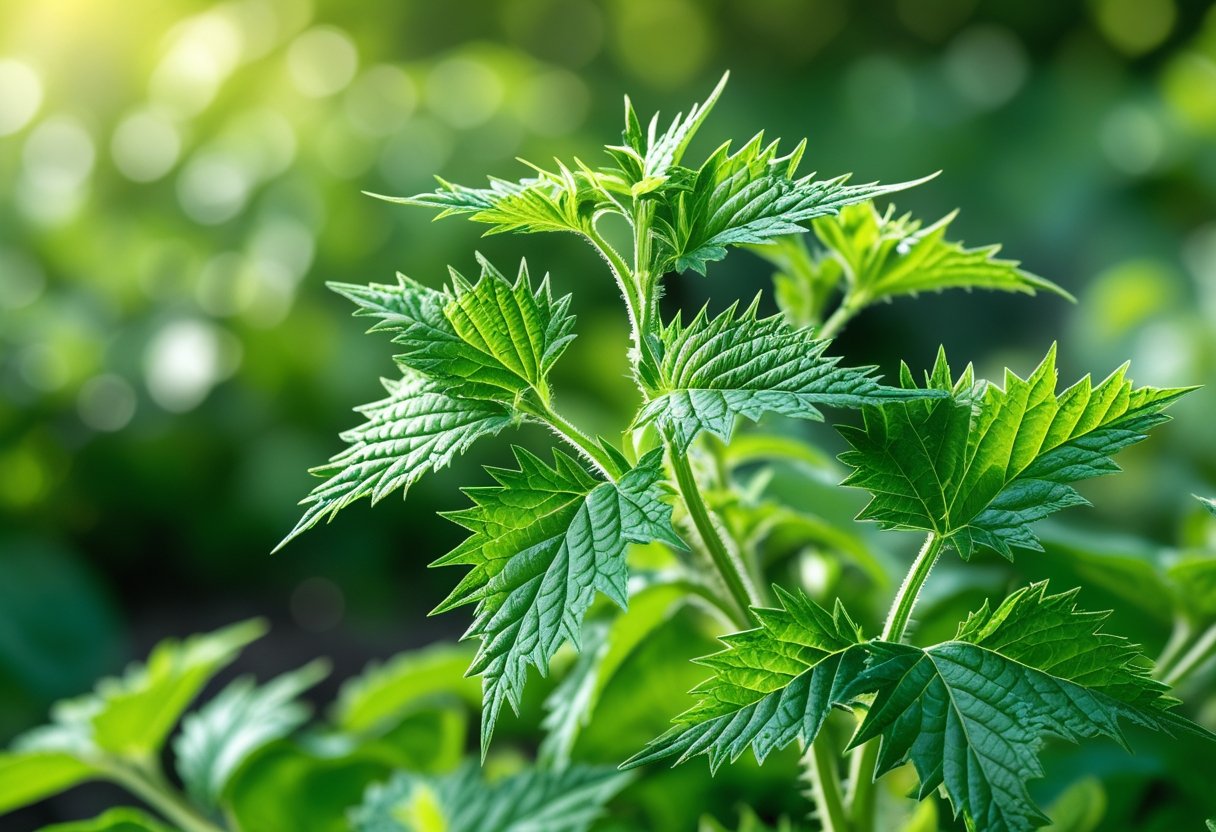
Nettle provides notable support for reducing inflammation and protecting cells from damage, while also strengthening immune defenses and promoting cardiovascular wellness. The plant contains compounds that work together to address multiple health concerns, from chronic inflammation to elevated blood pressure.
Anti-Inflammatory and Antioxidant Actions
Nettle contains polyphenols and other compounds that help the body defend against oxidative stress. Antioxidants aid in the body’s defense against free radicals, which can contribute to aging and various health problems.
The plant’s anti-inflammatory properties make it useful for people dealing with inflammatory conditions. Research indicates that polyphenols help prevent and manage inflammatory disorders, including certain forms of cancer and diabetes. These same compounds give nettle its ability to reduce pain and swelling in affected tissues.
Nettle contains several key antioxidants:
- Polyphenols that protect cells from damage
- Carotenoids that support overall cellular health
- Flavonoids including quercetin and beta-sitosterol
- Chlorophyll with additional protective properties
The combination of anti-inflammatory and antioxidant properties makes nettle particularly effective for people with autoimmune disorders like rheumatoid arthritis. The plant can be used both topically and internally to address inflammation throughout the body.
Immune System Support
Nettle strengthens the immune system through its dense nutritional profile. The plant contains vitamins A, C, D, E, and K, along with B vitamins that support immune function. Vitamin C and the high nutritional content help improve iron-deficiency anemia.
The herb provides easily absorbed minerals including calcium, iron, potassium, and selenium. These nutrients work together to support immune responses and help the body recover from illness or stress. Iron and vitamin C work especially well together to improve blood health and oxygen delivery to tissues.
Nettle’s antimicrobial and antibacterial properties add another layer of immune protection. Studies show that the plant can help prevent infections and inhibit certain bacteria that cause health problems. The herb also reduces the risk of infection in the urinary tract and bladder by promoting healthy elimination of pathogens.
Heart and Blood Pressure Support
Nettle offers several benefits for cardiovascular health through multiple mechanisms. The plant has been used in both orthodox and alternative medicine to reduce inflammation and improve cardiovascular health factors including blood pressure and cholesterol levels.
Phenolic compounds in nettle tea help protect from cardiovascular disease, including blood clots and hypertension. The anti-inflammatory effects reduce inflammation in arteries and blood vessels, which lowers blood pressure and decreases strain on the heart.
People who drink nettle tea may experience reduced blood pressure, though more human studies are needed to fully understand these effects. The herb also shows promise for improving blood lipid levels in people with and without diabetes. By addressing multiple risk factors at once, nettle provides comprehensive support for heart health and helps reduce the risk of heart disease.
Nettle for Urinary and Prostate Health
Nettle has demonstrated benefits for both urinary tract function and prostate conditions, particularly in men experiencing benign prostatic hyperplasia. The herb acts as a natural diuretic while also addressing inflammation and hormonal factors that contribute to prostate enlargement.
Urinary Tract Health and Infections
Nettle functions as a diuretic that promotes increased urine production and flow. This diuretic effect helps flush bacteria and toxins from the urinary tract, which may reduce the risk of urinary tract infections.
The plant contains compounds that support bladder function and reduce fluid retention. These properties make nettle useful for people dealing with mild urinary issues or water retention.
While nettle can support general urinary tract health, it should not replace medical treatment for active UTIs. People with chronic urinary problems should consult healthcare providers before using nettle as a primary treatment approach.
Prostate Health and BPH Symptoms
Nettle root shows significant effects on benign prostatic hyperplasia symptoms. The condition affects up to 90 percent of men over 60 years old.
A clinical study involving 100 BPH patients found that those taking nettle capsules experienced dramatic symptom reduction. The treatment group’s average symptom score dropped from 26.5 to 2.1 after eight weeks, while the placebo group showed no improvement.
Nettle root works by reducing androgen receptor sensitivity and inhibiting enzymes linked to prostate growth. This mechanism helps decrease prostate size and inflammation without the side effects common in pharmaceutical treatments.
The herb improves urine flow and helps the bladder empty more completely. Men taking nettle typically notice reduced urgency, better nighttime sleep, and less frequent urination. No significant side effects were reported in clinical trials, making it a well-tolerated option for managing BPH symptoms.
Nettle and Metabolic Support
Nettle supports metabolic health through its ability to regulate blood sugar levels and enhance digestive function. These properties make it valuable for people managing diabetes or seeking to maintain healthy weight.
Blood Sugar and Diabetes Management
Nettle helps manage blood sugar through multiple mechanisms in the body. Studies show it can increase insulin secretion and support the growth of pancreatic β-cells, which are responsible for producing insulin.
Research on metabolic syndrome and nettle demonstrates its effectiveness in reducing hyperglycemia, one of the three major risk factors for metabolic disorders. The plant contains compounds like quercetin, a flavonoid that helps lower blood glucose levels.
For people with type 2 diabetes, nettle may work by increasing glucose uptake in skeletal muscles and adipose tissues. Its anti-inflammatory and antioxidant properties also help control diabetes complications. One clinical trial found that diabetic patients taking 100 mg/kg/day of nettle extract showed significant improvements in blood sugar control after eight weeks.
The plant’s ability to stimulate insulin production makes it a practical natural option for supporting blood sugar balance when used alongside conventional treatments.
Digestion and Weight Management
Nettle acts as a diuretic, helping the body eliminate excess sodium and water. This property supports healthy fluid balance and may contribute to weight management efforts.
The herb provides dense nutrition with minerals like iron, calcium, and magnesium along with protein. These nutrients help build healthy blood and support overall metabolic function. Nettle’s diuretic effects also help remove harmful substances from the body, promoting better digestive health.
People using nettle for weight management benefit from its ability to improve metabolism and digestion. The plant supports energy balance without causing digestive upset. Its nutrient density means it provides valuable vitamins and minerals while supporting the body’s natural detoxification processes through increased urine production.
Nettle for Allergy Relief and Immune Function
Nettle works as a natural antihistamine to block chemicals that trigger allergy symptoms like sneezing and congestion. The plant also helps reduce skin reactions such as hives by interfering with the body’s inflammatory response.
Easing Seasonal Allergies
Nettle acts as a natural antihistamine by blocking histamine receptors in the body. Histamines are chemicals the immune system releases when exposed to allergens like pollen or ragweed. This blocking action helps reduce common symptoms of hay fever including sneezing, itching, and nasal congestion.
Studies show that nettle extracts can stop immune cells from releasing chemicals that cause allergic reactions. Research indicates that 600 mg of freeze-dried nettle leaves per day may help treat seasonal allergies. However, some studies found nettle worked only slightly better than a placebo for hay fever relief.
The plant contains compounds that reduce inflammation in the nasal passages. People can take nettle as a supplement, drink it as tea, or use freeze-dried capsules during allergy season. Nettle may be particularly helpful for combating symptoms triggered by various plants and environmental allergens.
Reducing Histamine and Hives
Nettle helps calm skin reactions by interfering with the production of multiple inflammatory markers. The plant reduces swelling, redness, and itching associated with hives and other allergic skin responses. Its anti-inflammatory properties work throughout the body to suppress the chemicals that cause these reactions.
Fresh nettle leaves can actually cause hives because they inject histamine and other compounds through tiny barbs on the surface. However, processed nettle in the form of dried leaves, supplements, or cooked preparations does not cause this irritation. Stinging nettle has been used medicinally to strengthen the immune system for thousands of years.
People with severe allergic reactions should consult a doctor before using nettle. The plant can interact with certain medications and may not be suitable for everyone.
Additional Therapeutic Uses of Nettle
Nettle offers relief for joint pain and inflammation while supporting skin health, hair growth, and tissue repair. The plant’s anti-inflammatory compounds and nutrient profile make it useful for several conditions beyond its primary medicinal applications.
Joint and Arthritis Relief
Nettle works as an anti-inflammatory agent that may ease arthritis symptoms when applied to affected areas. People who suffer from joint pain can apply the plant topically to reduce discomfort and swelling.
One small study found that direct application of stinging nettle leaf to a painful joint improved symptoms. The plant contains compounds that help reduce inflammation in tissues around joints.
Nettle’s anti-inflammatory properties also address muscle pain and soreness. This makes it a potential option for people dealing with chronic joint health issues or temporary muscle strain. The herb provides a natural approach to managing discomfort without relying solely on conventional pain medications.
Benefits for Skin, Hair, and Eyes
Nettle supports hair growth and scalp health through its rich nutrient content. The plant contains vitamins, minerals, and amino acids that nourish hair follicles.
For skin conditions, nettle may help with eczema and other forms of skin irritation. Its anti-inflammatory effects calm irritated skin while its nutrients support tissue health.
The herb is high in vitamins, minerals, healthy fats, amino acids, polyphenols, and pigments. These nutrients contribute to antioxidant power that protects cells from damage. Some practitioners suggest nettle tea benefits eye health, though more research is needed to confirm specific effects on vision.
Wound Healing and General Well-Being
Topical application of nettle may have applications for wound healing due to its ability to promote tissue repair. The plant potentially reduces bleeding when applied to minor cuts or scrapes.
Nettle’s high nutritional value makes it useful as a dietary supplement in cooked form. It provides essential nutrients that support general health and body function. The herb may also promote liver health and act as a diuretic, helping the body eliminate waste products more efficiently.
The antioxidants in nettle make it effective against oxidative stress that contributes to chronic conditions. These protective compounds help maintain cellular health throughout the body.
Nettle Tea: Preparation and Consumption Tips
Making nettle tea at home is simple and requires just a few basic steps. Most adults can safely drink 1-3 cups daily to experience the health benefits of this herbal remedy.
How to Make Nettle Tea
Brewing nettle tea requires fully boiling water since herbal drinks need more heat to extract their full flavor and beneficial compounds. The standard measurement is 1 teaspoon (about 2-2.5 grams) of dried nettle leaves per 8 ounces of water.
To prepare this herbal drink, place the dried nettle leaves in a teapot or mug. Pour the boiling water directly over the leaves and cover the container. Let the tea steep for 5-10 minutes to allow the nutrients to infuse into the water.
After steeping, strain out the leaves and serve the tea warm. The tea won’t become bitter like traditional tea leaves, even with longer steeping times. Fresh nettle leaves can also be used by taking a small handful per cup of water.
Optional additions include honey for sweetness or lemon for extra flavor. Some people add mint to enhance the taste of this natural remedy.
Recommended Dosage and Frequency
The general recommendation is 1-3 cups per day for most adults seeking therapeutic benefits. Drinking this amount provides health benefits without overloading the body with the tea’s diuretic effects.
People new to nettle tea should start with one cup daily to see how their body responds. After a few days without side effects, they can gradually increase to 2-3 cups if desired.
Best times to drink nettle tea:
- Morning – supports energy and kidney function
- Afternoon – reduces fatigue and bloating
- Before bed – calms inflammation (though some may experience increased urination at night)
Drinking nettle tea consistently for several weeks typically produces the most noticeable results. People taking medications should consult their doctor before adding this herbal remedy to their routine.
Potential Side Effects and Safety Considerations
Nettle is generally safe for most people when used appropriately, but it can cause adverse reactions in some individuals and may interact with certain medications. People taking blood thinners, blood pressure medications, or diabetic drugs should exercise caution.
Possible Adverse Reactions
When consumed as tea or supplements, nettle can cause gastrointestinal issues like diarrhea and constipation in some users. Fresh, unprocessed nettle leaves contain formic acid that causes skin irritation, itching, redness, and a stinging sensation when touched. However, cooking or drying the leaves destroys this compound.
Some people may experience sweating or mild allergic reactions after consuming nettle products. In rare cases, studies have documented unusual effects like breast enlargement in men and nipple discharge in women with consistent nettle tea consumption.
The diuretic properties of nettle mean it increases urination frequency. While this can benefit those with fluid retention, excessive use may lead to dehydration or electrolyte imbalances.
Drug Interactions and Precautions
Nettle may interact with several common medications due to its biological effects. People taking blood thinners like warfarin or aspirin should consult their doctor before using nettle, as it may affect blood clotting.
The herb’s ability to lower blood pressure creates potential interactions with blood pressure medications, possibly causing hypotension. Similarly, nettle can reduce blood sugar levels, which may enhance the effects of diabetic medications and increase the risk of low blood sugar.
Other possible interactions include central nervous system depressants and lithium. The diuretic effect of nettle might affect how the body eliminates certain drugs. Anyone taking prescription medications should discuss nettle use with their healthcare provider or pharmacist to ensure safe consumption.
Considerations for Pregnancy and Lactation
Using nettle during pregnancy is likely dangerous because it may contain compounds that function as abortifacients, potentially causing uterine contractions or miscarriage. Pregnant women should avoid nettle tea and supplements entirely.
During breastfeeding and lactation, evidence on nettle safety remains limited. While some sources suggest it may support milk production, the lack of comprehensive safety data means nursing mothers should use caution. Women who are breastfeeding should consult their healthcare provider before consuming nettle products to weigh potential benefits against unknown risks.
Frequently Asked Questions
Nettle offers multiple health benefits ranging from reducing inflammation to supporting urinary function. People often have questions about how to use this plant safely and what specific advantages it provides for different health concerns.
What health advantages are associated with consuming nettle?
Nettle provides several documented health benefits when consumed as food, tea, or supplements. The plant contains vitamins A, C, and K, along with minerals like calcium, iron, and magnesium that support overall health.
Research shows that nettle may help reduce inflammation in conditions like arthritis. Studies indicate it can lower blood pressure and blood sugar levels in some people.
The plant also acts as a natural diuretic, helping the body eliminate excess salt and water. Nettle’s antioxidant properties protect cells from damage caused by free radicals.
How does nettle tea improve wellness?
Nettle tea delivers concentrated amounts of the plant’s beneficial compounds in an easy-to-consume form. The tea contains iron, calcium, and magnesium that support energy levels and bone health.
Many people drink nettle tea to ease seasonal allergies. The plant blocks histamine receptors and stops immune cells from releasing chemicals that trigger allergy symptoms.
Regular consumption may help maintain healthy blood sugar levels. One study found that taking 500 mg of nettle extract three times daily significantly lowered blood sugar compared to a placebo.
Can nettle leaves support skin health, and if so, how?
Nettle contains compounds that benefit skin when applied topically or consumed internally. The plant’s anti-inflammatory properties help reduce redness and irritation.
Applying nettle creams may support wound healing, including burn wounds. The antioxidants in nettle protect skin cells from environmental damage.
Some people use nettle to address scalp issues and promote healthier hair growth. The minerals and compounds in the plant improve blood circulation to the scalp.
In what ways does nettle impact joint health and discomfort?
Nettle shows promise for reducing joint pain and inflammation associated with arthritis. In one study, applying a nettle cream to arthritis-affected areas significantly reduced pain compared to a placebo treatment.
Taking nettle supplements may allow people to reduce their dose of anti-inflammatory pain relievers. A study found that participants felt they could lower their medication use after taking nettle extract.
The plant works by interfering with the production of inflammatory markers in the body. However, more research is needed to establish nettle as a primary treatment for joint conditions.
What are the nutritional components of nettle that contribute to its health benefits?
Nettle contains an impressive array of nutrients that work together to support health. The leaves and roots provide all essential amino acids needed for bodily functions.
The plant offers multiple B vitamins alongside vitamins A, C, and K. It contains important minerals including calcium, iron, magnesium, phosphorus, potassium, and sodium.
Nettle includes beneficial fats like linoleic acid, linolenic acid, and oleic acid. The plant also contains polyphenols such as quercetin and kaempferol that act as antioxidants.
Pigments like beta-carotene and lutein add to nettle’s nutritional profile. These carotenoids support eye health and provide additional antioxidant protection.
How can incorporating nettle into one’s diet aid in detoxification processes?
Nettle functions as a natural diuretic that helps the body eliminate toxins through increased urine production. This process removes excess salt, water, and waste products from the system.
The plant’s antioxidants protect the liver from damage caused by toxins and heavy metals. A healthy liver is essential for the body’s natural detoxification processes.
Nettle can be added to soups, stews, and smoothies after cooking or drying. People also brew the dried leaves into tea or take capsules for convenient daily consumption.
The plant should not be eaten fresh due to its stinging hairs. Processing through cooking, drying, or freeze-drying removes the irritating compounds while preserving beneficial nutrients.
Top Nettle Herbal Products
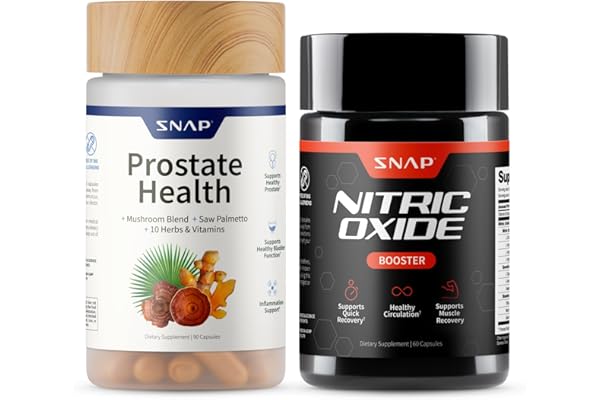
Snap Supplements Prostate Health & Nitric Oxide Supplement Bundle for Men, 90 + 60 Vegetarian Capsules (1 Month Supply)
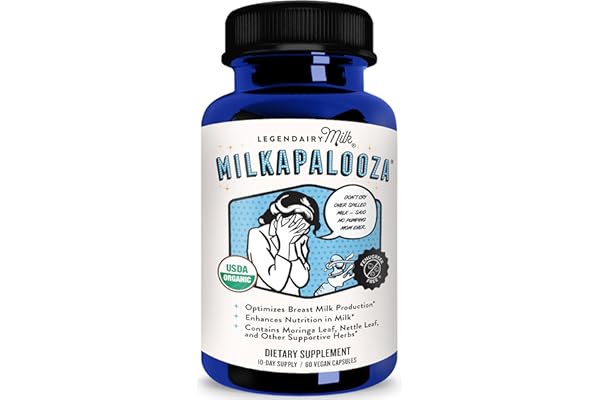
Legendairy Milk Milkapalooza Lactation Supplement for Breastfeeding Moms, Increase Breast Milk Supply with Organic Moringa, Fennel, Nettle, & Shatavari, Vegan Postpartum Essentials Fenugreek-Free 60ct
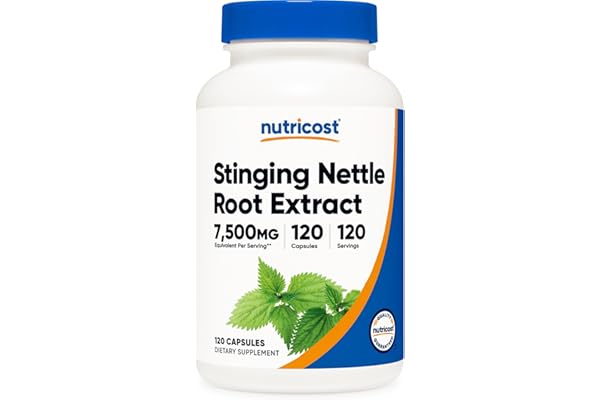
Nutricost Stinging Nettle Root Extract 7500mg Equivalent, 120 Capsules – Vegetarian Friendly, Non-GMO, Gluten Free

Nettle Tea – 8Oz (REAL WILD HARVEST) – 100% USDA Certified ORGANIC – Loose Leaf (Urtica Dioica aka Stinging Nettle) Cut & Sifted
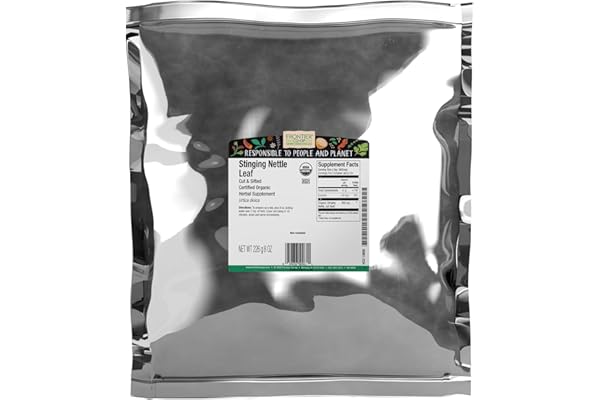
Frontier Co-op Organic Stinging Nettle Leaf, Cut and Sifted – For Making Nettle Tea – Kosher – 16 Ounce (Pack of 1)
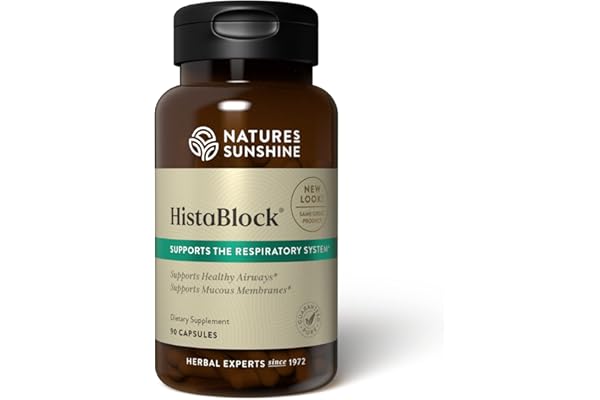
Nature’s Sunshine HistaBlock – Respiratory Support Supplement – Supports Airways & Blocks Irritants – Antioxidant Strength – Seasonal Allergy Help – Natural Respiratory Function Aid 90 Capsules