


Benefits of Estrogen Cream? Expert Guide & Safety
Menopause brings significant changes to a woman’s body, particularly affecting vaginal and urinary health due to declining estrogen levels. Many women experience uncomfortable symptoms like vaginal dryness, painful intercourse, and recurrent urinary tract infections that can significantly impact their quality of life.
Estrogen cream provides targeted relief by delivering low-dose estrogen directly to vaginal tissues, effectively treating dryness, reducing pain during intercourse, and helping prevent urinary tract infections.

Unlike systemic hormone replacement therapy, vaginal estrogen cream works locally with minimal absorption into the bloodstream. This targeted approach allows women to address specific symptoms while avoiding many of the risks associated with oral hormone treatments. The cream comes in various forms and can be applied easily using a plastic applicator.
Understanding the benefits of estrogen cream, proper usage, and safety considerations helps women make informed decisions about managing their menopausal symptoms. This comprehensive guide explores how estrogen cream works, its multiple health benefits, potential risks, and practical application guidelines to help women navigate this effective treatment option.
Key Takeaways
- Estrogen cream delivers targeted hormone therapy directly to vaginal tissues with minimal systemic absorption
- The treatment effectively addresses multiple menopausal symptoms including dryness, pain, and urinary issues
- Proper application and understanding of safety considerations ensure optimal results and minimize potential risks
How Estrogen Cream Works
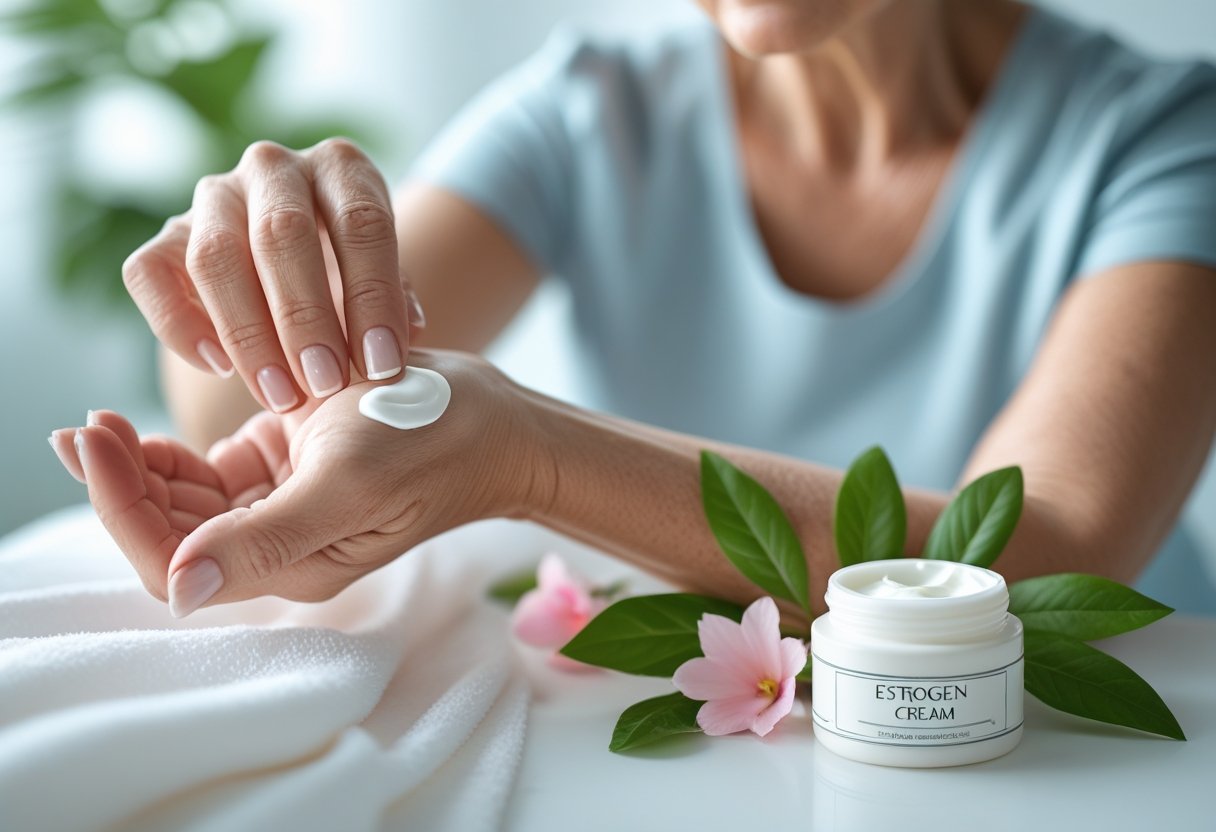
Estrogen cream delivers hormones directly through the skin to target specific tissues, particularly in the vaginal and vulvar areas. The cream contains concentrated estrogen compounds that are absorbed locally, providing therapeutic benefits with minimal systemic exposure compared to oral hormone treatments.
Types of Estrogen Used in Creams
Estrogen creams contain three main types of estrogen hormones that naturally occur in the body. Estradiol is the most potent form and the primary estrogen used in prescription vaginal creams. It provides the strongest therapeutic effects for menopausal symptoms.
Estrone represents a weaker form of estrogen that is sometimes included in topical formulations. Estriol is the mildest estrogen type and is often used in facial estrogen creams due to its gentler effects on skin tissue.
Most prescription vaginal estrogen creams use estradiol as the active ingredient. The concentration typically ranges from 0.01% to 0.1%, depending on the specific product and intended use.
Some over-the-counter facial products may contain estriol at lower concentrations, usually around 0.3%. The choice of estrogen type depends on the treatment goals and the specific tissue being targeted.
Mechanism of Action in Vaginal and Vulvar Tissue
Estrogen cream works by binding to estrogen receptors in vaginal and vulvar tissues. When applied topically, the estrogen molecules penetrate the skin and mucous membranes, reaching the underlying tissue cells.
The hormone then activates cellular processes that restore tissue health. This includes increasing collagen production, which improves tissue thickness and elasticity. The estrogen also stimulates blood flow to the treated area, enhancing nutrient delivery.
In vaginal tissue, estrogen cream helps restore the natural pH balance and promotes healthy bacterial flora. It increases vaginal lubrication by stimulating mucus production from vaginal cells.
The hormone also strengthens the tissue lining, making it less prone to irritation and infection. These changes typically begin within 2-4 weeks of regular use, with full effects developing over several months.
Differences Between Topical and Systemic Estrogen
Topical estrogen cream provides localized treatment with minimal systemic absorption. When applied to vaginal or vulvar tissue, only small amounts enter the bloodstream, reducing the risk of side effects associated with oral hormone therapy.
Systemic estrogen treatments like pills or patches distribute hormones throughout the entire body via the bloodstream. This approach treats whole-body symptoms but requires higher doses and often needs progesterone to protect the uterus.
Topical estrogen requires much lower doses because it acts directly on target tissues. A typical vaginal estrogen cream uses doses 10-25 times lower than systemic treatments while achieving similar local effects.
The localized application means topical estrogen doesn’t require routine blood monitoring. It also avoids many contraindications associated with systemic hormone therapy, making it suitable for more women, including those with certain cardiovascular conditions.
For more details on how estrogen creams function, see this comprehensive guide on localized estrogen hormone cream.
Benefits of Estrogen Cream for Menopause
Estrogen cream provides targeted relief for common menopause symptoms by restoring hormone levels directly to affected tissues. Women experiencing declining estrogen levels during menopause often find significant improvement in vaginal health, sexual comfort, and overall quality of life through topical estrogen application.
Relief From Vaginal Dryness
Vaginal dryness affects up to 50% of postmenopausal women due to declining estrogen levels. Estrogen cream works by delivering hormones directly to vaginal tissues, stimulating natural moisture production and restoring healthy discharge.
The low-dose estrogen gets absorbed through skin and vaginal tissues. This process helps increase lubrication within 2-4 weeks of regular use for many women.
Key benefits include:
- Restored natural moisture production
- Reduced tissue irritation and itching
- Improved vaginal pH balance
- Enhanced comfort during daily activities
Clinical studies show that topical estrogen effectively treats genitourinary syndrome of menopause (GSM). This condition encompasses the various vaginal and urinary symptoms that occur when estrogen levels drop.
Women typically notice initial improvements within weeks of starting treatment. The cream helps reverse the thinning and drying of vaginal tissues that occurs during menopause.
Improvement in Discomfort During Intercourse
Painful intercourse affects many menopausal women due to vaginal tissue changes. Estrogen cream addresses multiple causes of sexual discomfort by restoring tissue health and elasticity.
The medication helps treat conditions like vaginitis and vulvodynia that contribute to pain during penetration. It also addresses vaginismus, where vaginal muscles involuntarily tighten at the opening.
Treatment benefits include:
- Reduced inflammation in vaginal tissues
- Increased tissue thickness and elasticity
- Enhanced natural lubrication during arousal
- Decreased friction and irritation
Estrogen cream makes vaginal tissues less sensitive and more mobile. This improvement allows for comfortable sexual activity and reduces the fear of pain that many women develop.
The treatment works by thickening the vaginal lining, which becomes thin and fragile during menopause. Healthier tissue stretches more easily and produces adequate lubrication for comfortable intercourse.
Support for Vulva and Vaginal Health
Estrogen cream provides comprehensive support for vulvar and vaginal health during menopause. The treatment helps maintain the structural integrity of tissues in the entire genital area.
Declining estrogen levels cause tissue around the vaginal opening, clitoris, and urethra to thin and lose flexibility. Topical estrogen helps restore these tissues to a healthier state.
Health improvements include:
- Strengthened vaginal and vulvar tissues
- Reduced risk of recurrent urinary tract infections
- Improved bacterial balance in the vagina
- Enhanced overall genital tissue health
The cream helps prevent symptoms from worsening over time. Unlike some menopause symptoms that eventually fade, vaginal dryness and related issues typically worsen without treatment.
Regular use of estrogen cream can restore the natural bacterial environment of the vagina. This balance is crucial for preventing infections and maintaining optimal vaginal health throughout the postmenopausal years.
Additional Health Benefits
Estrogen cream provides several health benefits beyond its primary uses for menopause symptoms. These additional benefits include reducing urinary tract infections, minimizing vaginal discomfort, and supporting overall intimate health.
Prevention of Recurrent Urinary Infections
Estrogen cream helps strengthen the tissues around the urethra and bladder. This strengthening effect reduces the risk of recurrent urinary tract infections that many women experience during menopause.
The hormone supports the natural protective barriers in the urinary tract. When estrogen levels drop, these barriers weaken and become more susceptible to bacterial infections.
Key protective mechanisms include:
- Maintaining healthy pH levels in the urogenital area
- Supporting beneficial bacteria that prevent harmful bacterial growth
- Strengthening the urethra lining to resist infection
Women who use estrogen cream often report fewer episodes of painful urination and burning sensations. The cream helps restore the natural balance that protects against bacterial overgrowth.
Regular application can reduce the frequency of antibiotic treatments needed for recurring infections. This benefit is particularly important for women who experience chronic urinary issues during menopause.
Reduction in Itching and Irritation
Estrogen cream effectively addresses uncomfortable symptoms like itching and irritation in the vaginal area. These symptoms commonly occur when estrogen levels decline during menopause.
The cream works by restoring moisture and thickness to vaginal tissues. Thin, dry tissues are more prone to irritation and discomfort during daily activities.
Specific irritation symptoms that improve include:
- Persistent vaginal itching
- Burning sensations during urination
- General discomfort during movement or exercise
Many women experience relief from chronic irritation within weeks of starting treatment. The hormone helps rebuild the protective tissue layers that cushion against friction and environmental irritants.
Estrogen cream also helps normalize vaginal discharge patterns. Healthy discharge provides natural lubrication and protection against irritation-causing bacteria.
Potential Support for Sexual Well-Being
Estrogen cream can significantly improve sexual comfort and satisfaction. The hormone addresses physical barriers that make intimate activities uncomfortable or painful.
Restored tissue elasticity and moisture make sexual activity more comfortable. Many women report reduced pain and increased enjoyment after using estrogen cream consistently.
Sexual health improvements include:
- Enhanced natural lubrication
- Increased tissue flexibility
- Reduced pain during intercourse
- Improved overall comfort
The cream helps restore the vaginal environment to pre-menopausal conditions. This restoration can positively impact libido and sexual confidence.
Some women may experience changes in vaginal bleeding patterns when starting estrogen cream. Any unusual bleeding should be discussed with a healthcare provider to ensure proper treatment monitoring.
Potential Risks and Side Effects
While estrogen cream can provide significant benefits for menopausal symptoms, users should be aware of potential side effects ranging from mild local reactions to serious health complications. Understanding both common and severe adverse reactions helps women make informed decisions about hormone therapy.
Common Side Effects
Most women experience mild side effects when starting estrogen cream therapy. Local reactions at the application site are frequent and typically resolve within a few weeks of consistent use.
Breast-related symptoms often occur as the body adjusts to increased estrogen levels. Breast pain and tenderness are common complaints, along with breast swelling or enlargement. These symptoms usually diminish as treatment continues.
Gastrointestinal effects include nausea, vomiting, and bloating. Taking the medication with food may help reduce stomach upset. Some women also experience abdominal cramping or changes in appetite.
Neurological symptoms such as headaches are frequently reported. These can range from mild tension headaches to more severe migraine-like episodes. Mood changes and irritability may also occur during the adjustment period.
Skin reactions at the application site include redness, itching, or mild irritation. Rotating application sites can help minimize these effects. Some women develop temporary skin discoloration where the cream is applied.
Serious Adverse Reactions
Certain side effects require immediate medical attention and may indicate the need to discontinue treatment. These reactions can develop at any time during estrogen therapy.
Allergic reactions can manifest as severe skin rash, difficulty breathing, or swelling of the face, lips, or throat. These symptoms require emergency medical care and immediate discontinuation of the medication.
Blood clots represent a significant risk associated with estrogen therapy. Warning signs include leg pain or swelling, sudden chest pain, or difficulty breathing. Women with a history of clotting disorders face elevated risk.
Cardiovascular events such as heart attack or stroke can occur, particularly in older women or those with existing risk factors. Symptoms include chest pain, sudden weakness, or severe headache.
Abnormal vaginal bleeding outside of normal menstrual patterns requires evaluation. This includes heavy bleeding, spotting between periods, or bleeding after menopause. Such symptoms may indicate underlying conditions requiring investigation.
Cancer and Cardiovascular Considerations
Long-term estrogen use carries potential risks for certain cancers and cardiovascular complications. These concerns require careful monitoring and regular medical evaluation.
Breast cancer risk may increase with prolonged estrogen exposure. Regular mammograms become especially important for women using hormone therapy. Any breast lumps or changes should be evaluated promptly.
Uterine cancer risk is elevated in women with intact uteruses using estrogen alone. This is why progesterone is often prescribed alongside estrogen therapy. Regular gynecological examinations help monitor for early changes.
Cardiovascular risks include increased likelihood of stroke, particularly in women over 60 or those with high blood pressure. Heart attack risk may also be elevated, especially during the first year of treatment.
Blood clot formation can lead to serious complications including pulmonary embolism. Risk factors include obesity, smoking, and prolonged immobility. Regular monitoring helps identify early warning signs.
Gallbladder problems occur more frequently in women using estrogen therapy. Symptoms include upper abdominal pain, nausea, and digestive difficulties requiring medical evaluation.
Usage Guidelines and Best Practices
Proper use of estrogen cream requires following specific application methods and dosing schedules under medical supervision. Special health conditions and life circumstances may require dosage adjustments or alternative approaches.
Proper Application and Dosage
Vaginal estrogen cream should be applied using the provided applicator for accurate dosing. The typical starting dose involves daily application for 1-3 weeks, followed by maintenance dosing 2-3 times weekly.
For vaginal application, women should lie on their back with knees bent and gently insert the applicator a few inches into the vagina. The plunger should be pressed down to deliver the prescribed amount of cream.
Topical estrogen cream for systemic use is best applied to areas with less fatty tissue. Recommended application sites include:
- Forearms
- Inner ankles
- Tops of feet
- Inner thighs
The cream should be applied twice daily to clean, dry skin. Women should wash their hands thoroughly before and after application.
Estrace vaginal cream requires specific dosing based on individual symptoms and response. The applicator markings indicate gram amounts to ensure accurate dosing.
Importance of Medical Supervision
Medical supervision is essential for safe estrogen cream use. Healthcare providers assess individual risk factors and determine appropriate dosing schedules.
Regular monitoring helps detect potential side effects early. Providers may adjust dosages based on symptom improvement and individual response patterns.
Women with certain medical histories require careful evaluation before starting estrogen therapy. Providers can determine if estrogen cream is appropriate or if alternative treatments are safer.
Blood level monitoring may be recommended for some patients, particularly those using systemic estrogen preparations. This helps ensure therapeutic levels while minimizing risks.
Healthcare providers can also address concerns about drug interactions and provide guidance on proper storage and handling of estrogen products.
Adjustments for Special Populations
Breastfeeding women should avoid estrogen cream as it can reduce milk production and pass into breast milk. Alternative treatments for vaginal symptoms are typically recommended during lactation.
Women with kidney disease may require dosage adjustments or increased monitoring. Kidney function can affect hormone metabolism and clearance from the body.
Systemic lupus erythematosus patients need careful evaluation before estrogen use. The hormone may potentially trigger flares or worsen disease activity in some individuals.
Menopause timing affects dosing requirements. Early menopausal women may need higher initial doses compared to those who are several years post-menopause.
Age-related factors also influence treatment approaches. Older women may be more sensitive to estrogen effects and require lower starting doses with gradual increases as needed.
Drug Interactions and Contraindications
Estrogen cream can interact with numerous medications and may not be suitable for women with certain health conditions. Understanding these interactions and contraindications is essential for safe treatment.
Medications That May Interact With Estrogen Cream
Estrogen cream interacts with 391 known medications, with 35 major interactions, 336 moderate interactions, and 20 minor interactions. Major interactions should be avoided completely due to significant health risks.
Anticonvulsants like carbamazepine can reduce estrogen effectiveness by increasing hormone metabolism. This may lead to breakthrough bleeding or reduced symptom relief.
Antifungal medications including ketoconazole and itraconazole can increase estrogen levels in the body. Higher estrogen concentrations may intensify side effects like nausea or breast tenderness.
Antibiotics such as rifampin accelerate estrogen breakdown, potentially making treatment less effective. Women may experience return of menopausal symptoms during antibiotic treatment.
Antiviral drugs like ritonavir can alter estrogen metabolism unpredictably. This interaction requires careful monitoring by healthcare providers.
Common medications that interact with estrogen cream include antidepressants (Prozac, Cymbalta), blood pressure medications (metoprolol), and thyroid hormones (Synthroid). Even supplements like vitamin C and probiotics can affect estrogen absorption.
Who Should Avoid Estrogen Cream
Women with 17 specific medical conditions should avoid estrogen cream due to increased health risks. These contraindications exist because estrogen can worsen certain diseases or trigger serious complications.
Cardiovascular conditions including blood clots, stroke history, or uncontrolled hypertension make estrogen unsafe. Estrogen increases clotting risk and can raise blood pressure further.
Cancer history particularly breast, endometrial, or ovarian cancers typically prohibit estrogen use. Estrogen can stimulate hormone-sensitive cancer cell growth.
Liver disease patients cannot safely metabolize estrogen. Hepatic neoplasms and severe liver dysfunction are absolute contraindications.
Diabetes requires careful consideration since estrogen affects glucose tolerance. Women with poorly controlled diabetes may experience worsening blood sugar levels.
Dementia patients face increased stroke and blood clot risks with estrogen therapy. Current guidelines recommend avoiding estrogen in women with cognitive impairment.
Other conditions include unexplained vaginal bleeding, gallbladder disease, severe depression, and retinal thrombosis history.
Frequently Asked Questions
Women considering estrogen cream often have specific questions about its effectiveness for vaginal dryness, proper application methods, and potential side effects. These common concerns address dosing schedules, menopausal symptom relief, and real-world user experiences with treatment outcomes.
What are the potential positive effects of using estrogen cream for vaginal dryness?
Estrogen cream restores moisture to vaginal tissues by increasing blood flow and improving tissue elasticity. The treatment helps rebuild the vaginal lining, which becomes thin and dry due to declining estrogen levels.
Women typically experience reduced discomfort during intercourse within 2-4 weeks of consistent use. The cream also helps maintain the natural pH balance of the vagina.
Long-term use can prevent further tissue deterioration and maintain vaginal health. Many women report improved comfort during daily activities and reduced irritation.
How should estrogen cream be correctly applied to ensure maximum effectiveness?
Women should wash their hands thoroughly before applying the cream. The applicator provided with the medication ensures precise dosing and proper placement.
For vaginal application, the cream should be inserted gently into the vagina using the graduated applicator. Most prescriptions recommend applying the cream at bedtime to maximize absorption.
The applicator should be cleaned after each use with warm soapy water. Women should follow their healthcare provider’s specific dosing instructions rather than adjusting the amount independently.
Estrogen cream can alleviate several menopausal symptoms beyond vaginal dryness. Hot flashes and night sweats may decrease with consistent use of the cream.
The treatment can improve urinary symptoms such as urgency and frequent urination. Some women experience better sleep quality and reduced mood fluctuations.
Skin elasticity and hydration may improve when estrogen levels are supplemented. However, the cream’s effectiveness varies among individuals and depends on the severity of symptoms.
What are the considerations for selecting the best time of day to apply estrogen cream?
Nighttime application is typically recommended because the body absorbs hormones more effectively during rest. This timing also reduces the likelihood of the cream being displaced by daily activities.
Evening application allows for better retention of the medication in vaginal tissues. Women can avoid potential daytime discomfort or leakage by applying the cream before bed.
Some healthcare providers may recommend different timing based on individual needs. Consistency in application time is more important than the specific time chosen.
What are common side effects associated with the use of vaginal estrogen creams?
Local irritation or itching at the application site occurs in some women during initial use. These symptoms often resolve as the body adjusts to the treatment.
Breast tenderness and mild headaches are reported by some users. Unusual vaginal discharge or spotting may occur during the first few weeks of treatment.
Serious side effects are rare but can include blood clots and increased stroke risk. Women should report persistent or concerning symptoms to their healthcare provider immediately.
How do user reviews typically rate the efficacy of estradiol vaginal creams for treating symptoms?
Many women report significant improvement in vaginal dryness and comfort within the first month of use. User reviews frequently mention reduced pain during intercourse and improved quality of life.
Some women experience gradual improvement over several months rather than immediate relief. Reviews often highlight the importance of consistent application for optimal results.
Individual responses vary considerably, with some users reporting complete symptom resolution while others experience partial improvement. Women with severe symptoms may require longer treatment periods to achieve desired results.
Estrogen Cream & Menopause Products

Estrogen Cream For Women, Natural Bioidentical, Hot Flashes Menopause Relief, Estrogen Cream With Wild Yam, Menstrual Cycle & Body Balance Support, Helps Reduce Hot Flashes, Paraben-Free, Vegan, 3-Month Supply(4 Oz)

Estriol Cream for Women’s Menopause Relief: Natural Bioidentical Estrogen Vaginal Cream Support Menopausal Hormone Balance -Hot Flashes, Night Sweats – Intimate Skin Care, 50ml

Vigority Bioidentical Estriol Face Cream for Women: Natural Estrogen Moisturizer Cream with Wild Yam – Hydrates, Firms & Revitalizes Skin
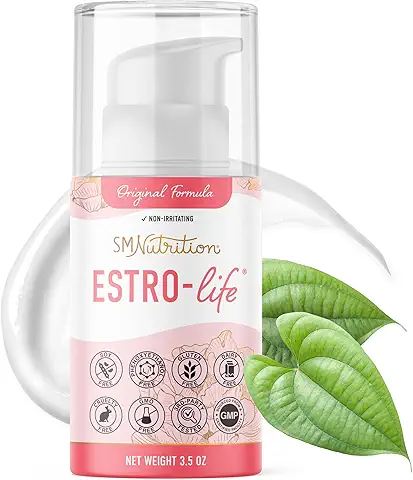
Original Estro-Life Balancing Skin Cream for Women | Cosmetic Skin Cream with 175mg of Estriol per Container with Vitamin A – Dermatologist-Tested, Hypoallergenic – 84 Applications, 3.5oz Pump

VMAGIC by Medicine Mama Organic Vulva Balm – Intimate Skin Care, Menopause Support – Relieves Feminine Dryness, Itching & Irritation – Hormone Free, Vaginal Moisturizer for Women – 2 oz

DIM Supplement 200 mg | Estrogen Balance for Women & Men | Hormonal Acne, Hormone Balance, Menopause & Antioxidant Support | Clean Label Project Certified, Vegan & Soy Free Diindolylmethane | 60 Ct.
Related:
Dry Skin Relief: The Ultimate Guide