


Benefits of Cayenne Pepper? Health Insights, Uses & Safety
Cayenne pepper is a red chili pepper that adds heat to food and offers a range of health benefits backed by research.
The main benefits of cayenne include improved digestion, pain relief, better heart health, metabolism support, and reduced inflammation due to capsaicin, the active compound that gives the pepper its spicy kick.
This common kitchen spice contains vitamins A, E, C, and B6, along with potassium and manganese.

People have used cayenne pepper for centuries as both a cooking ingredient and a natural remedy. The pepper works by affecting pain signals in the body and supporting various systems from circulation to immune function. One teaspoon provides 17 calories and nearly half of the daily recommended vitamin A intake.
Cayenne pepper can help with digestive health, including relief from upset stomach, gas, and stomach pain. The compound capsaicin also shows promise for reducing blood pressure, preventing blood clots, and boosting metabolism through a process called thermogenesis that increases calorie burning.
Key Takeaways
- Cayenne pepper contains capsaicin, which provides pain relief and reduces inflammation in the body
- The spice supports heart health by improving circulation, lowering blood pressure, and preventing blood clots
- Cayenne aids digestion while boosting metabolism and helping with weight management goals
What Is Cayenne Pepper?

Cayenne pepper is a hot chili pepper from the Capsicum annuum species that adds heat and flavor to dishes worldwide. This red pepper gets its spicy kick from capsaicin and comes in several forms for cooking and medicinal use.
Origin and Varieties
Cayenne pepper originated in Cayenne, French Guiana, and belongs to the broader family of chili peppers. The pepper grows as a tapering pod that measures 10 to 25 centimeters long. These peppers are generally skinny with a curved tip and slightly rippled skin.
Most cayenne peppers display a bright red color when fully ripe. The peppers hang downward from the plant rather than growing upright. While the classic cayenne is red, some varieties may appear in orange shades before reaching full maturity.
Fresh cayenne peppers are common in many cuisines. Korean, Sichuan, and other Asian dishes use whole cayenne peppers. Southwestern American, Mexican, Cajun, and Creole cooking also rely heavily on this pepper.
Botanical Classification
Cayenne pepper belongs to the Capsicum annuum species. This species includes many other popular peppers like jalapeños and bell peppers. The scientific classification places cayenne in the Capsicum family alongside other hot peppers.
The plant produces fruits that hang from the bush. These fruits contain the seeds and flesh that give cayenne its distinctive heat. The active compound capsaicin develops in the pepper’s inner membranes and seeds.
Scoville Heat Units and Spiciness
Cayenne peppers measure between 30,000 and 50,000 Scoville Heat Units (SHU). This places them in the medium-hot range of chili peppers. The heat comes entirely from capsaicin, which stimulates pain receptors in the mouth and throat.
For comparison, jalapeño peppers rate between 2,500 and 8,000 SHU. Bell peppers contain zero SHU because they lack capsaicin. Cayenne’s heat level makes it considerably spicier than jalapeños but milder than habanero peppers, which can exceed 300,000 SHU.
The amount of capsaicin varies between individual peppers. Growing conditions, ripeness, and pepper variety all affect the final heat level.
Forms of Cayenne Pepper
Fresh cayenne peppers offer the most intense flavor and can be used whole or chopped in recipes. Cooks add them to stir-fries, soups, and sauces for immediate heat. Fresh peppers must be handled carefully since the capsaicin can irritate skin and eyes.
Powdered cayenne or cayenne pepper powder is the most common form. The spice is made by drying and grinding the orange to deep-red fruits. This powder stores easily and mixes smoothly into dishes, rubs, and marinades.
Some products contain cayenne in capsule form for medicinal purposes. Cayenne also appears in topical creams and ointments. These preparations use purified capsaicin for pain relief applications.
Nutritional Profile of Cayenne

Cayenne pepper delivers significant amounts of vitamin A and vitamin C while providing antioxidants like carotenoids and flavonoids in a low-calorie package. The spice contains essential minerals including potassium and iron that support various body functions.
Key Vitamins and Minerals
A single teaspoon of cayenne pepper provides approximately 17% of the daily vitamin A requirement. This vitamin supports eye health and immune system function. The beta-carotene in cayenne creates its vibrant red color while acting as a precursor to vitamin A.
Cayenne pepper contains vitamin C, which acts as an antioxidant in the body. One teaspoon delivers about 3% of daily vitamin C needs. The spice also provides smaller amounts of vitamin K, which plays a role in blood clotting and bone health.
Mineral content includes potassium, which helps regulate blood pressure and muscle function. Iron appears in trace amounts, supporting oxygen transport in the blood. Vitamin E is present as well, offering cellular protection.
| Nutrient | Amount per tsp | % Daily Value |
|---|---|---|
| Vitamin A | 749 IU | 17% |
| Vitamin C | 1.4 mg | 3% |
| Potassium | 36 mg | 1% |
Antioxidant Compounds
Capsaicin stands as the primary compound in cayenne pepper, creating the characteristic heat while delivering health benefits. This phytochemical acts as a powerful antioxidant that helps neutralize free radicals in the body.
Cayenne contains carotenoids and flavonoids that provide antioxidant protection. Beta-carotene gives cayenne its distinctive color while fighting oxidative stress. These plant compounds work together to reduce cellular damage.
Flavonoid antioxidants help combat inflammation and protect cells from harmful free radicals. Vanillic acid and ferulic acid add to the antioxidant profile. The combination of these compounds creates cayenne’s protective effects against oxidative damage throughout the body.
Caloric Content and Macronutrients
One teaspoon of cayenne pepper contains only about 6 calories. This makes it an excellent flavor enhancer that adds minimal calories to meals.
The macronutrient breakdown consists primarily of carbohydrates, with approximately 1.2 grams per teaspoon. About half of these carbs come from fiber, which supports digestive health and helps regulate blood sugar levels. Protein content remains negligible at less than 0.2 grams.
Fat content is minimal at less than 0.3 grams per teaspoon. The low-calorie profile allows people to add cayenne liberally to dishes without impacting their calorie intake. The fiber content provides the most significant macronutrient benefit, aiding digestion while adding bulk to meals.
Health Benefits of Cayenne Pepper
Cayenne pepper delivers measurable health improvements through its active compound capsaicin. This spicy ingredient increases calorie burning, protects cardiovascular function, improves blood movement, and helps control body weight.
Boosts Metabolism
Cayenne pepper raises the body’s metabolic rate through a process called thermogenesis. When someone eats cayenne pepper, capsaicin increases the amount of heat the body produces, which burns extra calories.
Research shows that consuming cayenne can increase metabolic rate by up to 20% for about two hours after eating. The pepper triggers the body to use more energy for digestion and heat production. People who regularly include spicy foods in their diet often experience a sustained boost in calorie burning throughout the day.
The thermogenic effect works even with small amounts. A quarter to half teaspoon of cayenne powder added to meals can activate this metabolic response. Those new to spicy foods should start with smaller quantities and gradually increase as tolerance builds.
Supports Heart Health
Cayenne pepper helps lower blood pressure and reduces cholesterol levels in the bloodstream. The capsaicin in cayenne promotes the production of nitric oxide, which relaxes blood vessels and allows for easier blood flow.
Regular consumption may reduce the risk of heart attacks by preventing the formation of blood clots. Cayenne helps dissolve fibrin, a protein involved in clot formation. Studies indicate that people who eat spicy foods regularly have lower rates of cardiovascular disease.
The pepper also contains vitamins A and C, which protect blood vessels from oxidative damage. These nutrients work alongside capsaicin to maintain healthy arterial walls. A person can add cayenne to daily meals or take capsaicin supplements under medical guidance for cardiovascular support.
Enhances Circulation
Cayenne pepper dilates blood vessels and improves blood flow throughout the body. This increased circulation delivers more oxygen and nutrients to tissues and organs. Better blood flow also helps remove waste products more efficiently.
The warming sensation from cayenne reflects its ability to stimulate circulation. Capsaicin improves blood flow by relaxing the muscles in blood vessel walls. This makes it easier for blood to move through arteries and veins.
People with poor circulation in their hands and feet may notice improvement when consuming cayenne regularly. The pepper can help reduce cold extremities and support overall vascular health. Some use topical cayenne preparations for localized circulation benefits.
Aids Weight Management
Cayenne pepper reduces appetite and helps people eat fewer calories naturally. The compound capsaicin triggers signals in the brain that increase feelings of fullness after meals. This appetite-suppressing effect can last several hours.
Studies show that adding cayenne to breakfast reduces hunger throughout the day. People consume fewer calories at subsequent meals without feeling deprived. The pepper also decreases cravings for fatty, salty, and sweet foods.
Combined with its metabolism-boosting properties, cayenne creates a dual effect for weight management. The body burns more calories while taking in fewer. A person doesn’t need large amounts to see benefits—small daily doses of cayenne pepper provide consistent support for maintaining a healthy weight.
Digestive and Immune System Support
Cayenne pepper provides notable benefits for both digestive function and immune health through its active compound capsaicin and nutrient content. The spice stimulates digestive processes while delivering vitamins and antioxidants that strengthen the body’s defense systems.
Improves Digestive Health
Cayenne pepper helps digestion by stimulating saliva production, which starts the digestive process. It also triggers the flow of enzymes and gastric juices that help the body break down food and process nutrients efficiently.
Research shows that capsaicin can speed up gastric emptying, meaning the stomach moves food into the small intestine faster. Studies found that 400 micrograms of capsaicin increased the rate at which food moved through the digestive tract.
The spice may help relieve common digestive problems like upset stomach, intestinal gas, and stomach pain. It can also provide relief for cramps and slow diarrhea. These effects come from cayenne pepper’s ability to regulate digestive function and reduce inflammation in the gut.
May Help Prevent Ulcers
Many people think cayenne pepper causes ulcers because of its spicy nature. However, research shows the opposite is true.
Studies reveal that capsaicin does not cause ulcers but actually helps prevent them. The compound inhibits acid secretion while stimulating the production of protective alkali and mucus in the stomach lining. It also increases blood flow to the gastric mucosa, which aids in preventing and healing ulcers.
This means cayenne pepper can work as an anti-irritant rather than an irritant. The protective effects happen because capsaicin strengthens the stomach’s natural defenses against damage.
Promotes Immune Function
Cayenne pepper contains beta-carotene, vitamin C, and antioxidants that support the immune system. These nutrients help the body fight off infections and reduce inflammation.
The spice also has antimicrobial properties that combat harmful pathogens. Capsaicin helps break up and move congested mucus, which reduces symptoms of colds and flu. When mucus leaves the body more easily, recovery happens faster.
Cayenne pepper raises body temperature, which makes people sweat and increases immune system activity. The vitamin A content plays a role in maintaining healthy immune responses by fighting free radicals that can damage cells.
Pain Relief and Anti-Inflammatory Effects
Cayenne pepper contains capsaicin, a compound that effectively blocks pain signals and reduces inflammation throughout the body. This natural pain reliever works both when applied to the skin and consumed in food.
Capsaicin for Pain Management
Capsaicin works by targeting nerve endings that send pain signals to the brain. When first applied, it causes a mild burning sensation, but continued use desensitizes these nerve endings. Cayenne pepper depletes substance P, a chemical messenger that transmits pain signals through the nervous system.
Research shows capsaicin provides relief for several conditions. People with arthritis experience reduced joint pain and stiffness. Those suffering from diabetic neuropathy find relief from burning sensations in their feet and legs.
The compound also helps with migraine headaches, lower back injuries, and fibromyalgia pain. Studies indicate that people who consumed capsaicin at breakfast burned 51% more calories and experienced reduced hunger throughout the day.
Anti-Inflammatory Properties
The capsaicin in cayenne pepper has potent anti-inflammatory properties that work throughout the body. It reduces swelling in joints affected by rheumatoid arthritis and osteoarthritis. The pepper’s high vitamin A and E content also fights free radicals that cause inflammation.
Cayenne helps break up mucus caused by allergic rhinitis and sinus congestion. Research on 42 patients showed that intranasal capsaicin solution improved nasal congestion, sinus pressure, and headaches after 15 days of use.
The anti-inflammatory effects extend to the digestive system as well. Capsaicin stimulates protective mucous secretions in the stomach lining, which helps prevent and heal gastric ulcers.
Topical Applications
Topical capsaicin creams provide targeted pain relief without the side effects of oral medications. These creams work best when applied regularly to the affected area. The initial burning sensation decreases with repeated use.
Capsaicin cream treats moderate to severe psoriasis by reducing the rapid replication of skin cells. It also relieves post-shingles nerve pain and muscle soreness. Athletes use it for injuries and muscle strains.
People should wash their hands thoroughly after applying capsaicin cream and avoid contact with eyes and mucous membranes. The treatment requires patience, as maximum pain relief typically occurs after several days of consistent application.
How to Use Cayenne Pepper
Cayenne pepper can be added to meals as a dried spice or consumed through supplements for health benefits. The key is starting with small amounts and choosing the right form based on individual needs and tolerance levels.
Incorporating Cayenne in Cooking
Cayenne pepper powder works well in many dishes to add heat and flavor. A person can sprinkle a small pinch into soups, stews, or scrambled eggs. Adding it to hummus or mixing it into cornbread batter provides an extra kick.
Fresh cayenne peppers should be bright red, firm, and shiny when purchased. They can be chopped and added to sautéed vegetables or combined with lemon juice over cooked greens like collards or kale. When storing fresh peppers, a paper bag or paper towels work better than plastic because plastic traps moisture and causes mold.
Powdered cayenne can also be added to unexpected dishes. A dash in hot chocolate or homemade lemonade creates an interesting flavor combination. The spice pairs well with both savory and sweet recipes when used carefully.
Cayenne Supplementation
Capsaicin supplements are available for those who want health benefits without adding spice to food. These come in capsule form and provide concentrated amounts of the active compound. Topical capsaicin creams help with pain relief by reducing substance P, a chemical messenger that signals discomfort to the brain.
The FDA has approved topical capsaicin treatment for certain types of nerve pain. People using blood thinners, aspirin, stomach acid reducers, or ACE inhibitors should talk to a doctor before taking cayenne supplements since capsaicin can interact with these medications.
Supplement doses vary by product, so following package directions is important. Starting with lower doses helps the body adjust to the effects.
Tips for Safe Consumption
Eating too much cayenne pepper can cause upset stomach or heartburn in some people. Starting with a tiny pinch and gradually increasing the amount allows the body to build tolerance. Fresh cayenne peppers with seeds may cause burning sensations in the mouth or on the lips.
The oily capsaicin in fresh peppers doesn’t wash off hands easily with soap and water. Wearing gloves while chopping prevents skin irritation. If capsaicin gets on the hands, vinegar removes it better than soap. Never rub the eyes after handling fresh cayenne peppers because capsaicin causes burning, redness, and tearing.
For those sensitive to spice, red chili flakes or hot paprika can substitute for cayenne in recipes. These alternatives provide similar heat with slightly different flavor profiles.
Potential Side Effects and Safety Considerations
While cayenne pepper offers many health benefits, it can cause digestive discomfort, interact with certain medications, and may not be suitable for everyone. Understanding these risks helps people use cayenne safely and avoid unwanted reactions.
Common Side Effects
Cayenne pepper most often affects the digestive system. Many people experience an upset stomach, especially when consuming cayenne on an empty stomach or in large amounts. The capsaicin in cayenne can irritate the stomach lining and trigger acid reflux or heartburn in sensitive individuals.
Spicy foods like cayenne may cause burning sensations in the mouth and throat. Some people develop stomach pain, cramping, or diarrhea after eating cayenne. These symptoms usually happen when someone eats more cayenne than their body is used to handling.
Skin irritation can occur when cayenne touches the skin directly. People who apply cayenne topically sometimes report burning, redness, or itching at the application site. Washing hands thoroughly after handling cayenne prevents accidental eye contact, which causes intense burning and tearing.
Interactions with Medications
Cayenne can interact with blood-thinning medications like warfarin and aspirin. Since cayenne naturally prevents blood clots, combining it with these medications may increase bleeding risk. People taking blood thinners should talk to their doctor before adding cayenne supplements to their routine.
ACE inhibitors and other blood pressure medications may interact with cayenne. The pepper can enhance the effects of these drugs, potentially causing blood pressure to drop too low. Cayenne also affects how the body processes certain medications by changing stomach acid levels and enzyme activity.
Diabetes medications require careful monitoring when combined with cayenne. The pepper helps regulate blood sugar levels, which could lead to hypoglycemia when paired with diabetes drugs.
Who Should Avoid Cayenne
Pregnant and breastfeeding women should limit cayenne consumption. While small amounts used in cooking are generally safe, high doses or supplements may not be appropriate during pregnancy. Limited research exists on cayenne’s effects during these periods.
People with stomach ulcers, irritable bowel syndrome, or inflammatory bowel disease should avoid cayenne. The pepper can worsen inflammation and irritate damaged digestive tissue. Those with acid reflux or GERD often find that spicy foods trigger symptoms and should use cayenne cautiously.
Individuals allergic to latex, bananas, kiwi, or chestnuts may also react to cayenne. This cross-reactivity occurs because these items share similar proteins. Anyone scheduled for surgery should stop taking cayenne supplements at least two weeks before the procedure to reduce bleeding risk.
Frequently Asked Questions
Cayenne pepper raises many questions about its practical effects on the body, from how capsaicin influences digestion and circulation to its role in metabolism and pain management. Understanding these mechanisms helps people make informed decisions about incorporating this spice into their wellness routines.
How does cayenne pepper support digestive health?
Cayenne pepper stimulates the digestive tract by increasing the production of digestive enzymes and gastric juices. This process helps the body break down food more efficiently and improves nutrient absorption.
The capsaicin in cayenne also promotes saliva production, which begins the digestive process before food even reaches the stomach. Cayenne’s ability to boost metabolism extends to the digestive system by increasing blood flow to the stomach lining.
Some people find that small amounts of cayenne can help reduce gas and bloating. However, those with sensitive stomachs or existing digestive conditions like ulcers should use caution, as excessive amounts may cause irritation.
What are the cardiovascular benefits associated with cayenne consumption?
Cayenne pepper helps dilate blood vessels, which improves blood flow throughout the body. This increased circulation can reduce strain on the heart and lower the risk of blood clots forming in the arteries.
The compound capsaicin may help lower blood pressure by relaxing the muscles in blood vessel walls. Studies suggest it can also reduce cholesterol levels, particularly LDL cholesterol, which contributes to plaque buildup in arteries.
Regular cayenne consumption may support overall heart health by helping dissolve fibrin, a protein involved in blood clot formation. These combined effects make it a valuable addition to a heart-healthy diet when used appropriately.
In what ways can cayenne contribute to weight loss efforts?
Cayenne pepper increases thermogenesis, the process by which the body generates heat and burns calories. This metabolic boost can help people burn more calories even at rest.
The capsaicin in cayenne acts as a natural appetite suppressant. People who consume cayenne often report feeling fuller for longer periods, which naturally reduces overall calorie intake throughout the day.
Cayenne’s support for weight management works best when combined with a balanced diet and regular exercise. Taking a quarter to one teaspoon daily may provide metabolic benefits without causing digestive discomfort.
Can cayenne pepper have a positive impact on pain relief?
Capsaicin blocks pain signals by depleting substance P, a neurotransmitter that sends pain messages to the brain. This mechanism makes it effective for managing chronic pain conditions.
Topical creams containing capsaicin are commonly used to treat arthritis, joint pain, and nerve pain. The compound works by creating a warming sensation that eventually desensitizes pain receptors in the affected area.
Some people use cayenne for pain management by applying it directly to sore muscles or joints. The relief typically develops after several applications as the capsaicin accumulates in the tissues.
What are the potential effects of cayenne on the immune system?
Cayenne pepper contains high levels of vitamin A and vitamin C, both essential nutrients for proper immune function. A single teaspoon provides approximately 15% of the daily value for vitamin A.
The antiviral and antifungal properties of cayenne help the body fight off infections naturally. It also stimulates the lymphatic system, which plays a crucial role in removing toxins and supporting immune responses.
The beta-carotene in cayenne converts to vitamin A in the body, supporting the health of mucous membranes in the respiratory tract. These membranes serve as the first line of defense against airborne pathogens.
How might cayenne help in managing blood sugar levels?
Cayenne pepper may improve insulin sensitivity, helping cells respond more effectively to insulin signals. This improved response allows glucose to enter cells more efficiently rather than building up in the bloodstream.
Research indicates that capsaicin can help regulate blood glucose levels after meals. The compound appears to slow the rate at which glucose enters the bloodstream, preventing sharp spikes in blood sugar.
People with diabetes should consult their healthcare provider before using cayenne as a supplement. While it shows promise for blood sugar management, it may interact with diabetes medications and should be monitored carefully.
Top Cayenne Herbal Products

Clean Nutra Cayenne Pepper Drops Supplement Liquid + Hawthorn Berry, Vitamin D3 K2 Beet Root Powder, Ceylon Cinnamon, Turmeric Curcumin, Organic Panax Ginseng, Berberine Extract 1 Pack
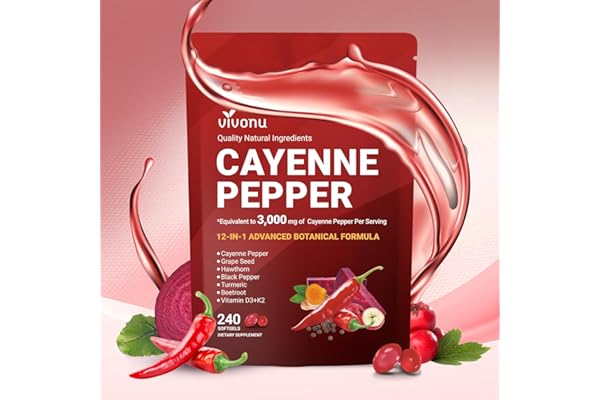
VivoNu Cayenne Pepper Softgels Supplement, Supports Leg Vein, Heart and Blood Vessel Health, with Vitamin E D3+K2 and Extracts of Grape Seed, Hawthorn, Beetroot, Berberine and Other

Gaia Herbs Ashwagandha Root – Stress Relief & Sleep Support Supplement – Supports Balanced Energy Levels & Positive Outlook* – 60 Vegan Liquid Phyto-Caps (30 Servings)
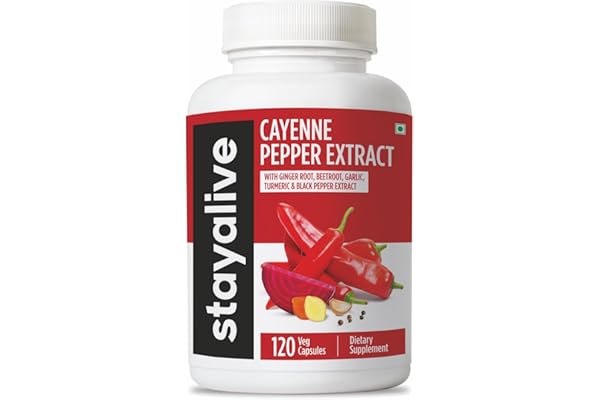
STAY ALIVE Cayenne Pepper Capsules, 6-in-1 Capsicum Blend w/Ginger, Garlic, Turmeric, Beet Root, and Black Pepper Extract, 120 Cayenne Capsules, Non-GMO & Gluten-Free Capsimax Capsaicin Supplement

HerbaMe Blood Circulation Supplement, 120 Capsules, Supports Leg Vein, Heart, Vessels and Cardiovascular Health with Niacin, L-Arginine, Ginger, Cayenne Pepper, Hawthorn, Diosmin, Blood Flow Pills

Nutricost Cayenne Pepper 530mg, 240 Capsules – 40,000 Heat Units, Gluten Free, Non-GMO

NOW Foods Supplements, Cayenne (Capsicum annuum) 500 mg, Herbal Support, for Digestive Health, 250 Veg Capsules