

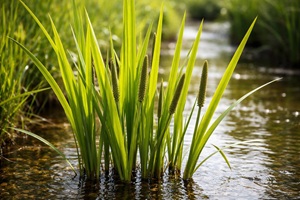
Benefits of Calamus? Uses, Efficacy, and Safety Guide
Calamus, also known as sweet flag, is a perennial wetland herb that has been used for centuries in traditional Chinese and Indian medicine systems. The plant produces a knobby rhizome that contains various active compounds and essential oils. People have turned to this aromatic herb for many different health purposes throughout history.
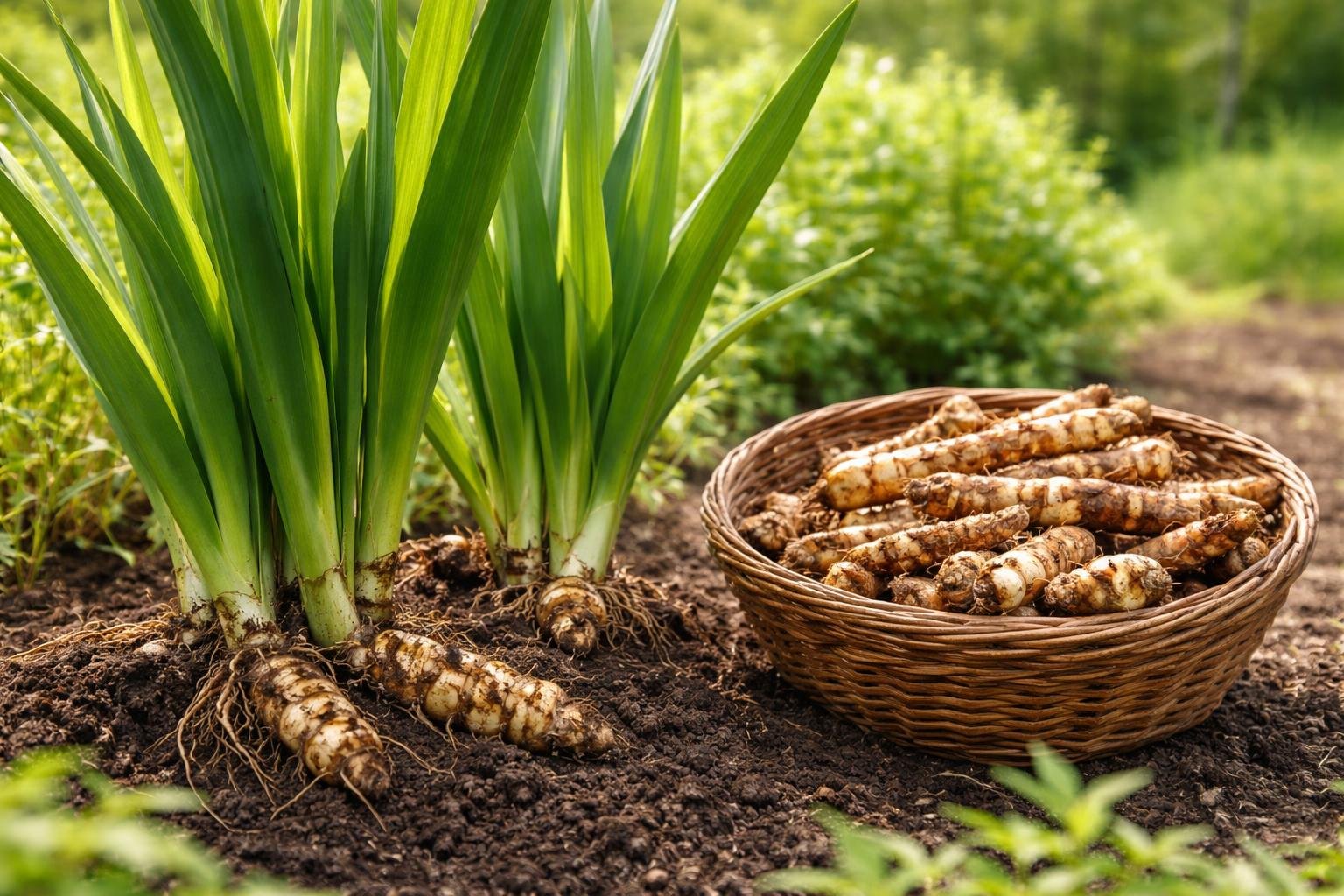
Calamus offers several potential benefits, including relief from inflammation and pain, support for digestive health, improved circulation, and help with certain nervous system conditions.
The plant contains dozens of volatile oils and compounds that may influence hormone balance and metabolic function. Some practitioners use it to address headaches, joint discomfort, and digestive upset.
However, calamus remains controversial in modern times. The United States has prohibited certain calamus products due to concerns about a compound called β-asarone found in some varieties. Understanding both the traditional uses and the safety considerations helps people make informed decisions about whether this herb fits their wellness needs.
Key Takeaways
- Calamus is a wetland herb with a rhizome that contains active compounds used in traditional medicine for inflammation, digestion, and nervous system support
- The herb may help with pain relief, circulation, and hormone balance, though scientific research on its effectiveness is still limited
- Calamus is banned in some countries due to safety concerns about certain chemical compounds, so users should understand dosage limits and potential risks
Understanding Calamus: Botanical Profile and Key Components
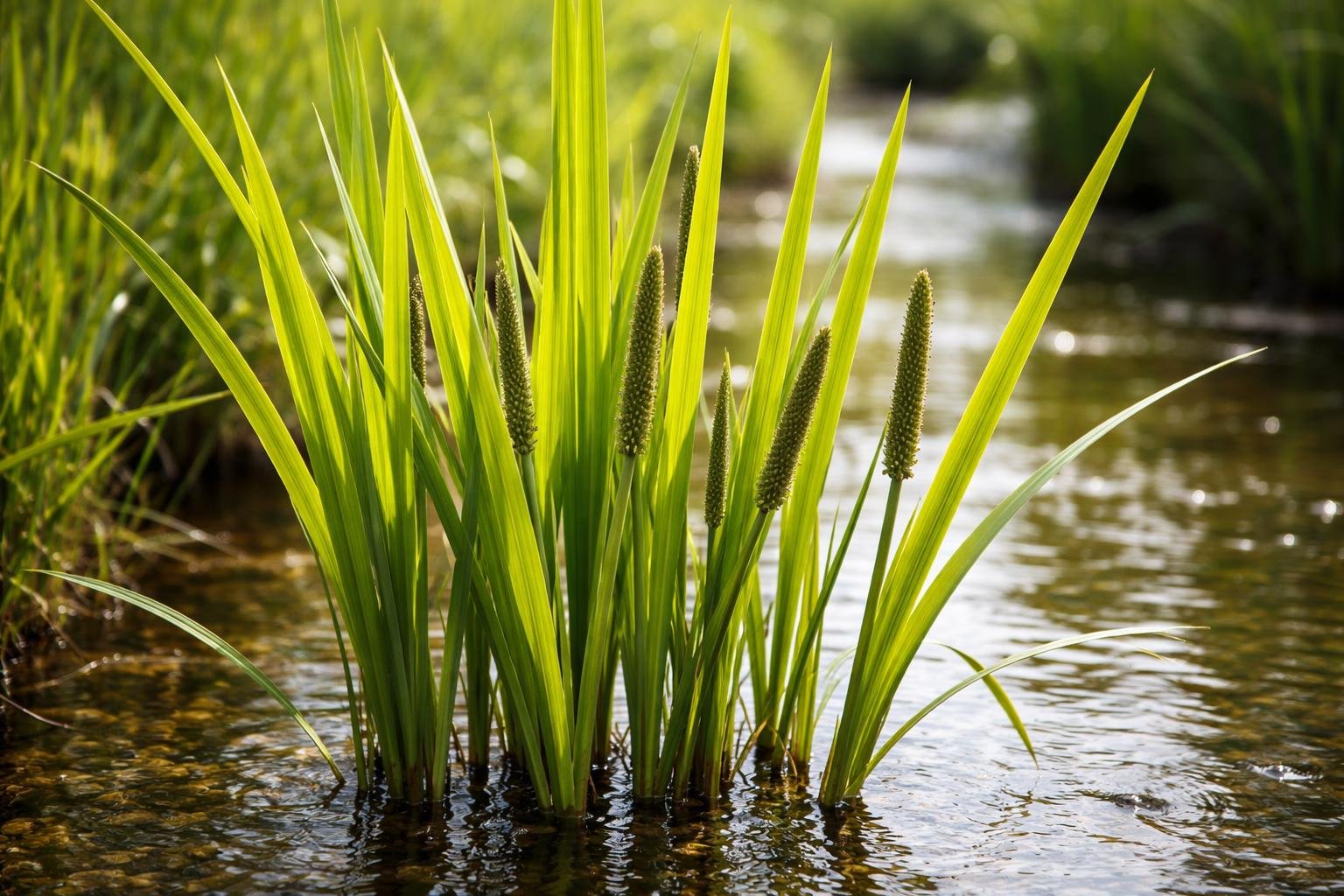
Acorus calamus belongs to its own plant family called Acoraceae and contains several varieties that differ in their chemical makeup and geographic distribution. The plant’s rhizome structure houses the primary medicinal compounds, including essential oils with varying concentrations of active constituents.
Botanical Description and Nomenclature
Acorus calamus is known by numerous common names including sweet flag, calamus root, rat root, and myrtle grass. The name derives from two Greek words: ákoros, referring to plants with aromatic rhizomes, and kálamos, meaning cane.
Originally classified in the Araceae family, it now stands as the sole member of the Acoraceae family. The plant grows as a reed-like, aquatic perennial with a distinctive pungent smell.
It thrives in irrigated areas and wetlands throughout India, ascending to altitudes of 2,200 meters in the Himalayas. The semi-aquatic nature allows it to grow along water edges and marshy terrain.
Rhizome and Root Structure
The rhizome and roots serve as the primary medicinal parts of the plant. These underground structures contain volatile oils that give the plant its characteristic aroma and therapeutic properties.
The rhizome houses essential oil with main components β-asarone and α-asarone. Additional compounds found include caryophyllene, α-humulene, and sekishone.
All parts of the plant contain these volatile oils, though concentrations vary significantly. The rhizome accumulates bioactive phenolic compounds and other constituents used in traditional medicine preparations.
Major Calamus Species and Varieties
The calamus plant exhibits polyploidy, resulting in multiple varieties based on chromosome count and location. Diploid varieties grow in North America and Siberia, while triploid types appear in Central Europe and Kashmir.
Tetraploid varieties exist in East Asia, India, and Japan. Hexaploid forms occur in the Kashmir region.
Related species include Acorus gramineus and Acorus tatarinowii, which share similar characteristics but differ in size and chemical composition. The diploid North American variety notably contains no detectable asarones, while triploid Eastern European calamus has high concentrations of these compounds. This variation affects both medicinal applications and safety profiles across different varieties.
Traditional and Cultural Uses of Calamus
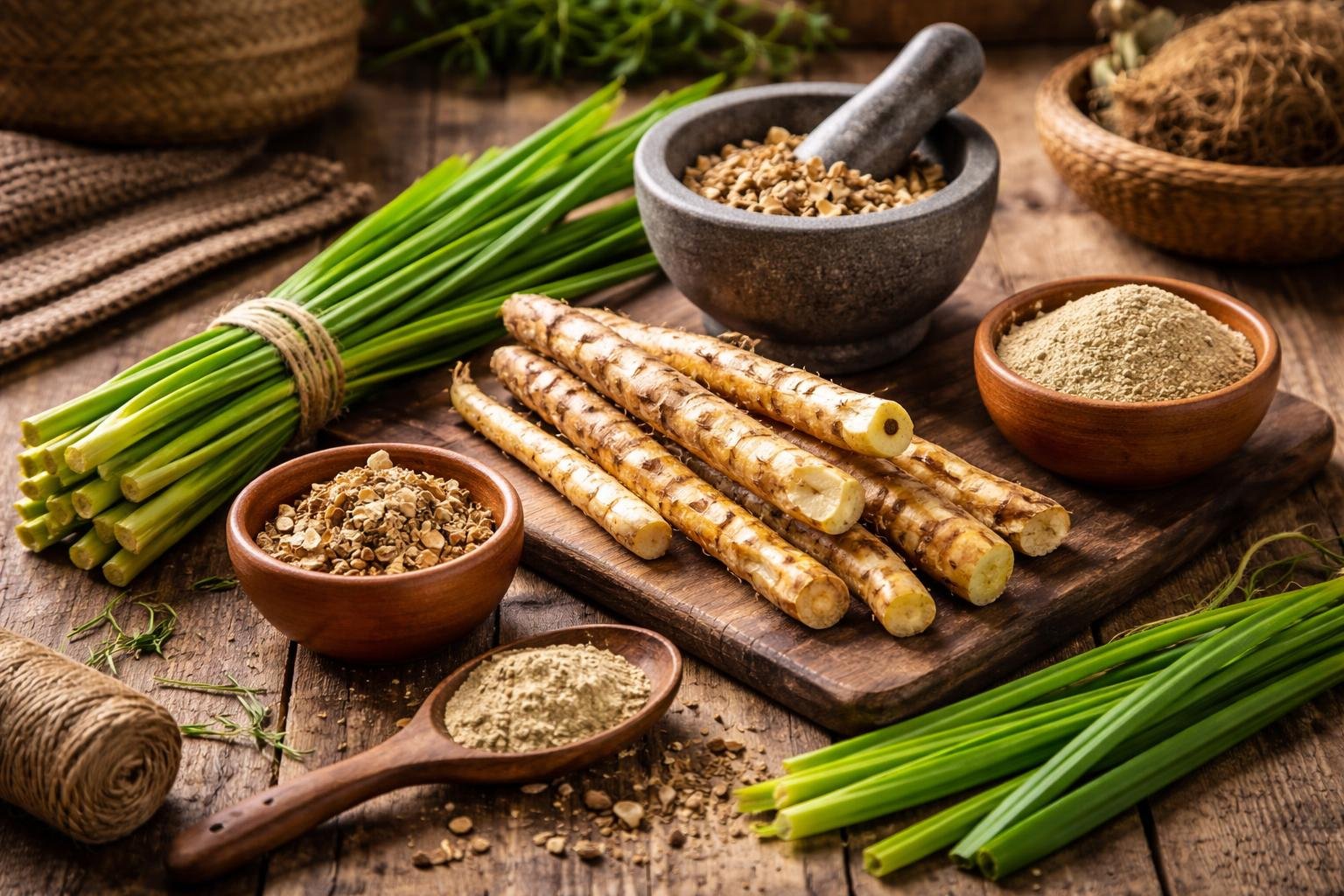
Calamus holds a prominent place in multiple healing traditions around the world. The plant has been valued for its effects on digestion, mental clarity, and respiratory health across various systems of traditional medicine.
Ayurveda and Vacha
In Ayurvedic medicine, practitioners know calamus as vacha. They consider it a powerful herb for enhancing speech, memory, and cognitive function. Ayurvedic texts describe vacha as having a warming quality that helps balance Kapha and Vata doshas.
Practitioners traditionally use vacha to support digestive health and clear mental fog. The root is often prepared as a powder, mixed with honey, or brewed into tea. Ayurvedic healers value calamus for its ability to calm the nerves while enhancing alertness.
The herb appears in many classical Ayurvedic formulations for respiratory conditions and throat irritation. Practitioners may combine it with other herbs like cardamom to improve digestion of dairy products.
Traditional Chinese Medicine and Shi Chang Pu
Chinese medicine practitioners call calamus shi chang pu and use it primarily for opening sensory orifices and calming the spirit. The herb appears in formulas designed to address mental confusion, memory problems, and digestive stagnation. TCM practitioners value its ability to transform dampness and resolve phlegm.
Shi chang pu is frequently included in formulas for tinnitus, hearing loss, and mental restlessness. Practitioners prepare the root as a decoction or combine it with other herbs based on specific diagnostic patterns. The herb is considered acrid and warm in nature according to TCM principles.
Native American and European Herbalism
Native Americans used calamus root for various purposes including digestive complaints and toothaches. Some tribes chewed the fresh root to maintain oral health and freshen breath. The plant was also used in ceremonies and as a protective herb.
European herbalists adopted calamus into their practice and valued it for similar applications. Herbalism traditions across cultures recognized the root’s aromatic and warming properties. Herbalists prepared it as tinctures, teas, and poultices for digestive weakness and respiratory congestion.
The root’s distinctive aroma made it popular as a strewing herb in medieval Europe.
Scientific Benefits and Therapeutic Actions of Calamus
Calamus contains bioactive compounds like asarones, sesquiterpenes, and flavonoids that produce measurable effects on multiple body systems. Research has identified specific mechanisms through which the plant acts as a nervine, antimicrobial, and antispasmodic agent with applications in respiratory, digestive, and neurological health.
Cognitive Support and Nervous System Effects
Calamus functions as a nervine that supports cognitive and neurological health through its effects on the central nervous system. The plant has demonstrated sedative and CNS depressant properties in pharmacological studies. Research indicates anticonvulsant activity, making it relevant for seizure-related conditions.
Traditional systems have used calamus for nervous disorders and depression. Studies on rats subjected to social isolation stress showed that Acorus calamus produced antidepressant and antioxidative effects, suggesting potential value for mood support. The plant may help with general debility and psychological disorders through its calming properties.
Beta-asarone and alpha-asarone represent the primary bioactive components responsible for neurological effects. These compounds contribute to the plant’s immunosuppressive properties and neuroprotective potential.
Digestive Health and Carminative Properties
Calamus addresses gastrointestinal complaints through multiple therapeutic actions. The root treats ulcers, gastritis, flatulence, and loss of appetite. Its carminative properties help expel intestinal gas and reduce bloating.
The plant’s antispasmodic effects relax smooth muscle in the digestive tract, relieving cramping and colic. Clinical applications include treatment of indigestion and general upset stomach. The rhizome contains compounds that reduce inflammation in the stomach lining.
Common digestive uses include:
- Relief from intestinal gas and bloating
- Treatment of stomach ulcers
- Management of gastritis symptoms
- Stimulation of appetite in cases of anorexia
The antimicrobial activity of calamus extracts may contribute to digestive health by addressing bacterial imbalances in the gastrointestinal system.
Anti-Inflammatory and Analgesic Effects
The plant exhibits significant anti-inflammatory potential across various conditions. Research has documented its use for rheumatoid arthritis and general inflammatory states. The anti-inflammatory compounds in calamus work through multiple pathways to reduce swelling and tissue damage.
Calamus provides analgesic effects for pain management. Traditional applications include treatment of chest pain, cramps, and discomfort from various inflammatory conditions. A clinical study on 45 patients with ischemic heart disease showed improvement in chest pain when treated with calamus.
The plant’s antioxidant properties support its anti-inflammatory actions by reducing oxidative stress in tissues. These combined effects make calamus relevant for chronic inflammatory conditions and pain disorders.
Respiratory and Immune Health
Calamus serves as a remedy for respiratory disorders through specific airways relaxant constituents. The extract contains compounds that act as calcium channel inhibitors and phosphodiesterase inhibitors, producing bronchodilation. Clinical trials in patients with moderate to severe bronchial asthma showed antiasthmatic effects when fresh rhizome was chewed for 2-4 weeks.
The plant treats bronchitis, cough, and breathing difficulties. Its antispasmodic properties help relax airway muscles during asthma attacks. Studies found that small pieces of rhizome relieved bronchospasm without side effects.
Calamus demonstrates antimicrobial activity against various pathogens. Extract of the plant showed strong activity against Mycobacterium tuberculosis, M. avium, and other bacteria. The immunosuppressive properties may benefit conditions where immune modulation is needed, though this requires careful consideration in clinical use.
Chemical Composition and Active Constituents
Calamus contains a diverse array of bioactive compounds, with volatile oils making up the largest portion of its chemical profile. The plant’s therapeutic properties come primarily from phenylpropanoid compounds and various other phytochemicals found throughout its rhizomes and leaves.
Essential Oils and Volatile Oil Content
The rhizomes of calamus produce a brown to brownish yellow colored volatile oil called calamus oil. This essential oil represents the most significant chemical component of the plant.
Volatile oils constitute up to 80% of the total active compounds in calamus root. The oil contains several terpenoid compounds including:
- α-pinene
- β-pinene
- Camphor
- Acorenone
The amount and makeup of these chemical constituents vary based on geographical location, plant age, climate, and plant ploidy. These factors influence both the concentration and composition of the volatile oil extracted from different plant parts.
Phenylpropanoids and Asarones
Asarone compounds dominate the chemical composition of calamus. Beta-asarone and alpha-asarone serve as the main active constituents found in calamus root.
These phenylpropanoid compounds are the chief constituents of the plant. Asarone and its β-isomer make up the primary bioactive components.
Chemical constituents isolated from the rhizomes and leaves include α-asarone, β-asarone, γ-asarone, calamene, calamenenol, and calameone. The β-asarone compound has shown particular biological significance in research studies.
Other Phytochemicals and Flavonoids
Beyond volatile oils and asarones, calamus contains additional bioactive compounds. Eugenol and methyleugenol appear as important constituents alongside the asarone compounds.
The plant also contains sesquiterpenes and alkaloids that contribute to its traditional therapeutic applications. These compounds work together with the primary constituents.
A broad range of chemical constituents exists throughout different parts of the plant. The rhizomes and leaves each contain unique profiles of these phytochemicals, though the rhizomes typically show higher concentrations of active compounds.
Usage, Dosage, and Preparations of Calamus
Calamus can be prepared through multiple methods including teas, tinctures, powders, and chewed root preparations. The appropriate dose varies based on preparation method and individual factors like age and health status, with traditional practices emphasizing small amounts to avoid adverse effects.
Forms and Administration Methods
Calamus supplements are available in several forms, each suited to different therapeutic applications. Powder or capsules typically contain 1/4 teaspoon or one capsule taken up to twice daily with water. Tincture preparations range from 10 to 30 drops, diluted in water or juice and consumed up to twice daily.
Calamus tea requires steeping approximately 3 grams of dried herb in one cup of boiling water. This infusion can be consumed once or twice daily for digestive support. Some practitioners chew small pieces of dried root directly to relieve indigestion or clear the voice.
External applications include pastes made by mixing powdered root with water for topical use on the forehead or joints. Bath infusions use 1 to 2 ounces of herb steeped in hot water and added to bathwater for nervous system relaxation. Small pinches of powdered root can be inhaled as a snuff to clear nasal congestion.
Traditional Preparation Techniques
Traditional cultures developed specific methods for preparing these medicinal plants based on intended use. Native American tribes commonly chewed fresh or dried calamus root for digestive complaints and to enhance mental focus during long journeys.
In Ayurvedic medicine, practitioners prepare calamus as vacha by combining it with honey or ghee to enhance absorption and reduce potential irritation. Chinese medicine traditions often include calamus in multi-herb formulas rather than using it alone, combining it with complementary herbs like cardamom for dairy digestion or gotu kola for nervous system support.
Medieval Europeans candied the rhizome in sugar as both a confection and preventive remedy during plague outbreaks. This preparation method made the pungent root more palatable while preserving its medicinal properties. Steam distillation extracts the volatile oils containing pinene and aromatic compounds for use in perfumery and concentrated therapeutic applications.
Sustainability and Sourcing Considerations
Wild calamus grows in wetlands, ponds, and riverbanks across temperate regions, making it vulnerable to overharvesting and habitat loss. Responsible sourcing requires harvesting only from abundant populations and leaving enough rhizome to ensure regeneration.
Cultivated calamus offers a more sustainable alternative to wild-harvested material. The plant thrives in garden ponds or consistently moist soil with partial shade. Growers can propagate it through rhizome division in spring or fall.
Different varieties contain varying levels of β-asarone, the compound that raised safety concerns leading to restrictions in the United States. North American Acorus americanus typically contains lower β-asarone levels compared to Asian varieties.
Buyers should verify the botanical source and request testing data when purchasing calamus products. Reputable suppliers provide information about harvest location, cultivation methods, and chemical analysis to ensure quality and safety.
Safety, Toxicology, and Regulatory Status
Calamus safety depends largely on the plant variety and beta-asarone content. Different countries have established varying regulations based on toxicology research, with some banning the herb entirely while others permit specific low-asarone varieties.
Potential Side Effects and Toxicity Concerns
The primary safety concern with calamus involves β-asarone, a compound found in varying concentrations depending on the plant variety. Studies have shown that high levels of β-asarone may affect the liver, kidneys, and reproductive systems.
North American varieties typically contain less than 5% β-asarone. Indian varieties contain moderate amounts ranging from 5-10%. European and Asian varieties may contain up to 96% β-asarone in their essential oils.
Animal studies linked high doses of β-asarone to potential carcinogenic effects. However, these studies used doses far exceeding typical human consumption levels.
Common side effects from calamus use include nausea, vomiting, and digestive upset. Some users report skin irritation when applying the oil topically. Research on dermal safety profiles helps establish safe-use concentrations for topical applications.
Legal Status and Restrictions
The FDA banned calamus as a food additive in the United States in 1968 due to β-asarone content concerns. Calamus products cannot be sold for internal consumption in the U.S.
Several European countries permit low-asarone calamus varieties. Canada allows sale of calamus root but restricts products with high β-asarone levels.
The herb remains legal and widely used in traditional medicine systems in India and parts of Asia. Regulations vary significantly by country based on local toxicology assessments.
Drug Interactions and Contraindications
Calamus may interact with sedative medications including benzodiazepines and barbiturates. The herb’s compounds can enhance sedative effects, leading to excessive drowsiness.
People taking MAO inhibitors should avoid calamus due to potential interactions. The herb may also interfere with anticoagulant medications.
Contraindications include:
- Pregnancy and breastfeeding
- Heart conditions
- Kidney or liver disease
- Scheduled surgery within two weeks
Individuals with these conditions should consult healthcare providers before using calamus products.
Frequently Asked Questions
Calamus root raises many questions about its proper use, safety, and effectiveness for various health conditions. People often wonder about its digestive benefits, cognitive effects, and traditional applications before deciding whether to try this aromatic herb.
How does calamus contribute to digestive health?
Calamus acts as a carminative and bitter tonic that helps reduce gas, bloating, and indigestion. The root stimulates digestive enzyme secretion and supports peristalsis, which moves food through the intestinal tract.
Traditional practitioners recommend calamus tea after meals to ease digestive discomfort. The herb also helps relieve nausea and vomiting related to motion sickness or nervous tension.
Some people use calamus as a mild laxative to support regular bowel movements. The root’s essential oils and compounds work together to calm the digestive system while promoting healthy gut function.
Can calamus oil be used to improve cognitive function and how?
Calamus has been called a “brain tonic” in Ayurvedic and Chinese medicine traditions. The herb may enhance memory, mental clarity, and focus through its effect on brain chemistry.
Animal studies suggest calamus provides mild acetylcholinesterase inhibition. This action could support memory and cognitive function by increasing acetylcholine levels in the brain.
Traditional texts describe calamus as helpful for clearing brain fog and sharpening speech. However, calamus essential oil should never be ingested due to high concentrations of potentially toxic compounds. Most cognitive benefits come from properly prepared teas or low-dose extracts rather than concentrated oils.
In what ways can calamus be beneficial for skin health?
Traditional healers use calamus poultices to cleanse minor wounds and prevent infection. The root’s antimicrobial properties help protect broken skin from bacterial and fungal growth.
Laboratory research shows calamus essential oil and extracts are effective against certain pathogens. These antimicrobial effects make it useful for topical applications on the skin.
Calamus preparations should be highly diluted before any skin contact. People should always patch test diluted calamus products on a small area before broader application to check for allergic reactions or sensitivity.
What role does calamus play in traditional medicine?
In Ayurveda, calamus is known as vacha, meaning “speech,” and practitioners use it for speech disorders, epilepsy, and mental fog. The herb holds a respected place as a remedy for digestive and respiratory complaints.
Chinese medicine uses calamus to open the body’s orifices, calm the mind, and treat digestive stagnation. Practitioners include it in formulas for stroke recovery and mental clouding.
Native American tribes chewed calamus root for toothache, sore throat, and headaches. They also relied on it to ward off fatigue during long journeys.
European folk medicine incorporated calamus into bitters and liqueurs for dyspepsia. People also used the root in magical or protective rituals across various cultures.
How does calamus impact respiratory conditions?
Calamus works as an expectorant to break up mucus and clear respiratory passages. The herb helps relieve congestion, making it easier to breathe during colds or bronchitis.
Traditional cough syrups and herbal steams often include calamus for sore throat relief. The root’s warming properties help open airways and reduce wheezing in some respiratory conditions.
Folk remedies sometimes use calamus to alleviate asthma symptoms, though clinical research on this application remains limited. Most respiratory benefits come from inhaling steam infused with calamus or drinking it as a warm tea.
Are there any immunity-boosting properties associated with calamus?
Calamus contains flavonoids and phenolic acids that provide antioxidant defense against free radicals. These compounds help protect cells from oxidative damage that can weaken immune function.
The antimicrobial properties of calamus show activity against certain bacteria and fungi in laboratory settings. This antimicrobial action may support the body’s natural defenses against pathogens.
Some research suggests calamus may help the body adapt to stress, though more studies are needed. The herb’s anti-inflammatory effects could indirectly support immune health by reducing chronic inflammation that taxes the immune system.
Top Calamus Root Products
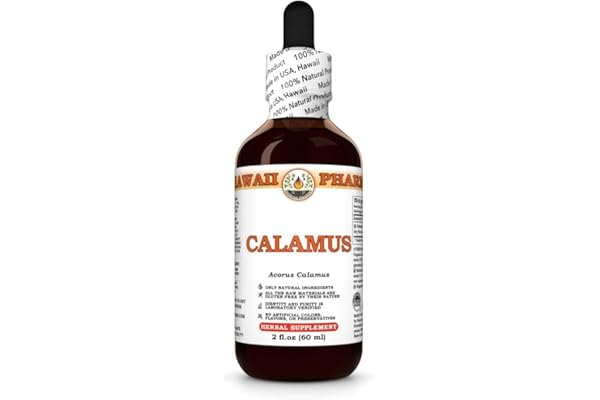
Calamus (Acorus Calamus) Dry Root Tincture, Made in Hawaii, Organic Raw Materials, All Natural, Vegan, Pure Liquid Extract – 2 fl.oz
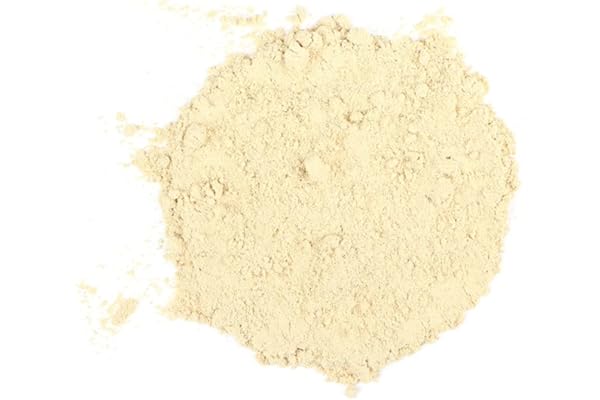
Healthy Supplements Calamus Root Powder Organic 1oz
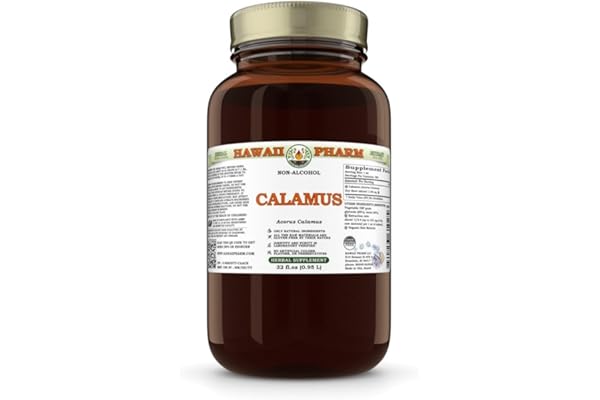
Calamus (Acorus Calamus) Dry Root Glycerite, Made in Hawaii, Organic Raw Materials, All Natural, Vegan, Lab Tested Alcohol-Free Liquid Extract – 32 fl.oz
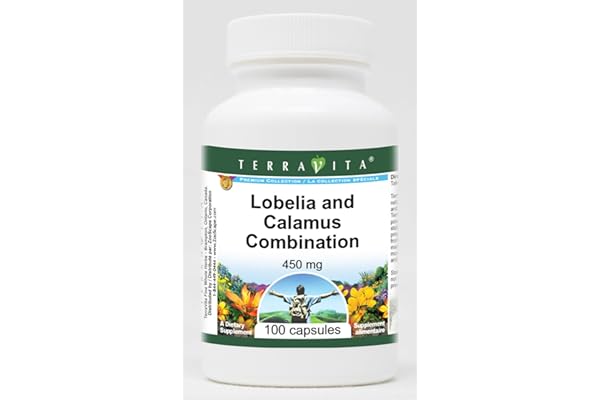
Lobelia and Calamus Combination – 450 mg (100 Capsules, ZIN: 513018)