

Benefits of St. John’s Wort: Comprehensive Advantages & Safety
St. John’s wort is a flowering plant that has been used for centuries to treat various health conditions. Many people turn to this herb as a natural option for managing their well-being.
St. John’s wort offers several benefits including helping with mild to moderate depression, reducing anxiety, easing menopause symptoms, and providing anti-inflammatory effects.
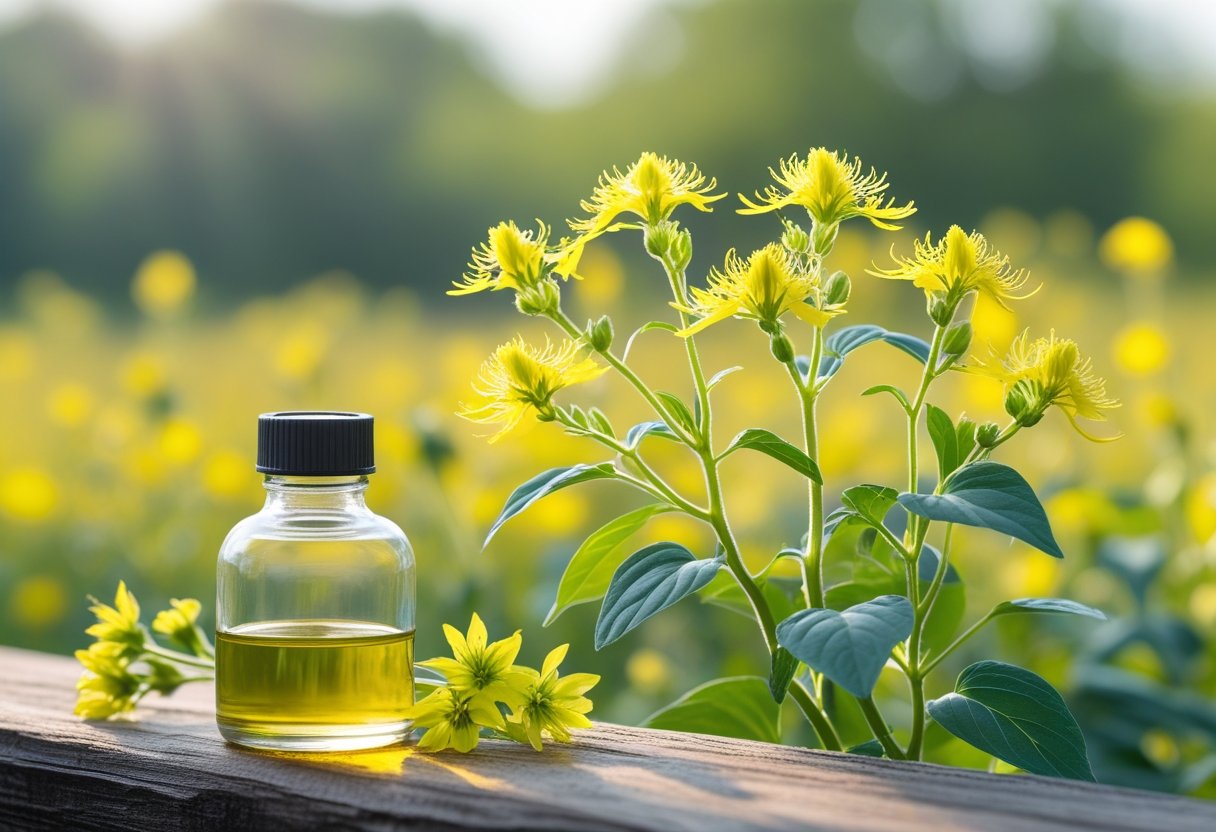
The plant contains special compounds that affect brain chemicals like serotonin and dopamine. These natural substances work in ways similar to some prescription medications. Research shows that St. John’s wort has antidepressant qualities that make it popular among both patients and healthcare providers.
While St. John’s wort provides many potential benefits, it’s important to understand how it works and when it should be used. The herb comes in different forms and can interact with certain medications. Knowing the facts about this herbal remedy helps people make smart choices about their health.
Key Takeaways
- St. John’s wort contains natural compounds that may help relieve symptoms of mild to moderate depression and anxiety
- The herb offers additional benefits like reducing inflammation, balancing hormones, and soothing skin conditions
- St. John’s wort can interfere with many medications and should only be used after consulting with a healthcare provider
What Is St. John’s Wort?
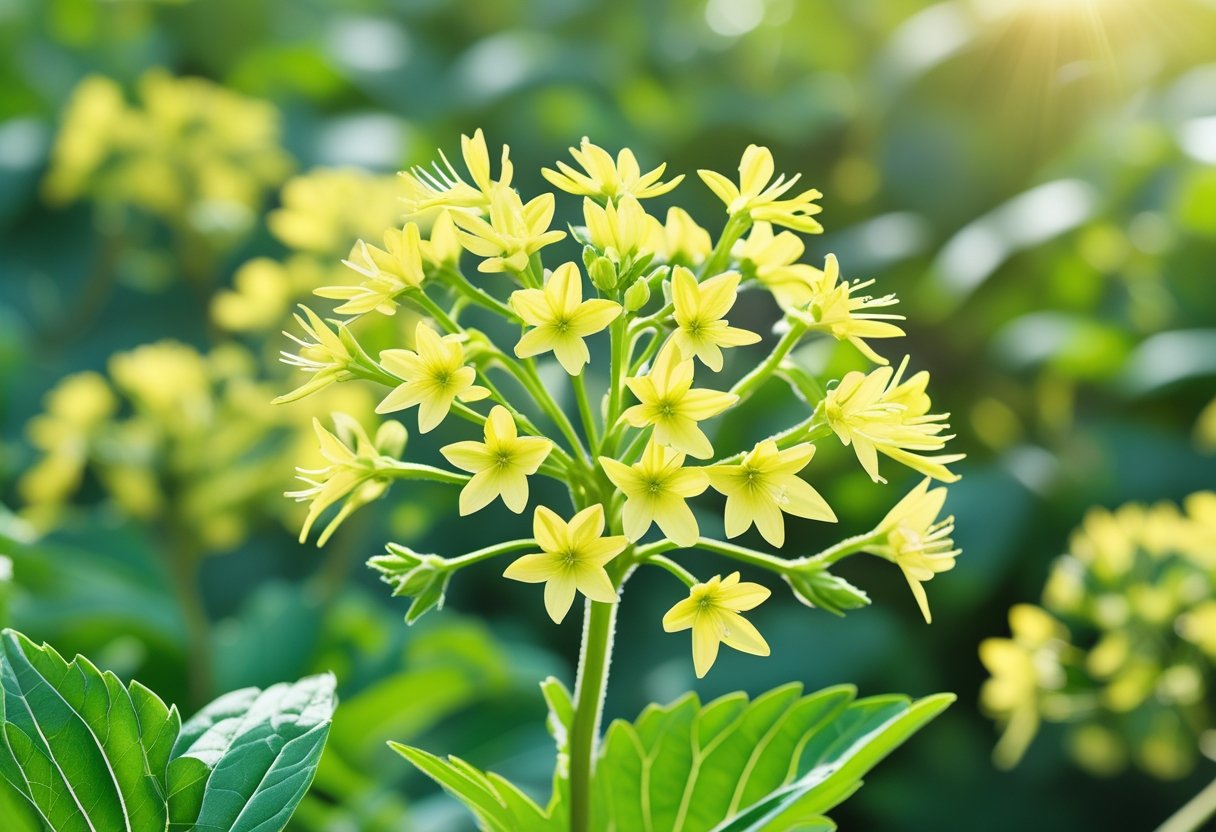
St. John’s wort is a flowering plant with yellow blossoms that has been used in traditional medicine for centuries. The plant contains specific chemical compounds that researchers believe may affect mood and mental health.
Botanical Origins and History
St. John’s wort, scientifically known as hypericum perforatum, grows wild in Europe, Asia, and North America. The plant gets its common name from its traditional bloom time around St. John’s Day on June 24th.
The herb has been used as a medicine for over 2,000 years. Ancient Greeks and Romans used it to treat various ailments. During the Middle Ages, people believed it had protective properties and used it to ward off evil spirits.
The plant reaches about 1 to 3 feet in height. It produces bright yellow flowers with five petals and black dots along the edges of its leaves. When crushed, the flowers release a red oil that contains many of the plant’s active ingredients.
Today, St. John’s wort grows in many parts of the world. Some regions classify it as an invasive weed because it spreads quickly and can harm livestock.
Key Active Compounds
The plant contains several chemical compounds that contribute to its effects. Hyperforin and hypericin are the two most studied active ingredients in St. John’s wort.
Hyperforin appears to affect neurotransmitters in the brain, including serotonin, dopamine, and norepinephrine. These brain chemicals play important roles in regulating mood and emotions.
Hypericin is another major compound found in the plant’s flowers and leaves. Scientists initially thought this compound was responsible for most of the herb’s effects, though research now suggests hyperforin may be more important.
The plant also contains flavonoids, which are antioxidant compounds. These additional substances may work together with hyperforin and hypericin to produce the herb’s overall effects on the body.
Core Benefits of St. John’s Wort for Mental Health
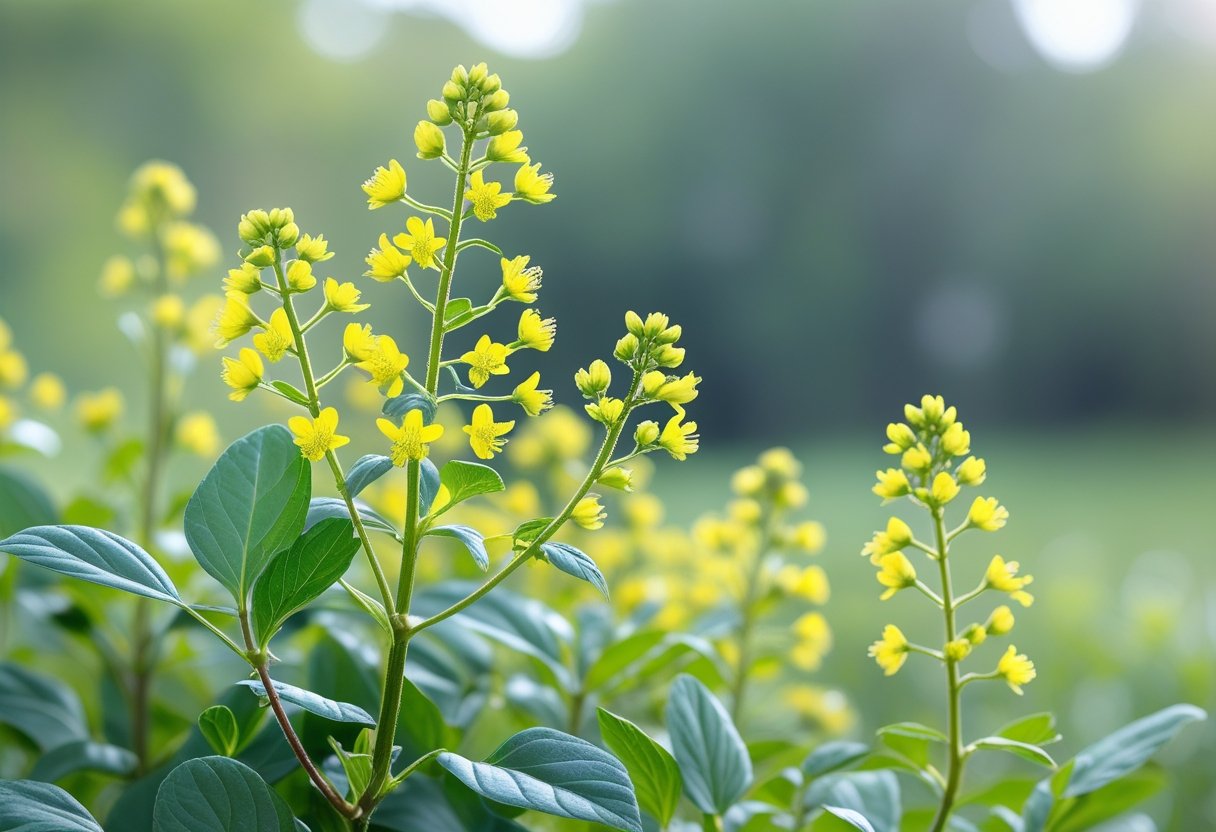
St. John’s wort works as a natural antidepressant by affecting brain chemicals that regulate mood and emotional responses. Research shows it provides measurable benefits for people dealing with depression, anxiety, and seasonal mood changes.
Relief of Mild to Moderate Depression
St. John’s wort has demonstrated effectiveness in treating mild to moderate depression through multiple clinical studies. The herb works by inhibiting the reuptake of serotonin, dopamine, and norepinephrine in the brain, similar to how prescription antidepressants function.
Research comparing St. John’s wort to SSRIs found that the herb performed as well as fluoxetine and other selective serotonin reuptake inhibitors in treating mild to moderate depression. Some studies even showed it to be more effective than certain SSRIs while causing fewer side effects.
Patients taking St. John’s wort experienced less nausea and fewer sexual difficulties compared to those on sertraline. The herb also led to lower dropout rates because people tolerated it better than conventional antidepressants. However, it showed limited effectiveness for severe depression, making it most suitable for milder cases.
The typical improvement timeline ranges from two to six weeks of consistent use. This matches the time frame needed for traditional antidepressants to take effect.
Management of Anxiety
St. John’s wort helps reduce anxiety symptoms by modulating neurotransmitter activity in the brain. The herb decreases GABA binding while increasing serotonin availability, which can calm excessive worry and nervousness.
People with generalized anxiety disorders have used St. John’s wort as part of their treatment approach. While most research focuses on depression, the herb’s effect on multiple brain chemicals suggests benefits for anxiety management as well.
The same compounds that improve depressive symptoms also appear to stabilize mood fluctuations associated with anxiety disorders. Patients often report feeling more emotionally balanced without the sedative effects some anxiety medications produce.
St. John’s wort may work best for people whose anxiety occurs alongside mild depression rather than as a standalone anxiety disorder.
Support for Seasonal Affective Disorder (SAD)
Seasonal affective disorder responds to St. John’s wort treatment due to the herb’s influence on serotonin levels. SAD typically occurs during winter months when reduced sunlight disrupts the body’s internal clock and mood-regulating systems.
The natural antidepressant properties of St. John’s wort can help offset the serotonin depletion that triggers seasonal depression. People with SAD often experience symptoms similar to mild to moderate depression, which falls within the herb’s therapeutic range.
Studies suggest that St. John’s wort may be particularly useful for individuals who prefer natural treatments over light therapy or prescription medications. The herb provides consistent support throughout the darker months when SAD symptoms peak.
Some practitioners recommend starting St. John’s wort before the typical onset of seasonal symptoms to maintain stable serotonin levels.
Improvement of Somatic Symptom Disorder
Somatic symptom disorder involves physical complaints linked to psychological distress. St. John’s wort has historical use for treating various mental conditions including somatic symptom disorder.
The herb addresses the underlying anxiety and depression that often fuel physical symptoms like headaches, fatigue, and digestive problems. By stabilizing neurotransmitter activity, St. John’s wort may reduce the intensity of these bodily sensations.
Patients with somatic symptom disorder frequently struggle with conventional treatments that separate mind and body. St. John’s wort offers a holistic approach that treats both psychological and physical manifestations simultaneously.
The herb’s anti-inflammatory properties may also contribute to relief from certain physical symptoms associated with this disorder.
Additional Health Benefits
St. John’s wort offers benefits beyond mood support, including relief from hormonal symptoms, better sleep quality, and improved skin healing. These effects stem from the herb’s anti-inflammatory and regulatory properties.
Menopausal and PMS Symptom Relief
St. John’s wort may help manage uncomfortable symptoms related to hormonal changes in women. Research suggests it can ease menopausal mood swings and reduce emotional fluctuations during perimenopause and menopause.
Women experiencing PMS often report improvement in irritability, breast tenderness, and fatigue when using this herb. The plant compounds in St. John’s wort appear to help regulate hormonal activity in the body. Some women combine it with black cohosh for managing hot flashes, though this combination requires medical guidance.
The herb works by influencing neurotransmitters that affect both mood and hormonal balance. This dual action makes it useful for women dealing with the emotional and physical challenges of their menstrual cycle or menopause transition.
Aid for Insomnia and Fatigue
People struggling with sleep problems may find relief through St. John’s wort’s calming effects. The herb improves sleep quality by promoting relaxation without causing heavy sedation.
It addresses insomnia linked to mild depression or anxiety rather than working as a standard sleep medication. Users often notice reduced mental restlessness at bedtime. The herb also helps combat daytime fatigue by supporting overall nervous system function.
St. John’s wort takes time to build up in the system, so sleep improvements typically appear after several weeks of consistent use. It works best for people whose sleep issues connect to mood or stress rather than other medical causes.
Support for Wound Healing and Skin Health
St. John’s wort has notable benefits when applied to the skin. The herb speeds up skin repair and reduces inflammation when used topically as an infused oil or salve.
It provides relief for minor burns, sunburns, and small cuts by promoting faster healing. People with skin conditions like psoriasis, eczema, and rashes may experience soothing effects. The herb contains antibacterial compounds that help reduce infection risk in wounds.
Common topical uses include:
- Minor burns and sunburn relief
- Wound care and scratch healing
- Rash and irritation treatment
- Scar reduction over time
The oil turns deep red during preparation, indicating the presence of healing compounds called hypericins. Users should avoid sun exposure after applying it to large skin areas, as the herb increases photosensitivity.
Forms and Methods of Use
St. John’s Wort comes in several forms, each suited to different health needs. Internal forms like teas and tablets work best for mood and anxiety support, while topical preparations address skin wounds and nerve pain.
Teas, Tablets, and Extracts
Tablets and capsules are the most common way people take St. John’s Wort for depression and anxiety. A typical dose is 300 mg three times daily, totaling 900 mg per day. These products should contain standardized extracts with 0.3% hypericin to ensure consistent strength.
Tinctures offer liquid extracts that people can mix into water or juice. The usual amount is 2-4 mL taken three times daily. These absorb faster than pills but may have a bitter taste.
Herbal teas provide a gentler option for those who prefer natural preparation. Users steep 1-2 teaspoons of dried herb in hot water for 5-10 minutes. The tea form is less potent than standardized extracts, so it works better for mild symptoms.
Most people need to take St. John’s Wort consistently for 2-4 weeks before noticing mood improvements. Taking it at the same time each day with food helps maintain steady levels in the body.
Topical Oils and Ointments
Infused oils treat minor burns, cuts, and wounds when applied directly to the skin. The antimicrobial and anti-inflammatory properties in the plant help speed healing. People typically apply these oils 1-2 times daily to affected areas.
Creams and ointments work well for localized nerve pain like sciatica. They contain concentrated plant extracts mixed with carrier bases for easier application. Users should apply these products 2-3 times per day as directed on the label.
Topical forms only work on the area where applied. They do not affect mood or cause the same drug interactions as internal forms. People should test a small skin area first to check for allergic reactions before widespread use.
Potential Side Effects and Precautions
St. John’s Wort can cause several side effects ranging from mild to serious, with photosensitivity being one of the most notable concerns. Pregnant and breastfeeding individuals should avoid this supplement due to insufficient safety data.
Common Side Effects
Most people who take St. John’s Wort experience mild side effects that often decrease over time. Dry mouth is one of the most frequently reported issues, causing persistent discomfort for some users.
Dizziness and lightheadedness may occur, particularly when standing up quickly. Some individuals report feeling unusually tired or fatigued despite taking the herb to improve mood. Digestive problems like nausea and stomach upset are also common complaints.
Vomiting can occur in some cases, especially when taking higher doses or on an empty stomach. Headaches affect a smaller percentage of users but can be persistent enough to warrant stopping the supplement.
Some people experience increased anxiety or restlessness, which is the opposite of the intended effect. Skin rashes may develop independent of sun exposure in sensitive individuals.
Risks for Photosensitivity
Photosensitivity is a significant concern when taking St. John’s Wort, as the herb increases the skin’s sensitivity to ultraviolet light. This reaction occurs because active compounds in the plant accumulate in the skin and react when exposed to sunlight.
People taking this supplement may sunburn more easily than usual, even with brief sun exposure. Fair-skinned individuals face a higher risk of developing severe sunburns or skin damage. The increased sensitivity can lead to rashes, redness, and blistering in exposed areas.
Anyone using St. John’s Wort should apply broad-spectrum sunscreen with high SPF before going outdoors. Wearing protective clothing like long sleeves and wide-brimmed hats provides additional protection. Limiting time in direct sunlight during peak hours between 10 a.m. and 4 p.m. reduces risk significantly.
Considerations During Pregnancy and Breastfeeding
St. John’s Wort is not recommended during pregnancy or breastfeeding due to a lack of adequate safety studies. The herb may affect hormone levels in ways that could potentially harm fetal development. Research has not established safe dosage levels for pregnant individuals.
The active compounds can pass into breast milk and may affect nursing infants. Effects on infant development and behavior remain unknown because of limited research in this population. Healthcare providers consistently advise against using this supplement while breastfeeding.
Women who are pregnant, planning to become pregnant, or nursing should discuss alternative treatment options with their doctor. Other natural remedies or conventional medications may offer safer choices for managing mood disorders during these periods.
Drug Interactions and Safety Considerations
St. John’s Wort causes significant interactions with many prescription medications by increasing the activity of liver enzymes that break down drugs. The herb can reduce blood levels of critical medications like immunosuppressants, blood thinners, and hormonal contraceptives, making them less effective or ineffective.
Interactions with Antidepressants and SSRIs
Taking St. John’s Wort with antidepressants creates a dangerous risk of serotonin syndrome. This serious condition occurs when serotonin levels become too high in the body.
Serotonin syndrome symptoms include confusion, rapid heart rate, high blood pressure, dilated pupils, and muscle rigidity. Severe cases can be life-threatening.
Bupropion (Wellbutrin) levels drop when combined with St. John’s Wort. The herb activates enzymes that break down this medication faster than normal.
People taking any antidepressant should avoid St. John’s Wort completely. The combination offers no additional benefits and significantly increases health risks.
Effects on Prescription Medications
St. John’s Wort affects 649 different medications, with 291 classified as major interactions. The herb activates cytochrome P450 3A4 (CYP3A4), the main enzyme system that processes most drugs.
Immunosuppressants face dangerous reductions in effectiveness:
- Cyclosporine (Neoral, Sandimmune) levels dropped severely in transplant patients, causing organ rejection in heart transplant recipients
- Tacrolimus (Prograf) concentrations decreased, requiring dosage adjustments
Blood thinners like warfarin become less effective. Patients may experience inadequate anticoagulation, increasing clot risks.
Heart medications including digoxin (Lanoxin) show reduced blood levels. This can lead to poor heart rhythm control.
Cancer treatments such as imatinib (Gleevec) and docetaxel (Taxotere) lose effectiveness when taken with St. John’s Wort.
Statins break down faster, reducing cholesterol control. Voriconazole antifungal levels drop dangerously low.
The herb also affects CYP2C9, CYP2C19, CYP1A2, and CYP2B6 enzymes. This means medications like omeprazole (Prilosec), phenytoin (Dilantin), and clozapine all become less effective.
Pain medications including oxycodone and methadone provide less relief due to increased breakdown.
Impact on Hormonal Contraceptives and Other Drugs
Birth control pills lose effectiveness when combined with St. John’s Wort. Eight cases of breakthrough bleeding were reported, though this represented a small percentage of the estimated 4 million women taking the combination.
The herb increases hormone breakdown in the liver. This reduces contraceptive hormone levels below what’s needed for pregnancy prevention.
Women taking birth control should use backup contraception methods or avoid St. John’s Wort entirely. Unplanned pregnancies can occur even when taking pills consistently.
HIV medications face serious interaction risks. Protease inhibitors and non-nucleoside reverse transcriptase inhibitors show significantly reduced blood levels. This can lead to treatment failure and drug resistance.
Anesthetics like ketamine (Ketalar) may require dosage adjustments. The interactions affect how long these medications stay in the body.
People should tell their healthcare providers about St. John’s Wort use before any procedure or new prescription. Low-hyperforin preparations cause fewer interactions, but most commercial products contain high hyperforin levels.
Frequently Asked Questions
St. John’s Wort raises many questions about its effectiveness for mental health conditions, potential drug interactions, and uses beyond depression. Research shows varying levels of evidence for different applications of this herbal supplement.
How can St. John’s Wort improve mood and alleviate depression?
St. John’s Wort contains active compounds including hypericin and hyperforin that appear to affect brain chemistry. These substances work similarly to prescription antidepressants by influencing neurotransmitter levels in the brain.
Studies show that St. John’s Wort is as effective as SSRIs for treating mild to moderate depression. About 56% of people respond positively to St. John’s Wort treatment compared to 35% who take a placebo.
The herb has been most thoroughly studied for short-term use up to twelve weeks. Long-term effects remain uncertain, and researchers have not confirmed whether it helps severe depression or suicidal thoughts.
What are the therapeutic effects of St. John’s Wort for anxiety disorders?
St. John’s Wort has been studied for obsessive-compulsive disorder and other anxiety-related conditions. However, the current research does not provide enough evidence to recommend it specifically for anxiety disorders.
The herb’s effects on mood may indirectly help some anxiety symptoms. More clinical trials are needed before doctors can confidently recommend St. John’s Wort for treating anxiety conditions.
Is St. John’s Wort effective in treating symptoms of menopause?
A study of 80 postmenopausal women found reduced symptoms after taking St. John’s Wort for two months. These women experienced fewer hot flashes and less depression compared to those who did not take the supplement.
Despite these promising results, scientific reviews conclude that insufficient evidence exists to confirm St. John’s Wort is safe and effective for menopause. Additional research with larger study groups would help clarify its benefits for menopausal symptoms.
Can St. John’s Wort interact with other medications or supplements?
St. John’s Wort interacts with numerous prescription medications and creates serious safety concerns. The herb increases activity of an enzyme called cytochrome P450 3A4, which breaks down many medicines faster and makes them less effective.
Important medications affected include birth control pills, blood thinners, heart medications, and cancer drugs. It also interacts with blood pressure medications, seizure medications, HIV drugs, and organ transplant rejection medicines.
Taking St. John’s Wort with antidepressants or certain migraine medications can cause serotonin syndrome. This life-threatening condition creates symptoms including rapid heart rate, high blood pressure, sweating, and hallucinations.
Anyone taking prescription medications should consult their healthcare provider before using St. John’s Wort. The supplement’s interactions make it one of the most problematic herbal products for drug safety.
What evidence supports the use of St. John’s Wort in skin health?
St. John’s Wort has a long history of topical use for wounds, burns, sunburns, and bruises. The component hyperforin appears responsible for the herb’s antibacterial effects and wound healing properties.
Small human trials have examined St. John’s Wort for acne, atopic dermatitis, and psoriasis. While early results suggest potential benefits, these studies were limited in size.
Larger clinical trials are necessary before doctors can routinely recommend St. John’s Wort for skin conditions. The current evidence remains insufficient to confirm its effectiveness for dermatological uses.
How does St. John’s Wort impact sleep quality and circadian rhythms?
Limited research exists specifically examining St. John’s Wort’s effects on sleep quality and circadian rhythms. Some people taking the supplement report fatigue as a side effect, though this occurs in less than 3% of users.
The herb’s influence on mood and depression symptoms may indirectly affect sleep patterns. Depression often disrupts sleep, so improvements in depressive symptoms could lead to better rest.
No substantial clinical evidence currently demonstrates that St. John’s Wort directly regulates sleep cycles or circadian rhythms. People experiencing sleep problems should discuss treatment options with their healthcare provider.
Top St. John’s Wort Herbal Products
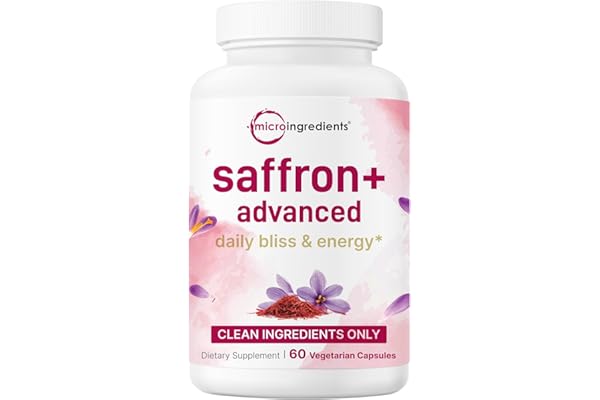
Saffron+ Advanced Supplements, 60 Veggie Capsules – 10-in-1 with Saffron Extract, High Absorption Fat-Soluble Vitamin C, Magnesium, Turmeric & KSM-66 Ashwagandha, St. John’s Wort, – Mood & Energy Support* – Filler Free
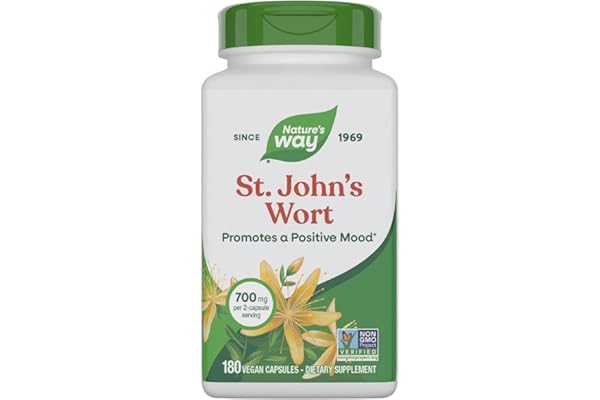
Nature’s Way St. John’s Wort Herb, Promotes a Positive Outlook*, 700 mg per 2-Capsule Serving, Non-GMO Project Verified, Vegan, 180 Capsules
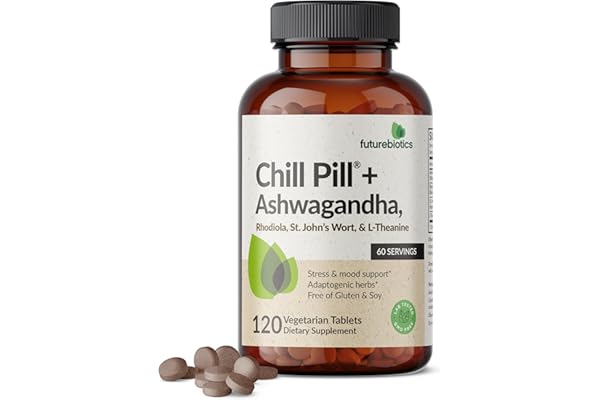
Futurebiotics Chill Pill + Ashwagandha, Rhodiola, St. John’s Wort, & L-Theanine – Non-GMO, 120 Vegetarian Tablets
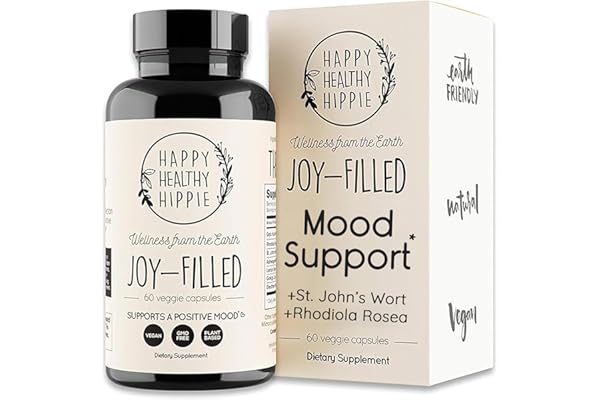
Joy-Filled Mood Support Supplement – 7 Herb Complex w/St. Johns Wort – Stress Relief – Helps Calm The Mind & Body – 100% Plant-Based Happy Pills, Ashwagandha, Rhodiola Rosea – Adaptogens, 60 Ct

Nature’s Bounty St. John’s Wort 300mg Capsules, Herbal Health Supplement, Promotes a Positive Mood, 100 Capsules
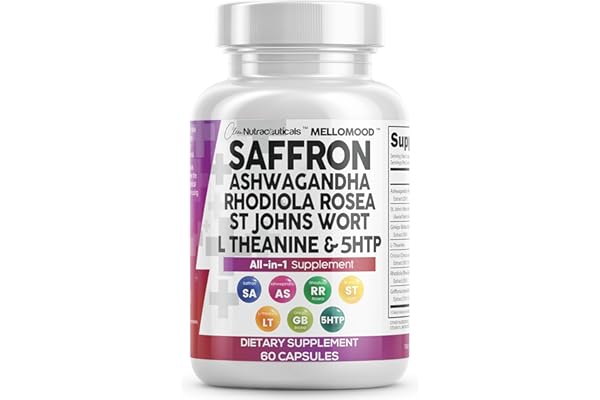
Clean Nutraceuticals Saffron Supplements Extract 100mg + Ashwagandha L-Theanine 200mg – Mood Support Ginkgo Biloba, St. John’s Wort, Rhodiola Rosea & 5-HTP Capsules Pills Men Women