


Benefits of Goldenseal? Comprehensive Guide & Uses
Goldenseal is a plant native to North America that has been used in traditional medicine for hundreds of years. The herb contains active compounds called berberine, hydrastine, and canadine that give it its medicinal properties. Native Americans originally used the plant to treat various health conditions, and it remains popular today as an herbal supplement.
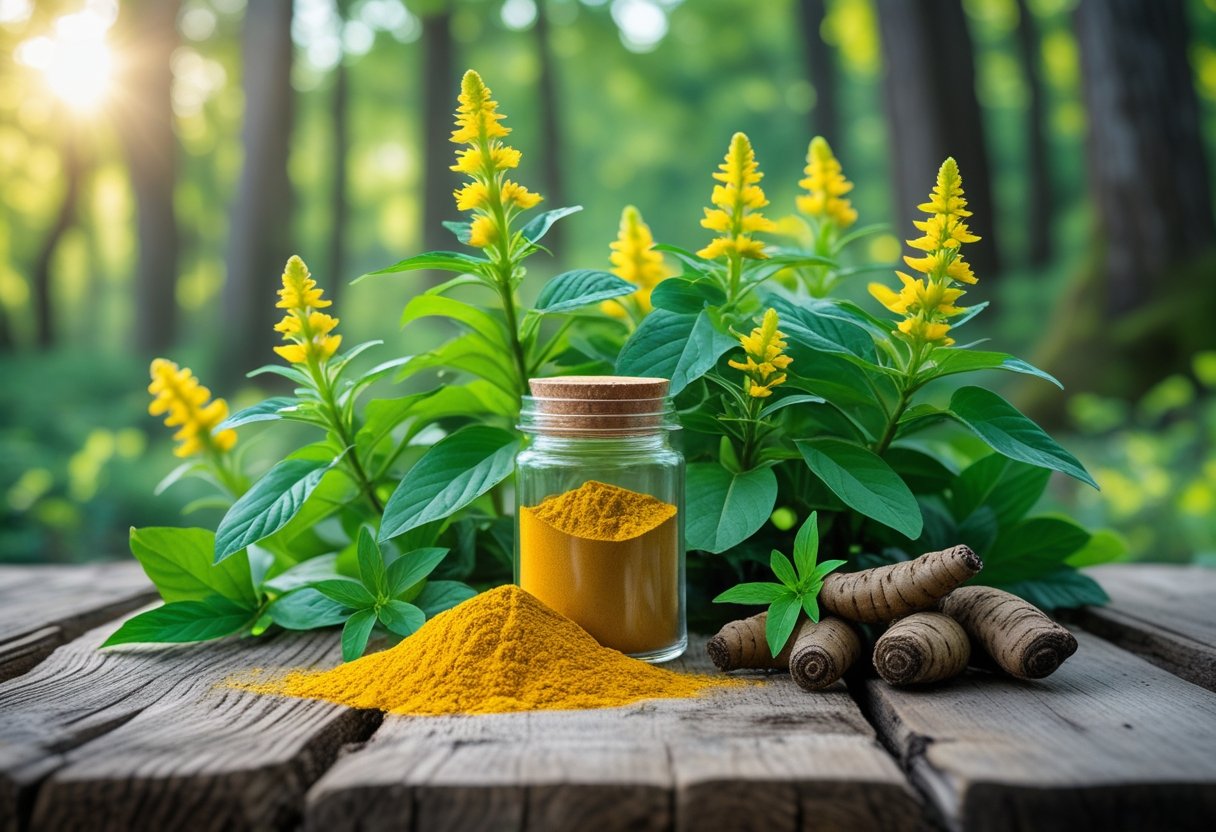
Goldenseal offers several potential health benefits, including supporting immune function, fighting bacterial and fungal infections, reducing inflammation, and helping with digestive issues, though much of the research focuses on its key compound berberine rather than goldenseal itself.
Studies suggest that goldenseal may help with respiratory infections, urinary tract infections, and skin conditions. The herb is commonly combined with echinacea in cold and flu remedies.
People take goldenseal in various forms including capsules, tinctures, teas, and topical preparations. Common uses include managing sinus conditions, digestive problems, and inflammation. However, the research on goldenseal is limited, and more human studies are needed to confirm many of its traditional uses.
Key Takeaways
- Goldenseal contains berberine and other compounds that may help fight infections and reduce inflammation
- The herb is used for respiratory infections, digestive issues, and skin conditions, though research is limited
- Goldenseal comes in multiple forms and should be used carefully due to potential drug interactions and side effects
Understanding Goldenseal: Origins and Key Compounds
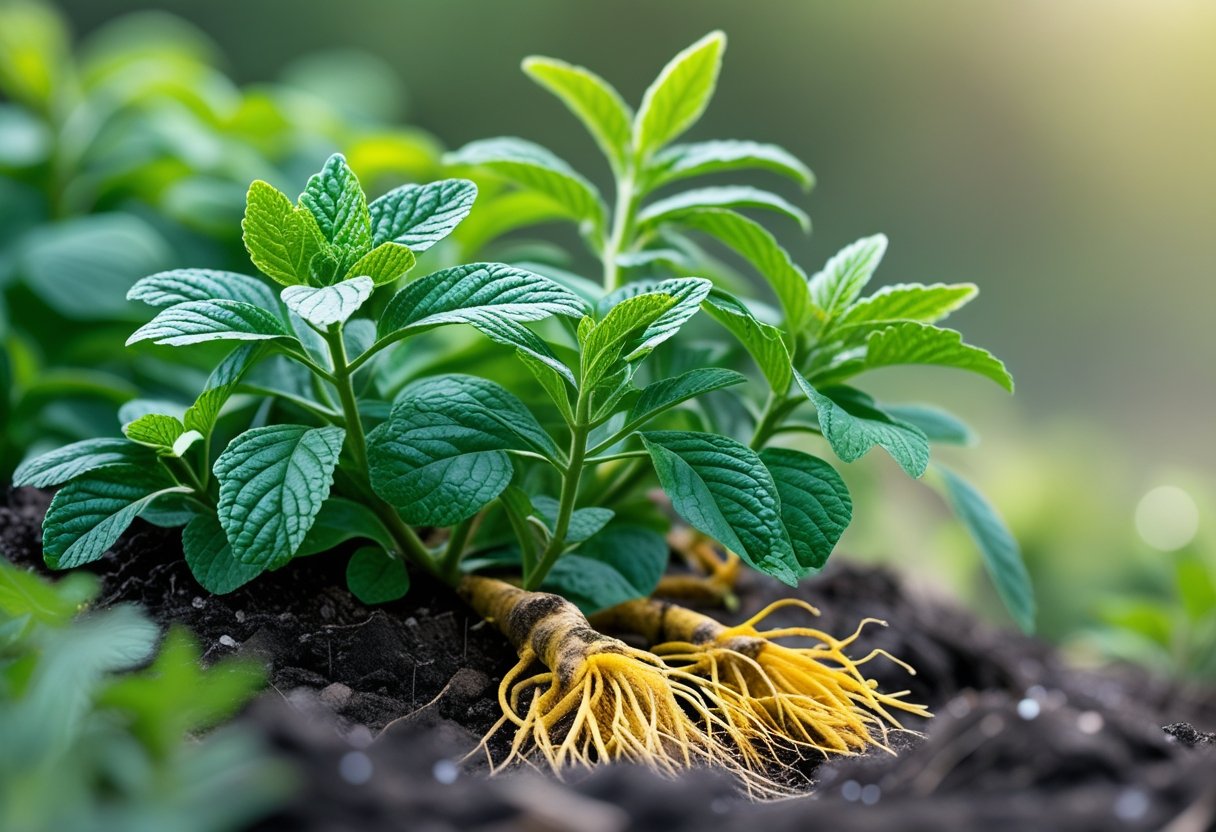
Goldenseal is a perennial herb native to North America that contains three primary alkaloids responsible for its medicinal properties. The plant has been used for centuries by indigenous peoples and continues to be valued for its berberine content.
Botanical Identity and Classification
Goldenseal, scientifically known as Hydrastis canadensis, belongs to the Ranunculaceae family. The plant grows wild in the rich, shaded woodlands of eastern North America, particularly in regions stretching from Vermont to Arkansas.
The herb features a single, hairy stem that reaches 6 to 12 inches in height. It produces two palmate leaves with five to seven lobes and a small greenish-white flower that appears in early spring. The plant’s distinctive yellow rhizome and roots give it the common nickname “yellow root.”
Goldenseal thrives in moist, well-drained soil under forest canopies. Wild populations have declined significantly due to overharvesting, making sustainable cultivation practices increasingly important for maintaining supply.
Active Alkaloids and Phytochemicals
Goldenseal’s health benefits are attributed to three main alkaloids: berberine, hydrastine, and canadine. These bioactive compounds work together to produce the herb’s therapeutic effects.
Berberine is the most studied phytochemical in goldenseal. It demonstrates broad-spectrum antimicrobial activity and supports healthy blood sugar metabolism. This alkaloid inhibits bacteria like Staphylococcus aureus and Escherichia coli.
Hydrastine provides anti-inflammatory properties by reducing pro-inflammatory cytokines in the body. It also supports vascular health and helps maintain the integrity of mucous membranes throughout the digestive and respiratory systems.
Canadine enhances the antimicrobial activity of the other alkaloids. It shows particular effectiveness against fungal pathogens and certain bacterial strains. These three alkaloids create a synergistic effect that makes goldenseal more powerful than any single compound alone.
History and Traditional Uses
Cherokee and other Native American tribes used goldenseal long before European settlers arrived in North America. They applied the plant’s crushed roots to wounds, skin infections, and inflammatory conditions. The herb also treated digestive complaints and eye infections.
European colonists learned about goldenseal from indigenous peoples in the 1700s. The herb gained widespread popularity in the 1800s as a general tonic and remedy for mucous membrane inflammation.
Traditional herbalists prescribed goldenseal for respiratory infections, digestive issues, and skin conditions. The Cherokee specifically valued it for treating ulcers, gonorrhea, and as a yellow dye for clothing and ceremonial purposes. By the early 1900s, goldenseal had become one of the most commonly used medicinal plants in North America, leading to significant depletion of wild populations.
Core Health Benefits of Goldenseal
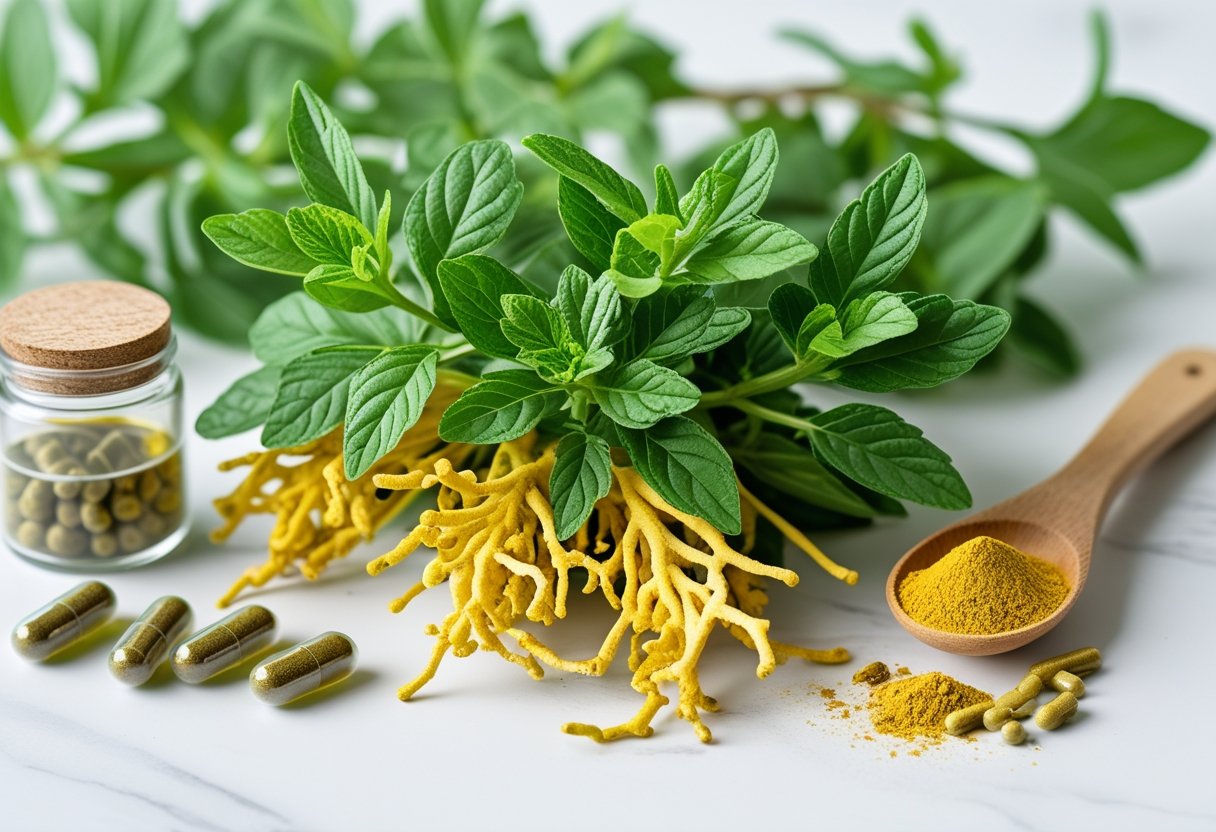
Goldenseal contains active compounds like berberine that provide antimicrobial properties, support immune function, and reduce inflammation throughout the body. These compounds work together to protect against infections, improve digestive health, and calm inflamed tissues.
Antimicrobial and Immune Support
Goldenseal demonstrates powerful antimicrobial activity against various bacteria and viruses. The herb’s primary active compound, berberine, helps fight infections by preventing harmful bacteria from attaching to cell walls. Research shows it may be effective against bacteria that cause urinary tract infections and respiratory infections.
The immune-boosting effects come from the plant’s ability to enhance the body’s natural defense systems. Cell studies suggest berberine can protect against the viruses responsible for common colds and other upper respiratory infections.
People often combine goldenseal with other herbs for immune support. However, its antimicrobial properties work independently to help the body resist infections. The herb targets bacteria like H. pylori, which affects the stomach lining, and C. jejuni, a common cause of food poisoning.
Digestive Health and Gut Support
Goldenseal provides digestive support by targeting harmful bacteria in the gastrointestinal tract. The herb’s berberine content fights H. pylori infections linked to stomach ulcers and gastritis. It also combats C. jejuni, one of the most common causes of bacterial gastroenteritis worldwide.
The plant offers relief for various digestive complaints including indigestion and inflammation in the stomach and intestines. Studies show goldenseal extracts can reduce the growth of bacteria responsible for digestive upset.
People have used this herb for gut health support for generations. Its ability to fight specific digestive pathogens makes it valuable for maintaining a balanced gut environment. The antimicrobial properties help control harmful bacteria while supporting overall digestive function.
Anti-Inflammatory Actions
The anti-inflammatory properties of goldenseal extend throughout multiple body systems. Berberine reduces inflammation in tissues, which may help conditions like inflamed gums and skin irritation. Animal studies suggest these effects could benefit inflammatory skin conditions such as psoriasis.
Goldenseal shows promise for reducing inflammation in the digestive tract. This makes it potentially useful for gastritis and other inflammatory digestive disorders. The herb’s ability to soothe inflamed tissues applies to both internal and external use.
The anti-inflammatory actions work alongside the antimicrobial effects to promote healing. This combination helps calm irritated tissues while protecting against infection.
Benefits for Specific Systems and Conditions
Goldenseal offers targeted support for several body systems, with research pointing to benefits for urinary tract infections, skin conditions, and cardiovascular health. The herb’s active compounds, particularly berberine and hydrastine, work in different ways depending on how they’re used.
Urinary Tract Health
Goldenseal may help with urinary tract infections by supporting normal bacterial balance in the bladder. Research shows that active components in goldenseal can promote urinary tract health by maintaining the integrity of the bladder lining.
The herb works best when combined with other plants that support the urinary system. When used for infections, goldenseal needs to be paired with herbs like dandelion leaves or other urinary support plants for better results.
People should not rely on goldenseal alone for urinary tract infections. Medical treatment remains important for these conditions.
Skin Health and Topical Applications
Goldenseal can be applied directly to the skin for minor wounds and infections. Its natural compounds have antiseptic properties that help disinfect cuts and scrapes.
The herb appears in many topical creams and skin care products. People use it to treat conditions like eczema and psoriasis by applying it as a poultice or infusing it in oils.
Goldenseal promotes faster healing and reduces infection risk when used on skin. It soothes irritation and supports healthier skin in various conditions.
Cardiovascular and Metabolic Support
Goldenseal shows promise for heart health and blood sugar regulation. Berberine in goldenseal may support normal cholesterol levels and help maintain healthy blood pressure.
Studies suggest goldenseal acts as a natural LDL-lowering agent while supporting liver function. The cardiovascular system benefits from berberine’s antioxidant properties and its effects on blood vessel function.
Research indicates potential benefits for type 2 diabetes through improved metabolic function. The herb may affect how the body processes blood sugar in the liver, pancreas, and other organs.
People taking medications for cholesterol, blood pressure, or blood sugar should talk to their doctor before using goldenseal. The herb can interact with these medications.
Forms, Supplementation, and Usage
Goldenseal is available in multiple forms to suit different preferences and needs. The most common options include capsules, tablets, tinctures, teas, and topical preparations, each with distinct absorption rates and applications.
Goldenseal Supplements Overview
Goldenseal supplements are available in a wide range of forms, including capsules, lotions, drops, sprays, and liquid extracts. Each format delivers the herb’s active compounds differently into the body.
Capsules and tablets contain dried goldenseal root powder in pre-measured doses. These forms offer convenience and consistent dosing without taste concerns. Tinctures are alcohol-based liquid extracts that allow for flexible dosing and faster absorption compared to dried preparations.
Herbal tea is made by steeping dried goldenseal root in hot water. Powders can be mixed into drinks or used to make poultices for topical application. Some manufacturers also produce goldenseal-infused oils and creams for skin conditions.
Common Delivery Methods
Dried root supplements are typically taken in doses ranging from 0.5 to 10 grams three times daily. Alcoholic tinctures and liquid extracts are usually consumed in 0.3 to 10 mL dosages three times per day.
For tea preparation, users steep 2 teaspoons of dried herb in 1 cup of hot water for about 15 minutes. Over-the-counter preparations commonly range from 100 to 470 mg per dose. No research has established which dosage provides optimal benefits for specific conditions.
Topical forms like creams and oils are applied directly to skin for wound healing or irritation relief.
Choosing and Sourcing High-Quality Products
Product quality varies significantly among goldenseal supplements. Some products labeled as goldenseal may contain little to no actual goldenseal or may substitute it with cheaper alternatives like Chinese goldthread, Oregon grape root, or barberry.
Consumers should carefully read ingredient labels to verify authentic goldenseal content before purchasing. Look for products that specifically list Hydrastis canadensis as the primary ingredient. Third-party testing certifications can indicate higher quality standards.
Storage recommendations differ by product form. Users should follow handling instructions on packaging and discard products past their expiration dates to maintain potency and safety.
Safety, Interactions, and Precautions
Goldenseal can cause serious side effects ranging from digestive problems to seizures. Pregnant and breastfeeding women should avoid it completely, and it interacts with many common medications by affecting how the liver processes drugs.
Potential Side Effects and Toxicity
Common side effects of goldenseal include constipation, digestive upset, and irritation of mucous membranes. Some people experience nervous system effects like excitability or anxiety.
High doses can cause severe reactions including hallucinations, delirium, nausea, and vomiting. Overdose symptoms may include low blood pressure, slow heart rate, and cardiac damage. The most serious cases can lead to respiratory failure, seizures, paralysis, and death.
People with cardiovascular disorders or high blood pressure should use goldenseal with caution. Those with bleeding disorders should avoid it since goldenseal may increase bleeding risk. Anyone scheduled for surgery should stop taking goldenseal at least two weeks beforehand.
Individuals with high bilirubin levels should not use goldenseal. Infants exposed to goldenseal face risk of kernicterus, which causes brain damage from elevated bilirubin.
Pregnancy, Breastfeeding, and Pediatric Use
Goldenseal should not be used during pregnancy or breastfeeding. The herb can harm the developing fetus and pass into breast milk, potentially harming nursing infants.
Healthcare providers strongly advise against giving goldenseal to newborns and infants due to serious safety concerns. The risk of brain damage from bilirubin accumulation makes it particularly dangerous for young children.
Women who are pregnant, planning to become pregnant, or nursing should consult their healthcare provider before using any herbal supplement. The potential harm to babies outweighs any possible benefits.
Drug and Supplement Interactions
Goldenseal affects CYP3A4, a liver enzyme responsible for metabolizing many medications. This interaction can change how quickly the body breaks down certain drugs, potentially making them more or less effective.
The herb has moderate interactions with several drug classes:
- Heart medications: digoxin
- Immunosuppressants: cyclosporine, tacrolimus
- Blood pressure medications: losartan and other antihypertensive drugs
- Blood thinners: anticoagulant and antiplatelet drugs
- Diabetes medications: metformin and other antidiabetic drugs
- Sedatives: central nervous system depressants
Goldenseal may also interfere with tetracycline antibiotics and medications metabolized by CYP2D6. People taking any prescription medications should inform their doctor before using goldenseal to avoid dangerous interactions.
Goldenseal in Traditional and Modern Herbalism
Native Americans historically used goldenseal to treat conditions ranging from sore eyes to tuberculosis, while modern herbalism values it as an herbal supplement for immune support and digestive health. The herb’s active compound berberine also appears in other traditional plants used for similar purposes.
Cultural and Historical Significance
Native American tribes utilized goldenseal long before European settlers arrived in North America. They applied the herb to treat infections, inflammatory conditions, and wounds. The plant’s distinctive yellow root served as a natural dye in addition to its medicinal applications.
Traditional herbalism incorporates bitter plants like goldenseal, dandelion, and chicory to support digestive function. The bitter compounds stimulate digestive processes and promote gastrointestinal health. Native American folklore passed down knowledge of these plants through generations.
European settlers adopted goldenseal into their medical practices during the 1800s. The herb became a staple in American pharmacies and medical texts. Overharvesting during this period led to significant population declines in wild goldenseal, making it a protected plant today.
Goldenseal in Herbal Remedies
Modern practitioners recommend goldenseal as one of the most respected immune-supporting herbs. The plant strengthens natural defenses while supporting mucous membrane health. Herbalists commonly combine it with echinacea to enhance immune function during cold and flu season.
The herb works as a natural antimicrobial in herbal remedies for respiratory infections. Practitioners use it to address upper respiratory tract issues and sinus problems. Its anti-inflammatory properties make it valuable for treating irritated mucous membranes throughout the body.
Goldenseal supports digestion and overall gastrointestinal wellness in traditional formulas. Herbalists prescribe it for digestive upset and to promote healthy gut function. The bitter compounds stimulate bile production and improve nutrient absorption.
Comparison With Other Berberine-Containing Herbs
Several herbs contain berberine as their primary active compound. Each offers similar antimicrobial and anti-inflammatory benefits but differs in traditional applications and potency.
Common Berberine-Containing Herbs:
- Goldenseal: Native to North America, traditionally used for infections and mucous membrane health
- Oregon Grape: Western North American plant used for skin conditions and liver support
- Barberry: European and Asian herb employed for digestive issues and gallbladder function
- Chinese Goldthread: Asian medicine uses it for digestive problems and inflammatory conditions
Oregon grape serves as a sustainable alternative to goldenseal since wild goldenseal populations face conservation concerns. Both herbs provide berberine but oregon grape grows more abundantly. The berberine content varies between species, affecting their therapeutic strength.
Chinese goldthread contains higher berberine concentrations than goldenseal. This makes it more potent for blood sugar management and antimicrobial applications. Barberry offers gentler effects suitable for long-term digestive support in natural healing practices.
Frequently Asked Questions
Goldenseal raises common questions about its practical applications, active ingredients, proper dosing, and safety considerations. Understanding these key aspects helps people make informed decisions about using this herb.
What health conditions can goldenseal potentially improve?
Goldenseal may help with several health issues related to infections and inflammation. The herb shows promise for digestive problems, including indigestion and diarrhea, by supporting gut health and balancing intestinal bacteria.
People use goldenseal for respiratory tract infections and common colds. The herb’s antimicrobial properties can combat bacteria like Staphylococcus aureus and Escherichia coli. It may also help manage Helicobacter pylori infections in the digestive system and Candida overgrowth.
Some evidence suggests goldenseal could support oral health by reducing plaque-forming bacteria. The herb has been traditionally used for skin disorders, minor wounds, and eye problems.
How does goldenseal support the immune system?
Goldenseal enhances immune function by combating bacterial, viral, and fungal threats. The herb inhibits pathogen growth while helping to calm excessive immune responses. This dual action makes it effective at defending the body against various types of infections.
The alkaloids in goldenseal reduce inflammatory markers in the body. This anti-inflammatory effect helps maintain immune system balance without overstimulation.
Goldenseal works well when combined with other immune-supporting herbs like echinacea. While echinacea stimulates immune activity, goldenseal provides direct antimicrobial defense.
What are the active compounds in goldenseal that provide its health benefits?
Three main alkaloids give goldenseal its medicinal properties: berberine, hydrastine, and canadine. Berberine serves as a broad-spectrum antimicrobial that also supports healthy blood sugar levels and metabolism.
Hydrastine acts as an anti-inflammatory compound by reducing pro-inflammatory cytokines in the body. Canadine enhances the antimicrobial activity against fungi and bacteria. These three compounds work together synergistically to defend against infection, reduce swelling, and soothe mucous membranes.
Can goldenseal be used as a topical agent for skin conditions, and if so, how?
Goldenseal can be applied directly to the skin for various conditions. The herb’s antiseptic and anti-inflammatory properties make it useful for treating minor wounds, acne, and canker sores.
When used topically, goldenseal inhibits bacteria in skin lesions and accelerates tissue repair. People can apply goldenseal salves or diluted tinctures to affected areas. For oral health, mouth rinses containing goldenseal promote healthy gums by reducing bacterial growth and soothing inflammation.
The herb can also provide relief for herpes discomfort when applied to cold sores. Users should ensure products are properly diluted to avoid skin irritation.
What are the recommended dosages and forms of goldenseal for various uses?
Goldenseal comes in several forms with different recommended doses. For capsules with standardized extract, the typical dose ranges from 300 to 500 mg taken two to three times daily.
Tinctures at a 1:5 ratio require 1 to 2 mL or 20 to 40 drops taken three times daily. Those who prefer tea can steep 1 teaspoon of loose leaf goldenseal per cup and drink up to three cups per day.
Tinctures work best for acute immune support needs, while capsules taken with meals suit digestive health purposes better. The specific form and timing depend on the intended use.
Are there any known interactions or side effects associated with goldenseal supplementation?
Goldenseal can cause mild digestive upset in some users. High doses may increase blood pressure in certain individuals.
The herb interacts with medications metabolized by CYP450 enzymes, including Metformin and Warfarin. These drug interactions can affect how the body processes these medications. People taking prescription drugs should consult a healthcare provider before using goldenseal.
Pregnant and breastfeeding women should not use goldenseal due to safety concerns. Prolonged use at high doses may cause additional problems, though goldenseal is generally safe at standardized doses for short-term use.
Top Goldenseal Herbal Supplements
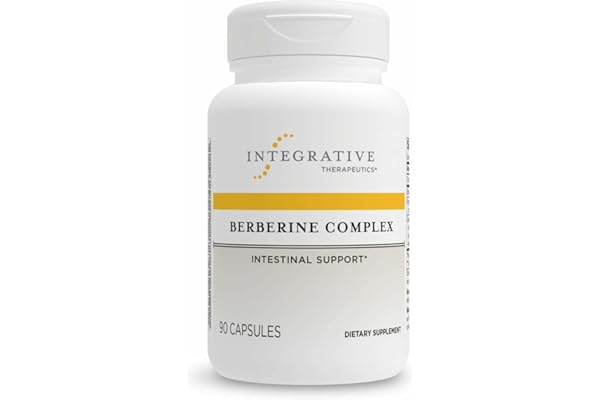
Integrative Therapeutics Berberine Complex – Digestive & Gut Health Supplement* – Vegan, Gluten-Free & Dairy-Free – 90 Capsules (45 Servings)
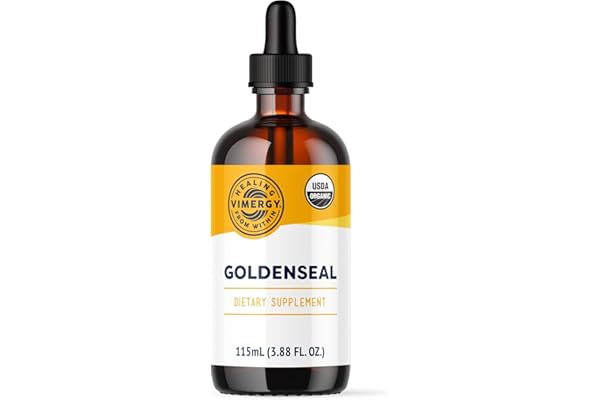
Vimergy Goldenseal Tincture Herbal Supplement – (57 Servings) 10:1 Extract Equivalent of 2000mg Herbal Equivalent– USDA Organic, Vegan, Alcohol-Free Golden Seal herb Drops Great for Tea (115 mL)
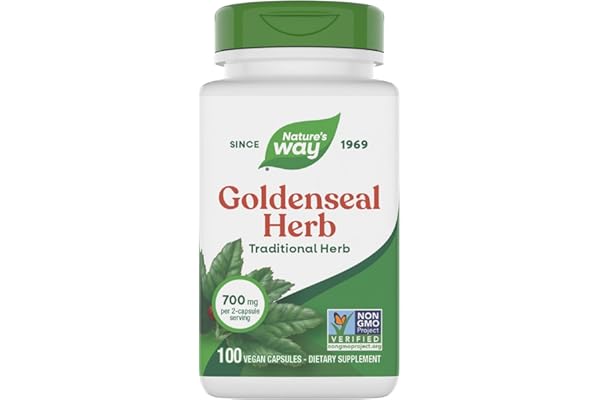
Nature’s Way Goldenseal, Traditional Herb, 700 mg per 2-Capsule Serving, Non-GMO Project Verified, Vegan, 100 Capsules
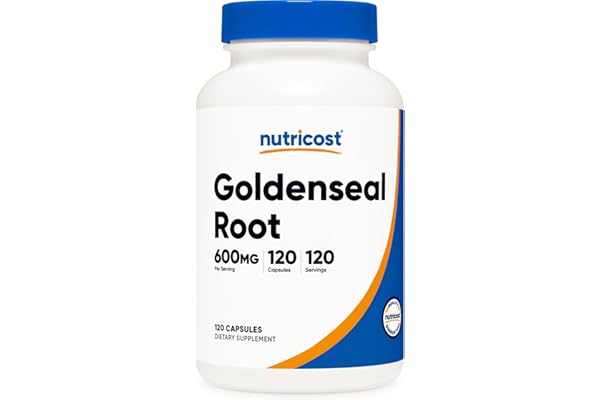
Nutricost Goldenseal Root 600mg, 120 Capsules – Non-GMO, Gluten Free, Vegetarian Capsules
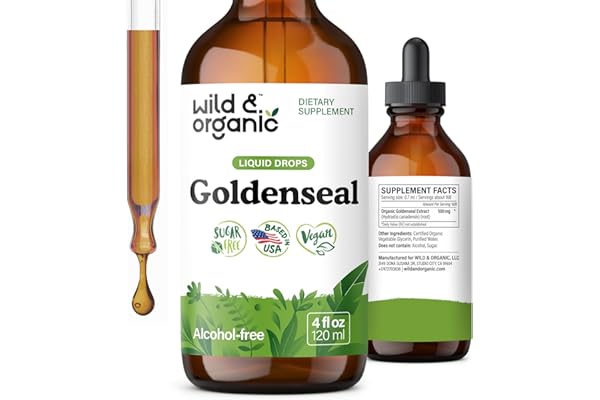
Wild & Organic Goldenseal Tincture – Lung & Digestive Support – Goldenseal Root Extract Liquid Drops – Vegan, Sugar & Alcohol-Free Herb Supplement – 4 fl oz
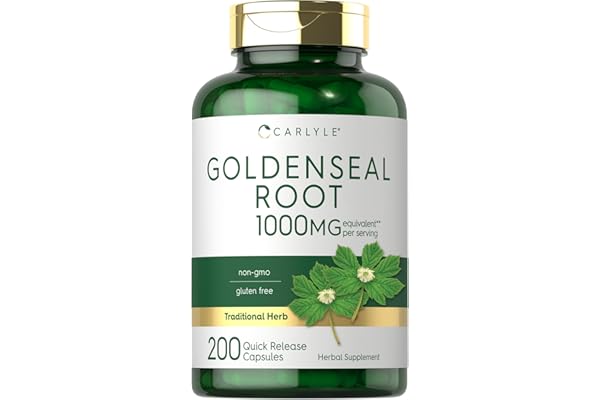
Carlyle Goldenseal Root Capsules 1000mg | 200 Count | Traditional Herb Supplement | Non-GMO, Gluten Free