


Benefits of Ginseng: Complete Health Advantages Guide
Ginseng has been used for thousands of years in traditional medicine across Asia and North America. This slow-growing plant with a fleshy root has become one of the most popular herbal supplements worldwide. People take this medicinal herb for everything from boosting energy to improving mental clarity.
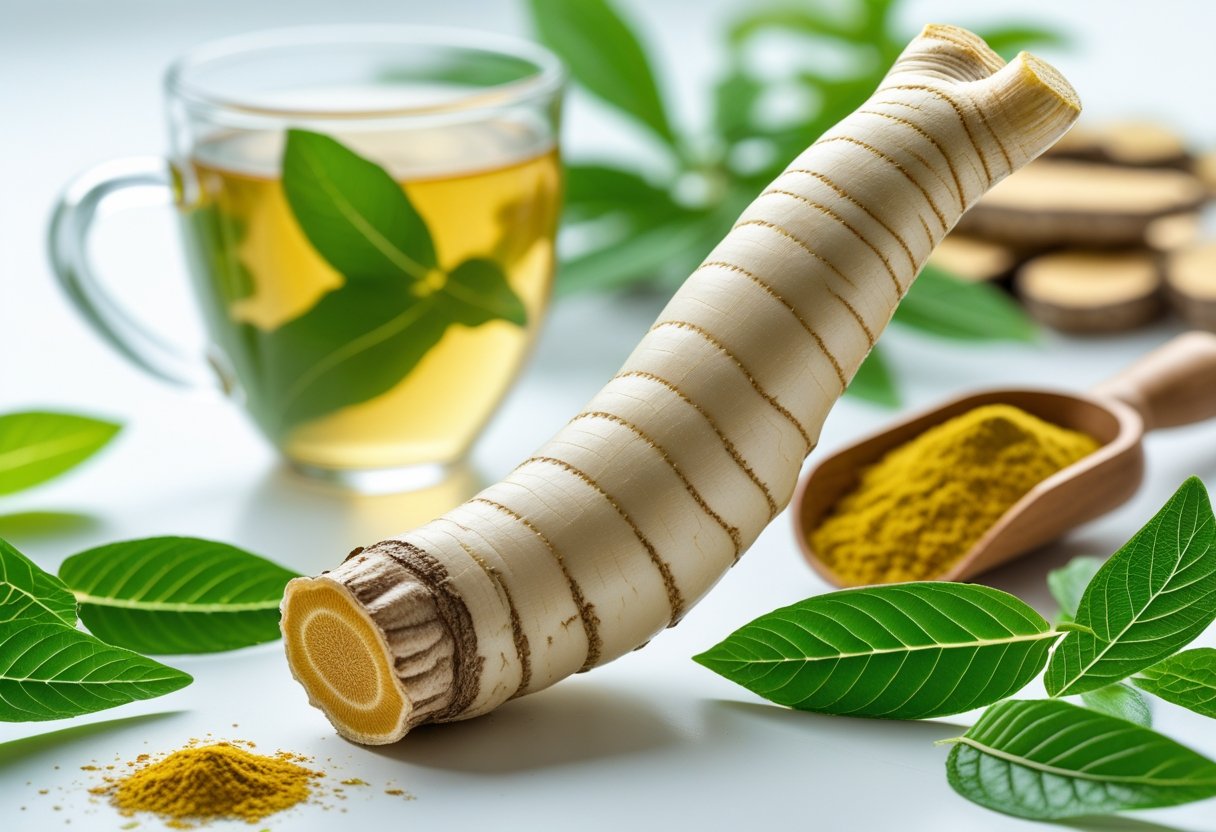
Research suggests that ginseng may help increase energy levels, improve cognitive function, reduce inflammation, support immune health, and help manage blood sugar levels.
The active compounds in ginseng root, called ginsenosides, are believed to be responsible for these potential health effects. Both Asian ginseng and American ginseng varieties offer similar benefits, though they may work in slightly different ways.
While ginseng is generally safe to consume, it’s important to understand how this herbal supplement works and what the science actually shows. Some claimed benefits have strong research support, while others need more study. Knowing the facts helps you decide if ginseng might be right for your health goals.
Key Takeaways
- Ginseng may boost energy, improve brain function, and reduce inflammation based on current research
- The active compounds called ginsenosides are responsible for most of ginseng’s potential health effects
- Always consult a doctor before taking ginseng as it can cause side effects and may interact with medications
What Is Ginseng?
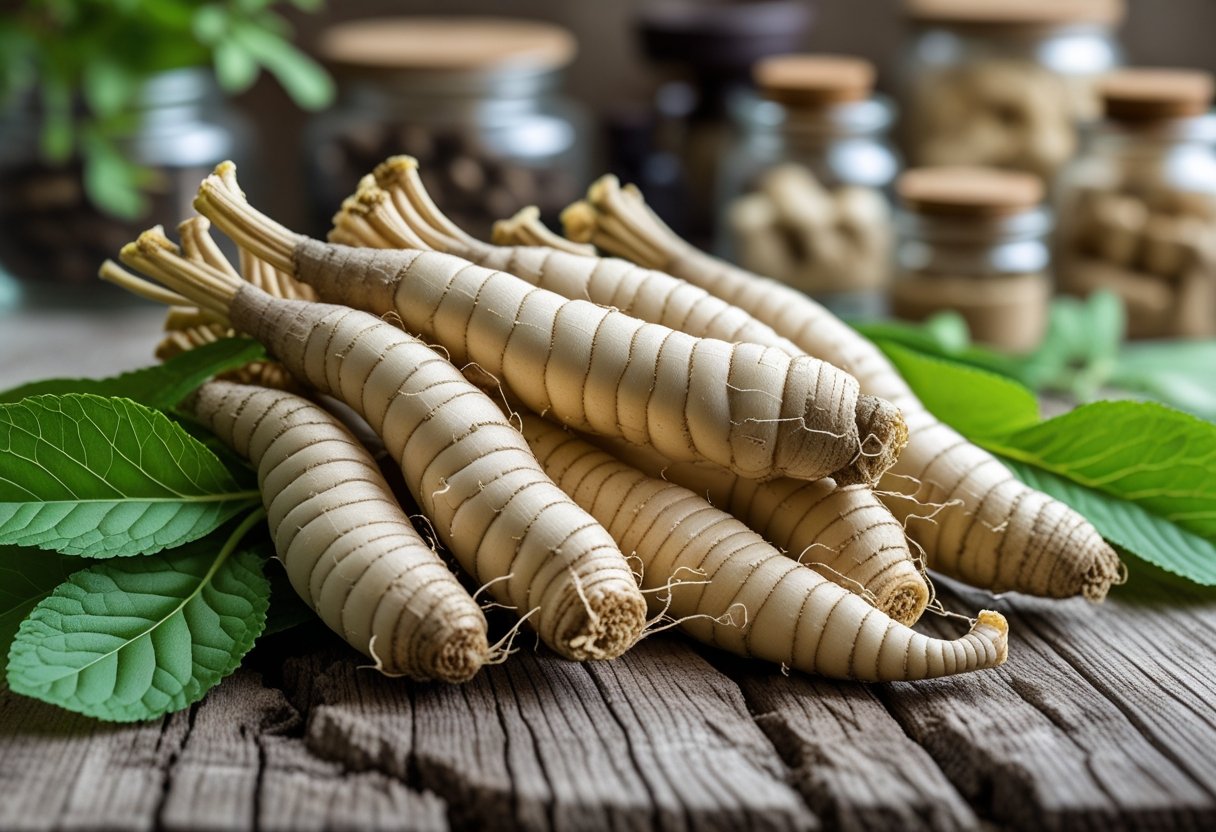
Ginseng is a perennial plant with fleshy roots that has been valued in herbal medicine for thousands of years. The term covers several species within the Panax genus, each containing unique active compounds called ginsenosides that contribute to their therapeutic properties.
Ginseng Species and Varieties
The two main types of ginseng are Asian ginseng (Panax ginseng) and American ginseng (Panax quinquefolius). Asian ginseng is considered more stimulating than American ginseng in traditional practices.
Korean ginseng refers to Panax ginseng grown specifically in Korea. Korean red ginseng is Asian ginseng that has been steamed and dried, which changes its chemical composition and creates a reddish color.
Red ginseng and white ginseng are both forms of Asian ginseng prepared differently. White ginseng is peeled and dried naturally, while red ginseng undergoes steaming before drying.
Siberian ginseng (Eleutherococcus senticosus), also called eleuthero, is not true ginseng. It doesn’t contain ginsenosides, the active compounds found in Panax species. Many other plants are marketed as ginseng but lack these key ingredients.
Bioactive Compounds in Ginseng
Ginsenosides are the primary active compounds in ginseng root that researchers believe provide health benefits. These chemical substances are unique to the Panax genus and differ in concentration between Asian and American varieties.
Ginseng also contains polysaccharides, which are complex carbohydrates that may support immune function. The roots contain other beneficial compounds including peptides, vitamins, and minerals.
Different processing methods affect the concentration of these compounds. Steaming Asian ginseng to create red ginseng changes some ginsenosides into different forms that may have distinct effects on the body.
Traditional Chinese Medicine and Ginseng
In traditional Chinese medicine, ginseng has been used for centuries to restore and enhance qi, the vital life force believed to flow through the body. Practitioners prescribe it to strengthen overall vitality and resilience.
American ginseng is viewed as having cooling properties, while Asian ginseng is considered warming and more stimulating. This distinction guides how practitioners recommend each type for different conditions.
Ginseng is available in multiple forms including raw root, ginseng tea, powder, extract, and supplements. People can chew the peeled root, brew it into tea, or take it as capsules. The ginseng root can be added to soups, stir-fries, and beverages for daily consumption.
Key Health Benefits of Ginseng

Ginseng provides several documented health advantages that range from increasing physical stamina to supporting blood sugar regulation. The plant’s active compounds, particularly ginsenosides, work as both an antioxidant and adaptogen to help the body manage stress and maintain balance.
Boosting Energy and Combating Fatigue
Ginseng has earned recognition for its ability to reduce fatigue and increase alertness without relying on caffeine. Unlike energy drinks that provide temporary spikes followed by crashes, ginseng works as an adaptogen to help the body respond to physical and mental stress more effectively.
Research shows that the ginsenosides in ginseng may help cells produce energy more efficiently. People who take ginseng supplements report feeling effects within 24 hours, though results vary by individual.
The herb does not contain caffeine itself. However, when combined with caffeinated beverages, it may enhance their stimulating effects. This explains why manufacturers often add ginseng to energy drinks and similar products.
Common forms for energy support:
- Capsules (100-600 mg daily)
- Root extract powder
- Traditional tea preparations
Supporting Cognitive and Memory Function
Ginseng shows promise in enhancing brain function and mental performance. Studies indicate that it may provide short-term improvements in concentration and learning abilities.
The plant’s compounds appear to protect brain cells from oxidative stress. This protection may support working memory and overall cognitive function. Some research has examined ginseng combined with ginkgo extract, though experts note that more evidence is needed to confirm these cognitive benefits.
People seeking mental clarity often use doses of 200 milligrams of Panax ginseng extract daily. The effects on memory and focus tend to be modest but noticeable for many users.
Enhancing Immune System Performance
Ginseng may strengthen immune function and help the body defend against common illnesses. Research suggests that certain types of American ginseng extract can reduce the number and severity of colds in adults.
The plant appears to boost immunity by supporting the body’s natural defense mechanisms. Animal studies have shown that ginsenosides possess immune-modulating properties that help regulate inflammatory responses.
While ginseng cannot prevent the flu or influenza entirely, it may help the immune system respond more effectively to threats. Some people take it seasonally to support their immunity during cold and flu season.
Managing Blood Sugar and Diabetes
Several human studies demonstrate that ginseng may lower blood sugar levels, making it relevant for people with diabetes or prediabetes. The herb shows particular promise for supporting blood sugar control in individuals with type 2 diabetes.
Ginseng appears to improve how cells respond to insulin and process glucose. This effect helps maintain steadier blood sugar levels throughout the day. However, people taking diabetes medications should exercise caution, as combining ginseng with these drugs could lead to hypoglycemia.
Important considerations:
- Always inform healthcare providers about ginseng use
- Monitor blood sugar levels regularly when starting supplementation
- Adjust diabetes medications only under medical supervision
The recommended approach involves starting with lower doses and observing how blood sugar responds over several weeks.
Ginseng and Sexual Health
Ginseng has been studied for its effects on sexual function in both men and women, with research showing benefits for erectile dysfunction and improvements in sexual performance. The herb also shows promise for managing menopause-related symptoms that affect sexual wellness.
Erectile Dysfunction and Sexual Performance
Research indicates that ginseng can improve erectile function in men with moderate to severe ED. In clinical trials, men taking 900 mg of Korean red ginseng three times daily for 8 weeks reported better scores on erectile performance and sexual satisfaction.
The herb works by promoting vasodilation through increased nitric oxide production. This process helps relax smooth muscle tissue in the corpus cavernosum, allowing better blood circulation to the penis. Ginsenosides, the active compounds in ginseng, trigger nitric oxide synthesis in blood vessel walls and nerve tissue.
Studies show that both Asian ginseng and American ginseng can enhance sexual stamina. Research on male reproductive function found that ginseng increased testosterone levels in some participants, which correlates with improved libido. The herb may also improve sperm quality and count in healthy individuals.
Key benefits for men include:
- Enhanced erection rigidity and maintenance
- Increased sexual desire and arousal
- Better overall sexual satisfaction
Menopause and Hormonal Support
Ginseng provides relief for several menopause symptoms that impact sexual health and quality of life. The herb helps regulate hormonal fluctuations that cause hot flashes, night sweats, and mood swings during this transition period.
Women experiencing menopause often face vaginal dryness, which can make sexual activity uncomfortable. Ginseng’s ability to improve blood circulation may help address this issue by supporting healthy tissue function. The herb’s adaptogenic properties also help the body manage stress-related hormonal changes.
Research suggests that ginseng supports overall vitality during menopause, which can translate to improved energy levels and mood stability. These effects may indirectly benefit sexual performance by reducing fatigue and emotional distress associated with hormonal shifts. Some women report better sleep quality when taking ginseng, which helps manage night sweats that disrupt rest.
Anti-Inflammatory and Antioxidant Properties
Ginseng contains compounds that help the body fight inflammation and protect cells from damage caused by unstable molecules called free radicals. These effects work together to reduce the risk of chronic diseases and may help people undergoing cancer treatment manage side effects.
Reducing Inflammation
Ginseng’s active compounds, called ginsenosides, have the ability to reduce inflammation in the body. These compounds work by blocking specific pathways that produce inflammatory cytokines, which are proteins that promote inflammation throughout the body.
Research shows that ginsenosides can suppress the NF-κB signaling pathway, a key system that controls inflammatory responses. When this pathway is blocked, the body produces fewer inflammatory markers like TNF-α, IL-6, and IL-1β.
The antioxidant properties of ginseng help combat oxidative stress by neutralizing free radicals. Studies indicate that ginseng extracts increase levels of protective enzymes like glutathione peroxidase and superoxide dismutase. These enzymes defend cells against damage from reactive oxygen species that come from sources like pollution, smoking, and normal body processes.
Combined antioxidant and anti-inflammatory properties work together to protect against chronic diseases. The herb contains polysaccharides and other bioactive compounds that contribute to its protective effects.
Supporting Cancer Prevention and Fatigue
Studies suggest ginseng may help reduce the risk of certain cancers, including colorectal cancer, breast cancer, and uterine cancer. The mechanisms behind this effect include the herb’s ability to slow tumor growth and protect cells from the damage that can lead to cancer development.
Research indicates that ginseng’s antioxidant effects play a role in cancer prevention by protecting DNA from oxidative damage. The ginsenosides in ginseng can also trigger cell death in abnormal cells while leaving healthy cells unharmed.
For people undergoing chemotherapy, ginseng shows promise in managing cancer-related fatigue. Clinical studies have found that patients taking ginseng reported less tiredness and better quality of life during treatment. The herb appears to help by reducing inflammation caused by cancer treatments and supporting the body’s natural energy production systems.
Cardiovascular and Metabolic Effects
Ginseng provides notable support for heart function and blood flow while also influencing metabolic processes. Research shows it helps regulate blood pressure, protect blood vessels, and may assist with weight management through various biological mechanisms.
Heart Health and Circulation
Ginseng strengthens cardiac function and improves blood flow to the heart muscle. The herb increases myocardial contractility without raising heart rate, which helps the heart pump more effectively.
Studies show ginsenosides promote vasodilation and increase blood vessel diameter. This reduces vascular resistance and allows blood to circulate more easily throughout the body. The compounds also stimulate nitric oxide production in blood vessel walls, which keeps arteries flexible and responsive.
Korean Red Ginseng demonstrates anti-inflammatory and antioxidant properties that protect cardiovascular tissue from damage. These effects help prevent atherosclerosis by reducing oxidative stress in blood vessels. Additionally, ginseng shows antiplatelet activity that may reduce blood clot formation and lower thrombosis risk.
The herb contains over 200 bioactive compounds, with ginsenosides Rb1, Rg1, and Rg3 being particularly beneficial for cardiovascular protection. These compounds work through multiple pathways to enhance overall circulation and support heart health.
Blood Pressure and Hypertension
Ginseng administration for 8 to 12 weeks significantly reduces both systolic and diastolic blood pressure in a dose-dependent manner. The hypotensive effects occur through increased blood vessel dilation, which expands the vascular lumen and decreases resistance.
Korean Red Ginseng contains specific compounds like ginsenoside Rg3 and arginine fructose that trigger nitric oxide release from endothelial cells. This mechanism helps lower arterial blood pressure naturally.
Clinical trials show ginseng produces neutral vascular effects and improved blood pressure in patients with diabetes, metabolic syndrome, and obesity. These populations typically face elevated cardiovascular disease risk due to their existing conditions. The blood pressure regulation helps reduce cardiac workload and oxygen demand, which protects against further heart damage in those with hypertension.
Weight Loss and Metabolism
Ginseng influences metabolic processes that relate to obesity and weight management. The herb affects lipid metabolism by helping regulate cholesterol and triglyceride levels in the blood.
Research indicates ginseng supplementation shows effects on metabolic complications associated with excess weight. The compounds in ginseng may help balance blood lipid profiles, though specific mechanisms continue to be studied. People with metabolic disorders who take ginseng may experience changes in how their bodies process fats and sugars.
The herb’s impact on metabolism extends beyond simple weight loss. It appears to support overall metabolic health by addressing multiple factors like inflammation and oxidative stress that contribute to metabolic dysfunction and obesity-related complications.
Usage, Forms, and Safety Considerations
Ginseng comes in several forms with different dosing guidelines, and while many people tolerate it well, it can cause side effects and interact with certain medications. Understanding how to use it properly and recognizing who should avoid it helps ensure safe supplementation.
Popular Ways to Take Ginseng
Ginseng products vary widely in their preparation and concentration. People can find it as raw root, dried root powder, teas, capsules, tablets, and concentrated extracts.
White ginseng refers to dried root, while red ginseng is steamed and dried, which changes its chemical makeup. According to EU herbal guidelines for traditional use, adults typically take 40-200 mg of white ginseng extract (standardized to about 4% ginsenosides) one to two times daily. Red ginseng extracts are commonly dosed at 180-500 mg per dose, with typical daily amounts of 360-500 mg.
Duration matters too. Traditional use recommendations suggest limiting ginseng to about three months unless a healthcare provider advises otherwise. Products should clearly label the botanical name, plant part used, and standardization level. Choosing supplements from reputable manufacturers that use third-party testing helps ensure quality and accurate ginsenoside content.
Possible Side Effects and Drug Interactions
Common side effects of ginseng include insomnia, digestive upset, and headaches. Some people also experience nervousness, dizziness, or allergic reactions like skin rash and itching.
More serious concerns involve drug interactions. Ginseng can lower blood sugar levels, which becomes problematic for people taking diabetes medications. It may also affect blood clotting, creating risks for those on blood thinners like warfarin.
The herb can interact with antidepressants and other prescription medications. Anyone taking regular medications should talk to their doctor before adding ginseng supplements to their routine. These interactions aren’t just theoretical—they can lead to real health complications if not managed properly.
Who Should Avoid Ginseng?
Children should not take ginseng. The safety data for this age group is insufficient.
Pregnant and breastfeeding women should avoid ginseng due to lack of safety information. People with autoimmune disorders need medical guidance before using it, as ginseng may affect immune system activity.
Those with bleeding disorders should stay away from ginseng because of its potential effects on clotting. Anyone scheduled for surgery should stop taking it at least two weeks beforehand. People with hormone-sensitive conditions should also exercise caution and consult their healthcare provider first.
Frequently Asked Questions
Ginseng raises many questions about its specific effects on the body, from how it influences brain function and blood sugar levels to its role in supporting immunity and physical performance. Research shows varied results for different health applications, with some benefits having stronger scientific support than others.
How does ginseng contribute to improved mental performance?
Ginseng contains compounds called ginsenosides that may affect neurotransmitter activity in the brain. These active compounds appear to influence cognitive processes like memory formation and attention span.
Studies indicate that ginseng supplementation might help with memory and attention, particularly in older adults. Research participants who took ginseng performed better on mental tasks compared to those who didn’t take the supplement.
The effects on mental performance may vary based on the type of ginseng used. American ginseng is often associated with calming effects that support focus, while Asian ginseng tends to provide more stimulating benefits for alertness.
Can ginseng intake assist with blood sugar regulation?
Ginseng has been studied for its potential role in managing diabetes and blood sugar levels. Some research suggests it may help improve insulin sensitivity in the body.
Studies show that ginseng might help control blood sugar levels in people with diabetes. The ginsenosides in ginseng appear to influence how the body processes glucose.
American ginseng has shown potential to lower blood sugar in some research. However, people taking diabetes medications should consult their healthcare provider before adding ginseng to their routine, as it could interact with their current treatment.
What are the potential effects of ginseng on the immune system?
Ginseng has been traditionally used to boost the immune system and help the body fight infections. Research indicates it may increase the production of certain immune cells.
Studies show that ginseng has antioxidant properties that help protect immune cells from damage. This protection allows the immune system to function more effectively.
Research participants who took ginseng experienced fewer colds and flu episodes compared to those who didn’t take the supplement. The immune-boosting effects appear to come from ginseng’s ability to stimulate the activity of white blood cells.
In what ways might ginseng improve physical endurance?
Athletes often use ginseng to enhance their performance and speed up recovery after exercise. Asian ginseng is particularly popular for its energizing properties.
Ginseng may help reduce fatigue during physical activity and improve overall stamina. Some studies suggest it can enhance exercise capacity and reduce muscle damage from intense workouts.
The ginsenosides in ginseng appear to influence how the body uses oxygen during exercise. This effect may help people maintain their energy levels for longer periods during physical activities.
Are there any heart health benefits associated with consuming ginseng?
Research suggests ginseng may support cardiovascular health through several mechanisms. It appears to have effects on blood pressure and cholesterol levels.
Studies indicate that ginseng might help lower blood pressure in some individuals. The herb also shows potential for reducing cholesterol levels, which is important for maintaining healthy arteries.
Ginseng’s anti-inflammatory properties may contribute to heart health by reducing inflammation in blood vessels. However, more research is needed to fully understand how ginseng affects long-term cardiovascular health.
How might regular consumption of ginseng impact overall energy levels?
Ginseng is widely known as an energizing supplement that people use as a natural alternative to caffeine. The effects on energy can differ between American and Asian varieties.
Asian ginseng provides more stimulating effects and is often used to combat fatigue and boost vitality. It acts as a natural pick-me-up that helps people power through afternoon energy slumps.
American ginseng offers a gentler energy boost with calming properties. It helps balance energy levels without causing the jittery feelings that sometimes come from stimulants. Regular users report sustained energy throughout the day rather than sudden spikes and crashes.
Top Ginseng Herbal Supplements
Clean Nutraceuticals Ashwagandha Maca Root Fenugreek Supplement with Tongkat Ali Ginseng – Assists with Stress, Mood & Thyroid – Ashwagandha Capsules Fenugreek Caps – 1 Pack
NutraChamps Korean Red Panax Ginseng Capsules – Extra Strength Ginsenosides for Energy, Focus, Performance, Vitality & Immune Support – Korean Ginseng Root Extract (120, Red)
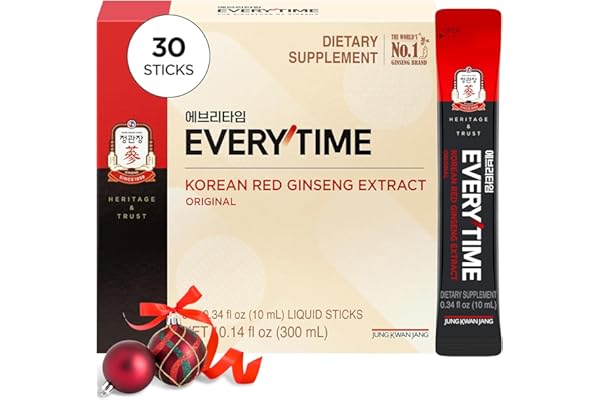
JUNG KWAN JANG Everytime Korean Red Ginseng Extract Stick 3,000mg Original – Adaptogen Energy Drink Liquid Stick Supplements – Energy Boost & Immune Support, Caffeine Free (30 Sticks)
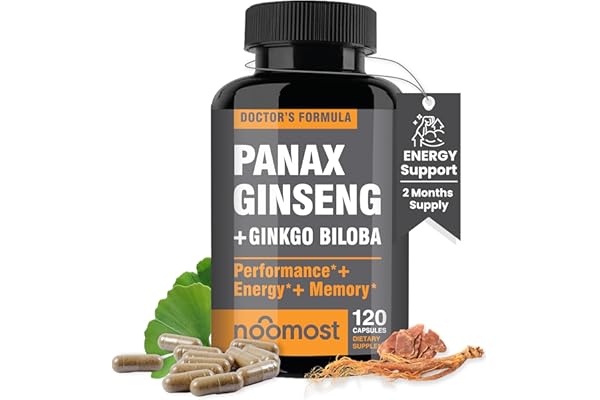
NooMost Authentic Korean Red Panax Ginseng + Ginkgo Biloba, 120 Vegan Capsules, Ginseng Root Extract Powder 1000mg (10% Ginsenosides) + Gingko Biloba 60mg, Energy and Focus Pills for Men and Women
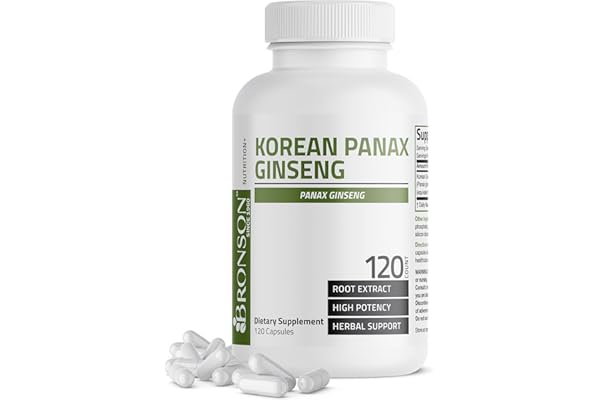
Bronson Korean Panax Ginseng Supports Energy, Endurance & Vitality + Memory and Mental Performance, 120 Capsules
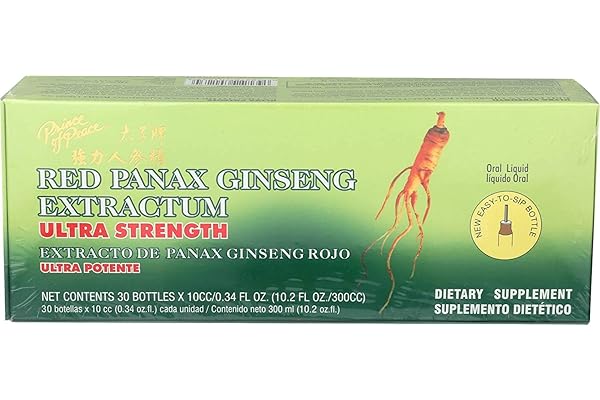
Prince of Peace Red Panax Ginseng Extractum Ultra Strength, 0.34 Fl Oz (Pack of 30)
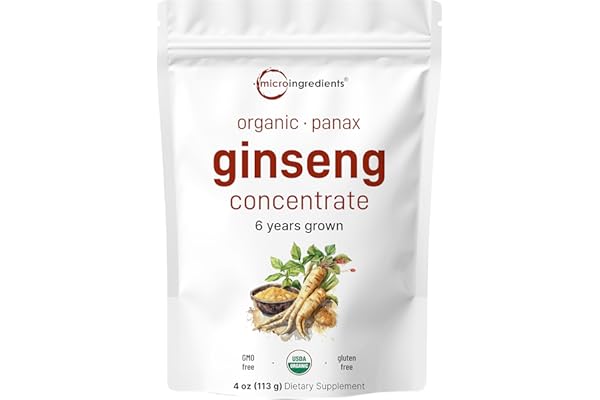
Micro Ingredients Maximum Strength Organic Korean Ginseng Root 200:1 Powder, 4 Ounce, Red Panax Ginseng Powder, Active Ginsenosides, Vegan Friendly
Read more…