


Benefits of Garlic? Health, Nutrition, and Uses
Garlic has been used for thousands of years as both food and medicine. People around the world add it to their cooking for flavor, but this small plant does much more than make food taste better.
Garlic offers proven health benefits including lower blood pressure, improved cholesterol levels, stronger immune function, and protection against common illnesses like colds and flu.
The power of garlic comes from sulfur compounds that form when someone chops, crushes, or chews a fresh clove. The most well-known compound is allicin, which creates many of garlic’s health-promoting effects. These compounds travel through the body and work in different ways to support overall health.
Modern science now backs up what ancient healers knew about garlic. Studies show it can help with heart health, blood sugar control, and fighting inflammation. Whether someone eats it raw, cooked, or takes it as a supplement, garlic provides important nutrients like vitamin C, vitamin B6, and manganese while delivering powerful health benefits.
Key Takeaways
- Garlic contains sulfur compounds that help lower blood pressure and cholesterol levels for better heart health
- Regular garlic consumption strengthens the immune system and helps prevent and reduce the severity of common colds
- Garlic offers anti-inflammatory and antioxidant properties that may protect against chronic diseases and support healthy aging
Nutritional Profile of Garlic
Garlic provides a range of nutrients and bioactive compounds despite being consumed in small amounts. A single clove contains minimal calories but delivers important vitamins, minerals, and sulfur compounds that contribute to its health properties.
Key Nutrients and Compounds
The most important component in garlic (Allium sativum) is allicin, a sulfur-containing compound that forms when garlic is crushed or chopped. This compound gives garlic its distinctive smell and accounts for many of its biological effects.
Beyond allicin, garlic contains organic sulfides, saponins, phenolic compounds, and polysaccharides. These bioactive substances work together to provide antioxidant and anti-inflammatory properties. The phenolic compounds in garlic act as potent antioxidants that help protect cells from damage.
Manganese stands out as one of the more abundant minerals in garlic. Selenium, another trace mineral present in garlic, supports immune function and thyroid health.
Calories and Macronutrients
A single 3-gram clove of raw garlic contains only 4.5 calories. This makes garlic an excellent flavor enhancer for people watching their calorie intake.
The calorie content comes primarily from carbohydrates. Each clove provides about 1 gram of carbs, with 0.1 grams of fiber and no sugar. Garlic contains essentially no fat and provides only 0.2 grams of protein per clove.
The sodium content is minimal at 0.5mg per clove. This low-calorie, low-sodium profile makes garlic useful for adding flavor without contributing significant amounts to daily macronutrient totals.
Vitamins and Minerals in Garlic
Each clove of garlic contains small amounts of vitamin C, providing about 0.9mg. Vitamin C supports immune function and acts as an antioxidant in the body.
The mineral content includes zinc (0.04mcg), calcium, iron, potassium, magnesium, vitamin E, vitamin K, and manganese. While individual cloves don’t provide large amounts of these nutrients, regular consumption adds up throughout the day.
Vitamin B6 appears in garlic and plays a role in metabolism and brain function. The combination of these vitamins and minerals, though present in small quantities per clove, contributes to the overall nutrition profile of a diet that includes garlic regularly.
How Garlic Benefits Heart Health
Garlic helps protect the heart by lowering blood pressure in people with hypertension and reducing LDL cholesterol levels. These effects come from sulfur compounds that form when garlic is crushed or chopped.
Reducing Blood Pressure
Research shows that garlic supplements can reduce blood pressure in people with high blood pressure. A 2020 review found that this reduction linked to a 16% to 40% lower risk of heart disease and stroke.
The allicin in garlic works by limiting production of angiotensin II, a hormone that raises blood pressure. It also helps blood vessels relax, which allows blood to flow more easily. This creates better circulation throughout the body.
Studies found that garlic’s effects were similar to some blood pressure medications but with fewer side effects. Taking garlic for at least two months produces the best results for people with hypertension.
Improving Cholesterol Levels
Garlic can lower total cholesterol and LDL cholesterol, the type that builds up in blood vessels. Research from 2016 indicates that taking garlic supplements for more than two months could reduce LDL by up to 10% in people with slightly raised cholesterol levels.
The sulfur compounds in garlic, including diallyl sulfide and ajoene, help the body process cholesterol differently. These compounds reduce how much low-density lipoprotein the liver produces.
Garlic does not appear to lower triglycerides or raise HDL (good) cholesterol. People with very high cholesterol should still take prescribed medications and talk to their doctor before adding garlic supplements.
Garlic’s Role in Immune Function
Garlic contains compounds that activate specific immune cells and protect the body from harmful invaders. These compounds also combat oxidative damage that can weaken the body’s natural defenses.
Antioxidants and Oxidative Stress
Garlic provides antioxidant properties through organosulfur compounds that help neutralize free radicals in the body. These free radicals cause oxidative stress, which damages cells and weakens immune function over time.
The sulfur-containing compounds in garlic, particularly allicin and S-allyl cysteine, work to reduce oxidative damage at the cellular level. This protection helps maintain healthy immune cells that can respond effectively to threats.
Studies show that aged garlic extract acts as a scavenger of reactive oxygen species, preventing the buildup of harmful molecules. When oxidative stress decreases, immune cells like lymphocytes and macrophages function more efficiently. The body can then mount a stronger immune response when needed.
Garlic demonstrates antimicrobial properties against various bacteria and parasites through its active compounds. Allicin, the compound formed when garlic is crushed or chopped, shows particularly strong effects against harmful microorganisms.
The antimicrobial action works by disrupting the cellular processes of bacteria and other pathogens. This helps prevent infections before they can establish themselves in the body.
Research indicates garlic also possesses antiviral properties that may help the body fight viral infections. The compounds in garlic can enhance the activity of natural killer cells, which identify and destroy virus-infected cells. Garlic preparations have shown the ability to stimulate macrophages and lymphocytes, two key cell types in the immune response. This stimulation helps the body recognize and eliminate pathogens more effectively.
Impact on Blood Sugar and Diabetes
Garlic contains sulfur compounds that can help lower blood glucose levels and enhance how the body responds to insulin. Studies show these effects appear within weeks of regular consumption.
Regulating Blood Sugar
Research shows that garlic helps regulate blood sugar levels in people with type 2 diabetes. Studies involving garlic supplements found significant reductions in fasting blood glucose within 1-2 weeks when participants took 0.05-1.5g daily.
The benefits extend beyond short-term effects. A1C levels, which measure average blood sugar over three months, dropped significantly by week 12 in people taking garlic supplements. This indicates sustained improvements in glucose metabolism.
People who consume at least one clove of garlic daily tend to see better blood sugar control. The active compound allicin plays a key role in these effects. Raw garlic provides the most potent benefits, though cooked garlic still offers positive results.
It’s important to note that garlic can interact with diabetes medications. The combination may lower blood sugar too much, leading to hypoglycemia. People taking insulin or oral diabetes drugs should consult their doctor before increasing garlic intake.
Improving Insulin Sensitivity
Garlic improves insulin sensitivity, which helps cells absorb glucose more effectively. This means the body needs less insulin to move sugar from the bloodstream into cells. Better insulin sensitivity reduces insulin resistance, a major problem in type 2 diabetes.
The sulfur compounds in garlic support this process by affecting how cells respond to insulin signals. Studies demonstrate that regular garlic consumption leads to measurable improvements in how efficiently the body uses insulin.
Beyond blood sugar effects, garlic also improves cholesterol levels in people with diabetes. It reduces LDL cholesterol while increasing HDL cholesterol. This combination helps protect against heart disease, which is a common concern for people managing diabetes.
Digestive and Gut Health Benefits
Garlic supports digestive wellness through its prebiotic compounds that feed beneficial gut bacteria. However, some people may experience temporary digestive discomfort when consuming it.
Prebiotic Effects and Healthy Bacteria
Garlic contains natural prebiotics, specifically fructans, which serve as food for beneficial bacteria in the gut. These compounds pass through the digestive system undigested until they reach the colon, where they nourish helpful microbes.
The prebiotic properties of garlic help support a balanced gut microbiome. A diverse population of healthy bacteria is essential for proper digestion and nutrient absorption. When garlic is crushed or chopped, it produces allicin, a sulfur compound with antimicrobial effects that can help combat harmful bacteria while promoting the growth of beneficial strains.
Research shows that regular garlic consumption may increase microbial diversity in the gut. This diversity is linked to improved immune function and better gut health. The antimicrobial and anti-inflammatory properties work together to support the gut lining and maintain digestive balance.
Potential Digestive Issues
Garlic is classified as a high-FODMAP food, which can trigger digestive issues in some individuals. People with irritable bowel syndrome (IBS) may experience bloating, gas, or diarrhea after eating garlic.
The same fructans that act as prebiotics can cause discomfort in those with sensitive digestive systems. Some individuals report bloating or gas after consuming garlic, particularly when eaten raw or in large amounts. These symptoms occur because the body cannot fully break down these fermentable carbohydrates.
Starting with small amounts helps determine individual tolerance levels. Cooked garlic may be easier to digest than raw garlic for those with sensitivities. Anyone experiencing persistent digestive discomfort should consult a healthcare professional to rule out allergies or underlying conditions.
Garlic’s Effects on Inflammation and Chronic Disease
Garlic contains compounds that help reduce inflammation in the body and may lower the risk of several serious diseases. These effects come from specific sulfur-based compounds that fight oxidative stress and support immune function.
Anti-Inflammatory Properties
Garlic’s anti-inflammatory effects stem from organosulfur compounds like allicin and diallyl disulfide. These compounds help neutralize reactive oxygen species that cause tissue damage and chronic inflammation throughout the body.
Research shows garlic may help manage conditions linked to inflammation. Studies suggest it could benefit people with arthritis by reducing inflammatory markers. The plant’s compounds also show promise for brain health, as inflammation increases the risk of Alzheimer’s disease and other neurological conditions.
Aged garlic extract contains S-allylcysteine, which demonstrates particularly strong antioxidant and anti-inflammatory properties. This form of garlic converts harsh compounds into stable ones during a controlled aging process. The extract helps regulate immune responses and supports the body’s natural defense systems without the digestive irritation that raw garlic can cause.
Association with Cancer Risk
Garlic’s anticancer properties have been documented across multiple types of cancer. Research indicates that garlic consumption may reduce the risk of colorectal, stomach, lung, esophagus, breast, and bladder cancers.
The plant works through several mechanisms to fight cancer development. Its compounds can alter enzymes that process carcinogens, stop cancer cell growth, and trigger cell death in tumors. S-allylmercaptocysteine from aged garlic extract removes harmful free radicals and regulates genes that control cell death.
Studies show garlic compounds can make cancer cells less resistant to treatment. They do this by adjusting specific proteins that control tumor growth and spread. Ancient healers used garlic externally on tumors, and modern science has validated these traditional applications through controlled research.
Other Health Benefits and Practical Uses
Garlic offers benefits beyond heart and immune health, including support for bone strength and potential effects on weight management. The herb can be consumed in multiple forms to suit different preferences and cooking styles.
Bone Health and Osteoporosis
Research suggests that garlic may help protect bone health, particularly in women after menopause when estrogen levels drop. Garlic can reduce oxidative stress that contributes to osteoporosis, a condition where bones become weak and brittle.
A 2017 clinical trial found that women who took garlic tablets equal to about 2 grams of fresh garlic daily showed reduced markers of bone deterioration. Another study from 2018 showed that taking 1 gram of garlic supplements per day for 12 weeks helped reduce pain in women with knee osteoarthritis who were overweight or obese.
The sulfur compounds in garlic appear to work by fighting the cellular damage that weakens bones over time. While these findings are promising, more research is needed to understand exactly how much garlic is needed and how long people should take it for bone benefits.
Weight Management and Metabolism
Garlic may play a supporting role in weight management, though it is not a magic solution for weight loss. Some studies suggest that garlic consumption can influence metabolism and fat storage in the body.
The compounds in garlic may help regulate enzymes involved in fat synthesis. Aged garlic extract has been studied for its potential to reduce body weight and fat mass in people who are overweight. However, the effects are modest and work best when combined with a healthy diet and regular exercise.
Raw garlic tends to have stronger metabolic effects compared to cooked garlic because heat can break down some of the active compounds. People interested in weight management should view garlic as one part of a broader healthy lifestyle rather than a standalone solution.
Forms and Ways to Eat Garlic
Garlic comes in several forms that fit different dietary needs and preferences. Fresh garlic cloves are the most common form and can be used raw or cooked in countless dishes. A single clove of garlic contains about 4.5 calories and provides manganese, vitamin B6, and vitamin C.
Common forms include:
- Raw garlic – Offers the most potent health benefits but may cause digestive discomfort in some people
- Cooked garlic – Milder in flavor and easier on the stomach, though some compounds are lost during heating
- Aged garlic extract – A supplement form that has been shown to boost immune function
- Garlic supplements – Available as pills or capsules for consistent dosing
- Garlic oil – Used in cooking or as a supplement
- Garlic powder – A convenient dried form for seasoning
To preserve the beneficial compound allicin, crush or chop fresh garlic cloves and let them sit for 10 minutes before cooking. This allows the compound to fully form before heat breaks it down. Mixing pressed garlic with olive oil and salt creates a simple salad dressing.
People who experience bad breath after eating garlic can chew parsley or drink milk to reduce the odor. Those with allergies to garlic or related plants like leeks should avoid garlic consumption. Anyone taking blood thinners should talk with a doctor before significantly increasing their garlic intake.
Frequently Asked Questions
Garlic’s impact on health spans from supporting heart function and managing blood pressure to strengthening immune defenses and influencing cholesterol profiles. Research also examines its anti-inflammatory properties and potential role in reducing cancer risk.
How does garlic contribute to cardiovascular health?
Garlic supports cardiovascular health through multiple mechanisms that target major risk factors for heart disease. The sulfur compounds in garlic, particularly allicin, help improve blood pressure in people with hypertension and reduce cholesterol levels.
Research shows that these effects can lower the risk of cardiovascular events by 16% to 40%. The compound allicin may limit the production of angiotensin II, a hormone that increases blood pressure, while also helping blood vessels relax for better blood flow.
Garlic supplements have demonstrated effects similar to some blood pressure medications but with fewer side effects. This makes garlic a valuable addition to a heart-healthy diet for those concerned about cardiovascular disease.
Can garlic intake help in reducing blood pressure?
Garlic intake can effectively reduce blood pressure in people who have hypertension. A 2020 review of studies found that garlic supplements reduce blood pressure in those with elevated readings.
The active compounds in garlic work by relaxing blood vessels and allowing blood to flow more easily throughout the body. Allicin may also prevent the production of substances that cause blood vessels to tighten and blood pressure to rise.
Some studies suggest taking garlic supplements for more than 2 months produces the most noticeable effects. The dosage used in research typically ranges from about 2 grams of fresh garlic equivalent per day.
What are the potential benefits of garlic for the immune system?
Garlic strengthens the immune system by helping the body fight off infections and illnesses. Research from 2016 shows that aged garlic extract can boost immune function during cold and flu season.
People who took aged garlic extract supplements for 3 months experienced less severe cold and flu symptoms. They also missed fewer days of school or work compared to those who didn’t take garlic supplements.
The compounds in garlic may have antiviral properties that prevent viruses from entering cells or replicating once inside. This dual action helps the body mount a stronger defense against common infections.
How might garlic consumption affect cholesterol levels?
Garlic consumption can lower total cholesterol and LDL cholesterol, which doctors often call “bad” cholesterol. A 2018 research review suggests that garlic can reduce these harmful cholesterol types in people with elevated levels.
Taking garlic supplements for more than 2 months may reduce LDL cholesterol by up to 10%. This effect appears strongest in people with slightly raised cholesterol levels rather than severely high readings.
Garlic does not seem to affect HDL cholesterol, the “good” type, or triglycerides. The cholesterol-lowering effects come from the same sulfur compounds that provide other health benefits.
Are there any anti-inflammatory effects associated with garlic?
Garlic contains compounds that provide anti-inflammatory effects throughout the body. The antioxidants in garlic help protect cells from damage caused by oxidative stress, which drives inflammation.
A 2017 clinical trial showed that garlic tablets equal to about 2 grams of fresh garlic per day can reduce oxidative stress that leads to osteoporosis. Another study found that garlic supplements helped reduce pain in women with knee osteoarthritis.
The anti-inflammatory properties may also contribute to garlic’s protective effects against cognitive decline and dementia. These compounds work by neutralizing harmful molecules before they can damage cells and tissues.
What role does garlic play in cancer prevention or risk reduction?
Garlic’s potential role in cancer prevention stems from its antioxidant compounds and ability to protect cells from damage. The sulfur compounds in garlic have been studied for their effects on reducing cancer risk factors.
While animal studies show promising results, human research on garlic and cancer prevention remains limited. Scientists need more large-scale studies to understand exactly how garlic might help reduce cancer risk in people.
The antioxidants in garlic protect against the type of cell damage that can lead to cancer development. However, garlic should not replace conventional cancer prevention strategies or treatments recommended by healthcare providers.
Top Garlic Products
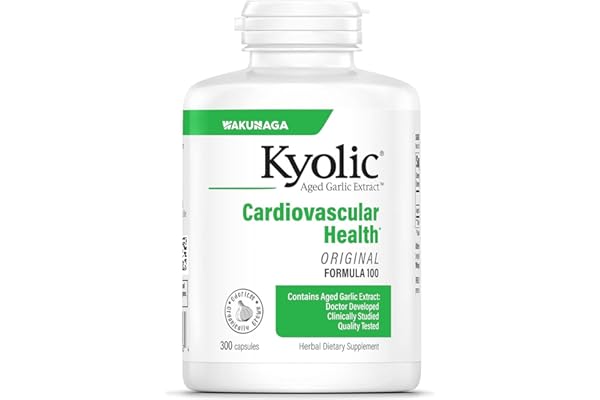
Kyolic Aged Garlic Extract Formula 100, Cardiovascular Health*, 300 Capsules.
Visit
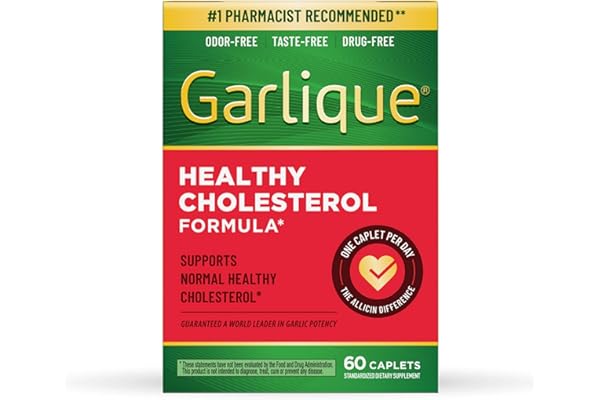
Garlique Garlic Extract Supplement, Healthy Cholesterol Formula, Odorless & Vegan, 60 Caplets
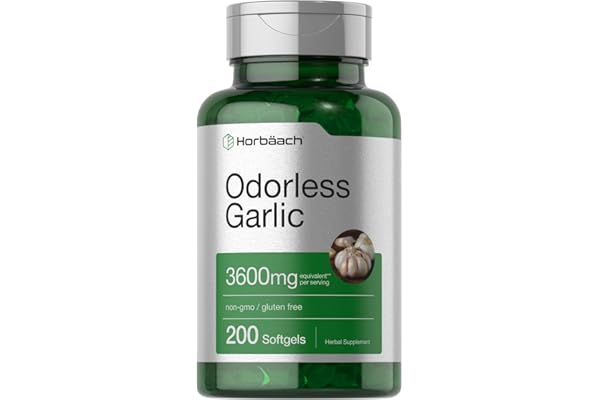
Horbäach Odorless Garlic Softgels 3600 mg | 200 Count | Ultra Potent Garlic Extract | Non-GMO & Gluten Free Supplement
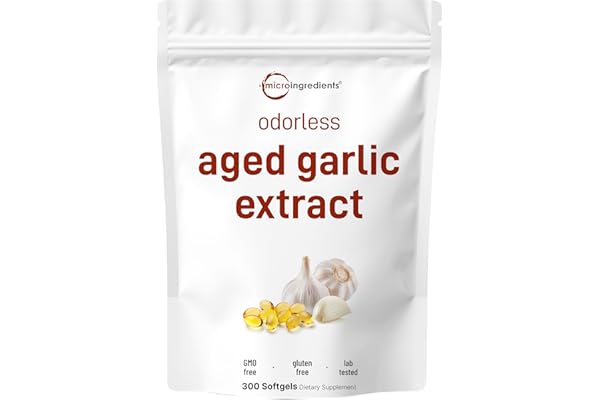
Micro Ingredients Odorless Garlic, 300 Softgels – 2 Years Aged Garlic Extract, Grown Allium Sativum Bulb – Potent Antioxidant Supplement
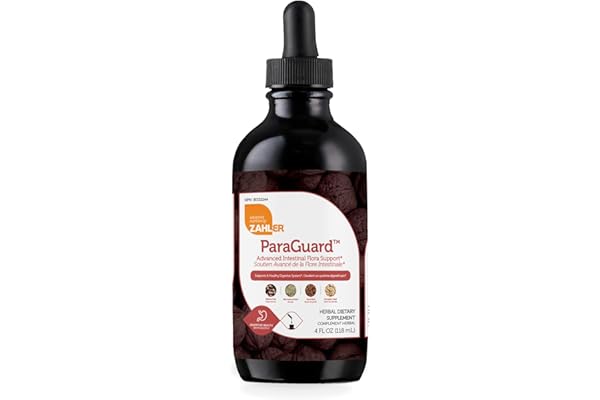
Zahler – ParaGuard Liquid Drops – Gut Health Supplement – Formula has Wormwood, Garlic Bulb, Pumpkin Seed, Clove & More – Natural Support for Humans – Certified Kosher (4 oz., Drop)
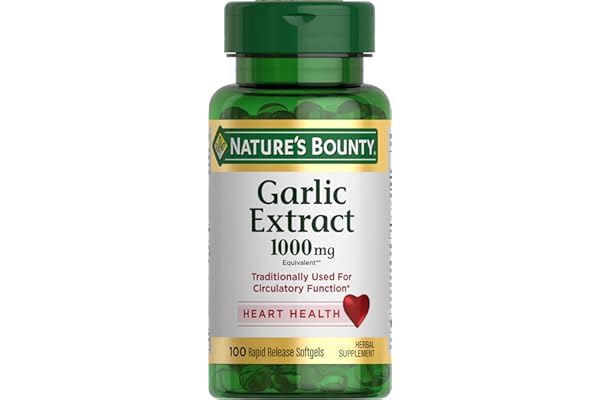
Nature’s Bounty Garlic Extract, Herbal Supplement, Supports Circulatory Function, 1000mg, 100 Rapid Release Softgels