


Benefits of Echinacea: Evidence, Uses & Effects
Echinacea is a flowering plant native to North America that has been used for centuries as a natural remedy.
The primary benefits of echinacea include supporting immune system function, reducing inflammation, providing antioxidant protection, and potentially helping with skin health and wound healing.
This herbal supplement, also known as purple coneflower, contains active compounds like alkamides, caffeic acid, and rosmarinic acid that work together to produce these effects.
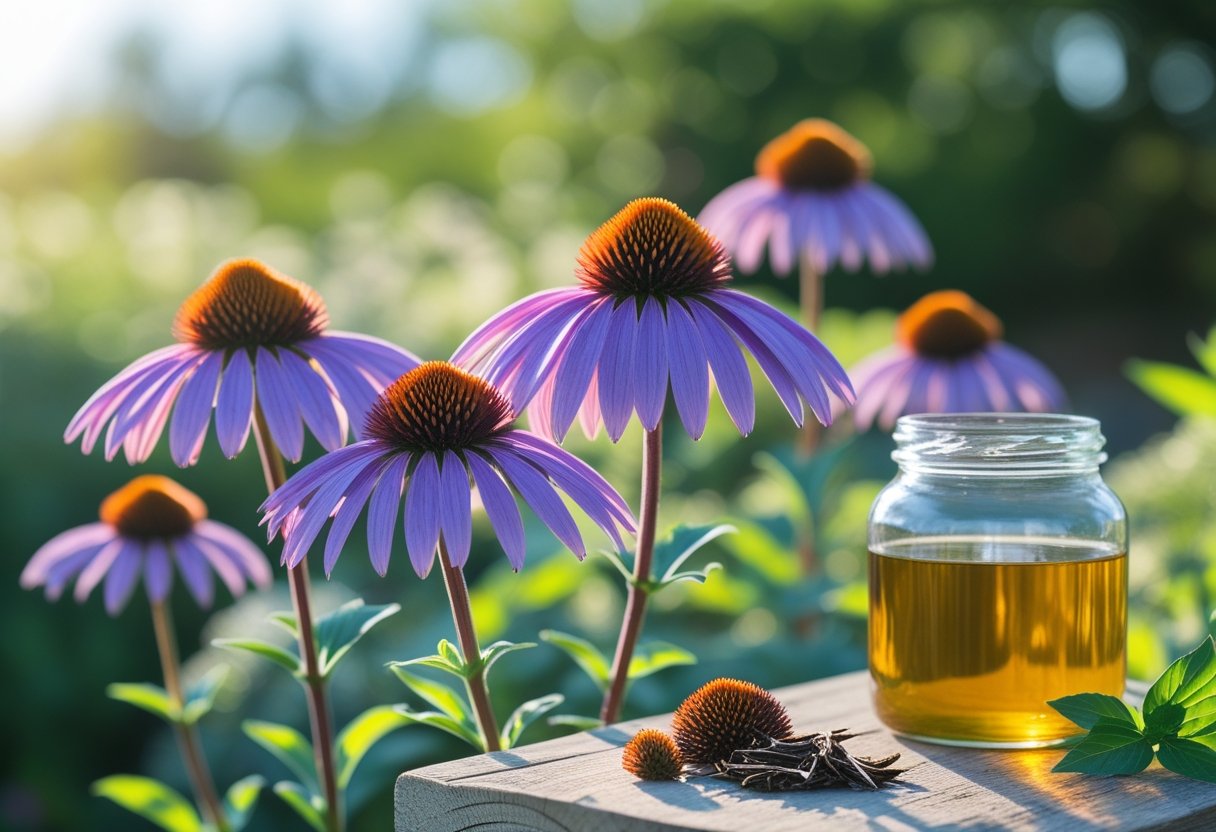
People often turn to this herbal medicine when they feel a cold coming on or want to strengthen their body’s natural defenses. While echinacea’s effects on the common cold remain unclear, research shows it may offer other valuable health benefits. The plant comes in several forms including teas, capsules, tinctures, and extracts made from different parts of the plant.
Understanding what echinacea can and cannot do helps people make informed decisions about using it. This guide covers the science-backed benefits, proper dosing, safety considerations, and the best ways to take this popular herbal supplement.
Key Takeaways
- Echinacea supports immune function and contains powerful antioxidants that help protect cells from damage
- This herbal medicine may reduce inflammation and help improve certain skin conditions
- Echinacea comes in multiple forms with varying dosages and is generally safe for short-term use
Overview of Echinacea and Its Key Species

Echinacea is a group of flowering plants from the daisy family that contains nine species, though only a few are commonly used for health purposes. Native Americans used echinacea for centuries to treat various health problems, and today it remains one of the most popular herbal supplements worldwide.
History and Traditional Uses
Native American tribes, particularly in the Great Plains region, were the first to discover the medicinal properties of echinacea. They used the plant to treat wounds, burns, insect bites, and snake bites. The herb also served as a remedy for infections, toothaches, and sore throats.
European settlers learned about echinacea from Native Americans in the 1800s. By the early 1900s, it became one of the most widely used medicinal plants in the United States. Doctors prescribed it for infections and various illnesses before antibiotics became available.
The plant’s popularity declined after antibiotics were introduced. However, interest in echinacea grew again in Germany during the 1920s, where researchers began studying its effects on the immune system.
Main Species: Echinacea Purpurea and Echinacea Angustifolia
While nine species of echinacea exist, only Echinacea purpurea and Echinacea angustifolia are commonly used in supplements. A third species, Echinacea pallida, appears in some products but less frequently.
Echinacea purpurea, known as purple coneflower, is considered the most potent species. It grows throughout North America and features large purple petals with a distinctive cone-shaped center. Most commercial echinacea products use this species because it’s easier to grow and contains higher levels of active compounds.
Echinacea angustifolia has narrower leaves and petals than purple coneflower. It contains different concentrations of beneficial compounds, which may affect how it works in the body. Some herbalists prefer this species for specific applications, though research on the differences between species remains limited.
Plant Parts Used and Nutritional Profile
Both the upper parts and roots of echinacea plants are used in various forms, including tablets, tinctures, extracts, and teas. Different parts of the plant contain varying amounts of active compounds.
The key active compounds in echinacea include:
- Alkamides – enhance antioxidant activity
- Polysaccharides – support immune function
- Caffeic acid – provides antioxidant benefits
- Phenolic acids – reduce inflammation
- Rosmarinic acid – offers antioxidant properties
The flowers and roots contain higher concentrations of antioxidants compared to the leaves. Extracts from these parts show the most potent effects in studies. The specific compounds and their amounts vary between species and even between different plants of the same species, depending on growing conditions and harvesting methods.
Immune System Benefits of Echinacea

Echinacea works through multiple pathways to strengthen the body’s defenses against illness. The herb activates specific immune cells, helps the body respond to viral threats more effectively, and provides support during times when colds and flu are most common.
Mechanisms That Support Immune Function
Echinacea contains compounds that directly activate the immune system’s defensive capabilities. The herb stimulates white blood cells, including macrophages and natural killer cells, which act as the body’s first line of defense against infections. These immune cells become more active when exposed to echinacea’s active ingredients.
One species called Echinacea purpurea contains alkylamides that help stimulate the immune system and provide anti-inflammatory effects. The herb also reduces oxidative stress, which can weaken immune function over time.
Research shows that echinacea affects immune health by increasing the production of cytokines. These proteins help coordinate the immune response when the body encounters viruses or bacteria.
Reducing the Duration and Severity of the Common Cold
Studies indicate that echinacea can shorten how long people experience cold symptoms. The herb doesn’t necessarily prevent every cold, but it may make symptoms less intense when illness does occur.
Taking echinacea at the first sign of a cold appears most effective. People who use the herb early often report fewer days of congestion, sore throat, and fatigue. The active compounds work to support the body’s natural healing processes.
Clinical trials have produced mixed results about echinacea’s effectiveness. Some studies show clear benefits for reducing cold duration, while others find minimal effects. The variation may depend on factors like the specific echinacea species used, dosage amounts, and how early treatment begins.
Echinacea’s Role During Cold and Flu Season
Cold and flu season brings increased exposure to respiratory viruses. Many people turn to echinacea as a natural remedy for colds, flu, and other respiratory infections during these high-risk months.
The herb provides immune support when the body faces frequent viral challenges. Taking echinacea preventively during peak illness months may help some individuals stay healthier. Others prefer to keep the herb on hand to start using at the first sign of symptoms.
Echinacea works best as part of a broader approach to immune health. Good sleep, proper nutrition, and regular hand washing remain essential practices during cold and flu season.
Impact on Respiratory Health and Infections
Echinacea shows particular promise for supporting respiratory health. The herb helps eliminate bacterial and viral infections, reduce inflammation, and speed up recovery time for conditions affecting the airways.
People with bronchitis, sinusitis, and other respiratory infections may benefit from echinacea’s anti-inflammatory properties. The herb reduces swelling in the airways, making breathing easier during illness.
The active compounds in echinacea create an environment less favorable for viral and bacterial growth in the respiratory system. This makes it harder for infections to establish themselves and spread throughout the airways. Native Americans historically used echinacea to treat various ailments, including respiratory complaints, long before modern research confirmed its benefits.
Anti-Inflammatory and Antioxidant Effects
Echinacea contains specific compounds that work to reduce inflammation in the body and protect cells from damage. These properties stem from active ingredients like caffeic acid derivatives, alkamides, and polysaccharides found throughout the plant.
Echinacea as an Anti-Inflammatory Agent
The plant contains alkamides that have immunomodulatory and anti-inflammatory properties. These compounds help the body respond to bacterial infections that cause common symptoms like sore throat, cough, and swelling in the respiratory system.
Research on commercial echinacea extracts showed meaningful results in reducing inflammation. One study found that certain extracts decreased swelling by 40% within two days, performing similarly to indomethacin, a standard anti-inflammatory medication.
The anti-inflammatory benefits may help people with acne and other skin conditions. However, those who regularly take anti-inflammatory medications like acetaminophen or ibuprofen should use caution when adding echinacea supplements to their routine.
Antioxidant Properties and Cellular Protection
Echinacea provides antioxidant benefits through caffeic acid derivatives such as echinacoside and cichoric acid. These compounds protect cells from oxidative stress and damage caused by free radicals.
The antioxidants in echinacea work alongside its anti-inflammatory effects to combat chronic inflammation. Studies measuring antioxidant capacity using DPPH and ABTS methods found that extracts with higher phenol content showed stronger protective effects.
These antioxidant properties benefit skin health by reducing inflammation and preventing acne breakouts. The compounds may also support healthy aging by protecting cells from ongoing damage. The combination of antioxidants and other active ingredients gives echinacea its protective cellular effects.
Benefits for Skin and Wound Healing
Echinacea contains compounds that help reduce inflammation and fight bacteria on the skin. The plant also speeds up the healing process for minor wounds and may ease symptoms of common skin conditions.
Addressing Skin Conditions: Eczema, Acne, and Psoriasis
Echinacea’s anti-inflammatory properties make it useful for managing various skin conditions. The plant contains antioxidants that protect skin cells from damage and help calm irritated skin.
For acne, echinacea fights acne-causing bacteria while reducing redness and swelling. The antimicrobial effects help prevent breakouts and may reduce the severity of existing blemishes.
People with eczema may find relief through echinacea’s ability to soothe inflammation and reduce itching. The plant’s compounds help strengthen the skin’s natural barrier function.
For psoriasis patients, echinacea may help manage flare-ups by calming the immune response that triggers skin cell overgrowth. While research continues, some users report decreased scaling and redness when using echinacea products topically.
The plant also addresses post-inflammatory hyperpigmentation by calming irritation that can lead to dark spots after skin injuries or breakouts.
Promoting Skin Health and Wound Recovery
Echinacea supports wound healing through multiple mechanisms. Its antimicrobial properties prevent infections in minor cuts and scrapes, while anti-inflammatory compounds reduce swelling around injured tissue.
Research shows that echinacea preparations can speed up wound healing by producing antimicrobial and aseptic effects when applied topically. Studies demonstrate that echinacea extracts promote scratch closure in skin cells, even at low concentrations.
The plant helps wounds close faster and may reduce scarring risk. Echinacea purpurea has been traditionally used for treating small superficial wounds and minor skin injuries.
For burns, echinacea can provide antimicrobial protection while supporting tissue repair. The plant’s ability to boost local immune function helps the body’s natural healing process work more efficiently.
Echinacea contains compounds that work against multiple types of harmful organisms. These properties help the body defend against bacteria, viruses, and fungi through different mechanisms.
Fighting Bacterial Infections
Echinacea shows antibacterial activity against several common bacterial strains. The plant contains caffeic acid derivatives, alkylamides, and polysaccharides that interfere with bacterial growth and reproduction.
Research indicates these compounds can help fight certain bacterial infections naturally. The alkylamides in echinacea roots demonstrate the ability to enhance the effectiveness of some antibiotics when used together.
Key antibacterial compounds include:
- Chicoric acid
- Echinacoside
- Cynarine
- Phenolic compounds
The plant’s antibacterial effects work by disrupting bacterial cell functions. However, echinacea should not replace prescribed antibiotics for serious bacterial infections.
Echinacea possesses antiviral properties that help the body combat viral infections. The plant has been studied for its effects on respiratory viruses, including those that cause common colds and flu.
The alkylamides and polysaccharides in echinacea activate immune cells that fight viral pathogens. These compounds boost the production of natural killer cells and other immune components that target viruses.
Studies show echinacea extracts may reduce the duration and severity of cold symptoms. The plant works by preventing viruses from entering healthy cells and by supporting immune responses against viral infections.
Antifungal Support
The antifungal properties of echinacea come from specific groups of phenolic compounds and alkamides in the plant tissues. These compounds interfere with fungal cell growth and reproduction.
Echinacea’s antifungal activity targets the cell walls and membranes of fungi. The plant contains natural substances that disrupt fungal cell functions without harming human cells.
The polysaccharides in echinacea enhance macrophage activity, which helps the body fight fungal infections more effectively. This makes echinacea useful as part of a broader approach to managing minor fungal issues.
How to Take Echinacea and Forms Available
Echinacea comes in several different forms, each with its own benefits and recommended doses. The timing and method of taking this herbal supplement can affect how well it works for supporting immune health.
Popular Forms: Tea, Capsule, Tablet, and Tincture
Echinacea tea is made by steeping dried root, leaves, or flowers in hot water for about 10 minutes. Most people use 1-2 grams of dried herb per cup. This form provides a soothing option that works well for throat discomfort.
Capsules and tablets offer the most convenient way to take echinacea. They contain measured amounts of powdered or extracted plant material. These forms are easy to carry and take without any preparation needed.
Tinctures are liquid extracts made with alcohol or glycerin. They absorb quickly when placed under the tongue. Alcohol-free versions work better for people who avoid alcohol or have sensitivities.
Topical creams and powders exist as well. Creams help with skin issues while powders can be mixed into drinks or smoothies.
Recommended Dosages and Timing
The compounds that support immunity are found in the root, flowers, and leaves of the plant. Standard doses vary by form:
- Capsules/tablets: 300-500 mg three times daily
- Tinctures: 2.5 mL three times daily
- Tea: 1-2 cups per day
People should take echinacea at the first sign of cold symptoms for best results. Taking it with meals helps prevent stomach upset. Most experts recommend limiting continuous use to 8 weeks or less to avoid overstimulating the immune system.
For acute conditions like colds, a 7-10 day course works well. Children over age 2 need lower doses based on their body weight and should only take it under medical guidance.
Tips for Safe and Effective Use
Starting echinacea early matters most when fighting off illness. The herb works better when taken at the very first signs of symptoms rather than waiting until a cold is fully developed.
People should buy products from trusted brands that provide third-party testing. This ensures the product contains what the label claims. Checking for quality certifications helps avoid contaminated or weak products.
Echinacea may interact with immunosuppressant medications and drugs metabolized by the liver. Anyone taking prescription medications should talk to their doctor first.
Some people combine echinacea with elderberry, ginger, or vitamin C for added immune support. Those who are sensitive to alcohol should choose glycerin-based tinctures instead of alcohol extracts.
Other Health Benefits and Considerations
Beyond immune support and anti-inflammatory effects, echinacea offers benefits for digestive health and mental wellness. The plant contains compounds like polysaccharides that may support gut function, while certain extracts have shown promise in reducing anxiety symptoms.
Gut Health and Gastrointestinal Support
Echinacea contains polysaccharides and other bioactive compounds that may benefit the digestive system. These plant compounds can help support the gut’s natural barrier function and promote a healthy balance of intestinal bacteria.
Some research suggests that echinacea’s anti-inflammatory properties extend to the gastrointestinal tract. This may help reduce inflammation in the digestive system and support overall gut health.
However, it’s important to note that echinacea can cause minor digestive issues in some people, particularly when first starting supplementation. These side effects are typically mild and temporary.
The polysaccharide content in echinacea species, including Echinacea angustifolia, may help strengthen the intestinal lining. This protective effect could be beneficial for people dealing with various gastrointestinal issues, though more human studies are needed to confirm these benefits.
Potential for Mental Well-Being and Anxiety Relief
Echinacea has emerged as a potential natural aid for anxiety and emotional wellness. The plants contain specific compounds including alkamides, rosmarinic acid, and caffeic acid that may help reduce feelings of anxiety.
Research has shown promising results for anxiety reduction. Taking 40 mg of echinacea extract twice daily for 7 days significantly reduced anxiety compared to a placebo in one study.
Another study found that while 40 mg or 80 mg daily doses didn’t improve anxiety symptoms, they did lead to improvements in positive and negative affect and emotional wellbeing. These findings suggest echinacea may support mental health in multiple ways beyond just anxiety reduction.
The research in this area remains limited. More studies are needed before echinacea products can be recommended as a standard treatment for anxiety or other mental health concerns.
Additional Uses in Herbal Medicine
Echinacea has a long history in herbal medicine dating back centuries. Native Americans used various species, including Echinacea angustifolia, to treat wounds, infections, and other ailments.
In modern herbal medicine practices, echinacea is used to address several conditions:
- Pain relief and migraine support
- Wound healing and skin repair
- Upper respiratory tract infections
- General immune system support
The plant’s roots and upper parts are prepared in different forms including teas, tinctures, tablets, and topical creams. Each preparation method may offer different concentrations of active compounds.
Practitioners often combine echinacea with other herbs to enhance its effects. For example, supplements containing both echinacea and ginger extract have shown benefits for chronic pain and inflammation in people with osteoarthritis.
Frequently Asked Questions
People often wonder how echinacea works in the body and whether it lives up to its reputation as an immune-supporting herb. Understanding the dosing, safety concerns, and research behind this popular supplement helps individuals make informed decisions about its use.
How does Echinacea support the immune system?
Echinacea contains active compounds that interact with the body’s immune defenses. The plant includes alkamides, phenolic acids, and rosmarinic acid that may help activate immune cells.
Research suggests that echinacea may help the immune system combat infections and viruses. The compounds in the plant appear to stimulate immune cell activity, which could help the body respond more effectively to threats.
The exact mechanisms are still being studied. Scientists believe the combination of antioxidants and active compounds work together to enhance immune function rather than a single ingredient being responsible.
Can Echinacea help reduce the duration of the common cold?
The evidence on echinacea and cold duration remains mixed. One review found that echinacea could reduce the risk of developing an upper respiratory tract infection by 22%, but researchers did not find a significant effect on how long illness lasted.
Many studies on this topic have design flaws that make results hard to interpret. Some research shows no real benefit, making it unclear whether improvements come from echinacea or chance.
While echinacea may help prevent colds, its ability to shorten cold duration is not well established. People looking for cold relief should set realistic expectations about what the herb can do.
What are the potential side effects of taking Echinacea?
Echinacea is generally safe and well-tolerated for short-term use. The most common side effects include minor digestive issues and skin rashes.
Allergic reactions can occur in rare cases. Some people may experience hives, swelling, or anaphylaxis, which is a severe allergic reaction requiring immediate medical attention.
Research suggests that echinacea is also safe for long-term use, though most people take it for shorter periods. Side effects remain mild for most users when following recommended dosages.
Are there any particular groups of people who should avoid Echinacea?
People with autoimmune disorders should avoid echinacea or consult a doctor first. The herb appears to stimulate the immune system, which could worsen conditions where the immune system is already overactive.
Those taking immunosuppressive drugs should also be cautious. Echinacea might interfere with medications designed to calm immune activity.
Pregnant and breastfeeding women should speak with healthcare providers before use. People with known allergies to plants in the daisy family may have allergic reactions to echinacea as well.
How should Echinacea be taken for optimal health benefits?
The recommended dosage varies depending on the form of echinacea being used. For dry powdered extract, 300 to 500 mg of Echinacea purpurea taken three times daily has shown effectiveness in aiding immunity.
Liquid extract tinctures can be taken at 2.5 mL three times daily, or up to 10 mL daily. These recommendations are for short-term use.
Echinacea products are available in several forms including pills, teas, juices, and creams. Quality varies significantly between products, so purchasing from trusted brands is important since some products may not contain what the label states.
What scientific research has been conducted on the effectiveness of Echinacea?
Numerous studies have examined echinacea’s effects on immunity and various health conditions. Research has explored its impact on cold prevention, inflammation reduction, blood sugar control, and anxiety relief.
Test-tube studies have shown that echinacea extracts may suppress cancer cell growth and trigger cancer cell death. Animal studies suggest the antioxidants in echinacea could help improve blood sugar and insulin sensitivity.
Human research on many of these benefits remains limited. While older studies found that echinacea may help the immune system, more recent reviews note that many studies are poorly designed. Additional high-quality human trials are needed to confirm the full range of echinacea’s health effects.
Top Echinacea Products
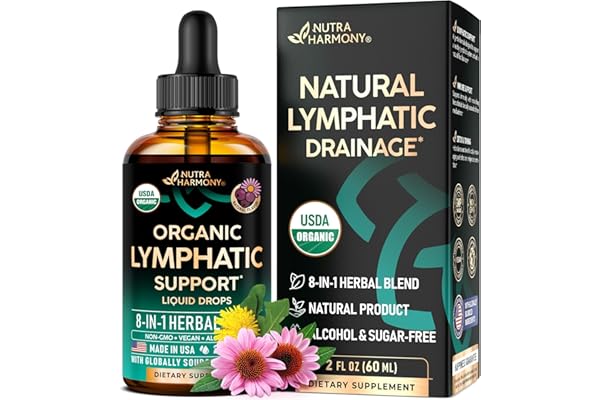
USDA Organic Lymphatic Drainage Supplement – Echinacea – Elderberry | Dandelion – Rosehip – Cleavers – Calendula – Burdock – Made in USA – Lymph System Drops – Immune Support, Cleanse & Detox, 2 fl oz
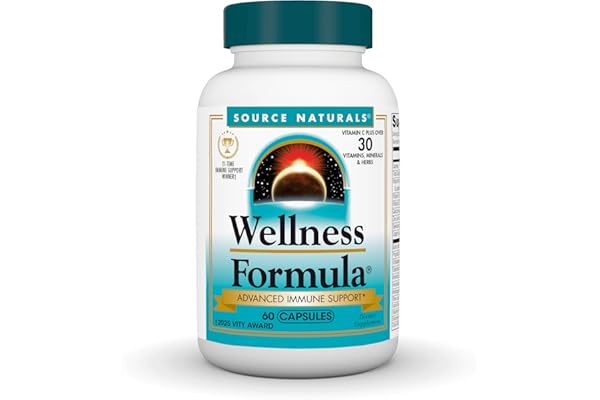
Source Naturals Wellness Formula Bio-Aligned Vitamins & Herbal Defense for Immune System Support – Dietary Supplement & Immunity Booster – 60 Capsules
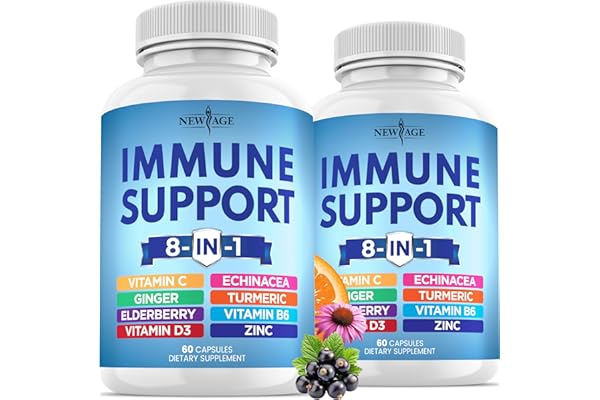
NEW AGE 8 in 1 Immune Support Booster Supplement with Echinacea, Vitamin C and Zinc 50mg, Vitamin D 5000 IU, Turmeric Curcumin & Ginger, B6, Elderberry 120 Count (Pack of 2)
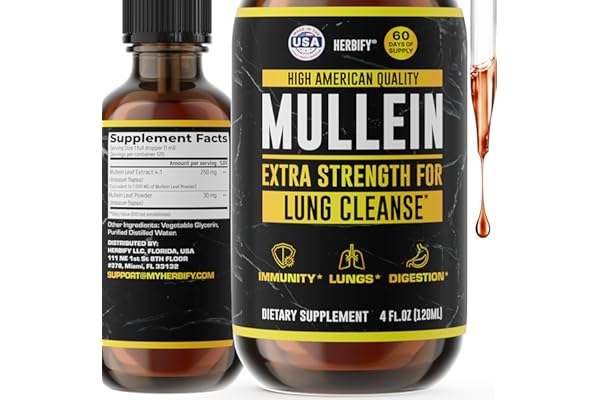
HERBIFY Mullein Drops – Lung Cleanse – Leaf Extract – Powerful Mullein for Immune Support,Detox & Respiratory Support – Made in USA – Lung Cleanse for Smokers – 4 Oz
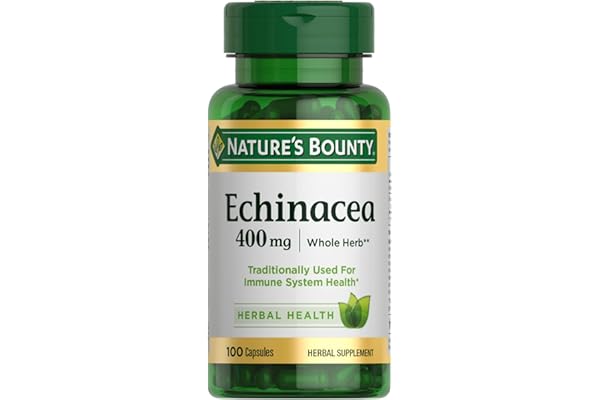
Nature’s Bounty Echinacea, Herbal Supplement, Supports Immune Health, 400mg, 100 Capsules
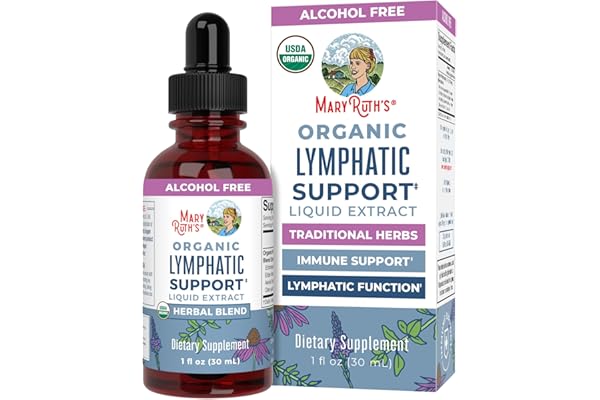
MaryRuth Organics Lymphatic Support Drops | USDA Organic Lymphatic Cleanse Immune Support Supplement| Lymphatic Support with Echinacea & Elderberry – Blue Vervain – Vegan – Non-GMO – 30 Servings