

Benefits of Valerian: A Comprehensive Guide
Valerian root has been used for centuries to help people relax and sleep better. This flowering herb grows naturally in Europe and Asia but now grows in North America too. People typically take it as a tea, capsule, or tablet to address sleep problems, anxiety, and other health concerns.
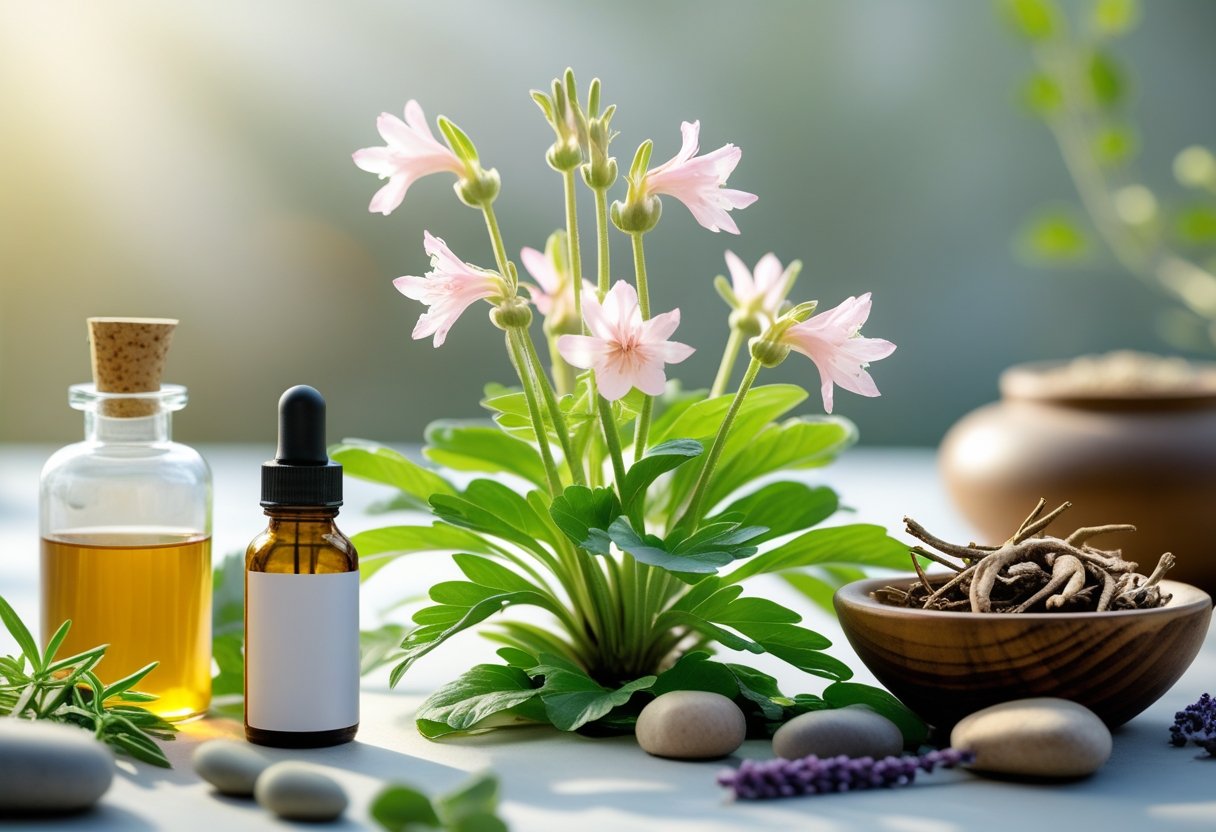
Valerian root offers several benefits including improved sleep quality, reduced anxiety, and relief from menstrual cramps and headaches. The herb contains chemical compounds that interact with receptors in the brain to produce calming effects. Research shows valerian can help people fall asleep faster and spend more time in deep sleep stages.
Understanding how valerian works and its potential benefits helps people make informed decisions about using this natural remedy. The herb affects the body differently than prescription sleep medications and may produce fewer side effects. Learning about proper dosage, safety precautions, and different forms of valerian ensures safe and effective use.
Key Takeaways
- Valerian root helps improve sleep quality and reduces the time it takes to fall asleep by interacting with brain receptors
- The herb can reduce anxiety and stress while providing relief from headaches and menstrual pain
- Valerian is available in multiple forms including teas, capsules, and tablets with typical doses ranging from 300 to 600 milligrams per day
Understanding Valerian and Its Origins
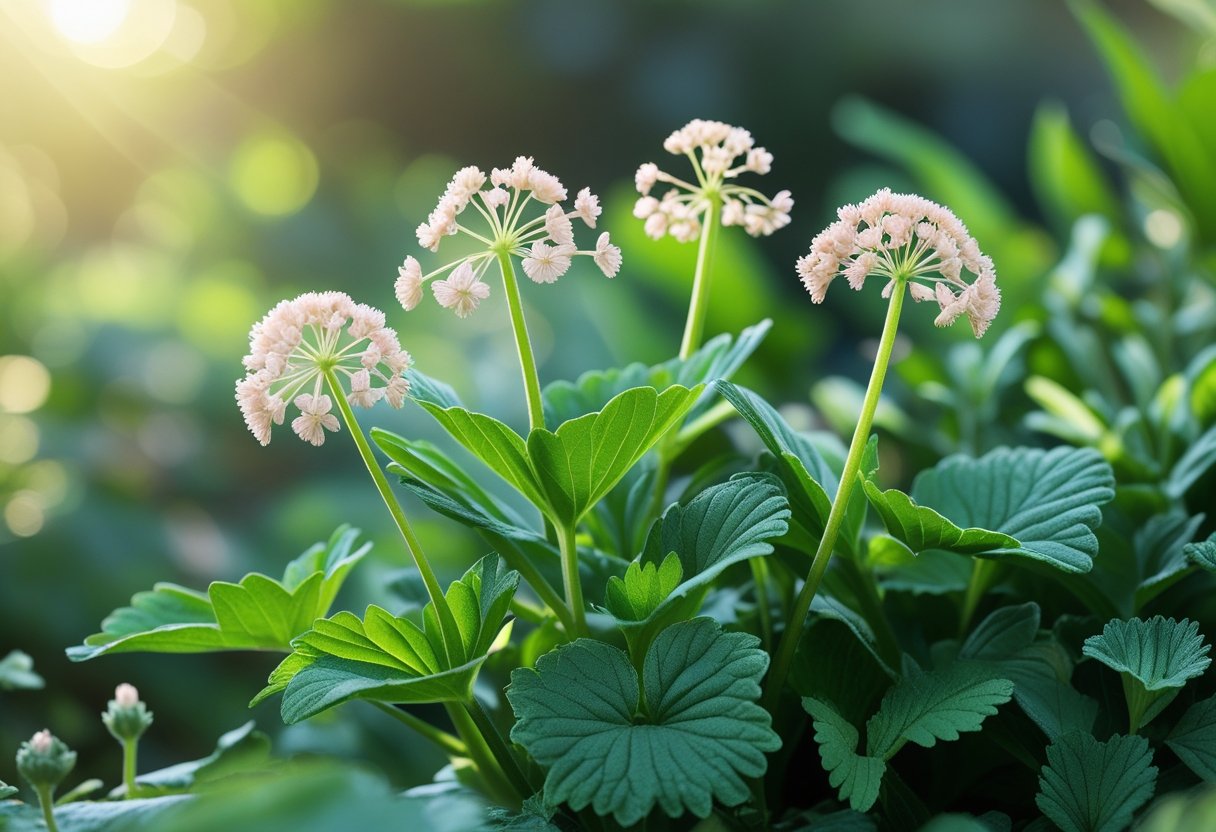
Valerian is a perennial flowering plant with roots that have served medicinal purposes for over 2,000 years. The plant belongs to the Valerianaceae family and grows naturally across Europe and Asia, though it now thrives in North America as well.
Botanical Profile of Valerian
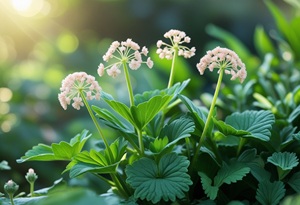
Valerian, scientifically known as Valeriana officinalis, is a hardy perennial that typically reaches heights of 3 to 5 feet when fully grown. The plant produces clusters of small pink or white flowers that bloom during summer months.
The root system contains the medicinally active compounds. These roots have a distinctive strong odor that many compare to aged cheese or dirty socks. Despite the unpleasant smell, the roots contain valuable chemical components.
Valeriana officinalis thrives in temperate climates and prefers moist, well-drained soil. The plant belongs to the Valerianaceae family, which includes approximately 200 species. The root system consists of a short rhizome with numerous smaller rootlets extending from it.
Traditional and Historical Uses
Ancient Greek and Roman physicians used valerian to treat insomnia, anxiety, and digestive problems. Hippocrates documented its therapeutic properties, while Galen prescribed it as a remedy for nervous disorders.
Medieval monasteries preserved and refined valerian preparations throughout the Middle Ages. The herb gained the name “all-heal” during this period due to its wide range of applications. European herbalists recommended it for treating headaches, trembling, and heart palpitations.
Valerian has been valued since classical antiquity as a natural aid for sleeplessness and nervous tension. The plant remained a staple in herbal medicine cabinets through the Renaissance and into modern times.
Common Names and Classifications
Garden heliotrope serves as one of the most widely recognized common names for Valeriana officinalis. This name references the plant’s cultivated garden presence and its fragrant flowers.
The name “all-heal” reflects the historical belief in valerian’s broad healing capabilities. Other regional names include setwall, vandal root, and capon’s tail.
The genus Valeriana contains approximately 200 distinct species distributed worldwide. However, Valeriana officinalis remains the primary species used for medicinal purposes. The Valerianaceae family classification places it among other flowering plants with similar characteristics.
How Valerian Works in the Body
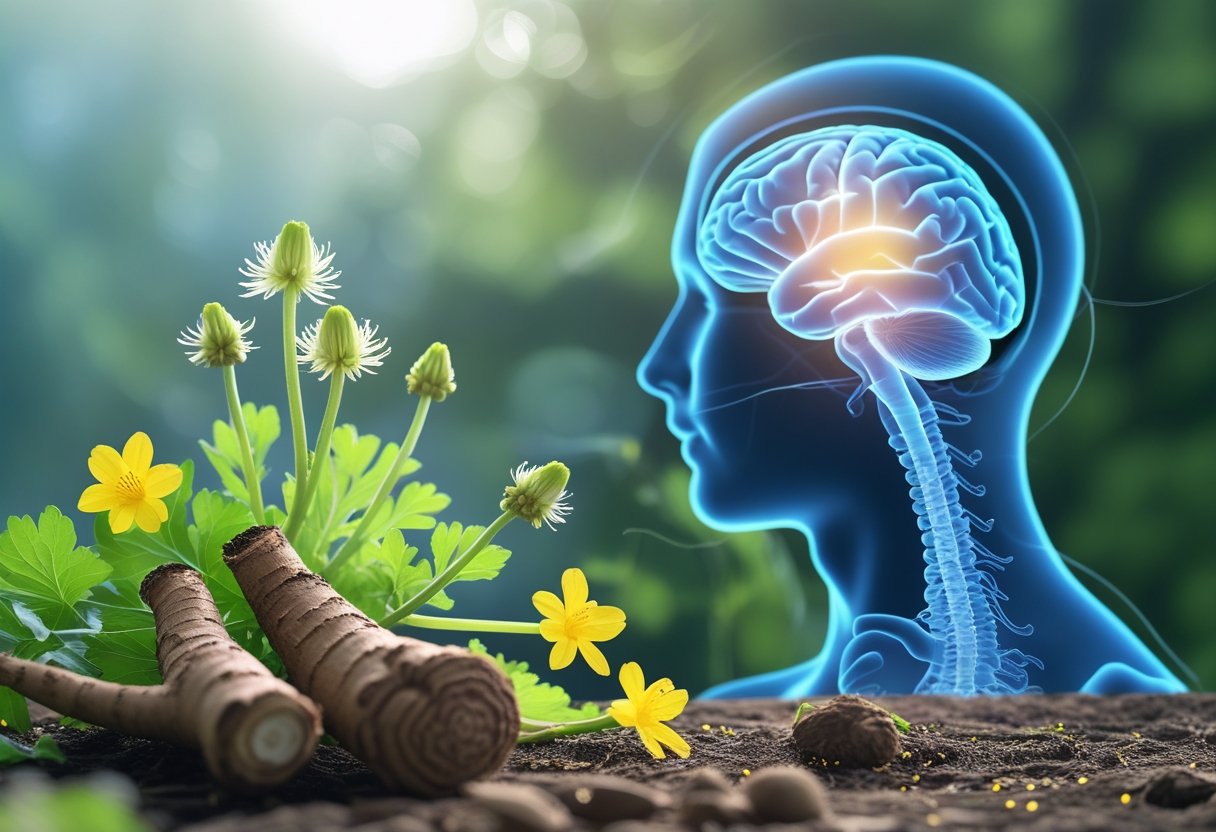
Valerian root contains multiple active compounds that interact with brain chemistry and nervous system function. These compounds work together to produce calming effects through several pathways, primarily by influencing neurotransmitters that control relaxation and sleep.
Key Active Compounds
Valerian root contains over 150 different compounds that contribute to its therapeutic effects. The most important active compound is valerenic acid, a sesquiterpene that serves as a marker for quality in many valerian products. This compound demonstrates strong effects on brain chemistry and is often linked to the herb’s potency.
Isovaleric acid is another key component that gives valerian its distinct smell. This compound works alongside valerenic acid to produce therapeutic effects. The volatile oils in valerian contain substances like bornyl acetate and camphene that may help with absorption.
Valerian also contains flavonoids such as hesperidin and linarin. These compounds provide antioxidant and anti-inflammatory benefits. Other active components include valepotriates, alkaloids, and various sesquiterpenes that each play distinct roles in the herb’s overall activity.
The concentration of these compounds varies based on growing conditions, harvest timing, and how the plant is processed.
Mechanisms Affecting the Nervous System
Valerian’s primary action involves the GABA system, which is the main inhibitory system in the brain. GABA is a neurotransmitter that reduces nerve activity and promotes calmness. Valerian compounds enhance GABA receptor activity and may increase GABA availability at nerve junctions.
Unlike prescription medications, valerenic acid appears to interact with GABA receptors at different sites. This means it can produce calming effects without causing the same tolerance or dependence issues. Some research suggests valerian may also prevent GABA breakdown by blocking certain enzymes, which allows GABA to remain active longer.
Valerian additionally influences serotonin receptors in the brain. This interaction may contribute to mood stabilization and sleep regulation. The herb also affects adenosine receptors, which are involved in natural sleep-wake cycles.
At the cellular level, valerian compounds modulate calcium channels in nerve cells. This affects how neurons fire and communicate with each other.
Sedative and Calming Effects
The combination of these mechanisms produces valerian’s well-known calming and sleep-promoting effects. By enhancing GABA activity, the herb reduces nervous system excitability. This leads to decreased anxiety and easier sleep onset.
Valerian’s effects differ from synthetic sedatives because it works with multiple pathways simultaneously. The herb promotes natural sleep patterns rather than forcing sedation. The adenosine system interactions help maintain normal circadian rhythms.
The calcium channel effects contribute to reduced muscle tension and decreased nerve firing. These actions extend beyond the brain to affect peripheral nerves throughout the body.
Most people need consistent daily use to experience valerian’s full benefits. The compounds have relatively short half-lives, meaning they leave the body fairly quickly. This is why single doses may produce mild effects while regular use tends to be more effective for ongoing sleep and anxiety issues.
Sleep-Related Benefits of Valerian
Valerian root has been used for centuries as a natural sleep aid, with research showing it may help people fall asleep faster and experience better rest. The herb appears to work by interacting with GABA receptors in the brain, promoting relaxation and reducing restlessness that interferes with sleep.
Improving Sleep Quality
Research examining valerian for sleep quality found that people taking valerian were nearly twice as likely to report improved sleep compared to those taking a placebo. The studies showed a relative risk of 1.8 for better sleep quality when using valerian extract.
The improvement in sleep quality appears to happen without the side effects common with prescription sleep medications. People using valerian typically don’t experience the cognitive impairment or increased risk of falls that can occur with benzodiazepines.
Most studies used doses ranging from 225 mg to 1,215 mg per day. The valerian extract seems to help by promoting relaxation and making it easier for the body to transition into sleep.
Managing Insomnia and Sleep Disorders
Valerian has shown promise as a treatment option for people dealing with insomnia. In one study of patients with non-organic insomnia, 66% of the valerian group reported good sleep compared to only 26% in the placebo group.
Studies on insomnia treatment note that valerian’s effects date back to ancient Greece and Rome, where it was used to address sleep disorders. The herb may offer an alternative for people seeking natural options instead of prescription medications.
Research included patients with various sleep problems, from general insomnia to elderly patients with sleep disturbances. Treatment periods ranged from single-day use to 30 days of continuous supplementation.
Reducing Sleep Disturbances and Jet Lag
Valerian may help reduce nighttime restlessness and sleep disruptions that prevent deep, restorative sleep. The herb’s ability to promote relaxation can address the underlying tension that causes people to wake frequently during the night.
While specific research on valerian for jet lag is limited, its properties as a sleep aid suggest potential benefits. The herb’s ability to help regulate sleep patterns could assist travelers adjusting to new time zones.
People experiencing fatigue from poor sleep may find valerian helpful in establishing more consistent rest patterns. The extract works gradually, with some studies showing benefits after just one day while others found optimal results after two weeks of regular use.
Valerian for Stress, Anxiety, and Mental Wellbeing
Valerian root affects brain chemistry in ways that help manage anxiety and stress while supporting overall mental health. The herb influences neurotransmitter systems that regulate mood, attention, and emotional responses.
Reducing Anxiety and Stress
Valerian reduces anxiety by increasing GABA activity in the brain. GABA is the main neurotransmitter that calms neural activity and promotes relaxation. The root contains valerenic acid, which helps reduce anxiety and stress by binding to GABA receptors.
Research shows that valerian can lower anxiety levels without causing heavy sedation. In one study, participants taking valerian extract reported a 66% reduction in anxiety symptoms compared to only 22% in the placebo group. The herb works by increasing levels of serotonin and adenosine through its lignans and valerenic acid compounds.
People often use valerian as an alternative to prescription sedatives and anti-anxiety drugs. The calming effects appear within 30 to 60 minutes of taking the herb. Unlike some medications, valerian typically produces relaxation without excessive drowsiness when taken at appropriate doses during the day.
The herb also helps with physical symptoms of stress. Valerian root reduces stress-related muscle tightness and discomfort by decreasing tension in the body.
Addressing ADHD, OCD, and Hyperactivity
Valerian may help manage symptoms of ADHD and hyperactivity by calming overactive neural pathways. The sedative effects of the herb can reduce restlessness and improve focus in some individuals. However, research on valerian for ADHD remains limited compared to studies on anxiety and sleep.
The herb’s ability to modulate neurotransmitter systems could theoretically benefit people with OCD. By affecting serotonin and GABA pathways, valerian might help reduce obsessive thoughts and compulsive behaviors. More clinical trials are needed to confirm these effects.
People with restless leg syndrome have reported relief when using valerian. The calming effects on the nervous system may decrease the uncomfortable sensations and urge to move that characterize this condition.
Some users find that valerian helps reduce the frequency or intensity of migraines. The herb’s stress-reducing properties and effects on neurotransmitters might contribute to fewer headache episodes in certain individuals.
Supporting Calmness and Mood Enhancement
Valerian promotes a general sense of calm by reducing mental strain and nervous tension. The herb helps soothe agitation and anxiety by interacting with multiple brain systems at once.
People have used valerian since ancient Greek and Roman times to ease stress and promote relaxation. The tradition continues today as more individuals seek natural options for mental wellbeing.
The mood-supporting effects of valerian come from its influence on serotonin pathways. Higher serotonin levels are linked to better mood and emotional balance. Valerian may also offer hope for those seeking natural solutions to control depression alongside anxiety management.
By reducing mental strain that impairs focus and mental clarity, valerian indirectly supports cognitive function during stressful periods. The herb helps create a balanced mental state without causing excessive sedation when used properly.
Key mood and calmness benefits:
- Decreased nervous tension
- Better emotional stability
- Reduced mental fatigue
- Improved stress resilience
- Enhanced sense of wellbeing
Additional Health Benefits of Valerian
Valerian root provides therapeutic effects beyond sleep improvement, including relief from menstrual discomfort, support for cardiovascular function, muscle relaxation properties, and potential benefits for digestive health.
Alleviating Menstrual and Menopausal Symptoms
Valerian root offers natural relief for women experiencing menstrual cramps and PMS symptoms. A study of 100 female students with PMS found that those taking valerian root capsules daily for seven days before their periods experienced less severe physical symptoms, including muscle pain and breast tenderness.
The herb’s muscle-relaxing properties help suppress uterine spasms that cause menstrual cramps. This makes it a useful option for women seeking alternatives to conventional pain medications.
Valerian can also help with menopausal symptoms like hot flashes, sleep disturbances, anxiety, and depression. Several small studies have shown that taking valerian supplements could reduce the severity of hot flashes and improve sleep quality during menopause. However, larger clinical trials are needed to confirm these effects and establish optimal dosing guidelines for menopausal women.
Blood Pressure and Cardiovascular Support
Valerian root may support cardiovascular health through its calming effects on the nervous system. The herb contains compounds that promote relaxation of blood vessels, which could help maintain healthy blood pressure levels.
Some users report that valerian helps reduce heart palpitations associated with stress and anxiety. These palpitations often occur when the body’s stress response triggers increased heart rate and blood pressure.
The sedative properties of valerian work by affecting neurotransmitters in the brain, which indirectly influences cardiovascular function. While research on valerian’s direct effects on blood pressure remains limited, its stress-reducing properties may contribute to overall heart health by lowering anxiety-related strain on the cardiovascular system.
Pain Relief and Muscle Relaxant Activity
Valerian functions as a natural muscle relaxant by reducing tension throughout the body. This property makes it particularly effective for treating muscle spasms caused by stress, overexertion, or injury.
Tension headaches respond well to valerian treatment due to its pain-relieving and anti-stress effects. One study found that people taking 530 milligrams of valerian root extract daily for one month experienced significant reductions in headache severity compared to those receiving a placebo.
The herb’s ability to relieve pain extends beyond headaches. It helps with general muscle soreness and discomfort by promoting relaxation of contracted muscles. This dual action of pain relief combined with muscle relaxation makes valerian a versatile option for managing various types of physical discomfort without the side effects associated with pharmaceutical muscle relaxants.
Digestive and Immune Support
Valerian root may provide benefits for digestive issues through its calming effect on the gastrointestinal system. The herb’s antispasmodic properties help reduce intestinal cramping and discomfort associated with stress-related digestive problems.
Some research suggests valerian could support immune function in specific populations. A small study involving 39 patients undergoing kidney dialysis found that those taking valerian root supplements daily for one month experienced improvements in depression symptoms, suggesting potential benefits for overall wellbeing in immunocompromised individuals.
While preliminary research has explored valerian’s effects in people with conditions like HIV, more extensive studies are needed to establish clear immune-supporting benefits. The herb’s stress-reducing properties may indirectly support immune function by lowering cortisol levels and reducing the negative impact of chronic stress on the body’s defense systems.
Forms and Methods of Using Valerian
Valerian is available in multiple forms, each offering different concentrations and absorption rates. People can choose from teas, tinctures, capsules, tablets, extracts, and essential oils depending on their preferences and needs.
Teas and Valerian Tea
Valerian tea is made by steeping dried valerian root in hot water. The tea has a woody and earthy taste that becomes stronger the longer it brews. Adding honey can make the drink more enjoyable for those who find the flavor too strong.
Most tea manufacturers mix valerian with other herbs, which results in a lower concentration compared to other forms. This lower potency may require drinking larger amounts to achieve the desired effects. The tea form provides a gentler approach for people who want to start slowly with valerian.
People typically drink valerian tea 30 minutes to two hours before bedtime. The preparation method is simple and familiar to most tea drinkers.
Tinctures, Capsules, and Tablets
Tinctures are concentrated liquid herbal extracts that have a higher absorption rate than capsules and teas. This means users receive a higher level of nutrients and active ingredients in smaller doses. Tinctures can be added to beverages or taken directly under the tongue.
Capsules and tablets are the most studied forms of valerian in research. These dietary supplements provide consistent dosing and eliminate the strong odor and taste of raw valerian root. Studies on improving sleep quality typically use doses of 450 to 1,410 milligrams of whole valerian root per day for four to eight weeks.
For tension relief, experts suggest 400 to 600 milligrams of valerian extract or 0.3 to 3 grams of valerian root up to three times daily. These forms are convenient for people who travel or want precise measurements.
Extracts, Supplements, and Essential Oils
Valerian extract is a concentrated form that removes specific compounds from the root and rhizomes. Research studies often use extracts rather than whole root preparations. The concentration levels vary significantly between products, making label reading important.
Dietary supplements containing valerian come in various combinations with other herbs and nutrients like magnesium, calcium, and B vitamins. However, herbal supplements are not monitored by the FDA the same way medications are. This makes it harder to verify product quality and safety.
Essential oils made from valerian can be used in aromatherapy applications. The oil is typically diluted and applied topically or diffused into the air. Before using valerian root supplements, people should discuss options with their healthcare provider to determine the appropriate form and dosage for their specific needs.
Frequently Asked Questions
Valerian root raises common questions about its effectiveness for sleep and anxiety, timing of results, safe dosing practices, and potential risks when used alone or with other medications.
How does valerian root aid in improving sleep quality?
Valerian root contains compounds that interact with GABA receptors in the brain. GABA is a neurotransmitter that helps calm nervous system activity and promotes relaxation.
The active compounds in valerian, including valerenic acid and other plant chemicals, may increase GABA levels in the brain. This process can make it easier for people to fall asleep and stay asleep through the night.
Research suggests valerian root works as a natural sleep aid without the dependency risks associated with prescription sleep medications. Users often report feeling more rested upon waking.
Can valerian root reduce anxiety and stress levels?
Valerian root has demonstrated effects on anxiety through its calming properties. The herb works by reducing nervous system activity and promoting a sense of calm.
Studies show valerian can help decrease anxiety and depression in some individuals. The same GABA-enhancing effects that improve sleep also contribute to reduced feelings of stress and worry.
People who use valerian for anxiety often experience a gentle calming effect. The herb does not typically cause the sedation or impairment associated with prescription anti-anxiety medications.
What are the potential side effects of using valerian supplements?
Most people tolerate valerian root well, but some experience mild side effects. Common reactions include headaches, dizziness, and digestive upset.
Some users report feeling drowsy or sluggish the next day, particularly when taking higher doses. Overuse can lead to additional side effects and should be avoided.
Less common reactions include vivid dreams, heart palpitations, and dry mouth. People should stop using valerian and consult a healthcare provider if they experience severe or persistent side effects.
Are there interactions between valerian and other medications?
Valerian can interact with several types of medications. It may increase the effects of sedatives, sleep medications, and anti-anxiety drugs.
The herb can also interact with antidepressants, antihistamines, and medications metabolized by the liver. People taking any prescription medications should consult their doctor before using valerian supplements.
Combining valerian with alcohol or other central nervous system depressants can cause excessive drowsiness. Healthcare providers can assess individual medication lists to identify potential interactions.
How long does it take for valerian root to show effects?
The timeframe for valerian’s effects varies depending on the intended use. For immediate sleep support, some people notice effects within one to two hours of taking the supplement.
However, valerian often works best with consistent use over time. Many users report improved results after taking valerian regularly for two to four weeks.
The effectiveness of valerian root may vary from person to person, and patience is important when starting this supplement. Some individuals respond quickly while others need several weeks to experience full benefits.
What is the recommended dosage for valerian root for optimal results?
Typical dosages for sleep support range from 300 to 600 milligrams taken 30 minutes to two hours before bedtime. Some formulations may recommend different amounts based on extract concentration.
For anxiety relief, people often take 120 to 200 milligrams two to three times daily. Daily use of valerian root should be adjusted in dosage and under the guidance of a medical professional.
Starting with a lower dose helps assess individual tolerance and response. People can gradually increase the amount if needed, but should not exceed recommended maximums without professional guidance.
Top Valerian Herbal Products
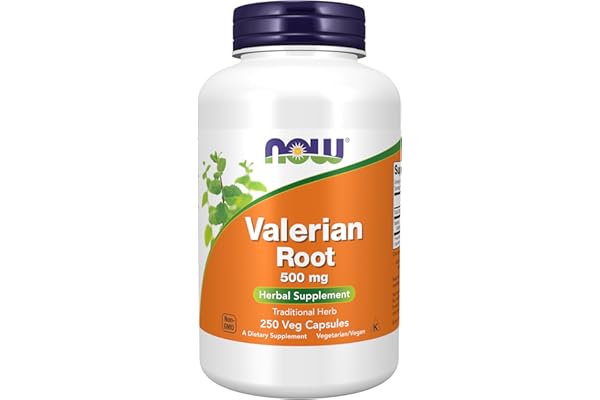
NOW Foods Supplements, Valerian Root (Valeriana officinalis) 500 mg, Herbal Supplement, 250 Veg Capsules
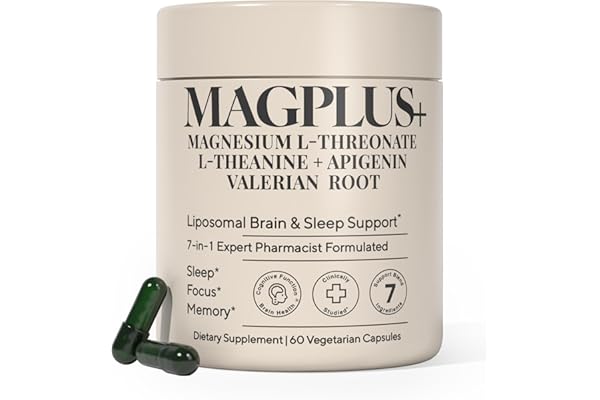
MAGPLUS+ Magnesium L-Threonate w Apigenin & L Theanine, 1500mg 7-Ingredient Sleep Blend – Brain & Memory Support – Liposomal Magnesium Threonate Supplement (60, Sleep & Brain)
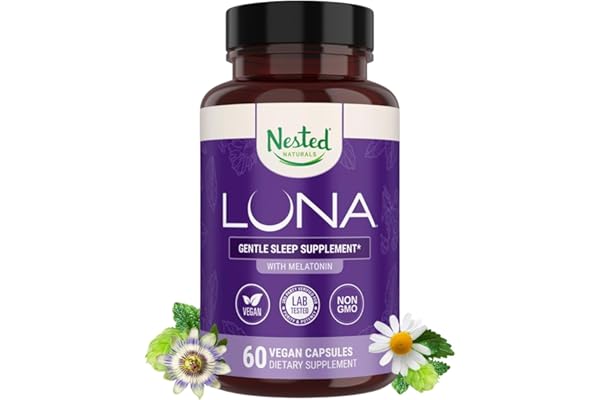
Nested Naturals Luna Sleep Aid – Non-Habit Forming Natural Sleeping Pills for Adults with Naturally Sourced Ingredients – Valerian Root, Melatonin, Chamomile, Lemon Balm, and More – 60 Vegan Capsules
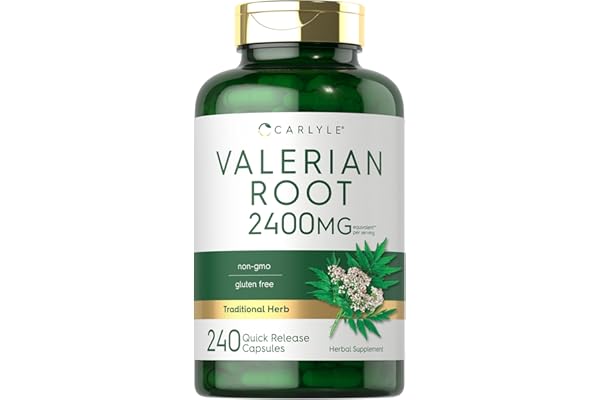
Carlyle Valerian Root Capsules 2400mg – 240 Count – Herb Extract Supplement – Non-GMO, Gluten Free
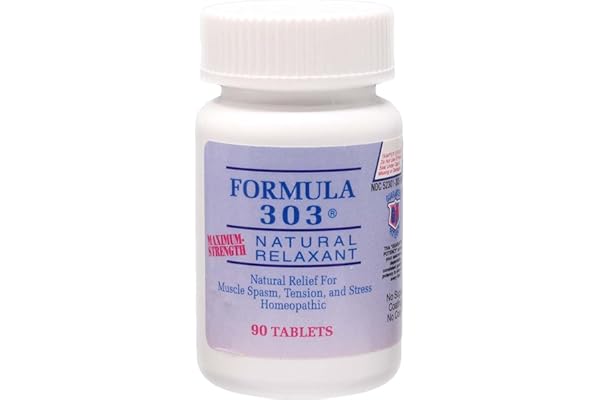
Dee CEE Labs Formula 303 Maximum Strength Tablets, 90 Tablets; All-Natural containing Magnesium for Sore Muscles, Passion Flower, and Valerian Root
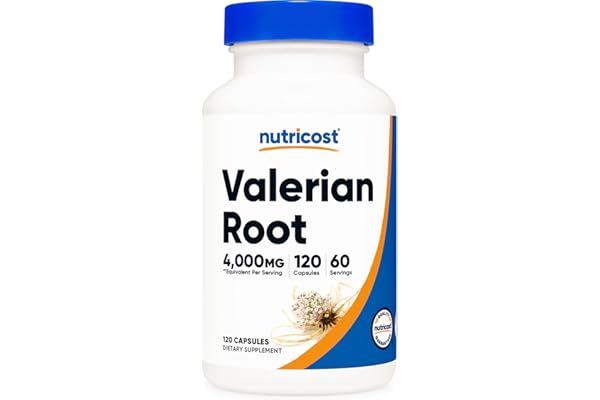
Nutricost Valerian Root Capsules (1000mg Per Serving) 120 Capsules – 4,000mg Equivalent Per Serving (4:1 Extract), Vegetarian Caps, Gluten Free, Non-GMO