


Benefits of Astragalus Root? Health, Uses, and Safety
Astragalus root has been a cornerstone of traditional Chinese medicine for thousands of years, and modern research is starting to reveal why this ancient herb has stood the test of time.
Astragalus offers immune system support, helps manage blood sugar levels in people with diabetes, supports heart health, and may improve kidney function while reducing inflammation throughout the body.
The root contains active plant compounds like polysaccharides, saponins, and flavonoids that work together to protect cells and support overall wellness.
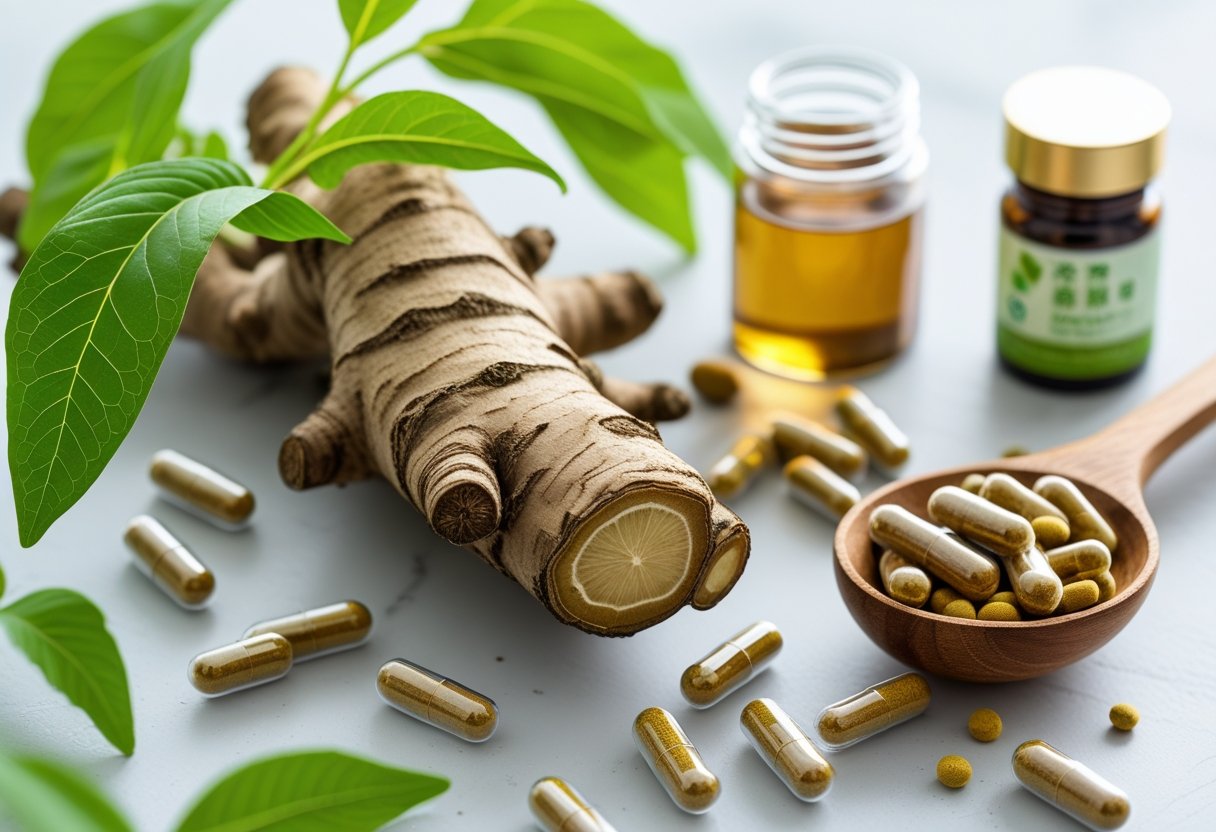
From helping reduce chemotherapy side effects to easing seasonal allergy symptoms, this adaptogenic herb addresses multiple health concerns at once. Studies show that taking 40 to 60 grams of astragalus per day can improve blood sugar control in people with type 2 diabetes when taken for up to four months. The herb also shows promise for reducing fatigue, supporting respiratory health, and protecting against infections.
Understanding how astragalus works in the body helps explain why it has become one of the most frequently prescribed herbs in traditional medicine practices. Whether taken as a capsule, tea, powder, or liquid extract, this versatile supplement offers science-backed benefits for people looking to support their immune system and overall health naturally.
Key Takeaways
- Astragalus supports immune function, heart health, blood sugar management, and kidney health through its active plant compounds
- The herb can be taken safely in doses up to 60 grams daily for up to four months in various forms including capsules, teas, and powders
- People taking immunosuppressant drugs or those who are pregnant should avoid astragalus due to potential interactions and safety concerns
What Is Astragalus?
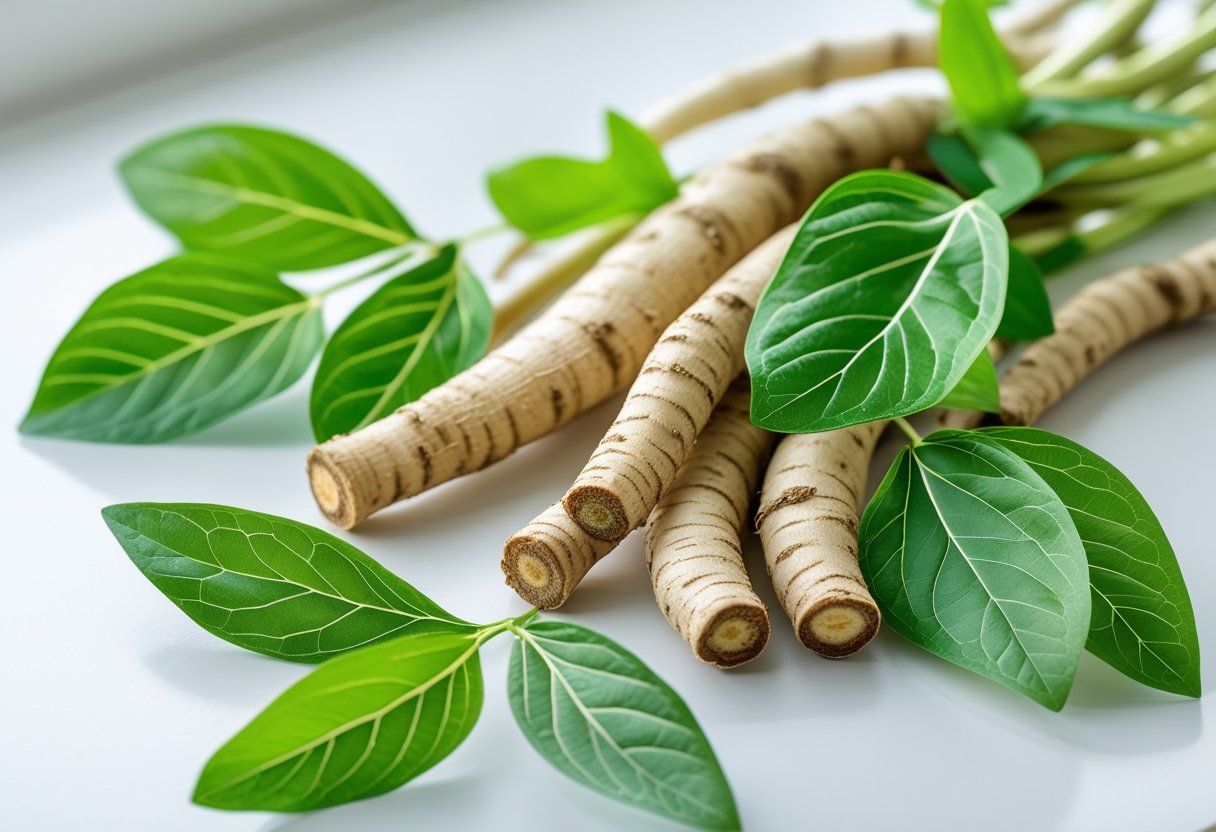
Astragalus is a flowering plant whose root has been used in traditional Chinese medicine for thousands of years. The herb comes in multiple forms including capsules, powders, teas, and liquid extracts.
Origin and History
Astragalus, known as huang qi or huáng qí in Chinese, has roots in traditional Chinese medicine dating back over 2,000 years. Practitioners have long valued the herb as an adaptogen that helps the body resist physical, environmental, and emotional stress.
The plant grows naturally in China, Mongolia, and Korea. Traditional healers historically combined astragalus root with other herbs rather than using it alone. They prescribed it to treat fatigue, boost energy, and strengthen the body’s defenses.
In traditional Chinese medicine, astragalus root remains one of the most frequently used herbs today. The name “milk vetch” comes from the belief that livestock grazing on the plant produced more milk.
Botanical Classification
Astragalus belongs to the legume family and includes over 2,000 different species worldwide. However, only two species are primarily used for medicinal purposes: Astragalus membranaceus and Astragalus mongholicus.
The plant grows as a perennial herb with small yellow or purple flowers. Its root system contains the active compounds responsible for its health properties. The root is typically harvested from four-year-old plants when the concentration of beneficial compounds peaks.
The scientific name Astragalus comes from Greek, while the traditional Chinese name huang qi translates to “yellow leader,” referring to both the root’s color and its importance in herbal formulas.
Key Species Used
Astragalus membranaceus and Astragalus mongholicus are the two species that dominate commercial production. Both contain similar active plant compounds including polysaccharides, flavonoids, and saponins.
These compounds give astragalus root its potential immune-boosting and anti-inflammatory effects. The roots of both species look similar when dried and are often sold interchangeably as astragali radix.
Quality standards focus on the concentration of specific marker compounds. Higher-grade roots typically come from plants grown in their native regions at appropriate elevations.
Forms and Supplements
Astragalus root is available in several forms to suit different preferences and uses. Capsules and tablets offer standardized doses and convenience for daily supplementation. Powdered root can be added to smoothies or mixed into foods.
Liquid extracts and tinctures provide concentrated forms that absorb quickly. Tea made from dried root slices remains popular in traditional preparations. Some practitioners prepare decoctions by boiling the root to release its active compounds.
In clinical settings, healthcare providers may administer astragalus by IV or injection. The typical dosage ranges from 1 to 60 grams per day depending on the form and intended use. Most herbal supplement products combine astragalus root extract with other herbs following traditional Chinese medicine formulas.
Active Compounds in Astragalus
Astragalus contains several plant compounds that work together to provide health benefits. The main active substances include polysaccharides, saponins, flavonoids, and astragalosides.
Polysaccharides and Immune Support
Astragalus polysaccharides (APS) represent the most important natural active component in the plant. These complex sugar molecules play a key role in supporting immune function.
Research shows that polysaccharides help activate immune cells in the body. They stimulate white blood cells and enhance the production of antibodies. This makes them valuable for people looking to strengthen their natural defenses.
The polysaccharides work by interacting with immune receptors on cell surfaces. This triggers a response that helps the body fight off harmful invaders. Studies have found these compounds demonstrate significant immunomodulatory properties alongside other beneficial effects.
Saponins and Antioxidant Activity
Saponins are another major group of bioactive compounds in astragalus species. These substances protect cells from damage caused by free radicals.
The antioxidant effects of saponins help reduce oxidative stress in the body. They neutralize harmful molecules that can damage DNA and proteins. This protective action supports overall health and may slow down aging processes.
Research has identified numerous saponin compounds in astragalus roots. These include cycloalkane triterpenoid saponins and oleane-type pentacyclic triterpenoids. Each type offers distinct biological activities that contribute to the plant’s therapeutic value.
Flavonoids for Cardiovascular Health
Flavonoids in astragalus include compounds like calycosin and formononetin. These substances support heart health and blood vessel function.
Studies show flavonoids help relax blood vessels and improve circulation. They reduce inflammation in the cardiovascular system and help maintain healthy cholesterol levels. Over 50 different flavonoid compounds have been identified in various astragalus species.
The plant contains several types of flavonoids including isoflavones, flavonols, and dihydroflavonoids. Some exist in free form while others attach to sugar molecules. Research indicates these compounds also demonstrate anti-inflammatory and blood sugar regulating properties.
Astragalosides and Biological Effects
Astragalosides are specific saponin compounds unique to astragalus. Astragaloside IV stands out as one of the most studied and potent forms.
These compounds show multiple biological effects in laboratory studies. Astragaloside IV demonstrates neuroprotective properties and may benefit brain health. It also shows promise for supporting kidney and liver function.
Research has found astragalosides help protect against cellular damage and support tissue repair. They work through various mechanisms including reducing inflammation and enhancing antioxidant defenses. Scientists continue to study these compounds for their potential in treating chronic diseases.
Immune-Boosting Benefits
Astragalus provides immune system support through multiple mechanisms, including increased white blood cell production and enhanced defense against viral and bacterial infections. The herb contains active plant compounds that strengthen the body’s natural defenses.
How Astragalus Supports Immunity
The root contains polysaccharides, flavonoids, and saponins that work together to enhance immune system function. These compounds activate immune cells and help the body recognize and respond to potential threats more effectively.
Astragalus acts as an adaptogen, meaning it helps the body adapt to stress while supporting overall immune health. The herb has been used in traditional Chinese medicine for centuries specifically for its ability to protect against illness.
Research shows that astragalus may be particularly helpful for people dealing with chronic fatigue syndrome. When combined with other herbal supplements, it can help reduce tiredness and improve energy levels in those experiencing persistent exhaustion.
White Blood Cell Production
Astragalus increases the body’s production of white blood cells, which are responsible for preventing illness and fighting off infections. These cells form the front line of defense against bacteria, viruses, and other harmful invaders.
Animal studies demonstrate that astragalus root helps kill bacteria and viruses in mice with infections. The herb appears to enhance the activity of specific immune cells, making them more effective at identifying and eliminating threats.
The active compounds in astragalus stimulate bone marrow to produce more white blood cells. This increased production helps maintain a robust immune response, especially during times when the body faces higher exposure to pathogens.
Protection Against Common Cold and Infections
Astragalus has been commonly used for ailments ranging from the common cold to seasonal allergies. The herb’s antibacterial and antiviral properties help prevent upper respiratory infections before they take hold.
Clinical evidence suggests that astragalus may reduce the frequency and severity of colds. People who take the herb regularly may experience fewer sick days throughout the year.
For individuals with reduced kidney function, taking 7.5 to 15 grams of astragalus daily for three to six months reduced infection risk by 38%. The herb appears to strengthen the immune system in vulnerable populations who are more susceptible to infections.
Heart and Cardiovascular Health
Astragalus offers several protective effects for the heart and blood vessels. The herb helps manage blood pressure and supports healthy circulation, while also influencing cholesterol levels and reducing inflammation in heart tissue.
Heart Function and Myocarditis
Astragalus contains compounds that directly support how the heart pumps blood. Research shows it may help improve heart function for people with certain heart conditions.
Studies have examined astragalus for treating myocarditis, which is inflammation of the heart muscle. The herb’s anti-inflammatory properties help reduce swelling in heart tissue. Some patients with heart failure have experienced improved exercise capacity after taking astragalus supplements.
The active compounds called astragalosides can enhance the heart’s contractility. This means the heart muscle may pump more efficiently. For people recovering from cardiac events, astragalus has shown promise in supporting the healing process by reducing inflammatory markers in the body.
Blood Pressure and Circulation
Astragalus has been prized for its ability to support vascular health and maintain stable blood pressure. The herb promotes vasodilation, which means blood vessels can relax and widen more easily.
Small clinical trials have found that people with mild hypertension experienced blood pressure reductions after taking astragalus for 8 to 12 weeks. The decreases typically ranged from 5 to 10 mmHg in systolic readings. These effects appear to work by increasing nitric oxide availability in blood vessels.
Astragalus also helps improve arterial flexibility. This matters because stiff arteries put extra strain on the heart. The herb’s antioxidants protect blood vessel walls from damage that can reduce circulation over time.
Cholesterol and Plaque Reduction
Astragalus influences lipid metabolism in ways that benefit cardiovascular health. Studies indicate the herb can help optimize cholesterol by modestly reducing LDL cholesterol oxidation.
When LDL cholesterol becomes oxidized, it contributes to plaque formation in arteries. Astragalus’s antioxidant compounds help prevent this oxidation process. Some research participants showed a 5 to 7% decline in total cholesterol after 12 weeks of supplementation.
The herb may also raise HDL cholesterol levels slightly. HDL is beneficial because it removes excess cholesterol from tissues and blood vessels. By supporting healthier cholesterol ratios and protecting arterial walls from oxidative damage, astragalus addresses multiple risk factors for atherosclerosis.
Blood Sugar and Diabetes Management
Astragalus shows promise in helping people manage blood sugar levels, particularly those with type 2 diabetes. Research indicates the herb may lower elevated glucose and improve how the body responds to insulin.
Blood Sugar Control
Studies show that astragalus can help reduce high blood sugar levels in people with diabetes. An analysis of 13 studies found that astragalus lowered blood sugar when taken daily at around 50 mg.
The active compounds in astragalus root, including Astragaloside IV, appear to influence sugar metabolism in the body. These plant compounds work through several pathways to help control glucose levels.
Research using astragalus polysaccharide (APS) in diabetic rats showed significant improvements. Animals given 700 mg/kg of APS for 8 weeks had reduced fasting plasma glucose, random blood glucose, and glycated hemoglobin levels. Another study found that 400 mg/kg of APS for 5 weeks significantly lowered random blood glucose in diabetic rats.
Benefits for Type 2 Diabetes
Type 2 diabetes creates a significant health burden worldwide and often leads to serious problems like heart disease, kidney damage, and vision loss. Astragalus polysaccharide extracted from Astragalus membranaceus shows various effects that may help treat diabetes and its complications.
The herb works through multiple mechanisms in diabetes management. These include protecting pancreatic beta cells that produce insulin, enhancing insulin sensitivity in tissues, and promoting proper glucose storage in the liver and muscles.
Research demonstrates that APS improves both type 1 and type 2 diabetes through different molecular pathways. In one study with diabetic KKAy mice, APS improved high blood sugar and systemic insulin sensitivity while reducing liver fat content.
Insulin Sensitivity
Insulin resistance occurs when muscle, fat, and liver cells don’t respond well to insulin and can’t easily absorb glucose from the blood. Astragalus has shown insulin-sensitizing effects in multiple studies.
The herb improves insulin sensitivity in three key target organs:
- Adipose tissue: APS increases glucose transporter protein 4 and enhances insulin signaling pathways
- Liver: APS reduces inflammation and helps prevent fat buildup that contributes to insulin resistance
- Skeletal muscle: APS increases glucose uptake and improves insulin-dependent glucose utilization
Studies using skeletal muscle cells showed that APS treatment significantly increased glucose uptake in a dose-dependent manner. The compound activated AMPK, a key enzyme that regulates glucose processing in muscle tissue. This activation helped restore impaired glucose uptake and improved overall insulin sensitivity.
Kidney Health and Chronic Conditions
Astragalus shows promise in supporting kidney function and may help slow the progression of chronic kidney disease, particularly in people with diabetes-related kidney damage.
Kidney Function Support
Research indicates that astragalus may improve kidney function in people with mild to moderate chronic kidney disease. A study of 37 patients found that taking astragalus-containing preparations improved estimated glomerular filtration rate (eGFR) from 66 to 70 ml/min/1.73 m² after six months.
The herb appears to work through several mechanisms. Astragalus has anti-inflammatory properties that may reduce kidney tissue damage. It also contains antioxidants that protect kidney cells from oxidative stress.
Traditional Chinese medicine practitioners have used astragalus for centuries to treat various kidney conditions. The typical dose ranges from 9 to 30 grams daily, though patients with chronic kidney disease often take 3 to 4 grams per day. Studies suggest this amount may help maintain kidney function without serious side effects.
Patients taking the herb showed consistent improvements regardless of age, sex, or disease stage. The benefits remained stable whether people took it for a few months or longer periods.
Protection Against Diabetic Kidney Disease
Diabetes is a leading cause of chronic kidney disease and eventual kidney failure. Astragalus demonstrates kidney-protective effects in people with type 2 diabetes who also have kidney disease.
The herb may help slow the progression from diabetes to chronic kidney disease. Clinical trials have examined astragalus as an add-on treatment for people already managing both conditions. Early results suggest it may help preserve kidney function when combined with standard diabetes medications.
Diabetic kidney damage often results from high blood sugar levels causing inflammation and stress on kidney tissues. Astragalus appears to address these issues through its immune-modulating properties, which help the body manage inflammation more effectively.
Anticancer Effects and Chemotherapy Support
Astragalus shows promise in cancer care through its ability to fight cancer cells directly and reduce harsh side effects from conventional treatments. Research indicates the herb may slow tumor growth while helping patients tolerate chemotherapy better.
Potential Anticancer Properties
Astragalus contains compounds that may directly fight cancer cells in the body. The primary anticancer component is astragaloside, which regulates tumor cell apoptosis, proliferation, invasion, and metastasis.
Studies show astragaloside can activate cell death pathways in cancer cells. In laboratory tests with precancerous gastric lesions, astragaloside activated p53 proteins to trigger autophagy and apoptosis in abnormal cells. This mechanism helps eliminate damaged cells before they develop into cancer.
The herb also demonstrates immunomodulating properties that strengthen the body’s natural defenses against cancer. Astragalus polysaccharide (APS), another active component, enhances immune function to help the body recognize and destroy cancer cells.
Research has focused on multiple cancer types including liver, gastric, and other solid tumors. However, most evidence comes from laboratory and animal studies rather than large human trials.
Support During Chemotherapy
Astragalus helps reduce chemotherapy side effects such as nausea, vomiting, and immune suppression. The herb has been used in Traditional Chinese Medicine to strengthen the immune system during cancer treatment.
Studies indicate astragalus can protect against chemotherapy-induced damage to healthy tissues. The herb’s compounds reduce oxidative stress and inflammation that often worsen during treatment. This protective effect may help patients complete their full chemotherapy regimen without dose reductions.
Research suggests more convincing evidence supports astragalus for reducing treatment side effects rather than directly treating cancer. Patients should discuss astragalus use with their oncologist to check for potential interactions with cancer medications.
Fatigue and Quality of Life
Cancer-related fatigue affects most patients undergoing treatment and significantly impacts daily functioning. Astragalus is used to increase stamina, strength, and vitality in Traditional Chinese Medicine formulas.
The herb may improve energy levels through multiple mechanisms. It supports mitochondrial function and reduces inflammation that contributes to exhaustion. Astragalus also helps regulate stress responses that drain energy reserves.
Some patients report better appetite and sleep quality when taking astragalus during treatment. These improvements contribute to overall wellbeing and help maintain body weight during chemotherapy.
Relief for Seasonal Allergies and Respiratory Symptoms
Astragalus works to calm the body’s response to allergens by reducing histamine release and lowering inflammation in the airways. People who deal with springtime pollen or other environmental triggers may find their respiratory discomfort eases when using this herb.
Allergy Symptom Reduction
Astragalus reduces histamine responses and alleviates inflammation, which makes it useful for people dealing with seasonal allergies. The herb acts as a natural immune modulator that helps balance how the body reacts to allergens without suppressing the immune system entirely.
Research shows this approach can make a real difference. A double-blind study found that participants taking astragalus experienced fewer allergy symptoms compared to those who didn’t use the herb.
The anti-inflammatory properties in astragalus help soothe the respiratory system during high pollen seasons. This calming effect on inflammation means less irritation in the nasal passages and airways.
Taking astragalus for up to six weeks may relieve seasonal allergy symptoms according to reviews of natural medicine databases. The herb works best when used consistently rather than only during severe flare-ups.
Runny Nose, Sneezing, and Itching
The most bothersome symptoms of seasonal allergies respond well to astragalus supplementation. Astragalus can help with sneezing, runny nose, and itching by targeting the underlying histamine response that causes these problems.
When allergens enter the body, immune cells release histamine as a protective measure. This chemical triggers the uncomfortable symptoms people associate with allergies. Astragalus helps control this release so symptoms don’t become overwhelming.
People often notice less nasal congestion and fewer sneezing fits when using astragalus regularly. The itching that affects eyes, nose, and throat also decreases as the herb reduces inflammation in mucous membranes.
The respiratory support from astragalus goes beyond just blocking symptoms. It actually helps strengthen the body’s natural defenses while keeping allergic reactions in check.
Anti-Inflammatory and Antioxidant Effects
Astragalus contains compounds that reduce inflammation in the body and protect cells from damage caused by unstable molecules. The plant’s flavonoids and saponins work through specific pathways to lower inflammation markers while neutralizing harmful free radicals.
Inflammation Modulation
Astragalus demonstrates potent anti-inflammatory effects by inhibiting inflammatory pathways such as NF-kB, which plays a central role in the body’s inflammatory response. The flavonoids and saponins in the plant block the production of inflammatory molecules that contribute to chronic health conditions.
Research shows that astragalus compounds can suppress high-sugar-induced inflammatory responses in kidney cells. Specific flavonoid compounds extracted from astragalus roots significantly reduced levels of tumor necrosis factor-alpha and interleukin-6, two key inflammatory markers, at concentrations of 50 micromoles per liter.
Chronic inflammation links to conditions like arthritis, diabetes, cancer, and autoimmune diseases. The plant’s bioactive compounds such as astragalosides and flavonoids help the body maintain balanced inflammatory responses. These effects make astragalus useful for people dealing with persistent inflammation-related symptoms.
Oxidative Stress Reduction
The antioxidant properties of astragalus help neutralize free radicals that damage cells and accelerate aging. Compounds isolated from astragalus roots show strong free radical scavenging activity, with some demonstrating DPPH free radical elimination at concentrations between 43.9 and 51.7 micromoles.
Certain flavonoid compounds from astragalus flowers exhibit particularly strong antioxidant capacity, with effectiveness levels comparable to vitamin C. These compounds protect cells by donating electrons to unstable molecules, preventing chain reactions that harm cellular structures.
The plant’s antioxidant effects help bolster the body’s natural defense systems against oxidative damage. This protection extends to multiple organ systems and may slow cellular deterioration associated with aging and disease progression.
Potential Benefits for Fatigue, Energy, and Aging
Astragalus has been used for centuries to combat tiredness and support the body’s natural energy production. Research suggests it may help address chronic fatigue while also offering protective effects related to aging processes.
Chronic Fatigue and Energy Levels
Astragalus supports mitochondrial function, the energy-producing centers within cells. This mechanism helps explain why the herb has traditionally been valued as a tonic for people experiencing persistent tiredness.
Studies indicate that astragalus may improve physical performance and reduce feelings of exhaustion. Research on animals found that the herb improved exercise performance and reduced fatigue during physical activity.
The herb works by increasing oxygen utilization throughout the body. This enhanced oxygen delivery helps cells produce energy more efficiently, which may benefit people dealing with chronic fatigue syndrome or general low energy levels.
Traditional Chinese medicine practitioners have long prescribed astragalus to address stress-induced tiredness. The plant contains compounds that help the body adapt to physical and mental stressors that drain energy reserves.
Support for Healthy Aging
Research has explored astragalus for its potential anti-aging properties, particularly its effects on cellular aging markers. One study found that astragalus supplements helped reduce telomere shortening, a type of cell damage associated with aging.
Telomeres are protective caps on chromosome ends that naturally shorten as people age. Slowing this shortening process could have significant implications for longevity and age-related health.
The herb contains flavonoids and saponins that act as antioxidants. These compounds help protect cells from oxidative stress, which contributes to aging and age-related diseases.
Astragalus may also improve skin health by increasing collagen production and reducing wrinkle appearance. These effects support both internal cellular health and external signs of aging.
Forms, Dosage, and Usage Recommendations
Astragalus supplements come in multiple forms, each with specific dosage ranges and preparation methods. Understanding these options helps users select the most practical format for their needs and ensure safe, effective supplementation.
Popular Supplement Types
The most common astragalus supplement forms include capsules, tinctures, powders, and raw root. Capsules and tablets provide the easiest method of consumption with pre-measured doses of powdered root or concentrated extract. These require no preparation and offer consistency.
Tinctures are a liquid extract made by soaking astragalus root in alcohol or glycerin. Users take tinctures by placing drops under the tongue or mixing them into water for rapid absorption. This format offers a highly concentrated form of the herb.
Raw, dried root slices represent the traditional preparation method. These must be simmered in water for 30 minutes to an hour to create a decoction or tea. The extended cooking time is necessary because active compounds like polysaccharides do not release easily through simple steeping.
Loose powder can be mixed into smoothies, juice, or other beverages. This provides flexibility in dosing but requires measuring each serving.
Dosage Guidance
For raw, dried root used in decoctions, a typical daily dose ranges from 9 to 30 grams. Some traditional practices may use up to 60 grams per day for short periods, though lower amounts are recommended for regular use.
Capsules containing powdered root typically provide 600 milligrams to 2 grams daily, divided into multiple doses throughout the day. Products with standardized extracts show concentration ratios like 5:1, meaning the extract is five times more concentrated than raw herb.
Liquid extracts and tinctures require approximately 2 to 5 milliliters, taken up to three times per day. Potency varies significantly between brands, so users should follow manufacturer instructions carefully.
Very high doses exceeding 28 grams per day of raw herb may suppress rather than support immune function. Studies indicate astragalus is safe for continuous use at standard doses for up to four months.
Best Practices for Use
Astragalus extract and other herbal remedies work best when taken consistently at the same time each day. Dividing the total daily amount into two or three smaller doses helps maintain steady levels in the body.
Users should start with lower doses and gradually increase to assess tolerance. Taking astragalus with food may reduce the risk of digestive discomfort in sensitive individuals.
Those using decoctions should store prepared tea in the refrigerator and consume within 48 hours for maximum potency. Capsules and powders require storage in cool, dry places away from direct sunlight.
Individuals taking immunosuppressants, blood pressure medications, or diabetes drugs should consult healthcare providers before starting astragalus supplements. The herb may interact with these medications and affect their effectiveness.
Safety, Side Effects, and Drug Interactions
Astragalus is generally well-tolerated by most people, but it can cause mild reactions in some individuals. People taking certain medications need to be cautious about potential interactions, and specific groups should avoid using this herb altogether.
Common Side Effects
Most people experience no problems when taking astragalus. When side effects do occur, they are usually mild and temporary.
The most common reactions include digestive issues like nausea and diarrhea. Some people may also develop skin reactions such as rash or itching.
These symptoms typically appear when someone first starts taking astragalus or takes too much at once. The side effects often go away on their own as the body adjusts to the supplement.
Allergic reactions to astragalus are rare but possible. Anyone who develops severe symptoms like difficulty breathing or swelling should stop taking the herb immediately and seek medical attention.
Potential Drug and Medication Interactions
Astragalus can interact with several types of medications. The most significant concern involves immunosuppressant drugs that people take after organ transplants or to manage autoimmune conditions.
Astragalus may boost immune system activity, which could work against immunosuppressant medications like cyclosporine, prednisone, and azathioprine. This interaction could reduce the effectiveness of these drugs and increase the risk of organ rejection or disease flares.
The herb may also affect blood sugar levels and blood pressure. People taking diabetes medications or blood pressure drugs should monitor their levels closely when using astragalus.
According to the NCCIH, anyone taking prescription medications should talk to their healthcare provider before adding astragalus to their routine. The timing of doses and the amount taken can impact how significant these drug interactions become.
Who Should Avoid Astragalus
Pregnant and breastfeeding women should not take astragalus because researchers have not studied its safety in these populations. The herb’s effects on developing babies and infants remain unknown.
People with autoimmune diseases like rheumatoid arthritis, lupus, or multiple sclerosis need to be particularly careful. Since astragalus stimulates the immune system, it might make these conditions worse.
Anyone scheduled for surgery should stop taking astragalus at least two weeks before the procedure. The herb might interfere with blood sugar control during and after surgery.
Frequently Asked Questions
Astragalus raises common questions about its mechanisms of action, safety profile, and specific health applications. People want to understand how this traditional herb works in the body and whether it fits their health needs.
How does Astragalus support the immune system?
Astragalus contains compounds like flavonoids and polysaccharides that may help the immune system work better. These active ingredients appear to have antimicrobial and antibacterial properties that could suppress harmful microorganisms.
Research suggests the herb may also have anti-inflammatory effects. The polysaccharides in astragalus can modulate immune system responses, though scientists need more human studies to confirm exactly how this works.
Some evidence indicates astragalus helps stimulate the body’s natural defenses. However, very high doses may actually suppress immune function, which makes proper dosing important.
What are the potential anti-aging properties of Astragalus?
According to a 2017 research review, astragalus may have properties that support graceful aging. The herb appears to reduce oxidative stress, which damages cells over time.
The same review suggested astragalus may reduce neurodegeneration in the brain. It may also act as a tonic to build stamina and promote better immune function as people age.
These effects come from the herb’s antioxidant compounds. The polysaccharides, flavonoids, and saponins in astragalus work together to protect cells from damage.
Can Astragalus help in managing stress and fatigue levels?
Astragalus is considered an adaptogen, which means it may help the body handle physical, environmental, and emotional stress. Adaptogens work by supporting the body’s natural ability to maintain balance during challenging situations.
The herb has traditionally been used as a tonic to build stamina and energy. Some people report feeling less fatigued when taking astragalus regularly, though more clinical research is needed.
Traditional Chinese medicine has used astragalus for centuries to strengthen vitality. Modern interest focuses on understanding how these traditional uses translate to measurable health benefits.
Are there cardiovascular benefits associated with taking Astragalus?
Astragalus has cardiotonic activities, meaning it may stimulate and support heart muscle function. This property has made it a topic of interest for cardiovascular health research.
The herb contains compounds that may benefit heart health in several ways. Some studies suggest it could help protect the cardiovascular system from stress and damage.
Traditional use indicates astragalus supports circulation and heart strength. However, people with existing heart conditions should consult their doctor before adding astragalus to their routine.
What are the effects of Astragalus on liver health?
According to a 2022 study, astragalus species contain active ingredients that may benefit symptoms of liver disease, including cirrhosis and portal hypertension. The roots and aerial parts of the plant have anti-fibrotic actions, which means they may prevent scarring.
The herb also shows diuretic properties that could help with liver-related fluid retention. Laboratory studies demonstrate these potential benefits, though researchers conducted most studies without human participants.
Astragalus has not been associated with causing liver injury according to a 2019 review. However, taking very high doses might affect the liver or cause drug interactions.
Is Astragalus safe for long-term use and are there any side effects?
Most people tolerate astragalus well when taken in appropriate amounts. Common side effects may include rash, itchiness, abdominal discomfort, and nasal symptoms.
People who are pregnant or nursing should not take astragalus because experts suggest it may be toxic to the parent or child. Those with autoimmune conditions should also avoid it since the herb affects immune system function.
Very high doses of astragalus may suppress the immune system rather than support it. There is insufficient scientific information to determine exact safe dosages, which may depend on age, health status, and other factors.
Taking astragalus alongside prescription medications may cause interactions and adverse effects. Anyone with a health condition or taking medication should consult their doctor before using this herb.
Top Astragalus Root Products
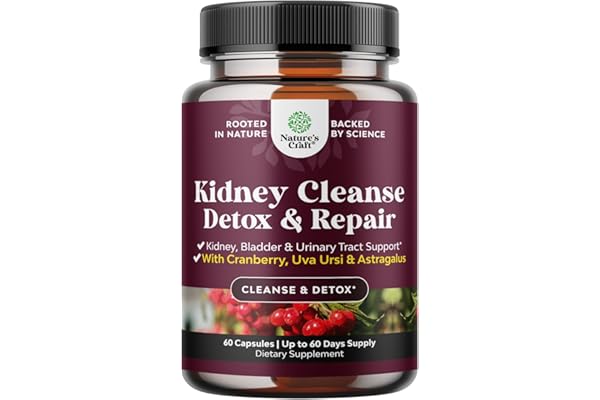
Advanced Kidney Support Supplement – Kidney Cleanse Detox & Repair Cranberry Extract Capsules with Uva Ursi, Stinging Nettle & Astragalus for Kidney health – Urinary Tract Health – 60 Caps
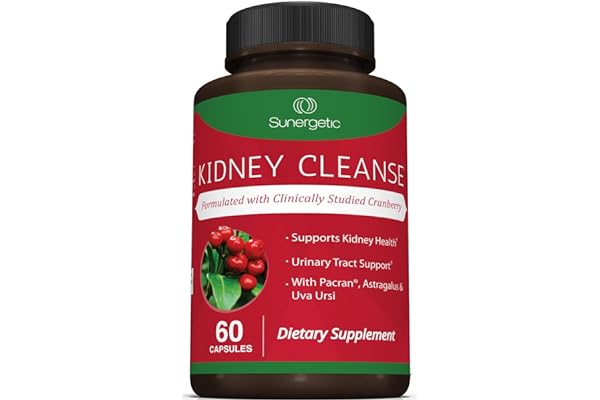
Sunergetic Premium Kidney Cleanse Supplement – Powerful Kidney Support Formula with Cranberry Extract Helps Support Healthy Kidneys & Urinary Tract Support – 60 Vegetarian Capsules
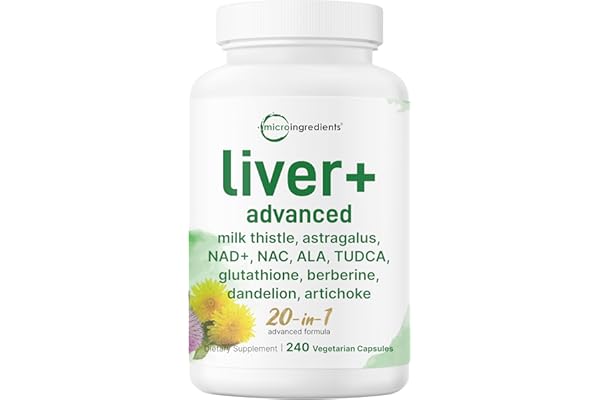
Liver Advanced+, 240 Veggie Capsules – 20-in-1 Complex with Milk Thistle, Dandelion, NAD, NAC, ALA, TUDCA, Glutathione, Artichoke, Turmeric, & Astragalus – Non-GMO, Gluten Free
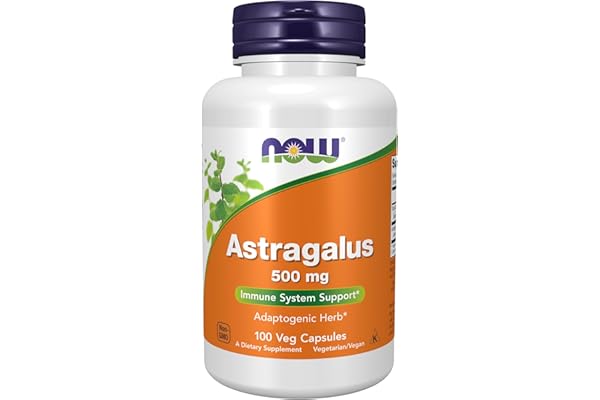
NOW Foods Supplements, Astragalus (Astragalus membranaceus) 500 mg, Immune System Support*, 100 Capsules
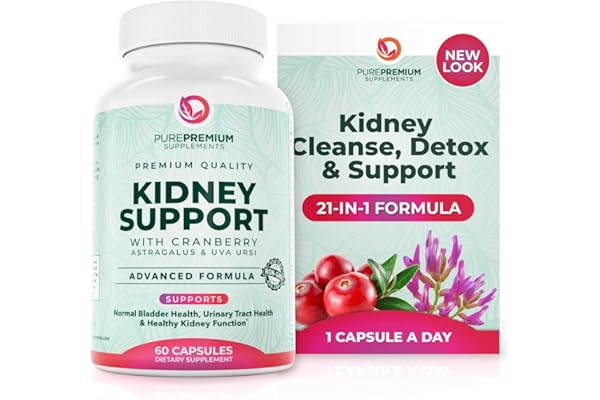
PurePremium Kidney Support Supplement – Kidney Cleanse Detox & Repair with Cranberry Extract & Astragalus – 21-in-1 Complex Supports Normal Bladder, Urinary Tract & Kidneys Health – 60 Day Supply
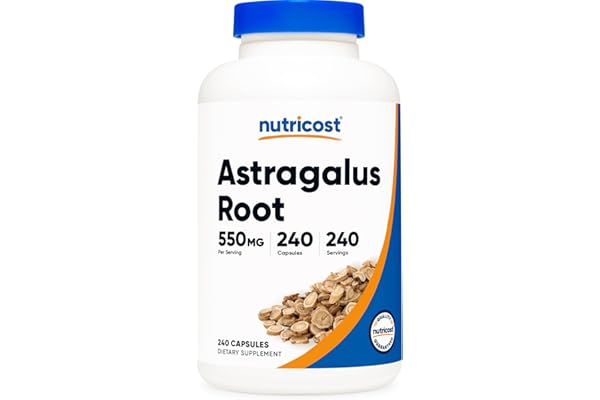
Nutricost Astragalus Capsules 550mg, 240 Vegetarian Capsules – Non-GMO and Gluten Free